













Are Outdoor Solar Lights Any Good? Benefits, Limitations & Expert Tips (2025 Guide)
Discover whether outdoor solar lights are a smart investment. Explore their pros, cons, performance in real conditions, lifespan, and maintenance tips to help you choose the best solar lighting solutions for gardens, pathways, and streets.
1. How Do Outdoor Solar Lights Work?
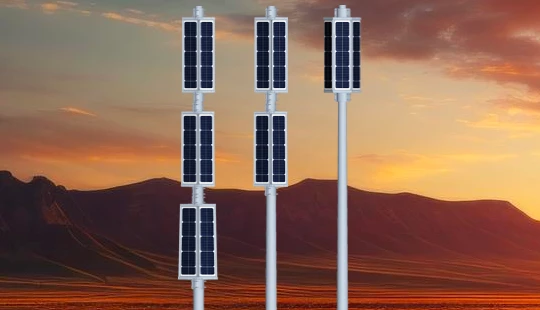
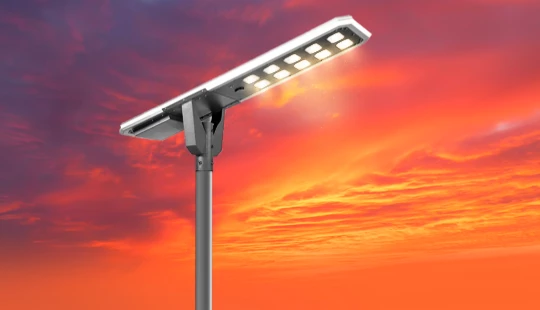
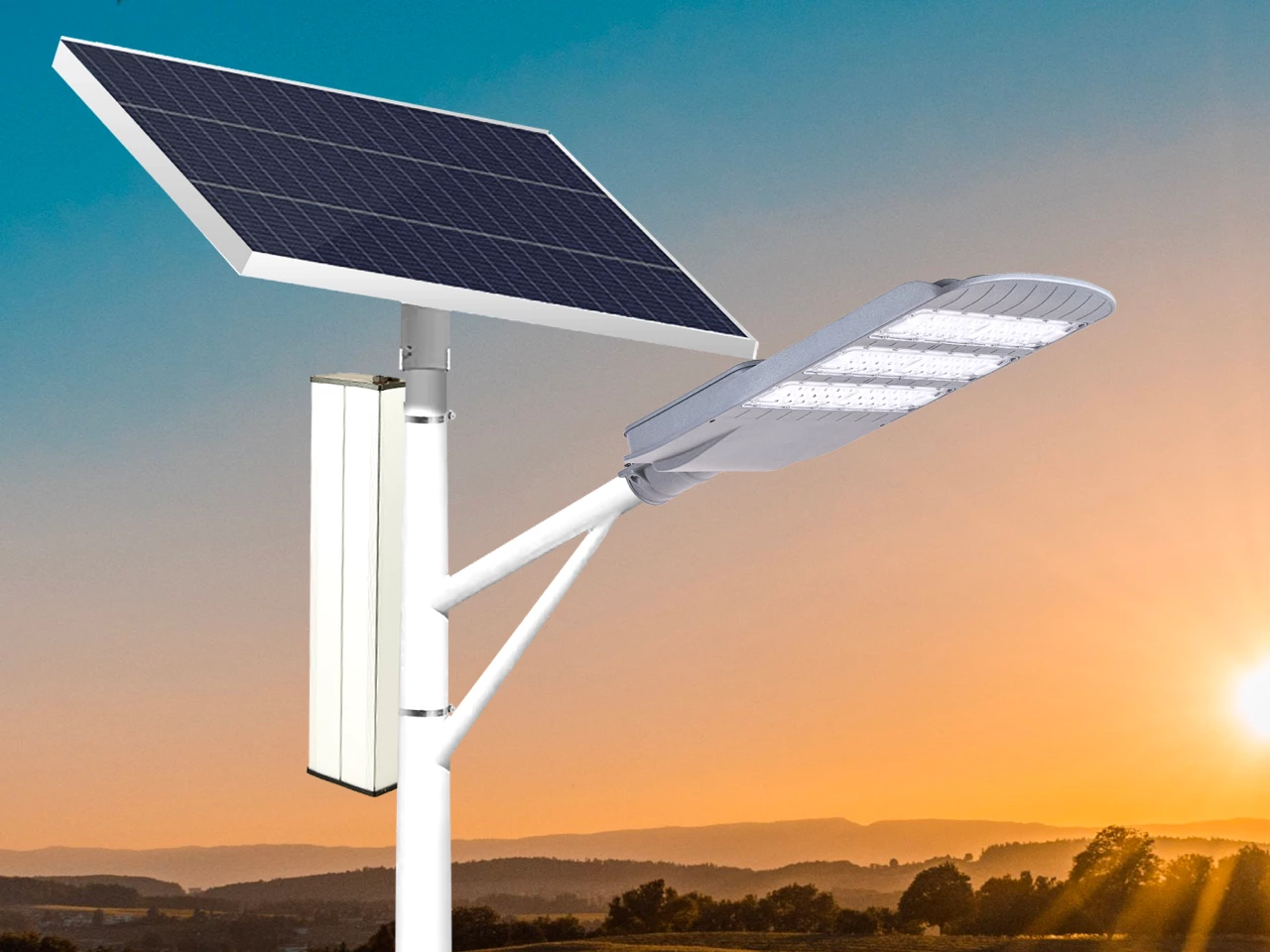
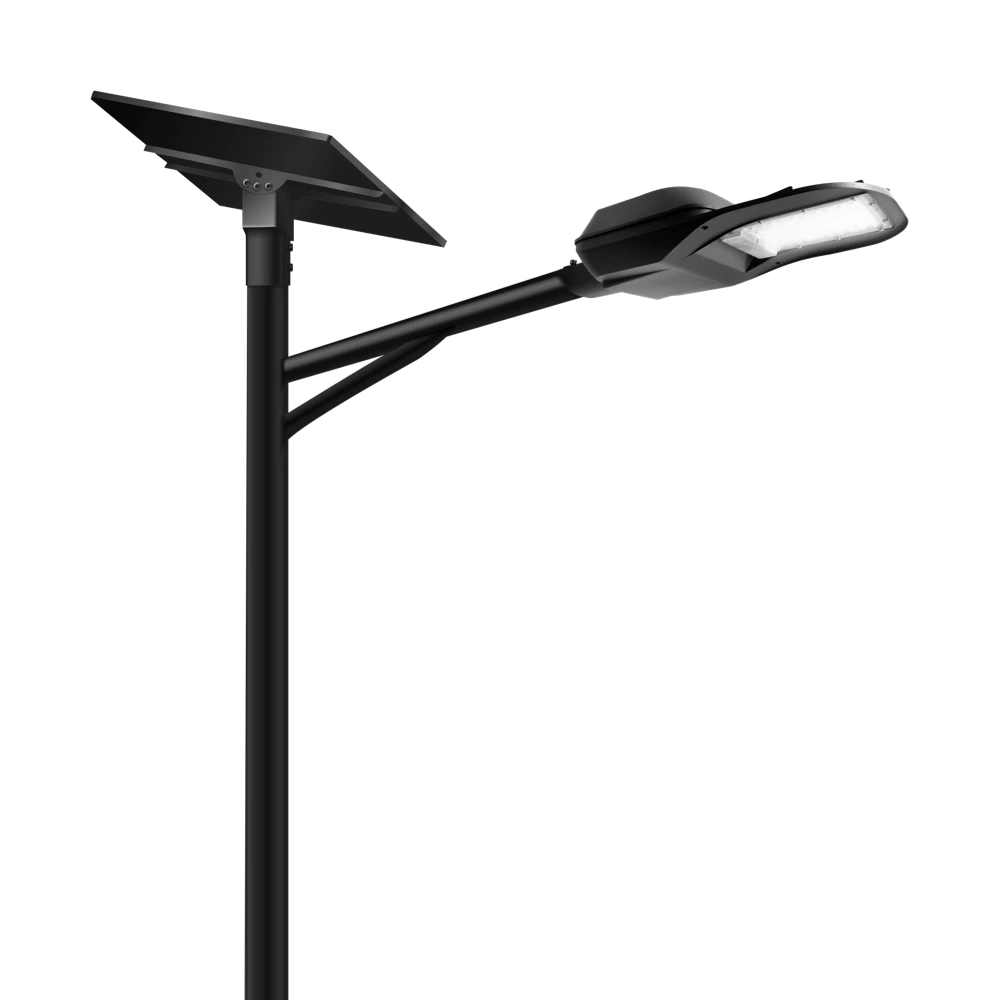
Outdoor solar lights operate by using photovoltaic (solar) panels to absorb sunlight during the day. This energy is stored in a rechargeable battery and powers LED lights when it gets dark. Most systems use light sensors to automatically turn lights on at dusk and off at dawn.
Common types of outdoor solar lights include:
- Solar garden lights
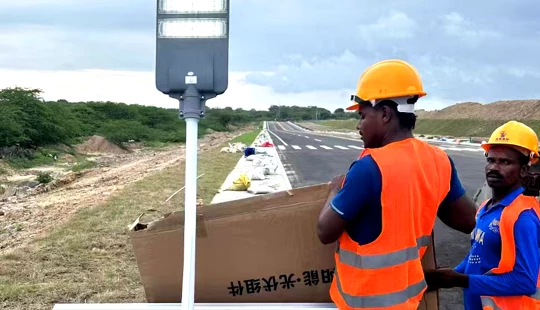
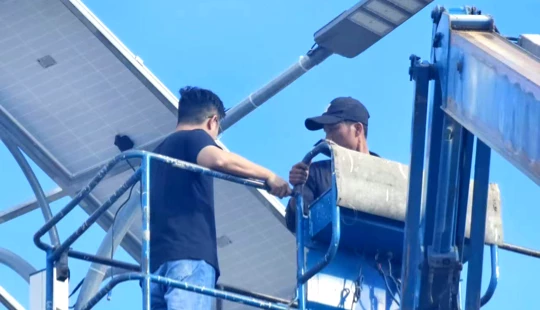
- Solar street lights
- Solar path lights
- Solar wall lights
- Solar floodlights
2. Advantages of Outdoor Solar Lights
- ✅ Energy Efficient: Powered entirely by sunlight, saving electricity costs and reducing carbon footprint.
- ✅ Easy Installation: No wiring needed, suitable for DIY installations.
- ✅ Low Maintenance: Only occasional cleaning and battery checks required.
- ✅ Safe: Operates at low voltage, reducing risk of electrical hazards.
- ✅ Automatic Control: Built-in dusk-to-dawn sensor ensures effortless operation.
- ✅ Design Variety: Available in decorative and high-performance designs to fit all outdoor needs.
3. Disadvantages of Outdoor Solar Lights
- ❌ Sunlight Dependency: Limited charging capability on cloudy or rainy days, especially in winter.
- ❌ Lower Brightness: Some decorative models emit minimal light, not suitable for security use.
- ❌ Battery Degradation: Rechargeable batteries usually last 2–3 years and need replacement.
- ❌ Higher Initial Cost for Premium Models: Advanced lights with better specs may cost more upfront.
4. How Long Do Solar Lights Last?
- LED lifespan: 30,000 to 50,000 hours
- Battery lifespan: 2–5 years depending on quality and climate
- Solar panel lifespan: 15–20 years (monocrystalline panels last longer)
5. Best Use Cases for Outdoor Solar Lights
- ✅ Backyards and patios – Enhance aesthetics and ambient lighting
- ✅ Driveways and walkways – Improve safety and visibility
- ✅ Parks and rural roads – Provide sustainable lighting where power is unavailable
- ✅ Camping and emergency lighting – Portable solar lights offer off-grid illumination
6. Tips to Maximize Solar Light Performance
- ☀️ Install in locations that receive 6–8 hours of direct sunlight daily
- 🧼 Clean solar panels monthly to remove dust and debris
- 💡 Choose motion sensor or dusk-to-dawn models for efficiency
- 🔋 Opt for monocrystalline panels and lithium-ion batteries for better durability
7. Frequently Asked Questions (FAQ)
- Q1: Do solar lights work on cloudy days?
- A: Yes, but their charging efficiency is reduced. Quality models can still provide several hours of light.
- Q2: Are solar lights waterproof?
- A: Most outdoor solar lights are IP65 rated or higher, making them weather-resistant and suitable for rain and snow.
- Q3: Can solar lights be used in winter?
- A: Yes, but they may charge slower. Choosing models with larger batteries helps maintain lighting in low sunlight seasons.
- Q4: Are solar lights bright enough?
- A: It depends on the type. Decorative lights range from 10–100 lumens, while floodlights can exceed 1000 lumens.
- Q5: Do I need to replace the battery?
- A: Yes. Most rechargeable batteries need replacement every 2–3 years to maintain performance.
8. Final Verdict: Are Outdoor Solar Lights Worth It?
Yes! Outdoor solar lights are an excellent long-term investment for most residential and commercial applications. Their environmental benefits, low maintenance, and zero running costs make them a sustainable choice. While they do have limitations in cloudy regions or during winter, choosing high-quality products and proper placement can mitigate most issues.
Looking for reliable, high-performance solar lighting?
Guangdong Queneng Lighting Technology Co., Ltd. specializes in solar street lights, garden lights, and custom OEM/ODM solutions. With ISO, CE, and UL certifications, we deliver trusted lighting products worldwide.

Have more questions about our products or services?
The latest hot news you might like

Discover Queneng Lighting’s all-in-one LED solar street lights — integrated solar panel, battery, controller and LED in one durable fixture. Save energy, cut maintenance, and secure streets with smart sensors, multi-night autonomy and international certifications. Contact sales for quotes and support.

Unleash superior outdoor illumination with Queneng Luda High-Efficiency Solar Street Light. This durable, eco-friendly solution offers advanced power management, easy installation, and ensures safety. Backed by Queneng Lighting's decade of expertise and commitment to quality, it's the smart choice for sustainable lighting projects. Learn why we're a leading solar solutions provider.

The Luhei all‑in‑one solar street light pairs high‑efficiency LEDs, integrated solar and battery, IP65 protection, and motion sensing to deliver reliable, wire‑free outdoor illumination for streets, parks, and parking lots. Backed by Queneng Lighting’s certifications and support.

FAQ
Solar Street Light Luda
What are the key benefits of using LED lights in Luda solar street lights?
LED lights used in Luda solar street lights are highly energy-efficient, providing bright illumination while using less power compared to traditional lighting solutions. LEDs also have a longer lifespan, reducing the need for frequent bulb replacements, and they generate less heat, further enhancing their energy efficiency and performance in outdoor conditions.
Municipal and Public Infrastructure
Can they operate during rainy or cloudy days?
Yes, advanced battery technology ensures continuous operation even in low sunlight conditions.
Battery Types and Applications
What types of battery products are there? Which application fields are they suitable for?
Electric bicycles, cordless phones, electric toys, power tools, emergency lights, household appliances, instruments and equipment, mining lamps, walkie-talkies
The application fields of lithium-ion batteries include but are not limited to:
Electric bicycles, remote-controlled toy cars, mobile phones, laptops, various mobile devices, compact disc players, small video cameras, digital cameras, walkie-talkies
Solar Street Light Luyan
Can Luyan solar street lights function in areas with limited sunlight or cloudy weather?
Yes, Luyan solar street lights are designed to function reliably even in areas with limited sunlight or during cloudy weather. The high-efficiency solar panels can capture and store energy even in low-light conditions, ensuring that the lights will still provide illumination during cloudy or rainy days. The system is equipped with a battery that stores enough energy to keep the lights running throughout the night, regardless of weather conditions, making it suitable for diverse climates.
Solar Street Light Luyi
Can Luyi solar street lights function in areas with cloudy or rainy weather?
Yes, Luyi solar street lights are designed to function efficiently even in cloudy or rainy weather. The high-efficiency solar panels can still capture and store energy in low-light conditions, ensuring that the lights remain operational throughout the night. The system is equipped with a large enough battery to store energy for extended periods, making them reliable even on overcast days.
Battery Performance and Testing
What is the standard overcharge resistance test?
If you would like more information about Queneng solar lighting solutions, please send us a message by filling out the form below. Our professional team will get back to you within 24 hours!
Rest assured that your privacy is important to us, and all information provided will be handled with the utmost confidentiality.
Schedule a Meeting
Book a date and time that is convenient for you and conduct the session in advance.
Have more questions about our products or services?
The messenger of light & power conversion
Environmental protection and intelligent manufacturing are our brand philosophy, and quality assurance and the best user experience are our eternal promises to users.
CONTACT
No.9F, Building F, Cao San Xin Tian Hong Logistics Park, Guzhen Town, Zhongshan City, Guangdong Province, China.
or write [email protected]
WhatsApp: +86 136 2270 1011


