













Are solar street lights expensive? | Queneng Guide
Are Solar Street Lights Expensive? A Comprehensive Cost Breakdown
Solar street lights are gaining popularity as a sustainable and cost-effective lighting solution for various applications. However, a common concern is whether they are expensive. Let's delve into a detailed cost breakdown to help you understand the pricing and potential savings associated with solar street lights.
1. What is the Initial Cost of a Solar Street Light?
The initial cost of a solar street light varies depending on several factors, including:
- Light Output (Lumens): Higher lumen output for brighter illumination will increase the price.
- Battery Capacity: Larger battery capacity for longer autonomy (backup time during cloudy days) will increase cost.
- Solar Panel Wattage: Higher wattage panels charge the battery faster, also increasing the cost.
- Pole Height and Material: Taller poles and stronger materials (like galvanized steel) will add to the price.
- LED Chip Quality: High-quality LED chips with better efficiency and lifespan will command a High Quality.
- Quantity Purchased: Bulk purchases often result in significant discounts.
- Brand Reputation: Established brands might charge slightly more due to perceived reliability and warranty support.
As a general estimate, a single solar street light can range from $200 to $1500 or more. This is a broad range, and getting specific quotes from suppliers like Queneng is crucial.
2. What Factors Affect the Price of Solar Street Lights?
Several factors influence the final price of solar street lights:
- Component Quality: Higher-quality components (solar panels, batteries, LEDs) translate to better performance, longer lifespan, and a higher price.
- Manufacturing Location: Lights manufactured in countries with lower labor costs might be more affordable.
- Certification and Standards: Compliance with international standards (e.g., CE, RoHS) can add to the cost but ensures quality and safety.
- Warranty and After-Sales Service: Lights with longer warranties and reliable after-sales support are typically more expensive upfront but can save you money in the long run.
- Integrated vs. Separate Components: Integrated solar street lights (all components in one unit) can sometimes be cheaper than those with separate solar panels, batteries, and lights.
3. What are the Long-Term Cost Savings of Solar Street Lights?
While the initial cost might seem high, solar street lights offer significant long-term cost savings:
- Zero Electricity Bills: They are powered by the sun, eliminating electricity costs.
- Reduced Maintenance: LED lights have a long lifespan, reducing the need for frequent replacements. Solar street lights usually require minimal maintenance.
- No Trenching or Wiring: Installation is simpler and cheaper because no underground wiring is needed.
- Government Incentives and Rebates: Many governments offer incentives and rebates for using solar energy, further reducing the initial investment.
- Environmental Benefits: Reduces carbon footprint and contributes to a greener environment.
Over their lifespan, solar street lights typically prove to be more cost-effective than traditional street lights.
4. How Do Solar Street Light Prices Compare to Traditional Street Lights?
Initially, solar street lights may seem more expensive than traditional street lights. However, when you factor in the long-term costs, solar street lights often come out ahead.
Here's a comparison:
| Feature | Traditional Street Light | Solar Street Light |
|---|---|---|
| Initial Cost | Lower | Higher |
| Electricity Bills | Ongoing | Zero |
| Maintenance | Higher | Lower |
| Installation | Complex, Wiring Required | Simple, No Wiring |
| Environmental Impact | High | Low |
Considering the absence of electricity bills and reduced maintenance, solar street lights present a favorable return on investment over their lifespan.
5. Where Can I Find Affordable and Reliable Solar Street Lights?
Finding affordable and reliable solar street lights requires careful research. Here are some tips:
- Compare Prices: Get quotes from multiple suppliers to compare prices and features.
- Check Reviews: Read online reviews to assess the reliability and performance of different brands and models.
- Look for Certifications: Ensure the lights meet relevant safety and performance standards.
- Choose a Reputable Supplier: Partner with a reputable supplier like Queneng that offers warranties and after-sales support.
- Consider Your Specific Needs: Select lights that are appropriate for your specific location, lighting requirements, and budget.
By carefully considering these factors, you can find affordable and reliable solar street lights that meet your needs and provide long-term cost savings. Contact Queneng today for a personalized quote and expert advice on selecting the best solar street light solution for your project.

Have more questions about our products or services?
The latest hot news you might like

Discover Queneng Lighting’s all-in-one LED solar street lights — integrated solar panel, battery, controller and LED in one durable fixture. Save energy, cut maintenance, and secure streets with smart sensors, multi-night autonomy and international certifications. Contact sales for quotes and support.

Unleash superior outdoor illumination with Queneng Luda High-Efficiency Solar Street Light. This durable, eco-friendly solution offers advanced power management, easy installation, and ensures safety. Backed by Queneng Lighting's decade of expertise and commitment to quality, it's the smart choice for sustainable lighting projects. Learn why we're a leading solar solutions provider.

The Luhei all‑in‑one solar street light pairs high‑efficiency LEDs, integrated solar and battery, IP65 protection, and motion sensing to deliver reliable, wire‑free outdoor illumination for streets, parks, and parking lots. Backed by Queneng Lighting’s certifications and support.

FAQ
Public Gardens and Landscape Lighting
What happens if the solar light is not working properly?
If your solar light is not working properly, it could be due to a variety of reasons, such as dirt on the solar panel, insufficient sunlight, or battery issues. We recommend cleaning the panel and ensuring it receives enough sunlight. If the problem persists, please contact our customer service team for troubleshooting assistance.
Tourist Attractions and Resorts
How long does it take to install solar lighting at a resort or tourist attraction?
The installation time for solar lighting systems is typically shorter than conventional electrical lighting. Depending on the size and complexity of the site, installation can usually be completed within a few days to a week.
Solar Street Light Luxian
What are the primary benefits of using Luxian solar street lights for outdoor lighting?
Luxian solar street lights offer several key benefits, including energy savings, environmental friendliness, and independence from the electrical grid. They use solar energy to power LED lights, reducing electricity costs while providing reliable, high-quality lighting for outdoor spaces. The durable construction and low maintenance needs make them ideal for long-term use in various outdoor environments.
Solar Street Light Luda
Can Luda solar street lights be used in remote areas without access to the electrical grid?
Yes, Luda solar street lights are perfect for remote areas without access to the electrical grid. Since they operate entirely on solar energy, they do not require any external wiring or connection to the power grid. This makes them an ideal solution for rural roads, remote pathways, and areas lacking infrastructure.
who we are
What after-sales services does Queneng offer?
We offer comprehensive after-sales services, including product installation support, maintenance, and technical assistance. Our dedicated customer service team is always available to ensure that your solar systems operate at optimal performance and meet your expectations.
Solar Street Light Luhao
What is the energy efficiency of the Luhao solar street light?
The Luhao solar street light is highly energy-efficient, using solar panels to convert sunlight into electricity without relying on grid power. The LED lights consume very little energy compared to traditional street lights, making them both cost-effective and eco-friendly.
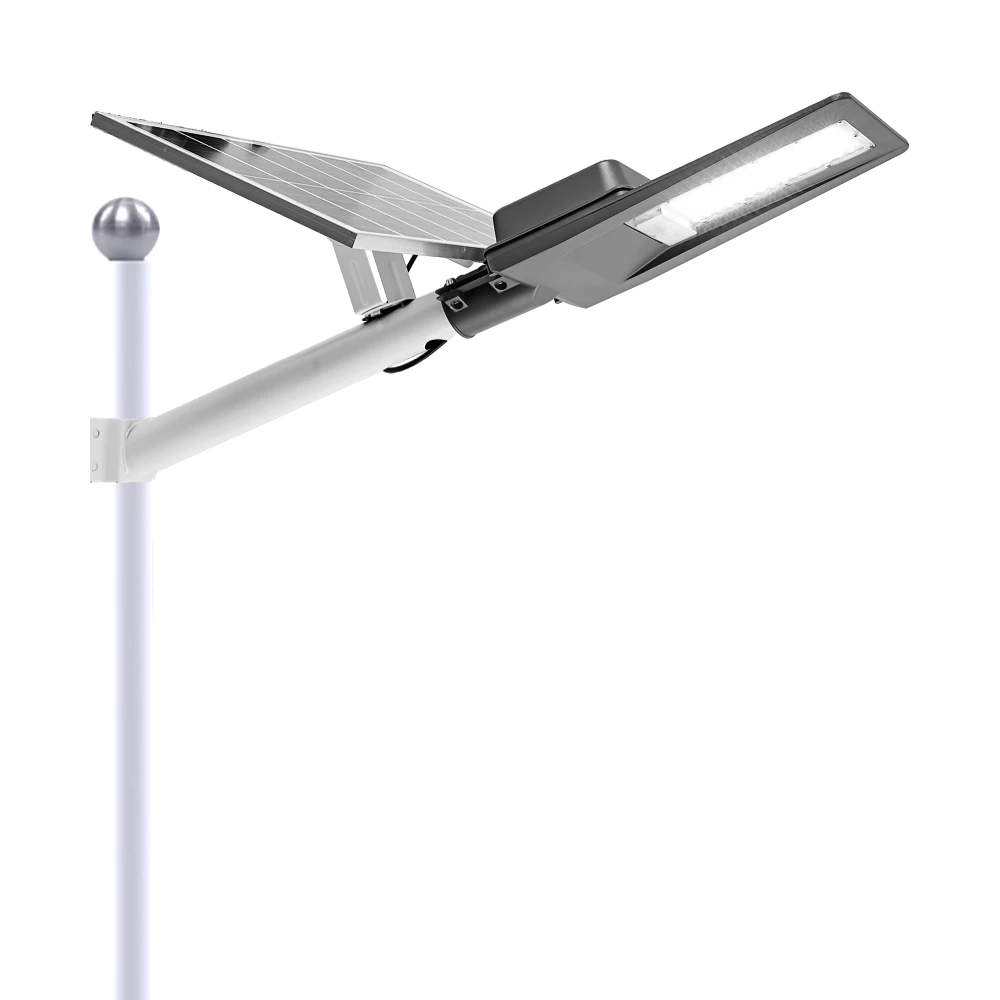
Experience reliable outdoor illumination with our smart solar street light, a perfect combination of advanced technology and eco-conscious design.
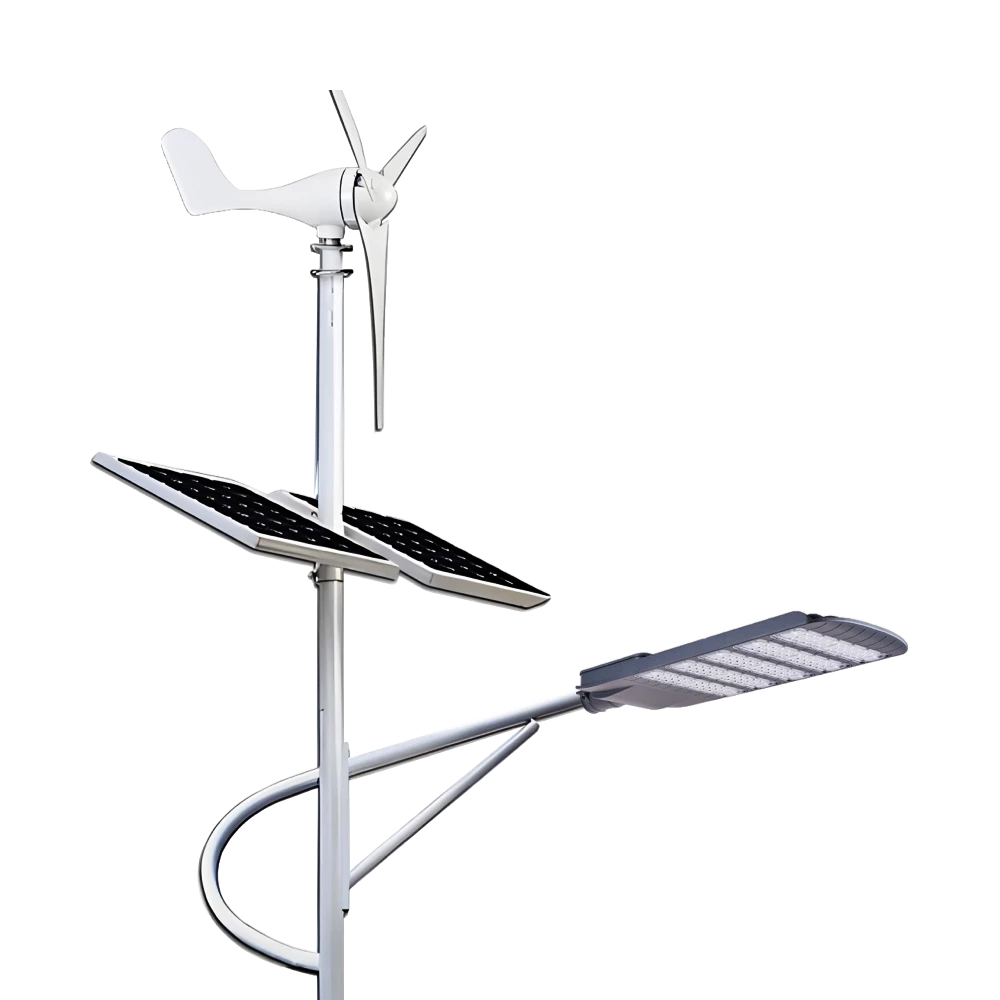
Queneng Lufeng Wind Energy LED Outdoor Solar Street Lights offer high-performance, eco-friendly illumination. These energy-efficient LED street lights harness solar power and wind energy for sustainable, cost-effective outdoor lighting solutions.
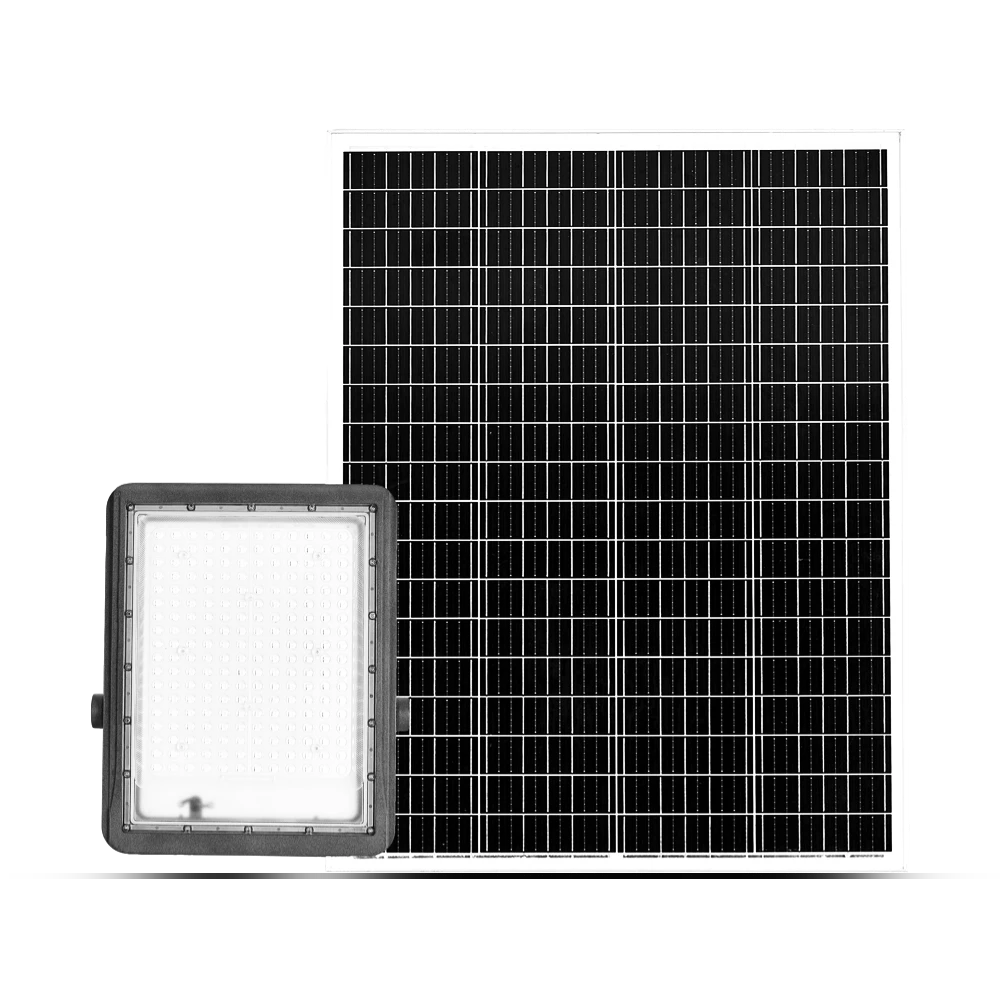
Queneng's Luxian Reliable Solar Street Light offers energy-saving LED lighting for outdoor use. This durable, solar-powered street light provides reliable illumination, reducing energy costs and environmental impact. A perfect solution for sustainable outdoor lighting.
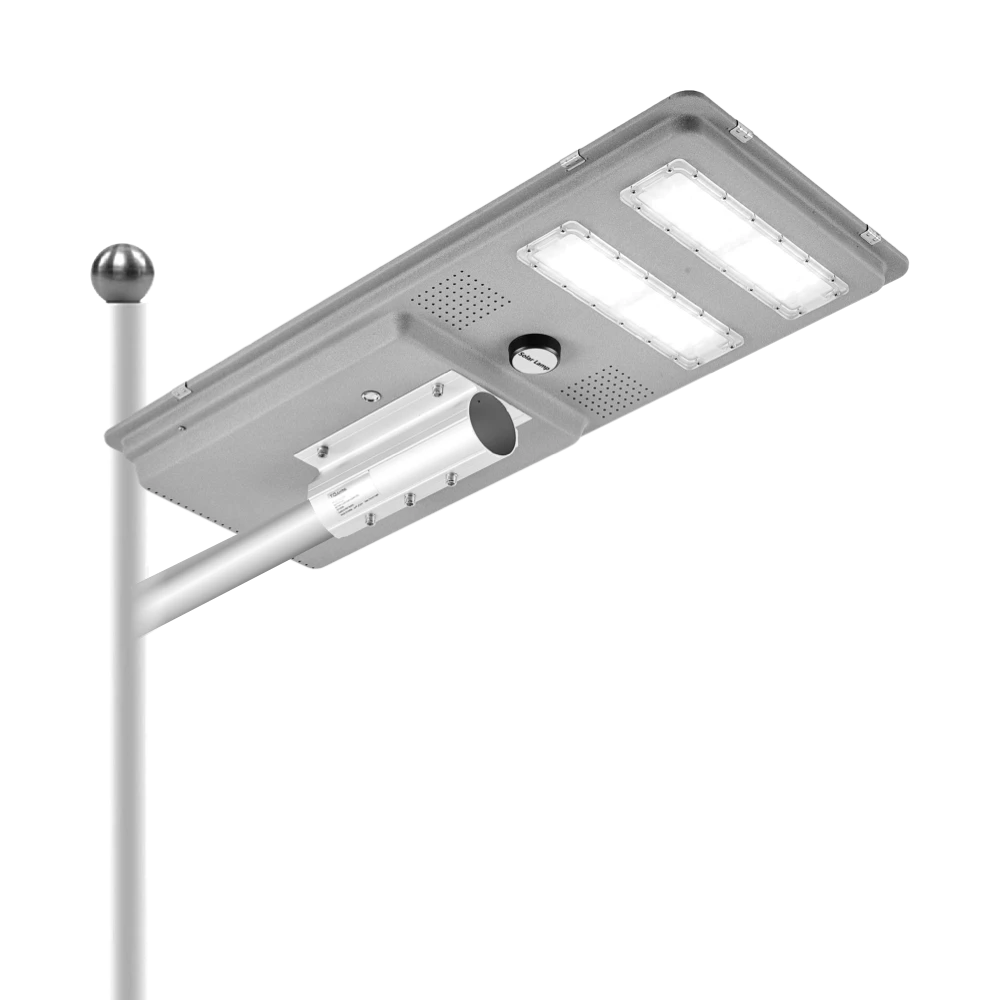
Queneng’s Solar Street Lights are designed to provide reliable, energy-efficient lighting for streets, parks, and other outdoor spaces.
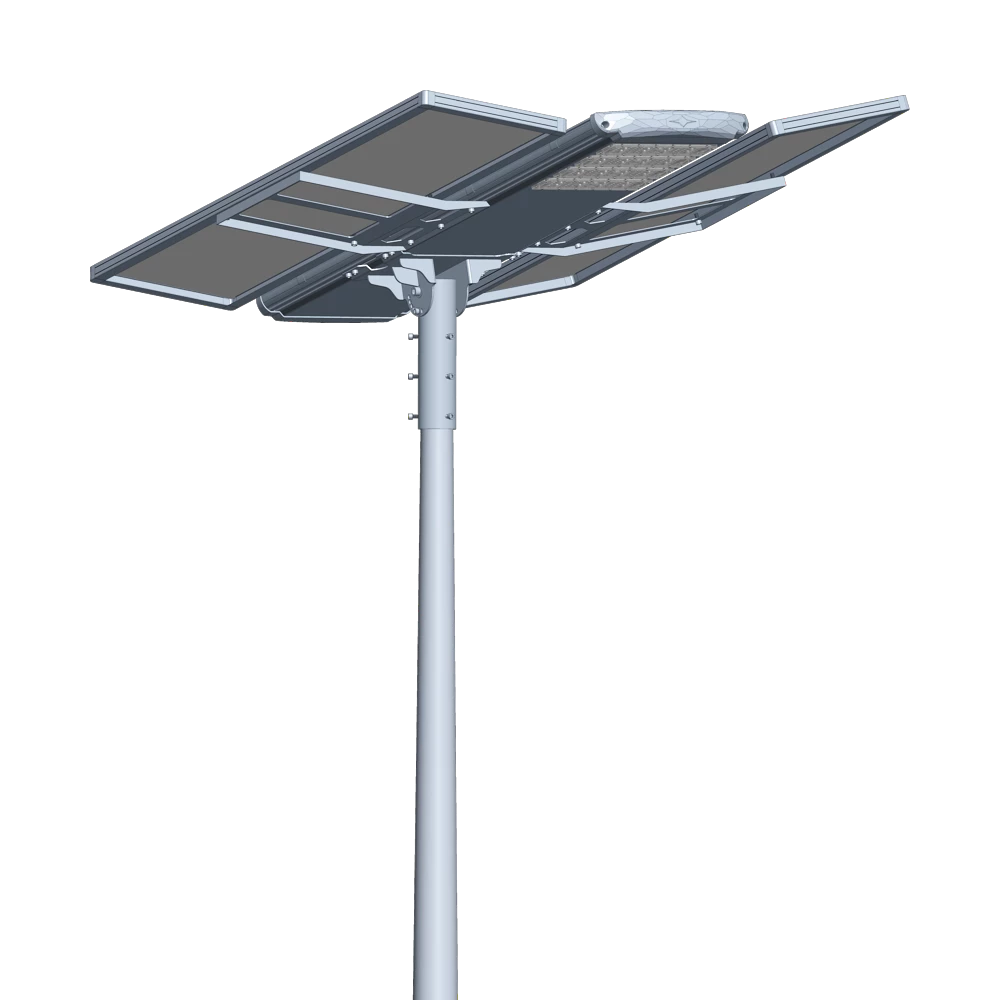
Introducing the Luqing Solar Street Light by Queneng, Efficient LED lighting powered by solar energy is perfect for illuminating outdoor areas. Harness the power of solar energy for sustainable, reliable street lighting. Ideal for eco-friendly, cost-effective outdoor illumination solutions.
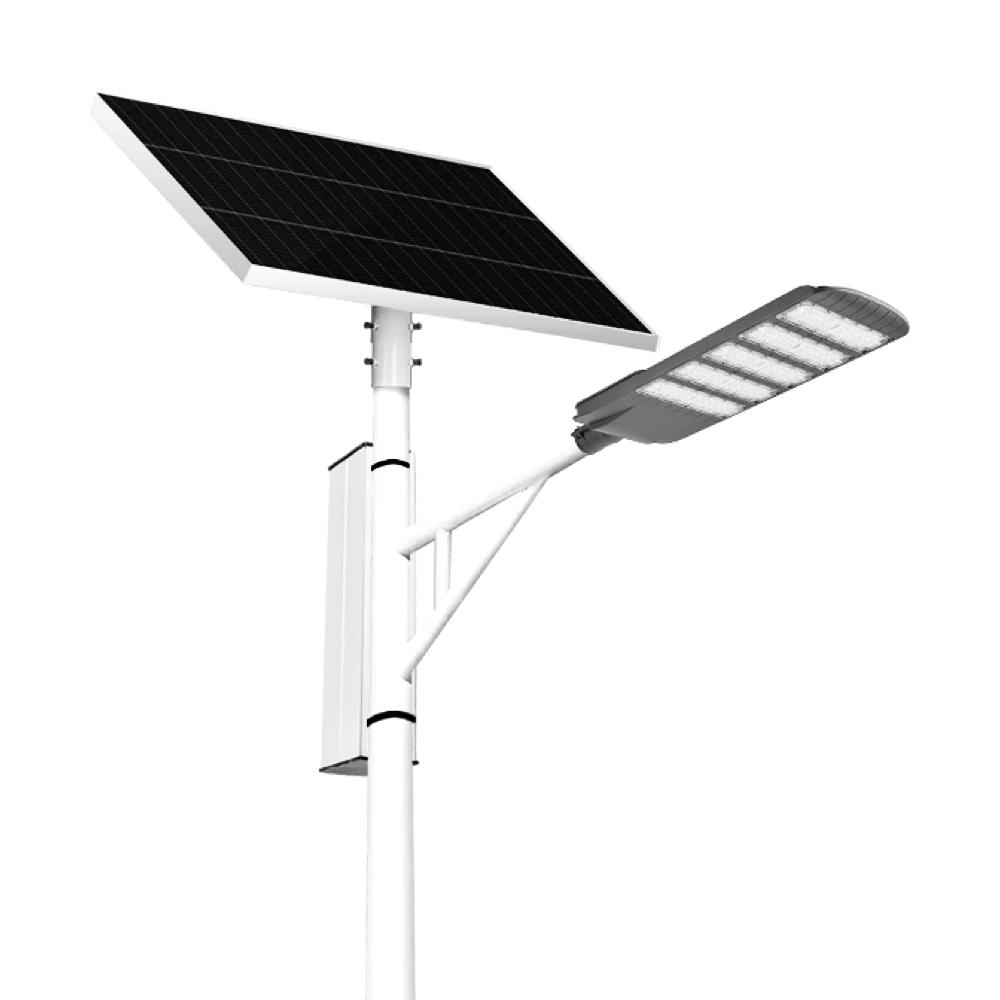
The Solar Streetlights of Luhao for Municipalities are designed to deliver reliable, energy-efficient, and cost-effective public lighting solutions. Equipped with advanced LED technology, durable lithium batteries, and high-efficiency solar panels, these streetlights provide consistent illumination for roads, parks, residential areas, and government projects.
If you would like more information about Queneng solar lighting solutions, please send us a message by filling out the form below. Our professional team will get back to you within 24 hours!
Rest assured that your privacy is important to us, and all information provided will be handled with the utmost confidentiality.
Schedule a Meeting
Book a date and time that is convenient for you and conduct the session in advance.
Have more questions about our products or services?
The messenger of light & power conversion
Environmental protection and intelligent manufacturing are our brand philosophy, and quality assurance and the best user experience are our eternal promises to users.
CONTACT
No.9F, Building F, Cao San Xin Tian Hong Logistics Park, Guzhen Town, Zhongshan City, Guangdong Province, China.
or write [email protected]
WhatsApp: +86 136 2270 1011


