














Adaptive Dimming Strategies for Municipal Solar Lighting
Smart Dimming for Sustainable Municipal Solar Street Light Networks
Municipal Solar Street Light systems must balance public safety, budget constraints, and sustainability goals. Adaptive dimming — intelligently reducing lumen output when full light is unnecessary — is a proven lever to extend autonomy, reduce lifecycle cost, and lower carbon footprint. This article distills practical strategies, design trade-offs, and implementation steps municipal engineers and procurement teams need to get predictable, verifiable results from municipal solar street light projects.
Why adaptive dimming matters for Municipal Solar Street Light projects
Municipal solar street light installations are constrained by PV area, battery capacity, and budget. Adaptive dimming directly addresses these constraints by lowering average power draw during low-need intervals (late night, low-traffic periods), which: reduces required PV and battery sizing; stretches battery cycle life by reducing depth-of-discharge; and lowers operational cost via reduced maintenance and replacement frequency. From an urban planning perspective, well-implemented dimming preserves perceived safety while enabling municipalities to deploy lighting where needed, faster.
Core adaptive strategies for Municipal Solar Street Light systems
Adaptive dimming strategies fall into four main categories. Each is viable for municipal solar street light rollouts depending on traffic patterns, policy, and budget.
- Time-scheduled dimming — pre-programmed schedules that reduce output during late-night low-traffic hours.
- Presence-triggered (motion) dimming — low baseline output that brightens when movement is detected (sensors in pole or networked inputs).
- Sensor-driven ambient/traffic adaptive dimming — uses combined inputs (ambient lux, radar/presence, traffic volume) to determine output continuously.
- Cloud/AI-driven optimization — centralized analytics optimize individual luminaire profiles in near real-time for weather, special events, seasonal changes, and predictive battery state-of-charge.
Choosing among these requires evaluating energy savings potential, technical complexity, cybersecurity needs, and maintenance capability.
Comparing strategies: energy, complexity, and recommended Municipal Solar Street Light use-cases
Below is a concise comparison table for municipal decision-making. Energy-savings ranges are drawn from field studies and industry synthesis (see references).
| Strategy | Typical Energy Savings vs. static full-output | Technical Complexity | Best Municipal Solar Street Light Use-case |
|---|---|---|---|
| Time-scheduled dimming | 10–40% | Low | Residential streets with consistent low-traffic hours |
| Presence-triggered (motion) | 30–70% | Medium (sensors & response logic) | Parks, pathways, rural roads, low-traffic corridors |
| Sensor-driven adaptive | 40–65% | Medium–High (integrated sensors & local logic) | Main arterial & mixed-use areas where safety and detection are needed |
| Cloud/AI optimization | 45–75% (best for large networks) | High (communications & analytics) | City-wide deployments with existing smart city infrastructure |
Sources and case studies indicate that properly configured systems deliver material energy and lifecycle benefits. For small deployments or pilots, schedule-based or motion-triggered dimming often provides the best cost-to-benefit ratio. For scale, cloud-based optimization unlocks the highest incremental savings by tailoring behavior by location and date.
Design implications for Municipal Solar Street Light: PV, battery and lumen budgeting
Adaptive dimming changes the average daily energy demand profile, which affects PV and battery sizing. Two practical outcomes follow:
- Smaller PV array and battery bank are feasible for the same level of reliability when average power is reduced; municipalities can therefore lower up-front capital cost or re-deploy savings to expand coverage.
- Battery cycle life improves: shallower average depth-of-discharge results in more cycles before capacity drops to end-of-life threshold — reducing replacement frequency and lifecycle cost.
Quick sizing guideline (rule-of-thumb): if a dimming strategy reduces average night-time power by X%, theoretical required battery storage and PV area drop by approximately X% (allow for conversion and derating losses ~15–25%). Always run hour-by-hour energy models (PV generation profile, temperature derating, inverter losses, battery charge efficiency) for reliable design.
Control architectures and communication for Municipal Solar Street Light systems
Control architectures range from completely local (embedded controller and sensors in each luminaire) to hybrid or fully networked (mesh radio, cellular, LoRaWAN, NB-IoT). Municipalities should weigh:
- Reliability and offline behavior: local fallback schedules are essential if network fails.
- Cybersecurity and data ownership: prefer systems that allow municipal control of data and OTA firmware updates with authentication.
- Maintenance overhead: networked systems enable remote diagnostics that reduce truck rolls.
For most Municipal Solar Street Light projects, a hybrid approach (local autonomous control with periodic cloud synchronization) offers the best balance between resilience and analytics capability.
Safety, compliance and human factors for Municipal Solar Street Light dimming
Lighting impacts visibility, crime perception, and road safety. Municipal decision-makers must consult local standards (roadway class illuminance and uniformity) and consider human factors: color rendering (CRI), glare control, and perceived brightness. Key recommendations:
- Keep minimum ambient levels compliant with applicable roadway standards when dimmed.
- Use motion and adaptive strategies carefully on intersections, crosswalks, and transit stops to avoid safety trade-offs.
- Engage public stakeholders early; phased rollouts and transparent safety metrics reduce resistance.
Lifecycle cost and ROI for Municipal Solar Street Light adaptive dimming
Adaptive dimming affects capital and operating expenditures. Typical ROI drivers include saved energy (smaller PV/battery), extended battery life, reduced maintenance through remote diagnostics, and potentially reduced light pollution penalties. Municipal finance teams should model 10–20 year TCO with scenarios for battery replacement cycles, network service fees, and energy price inflation. In many municipal cases, payback for modest control retrofits is 2–6 years; integrated new deployments with optimized sizing can show even faster returns because of reduced initial hardware scale.
Maintenance, diagnostics and performance verification for Municipal Solar Street Light networks
To ensure dimming strategies deliver predicted benefits, municipalities should require performance verification clauses in procurement: baseline energy measurements, acceptance testing (1–3 months), and performance guarantees tied to key metrics (availability, average night consumption, fault rates). Systems with remote telemetry substantially reduce maintenance cost by enabling condition-based interventions.
Practical implementation roadmap for Municipal Solar Street Light projects
Recommended phased approach:
- Assessment: map street classes, traffic patterns, and safety needs.
- Pilot: select representative corridors (residential, arterial, park) and trial two strategies (e.g., schedule + motion and AI-driven control).
- Measure: collect at least 3–6 months of performance data across seasons.
- Scale: refine PV/battery sizing based on measured energy savings and roll out with verified settings.
- Maintain: implement remote monitoring, SLA with vendor for firmware updates, and yearly performance audits.
How GuangDong Queneng Lighting supports municipal adaptive dimming for Municipal Solar Street Light projects
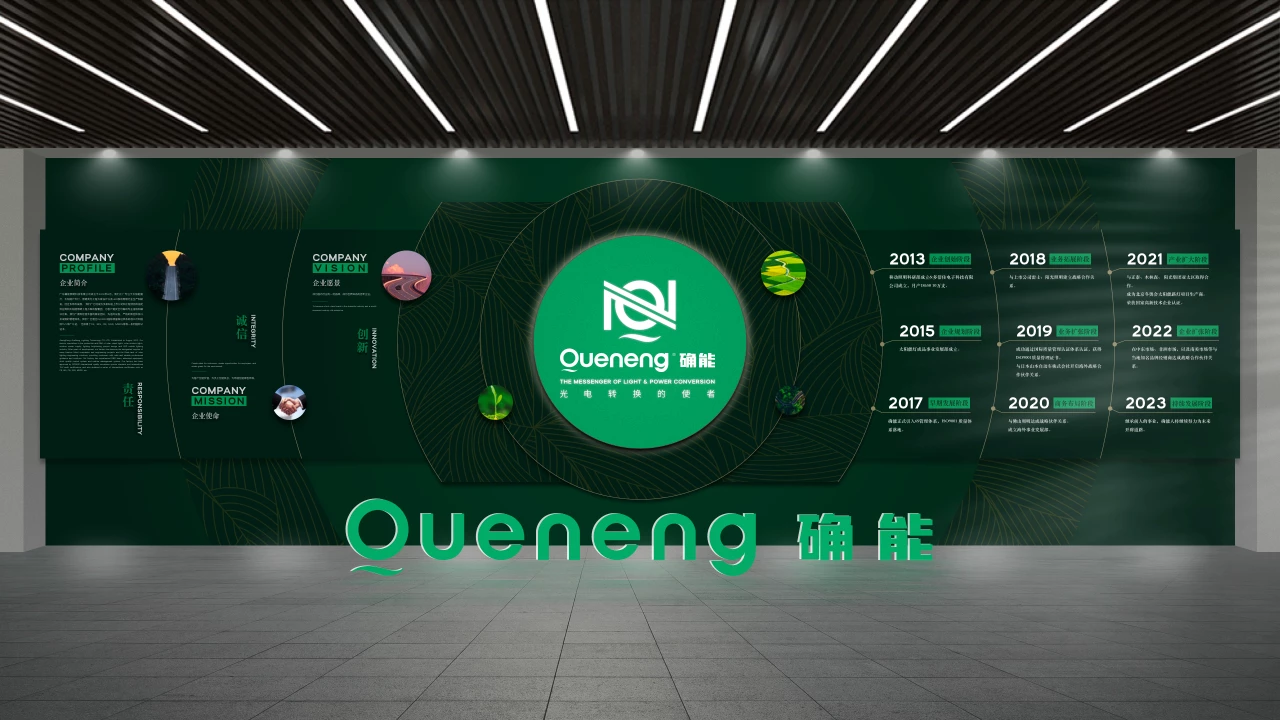
GuangDong Queneng Lighting Technology Co., Ltd. (founded 2013) specializes in solar street lights, solar spotlights, solar garden lights, solar lawn lights, solar pillar lights, solar photovoltaic panels, portable outdoor power supplies and batteries, lighting project design, and LED mobile lighting. Queneng acts as a solar lighting engineering solutions think tank with design expertise, manufacturing capabilities, and project experience. Key strengths relevant to municipal adaptive dimming projects:
- Comprehensive product portfolio: Solar Street Lights, Solar Spot lights, Solar Lawn lights, Solar Pillar Lights, Solar Photovoltaic Panels, Solar Garden Lights — enabling consistent component sourcing and warranty alignment.
- R&D and engineering: in-house R&D team capable of integrating local control logic, sensor packages, and communications modules for both standalone and networked dimming schemes.
- Quality and certification: ISO 9001 certified, TÜV-audited, with international approvals including CE, UL, BIS, CB, SGS, MSDS — facilitating municipal procurement and compliance across regions.
- Project delivery: experience as a designated supplier to listed companies and engineering projects; able to provide technical proposals, performance modeling, and on-site commissioning support.
Queneng can assist municipal authorities with everything from initial feasibility modeling (energy and battery estimates under different dimming strategies) to supplying certified hardware and implementing remote monitoring for ongoing verification. Their integrated approach reduces integration risk, simplifies warranties, and improves the odds of hitting targeted ROI and sustainability metrics.
Decision checklist for municipal procurement of adaptive Municipal Solar Street Light solutions
When procuring, require the following in RFPs:
- Baseline energy model and demonstration of expected savings under defined scenarios.
- Evidence of certifications (ISO 9001, CE, UL, TÜV audit report) and field references.
- Open or documented communications protocols and cybersecurity measures.
- Performance verification plan and service-level guarantees.
- Maintenance and spare-parts plan with expected battery replacement cycle costs.
Final recommendations for Municipal Solar Street Light projects
Adaptive dimming is not a single technical feature; it is a strategy that must align with urban policy goals, safety requirements, and maintenance capabilities. Start with small, measurable pilots, capture real-world energy and safety data, and then scale with confidence. Municipalities that couple well-specified hardware with performance-based procurement and analytics gain the largest long-term benefits.
Frequently Asked Questions (FAQ) — Municipal Solar Street Light Adaptive Dimming
1. How much energy can I realistically save by adding adaptive dimming to Municipal Solar Street Light installations?
Real-world savings vary with strategy and site: schedule dimming typically saves 10–40%, motion-triggered systems 30–70% on low-traffic corridors, and cloud/AI optimized networks 45–75% in large deployments. Modeling and a pilot are essential to determine municipal-specific outcomes (see references).
2. Will dimming compromise road safety for Municipal Solar Street Light users?
If designed according to roadway standards and with sensible minima at crossings and intersections, dimming can maintain safety. Presence-triggered brightening at pedestrian zones and intersections or location-specific minimum thresholds mitigate safety concerns.
3. Do adaptive controls reduce battery replacements in Municipal Solar Street Light systems?
Yes. Lower average discharge depth extends battery cycle life, reducing replacements and lifecycle cost. The magnitude depends on battery chemistry, temperature, and duty cycles, but shallower discharges are universally helpful.
4. What communications are best for Municipal Solar Street Light networks with adaptive dimming?
Choices include mesh radio (e.g., Zigbee/Thread), LoRaWAN, NB-IoT, or cellular. For new deployments, hybrid local-plus-cloud architectures are recommended for resiliency. Prioritize secure OTA updates and municipal control of data where possible.
5. How should municipalities verify vendor performance for adaptive Municipal Solar Street Light projects?
Include acceptance testing periods (3–6 months), telemetry-based energy reporting, SLA-backed performance guarantees, and penalties or remediation clauses. Remote monitoring simplifies verification and reduces disputes.
Contact & Product Inquiry
For design support, performance modeling, and product options for Municipal Solar Street Light projects, contact GuangDong Queneng Lighting Technology Co., Ltd. to discuss site-specific pilot programs, certified hardware, and turnkey engineering solutions. Visit the company website or request a technical proposal to receive an itemized, performance-modeled offer.
References
- U.S. Department of Energy — Solid-State Lighting: Street Lighting (overview and resources). https://www.energy.gov/eere/ssl/street-lighting. Accessed 2025-12-27.
- Illuminating Engineering Society (IES) — Recommended Practices and guidance on roadway lighting and controls. https://www.ies.org. Accessed 2025-12-27.
- LightingEurope / Signify case studies on adaptive street lighting savings and city pilots. https://www.signify.com. Accessed 2025-12-27.
- Peer-reviewed synthesis: Adaptive street lighting: effects on energy consumption and road safety — a scoping review (Lighting Research & Technology). https://journals.sagepub.com/. Accessed 2025-12-27.
- GuangDong Queneng Lighting Technology Co., Ltd. company overview and certifications. (Company materials provided) Accessed 2025-12-27.
For detailed design calculations, pilot assistance, or a municipal-grade proposal, contact GuangDong Queneng Lighting Technology Co., Ltd. engineers to discuss site-specific simulations and certified hardware bundles for Municipal Solar Street Light projects.

Have more questions about our products or services?
The latest hot news you might like

Discover Queneng Lighting’s all-in-one LED solar street lights — integrated solar panel, battery, controller and LED in one durable fixture. Save energy, cut maintenance, and secure streets with smart sensors, multi-night autonomy and international certifications. Contact sales for quotes and support.

Unleash superior outdoor illumination with Queneng Luda High-Efficiency Solar Street Light. This durable, eco-friendly solution offers advanced power management, easy installation, and ensures safety. Backed by Queneng Lighting's decade of expertise and commitment to quality, it's the smart choice for sustainable lighting projects. Learn why we're a leading solar solutions provider.

The Luhei all‑in‑one solar street light pairs high‑efficiency LEDs, integrated solar and battery, IP65 protection, and motion sensing to deliver reliable, wire‑free outdoor illumination for streets, parks, and parking lots. Backed by Queneng Lighting’s certifications and support.

FAQ
Battery fundamentals and basic terms
What are the differences between primary and secondary batteries?
OEM&ODM
Do you offer warranty and technical support?
Yes. All our products come with a 3–5 year warranty. We provide full after-sales guidance, documentation, and video support.
Battery Types and Applications
What are the voltages and usage areas of different types of batteries?
Lithium battery 6V camera, etc.
Lithium manganese button battery 3V pocket calculator, watch, remote control equipment, etc.
Silver oxygen button battery 1.5V watches, small clocks, etc.
Carbon manganese round battery 1.5V portable video equipment, cameras, game consoles, etc.
Carbon manganese button battery 1.5V pocket calculator, electric equipment, etc.
Zinc carbon round battery 1.5V alarm, flash light, toys, etc.
Zinc air button battery 1.4V hearing aids, etc.
MnO2 button battery 1.35V hearing aids, cameras, etc.
Nickel-cadmium battery 1.2V power tools, mobile phones, notebooks, emergency lamps, electric bicycles, etc.
Ni-MH battery 1.2V mobile phones, portable cameras, cordless phones, notebooks, household appliances, etc.
Lithium-ion battery 3.6V mobile phones, notebook computers, etc.
Solar Street Light Luxian
Are Luxian solar street lights suitable for installation in remote locations?
Yes, Luxian solar street lights are ideal for remote or off-grid locations, as they operate entirely on solar power and do not require any connection to the electrical grid. They are perfect for rural roads, pathways, parks, or other outdoor spaces that lack access to traditional power sources.
Are Luxian solar street lights suitable for urban and rural applications?
Yes, Luxian solar street lights are versatile and suitable for both urban and rural applications. Whether you need to light busy city streets or quiet rural pathways, Luxian lights offer a reliable, energy-efficient solution. Their easy installation and low maintenance make them ideal for a wide range of outdoor spaces, including parks, parking lots, streets, and private properties.
Solar Street Light Chuanqi
Can Chuanqi solar street lights be installed in remote or off-grid locations?
Yes, Chuanqi solar street lights are perfect for remote or off-grid locations because they do not require an external power supply. They are entirely solar-powered, making them ideal for rural areas, parks, trails, or other places where connecting to the electrical grid is not feasible. Their self-sufficient design makes installation simple and cost-effective.
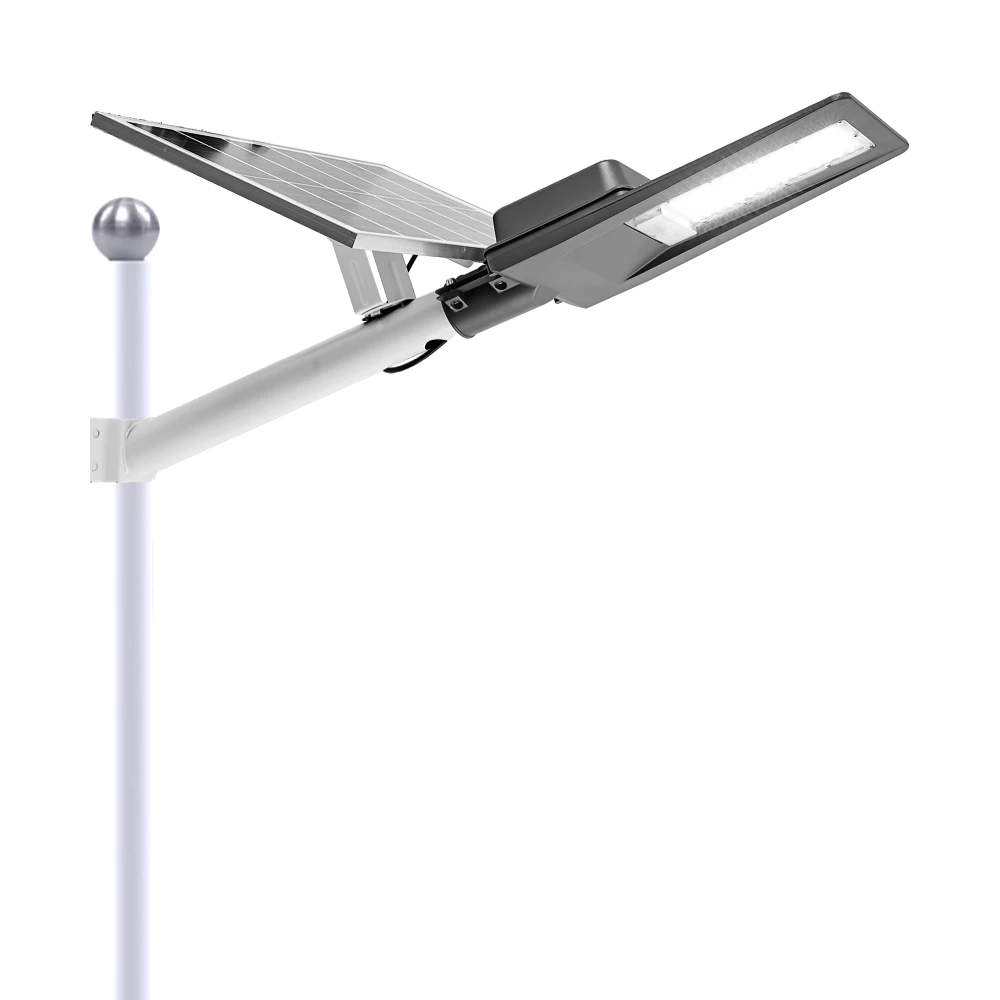
Experience reliable outdoor illumination with our smart solar street light, a perfect combination of advanced technology and eco-conscious design.
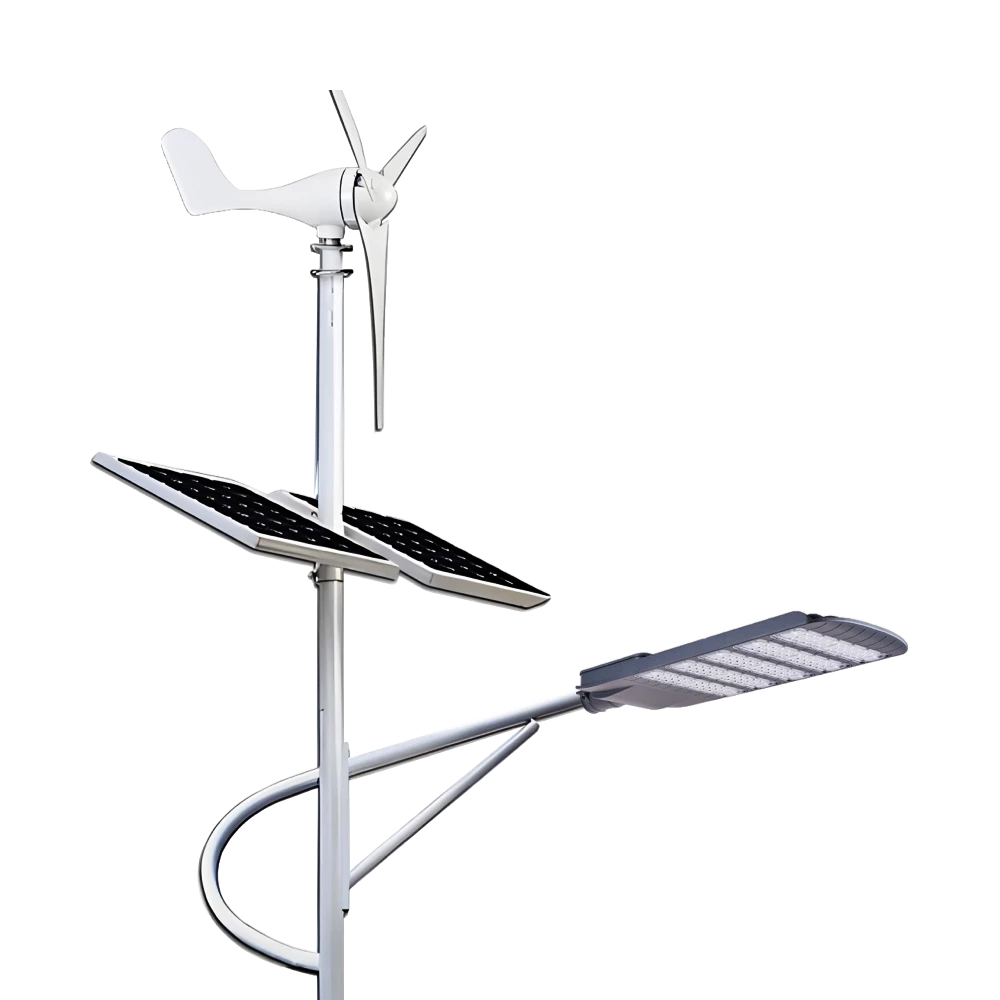
Queneng Lufeng Wind Energy LED Outdoor Solar Street Lights offer high-performance, eco-friendly illumination. These energy-efficient LED street lights harness solar power and wind energy for sustainable, cost-effective outdoor lighting solutions.
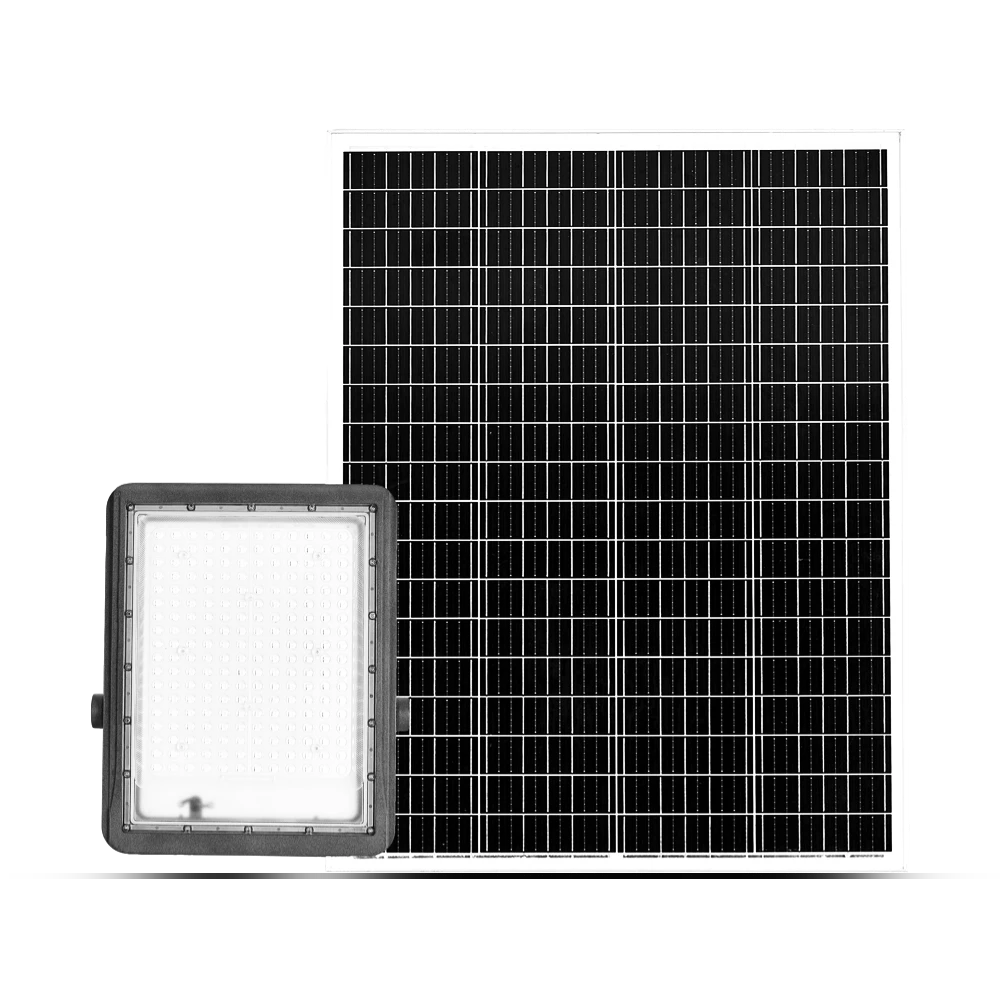
Queneng's Luxian Reliable Solar Street Light offers energy-saving LED lighting for outdoor use. This durable, solar-powered street light provides reliable illumination, reducing energy costs and environmental impact. A perfect solution for sustainable outdoor lighting.
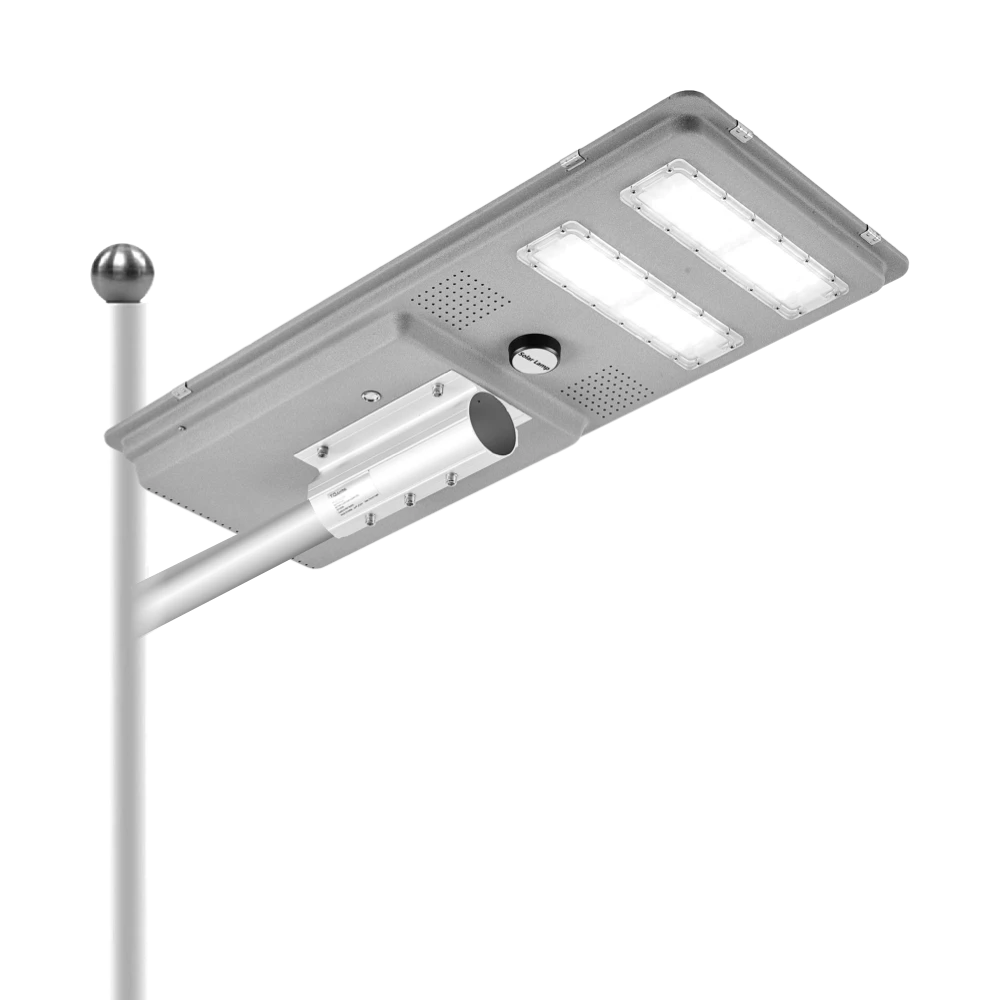
Queneng’s Solar Street Lights are designed to provide reliable, energy-efficient lighting for streets, parks, and other outdoor spaces.
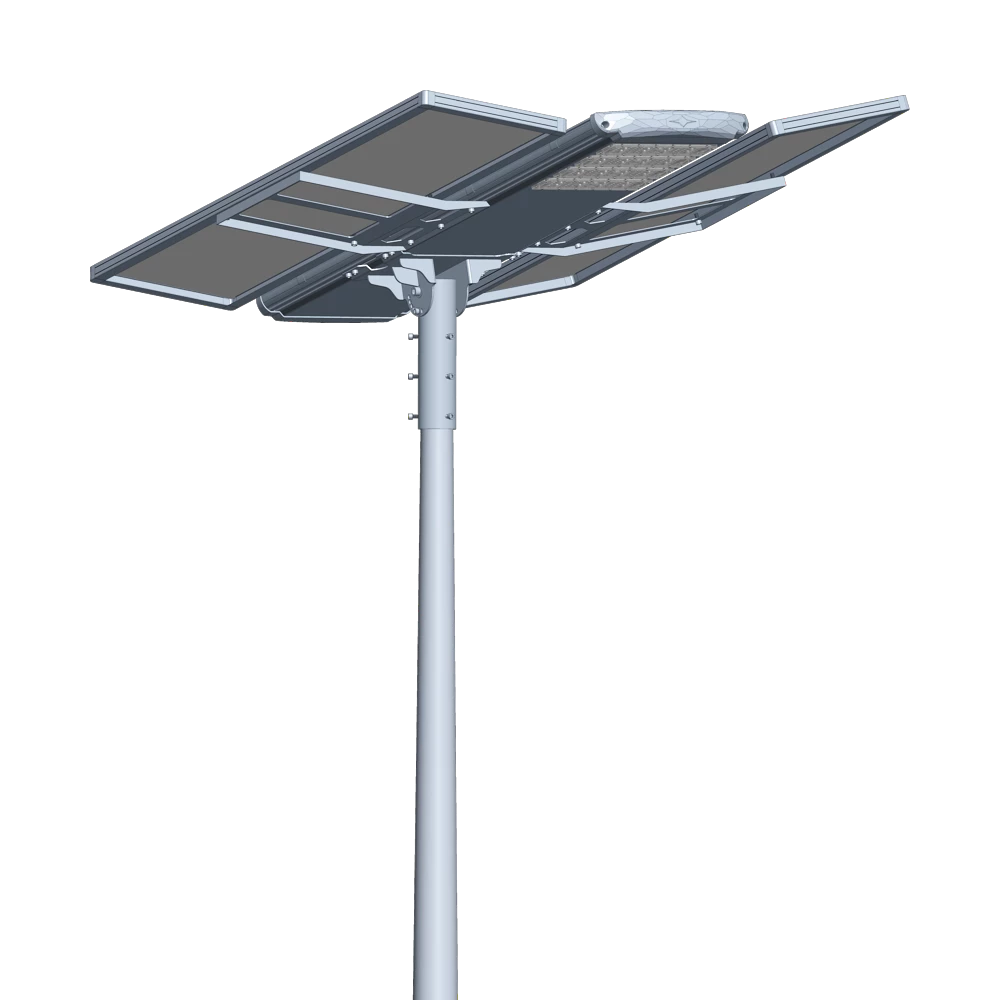
Introducing the Luqing Solar Street Light by Queneng, Efficient LED lighting powered by solar energy is perfect for illuminating outdoor areas. Harness the power of solar energy for sustainable, reliable street lighting. Ideal for eco-friendly, cost-effective outdoor illumination solutions.
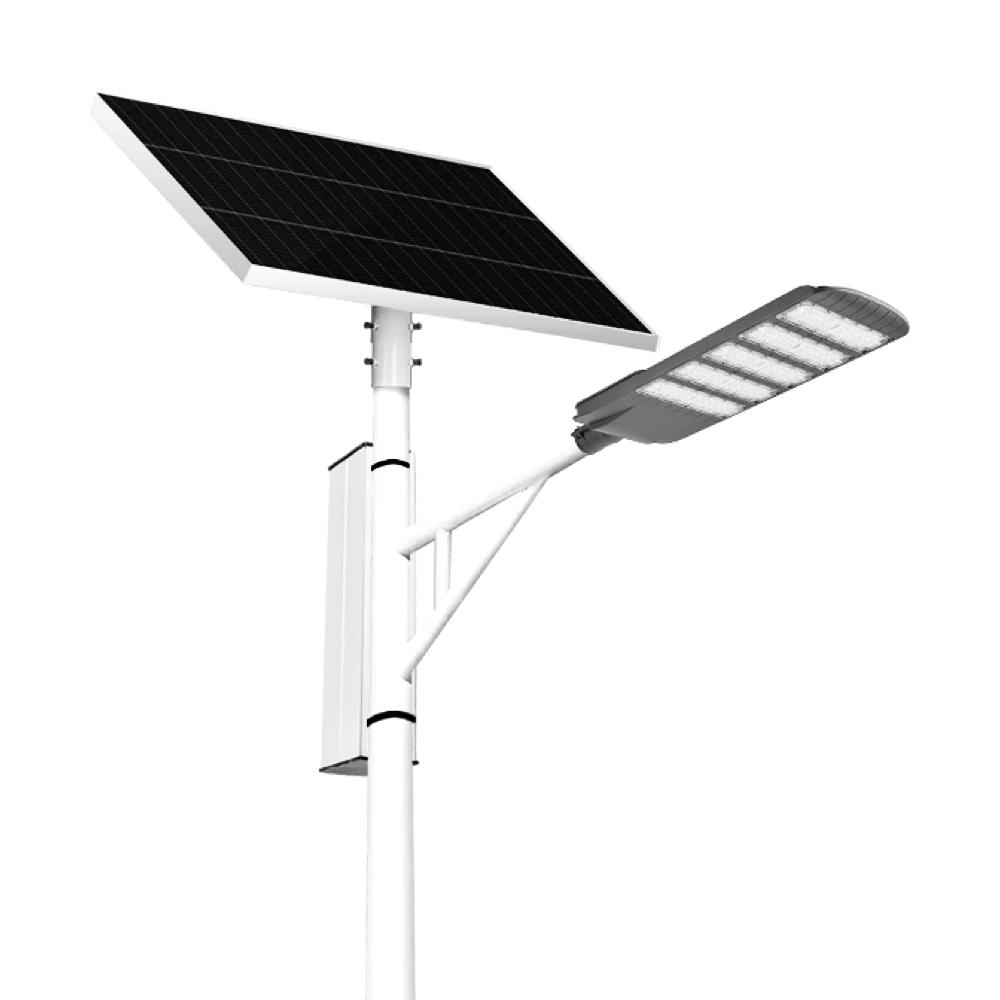
The Solar Streetlights of Luhao for Municipalities are designed to deliver reliable, energy-efficient, and cost-effective public lighting solutions. Equipped with advanced LED technology, durable lithium batteries, and high-efficiency solar panels, these streetlights provide consistent illumination for roads, parks, residential areas, and government projects.
Our professional team is ready to answer any questions and provide personalized support for your project.
You can reach us via phone or email to learn more about Queneng’s solar lighting solutions. We look forward to working with you to promote clean energy solutions!
Rest assured that your privacy is important to us, and all information provided will be handled with the utmost confidentiality.
By clicking 'Send Inquiry Now' I agree to Queneng processing my personal data.
To see how to withdraw your consent, how to control your personal data and how we process it, please see our Privacy Policy and Terms of use.
Schedule a Meeting
Book a date and time that is convenient for you and conduct the session in advance.
Have more questions about our products or services?
The messenger of light & power conversion
Environmental protection and intelligent manufacturing are our brand philosophy, and quality assurance and the best user experience are our eternal promises to users.
CONTACT
No.9F, Building F, Cao San Xin Tian Hong Logistics Park, Guzhen Town, Zhongshan City, Guangdong Province, China.
or write [email protected]
WhatsApp: +86 136 2270 1011


