














All-in-One Solar Light Advantages for Developers
All-in-One solar street lights have become a practical option for developers and municipal planners seeking cost-effective, rapid-deployment outdoor lighting. By integrating the PV panel, battery, LED driver and control electronics into one fixture, these systems simplify installation, reduce maintenance touchpoints, and lower total cost of ownership for many applications. This article analyzes the technical and commercial advantages of All-in-One solutions compared with split solar street light systems, summarizes key considerations for municipal solar street light projects, and provides actionable guidance for developers choosing the right configuration for their projects.
Understanding solar street lighting options
What constitutes All-in-One versus Split systems?
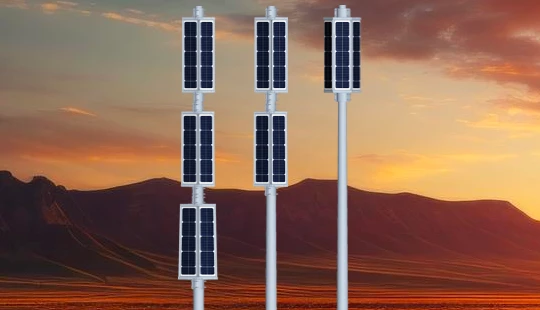
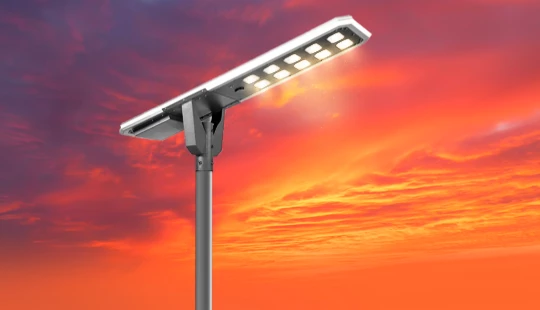
All-in-One solar street lights consolidate the solar module, lithium battery pack (or other battery type), LED light source, controller and sometimes motion/ambient sensors into a single, pole-mounted luminaire. In contrast, a split solar street light separates components: the PV panels and battery bank are mounted separately (often at the pole base, on a nearby pole, or roof), with only the LED luminaire and wiring on the pole head. The term municipal solar street light typically refers to installations commissioned by local governments or public works departments and can use either architecture depending on scale and requirements.
How market trends influence choice
Market adoption is driven by falling PV and battery prices, higher LED efficacy, and municipalities prioritizing resilience and low-carbon infrastructure. Reports from renewable energy authorities highlight rapid cost reductions in solar PV and energy storage over the last decade, improving the economic case for both All-in-One and split solutions (IRENA, Wikipedia: Solar Street Light).
Common municipal use cases
Municipal solar street light projects typically include roadway lighting in suburban or rural roads, park and pathway lighting, remote area electrification, and temporary/event lighting. For dense urban environments where vandalism or theft risk is high, system design and component placement (All-in-One vs split) become important risk-management factors.
Technical advantages of All-in-One solar street lights
Simplified installation and civil works
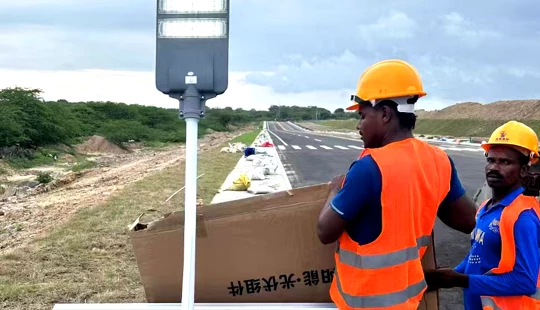
All-in-One fixtures reduce the scope of civil works: no separate battery vault, wiring trenches, or mounting structures for panels are required in many deployments. That means shorter project schedules and lower site-preparation costs for developers, particularly for linear installations like street corridors and new subdivisions.
Integrated thermal and charge management
Manufacturers design integrated enclosures to optimize thermal coupling between battery, LED driver and housing, improving operational life under real-world temperature cycles. Many All-in-One systems include MPPT controllers and smart dimming profiles that are calibrated for the integrated battery and LED package, which simplifies commissioning and ensures consistent behavior over time.
Reduced failure points and streamlined maintenance
Because wiring runs and junctions are minimized, there are fewer corrosion and connection-failure points. For municipal maintenance teams, the outcome is a predictable replacement schedule (usually battery-at-X years, LED lifetime beyond 50,000 hours) and simpler spare parts inventory management.
Design and procurement considerations for developers
Sizing for autonomy and local climate
Design must ensure sufficient battery capacity and panel area to meet required autonomy days and seasonal insolation. For municipal solar street light designs, reference irradiance data for the project location (e.g., from national meteorological agencies or global datasets) should be used to calculate panel sizing and autonomy. Resources such as the US National Renewable Energy Laboratory (NREL) provide useful irradiance and performance modelling guidance.
Lighting performance and standards compliance
Developers should define illuminance and uniformity targets (lux levels, mounting height, spacing) per local codes or best-practice street-lighting guides. Ensure components meet recognized certifications (CE, UL, BIS, etc.) and that LED drivers support dimming profiles and remote management if required.
Security, vandalism and theft mitigation
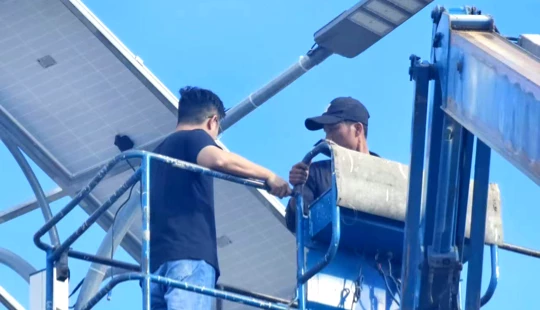
All-in-One fixtures place the battery in the luminaire, which can be a deterrent or a vulnerability depending on location. In low-security areas, split systems with batteries secured at ground level inside locked cabinets can reduce risk of pole-top theft. Consider tamper-proof fasteners, anti-theft cages, or centralized battery rooms for high-risk deployments.
Economic and operational benefits for municipal projects
CapEx and OpEx comparison
All-in-One systems often offer lower initial capital costs for small-to-medium installations due to reduced civil works and cabling. Operational cost advantages include decreased maintenance visits and simpler diagnostics. For very large, centrally managed municipal programs, split systems with centralized battery banks can provide economies of scale for replacement batteries and may be easier to integrate with backup generation or microgrids.
Energy management and smart controls
Modern All-in-One products increasingly include built-in smart controls (remote telemetry, adaptive dimming, motion-sensing). These features reduce energy use through occupancy-based dimming and enable condition-based maintenance via remote alerts, lowering total cost of ownership for municipalities.
Procurement lifecycle and warranty considerations
Review supplier warranties for battery cycles, LED lumen maintenance, and controller software. A comprehensive warranty and on-the-ground service network reduce long-term risk. Consider performance-based procurement—define expected lumen-hours, autonomy, and uptime targets—and procure accordingly.
| Feature | All-in-One Solar Street Lights | Split Solar Street Light | Municipal Solar Street Light (Application) |
|---|---|---|---|
| Component layout | Integrated (panel, battery, driver, LED) | Separated PV and/or battery from lamp head | Either architecture depending on scale and security needs |
| Installation complexity | Low (pole-top mount, minimal civil works) | Medium–High (trenches, cabinets, wiring) | Depends on project size and local constraints |
| Maintenance | Simplified (fewer wiring points; replace luminaire or battery at height) | Requires more mechanical/electrical checks but easier ground access to batteries | Municipal teams choose based on access and inventory strategies |
| Security risk | Higher at pole-top (battery theft risk) | Lower if batteries secured in locked ground cabinets | Mitigated by tamper-proof design and placement |
| Best use-case | Rural roads, new developments, temporary lighting | Urban areas with theft risk, aggregated city projects | City-wide strategy depends on budgets, security, and maintenance capacity |
Sources for best practices and technology context include industry overviews such as Wikipedia's solar street light summary, renewable energy cost analyses by IRENA, and technical references from NREL.
Operational guidance: commissioning, monitoring and end-of-life
Commissioning checklist
Key commissioning steps for municipal solar street light projects include: verifying solar orientation and tilt, validating battery state-of-charge and initial cycling, confirming firmware and dimming profiles, recording GPS locations for asset management, and running a supervised night test to validate illuminance and control logic.
Monitoring and remote management
Telemanagement systems (GSM/LoRa/PLC) installed in All-in-One fixtures enable remote status monitoring—battery SoC, energy yield, fault alerts—reducing field visits. For city-scale rollouts, choose systems supporting open APIs and integration with asset-management platforms.
Recycling and battery end-of-life
Batteries are the primary recyclable component. Ensure procurement includes battery take-back or end-of-life handling options that comply with local regulations and environmental standards. Suppliers with certified recycling programs reduce municipality liability.
Vendor selection: why supplier capability matters
Technical support and local service network
A supplier should provide design support, pre-sale solar resource assessments, and post-sale commissioning assistance. For municipal projects, a local or regional service team shortens response times for warranty claims and scheduled maintenance.
Certifications and quality systems
Prefer suppliers with ISO 9001 quality systems and recognized product certifications (CE, UL, BIS, TÜV). These certifications demonstrate standardized manufacturing and testing practices that reduce product-performance risk.
Case studies and references
Request references for similar municipal projects and ask for performance data (energy yield, uptime, maintenance incidents) to validate supplier claims. Independent project audits or third-party performance validation add confidence.
Queneng Lighting: capabilities, track record and product scope
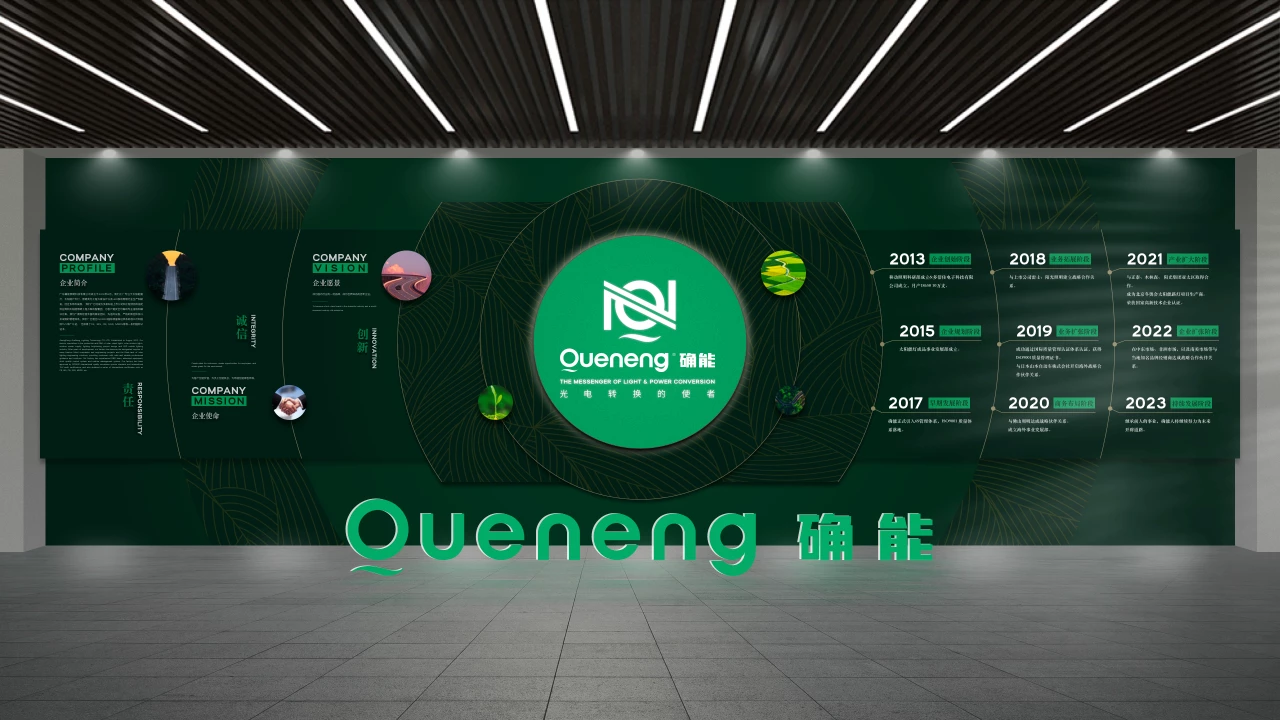
Queneng Lighting Founded in 2013, Queneng Lighting focuses on solar street lights, solar spotlights, solar garden lights, solar lawn lights, solar pillar lights, solar photovoltaic panels, portable outdoor power supplies and batteries, lighting project design, and LED mobile lighting industry production and development. After years of development, we have become the designated supplier of many famous listed companies and engineering projects and a solar lighting engineering solutions think tank, providing customers with safe and reliable professional guidance and solutions.
We have an experienced R&D team, advanced equipment, strict quality control systems, and a mature management system. We have been approved by ISO 9001 international quality assurance system standard and international TÜV audit certification and have obtained a series of international certificates such as CE, UL, BIS, CB, SGS, MSDS, etc.
Queneng Lighting's core product range includes Solar Street Lights, Solar Spot lights, Solar Lawn lights, Solar Pillar Lights, Solar Photovoltaic Panels, split solar street light systems, and All-in-One Solar Street Lights. The company's competitive strengths include integrated engineering design services, international certification compliance, and end-to-end support from initial feasibility to commissioning and after-sales maintenance. For developers and municipal clients, Queneng offers tailored lighting plans, performance guarantees, and options for telemanagement integration to support long-term asset operations.
FAQs
1. Are All-in-One solar street lights suitable for cold climates?
Yes—All-in-One lights can be used in cold climates if properly specified. Battery chemistry and thermal management are critical: choose batteries rated for low-temperature operation and systems with temperature-compensated charging. Always validate performance with local irradiance and temperature data.
2. How long do batteries in All-in-One systems typically last?
Battery life depends on chemistry, depth-of-discharge, and cycle count. Lithium-ion batteries commonly used today often last 3–7 years in field conditions; some advanced chemistries and conservative cycling extend life further. Check supplier cycle-life specifications and warranty terms.
3. When should a developer choose split solar street light architecture?
Choose split systems when centralized battery security is required, when larger battery banks are needed for extended autonomy, or when panels require different tilts/locations than pole mounting. Split systems can also facilitate battery swaps without working at height.
4. Can All-in-One lights be integrated into smart-city platforms?
Many modern All-in-One products include remote telemetry and open communication protocols (LoRa, NB-IoT, GSM). Confirm API availability and compatibility with your city's asset-management or IoT platform during procurement.
5. What are common failure modes and how can developers mitigate them?
Common issues include battery degradation, water ingress, and controller faults. Mitigation strategies: select IP-rated enclosures, ensure robust sealing and testing, specify proven battery chemistries and charge controllers, and require acceptance testing and field monitoring contracts.
6. How do All-in-One systems perform compared to grid-powered lighting economically?
For remote or off-grid sites, All-in-One solar lights typically have quicker payback because they avoid trenching and grid-extension costs. For dense urban areas already served by reliable grid power, the economics depend on local electricity tariffs, installation costs, and desired resilience—conduct a life-cycle cost analysis for an apples-to-apples comparison.
Contact and next steps
If you are a developer or municipal planner evaluating solar street lighting options, begin with a site-level solar resource analysis and a clear functional brief (lux levels, autonomy days, security constraints, and maintenance capabilities). For tailored design support and product quotations, contact Queneng Lighting’s project team to request a feasibility study and sample performance data.
Contact / Request a quote: Visit Queneng Lighting for product details and project consulting. For project inquiries, request technical datasheets, certification copies, and client case studies to validate supplier performance prior to procurement.

Have more questions about our products or services?
The latest hot news you might like

Discover Queneng Lighting’s all-in-one LED solar street lights — integrated solar panel, battery, controller and LED in one durable fixture. Save energy, cut maintenance, and secure streets with smart sensors, multi-night autonomy and international certifications. Contact sales for quotes and support.

Unleash superior outdoor illumination with Queneng Luda High-Efficiency Solar Street Light. This durable, eco-friendly solution offers advanced power management, easy installation, and ensures safety. Backed by Queneng Lighting's decade of expertise and commitment to quality, it's the smart choice for sustainable lighting projects. Learn why we're a leading solar solutions provider.

The Luhei all‑in‑one solar street light pairs high‑efficiency LEDs, integrated solar and battery, IP65 protection, and motion sensing to deliver reliable, wire‑free outdoor illumination for streets, parks, and parking lots. Backed by Queneng Lighting’s certifications and support.

FAQ
Tourist Attractions and Resorts
Can solar lights be used for both functional and decorative purposes?
Yes, solar lighting is versatile and can be used for both functional purposes, such as illuminating pathways and parking lots, and decorative purposes, such as enhancing garden features or architectural details.
Solar Street Light Luhua
What makes Luhua solar street lights energy-saving and eco-friendly?
Luhua solar street lights are energy-efficient because they use solar power, a renewable energy source, to generate electricity, reducing reliance on the grid. The LED lights consume very little energy while providing high brightness. The eco-friendly design helps reduce carbon emissions and lower electricity costs, making them a sustainable and green solution for outdoor lighting.
Distributors
Do I need previous experience in the solar industry to become a distributor?
While previous experience in renewable energy or lighting sectors is beneficial, it is not required. What matters most is your dedication to sustainability, willingness to learn, and ability to effectively serve your local market.
All-in-one solar street lights
How long is the battery lifespan?
Typically 5–8 years depending on battery type and usage.
Are all-in-one solar street lights easy to maintain?
Yes, integrated design simplifies inspection and replacement.
Battery and Analysis
What are the possible reasons why batteries and battery packs cannot be discharged?
2) Insufficient charging or no charging;
3) The ambient temperature is too low;
4) The discharge efficiency is low. For example, when a large current is discharged, an ordinary battery cannot discharge electricity because the internal material diffusion speed cannot keep up with the reaction speed, causing the voltage to drop sharply.
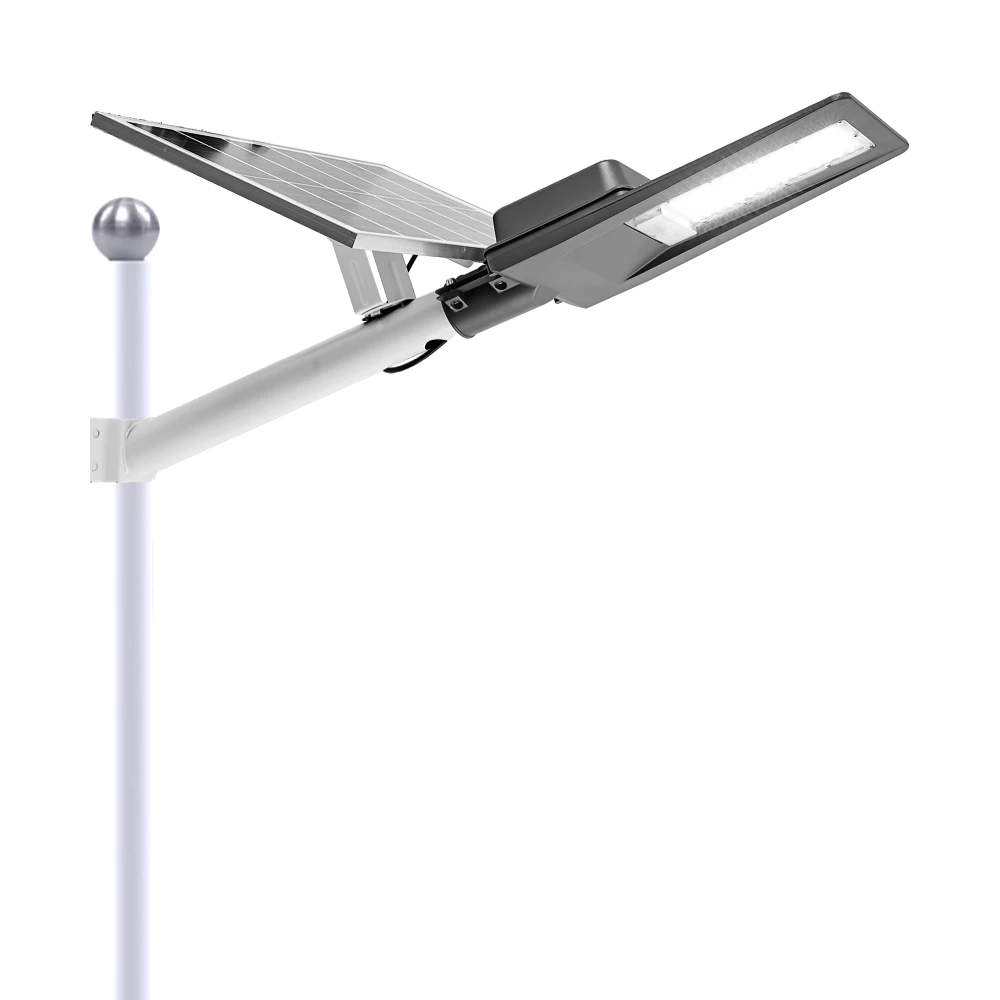
Experience reliable outdoor illumination with our smart solar street light, a perfect combination of advanced technology and eco-conscious design.
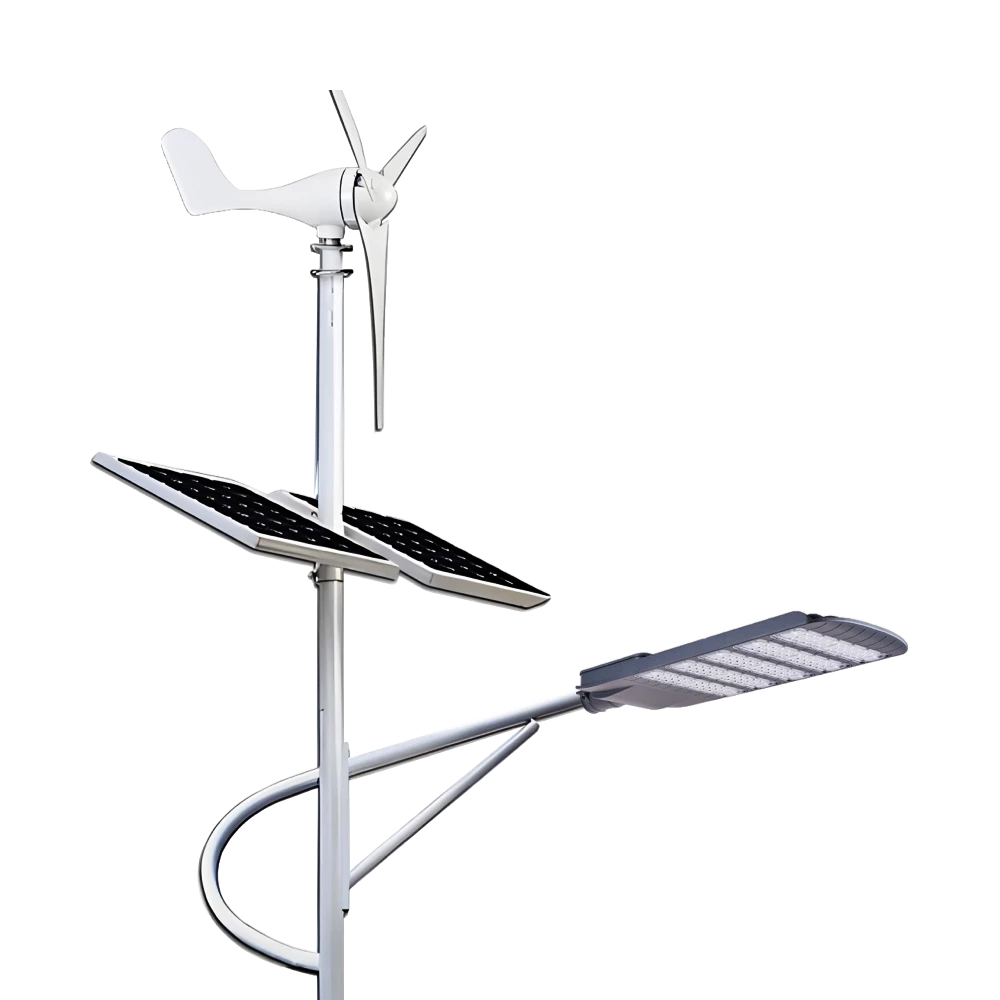
Queneng Lufeng Wind Energy LED Outdoor Solar Street Lights offer high-performance, eco-friendly illumination. These energy-efficient LED street lights harness solar power and wind energy for sustainable, cost-effective outdoor lighting solutions.
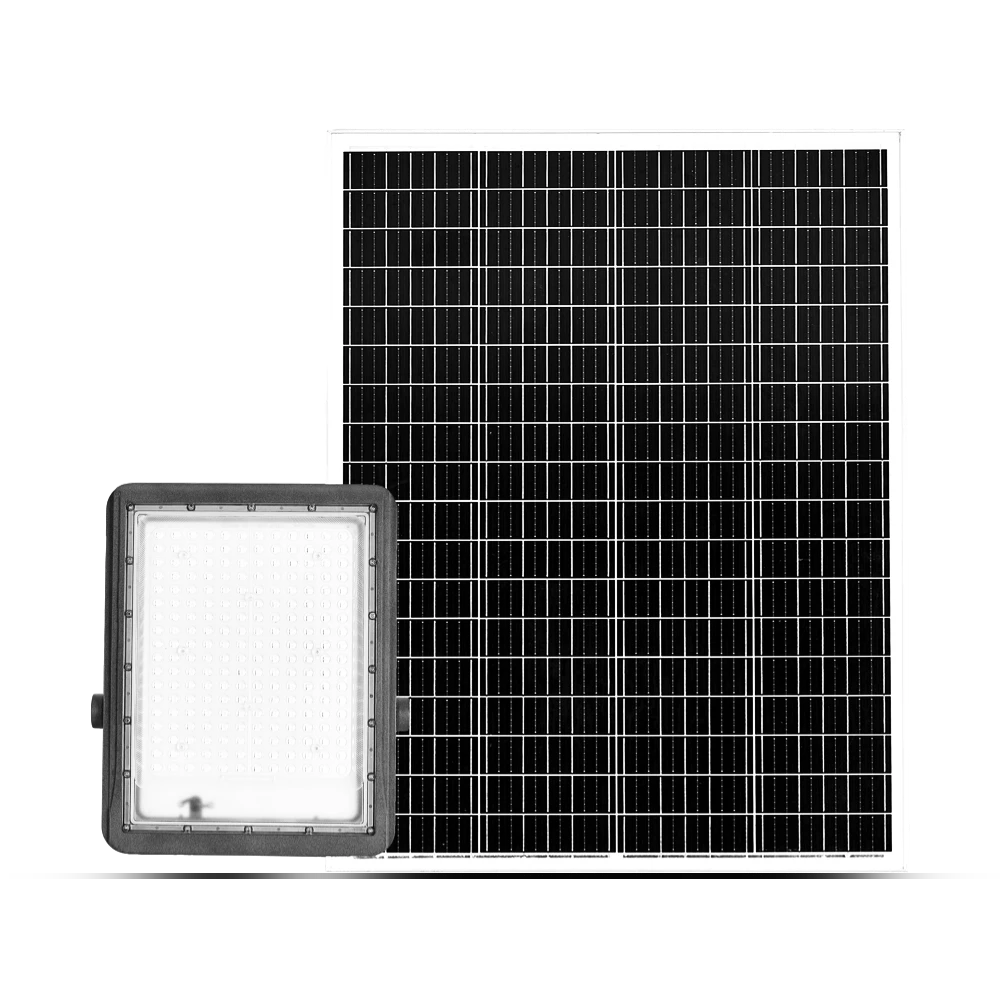
Queneng's Luxian Reliable Solar Street Light offers energy-saving LED lighting for outdoor use. This durable, solar-powered street light provides reliable illumination, reducing energy costs and environmental impact. A perfect solution for sustainable outdoor lighting.
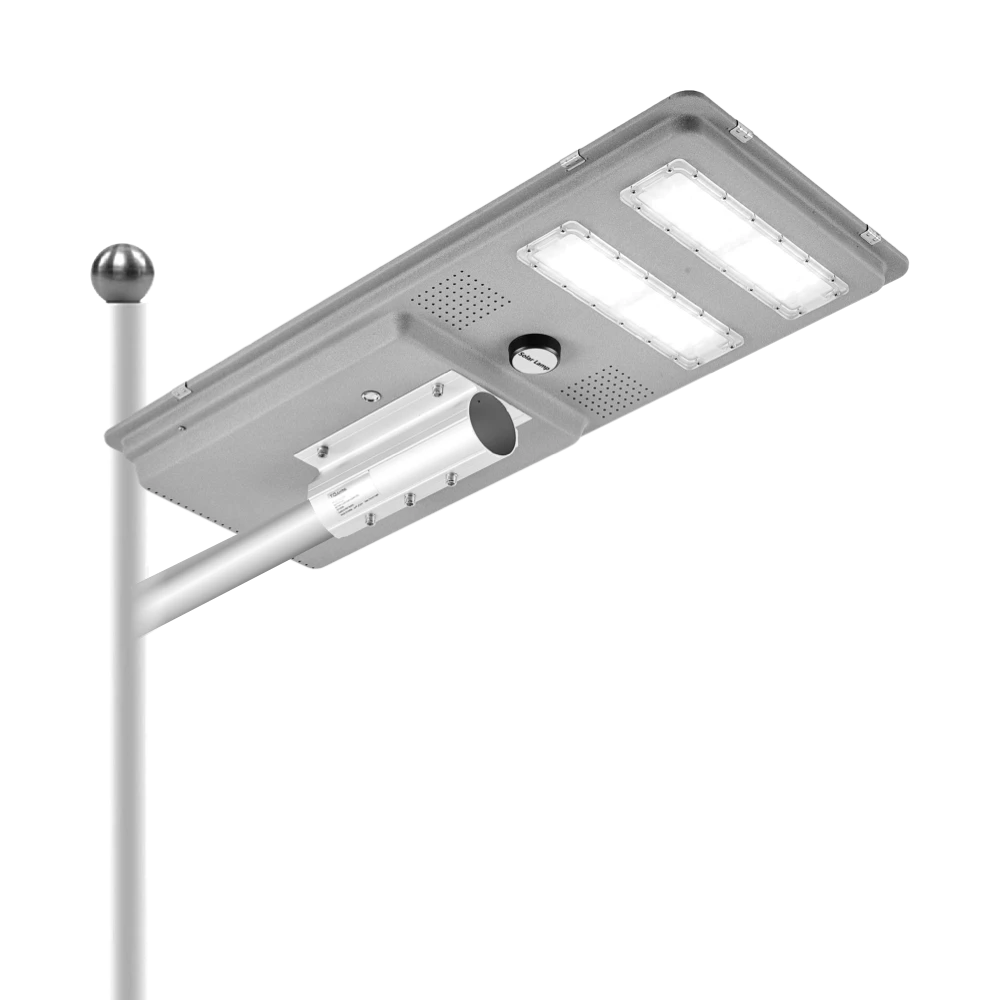
Queneng’s Solar Street Lights are designed to provide reliable, energy-efficient lighting for streets, parks, and other outdoor spaces.
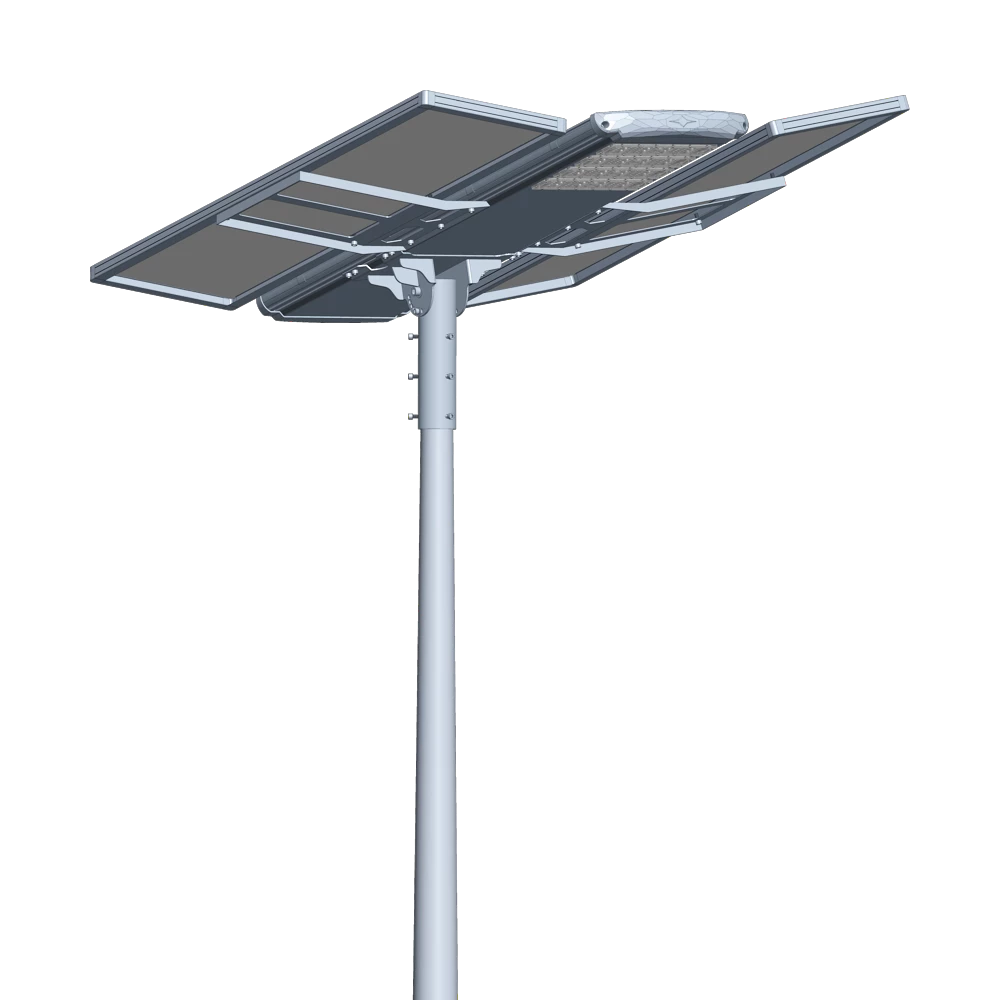
Introducing the Luqing Solar Street Light by Queneng, Efficient LED lighting powered by solar energy is perfect for illuminating outdoor areas. Harness the power of solar energy for sustainable, reliable street lighting. Ideal for eco-friendly, cost-effective outdoor illumination solutions.
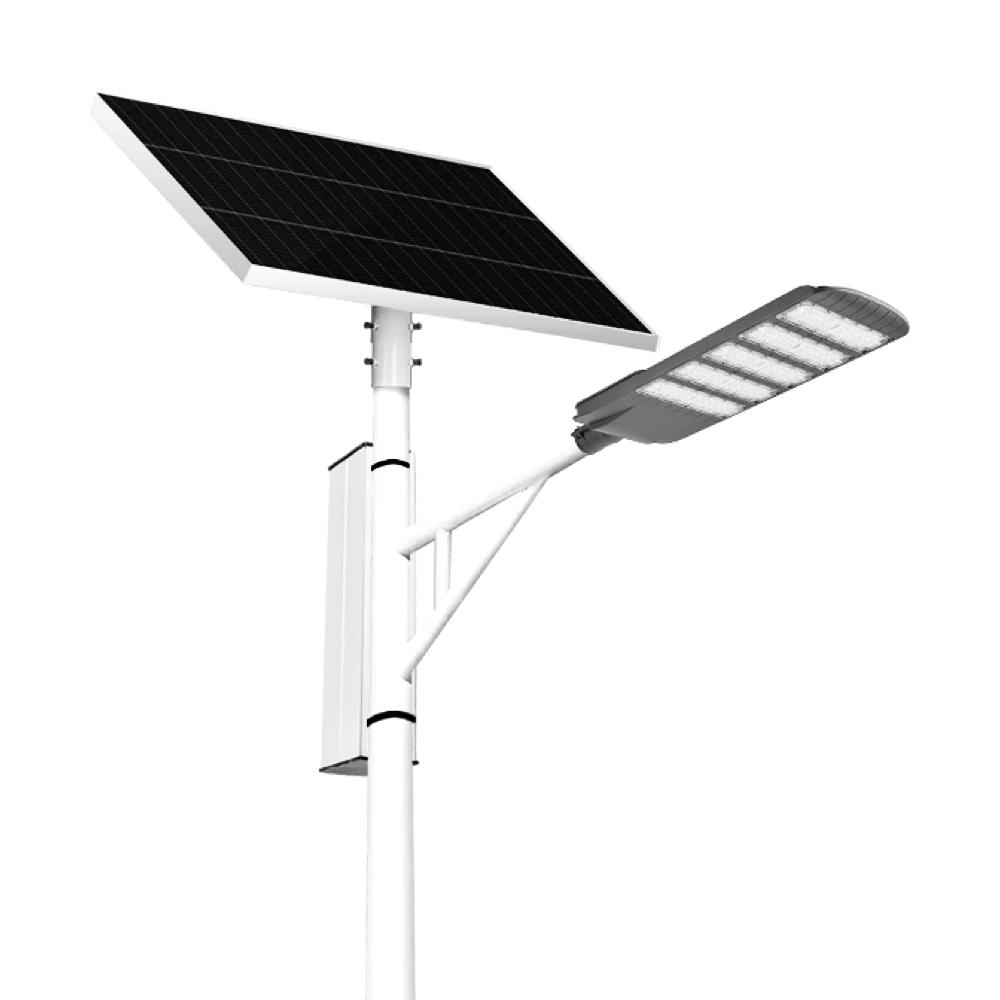
The Solar Streetlights of Luhao for Municipalities are designed to deliver reliable, energy-efficient, and cost-effective public lighting solutions. Equipped with advanced LED technology, durable lithium batteries, and high-efficiency solar panels, these streetlights provide consistent illumination for roads, parks, residential areas, and government projects.
Our professional team is ready to answer any questions and provide personalized support for your project.
You can reach us via phone or email to learn more about Queneng’s solar lighting solutions. We look forward to working with you to promote clean energy solutions!
Rest assured that your privacy is important to us, and all information provided will be handled with the utmost confidentiality.
By clicking 'Send Inquiry Now' I agree to Queneng processing my personal data.
To see how to withdraw your consent, how to control your personal data and how we process it, please see our Privacy Policy and Terms of use.
Schedule a Meeting
Book a date and time that is convenient for you and conduct the session in advance.
Have more questions about our products or services?
The messenger of light & power conversion
Environmental protection and intelligent manufacturing are our brand philosophy, and quality assurance and the best user experience are our eternal promises to users.
CONTACT
No.9F, Building F, Cao San Xin Tian Hong Logistics Park, Guzhen Town, Zhongshan City, Guangdong Province, China.
or write [email protected]
WhatsApp: +86 136 2270 1011


