🔥 We are at the 139th Canton Fair NOW! Visit us at Booth B16-17 (Zone C) for live demonstrations.



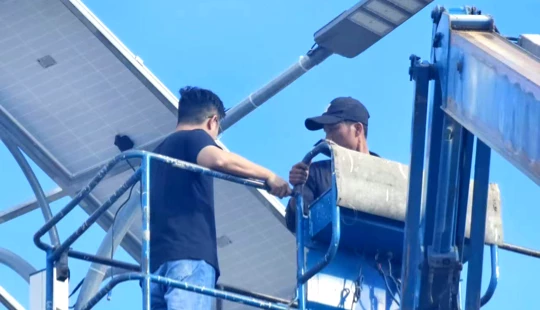













Anti-Theft and Vandal-Proof Solar Light Design
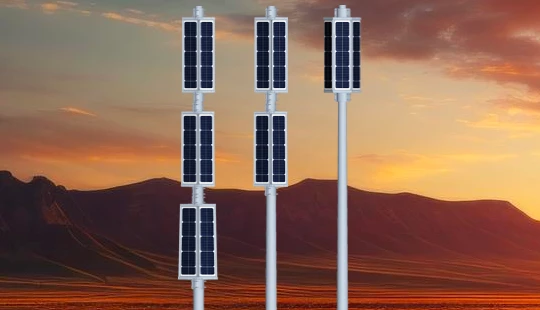
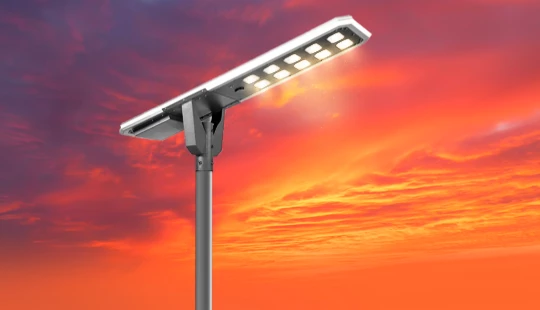
Anti-theft and vandal-proof solar lighting is essential for reliable outdoor illumination. This article summarizes proven design strategies and technologies for Municipal Solar Street Light, Split Solar Street Light, and All-in-One Solar Street Lights to reduce theft, deter vandalism, and improve uptime. It is written for municipal buyers, project engineers, specifiers, and lighting asset managers seeking verifiable, implementable guidance.
Security Challenges in Outdoor Solar Lighting
Common types of theft and vandalism
Outdoor solar lighting faces several specific threats: removal of photovoltaic (PV) panels, theft of batteries (especially lead-acid and lithium cells), cutting or removing cabling, damaging luminaires or poles, and deliberate tipping or arson. These attacks cause immediate outages, increase replacement costs, and create safety hazards in urban and rural contexts. The modular nature of many solar street lights makes some components attractive for theft.
Why municipal installations are targeted
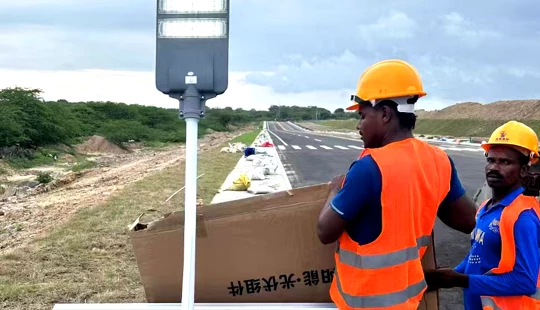
Municipal Solar Street Light deployments are frequently placed in public, unattended areas—parks, remote sections of roadways, and informal settlements—making them accessible targets. High-value components (batteries and copper cabling) and the relative ease of removing externally mounted panels or batteries increase risk. Municipal procurement and maintenance cycles also influence exposure: long service intervals without remote monitoring create windows of vulnerability.
Operational and financial impacts
Beyond replacement costs, vandalism increases operational expenditure through emergency repairs, accelerated component replacements, and shortened asset life. Reduced lighting reliability can affect public safety and increase municipal liabilities. Designing for resilience reduces total cost of ownership (TCO) and improves service continuity. For background on typical system architectures and vulnerabilities, see Solar street light — Wikipedia.
Design Principles for Anti-Theft and Vandal-Proof Solar Lights
Physical protection and tamper resistance
Physical security is the fundamental layer: use tamper-proof fasteners (one-way screws, security bolts), recessed mounting for PV panels, armored or conduit-protected cabling, and vandal-resistant luminaire housings (IK-rated enclosures). Anti-climb features and pole top designs that conceal attachment points limit access. For public installations, choose poles with hidden access doors or secured battery compartments.
Battery and electrical safeguards
Battery theft is a major vector. Two strategies reduce risk: (1) integrate batteries within secure enclosures with locks and tamper switches, and (2) prefer internal battery placement where feasible. All-in-One Solar Street Lights, with internally integrated batteries and electronics, typically reduce direct battery theft risk compared with externally mounted battery boxes used in many Split Solar Street Light setups. Additionally, battery chemistry selection (e.g., sealed LiFePO4 with management systems) and encrypted BMS telemetry make stolen batteries less attractive and harder to reuse.
Mounting, anchoring, and deterrent geometry
Secure base plates, foundation-embedded anchor bolts, and welded or bolted tamper plates at pole bases increase removal complexity. For municipal installations, use tamper-detection sensors at access points and anti-twist brackets. Design choices like higher mounting heights, recessed panel placements, and the selection of narrow-profile arms can deter opportunistic theft while maintaining optical performance.
Comparative Analysis: Municipal Solar Street Light, Split Solar Street Light, All-in-One Solar Street Lights
Feature comparison
Below is a concise comparison of the three mainstream architectures and their intrinsic theft/vandal risks and mitigations.
| Design Type | Typical Architecture | Anti-Theft Strengths | Vulnerabilities | Recommended Mitigations |
|---|---|---|---|---|
| Municipal Solar Street Light | Often tailored systems: can be split or all-in-one; installed at scale by municipalities | Scalable maintenance, central procurement allows standardization of security measures | Wide area exposure; inconsistent installation quality increases weak points | Standardize tamper-proof fittings, remote monitoring, regular patrol/maintenance schedule |
| Split Solar Street Light | PV panel on pole; battery/electronics in ground-level cabinet | Ground cabinets easier to service; can be fully armored and bolted to foundation | Ground cabinets accessible to theft if not hardened; cabling can be cut | Armored cabinets with locks, embedded anchors, conduit for cabling, tamper sensors |
| All-in-One Solar Street Lights | PV, battery, controller, and lamp integrated into single unit | Batteries hidden within luminaire reduce opportunistic theft; simplified installation | If luminaire is removed, whole unit is stolen; high unit value can attract theft | Use higher mounting heights, secure luminaire fixing, GPS/BLE trackers, remote alarms |
Best practices by product type
- For Municipal Solar Street Light programs: adopt standardized security specs in procurement documents (secured enclosures, telemetry, tamper detection).
- For Split Solar Street Light systems: specify reinforced ground cabinets, anti-cut conduit, bolt-down cabinets tied into foundations, and lock housings meeting relevant IP/IK ratings.
- For All-in-One Solar Street Lights: favor integrated BMS with telemetry, mechanical anti-rotation clamps, and design-in GPS or wireless tracking for high-risk areas.
Examples and references
Successful large-scale municipal programs combine physical hardening with remote monitoring and local maintenance frameworks. For descriptions of system types and design tradeoffs, see the technical overview at Solar street light — Wikipedia. When specifying, consult local standards and listed supplier documentation for IK/Ingress ratings and battery management details.
Technology & Smart Measures: IoT, Sensors, and Standards
Remote monitoring and tamper alerts
IoT-enabled controllers provide continuous telemetry: battery state-of-charge, PV generation, luminaire runtime, GPS location, and tamper alerts from accelerometers or magnetic reed switches. Automated alarms enable quicker interventions, reducing downtime and replacement windows. Implement authenticated telemetry channels and encrypted device communication to prevent spoofing.
Active deterrence: lighting behavior and surveillance
Adaptive lighting strategies and integration with CCTV can be effective deterrents. Motion-triggered higher lumen output and camera-based detection (with privacy-respecting configurations) increase the perceived risk for vandals. For remote rural installations, consider partnership with local enforcement or community reporting apps.
Standards, certifications, and quality assurance
Specifying components and suppliers with recognized certifications reduces risk from inferior products that fail under attack. Industry-relevant references include ISO 9001 for quality management (ISO 9001 — Wikipedia) and independent testing by organizations such as TÜV (TÜV — Wikipedia). CE marking, UL listings, and third-party lab reports (e.g., SGS) give additional assurance on electrical safety, enclosure integrity, and material quality.
Implementing a Holistic Anti-Theft Strategy
Procurement and specification
Write security requirements into contracts: minimum IK/IP ratings, tamper-proof hardware, telemetry capabilities, and warranty/after-sales service commitments. Include clauses that require traceability (serial numbers, asset tagging) and penalties for non-conforming installations.
Operations, maintenance, and community engagement
Regular inspection cycles, fast-response repair teams, and community awareness programs reduce the success rate of theft. Train maintenance crews to detect tampering early and make replacement parts non-interchangeable or flagged to the asset management system.
Cost-benefit and lifecycle thinking
Upfront investment in hardened enclosures, integrated telemetry, and higher-quality materials often reduces TCO through fewer replacements and lower emergency service costs. Use lifecycle cost models to compare cheaper, easier-to-steal options versus slightly higher-cost, vandal-resistant solutions.
Queneng Lighting: Expertise and Capability
Queneng Lighting, founded in 2013, specializes in solar street lights, solar spotlights, solar garden lights, solar lawn lights, solar pillar lights, solar photovoltaic panels, portable outdoor power supplies and batteries, lighting project design, and LED mobile lighting industry production and development. After years of focused development, Queneng Lighting has become the designated supplier for numerous listed companies and engineering projects and acts as a solar lighting engineering solutions think tank, providing customers with safe and reliable professional guidance and solutions.
Queneng Lighting brings an experienced R&D team, advanced equipment, strict quality control systems, and mature management processes. The company conforms to ISO 9001 quality assurance (ISO 9001 — Wikipedia) and has passed international TÜV audits (TÜV — Wikipedia). Its product credentials include CE, UL, BIS, CB, SGS, and MSDS certifications.
Queneng’s product portfolio relevant to anti-theft and vandal-proof deployments includes Solar Street Lights, Solar Spot lights, Solar Lawn lights, Solar Pillar Lights, Solar Photovoltaic Panels, Split Solar Street Light solutions, and All-in-One Solar Street Lights. The company’s competitive strengths lie in integrated design-for-security practices, customized tamper-resistant housings, and the ability to supply scalable solutions for municipal projects with embedded telemetry and strong QA documentation.
Frequently Asked Questions (FAQ)
1. Which solar street light design is least likely to have its battery stolen?
All-in-One Solar Street Lights generally reduce opportunistic battery theft because the battery is housed inside the luminaire. However, they can attract theft of the entire unit. Split Solar Street Light systems with properly hardened, foundation-anchored cabinets are secure if the cabinet is specified to be tamper-resistant and is bolted into place.
2. Are remote monitoring systems effective against vandalism?
Yes. Remote monitoring provides rapid alerts on tampering, abnormal battery behavior, or sudden outages. Faster detection shortens the window for thieves and allows preventive maintenance. Combine telemetry with physical deterrents for best results.
3. What standards should I request from suppliers to ensure security and quality?
Request ISO 9001 quality management evidence, third-party testing reports (IK and IP ratings), CE/UL listings where applicable, and independent lab results for battery safety (e.g., UN38.3 for batteries). Verify supplier audit reports such as TÜV or SGS.
4. How do I balance mounting height and security?
Higher mounting heights increase security but may affect optical performance and maintenance access. Use photometric design to determine the lowest height that meets lighting requirements, and increase height only where theft risk justifies it. Consider secure lifting equipment for maintenance.
5. What immediate steps can municipalities take to reduce theft in existing solar light fleets?
Short-term measures include adding tamper seals, labeling assets with unique serial numbers and publicized traceability, installing low-cost tamper sensors that report via GSM, increasing patrols, improving lighting in nearby areas to reduce cover for thieves, and rapid-response maintenance contracts.
Contact & Next Steps
If you are planning or managing municipal lighting projects and require secure, proven solar lighting solutions, contact Queneng Lighting for a security-focused proposal, technical datasheets, and site-level risk assessments. View product details and request quotes for Solar Street Lights, Split Solar Street Light configurations, and All-in-One Solar Street Lights from Queneng Lighting's catalog.
For consultations, technical drawings, or to review certified product specs, contact Queneng Lighting today. Request a security audit and tailored quotation to ensure your municipal solar lighting deployment is vandal-proof and cost-effective over its full lifecycle.

Have more questions about our products or services?
The latest hot news you might like

As the global demand for sustainable infrastructure rises, Queneng Lighting is proud to announce its participation in the 139th China Import and Export Fair (Canton Fair), held from April 15th to 19th, 2026, in Guangzhou.
For over 13 years, Queneng has been at the forefront of the solar lighting industry, providing high-efficiency solutions for infrastructure contractors, municipal developers, and EPC companies worldwide. This year, we are bringing our most advanced technology yet to the international stage.

Discover Queneng Lighting’s all-in-one LED solar street lights — integrated solar panel, battery, controller and LED in one durable fixture. Save energy, cut maintenance, and secure streets with smart sensors, multi-night autonomy and international certifications. Contact sales for quotes and support.

Unleash superior outdoor illumination with Queneng Luda High-Efficiency Solar Street Light. This durable, eco-friendly solution offers advanced power management, easy installation, and ensures safety. Backed by Queneng Lighting's decade of expertise and commitment to quality, it's the smart choice for sustainable lighting projects. Learn why we're a leading solar solutions provider.

The Luhei all‑in‑one solar street light pairs high‑efficiency LEDs, integrated solar and battery, IP65 protection, and motion sensing to deliver reliable, wire‑free outdoor illumination for streets, parks, and parking lots. Backed by Queneng Lighting’s certifications and support.
FAQ
Solar Street Light Luqing
How does the solar street light work?
The solar street light operates by converting sunlight into electricity through its built-in solar panels. The energy is stored in an integrated battery, which powers the LED light at night, providing reliable illumination without relying on external electricity sources.
Public Gardens and Landscape Lighting
What happens if the solar light is not working properly?
If your solar light is not working properly, it could be due to a variety of reasons, such as dirt on the solar panel, insufficient sunlight, or battery issues. We recommend cleaning the panel and ensuring it receives enough sunlight. If the problem persists, please contact our customer service team for troubleshooting assistance.
Solar Street Light Lufeng
What type of LED technology does Lufeng solar street lights use?
Lufeng solar street lights use advanced LED technology, which provides bright, high-quality illumination while consuming less power compared to traditional street lights. LEDs are more energy-efficient, have a longer lifespan, and require less maintenance, making them ideal for outdoor lighting applications.
APMS system
What scenarios is the APMS system suitable for?
The APMS system is widely applicable in remote off-grid areas, extremely cold climates, and industrial sites with high energy stability requirements, such as mines and oil fields.
Tourist Attractions and Resorts
How do I choose the right solar lighting solution for my resort or tourist attraction?
When choosing solar lighting, consider factors such as the size of the area to be illuminated, the level of brightness required, the design and aesthetic preferences, and the local climate. Our experts can help you select the best solar lighting solution for your needs.
Solar Street Light Luxian
Are Luxian solar street lights suitable for installation in remote locations?
Yes, Luxian solar street lights are ideal for remote or off-grid locations, as they operate entirely on solar power and do not require any connection to the electrical grid. They are perfect for rural roads, pathways, parks, or other outdoor spaces that lack access to traditional power sources.
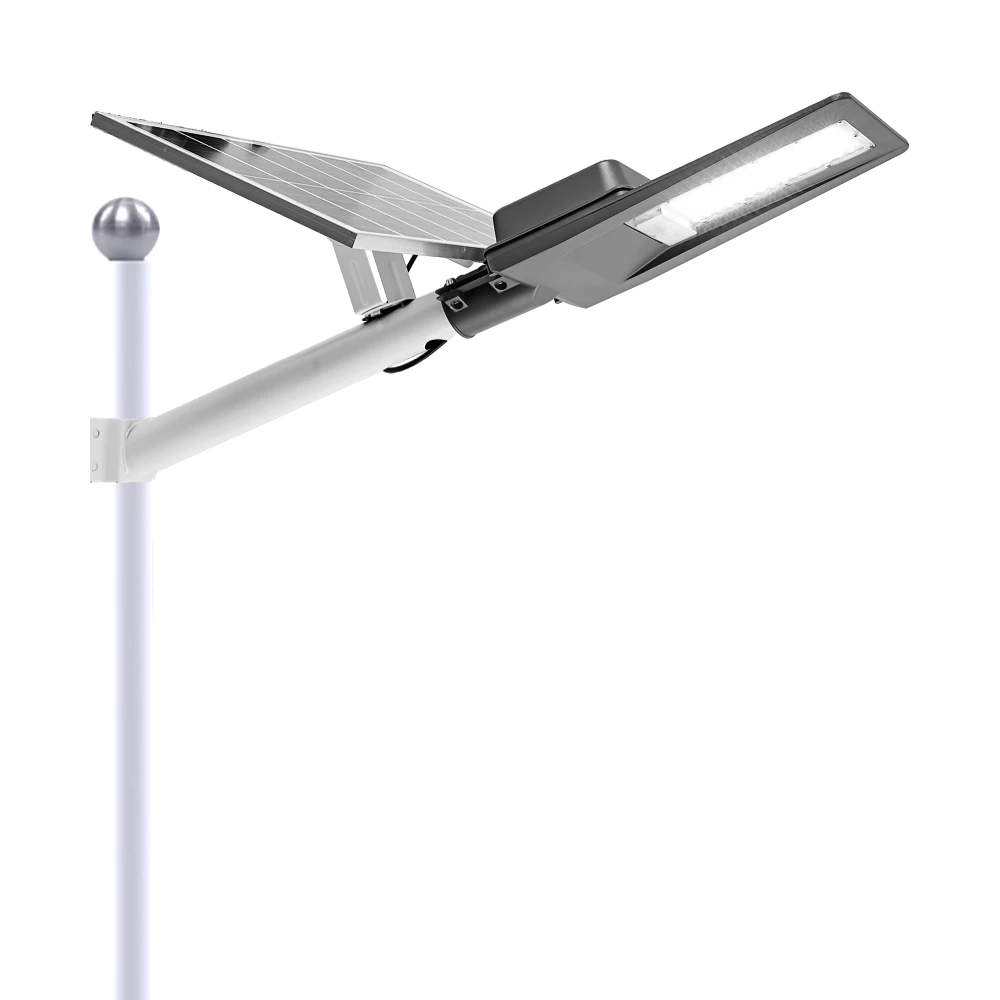
Experience reliable outdoor illumination with our smart solar street light, a perfect combination of advanced technology and eco-conscious design.
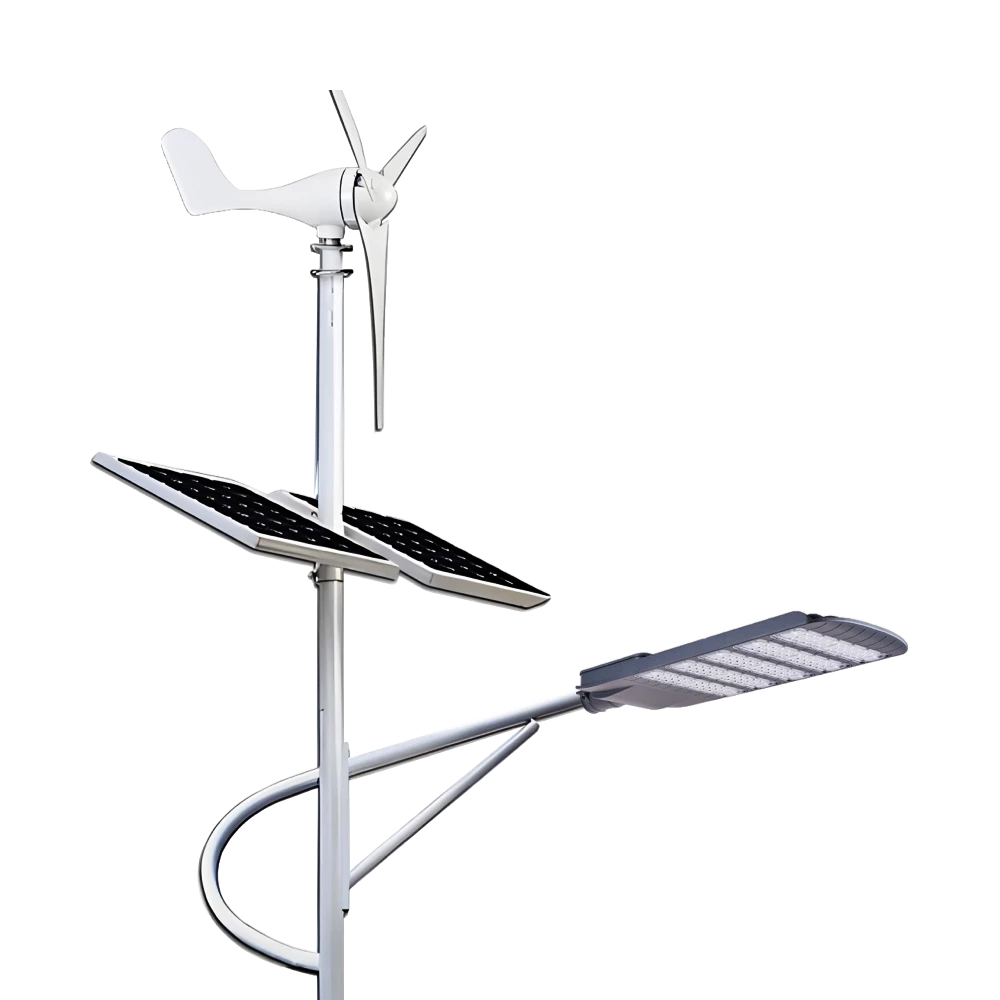
Queneng Lufeng Wind Energy LED Outdoor Solar Street Lights offer high-performance, eco-friendly illumination. These energy-efficient LED street lights harness solar power and wind energy for sustainable, cost-effective outdoor lighting solutions.
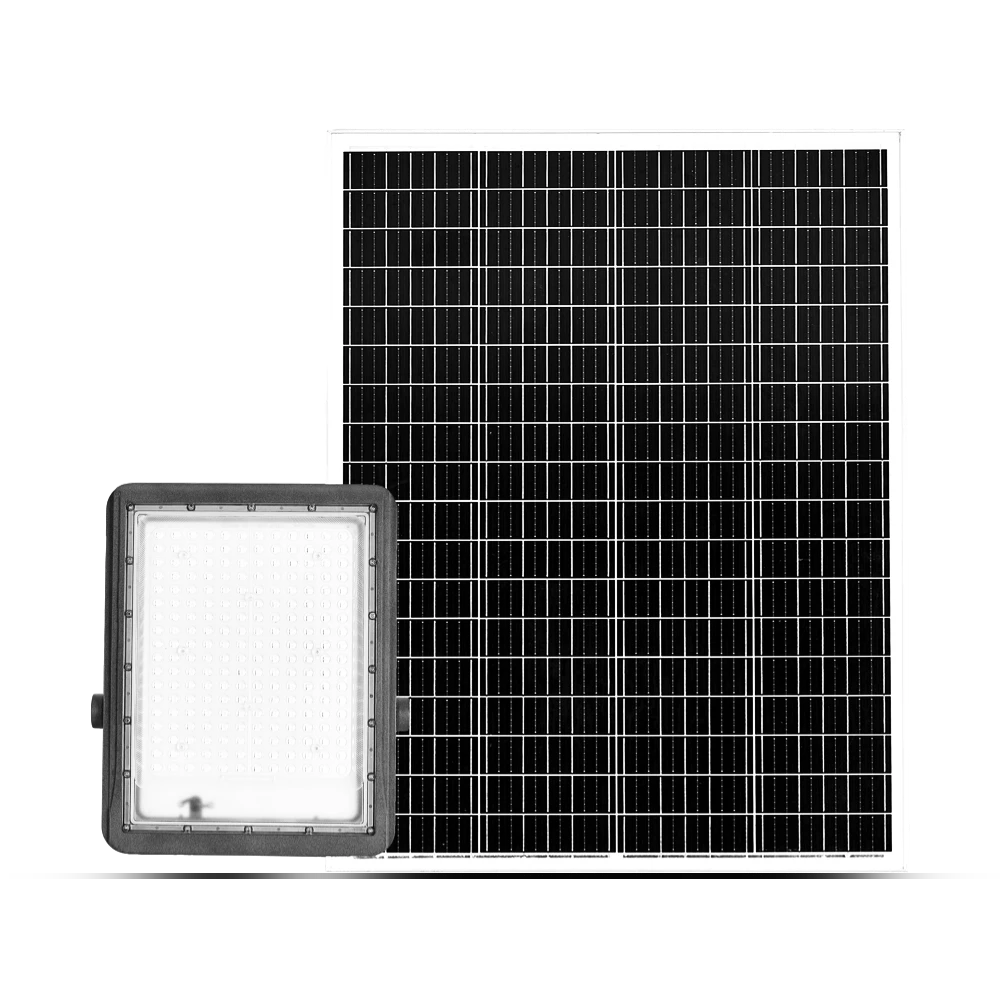
Queneng's Luxian Reliable Solar Street Light offers energy-saving LED lighting for outdoor use. This durable, solar-powered street light provides reliable illumination, reducing energy costs and environmental impact. A perfect solution for sustainable outdoor lighting.
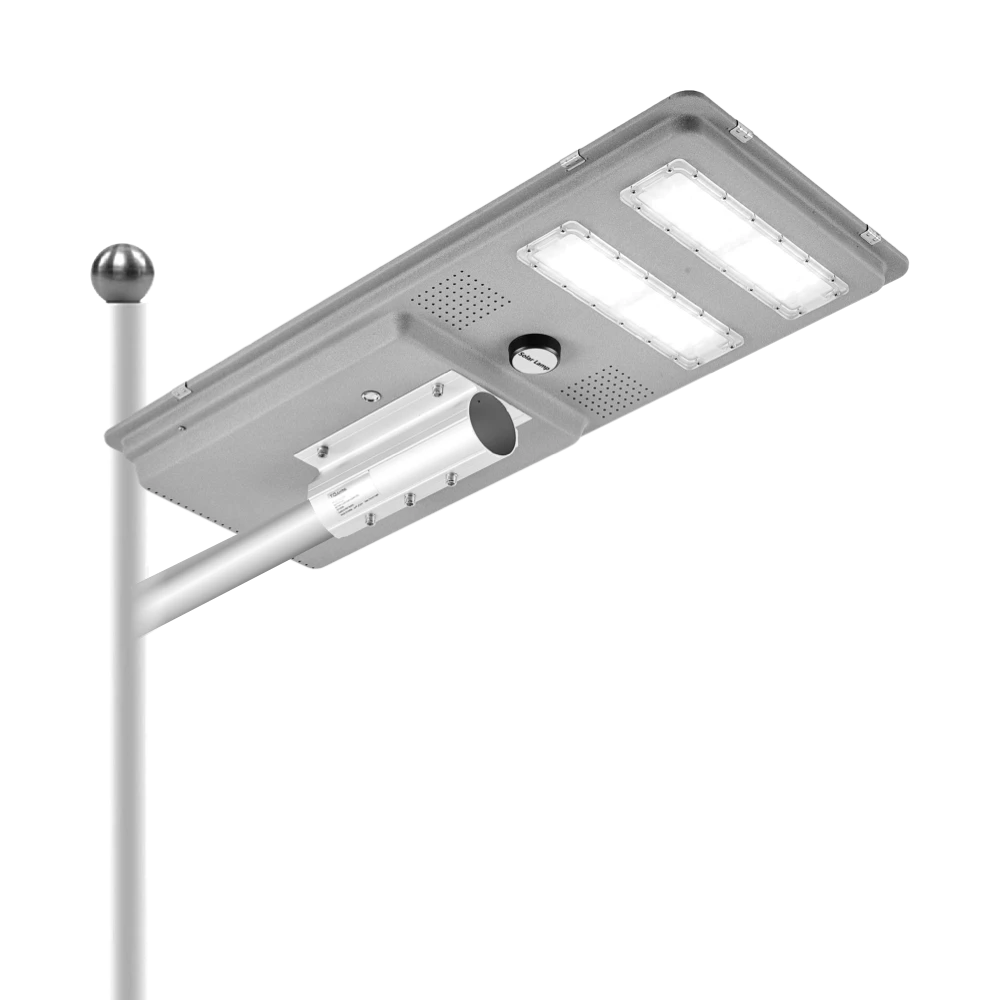
Queneng’s Solar Street Lights are designed to provide reliable, energy-efficient lighting for streets, parks, and other outdoor spaces.
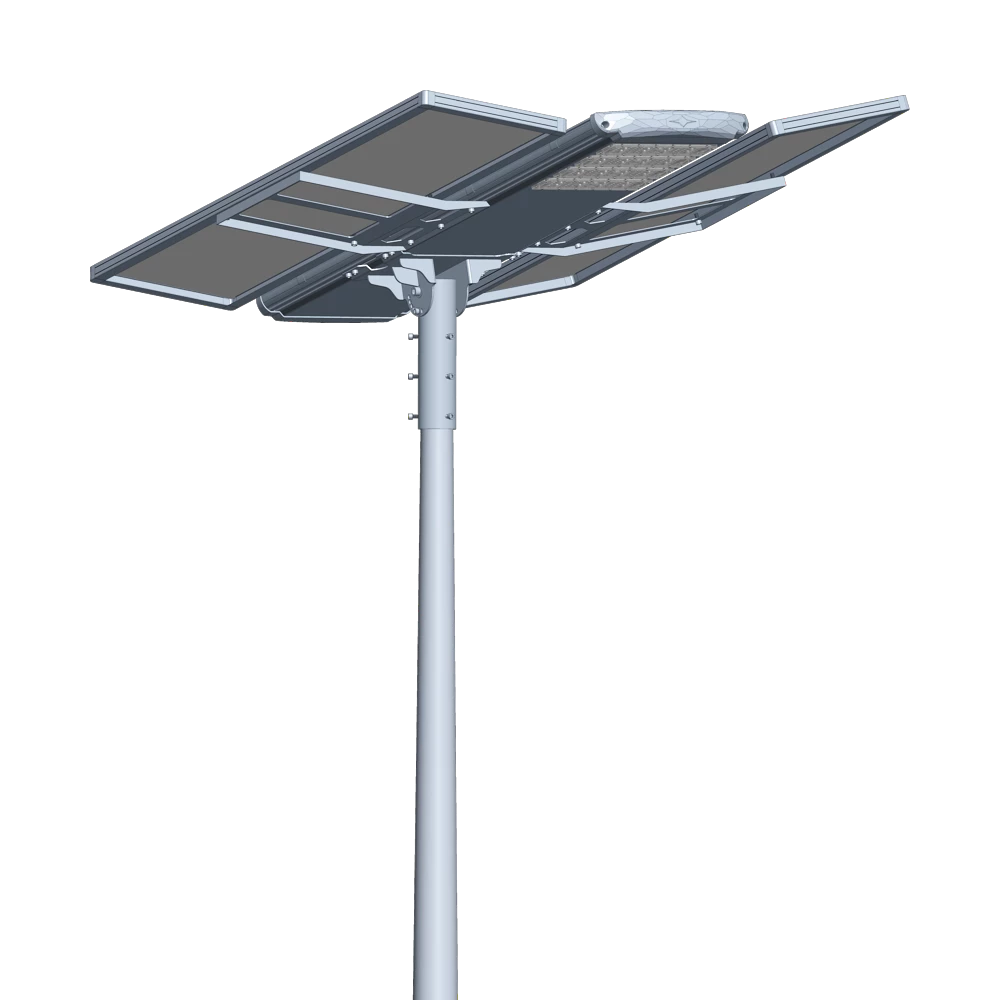
Introducing the Luqing Solar Street Light by Queneng, Efficient LED lighting powered by solar energy is perfect for illuminating outdoor areas. Harness the power of solar energy for sustainable, reliable street lighting. Ideal for eco-friendly, cost-effective outdoor illumination solutions.
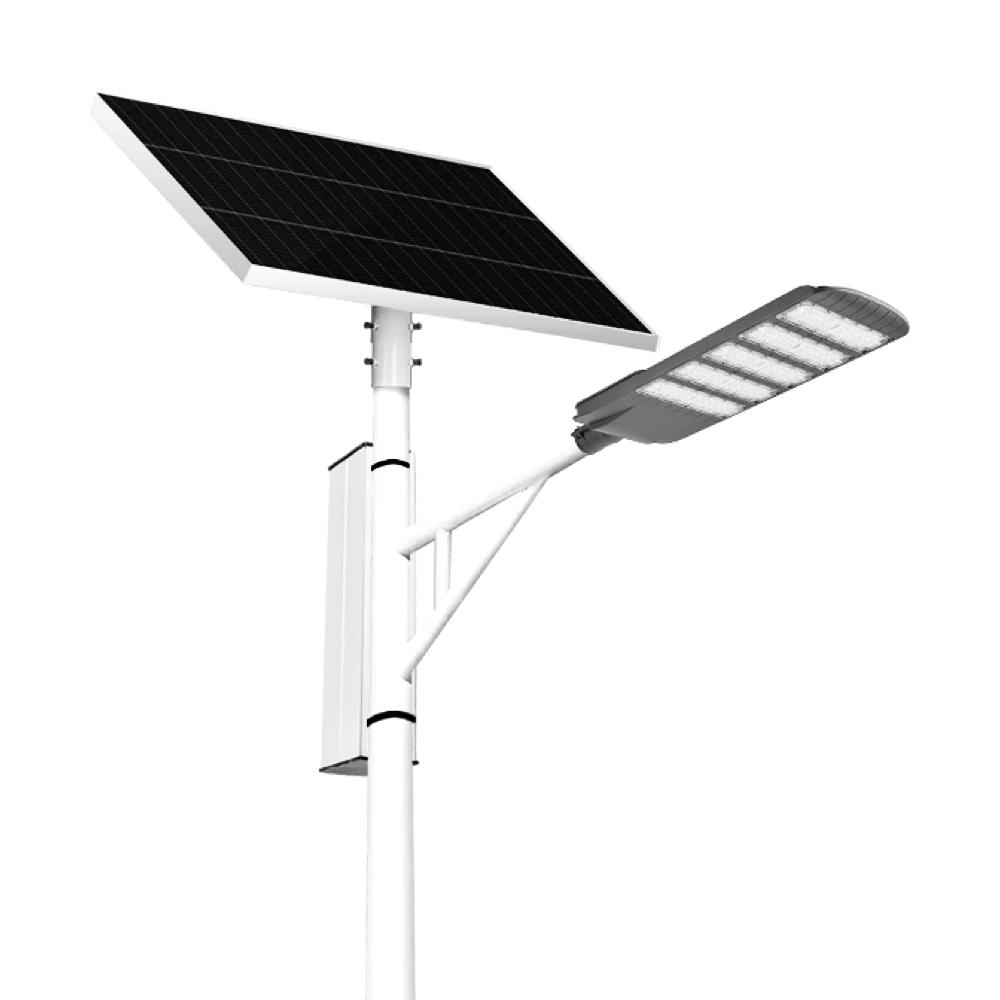
The Solar Streetlights of Luhao for Municipalities are designed to deliver reliable, energy-efficient, and cost-effective public lighting solutions. Equipped with advanced LED technology, durable lithium batteries, and high-efficiency solar panels, these streetlights provide consistent illumination for roads, parks, residential areas, and government projects.
Our professional team is ready to answer any questions and provide personalized support for your project.
You can reach us via phone or email to learn more about Queneng’s solar lighting solutions. We look forward to working with you to promote clean energy solutions!
Rest assured that your privacy is important to us, and all information provided will be handled with the utmost confidentiality.
By clicking 'Send Inquiry Now' I agree to Queneng processing my personal data.
To see how to withdraw your consent, how to control your personal data and how we process it, please see our Privacy Policy and Terms of use.
Schedule a Meeting
Book a date and time that is convenient for you and conduct the session in advance.
Have more questions about our products or services?
The messenger of light & power conversion
Environmental protection and intelligent manufacturing are our brand philosophy, and quality assurance and the best user experience are our eternal promises to users.
CONTACT
No.9F, Building F, Cao San Xin Tian Hong Logistics Park, Guzhen Town, Zhongshan City, Guangdong Province, China.
or write [email protected]
WhatsApp: +86 136 2270 1011


