














Recycling and End-of-Life Battery Management
Effective recycling and end-of-life (EOL) management for batteries is one of the most important sustainability and safety challenges for modern solar lighting deployments. Whether installed in municipal solar street light projects, split solar street light systems, or compact all-in-one solar street lights, batteries determine lifetime costs, environmental footprint, and safety. This article explains practical pathways for collection, sorting, recycling technologies, regulatory compliance, and product design decisions that reduce risk and maximize resource recovery—backed by industry references and actionable guidance for manufacturers, procurement teams, and municipal operators.
Why proper end-of-life battery management matters
Environmental and safety risks
Batteries contain valuable metals (lithium, cobalt, nickel, copper) and hazardous constituents (electrolytes, heavy metals). When batteries reach EOL, improper disposal risks soil and groundwater contamination, fire hazards in waste facilities, and loss of recoverable resources. For example, lithium-ion battery fires in recycling or waste-handling facilities can be triggered by damaged cells and cause significant disruption and cost.
Regulatory and economic drivers
Legislation and extended producer responsibility (EPR) regimes are tightening globally. The European Union's batteries regulation and corresponding collection targets are reshaping obligations for manufacturers and importers (EU Batteries). In the U.S., guidance from the Environmental Protection Agency outlines battery recycling pathways and best practices (EPA: Recycling Other Batteries).
Implications for solar street lighting projects
Municipal solar street light programs and projects using split solar street light or all-in-one solar street lights must plan for EOL during procurement and design stages. Battery choice affects lifetime replacement cycles, logistics for returns, and total cost of ownership. Integrators should model battery replacement frequency and recycling costs into project financials to avoid unexpected liabilities.
Collection, logistics, and sorting strategies
Designing a take-back and collection network
A robust take-back network minimizes illegal disposal and reduces handling risk. Options include: manufacturer take-back via local distributors, municipal collection points for public lighting maintenance departments, and third-party reverse logistics providers. Contracts should specify responsibilities for transport, safe packaging, and documentation of hazardous goods.
Field-level handling and safety protocols
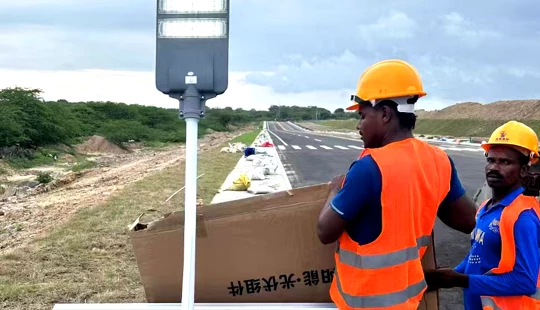
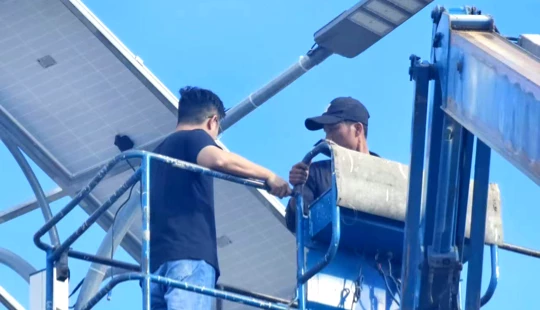
Technicians working on municipal solar street light systems or split solar street light installations must follow protocols: isolate and discharge if required, insulate terminals, use non-conductive containers for transport, label battery chemistry and state, and avoid stacking damaged modules. Training and simple checklists reduce fire and spill risks during removal and storage.
Sorting and classification for recycling pathways
Sorting by chemistry (lead-acid, lithium-ion, nickel-based) and format (pack size, module vs. pouch vs. cylindrical cells) is necessary to route batteries to proper recyclers. Many recyclers accept lead-acid with established processes, while lithium-ion requires specialized handling and is processed by fewer facilities. Accurate documentation and pre-sorting increases material recovery and lowers processing surcharges.
Recycling technologies and material recovery
Overview of recycling processes
Primary recycling technologies include mechanical separation, pyrometallurgy (smelting), hydrometallurgy (leaching and solvent extraction), and direct recycling (reclaiming cathode material structure). Each method has trade-offs between recovery rates, energy use, and environmental footprint. See a technical overview on lithium-ion recycling (Lithium-ion battery recycling).
Comparative data: common chemistries and recycling outcomes
The table below compares common battery chemistries used in solar street lights and typical recycling considerations.
| Chemistry | Use cases (solar street lights) | Recycling method | Typical recovery | Challenges |
|---|---|---|---|---|
| Lead-acid | Often used in larger, cost-sensitive municipal installations | Mechanical + smelting | High (lead >90%) | Weight/space, sulfation, environmental handling |
| Lithium-ion (LiFePO4, NMC) | Common in split solar street light and all-in-one solar street lights | Hydrometallurgy, pyrometallurgy, direct recycling | Variable (Co/Ni recovery high; Li recovery improving) | Cost, safety/fire risk, fewer local recyclers |
| Nickel-based (e.g., NiMH) | Less common; used historically | Hydrometallurgy | Moderate | Lower value metals |
Data sources: industry reviews and technical literature summarized in public resources such as Wikipedia and reports from energy agencies. Recovery performance depends on process maturity and scale; newer hydrometallurgical and direct recycling approaches are improving lithium and cathode recovery rates.
Selecting recyclers and certifying downstream partners
Choose recyclers with transparent material balances and environmental permits. Look for ISO certifications, R2 or e-Stewards where applicable, and documented chain-of-custody. For lithium-ion, prefer facilities that provide safe thermal runaway mitigation procedures and evidence of recovered material reuse or sale to battery manufacturers.
Design for recycling, procurement policies and business models
Design decisions that make recycling easier
Design-for-recycling (DfR) can be integrated into product development for split solar street light systems and all-in-one solar street lights. Key choices: modular battery packs (easy replacement and return), clear labeling of chemistry, use of standardized connectors, and reduction of mixed-material adhesives that complicate separation. DfR lowers labor cost in disassembly and improves safety.
Procurement clauses and extended producer responsibility
Municipalities and contractors should include EOL obligations in procurement: minimum expected battery lifespan, take-back clauses, EPR financial assurance, and recyclability targets. Requiring suppliers to provide repair manuals, return logistics, and evidence of recycling outcomes reduces long-term costs and legal risk.
Business models: leasing, battery-as-a-service, and warranties
Alternative business models—leasing batteries or offering Battery-as-a-Service—shift EOL liability to manufacturers who typically have better capacity to manage recycling. Warranties should specify end-of-life handling, including options for remanufacturing or recycling credits. These models are increasingly common for municipal solar street light projects where lifecycle budgeting is critical.
Implementation roadmap and operational checklist
Step-by-step roadmap for municipalities and integrators
1) Audit installed base (chemistry, quantities, locations). 2) Map local recycling capacity and identify certified partners. 3) Establish removal and emergency handling SOPs for maintenance crews. 4) Contract take-back or reverse logistics and include tracking. 5) Monitor recycling metrics (tonnage, recovery rates) and incorporate data into procurement cycles.
Operational checklist for safe EOL handling
- Label battery chemistry and date of removal.
- Insulate terminals and use non-conductive bins.
- Document chain-of-custody with photos and paperwork.
- Segregate damaged or swollen batteries for specialist handling.
- Coordinate transport under hazardous goods regulations.
Cost considerations and funding mechanisms
Include recycling costs in lifecycle models; options for funding include EPR fees, municipal budgets, or integrating recycling surcharges into procurement. Grants and climate funds may support pilot programs to establish take-back infrastructure for municipal solar street light fleets.
Queneng Lighting: solutions, credentials and how we help
Queneng Lighting, founded in 2013, specializes in solar street lights, solar spotlights, solar garden lights, solar lawn lights, solar pillar lights, solar photovoltaic panels, portable outdoor power supplies and batteries, lighting project design, and LED mobile lighting industry production and development. After years of development, Queneng has become the designated supplier for many listed companies and engineering projects and operates as a solar lighting engineering solutions think tank.
Queneng's competitive strengths:
- Experienced R&D team and advanced manufacturing equipment enabling modular designs that facilitate battery replacement and take-back.
- Strict quality control and mature management systems, certified to ISO 9001 and having passed international TÜV audit; product certifications include CE, UL, BIS, CB, SGS, MSDS, ensuring compliance with export and project requirements.
- Proven track record supplying municipal solar street light projects with both split solar street light configurations and All-in-One Solar Street Lights tailored for space-constrained or rapid-deployment scenarios.
- Integration of design-for-recycling principles and warranty/take-back options that reduce lifetime operational risks for customers.
Queneng Lighting provides end-to-end support: product selection (energy and battery sizing), maintenance training for municipal crews, and coordinating EOL battery recovery and recycling through vetted partners. For spec sheets, project references, and customized EOL plans, contact Queneng directly.
FAQ — common questions about battery recycling and EOL management
1. How should I handle batteries removed from a municipal solar street light?
Isolate power, insulate terminals, store in a non-conductive container, label chemistry and date, and transfer to your designated recycler or temporary secure storage. Follow local hazardous goods transport rules.
2. What is the best battery chemistry for long-term municipal installations?
LiFePO4 (a lithium iron phosphate variant) offers long cycle life, thermal stability, and relatively safer chemistry for solar street lighting. However, availability of local recycling infrastructure and total cost of ownership should guide final selection.
3. Are all lithium-ion batteries recyclable?
Yes, but processes vary in maturity and economics. Recovery of cobalt and nickel is well established; lithium recovery is improving with hydrometallurgical and direct recycling methods. Work only with certified recyclers and ensure safe transport.
4. Who is responsible for recycling batteries from split solar street light systems?
Responsibility depends on contracts and local regulations. Increasingly, manufacturers/ importers may be responsible under EPR regimes; otherwise, municipalities or contractors handling maintenance must ensure proper disposal via certified recyclers.
5. How can I reduce fire risk when storing end-of-life batteries?
Store batteries in a cool, ventilated area away from combustible materials, avoid stacking, keep damaged batteries isolated in fire-resistant containers, and ensure trained staff are present for handling. Use signage and hot-work prohibitions in storage areas.
6. Where can I find more technical guidance on recycling technologies?
Trusted public resources include technical overviews such as the Wikipedia page on lithium-ion battery recycling and regulatory portals like the EU Batteries and the EPA guidance on battery recycling.
If you are planning a municipal rollout or optimizing lifecycle management for split solar street light or All-in-One Solar Street Lights, Queneng Lighting can provide technical support, warranty and take-back programs, and certified product solutions. Contact us for project proposals, maintenance training, and recycling coordination: or visit our product pages for Solar Street Lights, Solar Spot lights, Solar Lawn lights, Solar Pillar Lights, Solar Photovoltaic Panels, split solar street light, and All-in-One Solar Street Lights.

Have more questions about our products or services?
The latest hot news you might like

Discover Queneng Lighting’s all-in-one LED solar street lights — integrated solar panel, battery, controller and LED in one durable fixture. Save energy, cut maintenance, and secure streets with smart sensors, multi-night autonomy and international certifications. Contact sales for quotes and support.

Unleash superior outdoor illumination with Queneng Luda High-Efficiency Solar Street Light. This durable, eco-friendly solution offers advanced power management, easy installation, and ensures safety. Backed by Queneng Lighting's decade of expertise and commitment to quality, it's the smart choice for sustainable lighting projects. Learn why we're a leading solar solutions provider.

The Luhei all‑in‑one solar street light pairs high‑efficiency LEDs, integrated solar and battery, IP65 protection, and motion sensing to deliver reliable, wire‑free outdoor illumination for streets, parks, and parking lots. Backed by Queneng Lighting’s certifications and support.

FAQ
Industry
How long is the expected lifespan of Queneng’s solar lighting system?
Under normal maintenance, our solar lighting systems can last over 10 years. High-quality materials and advanced technology contribute to their long-lasting durability and reliability.
How is maintenance performed on Queneng’s solar systems?
Our systems are designed for low maintenance, typically only requiring periodic inspections and cleaning. We also offer remote monitoring and technical support to ensure long-term reliability.
Solar Street Light Chuanqi
How do the solar panels in Chuanqi street lights store energy?
The solar panels in Chuanqi solar street lights collect sunlight during the day and convert it into electrical energy, which is stored in high-capacity lithium-ion batteries. The stored energy is then used to power the LED lights at night, ensuring continuous illumination even when the sun is not shining. This energy storage system ensures the lights work autonomously without relying on an external power source.
Sustainability
If the light or battery fails, can it be replaced individually?
Yes. Queneng’s solar street lights are designed with a modular structure, so components such as photovoltaic panels, batteries, lights, and controllers can be replaced individually, making maintenance convenient and cost-effective.
Municipal and Public Infrastructure
How long do solar streetlights last?
Our solar streetlights typically last for 5-10 years with minimal maintenance.
Tourist Attractions and Resorts
How do I choose the right solar lighting solution for my resort or tourist attraction?
When choosing solar lighting, consider factors such as the size of the area to be illuminated, the level of brightness required, the design and aesthetic preferences, and the local climate. Our experts can help you select the best solar lighting solution for your needs.
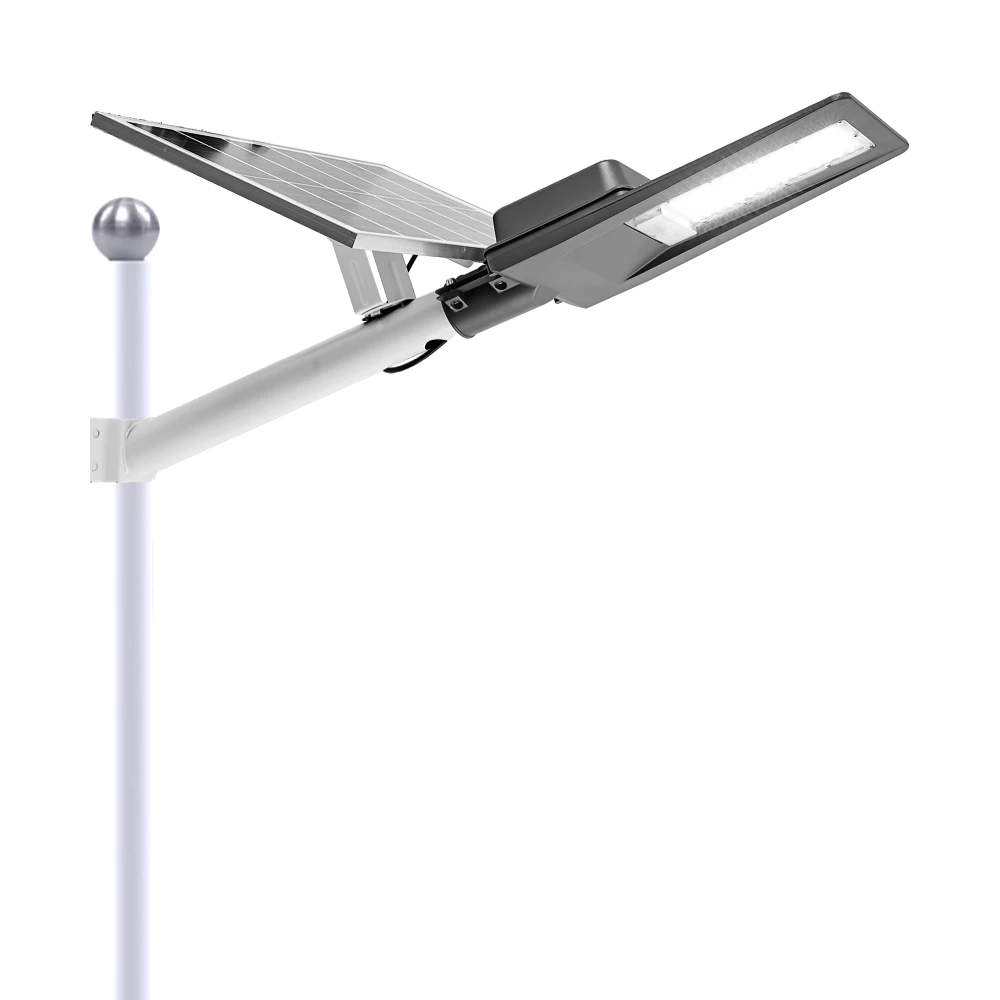
Experience reliable outdoor illumination with our smart solar street light, a perfect combination of advanced technology and eco-conscious design.
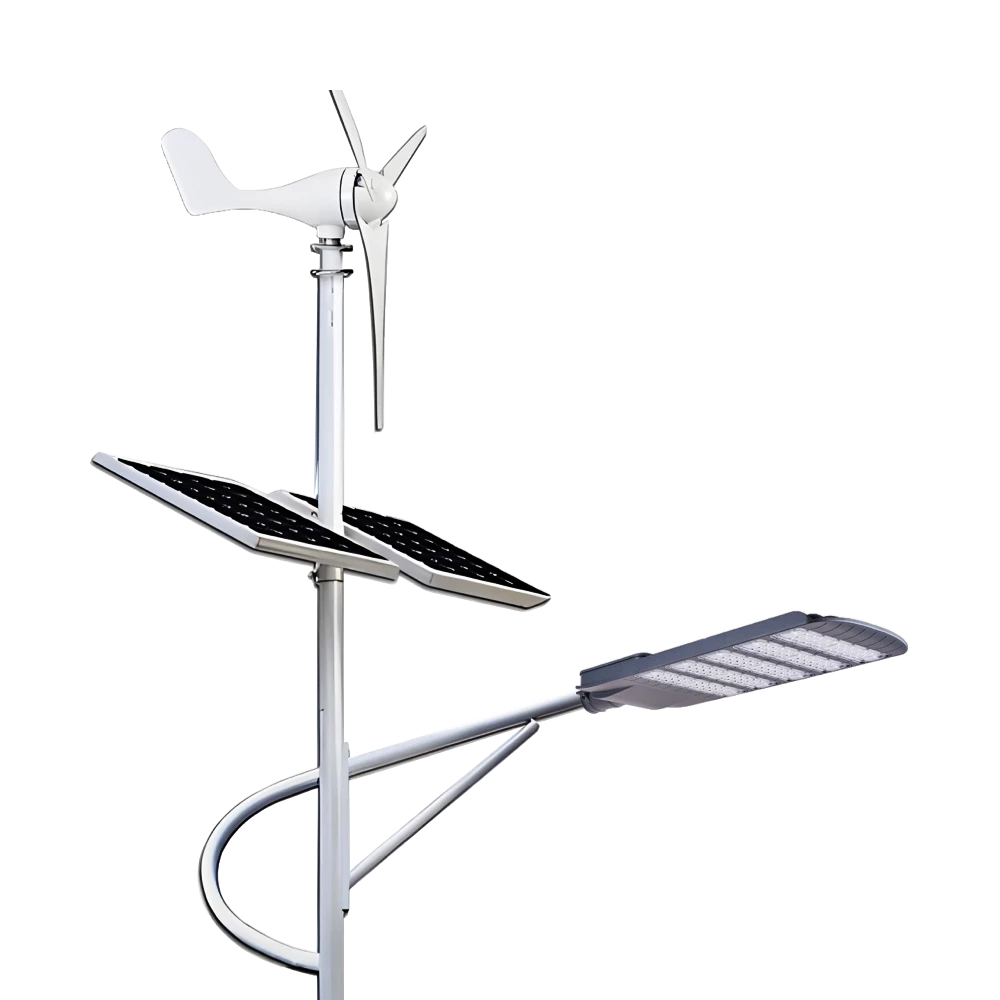
Queneng Lufeng Wind Energy LED Outdoor Solar Street Lights offer high-performance, eco-friendly illumination. These energy-efficient LED street lights harness solar power and wind energy for sustainable, cost-effective outdoor lighting solutions.
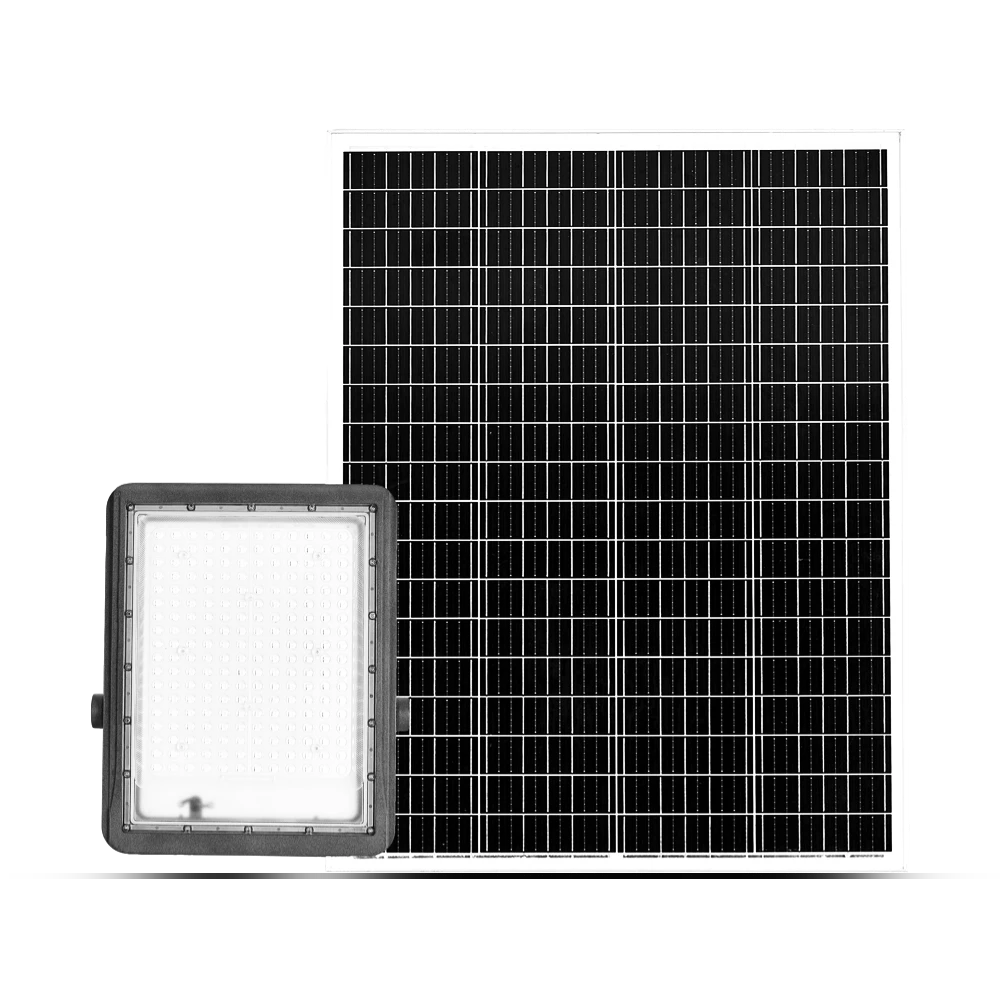
Queneng's Luxian Reliable Solar Street Light offers energy-saving LED lighting for outdoor use. This durable, solar-powered street light provides reliable illumination, reducing energy costs and environmental impact. A perfect solution for sustainable outdoor lighting.
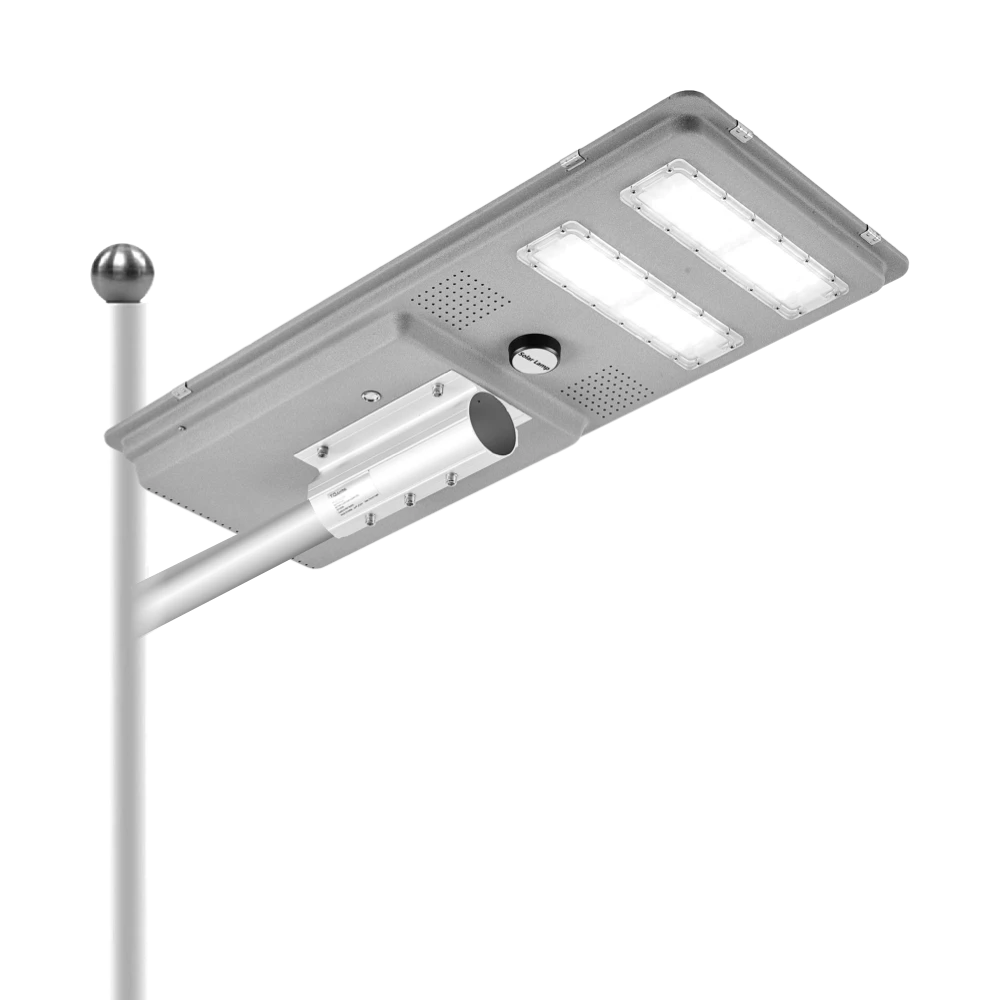
Queneng’s Solar Street Lights are designed to provide reliable, energy-efficient lighting for streets, parks, and other outdoor spaces.
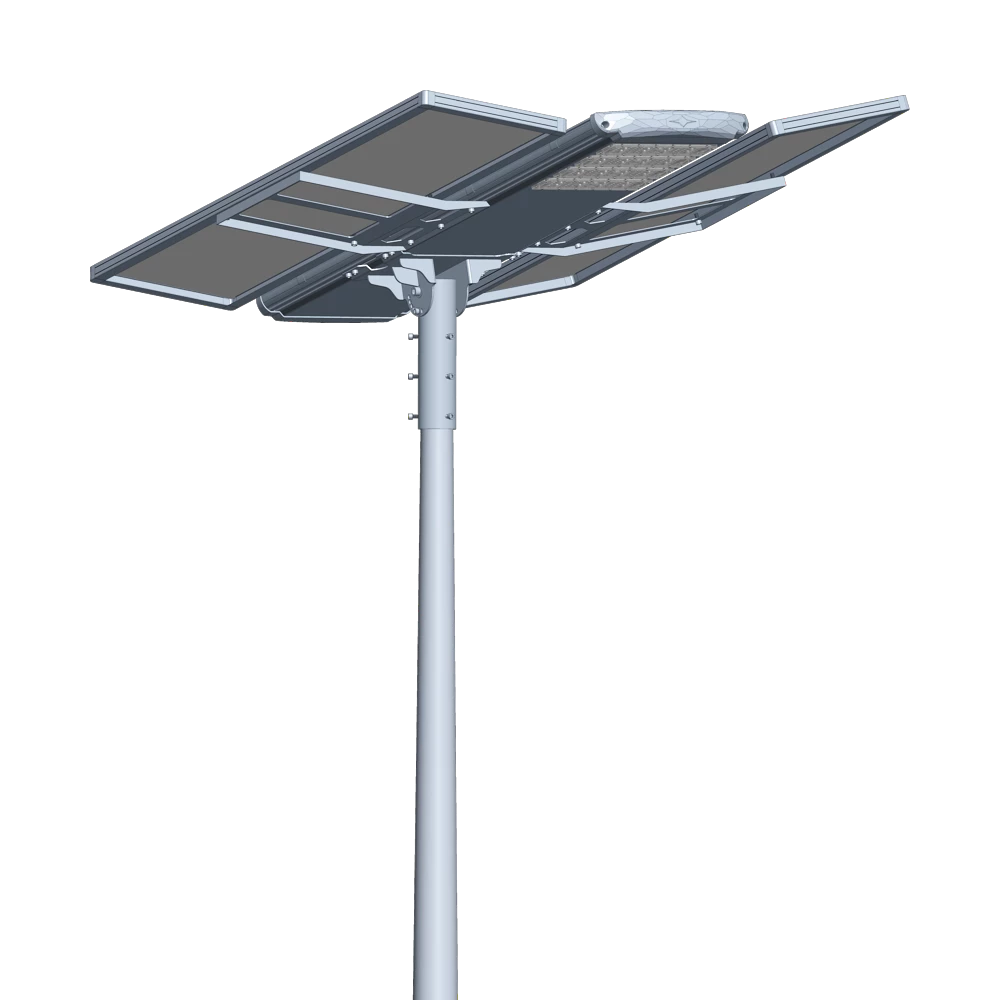
Introducing the Luqing Solar Street Light by Queneng, Efficient LED lighting powered by solar energy is perfect for illuminating outdoor areas. Harness the power of solar energy for sustainable, reliable street lighting. Ideal for eco-friendly, cost-effective outdoor illumination solutions.
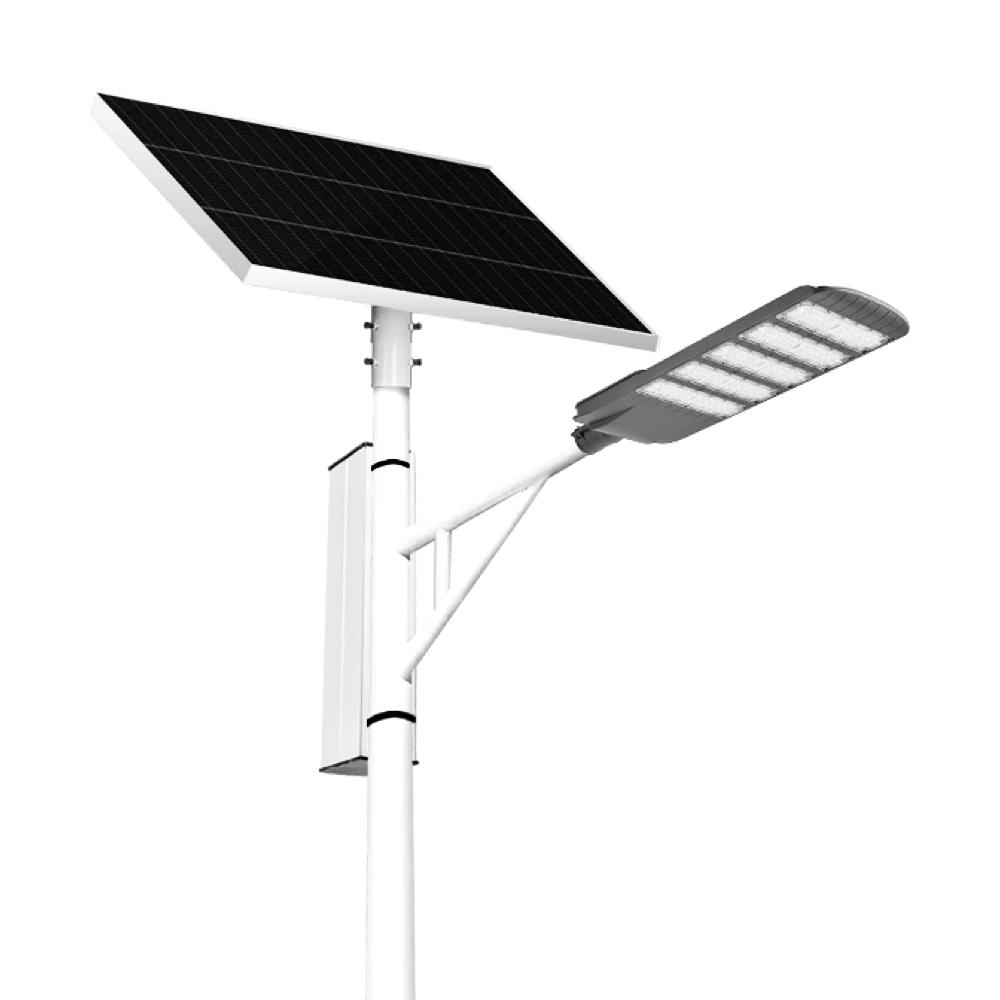
The Solar Streetlights of Luhao for Municipalities are designed to deliver reliable, energy-efficient, and cost-effective public lighting solutions. Equipped with advanced LED technology, durable lithium batteries, and high-efficiency solar panels, these streetlights provide consistent illumination for roads, parks, residential areas, and government projects.
Our professional team is ready to answer any questions and provide personalized support for your project.
You can reach us via phone or email to learn more about Queneng’s solar lighting solutions. We look forward to working with you to promote clean energy solutions!
Rest assured that your privacy is important to us, and all information provided will be handled with the utmost confidentiality.
By clicking 'Send Inquiry Now' I agree to Queneng processing my personal data.
To see how to withdraw your consent, how to control your personal data and how we process it, please see our Privacy Policy and Terms of use.
Schedule a Meeting
Book a date and time that is convenient for you and conduct the session in advance.
Have more questions about our products or services?
The messenger of light & power conversion
Environmental protection and intelligent manufacturing are our brand philosophy, and quality assurance and the best user experience are our eternal promises to users.
CONTACT
No.9F, Building F, Cao San Xin Tian Hong Logistics Park, Guzhen Town, Zhongshan City, Guangdong Province, China.
or write [email protected]
WhatsApp: +86 136 2270 1011


