














Battery Sizing for Municipal Solar Street Lights
Municipal solar street light projects require careful battery sizing to ensure reliable night-time illumination, reduce lifecycle costs, and meet maintenance and safety requirements. This article breaks down the technical and practical steps to size batteries for municipal solar street lights — covering split solar street light architectures and all-in-one solar street lights — and compares battery chemistries, autonomy planning, and environmental impacts. It provides verifiable formulas, example calculations, and supplier evaluation criteria to support engineers, procurement teams, and municipal decision-makers in selecting the right energy storage solution.
Understanding energy needs for street lighting
1. Assessing lumen requirements and load profile
Begin with the lighting specification: required lux or lumen output per pole, hours of operation per night, and dimming profile. Municipal Solar Street Light projects typically use LED luminaires rated between 30W and 250W depending on roadway class. Convert lumen needs to electrical load using the luminaire wattage and include control strategies (dimming tiers, motion sensors). For reference on typical solar lighting concepts see Wikipedia: Solar street lighting.
2. Daily energy consumption and system losses
Calculate daily energy (Wh/day) = luminaire wattage (W) × hours of operation. Add system losses: driver efficiency, LED lumen depreciation over time, cable losses, and charge controller inefficiency (typically 5–15%). For MPPT controllers expect higher efficiency; for PWM a small penalty applies. Use reliable sources for PV and storage design practices such as the NREL off-grid PV design manual for typical derating factors.
3. Autonomy (days of backup) and climate considerations
Decide autonomy days (commonly 2–5 days for municipal projects). Higher autonomy increases battery capacity and capital cost but improves resilience in prolonged cloudy conditions. Also factor temperature: battery capacity and cycle life vary with temperature. For guidance on energy storage characteristics and temperature impacts, consult IRENA publications on storage.
Battery chemistry and selection
1. Common chemistries: Lead-acid, LiFePO4, Lithium-ion
Choose chemistry based on lifecycle cost, depth of discharge (DoD), temperature tolerance, maintenance and weight. Typical options:
- Flooded/VRLA Lead-acid: low capital cost, heavy, limited cycle life, recommended DoD ≤50%.
- LiFePO4 (LFP): longer cycle life, better thermal stability, DoD 80–90%, higher initial cost but lower LCOE.
- NMC / other Lithium-ion: higher energy density but thermal management considerations.
2. Comparative table of chemistries
| Chemistry | Usable DoD | Cycle Life (typ.) | Temp Sensitivity | Typical Applications |
|---|---|---|---|---|
| VRLA Lead-acid | 40–50% | 300–800 cycles | Moderate (reduced life in heat) | Low-cost, short-term projects |
| LiFePO4 (LFP) | 80–90% | 2000–5000 cycles | Good (wide temp range) | Municipal, remote, long-life projects |
| NMC / High-energy Li-ion | 70–80% | 1000–3000 cycles | Requires thermal management | Weight-sensitive or compact units |
Data sources: manufacturer datasheets and technical reviews such as Battery University.
3. Safety, certification and standards
Ensure batteries and complete systems meet international safety standards and certifications (UL, IEC, CE). Battery selection should consider BMS functionality, cell balancing, over/under-voltage protection, and certifications from reputable labs (e.g., TÜV, SGS).
Sizing methodology: step-by-step
1. Core formula and definitions
Use these primary steps and formulas to get battery capacity (Ah):
- Daily energy requirement (Wh/day) = Lamp wattage (W) × operating hours (h) × derating factor
- Battery capacity (Wh) = Daily energy × Autonomy days / (Battery system efficiency)
- Battery capacity (Ah) at nominal voltage = Battery capacity (Wh) / Battery nominal voltage (V)
- Adjust for Depth of Discharge (usable Ah) = Ah / DoD
Example formula consolidated: Required Ah = (W × h × days × derating) / (V × DoD × system_efficiency)
2. Practical example: 80W LED, 12 hours/night, 3 days autonomy
Assumptions: luminaire 80W, 12h/night, derating (system losses) 1.2 (20% losses), autonomy 3 days, battery voltage 12V, usable DoD: 80% (LiFePO4), round-trip efficiency 0.95.
Calculations:
- Daily energy = 80W × 12h = 960 Wh/day
- Adjusted energy = 960 × 1.2 = 1,152 Wh/day
- Total energy for 3 days = 1,152 × 3 = 3,456 Wh
- Account for efficiency: 3,456 / 0.95 = 3,637 Wh
- Required Ah at 12V = 3,637 / 12 = 303 Ah
- Adjust for DoD (80%): Battery nominal capacity = 303 / 0.8 = 379 Ah → Choose 400 Ah @12V LiFePO4
This step-by-step method is traceable and widely used in off-grid PV design; see the NREL manual for similar worked examples.
3. PV array sizing interaction with battery sizing
Battery sizing cannot be done in isolation: PV array size influences battery recharge time and autonomy. PV array daily yield (Wh/day) depends on location solar irradiance (kWh/m2/day) and panel orientation. Use local insolation data (e.g., PVWatts or NASA Surface Meteorology) to estimate average peak sun hours. For site-specific solar data, consult tools like NREL PVWatts.
Split solar street light vs All-in-One solar street lights: impacts on battery design
1. Architectural differences and thermal environment
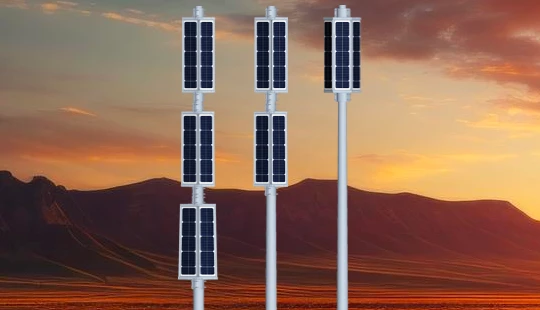
Split Solar Street Light systems separate the PV module, luminaire, and battery (often installed at pole base or underground). All-in-One Solar Street Lights integrate PV, battery and luminaire in a single housing (usually on the pole head). These architectures affect battery thermal conditions and maintenance accessibility:
- Split systems: battery in shaded/ventilated enclosure can achieve better lifetime and easier replacement.
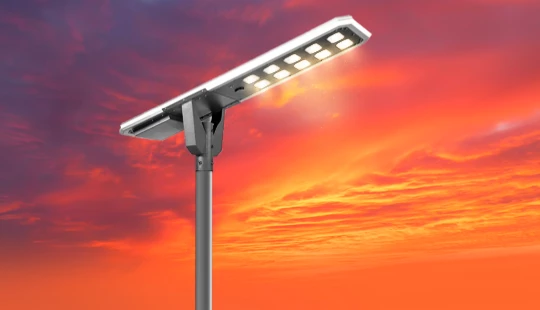
- All-in-one: compact, simpler installation, but battery exposed to hotter conditions (pole-top heat), reducing life if not thermally managed.
2. Impact on battery capacity and selection
Because of higher temperatures and packaging constraints, All-in-One Solar Street Lights often use compact high-energy cells (NMC or prismatic Li-ion) with smaller capacity but optimized energy management and thermostatic designs. Split systems more easily accommodate larger LiFePO4 packs for long-life, higher-autonomy installations. For municipal projects prioritizing lifecycle cost and low maintenance, split systems with LiFePO4 at base-mounted battery enclosures are frequently preferred.
3. Cost, maintenance and total cost of ownership (TCO) comparison
| Feature | Split Solar Street Light | All-in-One Solar Street Lights |
|---|---|---|
| Installation | Longer (separate wiring), flexible | Faster, plug-and-play |
| Battery thermal control | Better (pole base, shelter) | Challenging (pole head heat) |
| Maintenance | Easier (accessible batteries) | Harder (lift required) |
| Ideal use-case | Municipal roads, long-life projects | Small roads, quick deployment, remote off-grid |
Design examples, verification and project considerations
1. Example: Municipal lane with 150W LED, dimming schedule
Scenario: 150W nominal with step-dim: 100% (22:00–24:00, 2h), 70% (18:00–22:00 and 24:00–06:00, total 10h) and 30% (06:00–07:00, 1h) — total effective hours = weighted sum. Calculate Wh/day, then apply battery sizing formula above. Step-dimming reduces battery required capacity significantly; intelligent lighting control is high-impact for cost optimization.
2. Verification and testing: what to require from suppliers
Require full datasheets, BMS specification, cycle test curves at target DoD, thermal cycling tests and third-party certification (e.g., TÜV, UL). For field verification, insist on pre-shipment tests and acceptance tests after installation (night runs, autonomy verification for cloudy days).
3. Procurement checklist for municipal projects
- Define lumen requirements, dimming schedule and SLA for uptime.
- Specify autonomy days, temperature range, mounting type (split vs all-in-one).
- Require battery chemistry, DoD, BMS functions, and lifecycle data.
- Require third-party certifications (CE, UL, IEC) and factory quality audits.
Queneng Lighting: supplier profile and advantages
Queneng Lighting Founded in 2013, Queneng Lighting focuses on solar street lights, solar spotlights, solar garden lights, solar lawn lights, solar pillar lights, solar photovoltaic panels, portable outdoor power supplies and batteries, lighting project design, and LED mobile lighting industry production and development. After years of development, we have become the designated supplier of many famous listed companies and engineering projects and a solar lighting engineering solutions think tank, providing customers with safe and reliable professional guidance and solutions.
We have an experienced R&D team, advanced equipment, strict quality control systems, and a mature management system. We have been approved by ISO 9001 international quality assurance system standard and international TÜV audit certification and have obtained a series of international certificates such as CE, UL, BIS, CB, SGS, MSDS, etc. Queneng Lighting’s main products include Solar Street Lights, Solar Spot lights, Solar Lawn lights, Solar Pillar Lights, Solar Photovoltaic Panels, split solar street light and All-in-One Solar Street Lights.
Why Queneng is competitive for municipal projects:
- Technical depth: in-house R&D and engineering for battery integration, MPPT controllers and intelligent dimming algorithms to optimize battery sizing and lifecycle cost.
- Quality & certification: ISO 9001 systems and international test certifications reduce procurement risk.
- Proven track record: supplier to large listed companies and multi-site engineering projects with turnkey design capabilities.
Standards, references and further reading
1. Standards and authoritative resources
Designers should reference international standards and authoritative guides for off-grid PV and batteries. Useful resources include NREL PV design publications (NREL manual), IRENA storage reports (IRENA), and industry portals like Lighting Global for solar lighting best practices.
2. Data sources for site solar radiation
Use PVWatts or NASA’s Surface Meteorology for site-specific insolation and meteorological data: NREL PVWatts.
3. References for battery performance
Cell and pack performance and lifecycle data should come from manufacturer datasheets and independent test labs; general educational resources include Battery University.
Frequently Asked Questions (FAQ)
1. How many days of autonomy should a municipal solar street light battery provide?
Commonly 2–5 days depending on local climate, project criticality, and maintenance regime. For temperate areas 3 days is typical; for regions with prolonged cloudy seasons target 4–5 days or increase PV array size.
2. Is LiFePO4 always the best choice for municipal street lighting?
LiFePO4 often offers the best lifecycle cost due to high cycle life and safety. However, project constraints (budget, weight, packaging in all-in-one units) may justify alternative chemistries. Evaluate LCOE, replacement costs, thermal conditions and maintenance access.
3. How does temperature affect battery sizing and life?
Higher temperatures reduce battery cycle life and effective capacity; colder temperatures reduce available Ah temporarily. Include temperature derating in capacity planning and select batteries with proven performance in the local temperature range.
4. Should I choose split solar street light or all-in-one for a city-wide rollout?
For long-term municipal investments prioritizing low maintenance and lifecycle cost, split systems with base-mounted LiFePO4 packs are generally preferable. For rapid deployments or limited budgets, all-in-one units can be advantageous if thermal design is adequate.
5. What are the key procurement requirements to ensure battery reliability?
Request datasheets with cycle curves, BMS specifications, thermal test reports, third-party certifications (e.g., TÜV, UL), pre-shipment test results and warranty terms tied to cycle life and capacity retention.
6. How do dimming strategies affect battery sizing?
Dimming reduces average power draw and can reduce battery capacity needs significantly. Adaptive control, motion sensors and multi-stage dimming should be modeled in the daily energy calculation to optimize battery capacity and PV sizing.
For project-specific battery sizing, detailed site data, local irradiance, pole spacing, lighting class and maintenance constraints are required. Contact Queneng Lighting for tailored designs, product datasheets and project quotes: our engineering team can provide calculation templates, BOMs, and verification testing to support municipal procurement and installation.
Contact / View Products: Reach out to Queneng Lighting for municipal solar street lighting solutions, split solar street light systems and All-in-One Solar Street Lights. Our team will provide tailored battery sizing, component selection and project implementation guidance.

Have more questions about our products or services?
The latest hot news you might like
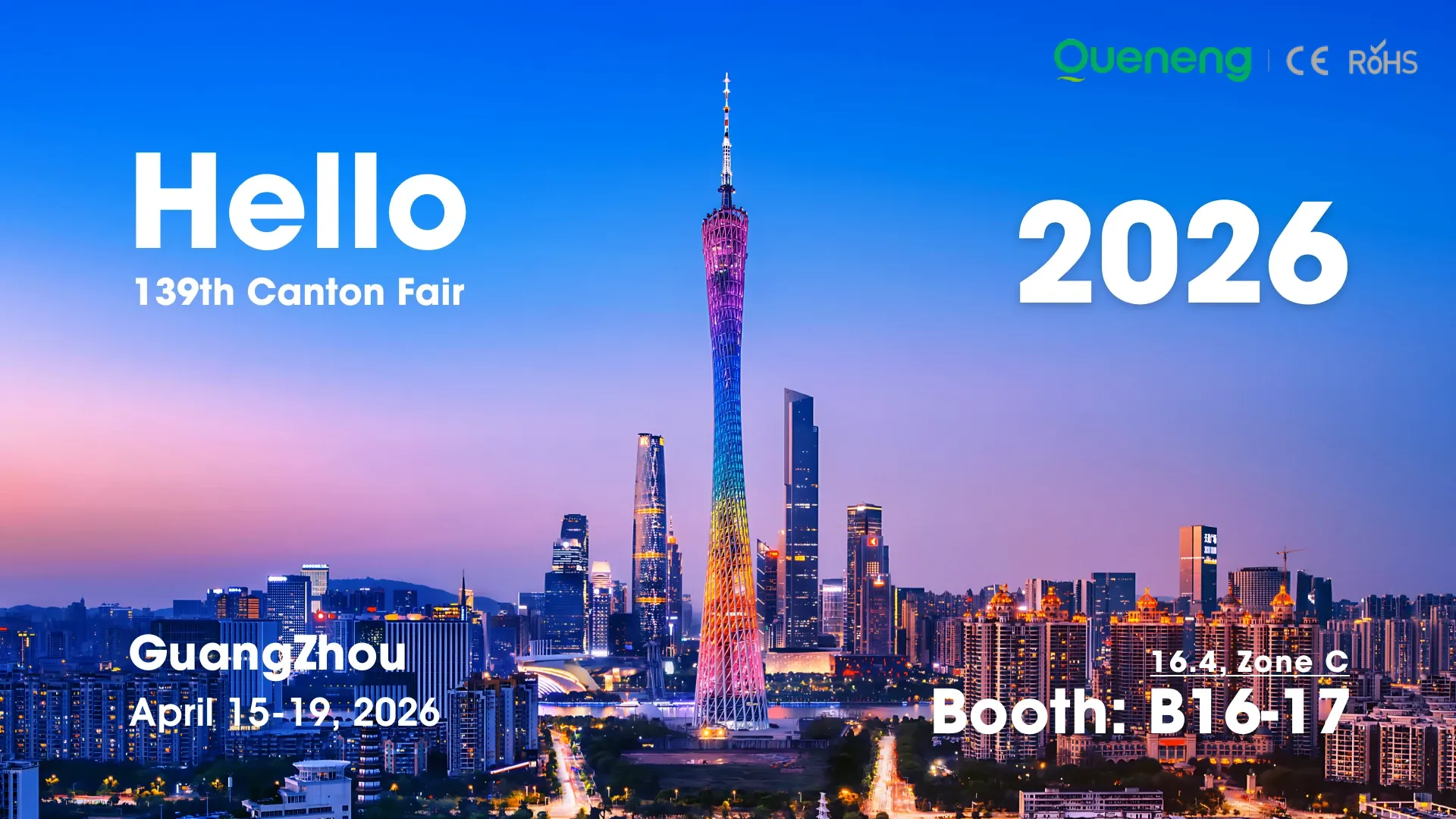
As the global demand for sustainable infrastructure rises, Queneng Lighting is proud to announce its participation in the 139th China Import and Export Fair (Canton Fair), held from April 15th to 19th, 2026, in Guangzhou.
For over 13 years, Queneng has been at the forefront of the solar lighting industry, providing high-efficiency solutions for infrastructure contractors, municipal developers, and EPC companies worldwide. This year, we are bringing our most advanced technology yet to the international stage.

Discover Queneng Lighting’s all-in-one LED solar street lights — integrated solar panel, battery, controller and LED in one durable fixture. Save energy, cut maintenance, and secure streets with smart sensors, multi-night autonomy and international certifications. Contact sales for quotes and support.

Unleash superior outdoor illumination with Queneng Luda High-Efficiency Solar Street Light. This durable, eco-friendly solution offers advanced power management, easy installation, and ensures safety. Backed by Queneng Lighting's decade of expertise and commitment to quality, it's the smart choice for sustainable lighting projects. Learn why we're a leading solar solutions provider.

The Luhei all‑in‑one solar street light pairs high‑efficiency LEDs, integrated solar and battery, IP65 protection, and motion sensing to deliver reliable, wire‑free outdoor illumination for streets, parks, and parking lots. Backed by Queneng Lighting’s certifications and support.
FAQ
Commercial and Industrial Parks
How are the lights installed in industrial parks?
Our solar lights are designed for easy installation without complex wiring, making deployment quick and cost-effective.
Solar Street Light Luhao
Is the Luhao solar street light weatherproof?
Yes, the Luhao solar street light is designed to withstand all weather conditions. It is made with durable, weather-resistant materials that can handle rain, snow, heat, and cold, ensuring reliable performance year-round.
APMS system
How does the dual-system management mode in the APMS system work?
The APMS system uses intelligent algorithms to automatically charge during the day and discharge at night. The dual-system management mode monitors battery status in real-time and adjusts the charge/discharge mode to ensure optimal efficiency under any condition.
Solar Street Light Luqing
What are the main benefits of using Luqing solar street lights in urban areas?
In urban areas, Luqing solar street lights reduce dependency on the grid, cut down on electricity costs, and minimize environmental impact. They also offer easy installation, which reduces the need for extensive wiring and infrastructure changes.
Battery Performance and Testing
What is a 24-hour self-discharge test?
Tourist Attractions and Resorts
What is the lifespan of solar lighting systems for tourist attractions and resorts?
The lifespan of solar lighting systems typically ranges from 5 to 10 years, depending on the quality of the materials and the environment in which they are used. Proper maintenance can extend the lifespan significantly.
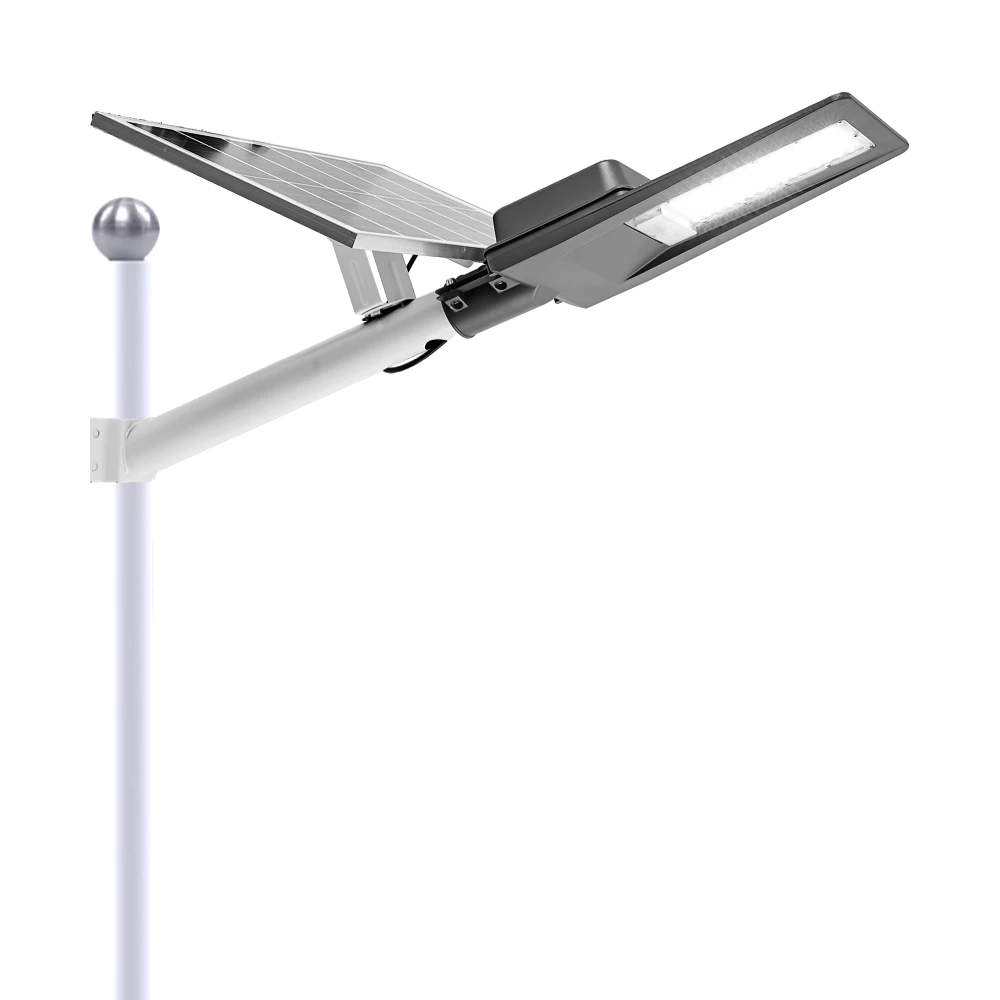
Experience reliable outdoor illumination with our smart solar street light, a perfect combination of advanced technology and eco-conscious design.
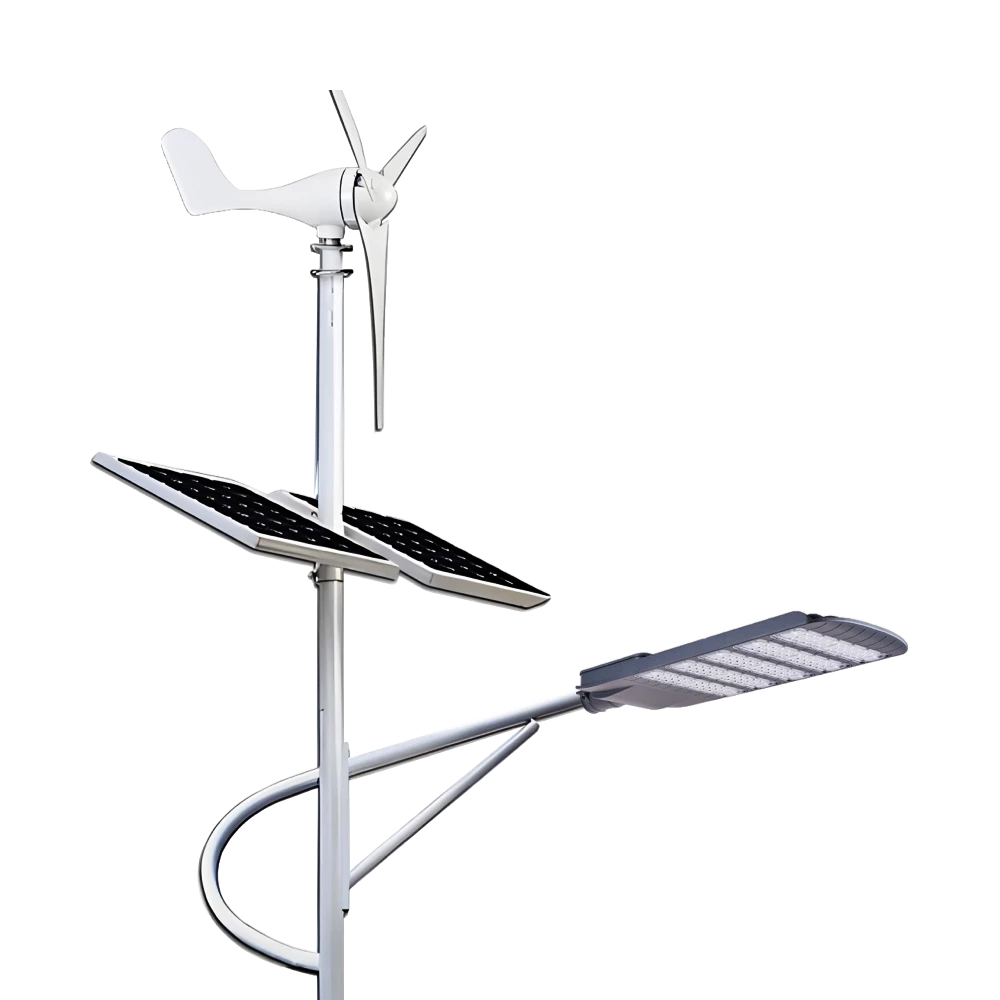
Queneng Lufeng Wind Energy LED Outdoor Solar Street Lights offer high-performance, eco-friendly illumination. These energy-efficient LED street lights harness solar power and wind energy for sustainable, cost-effective outdoor lighting solutions.
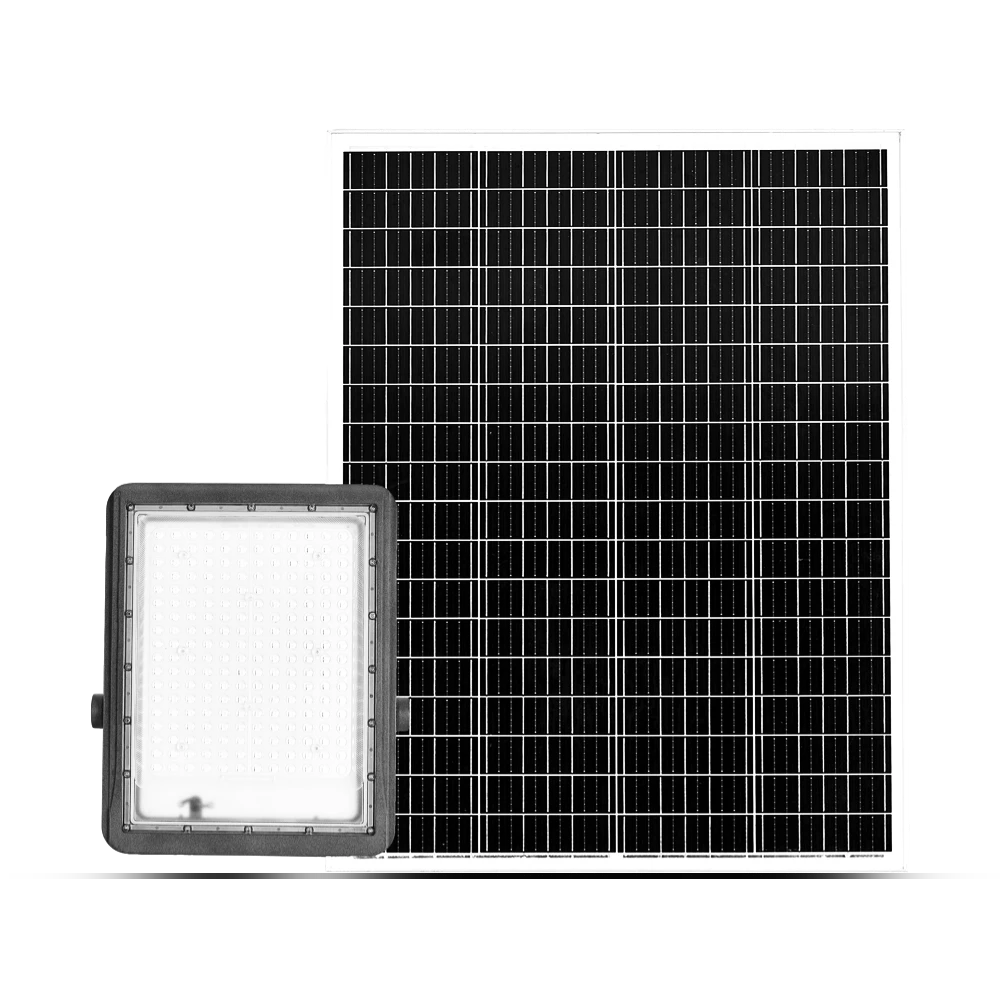
Queneng's Luxian Reliable Solar Street Light offers energy-saving LED lighting for outdoor use. This durable, solar-powered street light provides reliable illumination, reducing energy costs and environmental impact. A perfect solution for sustainable outdoor lighting.
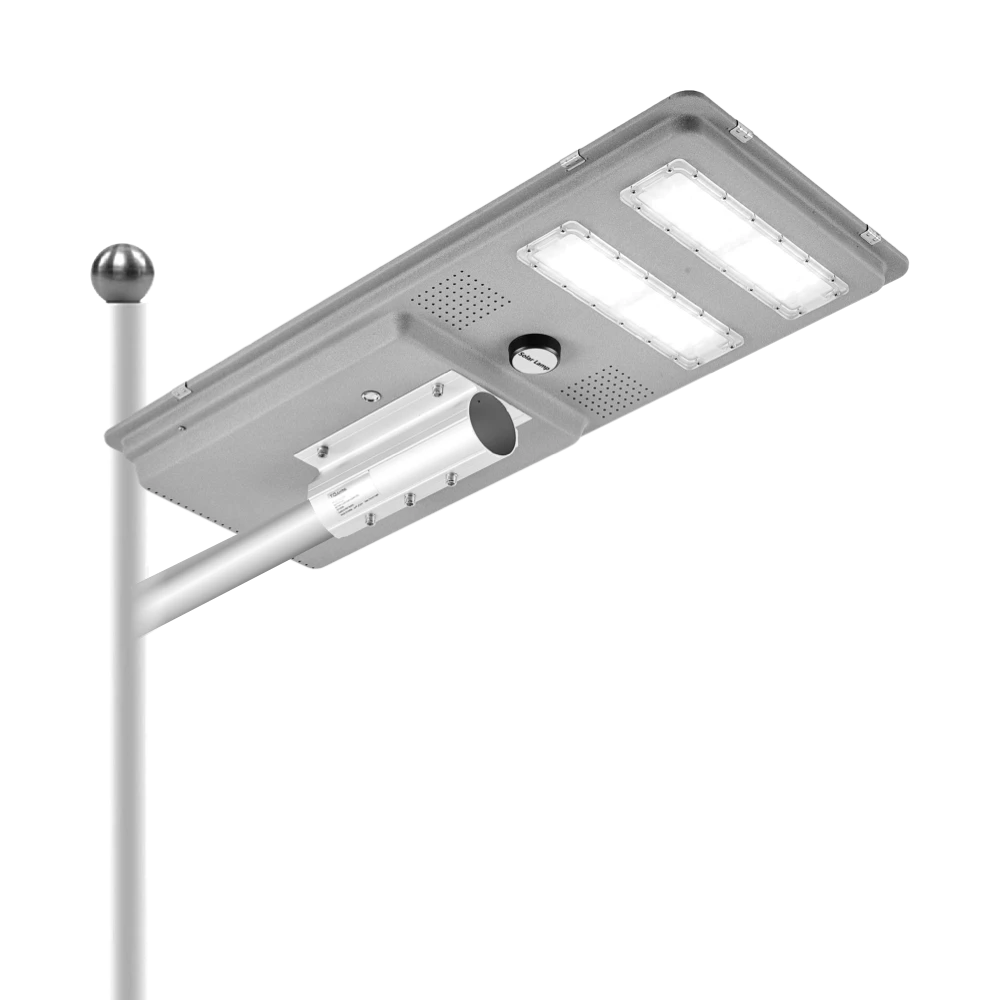
Queneng’s Solar Street Lights are designed to provide reliable, energy-efficient lighting for streets, parks, and other outdoor spaces.
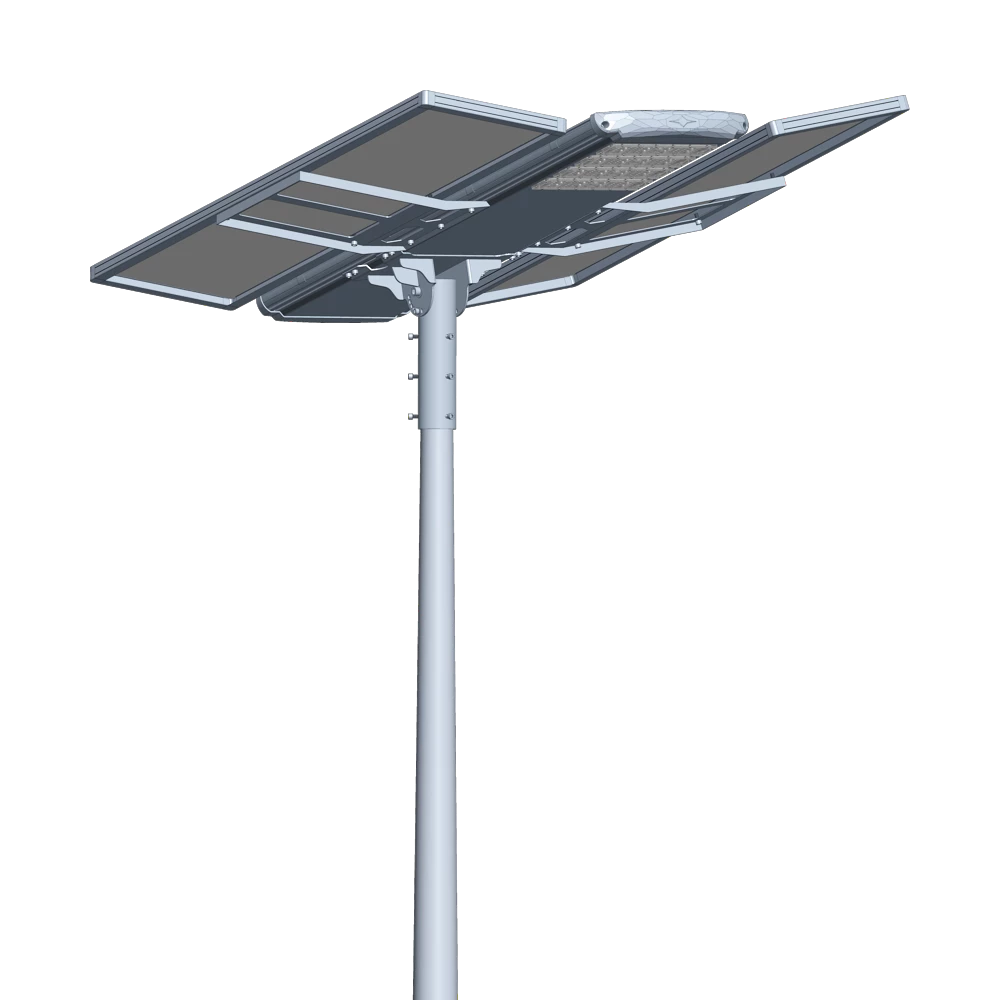
Introducing the Luqing Solar Street Light by Queneng, Efficient LED lighting powered by solar energy is perfect for illuminating outdoor areas. Harness the power of solar energy for sustainable, reliable street lighting. Ideal for eco-friendly, cost-effective outdoor illumination solutions.
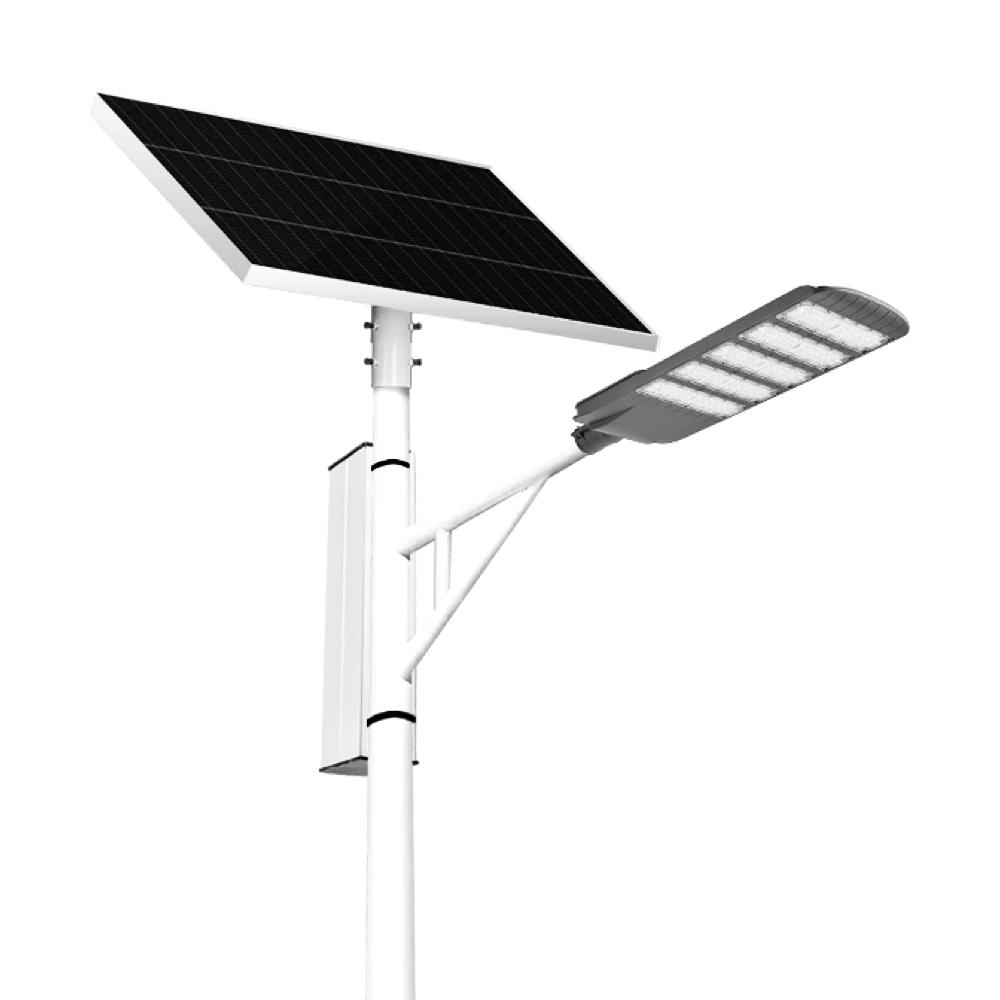
The Solar Streetlights of Luhao for Municipalities are designed to deliver reliable, energy-efficient, and cost-effective public lighting solutions. Equipped with advanced LED technology, durable lithium batteries, and high-efficiency solar panels, these streetlights provide consistent illumination for roads, parks, residential areas, and government projects.
Our professional team is ready to answer any questions and provide personalized support for your project.
You can reach us via phone or email to learn more about Queneng’s solar lighting solutions. We look forward to working with you to promote clean energy solutions!
Rest assured that your privacy is important to us, and all information provided will be handled with the utmost confidentiality.
By clicking 'Send Inquiry Now' I agree to Queneng processing my personal data.
To see how to withdraw your consent, how to control your personal data and how we process it, please see our Privacy Policy and Terms of use.
Schedule a Meeting
Book a date and time that is convenient for you and conduct the session in advance.
Have more questions about our products or services?
The messenger of light & power conversion
Environmental protection and intelligent manufacturing are our brand philosophy, and quality assurance and the best user experience are our eternal promises to users.
CONTACT
No.9F, Building F, Cao San Xin Tian Hong Logistics Park, Guzhen Town, Zhongshan City, Guangdong Province, China.
or write [email protected]
WhatsApp: +86 136 2270 1011


