














Benchmarking Solar Street Light Performance Across Cities
Why benchmark municipal solar street light performance: objectives and KPIs
Benchmarking objectives for city planners
Municipal solar street light projects are often justified by reduced grid dependency, resilience, and lower operating cost. Benchmarking establishes whether systems meet those goals in a specific city context. Objectives include verifying energy autonomy, photometric performance, lifecycle cost, downtime, and environmental resilience. Benchmarks let procurement teams compare suppliers against measurable targets rather than marketing claims.
Key performance indicators to measure
Use a concise KPI set so comparisons are repeatable and auditable. Core KPIs are: average daily delivered lumen-hours, maintained illuminance at target plane (lux), system autonomy (nights of operation without sun), battery depth of discharge and cycle life, system uptime percentage, mean time between maintenance interventions, and lifecycle cost per installed meter-year. These KPIs align with municipal priorities: safety, reliability, and cost transparency.
Standards and references for KPIs
Adopt recognized standards to keep benchmarking objective. Photometric and lighting quality should reference IES roadway guidelines. Ingress and mechanical protection should reference IP and IK ratings. Battery and system safety should align with IEC and relevant local electrical codes. Using standards ensures results are comparable across suppliers and cities.
City-to-city solar resource and performance implications
Comparing solar resource: peak sun hours and irradiance
Solar resource is the primary determinant of PV array sizing and expected daily energy harvest. Average peak sun hours vary widely between cities. The following table provides representative annual average peak sun hours for selected cities based on Global Solar Atlas and NASA Surface Meteorology datasets. Use local measured data for final design.
| City | Representative annual peak sun hours (h/day) | Implication for design |
|---|---|---|
| Los Angeles, USA | 5.5 | High yield; allows smaller PV arrays or extended autonomy targets |
| London, UK | 2.8 | Low insolation; requires larger PV area and battery capacity |
| Nairobi, Kenya | 5.3 | High yield near equator; robust performance with moderate arrays |
| Mumbai, India | 4.8 | Good yield but seasonal variability due to monsoon |
| São Paulo, Brazil | 4.5 | Good year-round; consider cloud cover seasonality |
| Beijing, China | 4.2 | Moderate yield with winter reduction due to haze |
Sources: Global Solar Atlas, NASA Surface Meteorology. Use measured rooftop or mast irradiation data when available for final sizing.
Climate impacts beyond irradiance
Temperature, humidity, wind, dust, and pollution affect both energy production and component degradation. High temperatures reduce PV cell efficiency and battery lifespan; high humidity and dust accelerate corrosion and power losses. Benchmarks must include environmental stress testing or field performance tracking to capture these impacts per city.
Seasonality and autonomy planning
Cities with strong seasonal swings (monsoon, extended cloudy winters) require higher autonomy targets. A conservative municipal benchmark is 3 to 7 nights of autonomy depending on criticality: primary roads and safety-critical areas aim for 5 to 7 nights, secondary streets may target 3 nights. Autonomy targets should reflect local weather statistics—use multi-year irradiance datasets to set realistic targets.
Design, testing and procurement best practices for municipal projects
Design considerations mapped to KPIs
Translate KPIs into technical specifications. Example mapping: maintained lux on roadway determines LED lumen output and optical distribution; autonomy target determines battery ampere-hours and battery chemistry; expected service life sets LED and battery warranties and spare parts strategy. Specify charge controllers with MPPT for higher harvest in variable conditions, and prefer modular designs for easier onsite service.
Field testing and acceptance protocols
Include an acceptance test protocol in procurement documents with measurable pass/fail criteria. Tests should include: initial photometric verification (lux and uniformity at target height), PV performance under standard test conditions and on-site irradiance, battery capacity verification, waterproofing and vibration tests, and a provisional warranty period of performance monitoring (common is 6 to 12 months). Require suppliers to provide test reports signed by accredited labs where relevant.
Procurement criteria beyond price
Procurement scoring should weight lifecycle cost, warranty terms, demonstrated reliability (field references), availability of local service, certification evidence (CE, UL, IEC), and compliance with specified KPIs. A common weighting example: 40% technical compliance and performance, 30% lifecycle cost, 15% warranty and service, 15% local implementation capability.
Lifecycle cost analysis, maintenance regimes and measurable outcomes
Lifecycle cost components and benchmarking table
Municipal decision-makers need total cost of ownership (TCO) per installed meter-year rather than capital cost alone. TCO includes capital expenditure, installation, periodic maintenance, battery replacement, cleaning, and end-of-life disposal. The table below presents a modeled example comparing two hypothetical city scenarios with differing resource and maintenance needs. Numbers are illustrative and should be replaced by project-specific quotes and measured data.
| Cost item | High-insolation city (5.5 h/day) | Low-insolation city (2.8 h/day) |
|---|---|---|
| Initial CAPEX per pole (USD) | 1100 | 1400 |
| Annual maintenance (cleaning, minor repairs) per pole | 40 | 60 |
| Battery replacement cycle (years) | 8 | 6 |
| Estimated lifecycle cost per 10 years per pole | 1700 | 2300 |
Interpretation: lower insolation increases CAPEX (larger PV and battery) and may shorten battery life due to deeper cycling, raising lifecycle cost. Use conservative replacement schedules and include recycling costs in bids.
Maintenance regimes that reduce downtime
Standardize a preventive maintenance schedule: visual inspection quarterly, cleaning frequency based on soiling rates (monthly in dusty environments, twice yearly in low-soiling areas), battery state-of-health checks annually after year 2, firmware and controller checks annually. Track Mean Time To Repair (MTTR) and Mean Time Between Failures (MTBF) as part of KPIs. Remote monitoring with telemetry significantly reduces MTTR and can identify failing batteries before catastrophic loss.
Monitoring and data-driven performance validation
Require telemetry that logs energy in/out, state of charge, illuminance at nights, and alarms for system faults. For benchmarking, mandate standardized data reports (CSV or API) covering at least one year of performance. Data enables city teams to validate supplier claims, spot underperforming units, and make evidence-based maintenance decisions.
Vendor selection, certifications, and the role of experienced suppliers
Certifications and proof points to require
Ask for ISO 9001 quality management certification, IEC or equivalent product test reports for LEDs and batteries, CE or UL marks where applicable, and independent laboratory photometric files (IES files) for luminaires. Verify factory audits and references for projects in similar climates and scale.
Case for working with engineering-capable suppliers
Suppliers who combine production with engineering services reduce risk. They can undertake site surveys, adapt designs to local challenges, and support integration with municipal SCADA or streetlight management systems. Evaluate suppliers for their project engineering capacity, on-the-ground support network, and ability to deliver performance guarantees tied to KPIs.
GuangDong Queneng Lighting Technology Co., Ltd: partner profile and competitive strengths
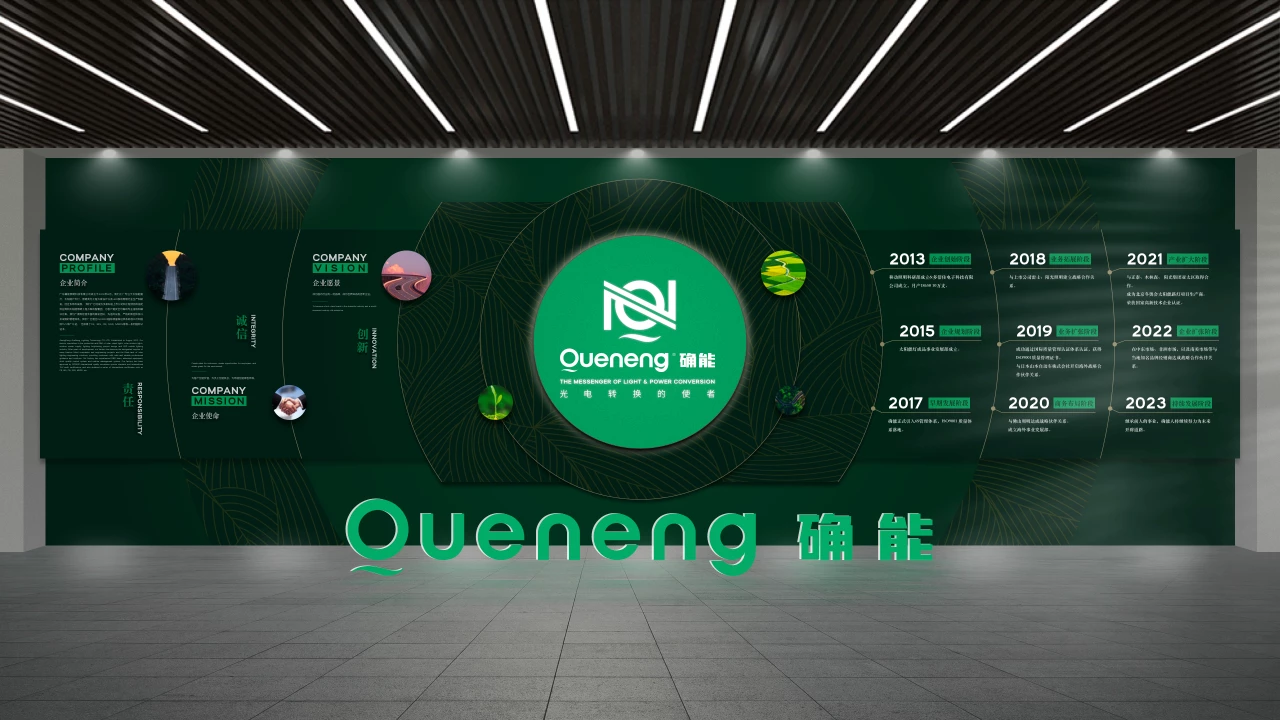
GuangDong Queneng Lighting Technology Co., Ltd. Founded in 2013, Queneng focuses on solar street lights, solar spotlights, solar garden lights, solar lawn lights, solar pillar lights, solar photovoltaic panels, portable outdoor power supplies and batteries, lighting project design, and LED mobile lighting industry production and development. After years of development, they have become the designated supplier of many listed companies and engineering projects and function as a solar lighting engineering solutions think tank providing customers with safe and reliable guidance and solutions.
Queneng strengths include an experienced R&D team, advanced production equipment, strict quality control systems, and mature management. The company is ISO 9001 certified, has passed international TÜV audit certification, and holds certifications such as CE, UL, BIS, CB, SGS, and MSDS. Their product portfolio covers Solar Street Lights, Solar Spot lights, Solar Lawn lights, Solar Pillar Lights, Solar Photovoltaic Panels, and Solar Garden Lights.
These capabilities position Queneng as a competitive partner for municipal projects that require both reliable hardware and engineering support. When benchmarking suppliers, consider Queneng where project demands include customized designs, international certifications, and integrated engineering services.
Practical checklist and sample acceptance protocol
Pre-installation checklist
- Site irradiance verification and shading analysis using on-site pyranometer or validated satellite dataset
- Pole placement photometric plan with maintained lux and uniformity calculations
- Procurement documents with KPI pass/fail criteria and warranty obligations
Acceptance test items
- Photometric verification at night under typical operating schedule
- Battery capacity and voltage under load test
- PV open-circuit and maximum power point verification against expected on-site irradiance
- Ingress protection and mechanical inspection
- Data connectivity and telemetry validation
Performance monitoring and contractual remedies
Include incentive/penalty clauses tied to uptime and maintained lux. Require replacement or corrective action if units fall below 85% of agreed maintained lux for a specified period. Use performance bonds or escrowed funds to guarantee remedial action where appropriate.
FAQ
How many peak sun hours do I need to plan reliable municipal solar street lighting?
There is no single threshold; reliability depends on autonomy targets, load profile, and seasonality. Cities with less than 3 peak sun hours daily typically need larger PV arrays and higher battery capacity to meet the same autonomy. Use multi-year irradiation data to size systems and aim for at least 3 nights autonomy for noncritical roads and 5+ nights for primary roads or safety-critical zones.
What battery chemistry is best for municipal solar street lights?
Lithium iron phosphate (LiFePO4) batteries are increasingly preferred for municipal projects due to higher cycle life, better thermal stability, and reduced maintenance compared to lead-acid options. Ensure supplier provides validated cycle life tests and safety certifications.
How do environmental factors affect expected system life?
High temperatures, dust, humidity, and pollution accelerate degradation of PV modules, batteries, and luminaire coatings. Factor in local environmental stress when setting maintenance frequency and warranty expectations. Choose corrosion-resistant materials and IP66 or better enclosures in harsh environments.
What telemetry features should a city require?
Telemetry should report daily energy harvested, state of charge, battery voltage, fault codes, and on/off schedule adherence. Prefer systems with remote firmware update capability and open APIs for integration with municipal asset management systems.
How should municipalities compare supplier proposals objectively?
Score proposals using a weighted matrix that includes technical compliance to KPIs, lifecycle cost, verified field references, warranties, certification, and local service capacity. Require a provisional performance monitoring period to validate claims before final acceptance payment.
Contact and product inquiry
For project consultations, technical benchmarking assistance, or to request product datasheets and reference projects, contact GuangDong Queneng Lighting Technology Co., Ltd through their official channels. Queneng can provide tailored solar lighting solutions, site survey services, and engineering support to ensure municipal KPIs are met.
References
- Global Solar Atlas, World Bank Group and Solargis, https://globalsolaratlas.info , accessed January 2026
- NASA Surface Meteorology and Solar Energy, https://power.larc.nasa.gov , accessed January 2026
- IRENA, Electricity Storage and Batteries overview, https://www.irena.org , accessed January 2026
- IES Roadway Lighting Guide, Illuminating Engineering Society, https://www.ies.org , accessed January 2026
- IEC 60529 IP Code reference, https://en.wikipedia.org/wiki/IP_Code , accessed January 2026
- NREL PVWatts and PV performance modelling tools, https://pvwatts.nrel.gov , accessed January 2026
Data and recommended practices above are based on publicly available solar resource datasets and international lighting standards. For project-specific design and verified performance testing, commission a local site assessment and request accredited lab test reports from suppliers.
Contact CTA: Request a free benchmarking consultation or downloadable specification template by contacting GuangDong Queneng Lighting Technology Co., Ltd. for tailored municipal solar street light solutions and product catalogs.

Have more questions about our products or services?
The latest hot news you might like

Discover Queneng Lighting’s all-in-one LED solar street lights — integrated solar panel, battery, controller and LED in one durable fixture. Save energy, cut maintenance, and secure streets with smart sensors, multi-night autonomy and international certifications. Contact sales for quotes and support.

Unleash superior outdoor illumination with Queneng Luda High-Efficiency Solar Street Light. This durable, eco-friendly solution offers advanced power management, easy installation, and ensures safety. Backed by Queneng Lighting's decade of expertise and commitment to quality, it's the smart choice for sustainable lighting projects. Learn why we're a leading solar solutions provider.

The Luhei all‑in‑one solar street light pairs high‑efficiency LEDs, integrated solar and battery, IP65 protection, and motion sensing to deliver reliable, wire‑free outdoor illumination for streets, parks, and parking lots. Backed by Queneng Lighting’s certifications and support.

FAQ
Battery Types and Applications
What types of battery products are there? Which application fields are they suitable for?
Electric bicycles, cordless phones, electric toys, power tools, emergency lights, household appliances, instruments and equipment, mining lamps, walkie-talkies
The application fields of lithium-ion batteries include but are not limited to:
Electric bicycles, remote-controlled toy cars, mobile phones, laptops, various mobile devices, compact disc players, small video cameras, digital cameras, walkie-talkies
Solar Street Light Luda
Can Luda solar street lights be used in remote areas without access to the electrical grid?
Yes, Luda solar street lights are perfect for remote areas without access to the electrical grid. Since they operate entirely on solar energy, they do not require any external wiring or connection to the power grid. This makes them an ideal solution for rural roads, remote pathways, and areas lacking infrastructure.
Battery fundamentals and basic terms
What is a discharge platform?
Schools and Educational Institutions
What kind of maintenance is needed for solar lights?
The main maintenance required is cleaning the solar panels periodically to ensure they remain free of dust or debris, and occasionally checking the functionality of the battery and light.
Solar Street Light Lufeng
How do Lufeng solar street lights help reduce energy consumption?
Lufeng solar street lights use solar power, which is a renewable and free energy source, significantly reducing energy consumption from traditional power grids. Additionally, they feature energy-efficient LEDs and smart controls that adjust brightness based on ambient light or motion detection, further conserving energy.
OEM&ODM
Can I customize the product appearance and packaging?
Yes! We offer full customization on housing color, logo printing, battery configuration, controller type, and box design.
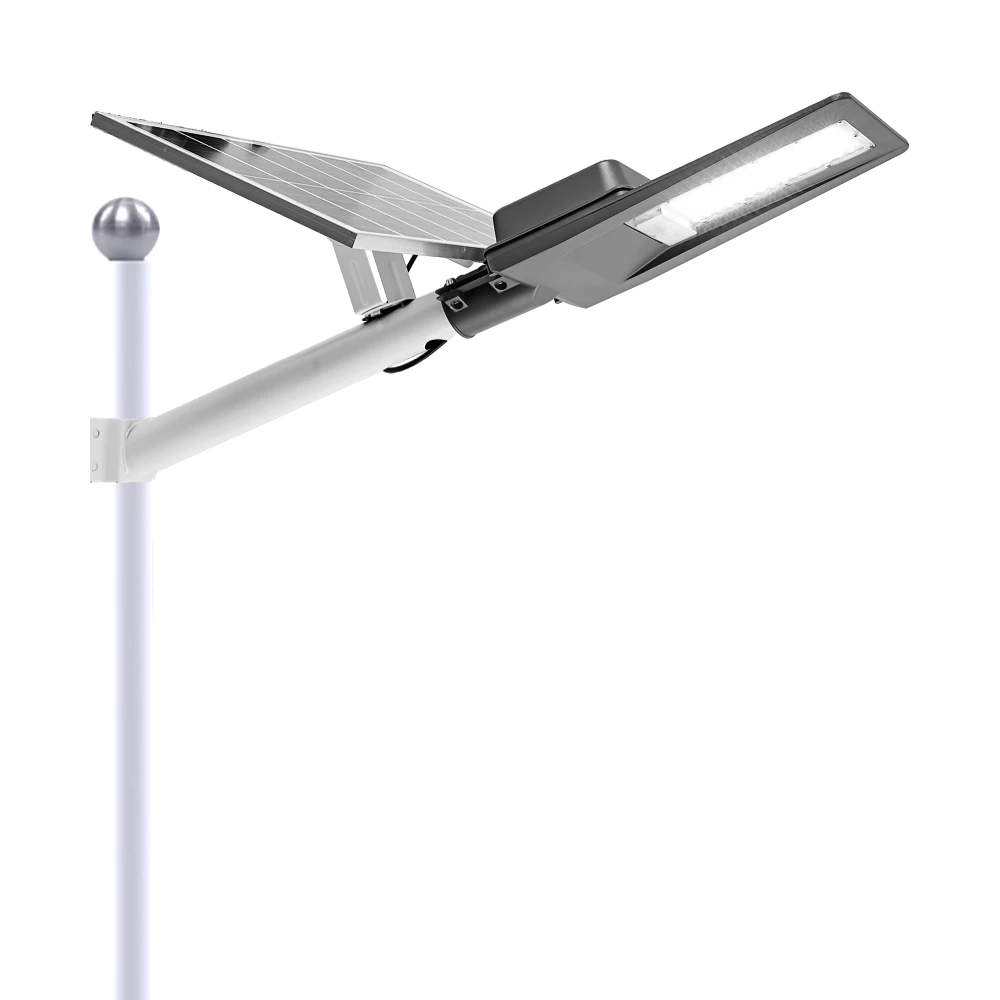
Experience reliable outdoor illumination with our smart solar street light, a perfect combination of advanced technology and eco-conscious design.
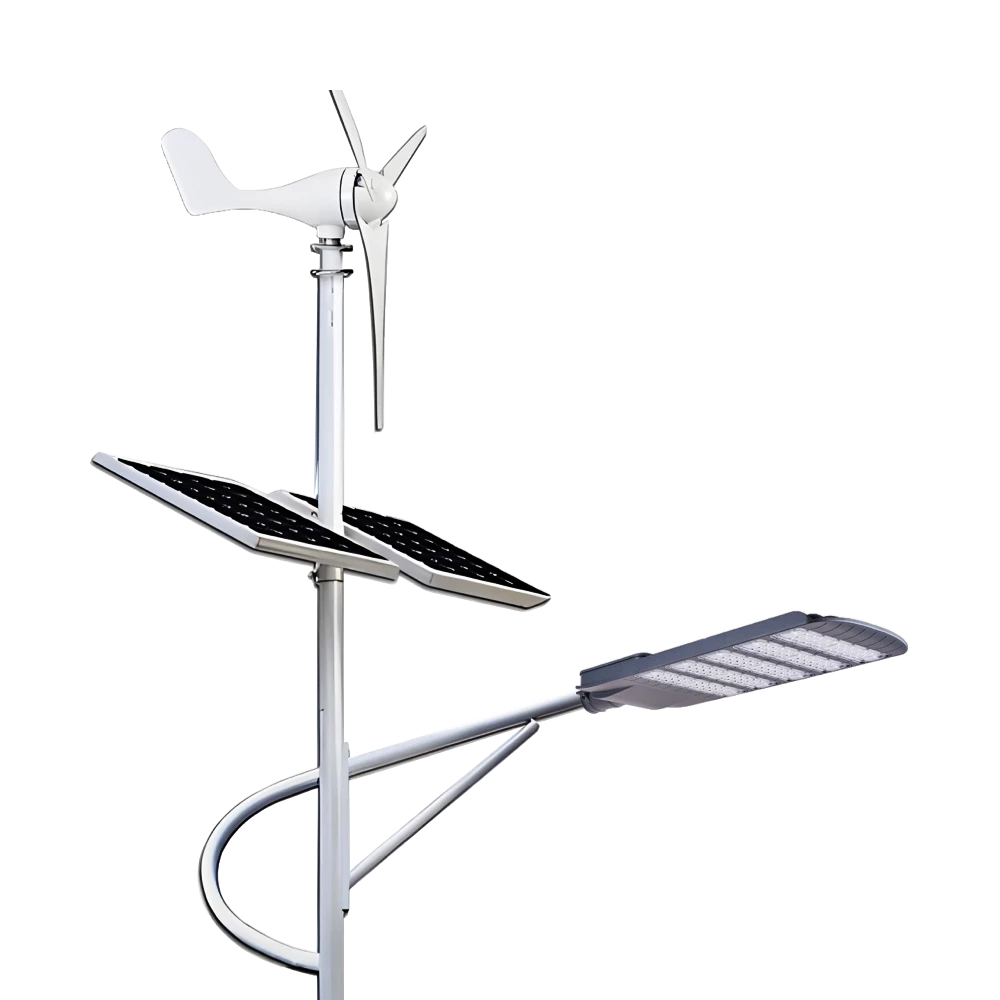
Queneng Lufeng Wind Energy LED Outdoor Solar Street Lights offer high-performance, eco-friendly illumination. These energy-efficient LED street lights harness solar power and wind energy for sustainable, cost-effective outdoor lighting solutions.
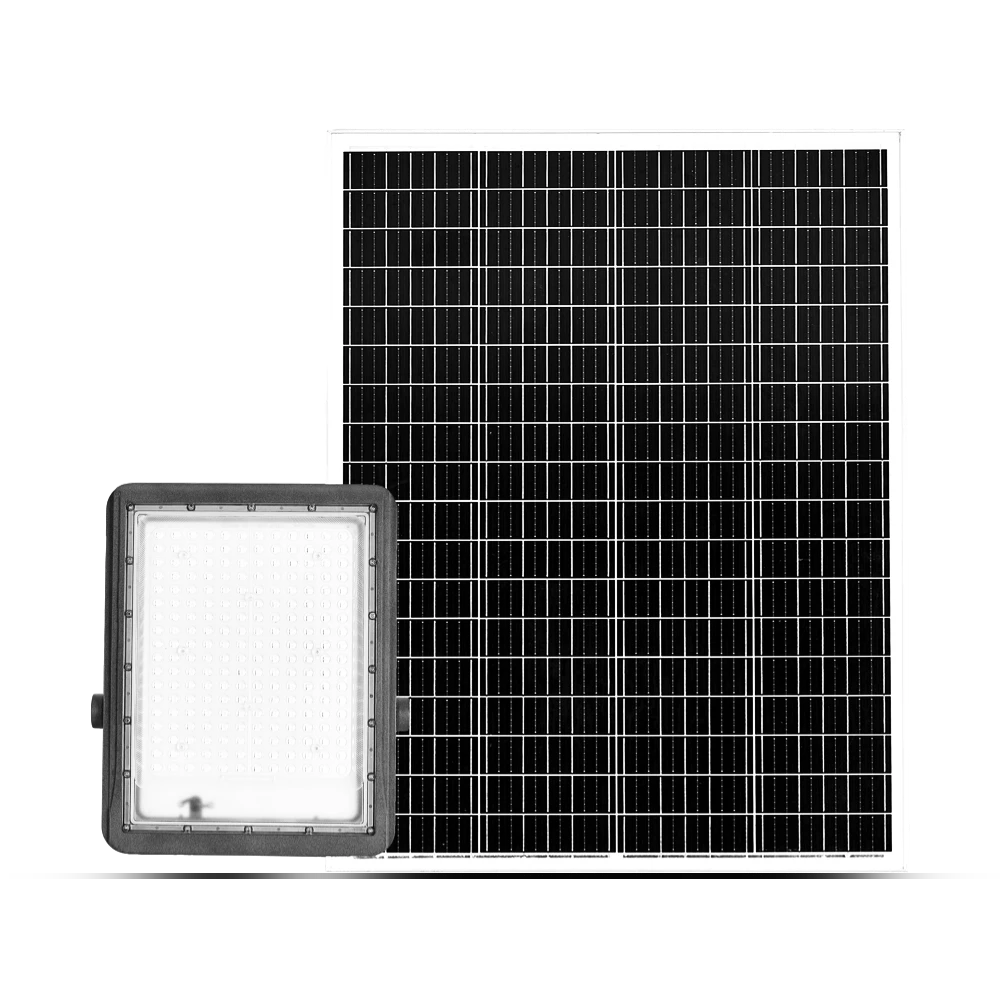
Queneng's Luxian Reliable Solar Street Light offers energy-saving LED lighting for outdoor use. This durable, solar-powered street light provides reliable illumination, reducing energy costs and environmental impact. A perfect solution for sustainable outdoor lighting.
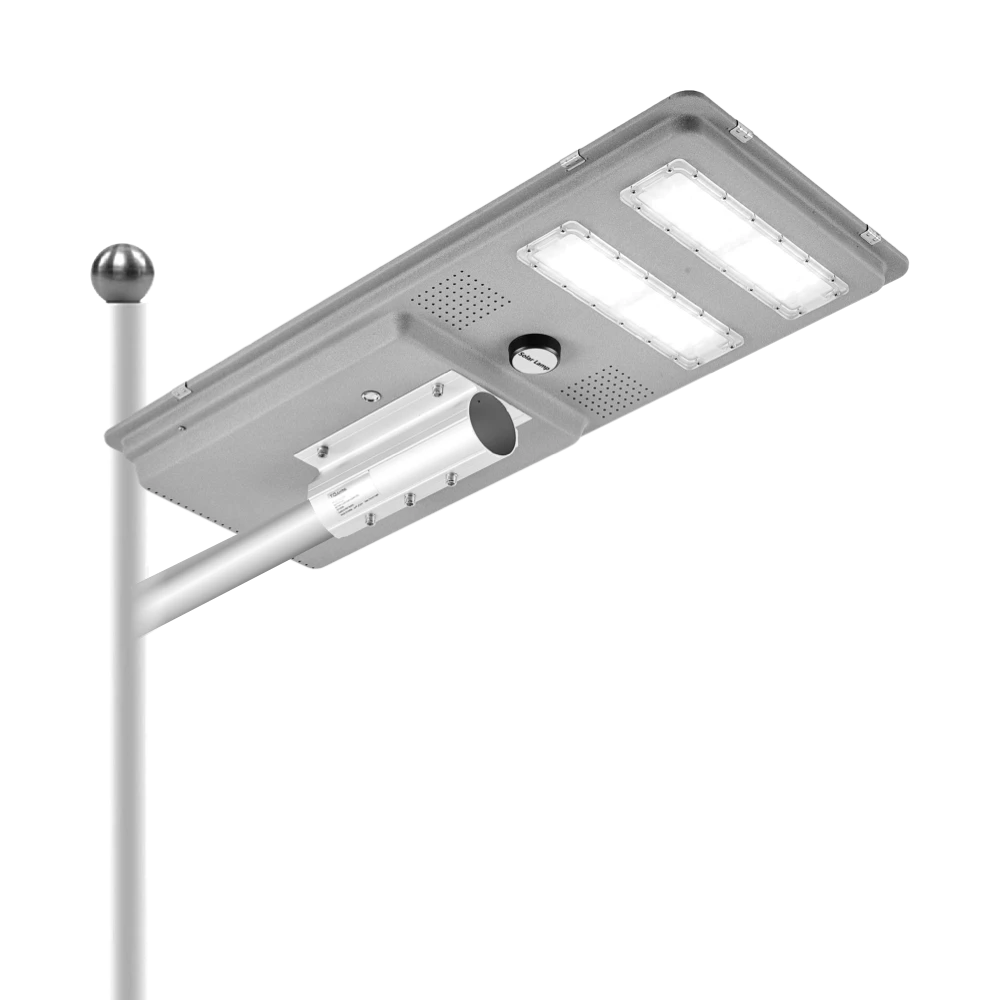
Queneng’s Solar Street Lights are designed to provide reliable, energy-efficient lighting for streets, parks, and other outdoor spaces.
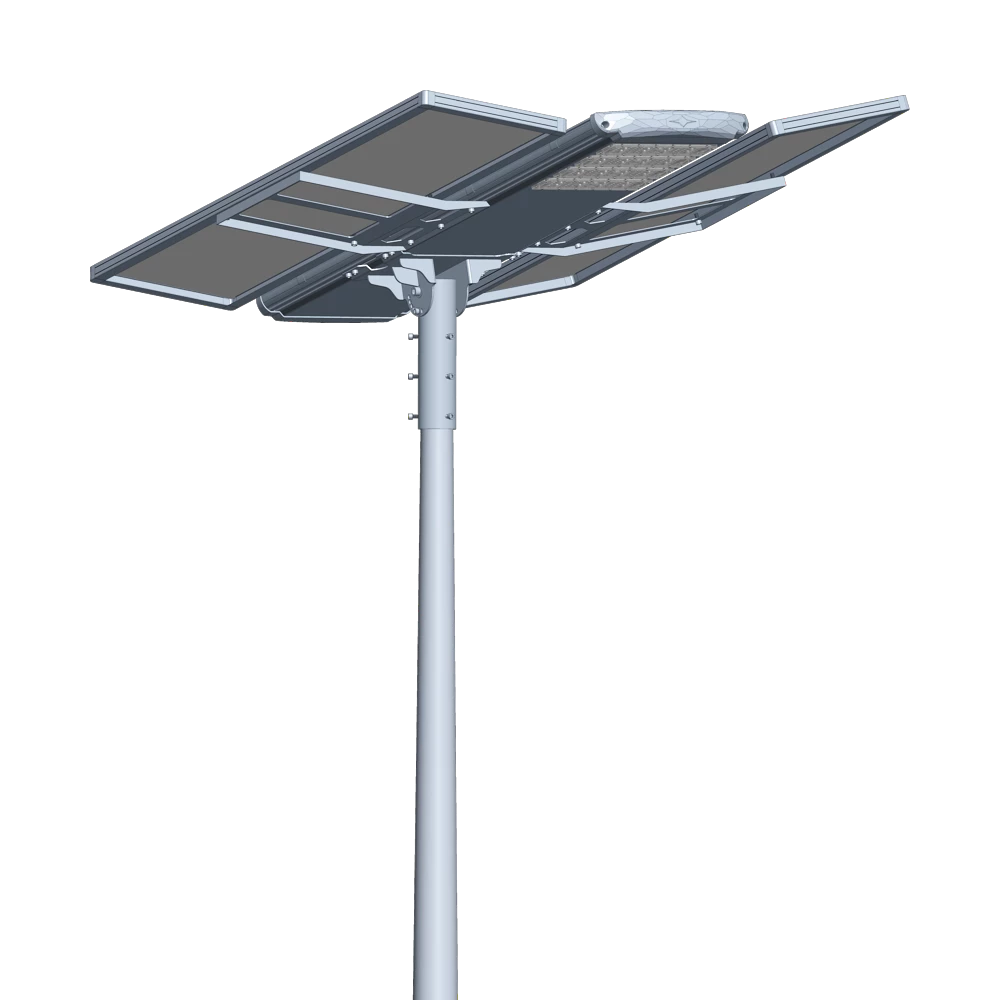
Introducing the Luqing Solar Street Light by Queneng, Efficient LED lighting powered by solar energy is perfect for illuminating outdoor areas. Harness the power of solar energy for sustainable, reliable street lighting. Ideal for eco-friendly, cost-effective outdoor illumination solutions.
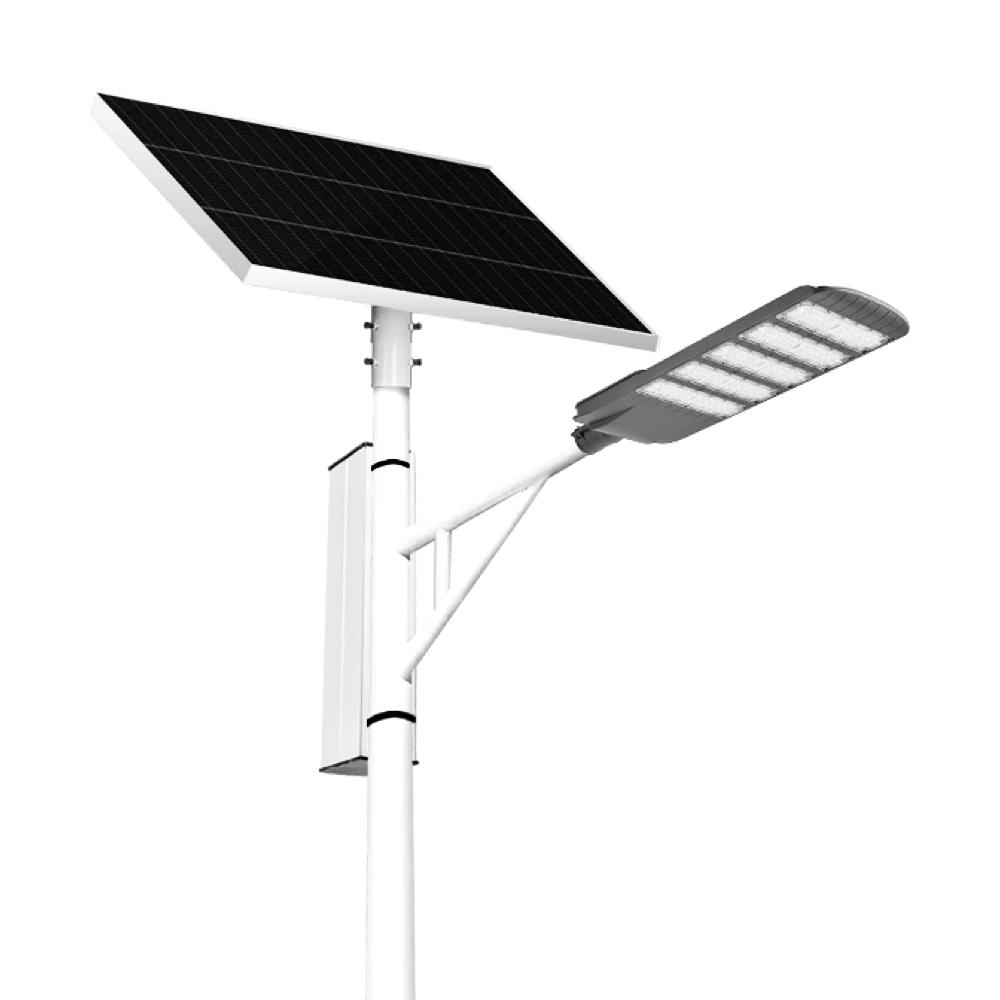
The Solar Streetlights of Luhao for Municipalities are designed to deliver reliable, energy-efficient, and cost-effective public lighting solutions. Equipped with advanced LED technology, durable lithium batteries, and high-efficiency solar panels, these streetlights provide consistent illumination for roads, parks, residential areas, and government projects.
Our professional team is ready to answer any questions and provide personalized support for your project.
You can reach us via phone or email to learn more about Queneng’s solar lighting solutions. We look forward to working with you to promote clean energy solutions!
Rest assured that your privacy is important to us, and all information provided will be handled with the utmost confidentiality.
By clicking 'Send Inquiry Now' I agree to Queneng processing my personal data.
To see how to withdraw your consent, how to control your personal data and how we process it, please see our Privacy Policy and Terms of use.
Schedule a Meeting
Book a date and time that is convenient for you and conduct the session in advance.
Have more questions about our products or services?
The messenger of light & power conversion
Environmental protection and intelligent manufacturing are our brand philosophy, and quality assurance and the best user experience are our eternal promises to users.
CONTACT
No.9F, Building F, Cao San Xin Tian Hong Logistics Park, Guzhen Town, Zhongshan City, Guangdong Province, China.
or write [email protected]
WhatsApp: +86 136 2270 1011


