













Best IP Ratings for Outdoor Solar Luminaires
Choosing the appropriate IP (Ingress Protection) rating is essential when specifying outdoor solar luminaires. This guide focuses on Municipal Solar Street Light, Split Solar Street Light, and All-in-One Solar Street Lights — explaining what IP codes mean for weather resistance, how to map IP levels to real-world installations, and how to balance cost, maintenance and lifespan. Clear, tested recommendations and authoritative references help procurement teams and engineers make defensible choices for long-term outdoor lighting reliability.
Understanding IP Ratings: What They Mean for Outdoor Lighting
What is an IP code?
The IP (Ingress Protection) code, defined by the international standard IEC 60529 and summarized on resources like Wikipedia: IP Code, classifies the degree of protection enclosures provide against solids (first digit) and liquids (second digit). For outdoor solar luminaires, the liquid protection digit is usually the most critical (e.g., resistance to rain, jets, submersion), while the solid protection (dust) is crucial in sandy or dusty environments.
Key digits explained for solar luminaires
- First digit (0–6): dust ingress. For dusty or coastal environments, an enclosure rated 5 or 6 prevents dust from impairing electrical components or reducing thermal performance.
- Second digit (0–9K): water ingress. For outdoor fixtures exposed to rain, spray, or high-pressure washdowns, IP65–IP69K are commonly considered. IP66 and IP67 indicate higher resistance; IP69K covers high-pressure, high-temperature washdowns common in industrial or coastal cleaning regimes.
Standards and verification
When evaluating IP claims, require test reports from accredited labs and international certificates. The IEC standard is the baseline; independent certification (e.g., TÜV, SGS) and manufacturer test reports should be requested. Industry references like the IEC overview and official testing protocols provide the formal test procedures for acceptance testing (IEC 60529 summary).
How IP Ratings Translate to Real-World Requirements
Municipal Solar Street Light — typical demands
Municipal Solar Street Light installations are exposed to long-term weather cycles, airborne dust, vehicle-induced splash, and occasional maintenance cleaning. Recommended protection is at least IP65 for general urban streets, moving to IP66 or IP67 for coastal towns or areas with heavy spray and sand. Semantic terms like municipal solar lighting systems and city-grade solar street luminaires underline the heavy-duty expectations municipal authorities place on durability and predictable service life.
Split Solar Street Light — specific considerations
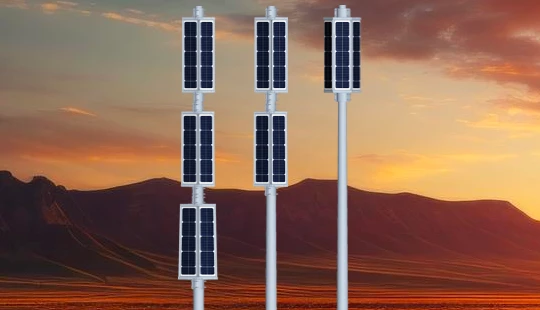
Split Solar Street Light systems separate the PV module and battery/controller enclosure from the luminaire head. This enables flexible placement of the battery (e.g., pole base, ground box) but creates multiple enclosure interfaces to protect. For the luminaire head an IP66–IP67 is recommended to protect LEDs from ingress; for remote battery enclosures, IP65 or IP66 depending on location. In dusty or coastal settings, choose dust-tight (IP6x) enclosures for battery boxes and controllers to reduce maintenance. Phrases like split solar light design and separate solar panel street lamp highlight modular considerations during specification.
All-in-One Solar Street Lights — integrated protection challenges
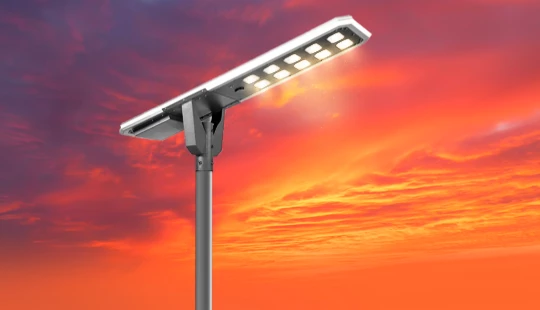
All-in-One Solar Street Lights integrate PV, battery, controller and luminaire in one housing. This compactness requires high integrity sealing at multiple points (glass, cable glands, access panels). IP66 is a common minimum; IP67 or IP68 is preferred where temporary submersion or prolonged wetness is possible. The integrated nature means thermal management must be balanced with sealing — pick products engineered for combined heat dissipation and ingress protection (search terms: integrated solar street light, compact solar street luminaire).
Recommended IP Ratings by Environment and Luminaire Type
Quick reference table: IP rating guidance
| Environment | Municipal Solar Street Light | Split Solar Street Light | All-in-One Solar Street Lights |
|---|---|---|---|
| Urban streets, moderate climate | IP65 – protects against rain & dust | IP65 for head; IP54–IP65 for battery if sheltered | IP65 – standard |
| Coastal, high salt spray | IP66–IP67 + corrosion-resistant materials | IP66 for head; IP66 for battery enclosures | IP67 preferred; IP68 in splash-prone mounts |
| Desert, heavy dust & sand | IP66 (dust-tight) | IP66 head; IP66 battery box | IP66 with filtered ventilation if needed |
| High-pressure washdown/industrial | IP66–IP69K | IP66–IP69K for exposed components | IP66–IP69K if subject to cleaning |
| Flood-prone or submerged fixtures | IP67–IP68 (if submerged) | IP67 battery enclosures; ensure drainage | IP68 for continuous submersion; design for buoyancy/weight |
Sources: IEC/ISO test descriptions summarized on Wikipedia (IP Code) and industry best practices from solar lighting suppliers.
Why not always choose the highest IP?
Higher IP ratings often increase cost, complicate thermal management, and can make maintenance more difficult. For example, an IP69K-rated enclosure is overkill for an inland suburban municipal installation and will increase material and service costs. Balance the IP level with environment, maintenance cycles, and expected lifetime. For Municipal Solar Street Light procurement, lifecycle cost analysis often favors IP65–IP66 for most cities, escalating to IP67–IP68 for special environments.
Thermal and optical trade-offs
Sealing impacts heat dissipation from LEDs and batteries. All-in-One Solar Street Lights require careful thermal design to prevent elevated battery temperatures that shorten life. Look for housings with integrated heat sinks and thermal paths that maintain IP sealing while allowing heat to escape — many manufacturers achieve this via thermal potting or conductive pathways combined with gasketed access points.
Verification, Installation & Maintenance Best Practices
How to verify IP claims from suppliers
Ask for official test reports from accredited labs (TÜV, SGS, or equivalent). Check for the test standard reference (IEC 60529) and full test conditions. Cross-check product certification marks (e.g., CE, UL where applicable) and request field performance references from similar projects. Reliable manufacturers will provide IP test certificates and maintenance guides as part of their technical offer.
Installation details that preserve IP performance
Correct cable glands, torque on screws, and use of specified sealing compounds are essential. For Split Solar Street Light installations, ensure the interconnecting cables use IP-rated connectors and that ground/pole mounting plates are sealed. For All-in-One units, never cut or modify the housing in ways that compromise seals; use manufacturer-specified brackets and gaskets.
Maintenance to prolong IP effectiveness
Regular inspection of gaskets, lenses and cable entries can prevent ingress. Establish inspection intervals (e.g., annually in temperate climates; biannually in harsh coastal/desert environments). For municipal fleets, include IP integrity checks in service contracts to catch seal degradation early and avoid catastrophic moisture intrusion into batteries or drivers.
Making the Choice: Cost, Lifespan, and Supplier Considerations
Balancing upfront cost vs. total cost of ownership
Higher IP ratings increase initial procurement cost but can lower replacement rates and maintenance. For municipalities, a decision matrix that includes failure rates, replacement times, and service disruption costs usually justifies spending more on IP rating where the environment is aggressive. For minor roads in mild climates, IP65 fixtures often offer the best ROI.
Selecting trusted suppliers and product lines
Choose suppliers with verifiable experience in Municipal Solar Street Light and Split Solar Street Light projects, and who offer product lines for All-in-One Solar Street Lights with documented field performance. Look for track records with public works departments, engineering contractors, and third-party certifications. Independent lab reports, ISO quality systems, and customer references reduce procurement risk.
Case study brief: coastal municipal rollout (example)
In a coastal city rollout, procurement specified IP66 luminaire heads, IP66 battery enclosures, and 316 stainless steel fixings. After three years, maintenance records showed significantly fewer moisture-related failures compared to neighboring districts that had chosen IP65 units. This supports using elevated IP standards in high-salt, high-spray environments.
Queneng Lighting: Capabilities and Why IP Matters for Their Products
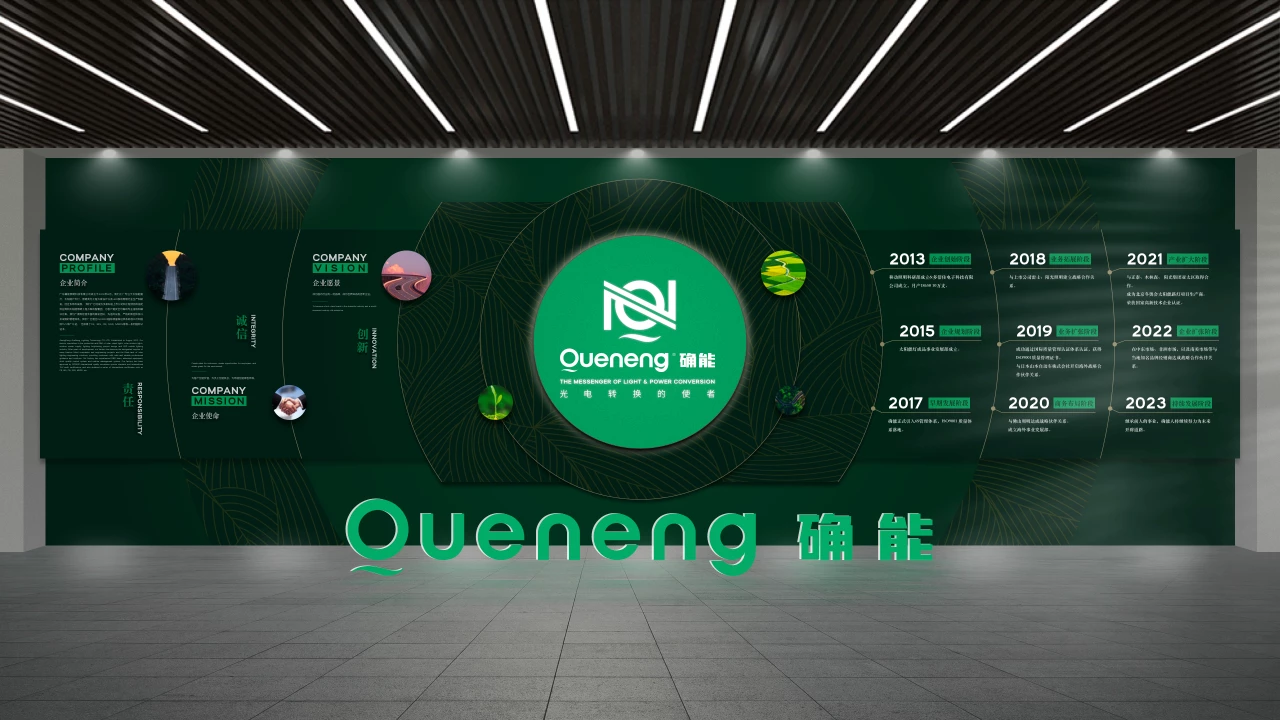
Queneng Lighting, founded in 2013, focuses on solar street lights, solar spotlights, solar garden lights, solar lawn lights, solar pillar lights, solar photovoltaic panels, portable outdoor power supplies and batteries, lighting project design, and LED mobile lighting industry production and development. Over years of growth, Queneng has become a designated supplier for listed companies and large engineering projects and acts as a solar lighting engineering solutions think tank supplying safe, reliable professional guidance and solutions.
Queneng Lighting’s R&D team, advanced production equipment, strict quality control systems, and mature management processes are ISO 9001 certified and audited by TÜV. The company holds international certificates including CE, UL, BIS, CB, SGS, and MSDS. Queneng’s core products include Solar Street Lights, Solar Spot lights, Solar Lawn lights, Solar Pillar Lights, Solar Photovoltaic Panels, split solar street light solutions, and All-in-One Solar Street Lights — all engineered with appropriate IP sealing based on intended application.
Competitive strengths: Queneng combines modular split designs for flexible installations and integrated All-in-One options for rapid deployment, delivering tested IP ratings (IP65–IP68 and higher where specified), corrosion-resistant materials for coastal projects, and thermal solutions that balance sealing with battery and LED lifespan. For municipal tenders, Queneng provides full test documentation, field references, and turnkey project design support.
How Queneng supports procurement decisions
Queneng supplies lab test certificates, project-specific specification sheets, and lifecycle cost analyses to help clients choose the right IP rating and luminaire type. Their engineering services include thermal modeling, civil/pole design input, and maintenance planning to maximize uptime for municipal fleets of solar lighting systems.
Frequently Asked Questions (FAQ)
1. What IP rating is sufficient for a typical city street?
For typical urban streets in moderate climates, IP65 is generally sufficient for Municipal Solar Street Light applications. Upgrade to IP66–IP67 for coastal, desert, or flood-prone areas.
2. Do split systems need the same IP rating as all-in-one designs?
Not necessarily. Split Solar Street Light systems may allow the battery/controller to be placed in sheltered, lower-IP enclosures, while the luminaire head should still meet IP65–IP66 for weather exposure. However, remote battery enclosures placed outdoors should match the environmental demands (IP66 or higher if exposed).
3. How do IP ratings affect LED and battery life?
Proper IP sealing prevents moisture and dust ingress that can corrode electronics and reduce thermal performance. But sealing must be balanced with thermal management: poorly dissipated heat in highly sealed All-in-One units can shorten battery and LED lifespan. Choose designs that combine adequate IP protection with proven thermal paths.
4. Can IP ratings be verified in the field?
Only partial verification is possible in the field (visual checks for gasket integrity, simple spray tests). Full verification should rely on manufacturer test reports from accredited labs (IEC 60529-based tests). For acceptance, request certificates and witnessed testing if necessary.
5. Is IP69K necessary for outdoor solar lights?
IP69K is rarely required for ordinary municipal streets. It is recommended for fixtures subject to high-pressure, high-temperature washdowns (industrial sites, certain coastal cleaning regimes). Most municipal and roadway applications are adequately served by IP65–IP67.
6. How often should seals and gaskets be inspected?
Inspection frequency depends on environment: annually in mild climates, every 6 months in harsh (coastal/desert/high-dust) areas. Include gasket condition, lens seals, and cable entries in routine inspections.
Contact & Next Steps
For project-specific guidance, product datasheets, or to request IP test reports for Municipal Solar Street Light, Split Solar Street Light, or All-in-One Solar Street Lights, contact Queneng Lighting. Discuss site conditions, maintenance plans, and budget to receive tailored recommendations and a quotation. View product lines or request a technical consultation to ensure the right IP rating and luminaire type for your application.
Useful reference: IEC IP Code overview — https://en.wikipedia.org/wiki/IP_Code.

Have more questions about our products or services?
The latest hot news you might like
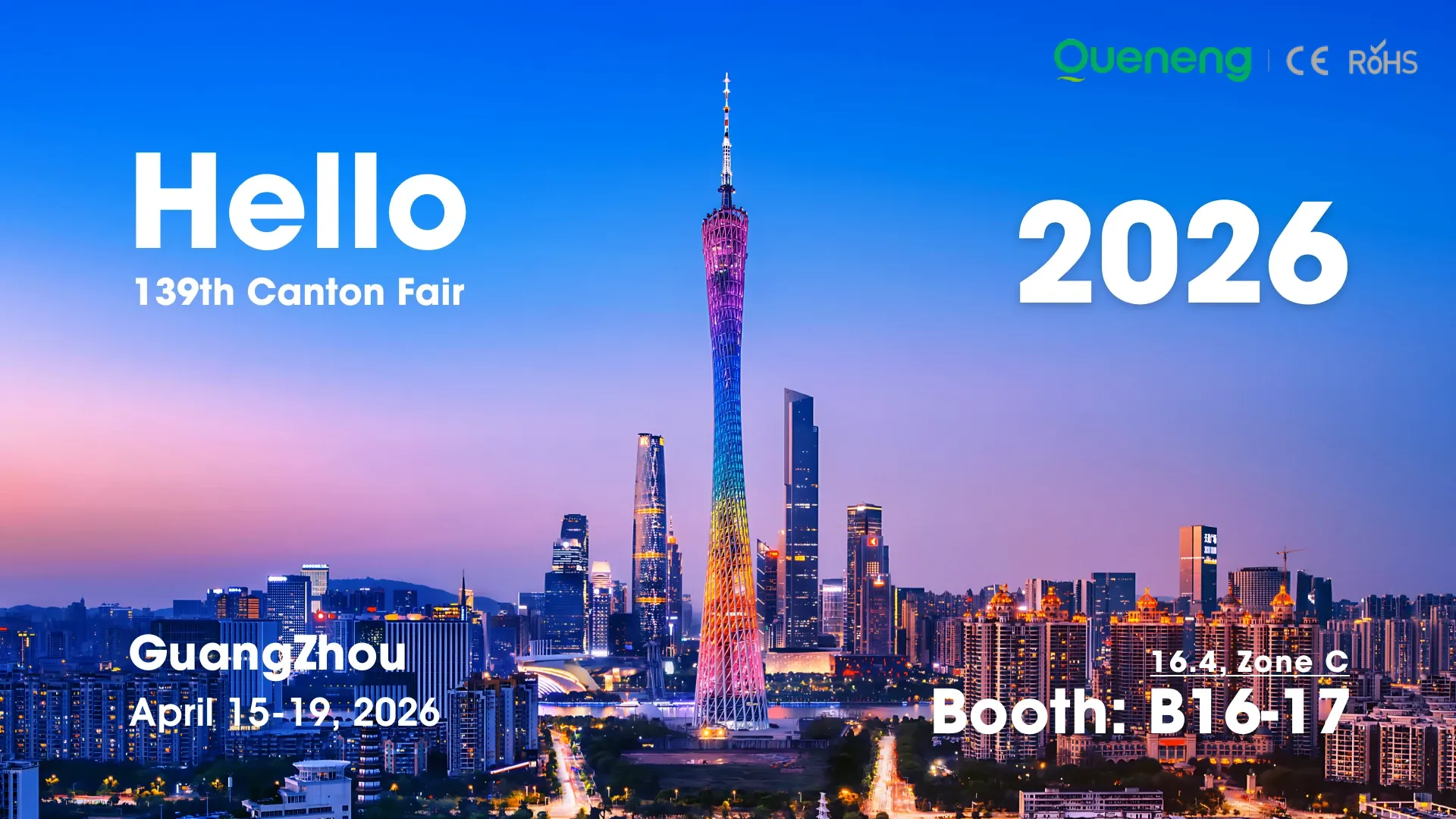
As the global demand for sustainable infrastructure rises, Queneng Lighting is proud to announce its participation in the 139th China Import and Export Fair (Canton Fair), held from April 15th to 19th, 2026, in Guangzhou.
For over 13 years, Queneng has been at the forefront of the solar lighting industry, providing high-efficiency solutions for infrastructure contractors, municipal developers, and EPC companies worldwide. This year, we are bringing our most advanced technology yet to the international stage.

Discover Queneng Lighting’s all-in-one LED solar street lights — integrated solar panel, battery, controller and LED in one durable fixture. Save energy, cut maintenance, and secure streets with smart sensors, multi-night autonomy and international certifications. Contact sales for quotes and support.

Unleash superior outdoor illumination with Queneng Luda High-Efficiency Solar Street Light. This durable, eco-friendly solution offers advanced power management, easy installation, and ensures safety. Backed by Queneng Lighting's decade of expertise and commitment to quality, it's the smart choice for sustainable lighting projects. Learn why we're a leading solar solutions provider.

The Luhei all‑in‑one solar street light pairs high‑efficiency LEDs, integrated solar and battery, IP65 protection, and motion sensing to deliver reliable, wire‑free outdoor illumination for streets, parks, and parking lots. Backed by Queneng Lighting’s certifications and support.
FAQ
Sustainability
If the light or battery fails, can it be replaced individually?
Yes. Queneng’s solar street lights are designed with a modular structure, so components such as photovoltaic panels, batteries, lights, and controllers can be replaced individually, making maintenance convenient and cost-effective.
Solar Street Light Luhui
What makes Luhui solar street lights different from other solar lights?
Luhui solar street lights use high-performance LEDs and advanced solar panels for superior efficiency and longevity. They are designed with enhanced durability, providing bright and consistent lighting in all weather conditions.
Transportation and Highways
Are the lights compliant with transportation safety standards?
Yes, our products meet international standards such as CE, RoHS, and ISO certifications.
APMS system
Does the APMS system support extremely cold environments?
Yes, APMS has ultra-low temperature control capability, allowing it to operate normally at temperatures as low as -50°C, ideal for high-latitude regions and extreme climates.
Schools and Educational Institutions
Are solar lights adjustable for lighting angles or brightness?
Many of our solar lights feature adjustable heads, allowing you to change the lighting direction or angle. Some models also have brightness control, allowing you to adjust the light intensity.
Distributors
What is the process for placing an order as a distributor?
Once you become an approved distributor, you can place orders directly with our sales team through our online portal or by contacting us via email. Our team will work with you to ensure a smooth ordering process and timely delivery.
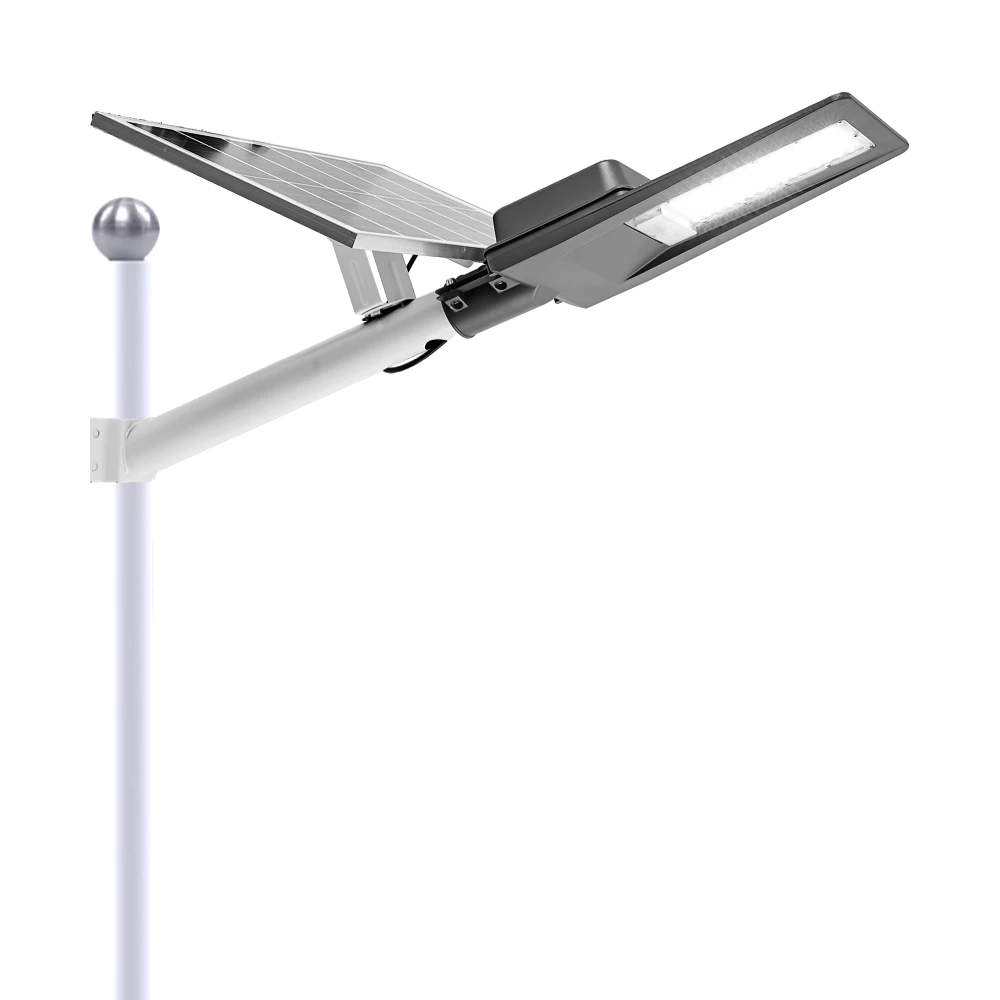
Experience reliable outdoor illumination with our smart solar street light, a perfect combination of advanced technology and eco-conscious design.
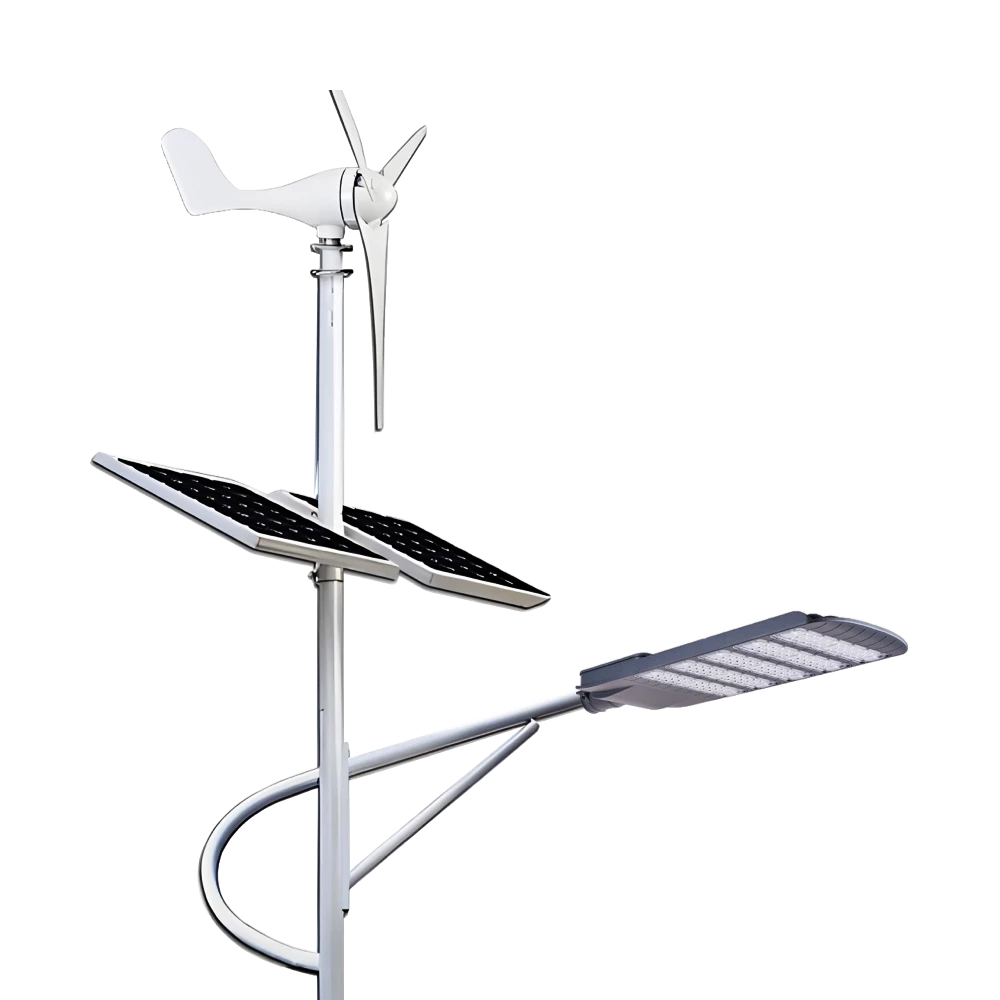
Queneng Lufeng Wind Energy LED Outdoor Solar Street Lights offer high-performance, eco-friendly illumination. These energy-efficient LED street lights harness solar power and wind energy for sustainable, cost-effective outdoor lighting solutions.
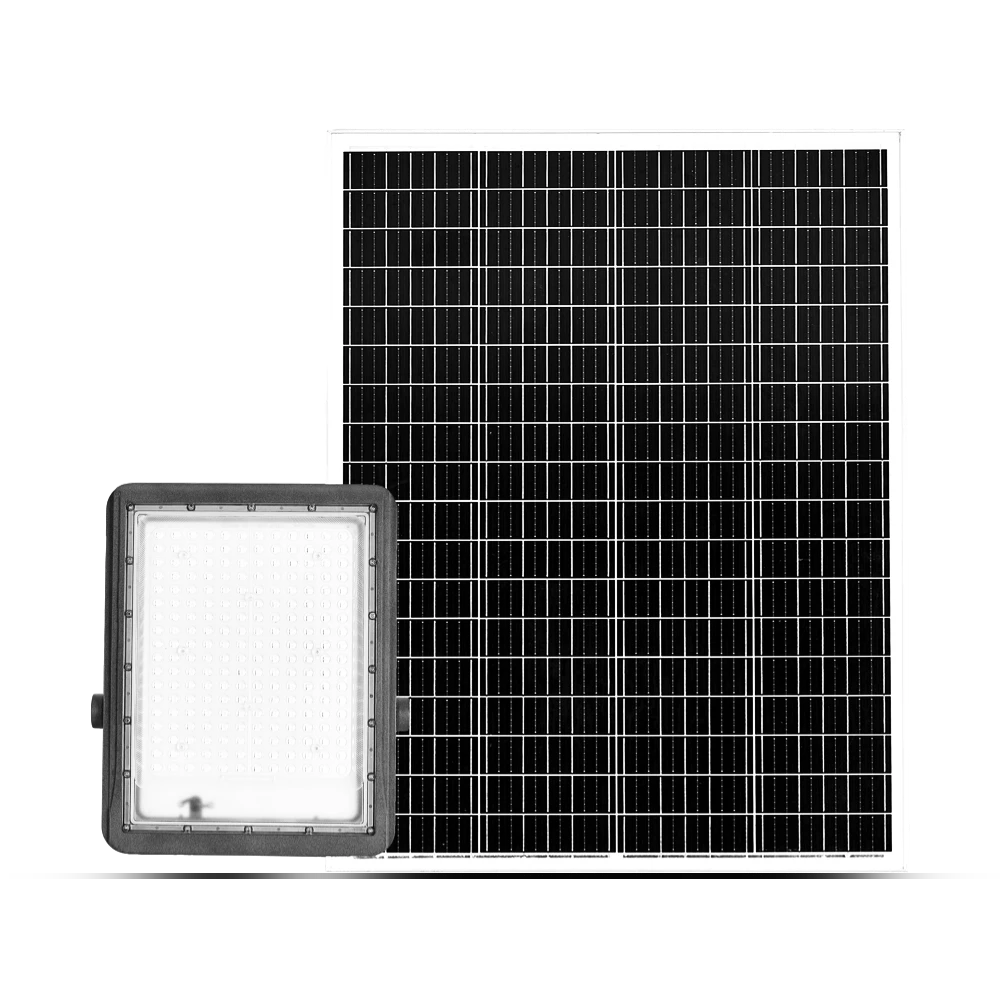
Queneng's Luxian Reliable Solar Street Light offers energy-saving LED lighting for outdoor use. This durable, solar-powered street light provides reliable illumination, reducing energy costs and environmental impact. A perfect solution for sustainable outdoor lighting.
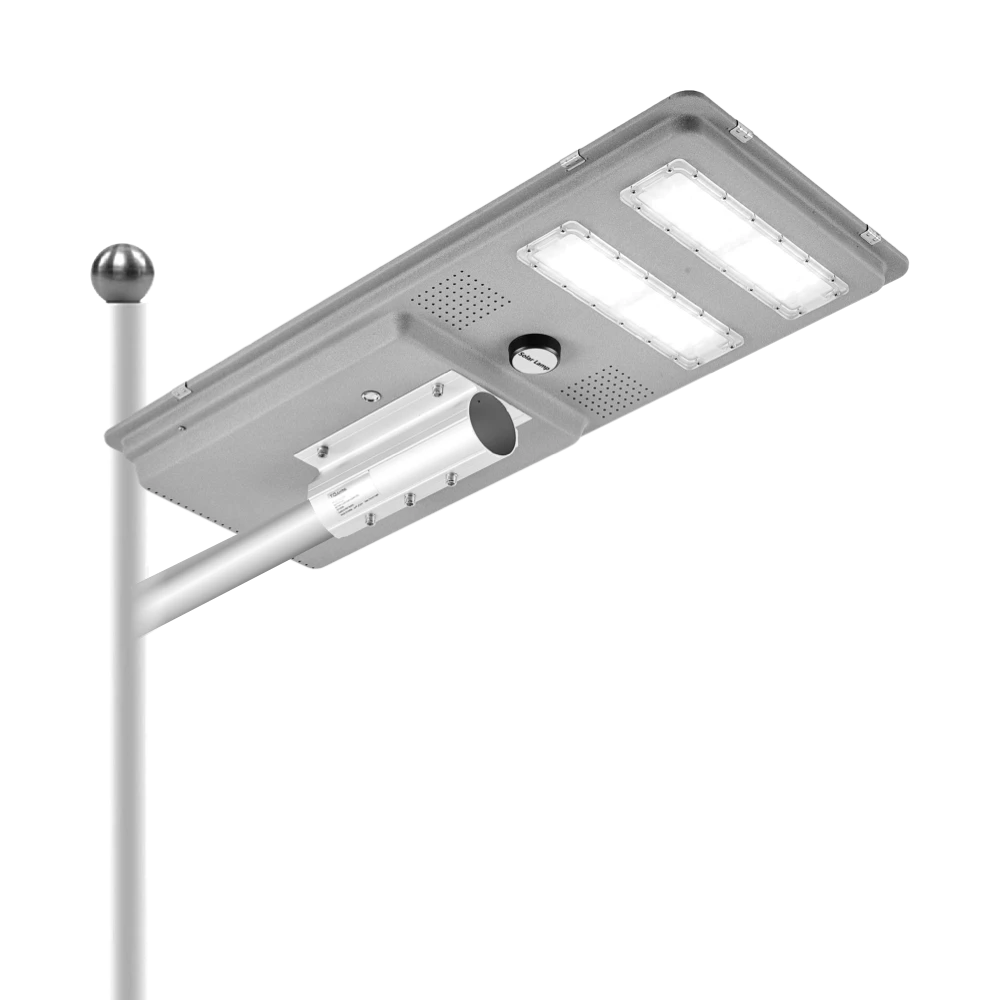
Queneng’s Solar Street Lights are designed to provide reliable, energy-efficient lighting for streets, parks, and other outdoor spaces.
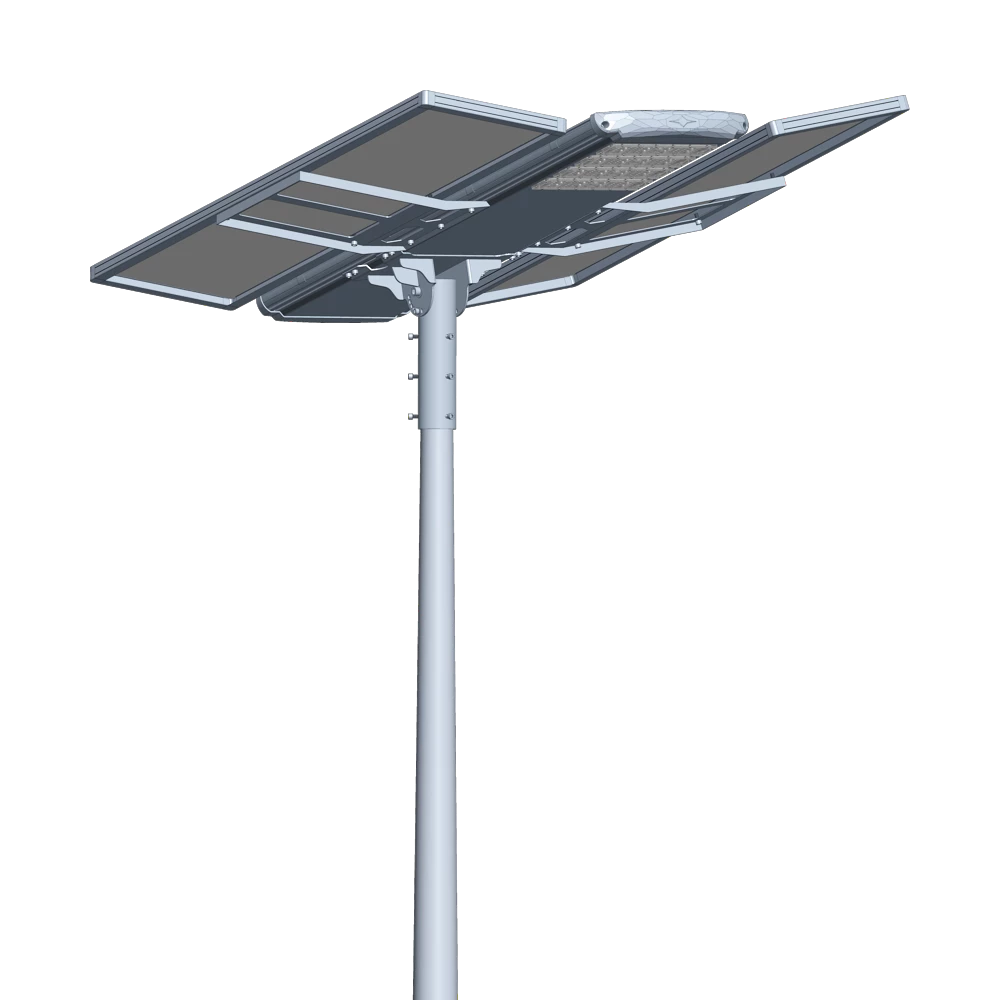
Introducing the Luqing Solar Street Light by Queneng, Efficient LED lighting powered by solar energy is perfect for illuminating outdoor areas. Harness the power of solar energy for sustainable, reliable street lighting. Ideal for eco-friendly, cost-effective outdoor illumination solutions.
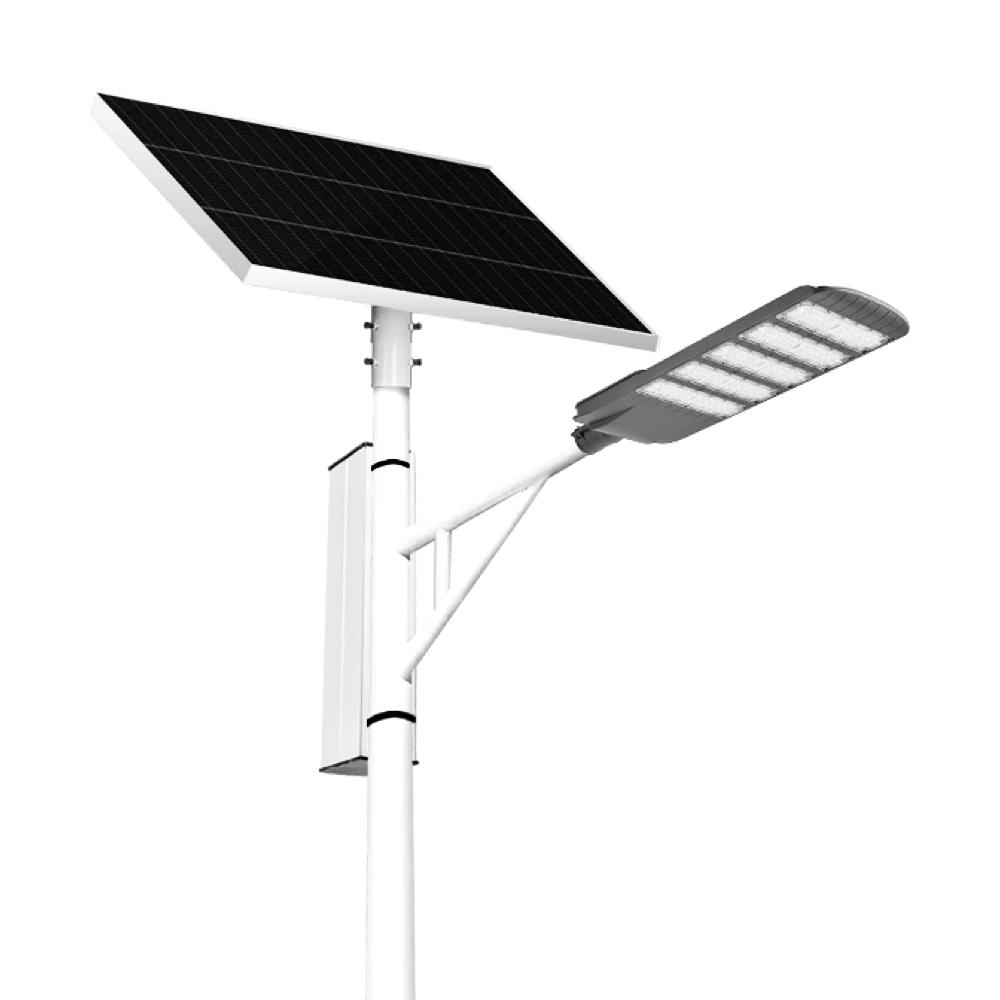
The Solar Streetlights of Luhao for Municipalities are designed to deliver reliable, energy-efficient, and cost-effective public lighting solutions. Equipped with advanced LED technology, durable lithium batteries, and high-efficiency solar panels, these streetlights provide consistent illumination for roads, parks, residential areas, and government projects.
Our professional team is ready to answer any questions and provide personalized support for your project.
You can reach us via phone or email to learn more about Queneng’s solar lighting solutions. We look forward to working with you to promote clean energy solutions!
Rest assured that your privacy is important to us, and all information provided will be handled with the utmost confidentiality.
By clicking 'Send Inquiry Now' I agree to Queneng processing my personal data.
To see how to withdraw your consent, how to control your personal data and how we process it, please see our Privacy Policy and Terms of use.
Schedule a Meeting
Book a date and time that is convenient for you and conduct the session in advance.
Have more questions about our products or services?
The messenger of light & power conversion
Environmental protection and intelligent manufacturing are our brand philosophy, and quality assurance and the best user experience are our eternal promises to users.
CONTACT
No.9F, Building F, Cao San Xin Tian Hong Logistics Park, Guzhen Town, Zhongshan City, Guangdong Province, China.
or write [email protected]
WhatsApp: +86 136 2270 1011


