













Best LED Fixtures for Municipal Solar Street Lights
Selecting LED Fixtures for Reliable Municipal Solar Street Lighting
Why municipalities choose Municipal Solar Street Light systems
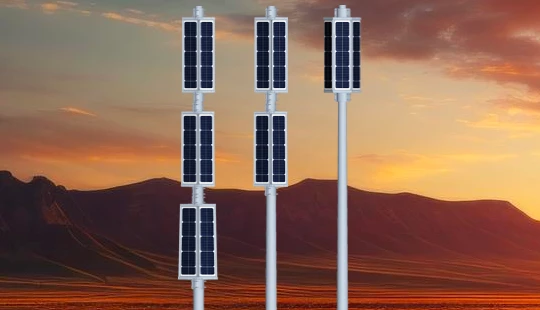
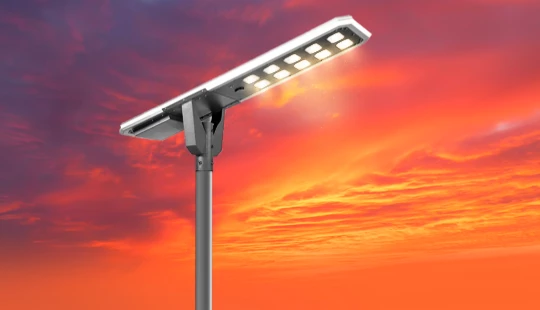
Municipalities are increasingly adopting Municipal Solar Street Light solutions to lower grid dependence, reduce operating costs, accelerate deployment in remote areas, and improve resiliency. Solar street lights combine photovoltaic (PV) generation, batteries, and efficient LED luminaires — but the LED fixture is the heart of the system: it determines delivered lux, optical distribution, thermal behavior, and overall energy demand that affects PV sizing and battery storage. Choosing the right LED fixture reduces lifecycle cost, minimizes maintenance, and ensures road safety and compliance with lighting standards.
Key performance metrics for Municipal Solar Street Light LED fixtures
When specifying LED fixtures for municipal solar projects, evaluate these metrics (and request test data):
- Luminous efficacy (lm/W) — higher efficacy reduces PV and battery size. Modern municipal-grade LEDs commonly achieve 110–170 lm/W in installed systems; the DOE and industry reports show continual improvement in efficacy for quality products (see refs).
- Delivered lumens and lumen maintenance (L70) — look for L70 > 50,000 hours under rated conditions; ask for TM-21 projections and IES LM-80 test data.
- Optical distribution — full cutoff, roadway distributions (Type II/III/IV/V) per IES recommendations to minimize glare and ensure uniformity.
- Color temperature (CCT) and color rendering index (CRI) — 3000–4000K is typical for road lighting; specify CRI ≥ 70 for general roadway use, higher for pedestrian zones.
- Ingress protection (IP) and impact resistance (IK) — at minimum IP65 for wet locations and IK08–IK10 for anti-vandal environments.
- Driver efficiency and dimming — high-efficiency drivers (>90%), programmable dimming profiles, and surge protection (e.g., 10 kV/20 kV) are essential for reliability.
- Thermal management — heat-sink design and rated ambient temperature ensure lumen maintenance and driver life in hot climates.
Top LED fixture types for Municipal Solar Street Light projects
Different projects need different fixture types. The table below compares common LED fixture categories used in municipal solar street light applications.
| Fixture Type | Typical Delivered Lumens | Typical Efficacy (lm/W) | Ideal Pole Height | Battery/PV Impact | Best Use Case | Approx. Relative Cost* |
|---|---|---|---|---|---|---|
| Integrated Solar LED Luminaire (all-in-one) | 2,000–10,000 lm | 100–140 lm/W | 3–8 m | Optimized PV/battery matched to luminaire | Small streets, parks, remote roads, quick installs | Medium |
| Modular LED Streetlight Head (separate PV & battery) | 5,000–30,000 lm | 110–160 lm/W | 6–12 m | PV sized per system; flexible battery options | Main thoroughfares, high-traffic roads | High |
| LED Retrofit Heads (replace HID) | 3,000–20,000 lm | 90–140 lm/W | 4–10 m | Requires system retrofitting; may need larger PV/battery | Upgrading existing poles/photocontrols | Low–Medium |
| High-mast/Area LED Flood Fixtures | 20,000–100,000 lm | 100–150 lm/W | 12–30 m | Large PV & battery capacity required | Parks, large intersections, plazas | Very High |
*Cost indicated is relative and depends on vendor, certifications and integrated controls. See EnergySage and DOE data for cost trends.
Sizing guidance: lumen output, pole height and distribution for safe roads
Use IES roadway recommendations as the baseline for lighting levels and uniformity. As a quick guide:
- Local residential streets: 5–20 lux average — typical delivered lumens 2,000–8,000 depending on spacing and pole height.
- Collector roads: 10–30 lux — 6,000–15,000 lm fixtures or multiples spaced appropriately.
- Major arterials and intersections: 20–50 lux — 15,000+ lm fixtures with precise type III/IV distributions.
Always run a lighting simulation (DIALux/AGi32) with fixture photometric files (IES/IESNA files) and consider glare indices for adjacent residential areas. Reference lighting standards (IES RP-8) for target illuminance and uniformity requirements.
Controls and smart features that matter for municipal solar systems
Smart controls reduce energy consumption and improve serviceability, especially important in solar systems where energy availability is finite:
- Adaptive dimming schedules — time-based or astronomic dimming to reduce lumen output during low-traffic hours.
- Motion sensors — localized boost to full output on demand; extends autonomy for cloudy periods.
- Remote monitoring and telemetry — cloud-based Streetlight Management Systems (LMS) for fault detection (lamp out, battery health), energy telemetry and firmware updates.
- Standardized communication — support for NEMA, Zhaga, DALI, LoRaWAN or NB-IoT makes integration with municipal networks easier.
Specifying an LMS with remote fault reporting significantly reduces truck rolls and maintenance costs and helps track real energy production/consumption for each Municipal Solar Street Light.
Durability, maintenance and total cost of ownership
For municipal procurement, focus on lifecycle cost (initial cost + maintenance + energy cost) rather than upfront price alone:
- Choose IP65+ and powder-coated aluminum housings to resist corrosion. In coastal zones specify marine-grade coatings and stainless fasteners.
- Battery selection matters: lithium iron phosphate (LiFePO4) offers longer cycle life and wider temperature operation than lead-acid; battery life directly impacts replacement schedules and total cost.
- Demand datasheets showing TM-21/LM-80 reports, surge protection levels, driver temperature ratings, and warranty terms (typical municipal warranties are 5–10 years for fixture and 3–5 years for batteries for older chemistries; LiFePO4 warranties are commonly 5 years+).
- Use modular designs where LED boards, drivers and batteries are replaceable to reduce whole-unit replacement.
Battery University and industry reports document that proper charge management and moderate operating temperatures extend battery life — critical for remote municipal assets.
Procurement checklist: specification items for municipal buyers
Include the following in RFPs to vendors of Municipal Solar Street Light fixtures:
- Photometric files (IES) and lighting simulation reports for contractor-specified spacing and pole heights.
- LM-80 and TM-21 reports for LED modules and L70 projections.
- Driver datasheet, dimming protocol (DALI/0–10V), surge protection rating.
- IP/IK ratings, corrosion protection details, mounting options and anti-theft features.
- Battery type, capacity, cycle life, recommended replacement interval and battery management system details.
- PV panel spec, mounting, expected daily energy harvest and autonomy calculation (days of autonomy).
- Warranty, service SLA, remote monitoring capabilities and spare parts availability.
- Certifications: CE, UL, IEC, ISO 9001, TÜV or equivalents required by local procurement rules.
Why supplier selection and technical support matter
Specifying high-performance LEDs is only half the job — supplier technical capability in system design, site assessment and after-sales support determines the realized performance. Municipalities should favor vendors who provide PV/battery/fixture matched systems, documented test results, remote monitoring platforms and local service presence or certified partners for maintenance.
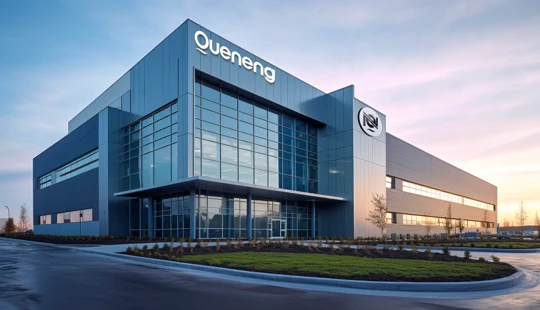
GuangDong Queneng Lighting Technology Co., Ltd. — supplier profile and advantages
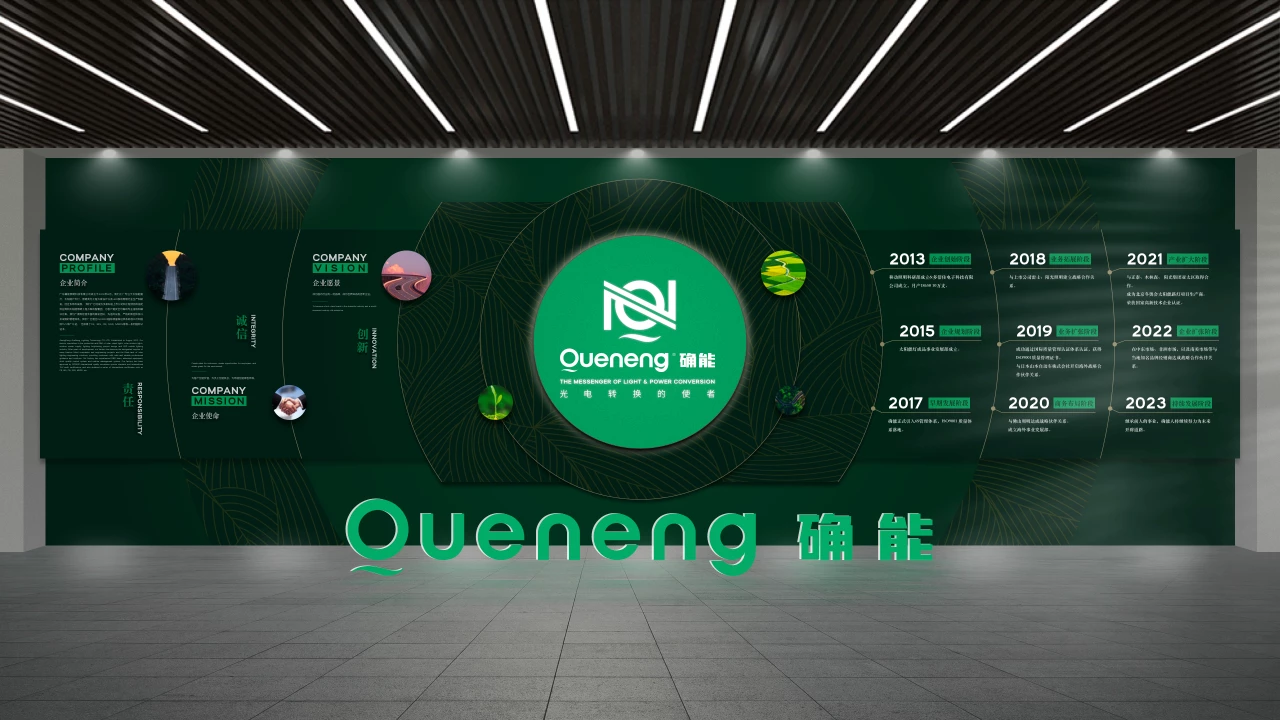
GuangDong Queneng Lighting Technology Co., Ltd., founded in 2013, specializes in solar street lights and a broad solar lighting product range. Their product portfolio includes Solar Street Lights, Solar Spot lights, Solar Garden Lights, Solar Lawn Lights, Solar Pillar Lights and Solar Photovoltaic Panels. Queneng also provides portable outdoor power supplies and batteries, lighting project design and LED mobile lighting solutions. Over years of development they have been chosen as a designated supplier for several listed companies and engineering projects.
Key strengths and differentiators:
- System integration expertise — Queneng offers matched PV + battery + LED solutions and lighting project design services that simplify municipal procurement and minimize mismatches in system sizing.
- R&D and production capacity — an experienced R&D team and advanced manufacturing equipment enable custom opto-thermal designs and rapid prototyping of fixtures suited to local climates.
- Quality and certifications — certified to ISO 9001 and audited by TÜV; international certifications include CE, UL, BIS, CB, SGS and MSDS for components, supporting global deployment and procurement compliance.
- After-sales and project support — as a supplier to engineering projects, Queneng provides design-in support, documentation and system commissioning services to ensure performance in the field.
For municipal buyers, Queneng’s integrated product range and focus on solar lighting engineering consultancy can accelerate project timelines and reduce lifecycle risk by delivering tested, certified luminaire systems.
Example: quick sizing principle for a small residential street (illustrative)
Suppose a municipality needs lighting for a 200 m residential street with pole spacing of 25 m and 6 m pole height. Using a 4000K, Type II distribution fixture delivering 6,000 lumens at 120 lm/W (50 W LED draw), with a dimming profile of 60% after midnight, PV and battery are sized for average local insolation. Work with the supplier to run a site-specific autonomy calculation for cloudy days and week-long backup requirements. Vendor-provided simulations and real-world install references are essential to validate assumptions.
Common mistakes to avoid when specifying Municipal Solar Street Light LED fixtures
- Buying fixtures based solely on quoted lumens without reviewing photometry and distribution.
- Under-specifying IP/IK ratings for coastal or high-vandalism areas.
- Ignoring dimming and smart controls that extend autonomy and reduce maintenance costs.
- Assuming all batteries perform equally — choose chemistries and BMS suited to your climate and replacement strategies.
Frequently Asked Questions (FAQ)
1. What is the best LED lumen range for municipal street lighting?
There is no one-size-fits-all answer. Local road classification, pole height and spacing drive lumen needs. Residential streets typically need 2,000–8,000 delivered lumens per fixture; collectors and arterials need more. Use IES recommendations and photometric simulations to set targets.
2. Should I choose integrated solar luminaires or separate PV/battery systems?
Integrated luminaires are cost-effective and quick to install for small streets or remote areas. For major roads or higher lumen requirements, modular fixtures with separate PV arrays and ground-mounted batteries allow higher output, easier servicing and longer life cycles.
3. How do I ensure an LED fixture will last 10+ years outdoors?
Specify L70 > 50,000 hours, high IP/IK ratings, robust thermal design, quality driver with surge protection and select durable housing finishes. Also require manufacturer LM-80 and TM-21 test data, and warranties that align with expected service life.
4. What controls are most valuable for municipal solar street lights?
Remote monitoring (LMS), programmable dimming schedules, occupancy/motion sensors and reliable communication protocols (e.g., LoRaWAN, NB-IoT, DALI) are highly valuable. They improve energy management, provide failure alerts and lower maintenance costs.
5. How much maintenance do Municipal Solar Street Light installations need?
Well-designed systems with quality components can be largely maintenance-free for years. Typical maintenance activities include periodic cleaning of PV modules, battery health checks, firmware updates, and replacement of batteries or drivers based on lifecycle. Remote monitoring further reduces manual inspection needs.
6. Are there standards and certifications I should require?
Require LM-80/TM-21 data for LEDs; CE/UL/IEC safety standards for fixtures; IP/IK ratings per IEC 60529; and supplier quality systems like ISO 9001. For batteries, request datasheets and safety certifications relevant to chemistry and region.
Contact and next steps
If you are specifying Municipal Solar Street Light projects and need product selection, PV/battery sizing or turnkey lighting design, contact Guangdong Queneng Lighting Technology Co., Ltd. to request product catalogs, photometric files, LM-80/TM-21 reports and system-level proposals. Visit the product pages or request a project consultation to review site-specific simulations and an itemized procurement package.
References
- U.S. Department of Energy (DOE) — Solid-State Lighting: program resources and performance data. https://www.energy.gov/eere/ssl (accessed 2025-12-18)
- National Renewable Energy Laboratory (NREL) — Solar energy basics and PV technology overviews. https://www.nrel.gov/research/solar. (accessed 2025-12-18)
- EnergySage — Solar street lights: buyer’s guide and cost considerations. https://news.energysage.com/solar-street-lights/ (accessed 2025-12-18)
- IES (Illuminating Engineering Society) — Recommended Practice for Roadway Lighting (RP-8) and related guidance. https://www.ies.org/standards/ (accessed 2025-12-18)
- IEC 60529 / IP Code — Ingress protection classification. https://en.wikipedia.org/wiki/IP_Code (accessed 2025-12-18)
- Battery University — Guidance on lithium battery lifecycle and best practices. https://batteryuniversity.com (accessed 2025-12-18)

Have more questions about our products or services?
The latest hot news you might like

Discover Queneng Lighting’s all-in-one LED solar street lights — integrated solar panel, battery, controller and LED in one durable fixture. Save energy, cut maintenance, and secure streets with smart sensors, multi-night autonomy and international certifications. Contact sales for quotes and support.

Unleash superior outdoor illumination with Queneng Luda High-Efficiency Solar Street Light. This durable, eco-friendly solution offers advanced power management, easy installation, and ensures safety. Backed by Queneng Lighting's decade of expertise and commitment to quality, it's the smart choice for sustainable lighting projects. Learn why we're a leading solar solutions provider.

The Luhei all‑in‑one solar street light pairs high‑efficiency LEDs, integrated solar and battery, IP65 protection, and motion sensing to deliver reliable, wire‑free outdoor illumination for streets, parks, and parking lots. Backed by Queneng Lighting’s certifications and support.

FAQ
Battery Performance and Testing
What is the power output of the battery?
The smaller the internal resistance of the battery, the higher the output power. The internal resistance of the battery should be smaller than the internal resistance of the electrical appliance. Otherwise, the power consumed by the battery itself will be greater than the power consumed by the electrical appliance, which is uneconomical and may damage the battery.
What is the standard charge retention test?
After the battery is discharged to 1.0V at 0.2C, it is charged at 0.1C for 16 hours, stored at a temperature of 20℃±5℃ and a humidity of 65%±20% for 28 days, and then discharged to 1.0V at 0.2C. NiMH batteries should last longer than 3 hours.
The national standard stipulates that the standard charge retention test of lithium batteries is: (IEC has no relevant standards) The battery is discharged to 3.0/unit at 0.2C, and then charged to 4.2V at 1C constant current and constant voltage, with a cut-off current of 10mA, at a temperature of 20 ℃±5℃, after 28 days of storage, discharge at 0.2C to 2.75V, calculate the discharge capacity, and compare it with the battery's nominal capacity, it should not be less than 85% of the initial capacity.
What is charging efficiency?
Solar Street Light Luan
How are Luan solar street lights installed?
Luan solar street lights are designed for easy installation. They come with all necessary mounting hardware and can be set up without the need for electrical connections. Most installations take just a few hours and can be done with basic tools, making them a great solution for DIY projects.
Solar Street Light Lufei
How long does it take to install a solar street light?
Installation typically takes 1-2 hours, depending on the complexity of the setup. No external wiring is required, which makes installation faster and simpler compared to traditional street lighting.
Battery and Analysis
What are the possible reasons for the short discharge time of batteries and battery packs?
2) The discharge current is too large, which reduces the discharge efficiency and shortens the discharge time;
3) When the battery is discharging, the ambient temperature is too low and the discharge efficiency decreases;
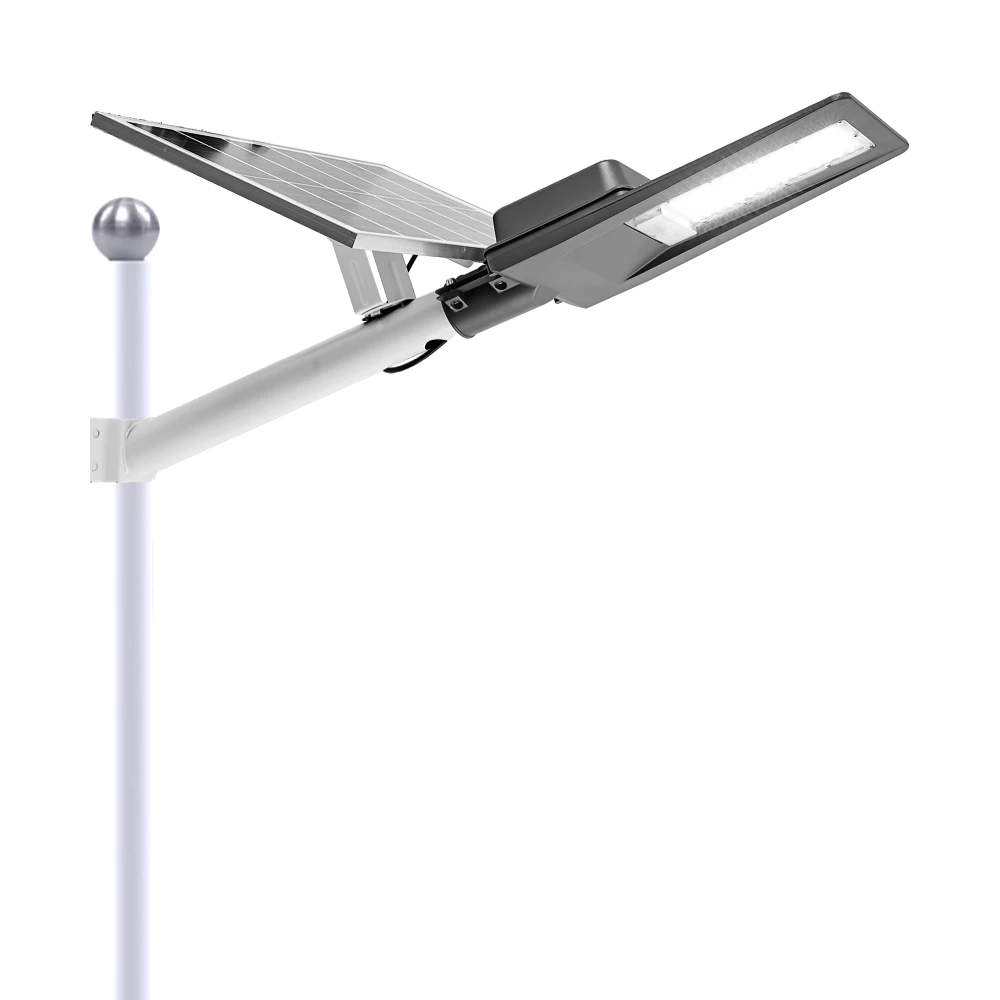
Experience reliable outdoor illumination with our smart solar street light, a perfect combination of advanced technology and eco-conscious design.
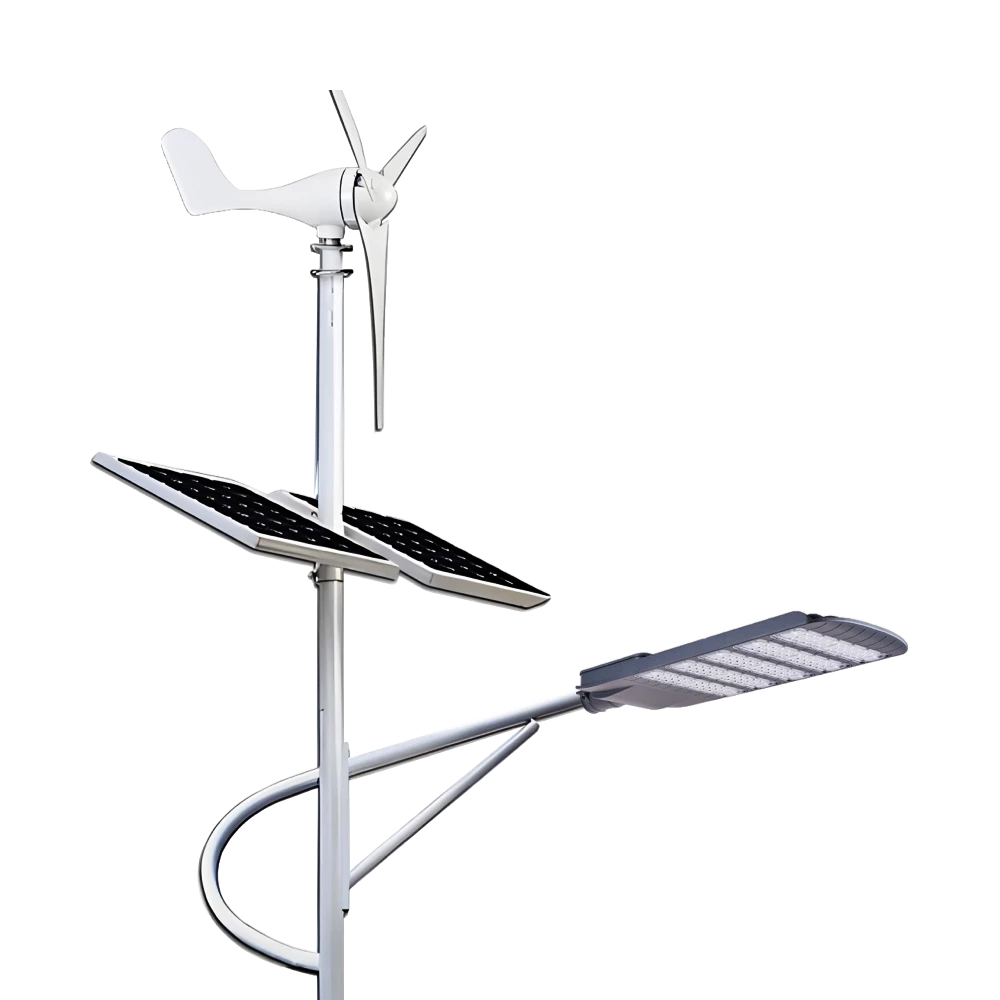
Queneng Lufeng Wind Energy LED Outdoor Solar Street Lights offer high-performance, eco-friendly illumination. These energy-efficient LED street lights harness solar power and wind energy for sustainable, cost-effective outdoor lighting solutions.
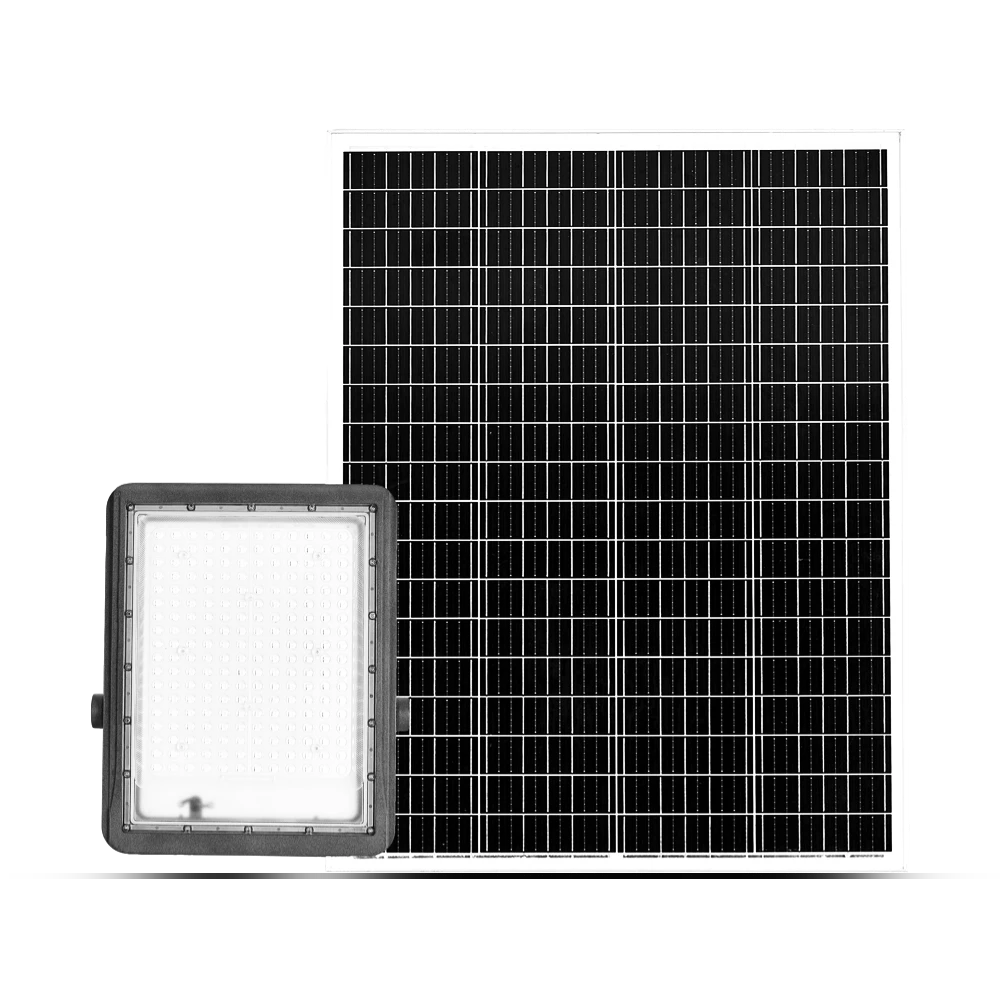
Queneng's Luxian Reliable Solar Street Light offers energy-saving LED lighting for outdoor use. This durable, solar-powered street light provides reliable illumination, reducing energy costs and environmental impact. A perfect solution for sustainable outdoor lighting.
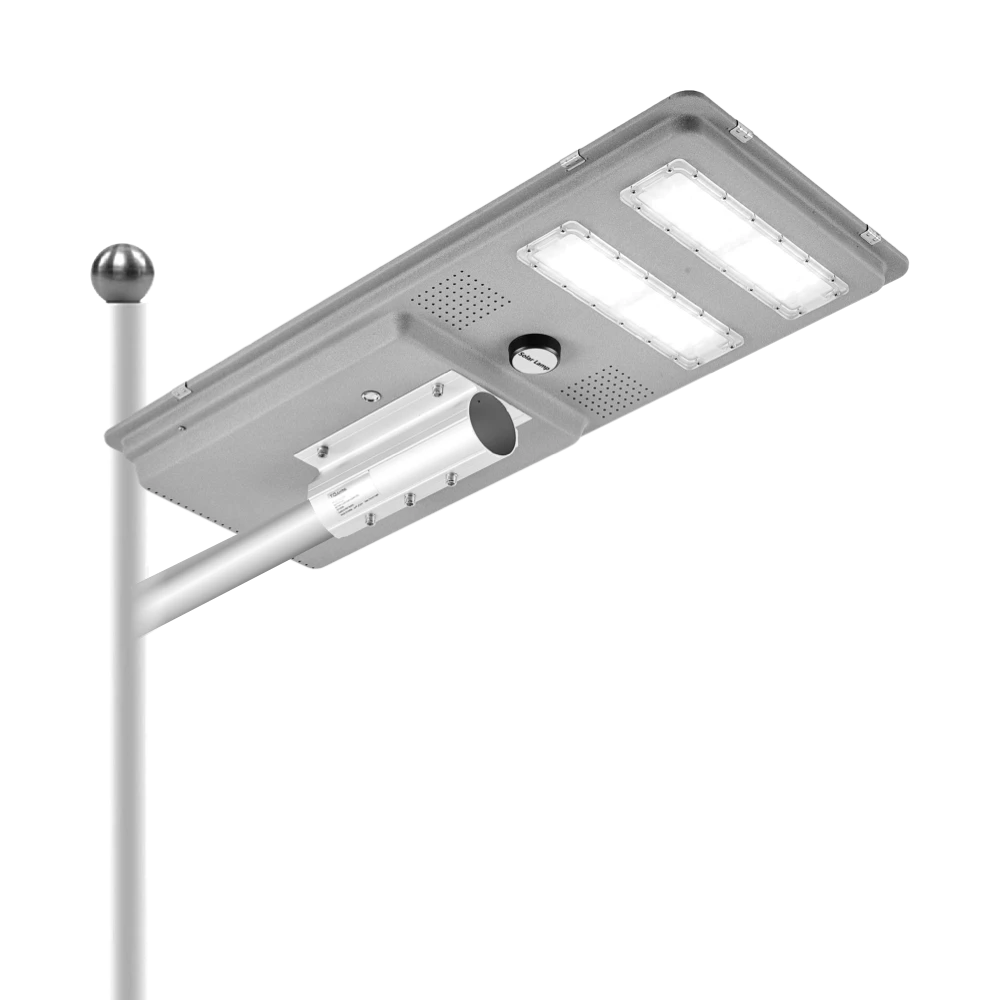
Queneng’s Solar Street Lights are designed to provide reliable, energy-efficient lighting for streets, parks, and other outdoor spaces.
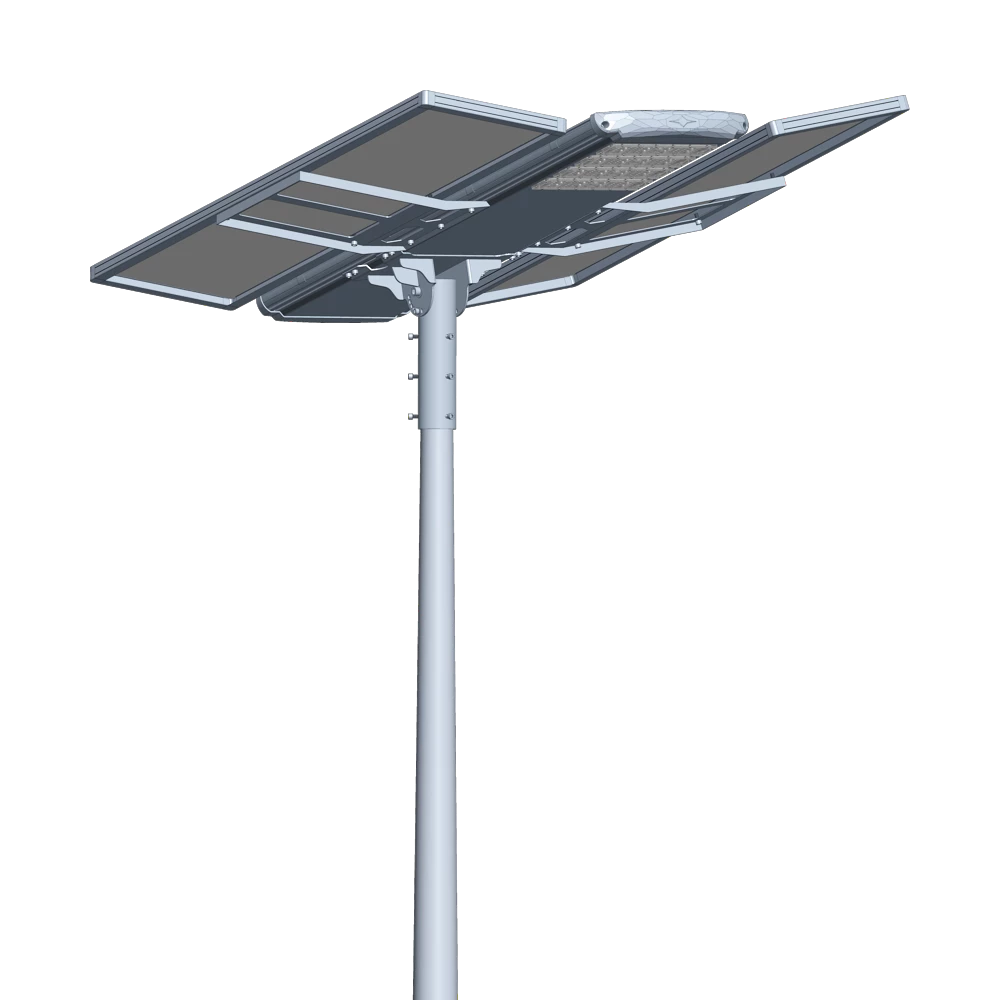
Introducing the Luqing Solar Street Light by Queneng, Efficient LED lighting powered by solar energy is perfect for illuminating outdoor areas. Harness the power of solar energy for sustainable, reliable street lighting. Ideal for eco-friendly, cost-effective outdoor illumination solutions.
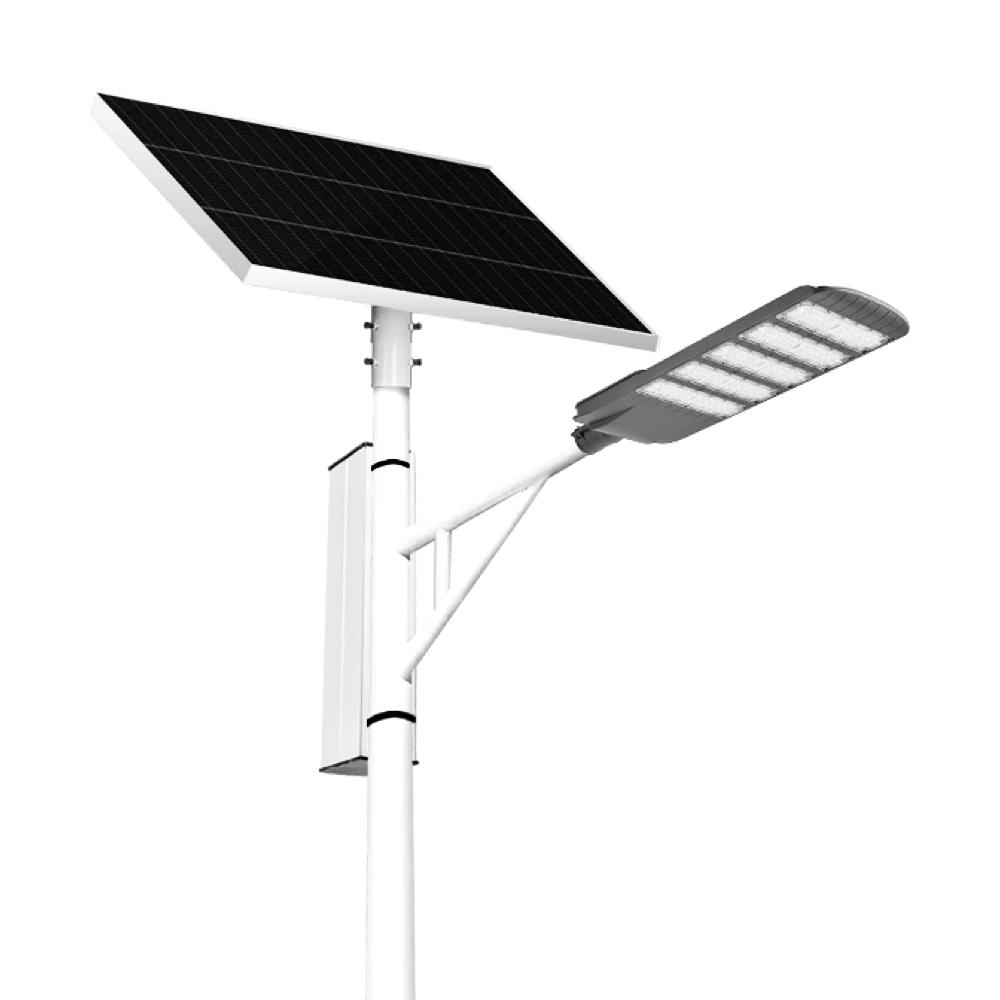
The Solar Streetlights of Luhao for Municipalities are designed to deliver reliable, energy-efficient, and cost-effective public lighting solutions. Equipped with advanced LED technology, durable lithium batteries, and high-efficiency solar panels, these streetlights provide consistent illumination for roads, parks, residential areas, and government projects.
Our professional team is ready to answer any questions and provide personalized support for your project.
You can reach us via phone or email to learn more about Queneng’s solar lighting solutions. We look forward to working with you to promote clean energy solutions!
Rest assured that your privacy is important to us, and all information provided will be handled with the utmost confidentiality.
By clicking 'Send Inquiry Now' I agree to Queneng processing my personal data.
To see how to withdraw your consent, how to control your personal data and how we process it, please see our Privacy Policy and Terms of use.
Schedule a Meeting
Book a date and time that is convenient for you and conduct the session in advance.
Have more questions about our products or services?
The messenger of light & power conversion
Environmental protection and intelligent manufacturing are our brand philosophy, and quality assurance and the best user experience are our eternal promises to users.
CONTACT
No.9F, Building F, Cao San Xin Tian Hong Logistics Park, Guzhen Town, Zhongshan City, Guangdong Province, China.
or write [email protected]
WhatsApp: +86 136 2270 1011


