

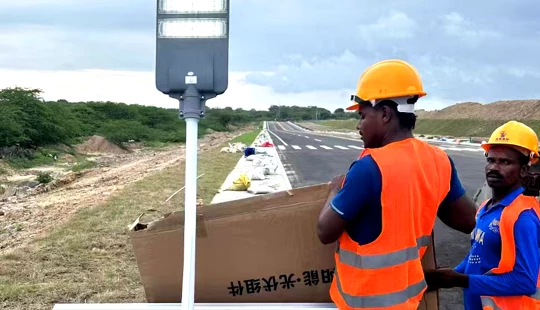
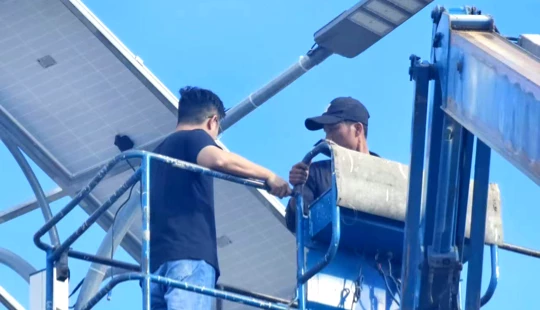













best solar street light in nigeria
Why Solar Street Lighting Matters for Nigerian Municipalities
Nigeria faces persistent electricity access gaps and rising urbanization. For cities and local governments, Municipal Solar Street Light deployments provide reliable public lighting while reducing operational costs, improving safety, and supporting 24/7 economic activity. When municipal planners search for Municipal Solar Street Light solutions, they need options that match local solar resource, environmental conditions, budget constraints, and maintenance capacity. This guide helps municipal engineers, procurement officers and project owners evaluate the best solar street light systems for Nigeria.
Key performance metrics for selecting a Municipal Solar Street Light
Before comparing products, understanding the core technical and economic metrics is essential. Every municipal procurement should evaluate:
- Delivered illuminance (lux) and lumen output – street luminaires must meet local standards for road class and spacing (typically measured in lux or lumen per meter).
- Solar irradiation and panel sizing – panel wattage must match site irradiation (kWh/m²/day) and energy demand; Nigeria's solar resource is strong but varies by region.
- Battery capacity and autonomy – battery Ah and chemistry determine nights of autonomy (days the light can run without sun); 3–5 days is common for municipal projects in tropical climates.
- LED efficacy and driver efficiency – higher lm/W LEDs and efficient drivers reduce energy needs and allow smaller panels and batteries.
- Ingress Protection (IP) and corrosion resistance – IP65+ and marine-grade coatings extend life in humid/coastal Nigerian cities.
- Warranty, lifecycle cost and replacement strategy – consider total cost of ownership (TCO), not just initial price.
Types of Municipal Solar Street Light Systems and when to use them
Municipal Solar Street Light solutions generally fall into three categories. Choosing the right type depends on procurement scale, maintenance capability and local site conditions.
1. Integrated 'all-in-one' Municipal Solar Street Light
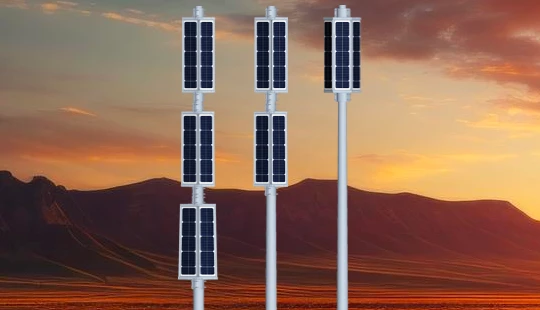
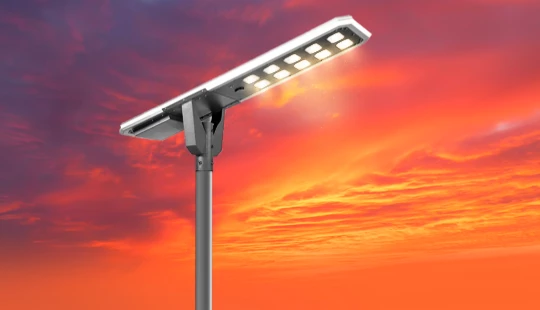
All-in-one luminaires combine LED, battery and panel into a single unit mounted on the pole. Advantages: lower cabling costs, faster installation, theft resistance for some designs. Best for small roads, peri-urban streets, and rapid rollout. However, modular replacements (battery or panel) can be more complex because components are integrated.
2. Modular Municipal Solar Street Light (separate panel + head + battery cabinet)
Modular systems mount panels separately on a tilt bracket and place batteries in a lockable ground/pole-mounted cabinet. Advantages: easier maintenance and battery replacement, scalable for higher lumen outputs, better heat management for batteries (extending lifespan). Preferred for major roads and projects with a local maintenance team.
3. Hybrid/Backup Municipal Solar Street Light
Hybrid systems integrate a small grid or generator backup (or AC grid connection) for locations with seasonal shading or security-critical lighting. Useful for key intersections, bridges, or where continuous operation is mandated.
Practical comparison: Typical Municipal Solar Street Light options for Nigerian cities
The table below compares representative system configurations, estimated capital cost ranges (USD), technical specs and recommended applications. Costs and performance are based on typical market offers and engineering sizing for Nigeria’s solar resource (assumptions noted below).
| System Type | Lumen Output | Solar Panel | Battery | Autonomy (days) | Estimated Unit Cost (USD) | Best Use |
|---|---|---|---|---|---|---|
| Integrated All-in-One | 4,000–8,000 lm | 50–120 W monocrystalline | LiFePO4 40–120 Ah | 3–5 | USD 250–650 | Residential streets, neighborhoods, rapid deployment |
| Modular (separate panel + battery) | 6,000–18,000 lm | 120–300 W panel | LiFePO4 100–300 Ah (cabinet) | 4–7 | USD 600–1,800 | Main roads, highways, commercial areas |
| Hybrid / Grid-backup | 8,000–25,000 lm | 200–400 W | 200–500 Ah + AC backup | 5–10 | USD 1,200–3,500 | Critical intersections, security zones, bridges |
Notes and assumptions: Panel sizing uses an average daily insolation of 4–6 kWh/m² (varies by Nigerian region). Cost ranges include luminaire, panel, controller, battery, mounting and basic installation but exclude trenching or major civil works. Source ranges reflect market data and industry reports (see references).
How to size a Municipal Solar Street Light: a step-by-step approach
Proper sizing avoids overspend or underperformance. Follow these steps for each light location:
- Calculate energy consumption: LED wattage × hours of operation (typical municipal schedule: dusk-to-dawn, often 10–12 hours).
- Add losses: driver (~5–10%), wiring (~2–5%), battery charge/discharge inefficiencies (~10–20%).
- Determine battery capacity: choose autonomy days (3–7) and apply depth-of-discharge (DOD) limits according to battery chemistry (LiFePO4 typically 80% usable).
- Size the solar panel: ensure daily energy generation covers consumption using local average peak sun hours and derating factors (dust, temperature).
- Design mounting and tilt: optimize tilt angle for latitude and minimize shading.
Example quick calculation: A 30 W LED running 12 hours consumes 360 Wh/day. Accounting for 20% system losses → 450 Wh/day. With 5 peak sun hours, required panel = 450 / 5 = 90 W (add 20% derating → ~110 W).
Durability, warranties and standards for Municipal Solar Street Light procurement
Procurement should require compliance to international standards and minimum warranty terms:
- LED lifetime expectations: L70 > 50,000 hours (manufacturer data).
- Battery warranty: minimum 3–5 years or specified cycle life.
- Ingress and mechanical protection: IP65 or higher; IK08+ for impact resistance.
- Quality management and certifications: ISO 9001, CE, UL, CB, BIS, TÜV and third-party test reports for PV and batteries.
- Controller features: MPPT charge control, temperature compensation, programmable dimming and dusk-to-dawn sensors.
Requiring third-party test reports reduces risk of low-quality imports and short lifespans in harsh Nigerian environments.
Economic evaluation: CapEx, OpEx and payback for Municipal Solar Street Light
Solar street lighting often has higher upfront CapEx than traditional grid or HPS (high-pressure sodium) lamps but substantially lower OpEx because there is no grid electricity cost and limited maintenance when systems are properly specified.
| Metric | Solar LED (per pole) | Grid HPS (per pole) |
|---|---|---|
| Initial cost (typical) | USD 600–1,500 | USD 300–700 (lamp + wiring) |
| Annual energy & maintenance | USD 5–50 (battery replacement amortized, low energy) | USD 100–300 (energy + bulb & ballast maintenance) |
| Estimated simple payback | 3–7 years (depending on electricity cost and system chosen) | N/A |
Payback calculations depend critically on local electricity tariffs, reliability and maintenance regimes. In many Nigerian municipalities where grid-supplied streetlighting requires diesel generators or unreliable grid access, solar options achieve faster paybacks and deliver superior reliability.
Common failure modes and maintenance best practices for Municipal Solar Street Light
Understanding common pitfalls reduces lifecycle costs:
- Poor battery management: specify BMS (battery management system) and temperature control to prevent premature failure.
- Dirty panels: schedule cleaning (quarterly in dusty urban zones) to maintain output.
- Theft and vandalism: use tamper-proof mounting and lockable battery cabinets; design to discourage theft (panels elevated and fastened).
- Incorrect sizing: oversizing wastes capital but undersizing reduces autonomy. Pilot small deployments to validate assumptions.
Procurement checklist for municipal buyers — ensure keywords: Municipal Solar Street Light
Include the following clauses in tenders to secure value and minimize risk:
- Minimum technical specifications (lm/W, IP rating, battery chemistry & cycle life, autonomy)
- Performance acceptance tests (30-day in-field acceptance period)
- Minimum warranty (LED 5 years, battery 3–5 years) and clear SLAs for response times
- Spare parts and local service partner availability
- Third-party test reports and factory ISO/TÜV certifications
Manufacturer spotlight: GuangDong Queneng Lighting Technology Co., Ltd. — a partner for Municipal Solar Street Light projects
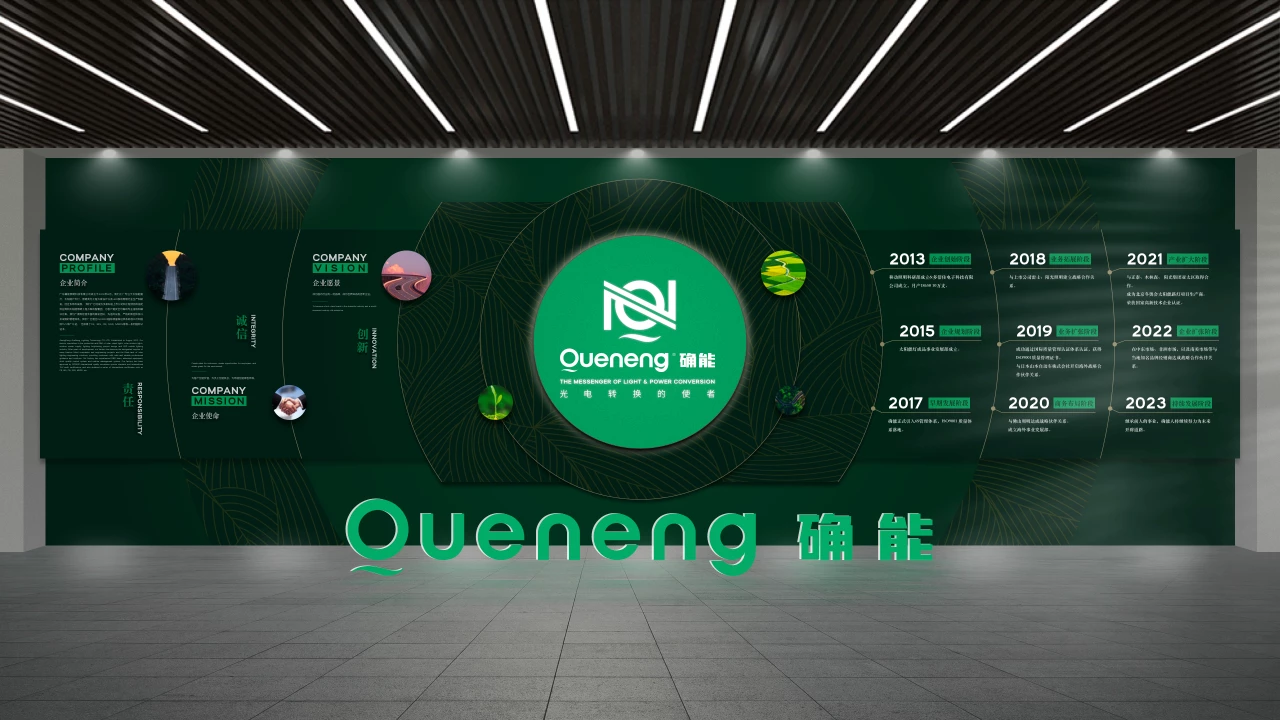
GuangDong Queneng Lighting Technology Co., Ltd. Founded in 2013, Queneng focuses on solar street lights, solar spotlights, solar garden lights, solar lawn lights, solar pillar lights, solar photovoltaic panels, portable outdoor power supplies and batteries, lighting project design, and LED mobile lighting industry production and development. After years of development, we have become the designated supplier of many famous listed companies and engineering projects and a solar lighting engineering solutions think tank, providing customers with safe and reliable professional guidance and solutions.
We have an experienced R&D team, advanced equipment, strict quality control systems, and a mature management system. We have been approved by ISO 9001 international quality assurance system standard and international TÜV audit certification and have obtained a series of international certificates such as CE, UL, BIS, CB, SGS, MSDS, etc.
Queneng's Municipal Solar Street Light advantages
- Product range: Solar Street Lights, Solar Spot lights, Solar Lawn lights, Solar Pillar Lights, Solar Photovoltaic Panels, Solar Garden Lights.
- Engineering capability: In-house lighting project design and system integration for large municipal deployments.
- Quality and certification: ISO 9001, TÜV audits and multiple international certificates ensure compliance with procurement standards.
- Technical differentiation: R&D-driven improvements in LED efficacy, MPPT controllers and LiFePO4 battery integration to extend system life and reduce TCO.
- Track record: Supplier to listed companies and major engineering projects, providing references for municipal procurement.
Implementation roadmap for a typical Nigerian municipal project
- Feasibility & resource mapping: use solar resource data (Global Solar Atlas) and GIS to choose routes.
- Pilot deployment: install 10–30 poles in different microclimates to validate sizing and operational assumptions.
- Full procurement: tender with clear technical and warranty requirements; require on-site acceptance testing.
- Training & O&M setup: ensure local teams can perform quarterly cleaning and basic troubleshooting; secure spare parts.
- Monitoring & evaluation: use simple remote telemetry where feasible to track performance and failures.
Frequently Asked Questions (FAQ) — Municipal Solar Street Light in Nigeria
1. What is the best Municipal Solar Street Light for coastal cities with high humidity?
Choose modular systems with IP66 protection and marine-grade corrosion coatings. LiFePO4 batteries in ventilated cabinets and anti-corrosion pole treatments extend life. Vendors with proven local references in coastal environments are recommended.
2. How many days of autonomy should be specified for Nigerian installations?
Typically 3–5 days autonomy is adequate in most regions. For areas prone to extended rainy seasons or heavy shading, specify 5–7 days or consider hybrid backup.
3. Are lithium batteries safe and better than lead-acid for municipal projects?
Modern LiFePO4 batteries offer higher cycle life, better depth-of-discharge and lower maintenance than lead-acid, resulting in lower lifecycle cost despite higher upfront price. Ensure BMS and temperature management are included.
4. What warranties and certifications should I require in tenders?
Require ISO 9001 manufacturing, product certificates (CE/UL/CB), and third-party test reports. Specify minimum warranties: LED (≥5 years), battery (≥3 years or specified cycle life), controller (≥3 years).
5. How can I prevent theft and vandalism of solar components?
Use tamper-proof fasteners, lockable battery cabinets, elevated PV mounting and community engagement. Consider anti-theft designs and trackable components for high-risk areas.
6. How to estimate payback for a Municipal Solar Street Light project?
Calculate current annual cost of street lighting (energy + maintenance) for the target area and compare with annualized capital and O&M cost of solar systems. Many projects achieve payback in 3–7 years depending on local electricity prices and system choice.
Contact & product inquiry
If you are planning a municipal lighting project in Nigeria and want a detailed proposal, piloting plan, or product catalog for Municipal Solar Street Light solutions (including Solar Street Lights, Solar Spot Lights, Solar Lawn Lights, Solar Pillar Lights and Solar Photovoltaic Panels), contact our sales and technical team. Request a site assessment, sample units for testing, or a full tender-ready specification package.
References
- Global Solar Atlas (World Bank Group). Solar resource maps and data. https://globalsolaratlas.info/ (accessed 2024-06-01)
- World Bank Data — Access to electricity (% of population) — Nigeria. https://data.worldbank.org/indicator/EG.ELC.ACCS.ZS?locations=NG (accessed 2024-06-01)
- IRENA — Renewable Power Generation Costs in 2020 (and subsequent update reports). https://www.irena.org/publications (accessed 2024-06-01)
- Lighting Africa (IFC / World Bank) — Off-grid lighting guidance and market data. https://www.lightingafrica.org/ (accessed 2024-06-01)
- IEC 60529 — Degrees of protection provided by enclosures (IP Code). Information: https://en.wikipedia.org/wiki/IP_Code (accessed 2024-06-01) and IEC webstore https://webstore.iec.ch/ (accessed 2024-06-01)
For additional consultation, product catalogs or tailored municipal project proposals, contact GuangDong Queneng Lighting Technology Co., Ltd. or request a formal quote through official channels.

Have more questions about our products or services?
The latest hot news you might like

Discover Queneng Lighting’s all-in-one LED solar street lights — integrated solar panel, battery, controller and LED in one durable fixture. Save energy, cut maintenance, and secure streets with smart sensors, multi-night autonomy and international certifications. Contact sales for quotes and support.

Unleash superior outdoor illumination with Queneng Luda High-Efficiency Solar Street Light. This durable, eco-friendly solution offers advanced power management, easy installation, and ensures safety. Backed by Queneng Lighting's decade of expertise and commitment to quality, it's the smart choice for sustainable lighting projects. Learn why we're a leading solar solutions provider.

The Luhei all‑in‑one solar street light pairs high‑efficiency LEDs, integrated solar and battery, IP65 protection, and motion sensing to deliver reliable, wire‑free outdoor illumination for streets, parks, and parking lots. Backed by Queneng Lighting’s certifications and support.

FAQ
Sustainability
Do Queneng solar street lights require a power connection?
No, our solar street lights operate independently of the power grid. They rely entirely on photovoltaic panels that charge the built-in battery, making an electrical connection unnecessary.
Public Gardens and Landscape Lighting
Are there any warranty options for solar lights?
Yes, we offer a standard 2-year warranty for all our solar lighting products. The warranty covers manufacturing defects and performance issues under normal usage. For any issues outside the warranty period, we provide repair and replacement services.
Split Solar Street Light
Can the battery be installed underground?
Yes. Underground battery boxes are available for high-temperature or vandal-prone areas.
Battery Types and Applications
What devices are best used with rechargeable batteries?
How to classify batteries?
Primary batteries: carbon-zinc dry batteries, alkaline- manganese batteries,lithium batteries, activated batteries, zinc-mercury batteries, cadmium-mercury batteries, zinc-air batteries, zinc-silver batteries and solid electrolyte batteries (silver-iodine batteries) etc.
Secondary batteries: lead batteries, Ni-Cd batteries, Ni-MH batteries, Li-ion batteries and sodium-sulfur batteries, etc.
Other batteries: fuel cell batteries, air batteries, thin batteries, light batteries, nano batteries, etc.
Physical battery: Solar cell
Solar Street Light Luqing
What are the main benefits of using Luqing solar street lights in urban areas?
In urban areas, Luqing solar street lights reduce dependency on the grid, cut down on electricity costs, and minimize environmental impact. They also offer easy installation, which reduces the need for extensive wiring and infrastructure changes.
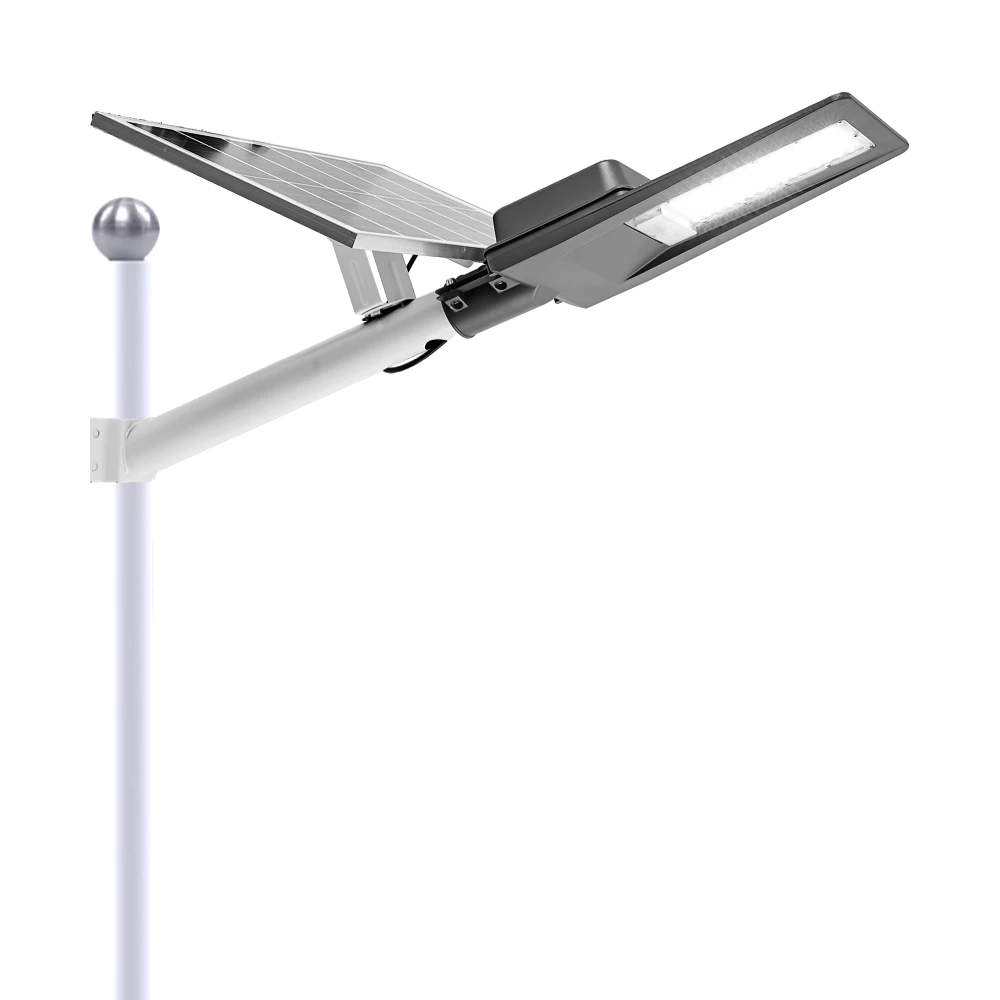
Experience reliable outdoor illumination with our smart solar street light, a perfect combination of advanced technology and eco-conscious design.
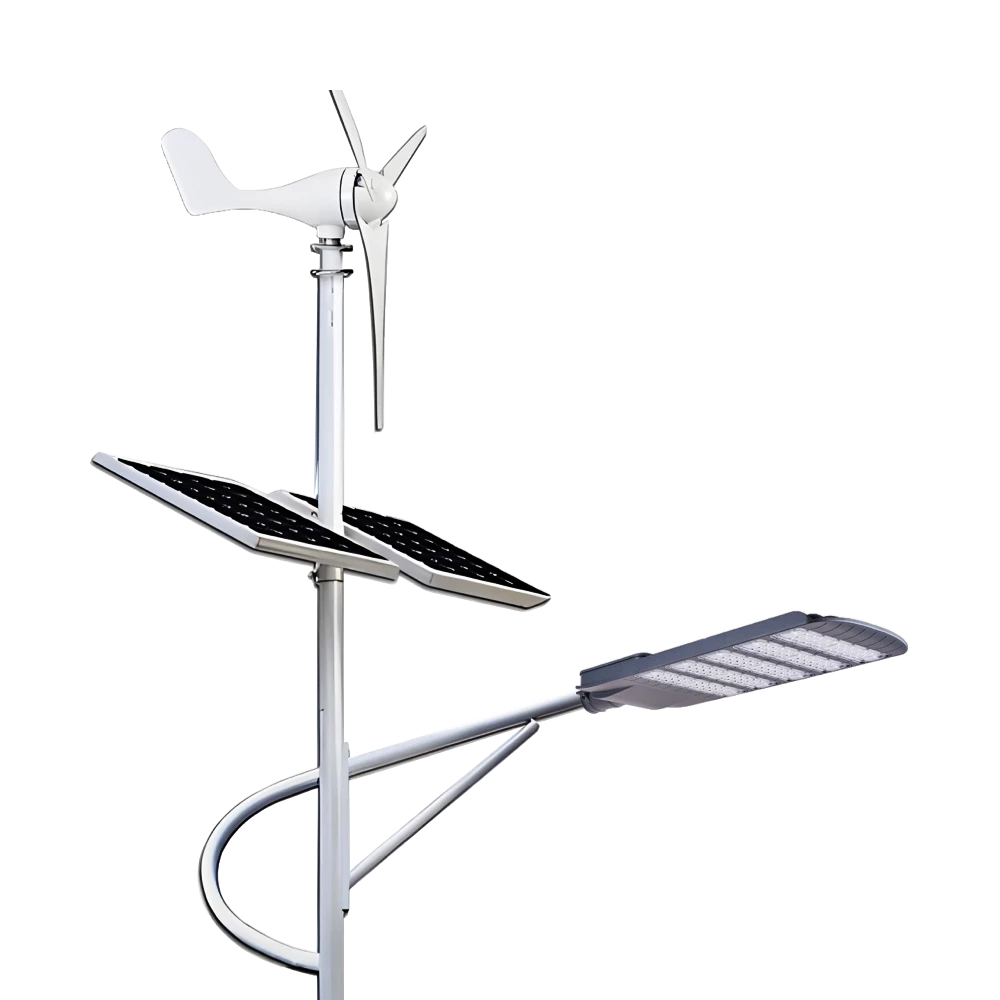
Queneng Lufeng Wind Energy LED Outdoor Solar Street Lights offer high-performance, eco-friendly illumination. These energy-efficient LED street lights harness solar power and wind energy for sustainable, cost-effective outdoor lighting solutions.
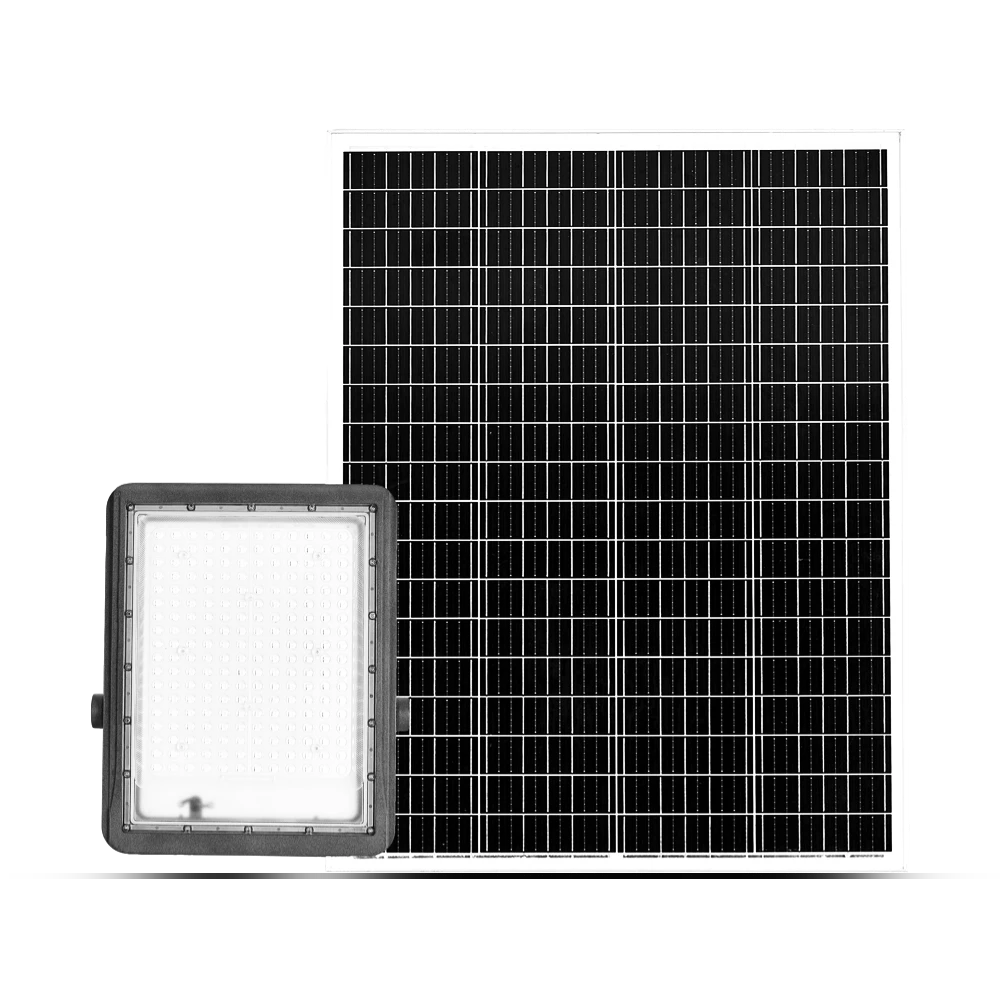
Queneng's Luxian Reliable Solar Street Light offers energy-saving LED lighting for outdoor use. This durable, solar-powered street light provides reliable illumination, reducing energy costs and environmental impact. A perfect solution for sustainable outdoor lighting.
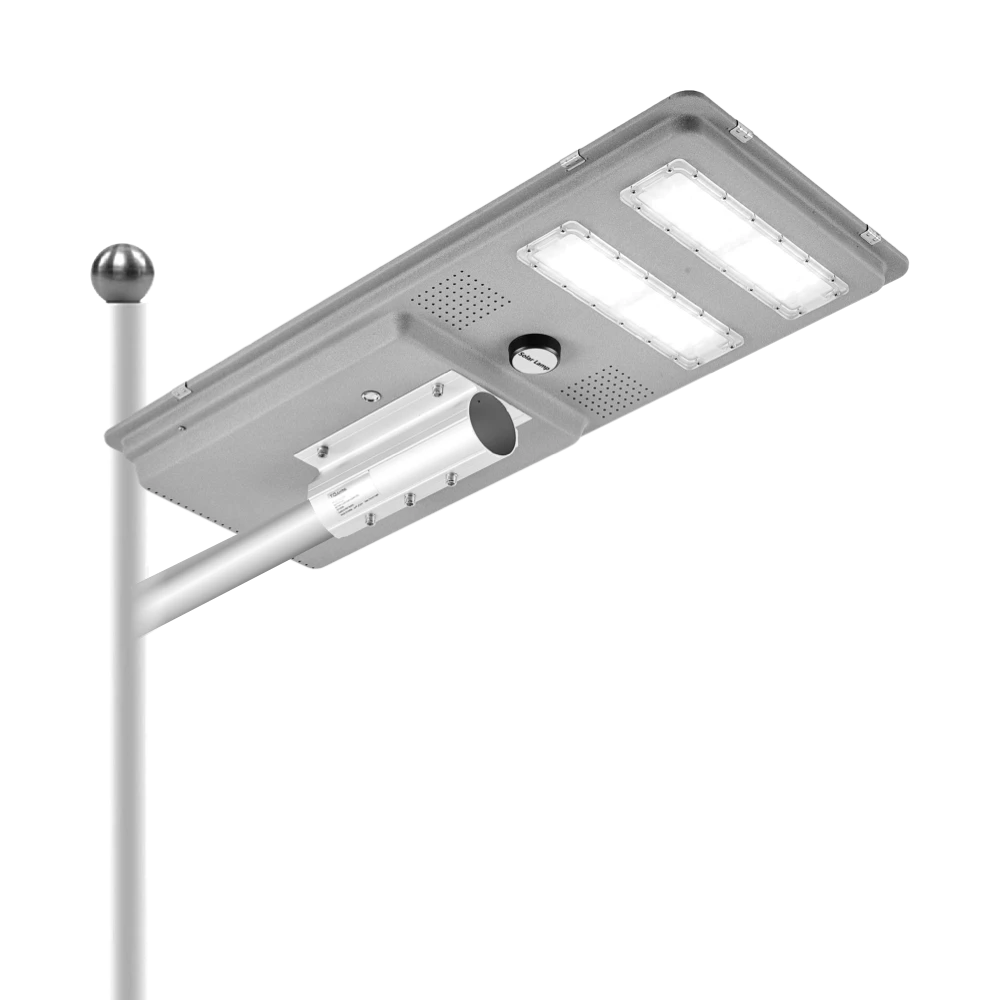
Queneng’s Solar Street Lights are designed to provide reliable, energy-efficient lighting for streets, parks, and other outdoor spaces.
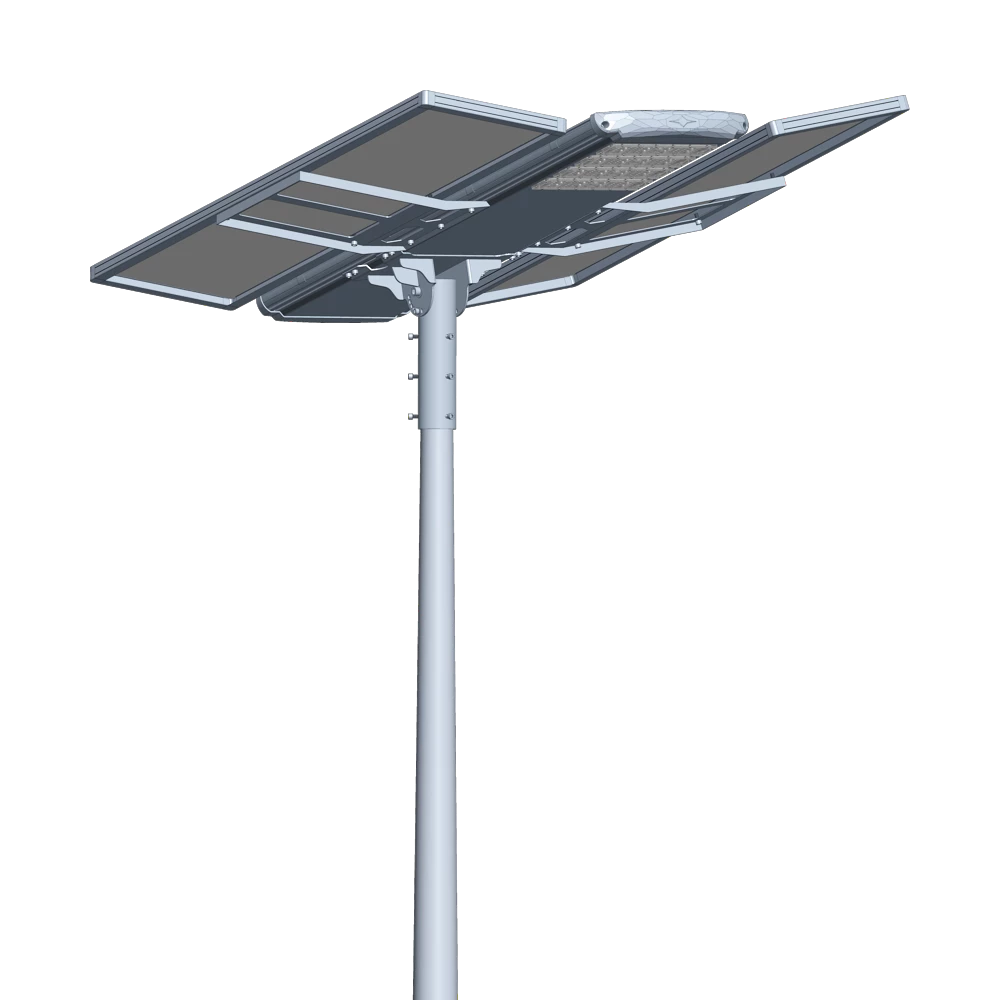
Introducing the Luqing Solar Street Light by Queneng, Efficient LED lighting powered by solar energy is perfect for illuminating outdoor areas. Harness the power of solar energy for sustainable, reliable street lighting. Ideal for eco-friendly, cost-effective outdoor illumination solutions.
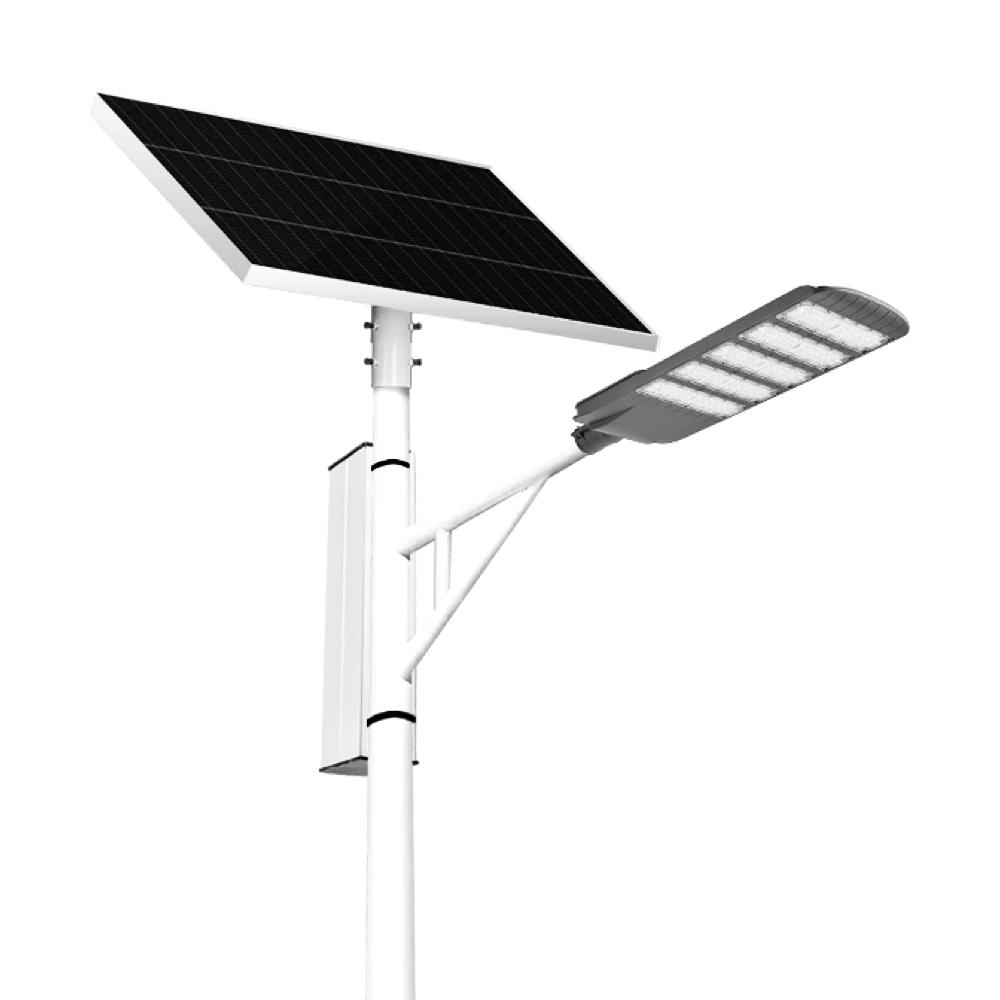
The Solar Streetlights of Luhao for Municipalities are designed to deliver reliable, energy-efficient, and cost-effective public lighting solutions. Equipped with advanced LED technology, durable lithium batteries, and high-efficiency solar panels, these streetlights provide consistent illumination for roads, parks, residential areas, and government projects.
Our professional team is ready to answer any questions and provide personalized support for your project.
You can reach us via phone or email to learn more about Queneng’s solar lighting solutions. We look forward to working with you to promote clean energy solutions!
Rest assured that your privacy is important to us, and all information provided will be handled with the utmost confidentiality.
By clicking 'Send Inquiry Now' I agree to Queneng processing my personal data.
To see how to withdraw your consent, how to control your personal data and how we process it, please see our Privacy Policy and Terms of use.
Schedule a Meeting
Book a date and time that is convenient for you and conduct the session in advance.
Have more questions about our products or services?
The messenger of light & power conversion
Environmental protection and intelligent manufacturing are our brand philosophy, and quality assurance and the best user experience are our eternal promises to users.
CONTACT
No.9F, Building F, Cao San Xin Tian Hong Logistics Park, Guzhen Town, Zhongshan City, Guangdong Province, China.
or write [email protected]
WhatsApp: +86 136 2270 1011


