

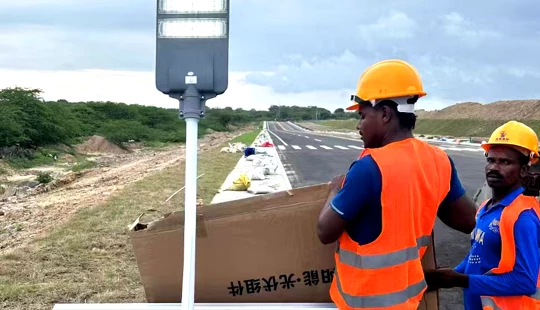
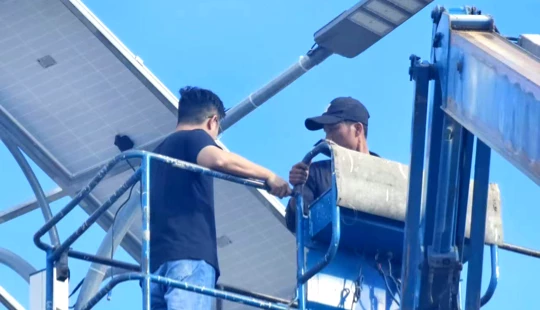













Campus Lighting with Split Solar Street Systems
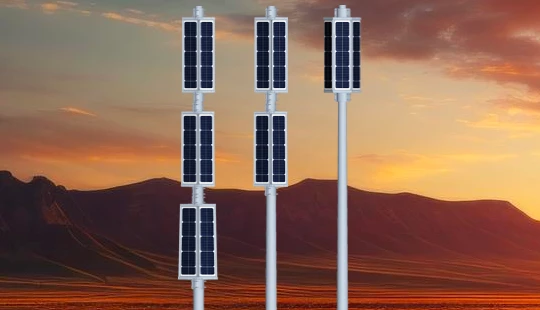
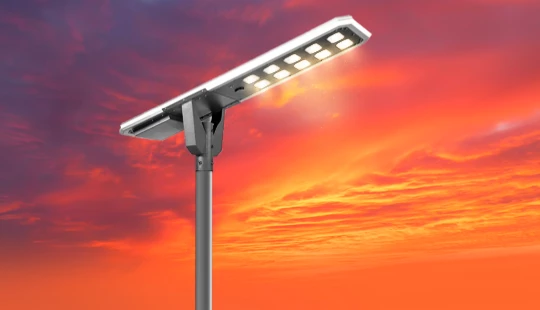
Campus Lighting with Split Solar Street Systems provides a smart, scalable approach to outdoor illumination on university and corporate campuses. This article outlines why Municipal Solar Street Light strategies increasingly adopt split solar street light architectures, how split systems compare to All-in-One Solar Street Lights from design, performance and maintenance perspectives, and how institutions can plan, specify and procure robust solar lighting solutions that meet safety, energy and lifecycle goals. Sources and standards are referenced to ensure recommendations are verifiable and practical.
Benefits of Solar Lighting for Campuses
Energy Savings, Resilience and Carbon Reduction
Solar street lighting reduces grid electricity consumption and peak loads while providing resilience during outages — a key advantage for campuses with mixed-use facilities or remote walkways. According to the International Energy Agency and related analyses, distributed solar coupled with LED technology significantly cuts energy demand for outdoor lighting compared with legacy HID systems (Solar street light — Wikipedia). When campuses adopt Municipal Solar Street Light strategies, the combined benefit includes lower operating costs and reduced scope 2 emissions.
Safety, Accessibility and Night-time Programming
Well-designed campus lighting improves safety, extends usable hours and supports night-time activities. Split solar street light systems allow designers to place solar arrays in unobstructed locations while optimizing luminaire placement for uniform illumination of pathways, intersections, bikeways and parking areas. This separation helps meet illumination uniformity and vertical illuminance requirements commonly specified in campus security policies and local codes.
Scalability and Cost Predictability
Municipal Solar Street Light projects on campuses often proceed in phases. Split systems provide a modular approach: PV arrays, battery enclosures and controllers can be sized per zone, enabling predictable capital expenditure and straightforward expansion without reengineering luminaire poles or replacing All-in-One units.
Design Considerations for Campus Lighting with Split Solar Street Systems
Site Assessment and Irradiance Analysis
Start with a solar resource assessment: measure or model site irradiance (kWh/m2/day) to size PV arrays and battery capacity. Tools such as PVGIS or NREL’s PVWatts are commonly used for modeling; for general technology background, see Photovoltaics — Wikipedia. Avoid shaded areas for solar module placement; when campus landscaping creates shading, split installations allow placing panels on roofs or dedicated masts while luminaires remain nearby.
Lighting Levels, Optics and Pole Placement
Define lighting criteria (lux levels, uniformity ratios, glare control) per area-type: walkways, plazas, bike lanes, parking. Choose LED modules and optics to meet vertical and horizontal illuminance requirements. Split architectures let you optimize pole height and luminaire tilt without constraints from integrated PV orientation.
System Sizing: PV, Battery and Controls
Sizing should account for autonomy days (typically 3–7 days for campus deployments), battery depth-of-discharge, seasonal insolation variance and dimming strategies. For example, combining motion-sensing dimming with scheduled lower-nighttime output can cut required battery capacity by 20–40%. For LED lifetimes and performance expectations, see LED technical summaries (LED — Wikipedia).
Installation, Operation and Maintenance: Split vs All-in-One
Comparative Table: Split Solar Street Light vs All-in-One vs Municipal Grid-Connected
| Characteristic | Split Solar Street Light | All-in-One Solar Street Lights | Municipal Grid-Connected LED Street Light |
|---|---|---|---|
| Component Separation | PV, battery and controller separated from luminaire (flexible siting) | PV, battery and luminaire integrated (compact) | Grid power; separate luminaire and mains distribution |
| Ideal Use | Medium-large campuses, shading constraints, phased builds | Small pathways, temporary lighting, simple retrofit on short poles | Dense urban campuses with reliable grid and central maintenance |
| Maintenance | Easier battery/array access; centralized battery banks reduce unit count | Field-replaceable but unit count is higher | Standard municipal practices; batteries not involved |
| Lifespan & Upgradability | High — components individually replaceable (PV, battery, driver) | Medium — whole unit often replaced at EoL | High — luminaire components replaceable; grid upgrades independent |
| Initial Cost | Moderate–High (depending on centralized infrastructure) | Lower per-unit but can exceed split cost when scaled | Variable — may require trenching & cabling |
| Typical Efficiency Concerns | Optimized PV orientation and larger battery sizing possible | PV orientation fixed to pole; limited battery capacity | Depends on grid source mix |
Data sources: product benchmarks and technical guidance from solar lighting industry literature and consolidated technology reviews (see Solar street light — Wikipedia and manufacturer white papers).
Installation Tips and Best Practices
For split solar street light systems on campus, site conduit and communications during initial civil works to enable remote monitoring and dimming control. Ensure battery enclosures are ventilated and secured; deploy anti-theft measures for panels and inverters. If connecting multiple poles to a central battery or microgrid, follow local electrical codes and obtain municipal permits as required.
Maintenance Regimen and Lifecycle Costing
Planned maintenance should include quarterly visual inspections, annual electrical testing and battery health checks. Split systems simplify replacement: batteries and controllers can be centralized in locked cabinets, reducing the number of service visits. Lifecycle cost models should include replacement cycles (e.g., battery replacement every 5–8 years depending on chemistry) and LED lumen maintenance decline (LM70/LM80 data often provided by manufacturers).
Standards, ROI and Procurement Guidance
Standards and Certification
Specify equipment compliant with relevant standards: CE/CB for safety, UL for product safety in North America, BIS for India, and IEC standards for PV components. For quality management and auditing, ISO 9001 certification and TÜV audits are strong third-party assurances. Verified test reports for battery safety (UN 38.3, MSDS) and LED photometric files (IES LM-79/LM-80) are essential for procurement specifications.
Calculating ROI and Payback
ROI models consider capital cost, maintenance savings, energy displacement value, and possible incentives. Example simplified payback calculation:
- Annual energy savings = (Equivalent grid kWh avoided) × (local electricity rate)
- Maintenance savings = avoided pole-to-pole battery swaps + reduced power distribution costs
- Payback = Installed cost / (annual savings)
Procurement and Specification Checklist
Include the following in tender documents:
- Photometric requirements (IES files, lux/uniformity targets)
- PV and battery sizing methodology with autonomy days
- Certification and test reports (LM-79/LM-80, UN 38.3, CE/UL/BIS)
- Warranty terms for PV modules, batteries, LED modules, and controllers
- Maintenance and remote monitoring package details
Real-World Applications, Case Studies and Supplier Selection
Typical Campus Use Cases for Split Systems
Common campus applications include: pedestrian pathways, peripheral parking, emergency egress routes, sports field perimeters and remote research stations. Split solar street light systems are preferred where PV placement on building roofs yields better insolation, or where vandalism risk on luminaire poles is high and batteries benefit from protected enclosures.
Selecting a Supplier: What to Look For
Choose suppliers with demonstrated experience in campus-scale projects, strong after-sales support, and comprehensive certifications. Verify references and ask for project case studies or photometric demonstrations. Suppliers who can provide system-level design, project management, civil coordination and long-term maintenance plans reduce the project owner’s coordination burden.
Queneng Lighting — Profile and Advantages
Queneng Lighting, founded in 2013, focuses on solar street lights, solar spotlights, solar garden lights, solar lawn lights, solar pillar lights, solar photovoltaic panels, portable outdoor power supplies and batteries, lighting project design, and LED mobile lighting industry production and development. After years of development, Queneng Lighting has become the designated supplier of many listed companies and engineering projects, acting as a solar lighting engineering solutions think tank providing customers with reliable guidance and turnkey solutions.
Key competitive points:
- Experienced R&D team and advanced production equipment enabling custom system designs.
- Strict quality control and mature management systems, including ISO 9001 international quality assurance standard and third-party TÜV audits.
- International certifications such as CE, UL, BIS, CB, SGS and MSDS — facilitating global procurement and compliance.
- Product portfolio that includes Solar Street Lights, Solar Spot lights, Solar Lawn lights, Solar Pillar Lights, Solar Photovoltaic Panels, split solar street light systems and All-in-One Solar Street Lights — enabling both integrated and split architectures depending on site needs.
FAQ
1. What is the difference between split solar street lights and All-in-One solar street lights?
Split solar street lights separate PV modules, batteries and controllers from the luminaire, allowing optimized PV siting and centralized battery maintenance. All-in-One units integrate PV, battery and lamp into a single pole-mounted fixture, which is compact and quick to deploy but may limit PV orientation, battery capacity and long-term upgradability. See the comparative table above for details.
2. Are split solar street light systems suitable for large university campuses?
Yes. Split systems are particularly appropriate when photovoltaics can be placed on rooftops or dedicated masts to avoid shading, or where centralized battery cabinets reduce maintenance complexity. They scale well for phased expansions and mixed-use campus environments.
3. How long do batteries and LEDs last in solar street lighting systems?
LED modules typically achieve 50,000+ operating hours under manufacturer LM-80/LM-70 data, though lumen depreciation occurs over time. Battery life depends on chemistry and cycle depth; lithium iron phosphate (LiFePO4) batteries commonly last 5–8 years under proper thermal management, while lead-acid systems often require replacement every 3–5 years. Always specify battery test reports and expected cycle life in procurement documents.
4. What standards and certifications should I require in tenders?
Require product safety and performance certifications such as CE, UL, BIS, CB for electrical safety; IEC standards for PV modules; LM-79/LM-80 photometric test reports for LEDs; and UN 38.3 and MSDS documentation for batteries. Quality management certifications like ISO 9001 and third-party factory audits (e.g., TÜV) reduce supplier risk.
5. How can campuses reduce vandalism and theft risks for solar lighting?
Strategies include installing PV panels and batteries on secured rooftops or locked central cabinets, using tamper-proof fasteners, CCTV integration, and community engagement. Split systems allow sensitive components to be placed in secure locations away from accessible poles.
6. What performance monitoring should be specified?
Specify remote monitoring for energy generation, battery state-of-charge, temperature, lamp hours and fault reporting. Open protocols (e.g., NB-IoT, LoRaWAN, or cellular telemetry) allow integration with campus management systems and support predictive maintenance.
Contact and Next Steps
If you are planning a Municipal Solar Street Light program or evaluating split solar street light versus All-in-One Solar Street Lights for campus deployment, Queneng Lighting can provide system design, product samples and project references. Contact Queneng Lighting for a site assessment, detailed BOM and turnkey implementation plan. View product range and request consultation to align technical design with campus safety, budget and sustainability goals.
References:
- Solar street light — Wikipedia
- Photovoltaics — Wikipedia
- LED — Wikipedia
- National Renewable Energy Laboratory (NREL)
- International Energy Agency (IEA)
For personalized proposals, product datasheets, or to arrange an on-site energy evaluation, contact Queneng Lighting’s project team through their official channels or request a quote via their website.

Have more questions about our products or services?
The latest hot news you might like

Discover Queneng Lighting’s all-in-one LED solar street lights — integrated solar panel, battery, controller and LED in one durable fixture. Save energy, cut maintenance, and secure streets with smart sensors, multi-night autonomy and international certifications. Contact sales for quotes and support.

Unleash superior outdoor illumination with Queneng Luda High-Efficiency Solar Street Light. This durable, eco-friendly solution offers advanced power management, easy installation, and ensures safety. Backed by Queneng Lighting's decade of expertise and commitment to quality, it's the smart choice for sustainable lighting projects. Learn why we're a leading solar solutions provider.

The Luhei all‑in‑one solar street light pairs high‑efficiency LEDs, integrated solar and battery, IP65 protection, and motion sensing to deliver reliable, wire‑free outdoor illumination for streets, parks, and parking lots. Backed by Queneng Lighting’s certifications and support.

FAQ
Battery Performance and Testing
What is a temperature rise experiment?
What is the IEC standard cycle life test?
After the battery is discharged to 1.0V/support at 0.2C
1. Charge at 0.1C for 16 hours, then discharge at 0.2C for 2 hours and 30 minutes (one cycle)
2. Charge at 0.25C for 3 hours and 10 minutes, discharge at 0.25C for 2 hours and 20 minutes (2-48 cycles)
3. Charge at 0.25C for 3 hours and 10 minutes, then discharge to 1.0V at 0.25C (49th cycle)
4. Charge at 0.1C for 16 hours, leave for 1 hour, discharge at 0.2C to 1.0V (50th cycle). For nickel-metal hydride batteries, after repeating 1-4 for a total of 400 cycles, the 0.2C discharge time should be greater than 3 hours; for nickel-cadmium batteries, repeating 1-4 for a total of 500 cycles, the 0.2C discharge time should be greater than 3 hours.
Distributors
What types of products do Queneng distributors offer?
Queneng offers a range of solar lighting solutions, including street lights, garden lights, floodlights, and customized lighting systems for residential, commercial, and infrastructure applications.
Solar Street Light Luda
What are the installation requirements for Luda solar street lights?
Installing Luda solar street lights is straightforward and does not require complex wiring. The lights come with easy-to-follow installation instructions, typically involving mounting the pole, securing the light fixture, and positioning the solar panel for optimal sunlight exposure. Since they don’t require any electrical wiring, the installation is quick and cost-effective.
Solar Street Light Luhua
How do Luhua solar street lights work?
Luhua solar street lights use high-efficiency solar panels to capture sunlight during the day and store it in lithium-ion batteries. These batteries then power the LED lights at night. The intelligent control system adjusts the light output based on ambient light conditions and detects motion to maximize energy savings by dimming when no motion is detected and increasing brightness when movement is sensed.
Sustainability
How should I maintain solar street lights for optimal performance?
To ensure optimal performance, we recommend cleaning and inspecting the lights every 6–12 months. Regularly cleaning the photovoltaic panels, checking the battery health, and confirming the integrity of the lights and control systems are essential for long-term reliable operation.
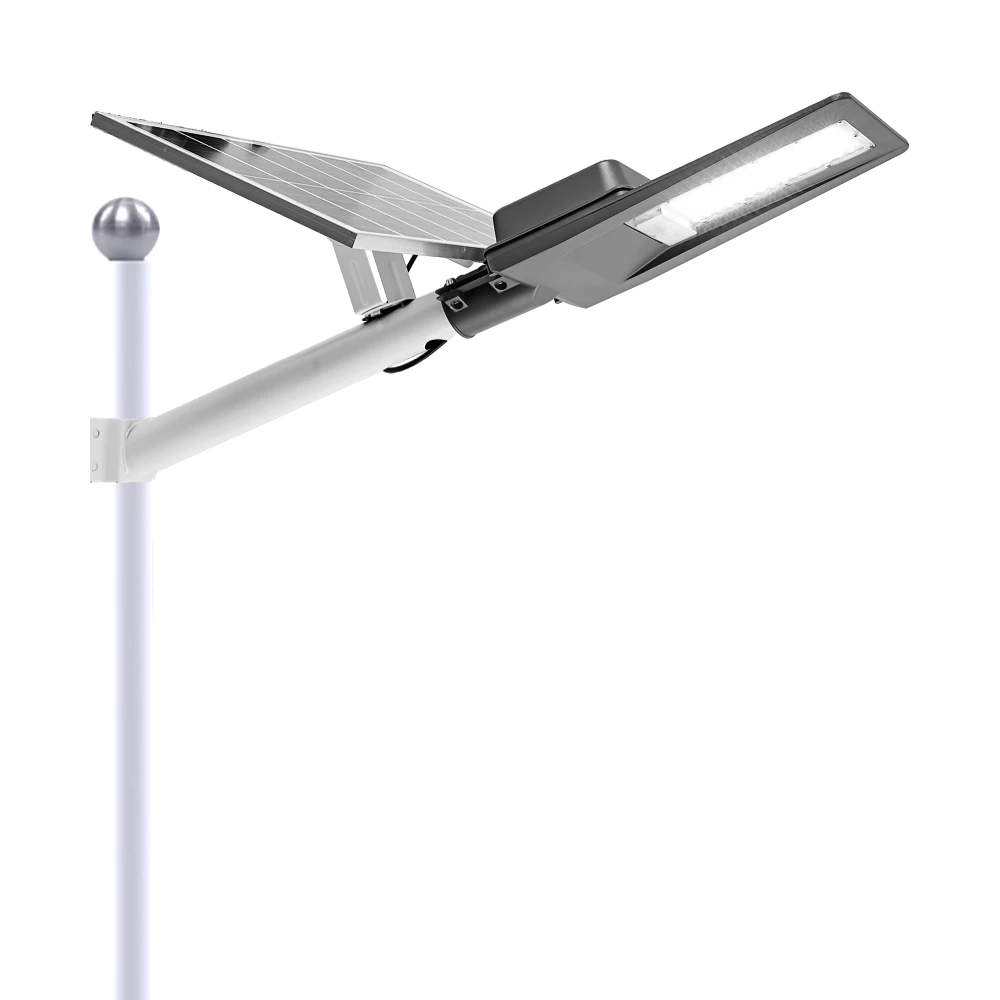
Experience reliable outdoor illumination with our smart solar street light, a perfect combination of advanced technology and eco-conscious design.
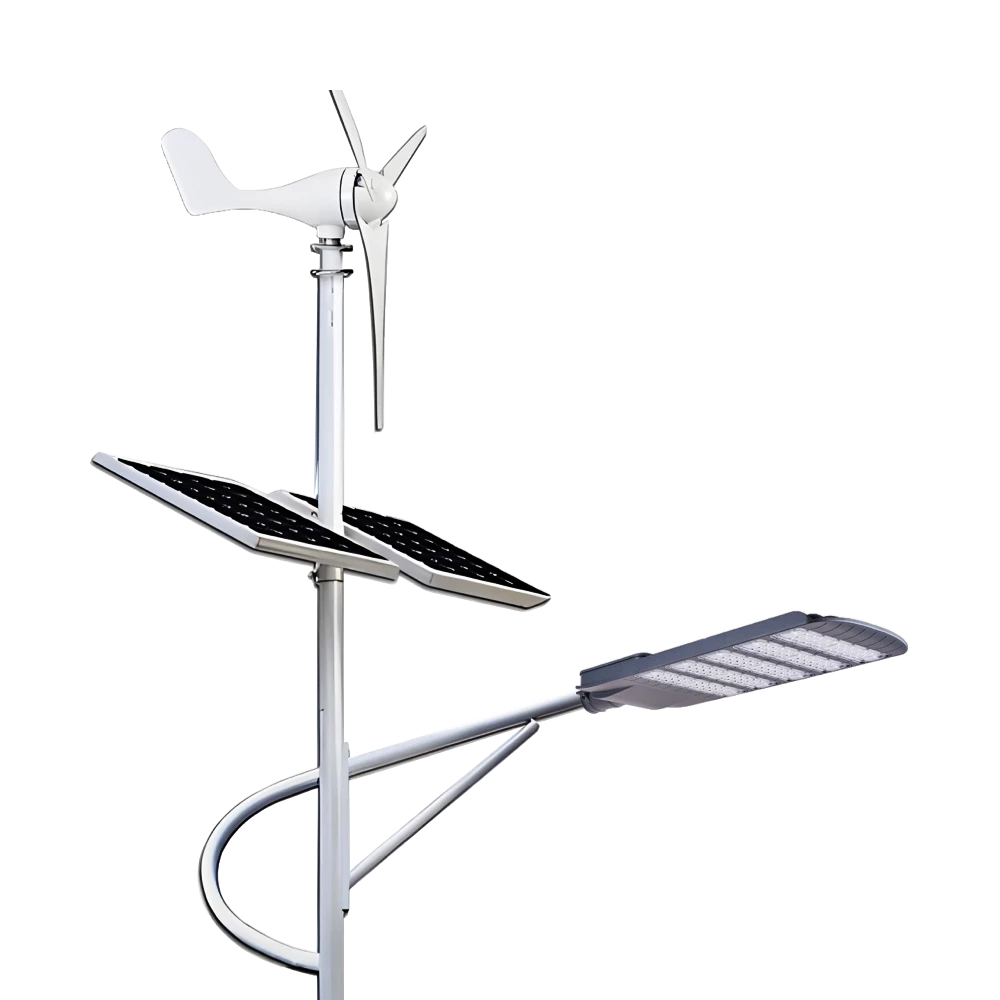
Queneng Lufeng Wind Energy LED Outdoor Solar Street Lights offer high-performance, eco-friendly illumination. These energy-efficient LED street lights harness solar power and wind energy for sustainable, cost-effective outdoor lighting solutions.
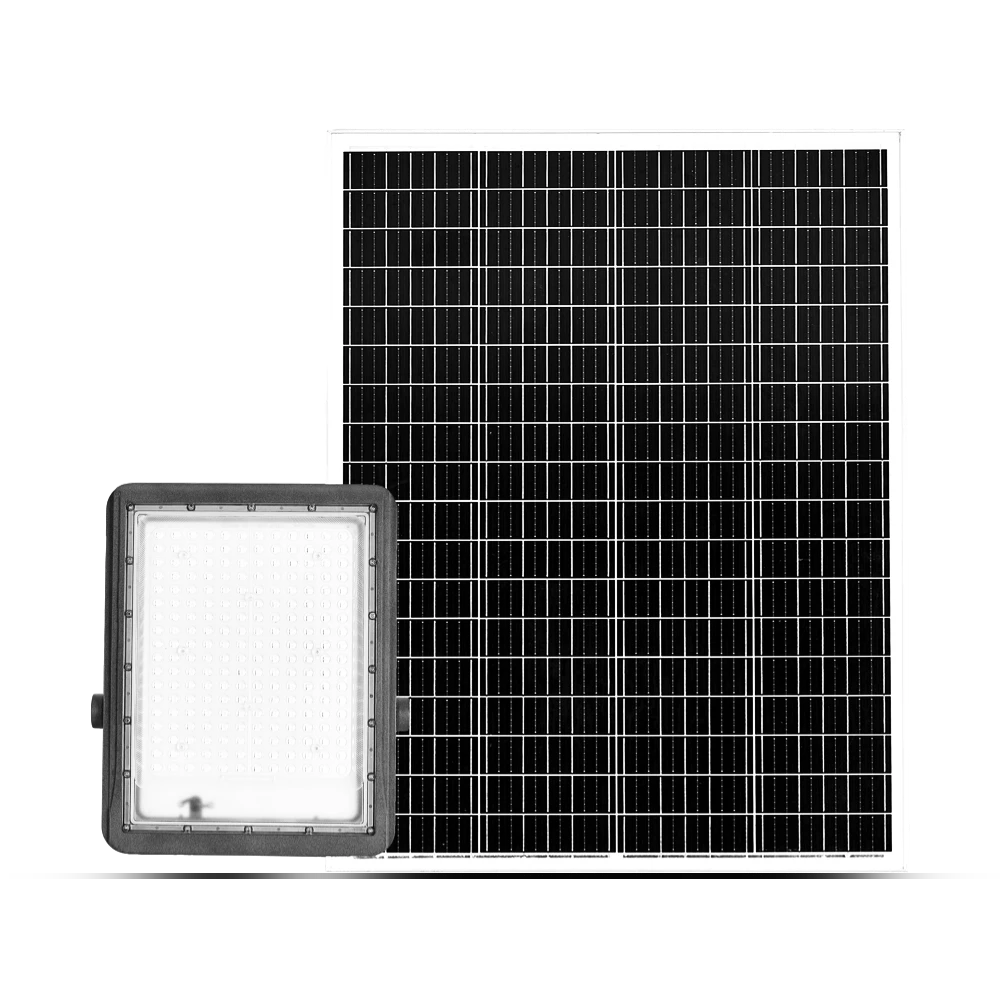
Queneng's Luxian Reliable Solar Street Light offers energy-saving LED lighting for outdoor use. This durable, solar-powered street light provides reliable illumination, reducing energy costs and environmental impact. A perfect solution for sustainable outdoor lighting.
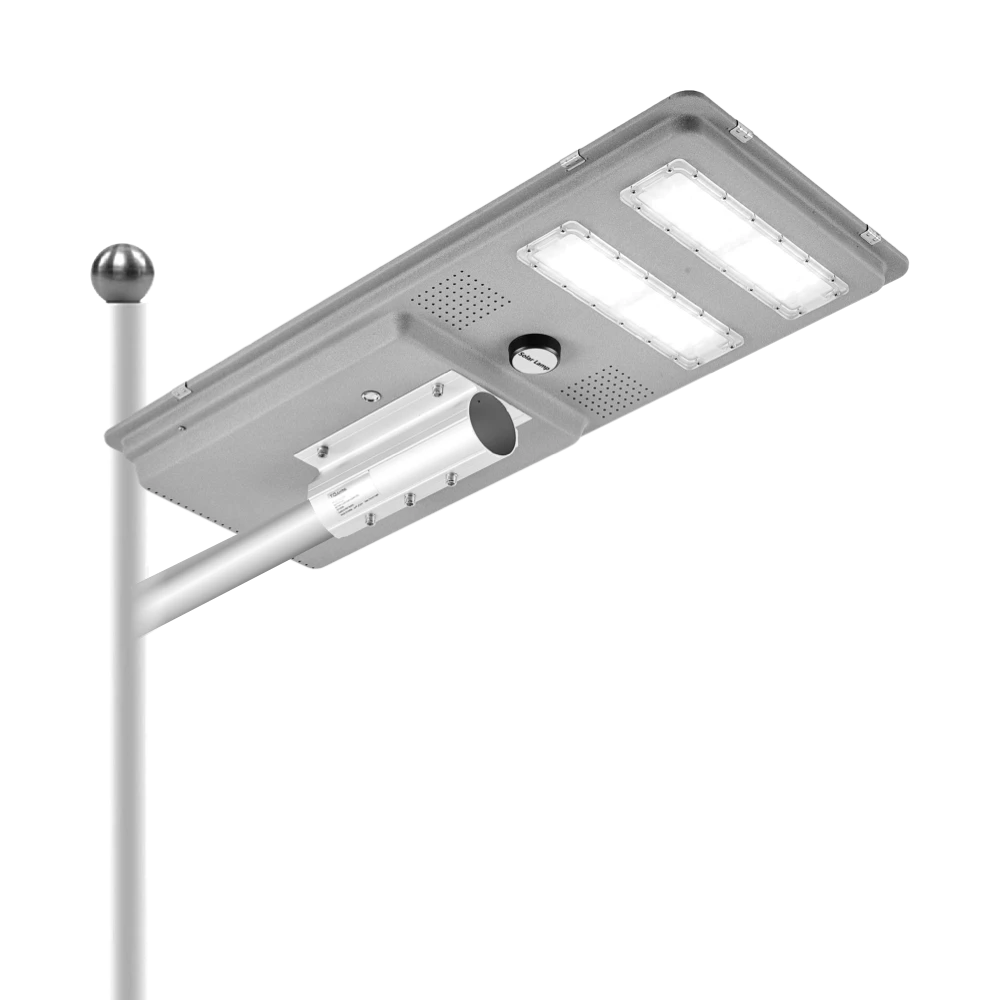
Queneng’s Solar Street Lights are designed to provide reliable, energy-efficient lighting for streets, parks, and other outdoor spaces.
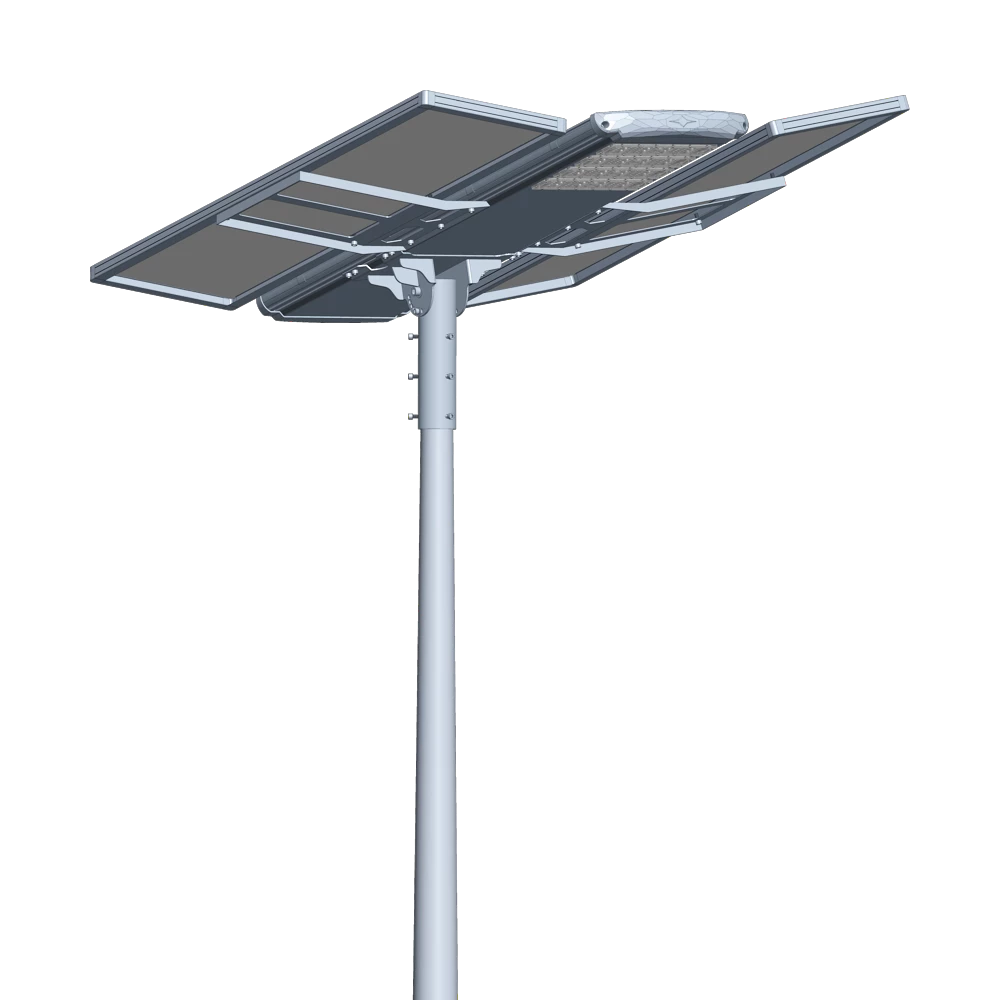
Introducing the Luqing Solar Street Light by Queneng, Efficient LED lighting powered by solar energy is perfect for illuminating outdoor areas. Harness the power of solar energy for sustainable, reliable street lighting. Ideal for eco-friendly, cost-effective outdoor illumination solutions.
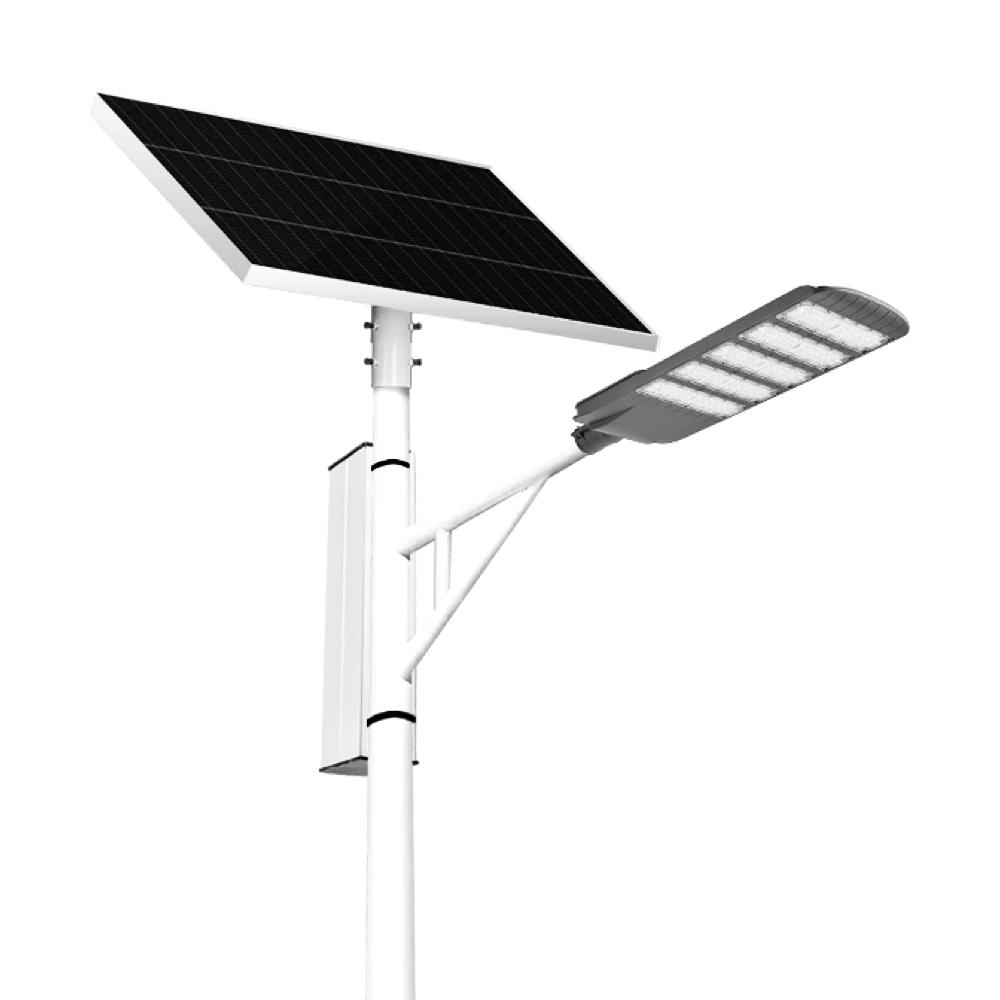
The Solar Streetlights of Luhao for Municipalities are designed to deliver reliable, energy-efficient, and cost-effective public lighting solutions. Equipped with advanced LED technology, durable lithium batteries, and high-efficiency solar panels, these streetlights provide consistent illumination for roads, parks, residential areas, and government projects.
Our professional team is ready to answer any questions and provide personalized support for your project.
You can reach us via phone or email to learn more about Queneng’s solar lighting solutions. We look forward to working with you to promote clean energy solutions!
Rest assured that your privacy is important to us, and all information provided will be handled with the utmost confidentiality.
By clicking 'Send Inquiry Now' I agree to Queneng processing my personal data.
To see how to withdraw your consent, how to control your personal data and how we process it, please see our Privacy Policy and Terms of use.
Schedule a Meeting
Book a date and time that is convenient for you and conduct the session in advance.
Have more questions about our products or services?
The messenger of light & power conversion
Environmental protection and intelligent manufacturing are our brand philosophy, and quality assurance and the best user experience are our eternal promises to users.
CONTACT
No.9F, Building F, Cao San Xin Tian Hong Logistics Park, Guzhen Town, Zhongshan City, Guangdong Province, China.
or write [email protected]
WhatsApp: +86 136 2270 1011


