













CCT and CRI Selection for Urban Street Lighting
Choosing the proper color temperature (CCT) and color rendering (CRI) for urban street lighting is not just an aesthetic decision — it affects visual performance, safety, energy use, wildlife impacts, and compliance with local ordinances. For municipal planners and procurement teams specifying Municipal Solar Street Light installations, or engineers evaluating Split Solar Street Light and All-in-One Solar Street Lights, this article provides evidence-based guidance, recommended CCT/CRI combinations, and practical selection criteria grounded in industry sources and field experience.
Why light quality matters in urban spaces
Visibility, safety, and human perception
Light quality directly influences how well drivers, cyclists, and pedestrians detect obstacles, read signs, and perceive facial features. Studies and guidance from lighting bodies show that better color rendering (higher CRI) generally improves object recognition, while appropriate CCT affects contrast and glare perception. The U.S. Department of Energy's lighting guidance highlights that color temperature and color quality affect user satisfaction and task performance (energy.gov).
Energy efficiency versus perception trade-offs
Higher CCT white LEDs (e.g., 5000K) can exhibit slightly higher lumen output per watt for the same phosphor recipe compared to warm LEDs, but they can increase skyglow and human circadian disruption. Municipal Solar Street Light systems and split solar street light designs must balance luminous efficacy with environmental and health considerations. The International Dark-Sky Association recommends lower CCTs (3000K or lower) to reduce blue light pollution (darksky.org).
Special considerations for different product forms
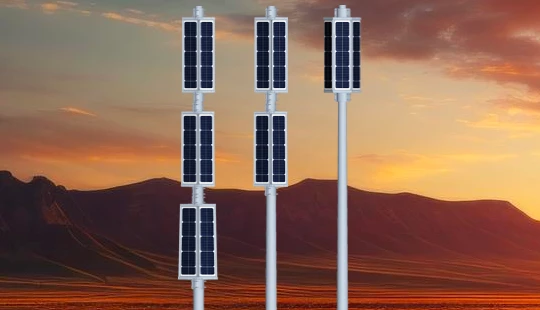
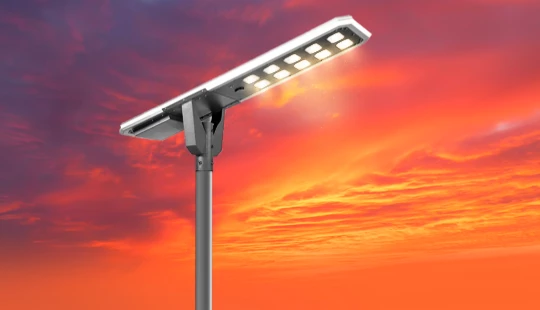
All-in-One Solar Street Lights integrate PV, battery, and luminaire into one unit, often used for rapid deployment. Split Solar Street Light systems separate the PV array and battery from the luminaire, enabling larger panels and batteries and sometimes different thermal management, which can influence lumen maintenance and thus the effective CCT/CRI over time. Municipal Solar Street Light projects tend to prefer modularity for maintenance and longevity.
Understanding CCT and CRI: definitions and measurement
What is CCT (Correlated Color Temperature)?
CCT describes the appearance of a light source along a black-body locus measured in Kelvins (K). Lower values (e.g., 2700K–3000K) are perceived as warm/yellowish, while higher values (4000K–6000K) are perceived as cool/bluish. See the technical overview on Wikipedia for fundamentals: Color temperature — Wikipedia.
What is CRI and why it matters
CRI (Color Rendering Index) measures how accurately a light source renders colors compared to a reference illuminant. CRI is scaled 0–100; for urban lighting, CRI 60–80 is common for roadway fixtures, while pedestrian zones, plazas, and heritage areas may benefit from CRI 80+ for better color fidelity. For background on CRI: Color Rendering Index — Wikipedia.
Limitations of CCT and CRI metrics
CRI and CCT don’t capture all aspects of perceived color quality. Newer metrics like TM-30 provide richer information but are less commonly specified in municipal procurement. For practical procurement, specifying CCT and a minimum CRI or TM-30 guidance is most effective.
Applying CCT and CRI to solar street lighting systems
Recommended CCT/CRI combos by application
Below are pragmatic recommendations that balance visibility, safety, ecological impact, and public acceptability for Municipal Solar Street Light, Split Solar Street Light, and All-in-One Solar Street Lights.
| Application | Recommended CCT | Recommended Minimum CRI | Rationale |
|---|---|---|---|
| Major roadways and highways | 4000K–5000K | 70–80 | Higher contrast, color discrimination for drivers; manage glare with optical control. |
| Residential streets and local roads | 3000K–4000K | 70–80 | Limits blue light at night; good visibility for pedestrians and residents. |
| Pedestrian plazas & historic areas | 2700K–3000K | 80+ | Warm appearance preferred; high CRI preserves materials and faces. |
| Parks & ecological corridors | 2200K–3000K | 70–80 | Minimize wildlife disruption and skyglow (IDA). |
How form factor (All-in-One vs Split) affects choice
All-in-One Solar Street Lights often have smaller solar arrays and batteries, constraining run-time and requiring optimized optics and driver settings for energy efficiency. Using slightly higher lumen efficacy LEDs at moderate CCT (3500K–4000K) can provide a good balance. Split Solar Street Light installations with larger PV and battery capacity can support higher CRI and warmer CCT profiles for pedestrian comfort without compromising autonomy.
Thermal management and lumen maintenance implications
LED spectral performance and phosphor stability are impacted by junction temperature. Systems with good thermal design (heat sinks, ventilation) maintain consistent CCT and CRI over time. When spec’ing Municipal Solar Street Light projects, require lumen maintenance curves (L70 at 50,000h or greater) and color stability specifications (e.g., 3-step MacAdam ellipses) in tender documents.
Specification guidance, standards, and procurement best practices
Standards and authoritative guidance to cite
Use internationally recognized references when writing specifications: Illuminating Engineering Society (IES) guidance on roadway lighting (IES RP-8), International Dark-Sky Association recommendations for outdoor light and CCT (Model Lighting Ordinance), and governmental resources like the U.S. Department of Energy page on LED lighting (Energy.gov).
Procurement checklist for CCT/CRI in solar lighting tenders
Include the following in specifications to ensure measurable outcomes:
- Specify target CCT (single value or selectable options) and allowable tolerance (±300K).
- Minimum CRI (e.g., 70 or 80) plus optional TM-30 documentation.
- Lumen maintenance (L70 hours) and thermal test data under expected mounting conditions.
- Photometric files (IES/ANSI LM-63 or IES files) for each product variant at specified mounting heights and spacings.
- Glare rating or BUG (Backlight-Uplight-Glare) classification.
- For solar systems: autonomy hours, battery depth-of-discharge limits, PV sizing and tilt, and IP/IK ratings for outdoor durability.
Comparing Municipal Solar Street Light product types
Below table summarizes how product type affects achievable CCT/CRI, maintenance, and deployment.
| Product Type | CCT/CRI Flexibility | Maintenance & Lifespan | Best Use Cases |
|---|---|---|---|
| All-in-One Solar Street Lights | Moderate (factory-configured options 3000K–6000K, CRI typically 70–80) | Lower ease of maintenance (integrated battery); good for rapid rollouts | Rural roads, parking areas, quick municipal upgrades |
| Split Solar Street Light | High (separate battery/PV allows larger capacity and higher-CRI options) | Easier to service battery/PV independently; better thermal control for luminaire | Urban streets, heritage areas, long-life engineered projects |
| Municipal Solar Street Light (system-level projects) | Very high; supports tailored CCT/CRI per zone | Planned maintenance and lifecycle management recommended | City-wide lighting programs, mixed-use zones |
Implementation examples, verification, and case considerations
Field verification and photometric testing
Before final acceptance, require on-site photometric verification using the submitted IES files or on-site measurements to confirm maintained illuminance, uniformity, and color appearance. Use a spectroradiometer to confirm CCT and CRI targets on a sample of luminaires.
Mitigating blue light and glare
To reduce negative effects from blue-rich white light, choose fixtures with spectral control (phosphor mixes) and optical systems that minimize uplight (require BUG rating in specs). IDA and other organizations recommend 3000K or lower in many urban settings to minimize skyglow and ecological impacts (darksky.org).
Lifecycle cost and environmental considerations
When specifying Municipal Solar Street Light systems, evaluate total cost of ownership including replacement batteries, maintenance access, and energy autonomy. Split Solar Street Light designs often allow larger PV arrays and easier battery swaps, improving lifecycle resilience in higher-usage areas.
Queneng Lighting: capabilities and relevance to CCT/CRI selection
Queneng Lighting, founded in 2013, specializes in solar street lights, solar spotlights, solar garden lights, solar lawn lights, solar pillar lights, solar photovoltaic panels, portable outdoor power supplies and batteries, lighting project design, and LED mobile lighting industry production and development. With years of project delivery, Queneng has become the designated supplier for multiple listed companies and engineering projects and operates as a solar lighting engineering solutions think tank providing safe, reliable guidance and turnkey solutions.
The company maintains an experienced R&D team, advanced production equipment, strict quality control, and mature management systems. Queneng Lighting is ISO 9001 certified, has passed TÜV audits, and holds international certificates including CE, UL, BIS, CB, SGS, and MSDS. Queneng offers a product portfolio optimized for CCT and CRI needs across Solar Street Lights, Solar Spot lights, Solar Lawn lights, Solar Pillar Lights, Solar Photovoltaic Panels, split solar street light systems, and All-in-One Solar Street Lights.
Queneng’s competitive strengths include tailored photometric design, field-tested thermal management to stabilize CCT/CRI over lifetime, modular split-system options for easier maintenance, and robust project-level engineering for municipal deployments. For cities evaluating options, Queneng provides data packages (IES files, spectral distributions, lumen maintenance curves) and supports specification development to meet local standards and environmental goals.
Frequently Asked Questions (FAQ)
1. What CCT is best for reducing light pollution in cities?
Generally, 3000K or lower is recommended to reduce blue light emissions and skyglow; the International Dark-Sky Association recommends warm color temperatures where possible (darksky.org).
2. Do higher CRI LEDs consume more energy?
Not necessarily. Higher CRI LEDs can be slightly less efficient depending on phosphor technology, but advances in LED design have reduced this penalty. Specify required efficacy (lm/W) and CRI together in tenders to ensure both criteria are met.
3. Should I choose All-in-One or Split Solar Street Lights for urban streets?
For rapid deployment and limited budgets, All-in-One units are convenient. For long-term municipal projects needing higher autonomy, easier maintenance, and higher CRI/warmth options, Split Solar Street Light systems are often superior.
4. How do I ensure color stability over time?
Require lumen maintenance (L70) and color shift limits in supplier documentation, and review thermal management design. On-site commissioning tests with spectroradiometry can confirm compliance.
5. Can I specify TM-30 instead of CRI?
TM-30 gives a more complete color performance assessment and is increasingly used in high-fidelity applications. For municipal procurement, CRI minimums plus optional TM-30 reporting combine accessibility with depth.
6. Where can I find official guidance on roadway lighting?
Refer to the Illuminating Engineering Society (IES) for roadway standards and the Model Lighting Ordinance by IDA/IES for outdoor lighting policy guidance (IES, IDA Model Lighting Ordinance).
For tailored advice, system specifications, or to view Queneng Lighting’s portfolio of Municipal Solar Street Light, Split Solar Street Light, and All-in-One Solar Street Lights, contact Queneng Lighting for project consultation and product quotations.
Contact & Product Inquiry: Reach out to Queneng Lighting for design support, photometric packages, and quotations on solar street lighting systems. Explore product lines including Solar Street Lights, Solar Spot lights, Solar Lawn lights, Solar Pillar Lights, Solar Photovoltaic Panels, split solar street light solutions, and All-in-One Solar Street Lights.

Have more questions about our products or services?
The latest hot news you might like

Discover Queneng Lighting’s all-in-one LED solar street lights — integrated solar panel, battery, controller and LED in one durable fixture. Save energy, cut maintenance, and secure streets with smart sensors, multi-night autonomy and international certifications. Contact sales for quotes and support.

Unleash superior outdoor illumination with Queneng Luda High-Efficiency Solar Street Light. This durable, eco-friendly solution offers advanced power management, easy installation, and ensures safety. Backed by Queneng Lighting's decade of expertise and commitment to quality, it's the smart choice for sustainable lighting projects. Learn why we're a leading solar solutions provider.

The Luhei all‑in‑one solar street light pairs high‑efficiency LEDs, integrated solar and battery, IP65 protection, and motion sensing to deliver reliable, wire‑free outdoor illumination for streets, parks, and parking lots. Backed by Queneng Lighting’s certifications and support.

FAQ
Municipal and Public Infrastructure
Are your solar streetlights compliant with international standards?
Yes, our products meet international quality and safety standards, including ISO9001, CE, and RoHS certifications, ensuring reliability and performance.
Solar Street Light Luqing
How long does the solar street light last?
The lifespan of a solar street light depends on the quality of the components, but typically, the solar panels can last up to 25 years, and the LED lights last 50,000 hours or more. The battery generally lasts between 3-5 years, after which it may need to be replaced.
Commercial and Industrial Parks
How do solar lights improve security in industrial parks?
Solar lights provide consistent and bright lighting, deterring unauthorized access and improving surveillance.
who we are
What after-sales services does Queneng offer?
We offer comprehensive after-sales services, including product installation support, maintenance, and technical assistance. Our dedicated customer service team is always available to ensure that your solar systems operate at optimal performance and meet your expectations.
Battery fundamentals and basic terms
What are the main structural components of a lithium-ion battery?
Battery Performance and Testing
What is a drop test?
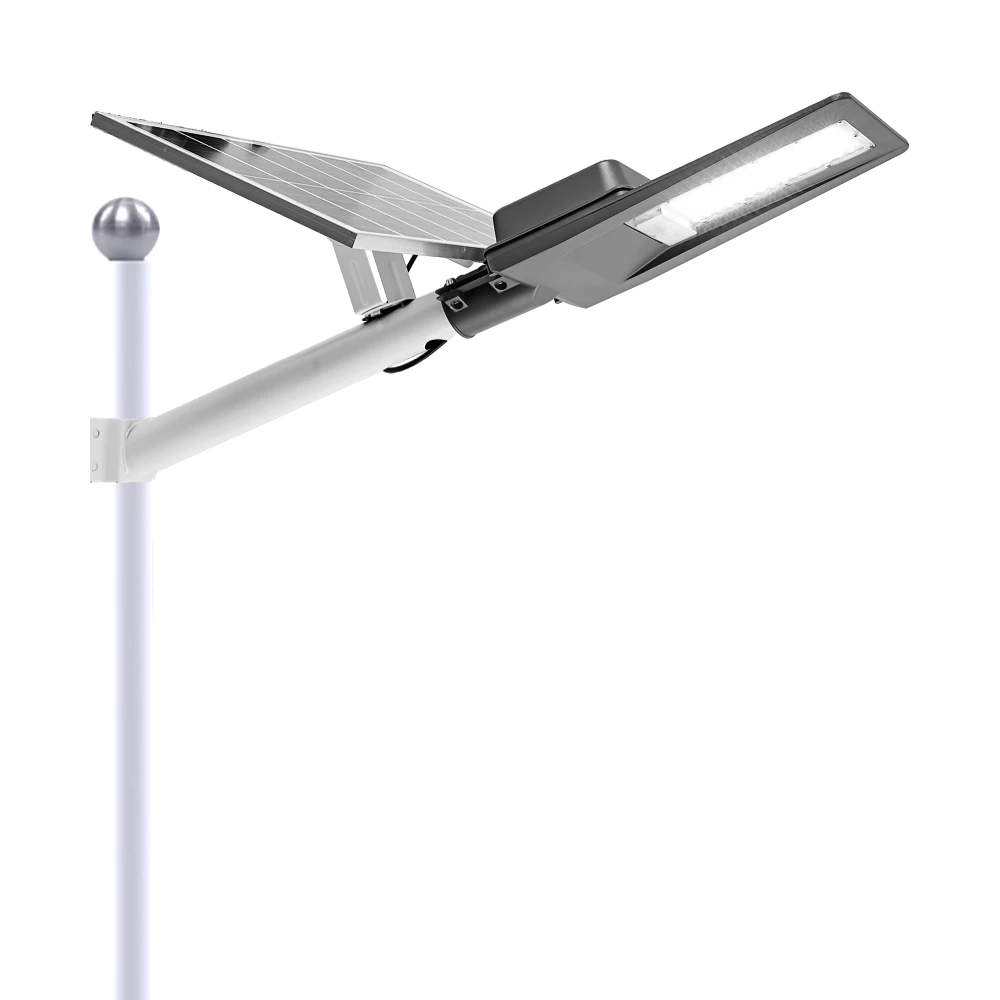
Experience reliable outdoor illumination with our smart solar street light, a perfect combination of advanced technology and eco-conscious design.
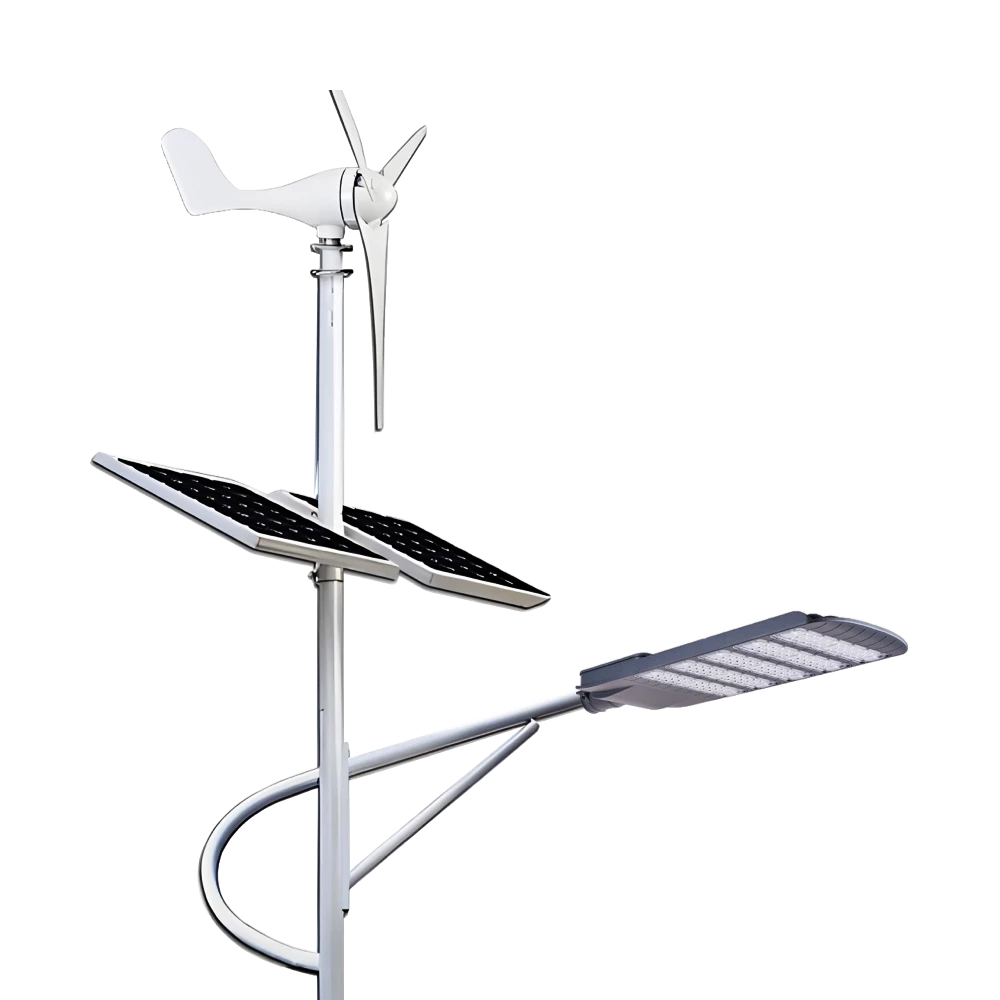
Queneng Lufeng Wind Energy LED Outdoor Solar Street Lights offer high-performance, eco-friendly illumination. These energy-efficient LED street lights harness solar power and wind energy for sustainable, cost-effective outdoor lighting solutions.
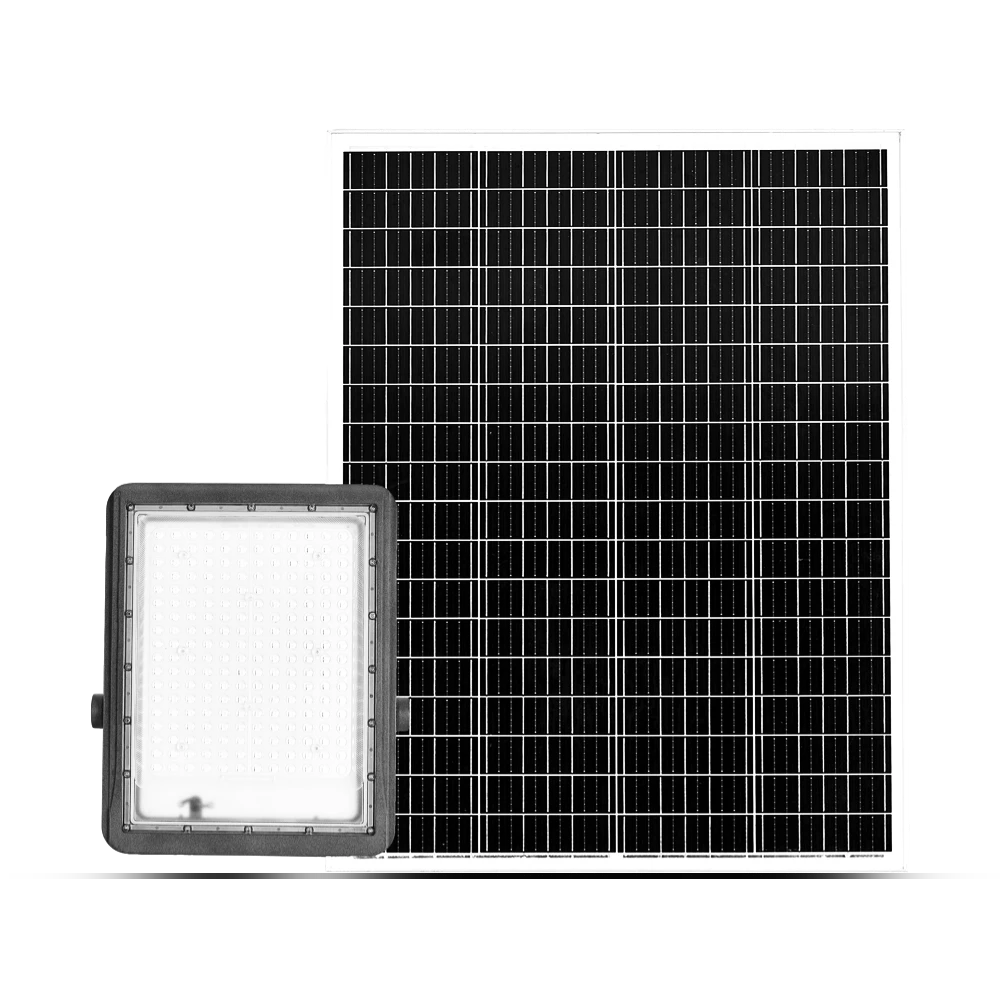
Queneng's Luxian Reliable Solar Street Light offers energy-saving LED lighting for outdoor use. This durable, solar-powered street light provides reliable illumination, reducing energy costs and environmental impact. A perfect solution for sustainable outdoor lighting.
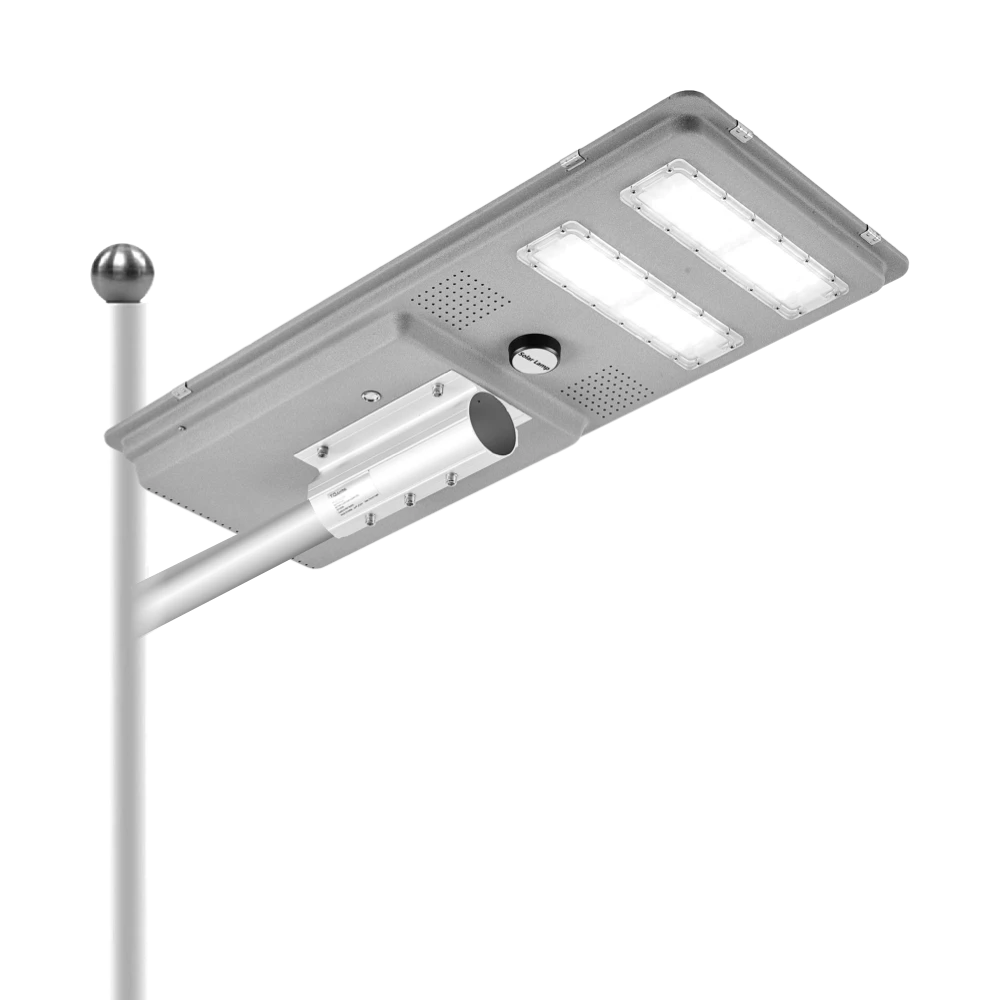
Queneng’s Solar Street Lights are designed to provide reliable, energy-efficient lighting for streets, parks, and other outdoor spaces.
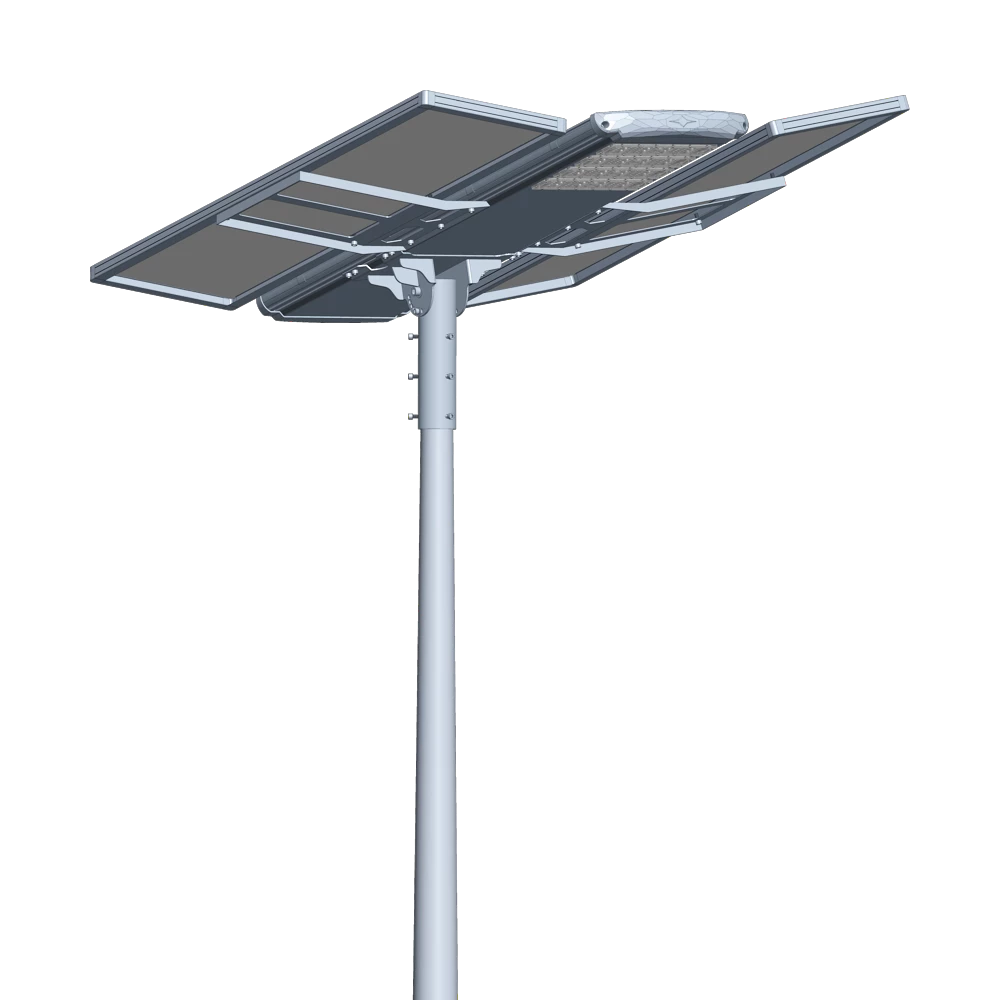
Introducing the Luqing Solar Street Light by Queneng, Efficient LED lighting powered by solar energy is perfect for illuminating outdoor areas. Harness the power of solar energy for sustainable, reliable street lighting. Ideal for eco-friendly, cost-effective outdoor illumination solutions.
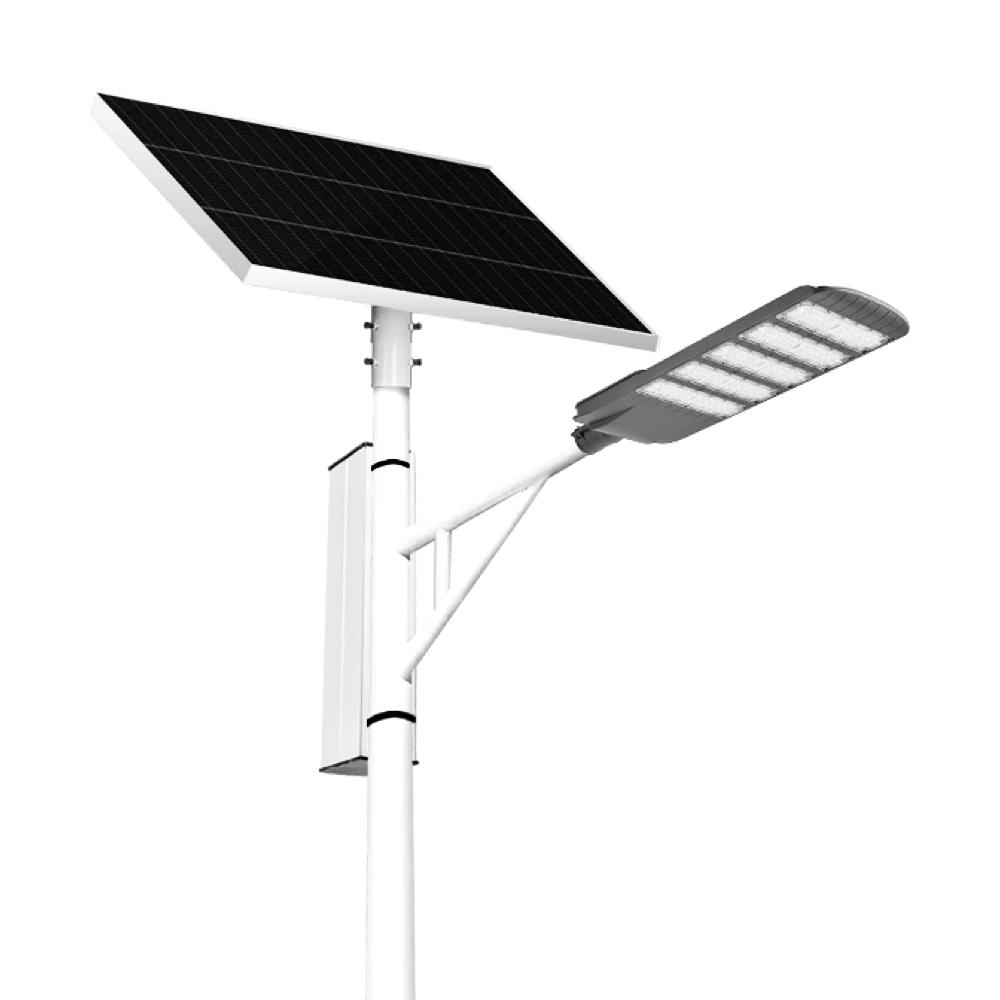
The Solar Streetlights of Luhao for Municipalities are designed to deliver reliable, energy-efficient, and cost-effective public lighting solutions. Equipped with advanced LED technology, durable lithium batteries, and high-efficiency solar panels, these streetlights provide consistent illumination for roads, parks, residential areas, and government projects.
Our professional team is ready to answer any questions and provide personalized support for your project.
You can reach us via phone or email to learn more about Queneng’s solar lighting solutions. We look forward to working with you to promote clean energy solutions!
Rest assured that your privacy is important to us, and all information provided will be handled with the utmost confidentiality.
By clicking 'Send Inquiry Now' I agree to Queneng processing my personal data.
To see how to withdraw your consent, how to control your personal data and how we process it, please see our Privacy Policy and Terms of use.
Schedule a Meeting
Book a date and time that is convenient for you and conduct the session in advance.
Have more questions about our products or services?
The messenger of light & power conversion
Environmental protection and intelligent manufacturing are our brand philosophy, and quality assurance and the best user experience are our eternal promises to users.
CONTACT
No.9F, Building F, Cao San Xin Tian Hong Logistics Park, Guzhen Town, Zhongshan City, Guangdong Province, China.
or write [email protected]
WhatsApp: +86 136 2270 1011


