










Certification Roadmap for Export Markets
Exporting solar lighting products such as municipal solar street light, split solar street light, and all-in-one solar street lights requires a clear, verifiable certification roadmap. This article summarizes the compliance landscape that customs, project owners, and EPCs expect in major export markets, and provides a practical step-by-step plan for product testing, documentation, and market filing that aligns with international standards and buyer expectations. The guidance below is written to support for manufacturers, exporters, procurement teams, and project engineers seeking reliable, actionable certification strategies.
Why certifications matter for solar street lighting exporters
Regulatory acceptance and market access
Certifications are the gateway to legally placing products on a market and to winning tenders. For example, CE marking is required to demonstrate conformity for many electrical products in the European Economic Area (European Commission: CE marking). Similarly, UL listing is often required or strongly preferred by US utilities and municipal buyers (UL).
Procurement confidence and bankability
Large buyers and financiers base procurement and financing decisions on internationally recognized certifications and test reports. Quality marks from accredited bodies (e.g., TÜV, SGS) and compliance to IEC standards reduce perceived project risk and can shorten approval cycles for municipal projects and engineering firms.
Product safety, performance, and lifecycle assurance
Standards such as IEC 60598 (luminaires) and IEC 62133 (battery safety) set objective criteria for safety and longevity. Meeting these standards protects end users and ensures that municipal solar street light deployments and split solar street light systems achieve designed lifetimes under real-world conditions. See IEC general information: IEC.
Certification requirements by export market
European Union — CE and applicable harmonized standards
For the EU market, CE marking plus compliance with applicable EU directives (Low Voltage Directive, Electromagnetic Compatibility, RoHS where applicable) is mandatory. For solar luminaires and PV modules, manufacturers typically reference IEC standards harmonized to EU requirements. Verification often includes EMC testing, electrical safety, and RoHS compliance. Official CE guidance: European Commission.
United States — UL/ETL and DOE/utility specs
In the US market, UL certification or an ETL listing demonstrates compliance with national safety standards; many municipalities also require lighting performance verification and DLC listing for utility rebates. See UL: https://www.ul.com. Device-level testing (photometry, electrical safety) and documentation is typical.
India, Brazil and other large emerging markets
India: Bureau of Indian Standards (BIS) certification is mandatory for certain electrical goods and often required in municipal tenders. BIS official site: BIS.Brazil: INMETRO conformity may be required for sale and procurement. INMETRO: INMETRO.Africa/South Africa: National approvals (e.g., SABS) and IEC-based testing are common. SABS: SABS.
Global acceptance via CB/IECEE and third-party labs
The IECEE CB Scheme facilitates mutual recognition of test reports among member National Certification Bodies, lowering duplication of testing when targeting multiple markets. IECEE CB scheme: IECEE.
Technical preparation and testing roadmap
Identify applicable standards and create a compliance matrix
Start by mapping product variants to required standards. Key standards to consider include IEC 60598 (luminaires), IEC 61215 & IEC 61730 (PV modules), IEC 62133 (rechargeable battery safety), IEC 62446 (PV system documentation), and EMI/EMC standards as applicable. Use an internal compliance matrix listing: market → directive/standard → test type → responsible lab → estimated timeline.
Prototype testing, reliability and environmental assessment
Before formal certification, perform pre-compliance testing: electrical safety, EMC pre-checks, photometric measurements (IES LM-79 style testing or equivalent), IP and IK impact testing, and accelerated lifetime tests (thermal cycling, UV, salt spray for coastal installations). For split solar street light systems, pay special attention to connector integrity and cable routing; for all-in-one solar street lights verify panel integration and thermal dissipation under combined loading.
Documentation, BOM traceability, and factory quality systems
Certification bodies require complete technical documentation and traceability. Key documents: product technical file, drawings, BOM, test reports, manufacturing quality control plans, and supplier qualifications for critical components (LED modules, PV cells, battery cells). Implementing ISO 9001 quality systems expedites audits; see ISO 9001: ISO.
Practical timeline, costs and supplier checklist
Typical timeline and cost ranges
Timelines vary by market and scope. A reasonable planning estimate:
| Activity | Time (weeks) | Notes |
|---|---|---|
| Pre-compliance/prototype tests | 2–6 | Internal lab or third-party pre-test to catch design issues |
| Formal testing (accredited lab) | 4–10 | Depends on queue and test scope (safety, EMC, photometry) |
| Factory audit / QMS implementation | 2–8 | ISO 9001 can be concurrent; factory audits required for some schemes |
| Certification issuance & mutual recognition (CB→national) | 2–12 | Varies by NCB; mutual recognition reduces duplication |
Costs depend on test scope and lab rates; expect several thousand USD per product family for full accredited testing plus audit fees. Using a CB-scheme approach can reduce incremental costs across markets.
Supplier checklist for components
- LED module photometric report (IES/LMS)
- PV module IEC 61215/61730 test reports
- Battery cell safety and performance (IEC 62133; MSDS/SDS for chemical contents) — refer to SDS guidance: OSHA HCS
- Controller and electronics EMC and surge protection test reports
- Ingress (IP) and impact (IK) testing for housings
Use case: split solar street light vs all-in-one systems
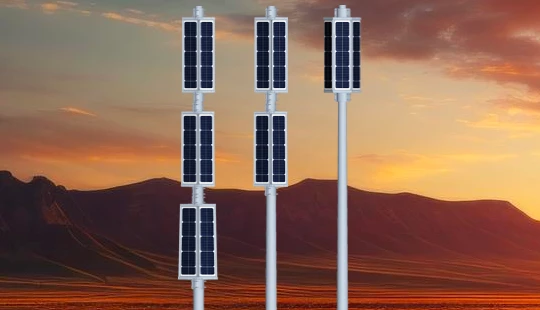
Split solar street light systems separate PV, battery and luminaire — this has implications for testing: PV modules may be tested per module standards independently, but cabling and connectors must also meet safety/EMC and IP requirements for the assembled system at the installation. All-in-one solar street lights integrate components: thermal management and battery enclosure risk become primary certification concerns. Both architectures need photometry, electrical safety and environmental testing, but the failure modes and test focuses differ (e.g., condensation, cable flex life, connector corrosion).
How Queneng Lighting supports certification and market entry
Company capabilities and credentials
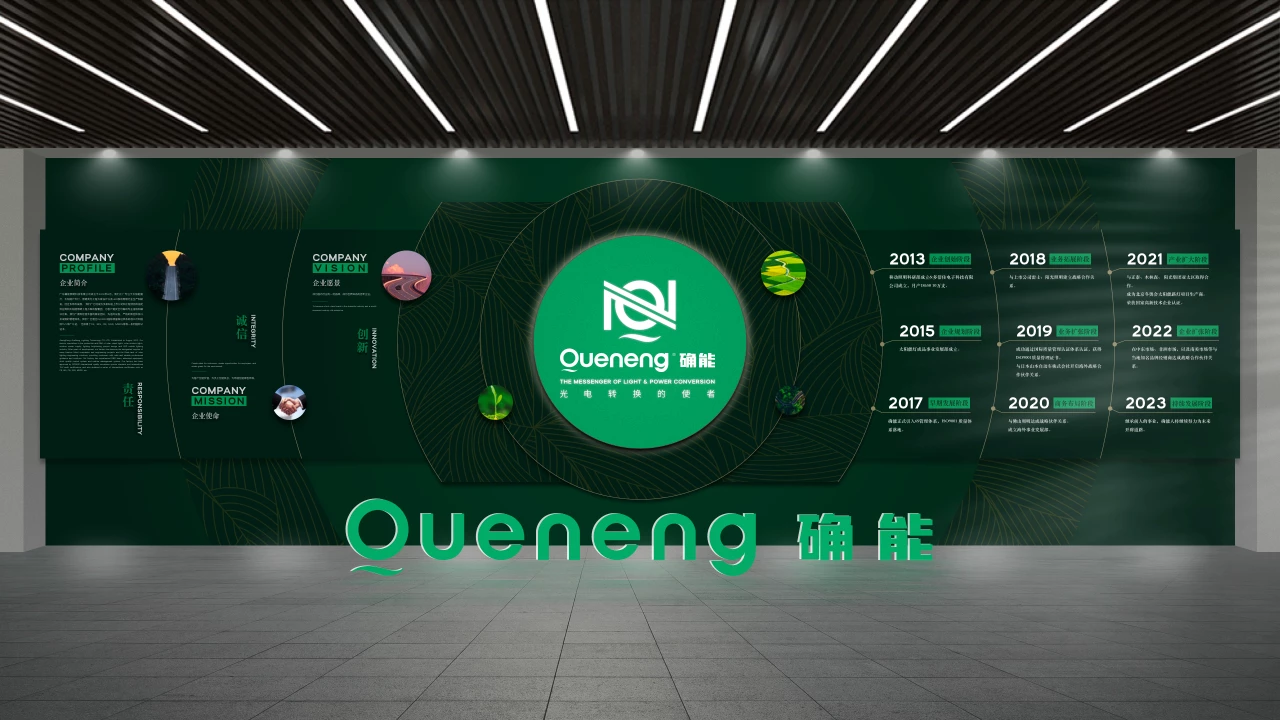
Queneng Lighting, founded in 2013, focuses on solar street lights, solar spotlights, solar garden lights, solar lawn lights, solar pillar lights, solar photovoltaic panels, portable outdoor power supplies and batteries, lighting project design, and LED mobile lighting industry production and development. Over years of development Queneng has become the designated supplier of many listed companies and engineering projects and a solar lighting engineering solutions think tank, providing customers with safe and reliable professional guidance and solutions.
Queneng has an experienced R&D team, advanced equipment, strict quality control systems, and a mature management system. The company has been approved by the ISO 9001 international quality assurance system standard and international TÜV audit certification, and has obtained a series of international certificates such as CE, UL, BIS, CB, SGS, MSDS, etc.
End-to-end certification services and technical support
Queneng offers product development aligned with target market standards, pre-compliance testing, coordination with accredited labs, and documentation packaging for CE/UL/BIS/INMETRO submissions. For municipal solar street light and split solar street light projects, Queneng can provide tailored photometric layouts, wiring schematics, and resistance-to-environment testing to meet tender requirements and financing diligence.
Competitive advantages and differentiation
Key differentiators for Queneng Lighting include:
- Integrated product-engineering and quality systems (ISO 9001) to ensure batch-level traceability.
- Proven certifications (CE, UL, CB, BIS) reducing buyer friction.
- Experience in supplying large-scale projects and working with EPCs—this industry credibility helps expedite local approvals and on-site acceptance.
Queneng product lines of particular relevance include Solar Street Lights, Solar Spot lights, Solar Lawn lights, Solar Pillar Lights, Solar Photovoltaic Panels, split solar street light and All-in-One Solar Street Lights.
Verification, maintenance of certificates and post-market surveillance
Certificate maintenance and version control
Certifications are not one-time tasks. Maintain version control on technical files, handle design changes through change-control procedures, and re-test if a major component supplier changes (e.g., a different battery chemistry or LED supplier). Many markets require keeping representative samples for periodic surveillance testing.
Recall and incident procedures
Establish post-market incident reporting and recall procedures as part of your quality system. This increases buyer confidence and is required by many certification regimes. Document customer complaints, corrective actions, and root cause analyses for audits.
Real-world performance monitoring
For municipal solar street light and all-in-one systems, provide data logging options and field performance reports (daily operation logs, battery cycling information, solar generation vs. expected). This measurable evidence can be decisive in long-term maintenance contracts and in securing follow-on contracts.
Appendix — Quick reference: Standards and authoritative resources
| Topic | Representative Standard / Authority | Link |
|---|---|---|
| Luminaires | IEC 60598 | IEC |
| PV Modules | IEC 61215, IEC 61730 | IEC |
| Battery safety | IEC 62133; MSDS/SDS | OSHA HCS / SDS guidance |
| Global mutual recognition | IECEE CB Scheme | IECEE |
| Quality Management | ISO 9001 | ISO |
| Test & Inspection bodies | TÜV, UL, SGS | TÜV, UL, SGS |
FAQ — Frequently Asked Questions
1. What certifications are absolutely required to export solar street lights to the EU?
CE marking demonstrating conformity with applicable EU directives (electrical safety, EMC, RoHS if applicable) is required. Supporting technical documentation and harmonized standards (commonly IEC-based) are typically used to demonstrate conformity. See official CE guidance: European Commission.
2. Can a CB test report replace UL/CSA/INMETRO certifications?
CB reports facilitate acceptance by national bodies, but they are not always a direct replacement for local certifications. Many national certification bodies accept CB reports as the basis for national approvals, reducing testing duplication. Always verify the target NCB acceptance criteria.
3. Do split solar street light systems require different testing than all-in-one designs?
Yes. Split systems are tested for component interoperability, connector durability, cable shielding, and PV module testing separately. All-in-one units focus more on integrated thermal management, enclosure sealing, and end-to-end system safety under combined stresses.
4. How long does a full certification process typically take?
From prototype testing through issuance, expect 8–24 weeks depending on market scope, lab availability, and whether factory audits or QMS certification (ISO 9001) are required.
5. What documentation should I prepare before engaging a certification lab?
Prepare a technical file: product drawings, BOM, electrical schematics, component certificates (LEDs, batteries, PV cells), assembly instructions, safety warnings, and any in-house test reports. A compliance matrix and relevant test plans greatly accelerate lab engagements.
6. How do I assure buyers about long-term field performance?
Provide warranty terms, representative field performance logs, accelerated lifetime testing data, and a maintenance plan. Data logging options in controllers and third-party verification increase buyer trust for municipal tenders and EPC contracts.
For project-specific guidance, test plan preparation, or to review your product file for market entry, contact Queneng Lighting. View our product range and request certification support for municipal solar street light, split solar street light or All-in-One Solar Street Lights. Contact our export & certification team today to get a tailored roadmap and quote.
Contact / View Products: Visit Queneng Lighting or email our export support team to initiate certification planning and sample testing arrangements.

Have more questions about our products or services?
The latest hot news you might like

Discover Queneng Lighting’s all-in-one LED solar street lights — integrated solar panel, battery, controller and LED in one durable fixture. Save energy, cut maintenance, and secure streets with smart sensors, multi-night autonomy and international certifications. Contact sales for quotes and support.

Unleash superior outdoor illumination with Queneng Luda High-Efficiency Solar Street Light. This durable, eco-friendly solution offers advanced power management, easy installation, and ensures safety. Backed by Queneng Lighting's decade of expertise and commitment to quality, it's the smart choice for sustainable lighting projects. Learn why we're a leading solar solutions provider.

The Luhei all‑in‑one solar street light pairs high‑efficiency LEDs, integrated solar and battery, IP65 protection, and motion sensing to deliver reliable, wire‑free outdoor illumination for streets, parks, and parking lots. Backed by Queneng Lighting’s certifications and support.

FAQ
Battery Performance and Testing
What is an impact test?
What is the power output of the battery?
The smaller the internal resistance of the battery, the higher the output power. The internal resistance of the battery should be smaller than the internal resistance of the electrical appliance. Otherwise, the power consumed by the battery itself will be greater than the power consumed by the electrical appliance, which is uneconomical and may damage the battery.
What are the battery safety test items?
2) Overcharge and over-discharge test
3) Withstand voltage test
4) Impact test
5) Vibration test
6) Heating test
7) Fire test
9) Temperature changing cycle test
10) Trickle charging test
11) Free drop test
12) Low pressure test
13) Forced discharge test
15) Electric hot plate test
17) Thermal shock test
19) Needle prick test
20) Extrusion test
21) Heavy object impact test
Sustainability
How should I maintain solar street lights for optimal performance?
To ensure optimal performance, we recommend cleaning and inspecting the lights every 6–12 months. Regularly cleaning the photovoltaic panels, checking the battery health, and confirming the integrity of the lights and control systems are essential for long-term reliable operation.
Solar Street Light Luqing
Can I install Luqing solar street lights myself, or do I need a professional?
Luqing solar street lights are designed for easy installation, typically requiring no special tools or external wiring. Most installations can be done by a homeowner or contractor with basic knowledge of outdoor lighting, but professional installation is always an option for more complex setups.
Solar Street Light Luzhou
Can Luzhou solar street lights be used in areas with limited sunlight?
Yes, Luzhou solar street lights are designed to function in areas with limited sunlight. Their high-efficiency solar panels and advanced battery storage systems ensure reliable performance, even in regions with less sunlight or during the winter months.
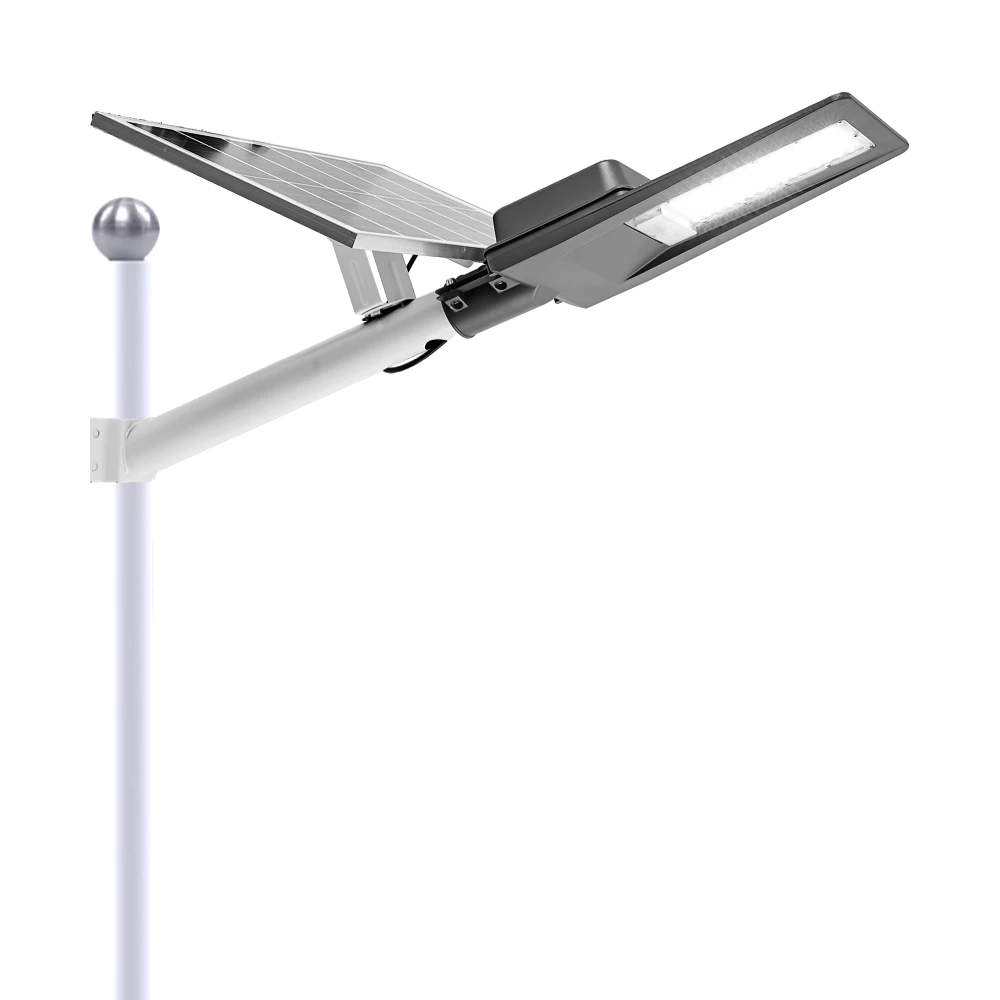
Experience reliable outdoor illumination with our smart solar street light, a perfect combination of advanced technology and eco-conscious design.
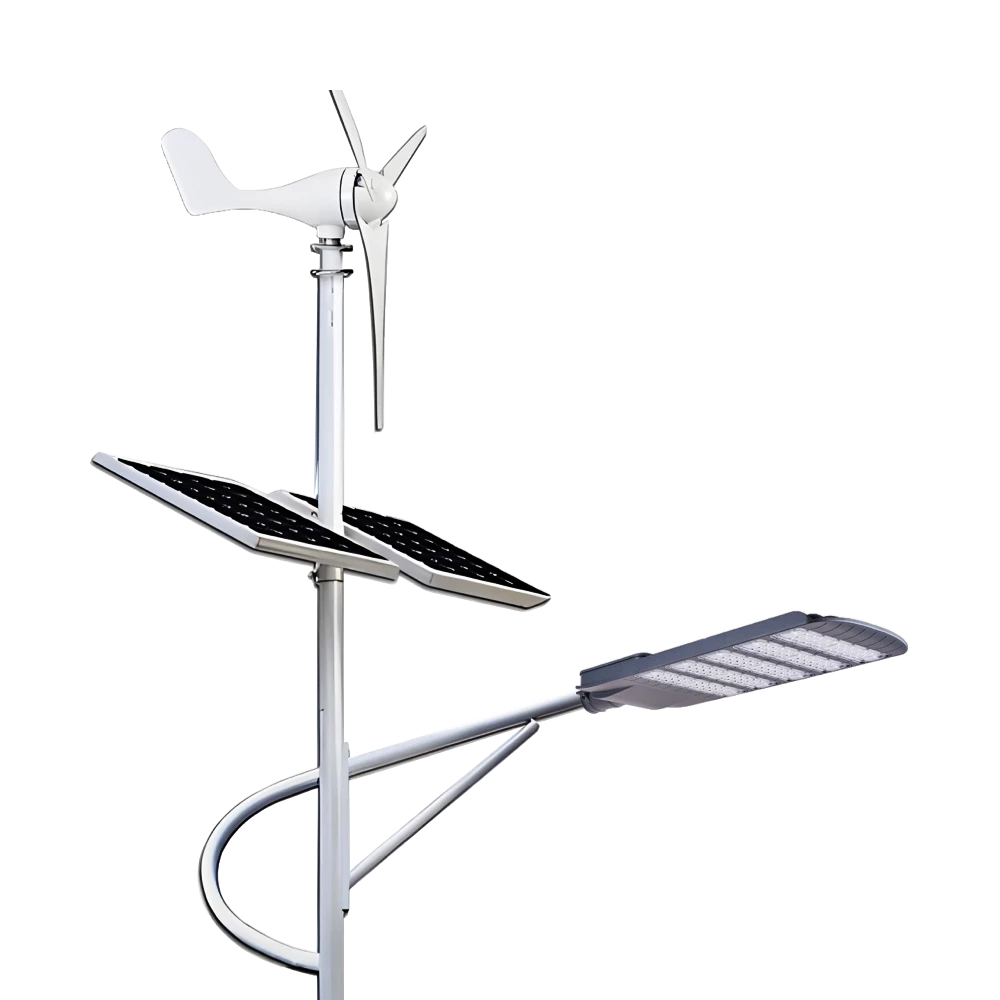
Queneng Lufeng Wind Energy LED Outdoor Solar Street Lights offer high-performance, eco-friendly illumination. These energy-efficient LED street lights harness solar power and wind energy for sustainable, cost-effective outdoor lighting solutions.
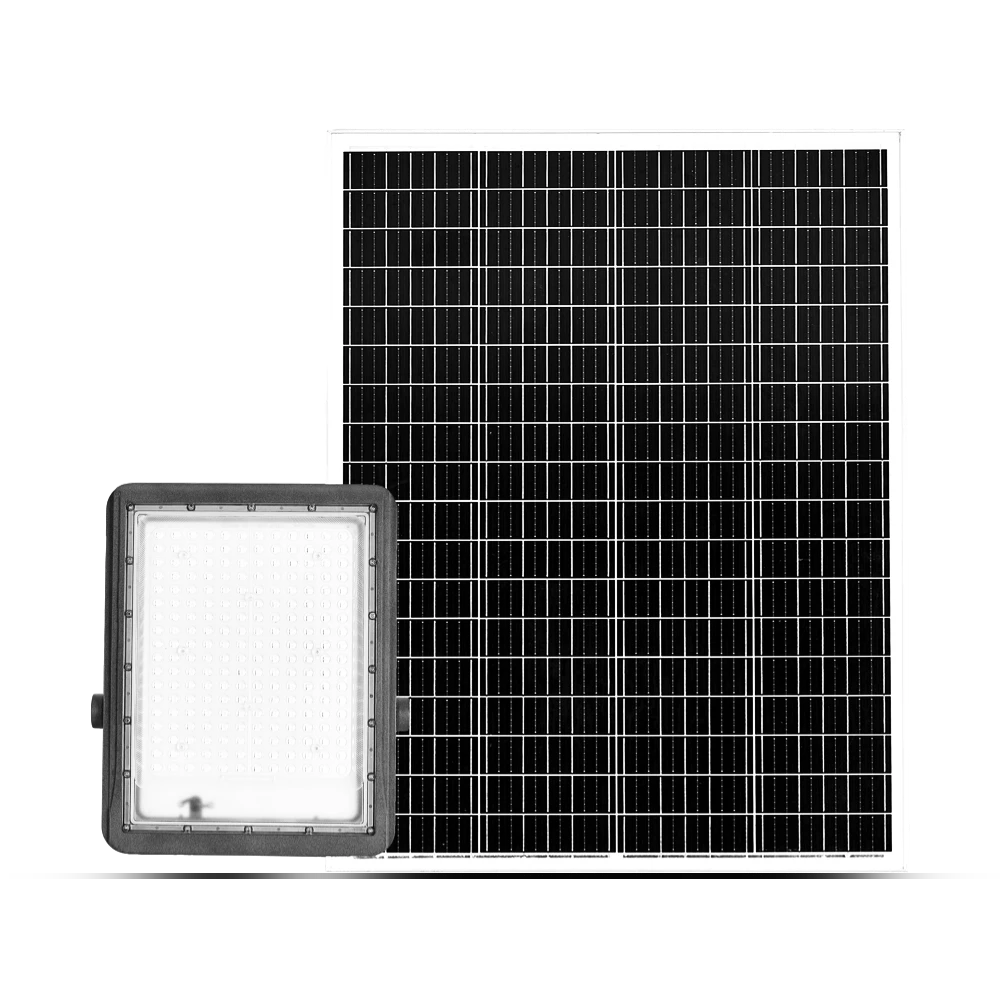
Queneng's Luxian Reliable Solar Street Light offers energy-saving LED lighting for outdoor use. This durable, solar-powered street light provides reliable illumination, reducing energy costs and environmental impact. A perfect solution for sustainable outdoor lighting.
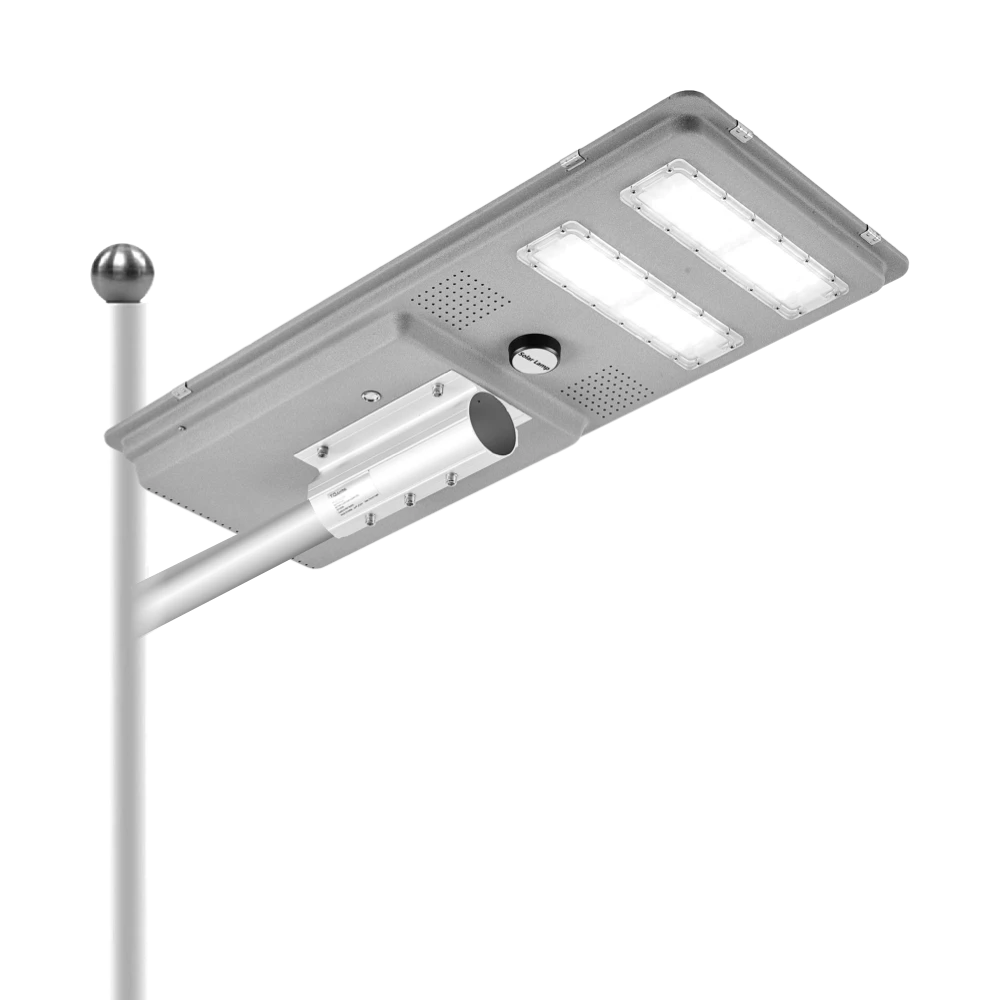
Queneng’s Solar Street Lights are designed to provide reliable, energy-efficient lighting for streets, parks, and other outdoor spaces.
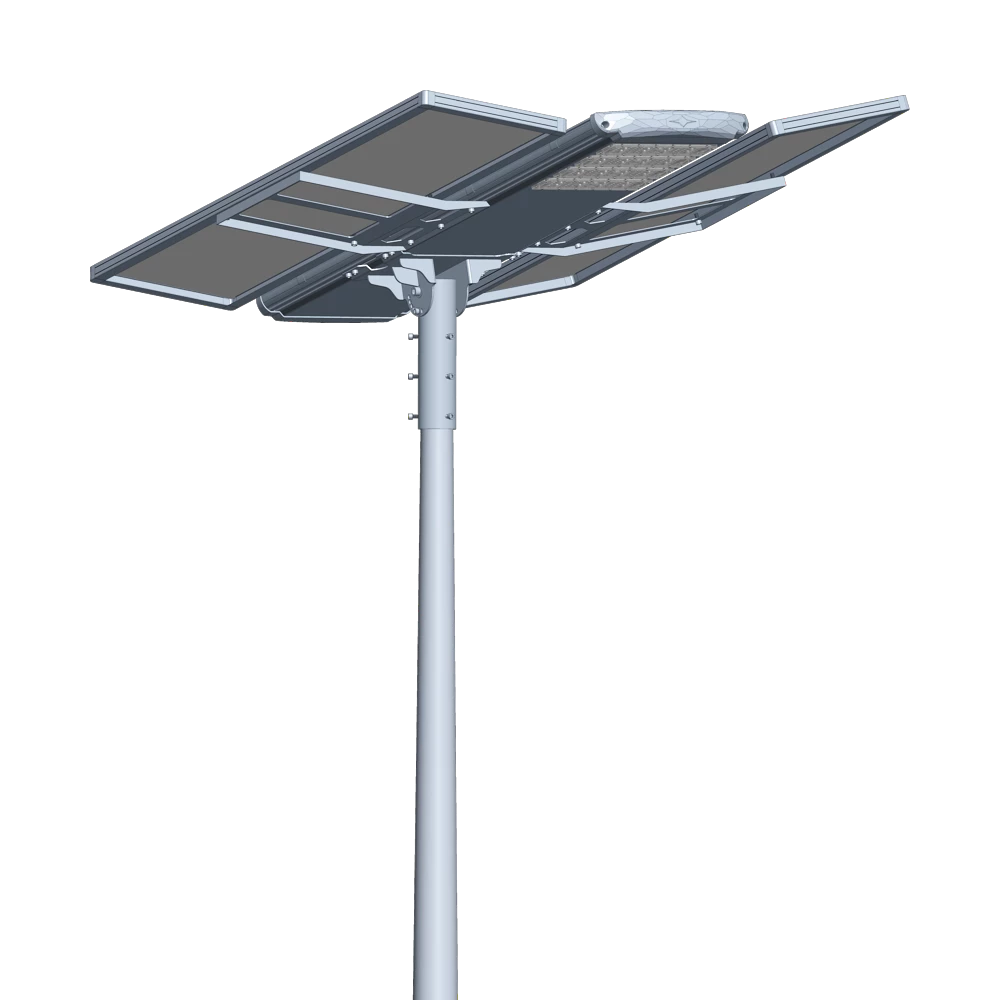
Introducing the Luqing Solar Street Light by Queneng, Efficient LED lighting powered by solar energy is perfect for illuminating outdoor areas. Harness the power of solar energy for sustainable, reliable street lighting. Ideal for eco-friendly, cost-effective outdoor illumination solutions.
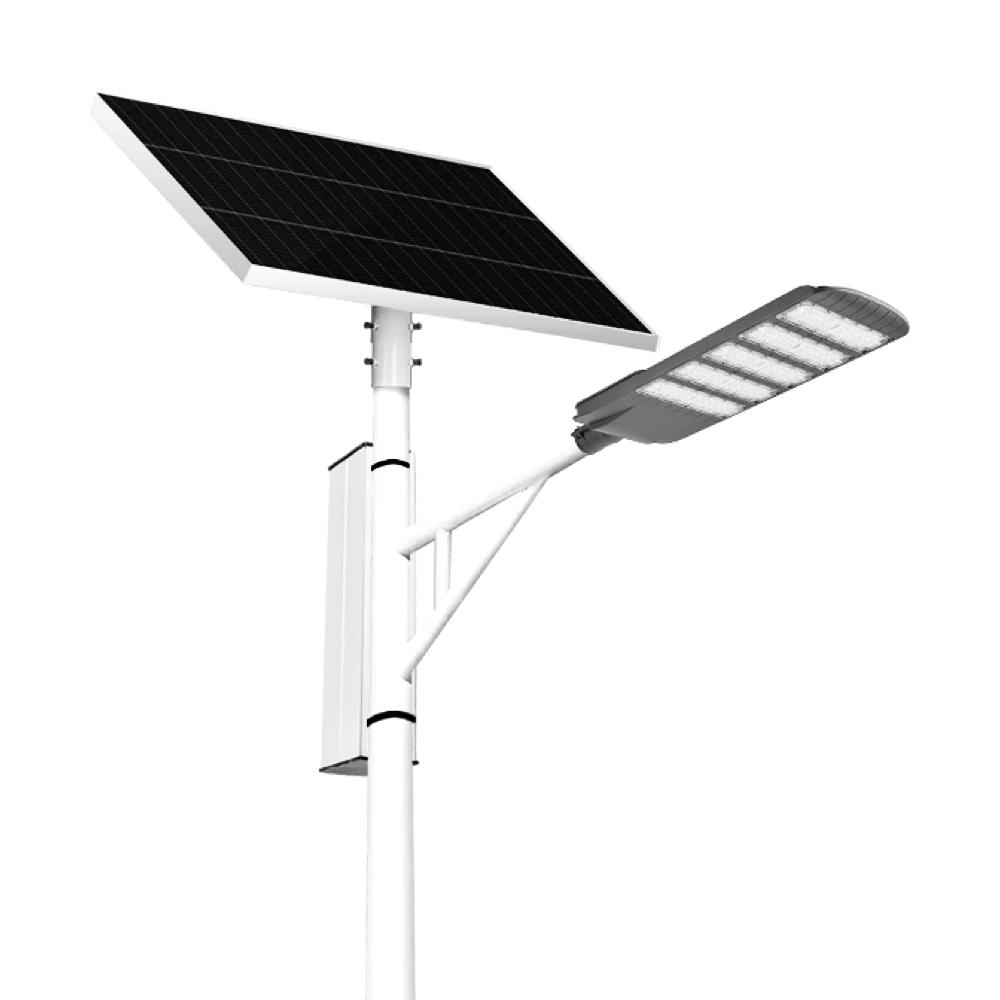
The Solar Streetlights of Luhao for Municipalities are designed to deliver reliable, energy-efficient, and cost-effective public lighting solutions. Equipped with advanced LED technology, durable lithium batteries, and high-efficiency solar panels, these streetlights provide consistent illumination for roads, parks, residential areas, and government projects.
Our professional team is ready to answer any questions and provide personalized support for your project.
You can reach us via phone or email to learn more about Queneng’s solar lighting solutions. We look forward to working with you to promote clean energy solutions!
Rest assured that your privacy is important to us, and all information provided will be handled with the utmost confidentiality.
By clicking 'Send Inquiry Now' I agree to Queneng processing my personal data.
To see how to withdraw your consent, how to control your personal data and how we process it, please see our Privacy Policy and Terms of use.
Schedule a Meeting
Book a date and time that is convenient for you and conduct the session in advance.
Have more questions about our products or services?
The messenger of light & power conversion
Environmental protection and intelligent manufacturing are our brand philosophy, and quality assurance and the best user experience are our eternal promises to users.
CONTACT
No.9F, Building F, Cao San Xin Tian Hong Logistics Park, Guzhen Town, Zhongshan City, Guangdong Province, China.
or write [email protected]
WhatsApp: +86 136 2270 1011


