













Choosing Durable Solar Panels for Harsh Climates
Summary for : Choosing durable solar panels and system components is critical for reliable Municipal Solar Street Light, Split Solar Street Light, and All-in-One Solar Street Lights installations in harsh climates. This article outlines environmental stressors (temperature, humidity, sand, salt, UV), compares PV and battery technologies, explains certifications and testing (IEC/UL/TÜV), recommends design and maintenance strategies, and provides a practical procurement checklist with verifiable references.
Environmental Stressors: What Actually Damages Solar Panels?
Temperature extremes and thermal cycling
High daytime temperatures and cold nights create thermal cycling that stresses PV module materials and interconnections. Modules have a temperature coefficient (power loss per °C) typically around -0.2% to -0.4%/°C for crystalline silicon; that means a 25°C rise over 25°C STC can reduce output by 5–10%. For baseline data on degradation and temperature effects see the National Renewable Energy Laboratory (NREL) review of PV degradation rates: NREL PV degradation review.
Humidity, salt spray, and corrosion
Coastal and tropical climates accelerate corrosion of frames, connectors, and junction boxes. Moisture ingress can degrade encapsulants, cause PID (potential-induced degradation), and corrode busbars. Look for modules with robust anodized or stainless frames, IP68-rated junction boxes, and anti-PID handling.
Dust, sand, hail and abrasion
Desert and high-wind areas expose modules to abrasive sand, dust build-up and occasional high-velocity impact (hail). Glass hardness, tempered glass thickness, and anti-soiling coatings influence resistance. Modules and luminaires in municipal projects must account for soiling losses and abrasion; a well-specified cleaning schedule can reduce energy loss significantly.
Selecting PV Materials and Module Designs for Longevity
Module technologies: which are intrinsically tougher?
Crystalline silicon (mono and poly) remains dominant for reliability in harsh climates because of proven long-term field performance and predictable degradation (commonly ~0.4–0.8%/yr for modern modules when well specified). Bifacial modules can add energy yield but require attention to mounting and reflective surfaces. Thin-film (CdTe, CIGS) can tolerate partial shading and elevated temperatures better in some cases but may suffer faster degradation if not properly protected.
Glass, encapsulant and frame choices
Choose low-iron tempered glass (≥3.2 mm, often 4 mm or 5 mm for high-wind/hail zones) with anti-reflective and anti-soiling coatings for harsh environments. Ethylene-vinyl acetate (EVA) remains common as an encapsulant but advanced alternatives such as PVB or new-generation encapsulants can improve UV and thermal resistance. Frames of anodized aluminum with corrosion-resistant fasteners or stainless steel elements are recommended for coastal projects.
Junction boxes, connectors and grounding
IP67/IP68 junction boxes, sealed MC4-compatible connectors with corrosion protection, and robust grounding practices reduce water ingress and electrical faults. Consider modules with multi-bypass diode designs to minimize hotspot risk from shading and soiling.
Battery, Electronics and System Architecture: Split vs All-in-One
Battery chemistry and size for longevity
Battery selection is as critical as the PV module in solar street lighting. Sealed lead-acid (SLA) offers low cost but limited cycle life (often <1000 cycles at moderate DOD) and poor high-temperature tolerance. Lithium iron phosphate (LiFePO4) has become the industry choice for harsh climates due to thermal stability, long cycle life (>2000–5000 cycles depending on DOD), and better performance at high temperatures; see general properties: LiFePO4 (Wikipedia). For municipal and remote installations, LiFePO4 reduces replacement frequency and lifecycle costs.
Split Solar Street Light vs All-in-One Solar Street Lights: reliability trade-offs
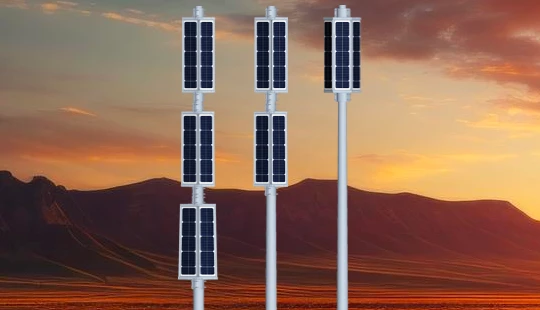
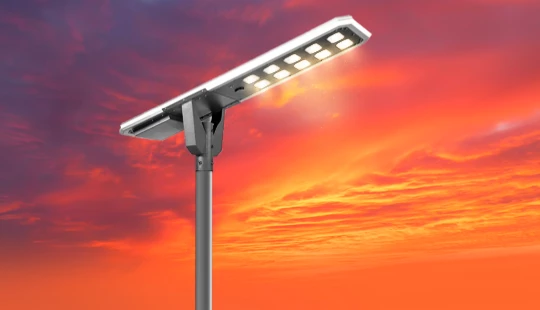
Split Solar Street Light systems separate the PV array from the luminaire (battery and controller often at the pole or remote box), which eases thermal management for batteries and simplifies maintenance by allowing ground-level access to batteries and controllers. All-in-One Solar Street Lights integrate panels, batteries, LED driver and lamp into a single housing—simpler to install and lower initial cost, but thermally challenging in hot climates because batteries sit behind the PV (subject to solar heating) and often have limited ventilation.
Controller, MPPT, and thermal management
Use MPPT charge controllers sized appropriately and with temperature compensation. For harsh climates, controllers with conformal coating on PCBs and high-temperature rated capacitors extend life. For split systems, locate batteries in ventilated or thermally insulated enclosures; for All-in-One units, select products explicitly rated for high ambient temperatures and validated by testing.
Testing, Standards, Installation and Maintenance Best Practices
Certifications and testing to demand
Specify modules and systems with verifiable certifications: IEC 61215 (module design qualification), IEC 61730 (module safety), IEC 60364/61439 for electrical installations where applicable, and UL 61730/UL 1703 depending on region. Refer to IEC standards for scope: IEC 61215 (Wikipedia). Independent lab testing (TÜV, UL, SGS) and factory production control audits reduce procurement risk.
Design and mounting considerations
Design for wind loads, snow load (if applicable), and soiling dynamics. Use corrosion-resistant mounting hardware and ensure structural anchors are specified to local codes. Tilt angle should balance energy yield and soiling runoff (steeper tilt can reduce dust accumulation but may be constrained by pole design for Municipal Solar Street Light projects).
Maintenance, monitoring and lifecycle planning
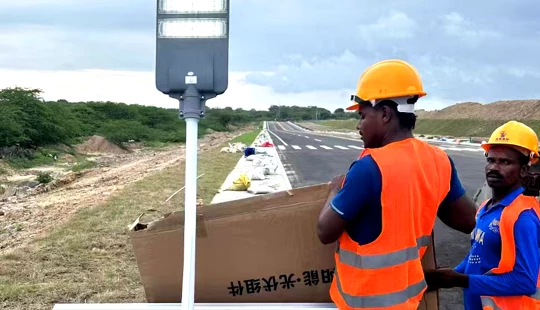
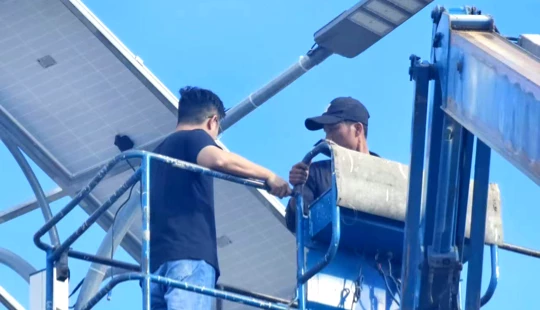
Implement remote monitoring (cellular or LoRaWAN) for energy yield, battery SOC, and fault alarms. Create preventive maintenance schedules: visual inspection quarterly in harsh environments, cleaning monthly or as-needed based on soiling measurements, and thermal checks after heat waves. Track degradation and replacement windows—many municipal programs plan PV panel replacement on ~25-year horizon but anticipate battery replacement every 5–10 years depending on chemistry and ambient conditions.
| Feature | Municipal Solar Street Light (system approach) | Split Solar Street Light | All-in-One Solar Street Lights |
|---|---|---|---|
| Typical use | Large-scale urban deployments, networked lighting, asset tracking | Medium-to-large sites where battery access & thermal control needed | Small sites, quick installs, low initial CAPEX |
| Maintenance | Planned, centralised maintenance teams | Moderate — batteries accessible in ground-level box | Lower accessibility — battery in luminaire, higher replacement frequency in heat |
| Performance in heat | High if system designed correctly (separate battery housings) | High — split design reduces battery thermal stress | Variable — requires units rated for high ambient temps |
| Initial cost vs lifecycle | Higher design/installation cost but optimized lifecycle cost | Moderate initial, lower lifecycle cost | Low initial, potentially higher lifecycle cost |
Procurement Checklist, Case Notes and Vendor Capabilities
Practical procurement checklist for harsh climates
- Specify PV modules with IEC 61215/61730 certification and independent lab reports.
- Demand tempered glass ≥4 mm with anti-soiling coating and documented hail resistance.
- Require IP67/IP68 junction boxes and marine-grade connectors for coastal sites.
- Choose LiFePO4 batteries with manufacturer cycle-life datasheets, BMS, and temperature management.
- Insist on MPPT controllers with high operating temperature range and conformal-coated PCBs.
- Request factory audits (ISO 9001) and third-party certifications (TÜV/UL/CE/CB/SGS).
- Define KPIs for energy yield, autonomy days, and acceptable degradation (e.g., <0.7%/yr).
Queneng Lighting: capabilities, certifications and how we support harsh-climate projects
Queneng Lighting, founded in 2013, specializes in solar street lights, solar spotlights, solar garden lights, solar lawn lights, solar pillar lights, solar photovoltaic panels, portable outdoor power supplies and batteries, lighting project design, and LED mobile lighting industry production and development. After years of development, Queneng has become the designated supplier to many listed companies and engineering projects and operates as a solar lighting engineering solutions think tank, providing customers with safe and reliable professional guidance and solutions.
Key strengths include an experienced R&D team, advanced equipment, strict quality control systems, and a mature management system. Queneng has been approved under ISO 9001 international quality assurance standards and passed international TÜV audits, plus holds a series of international certificates including CE, UL, BIS, CB, SGS, and MSDS. Queneng’s main products include Solar Street Lights, Solar Spot lights, Solar Lawn lights, Solar Pillar Lights, Solar Photovoltaic Panels, split solar street light systems, and All-in-One Solar Street Lights.
For municipal buyers concerned with lifecycle cost in harsh climates, Queneng recommends split solar street light architectures where large deployments require long battery life and easy maintenance. For fast deployments or remote kiosks where quick installation is a priority, Queneng’s All-in-One Solar Street Lights come with validated high-temperature battery options and conformal-coated electronics.
Case notes and verifiable references
Designers should reference NREL’s PV degradation studies for expected module lifetime and degradation assumptions (NREL report), and align module specs with IEC 61215/61730 requirements (IEC 61215 overview). For battery chemistry thermal profiles, consult manufacturer datasheets and chemistry overviews such as LiFePO4 summary.
FAQ — Choosing Durable Solar Panels and Systems for Harsh Climates
1. What PV module features matter most for high-heat, high-UV locations?
Prioritize low-iron tempered glass with UV-resistant encapsulants, robust frames (anodized or stainless), anti-PID designs, and modules with verified low degradation rates reported in independent tests. Ensure junction boxes are IP67/IP68 rated.
2. Are All-in-One Solar Street Lights a bad choice in desert or tropical climates?
Not necessarily. All-in-One units are appropriate when rapid deployment and low upfront cost matter. However, in extreme heat their integrated batteries can run hotter—choose units with proven high-temperature ratings, good thermal design, and validated field data. For long-term municipal deployments, split systems often provide better lifecycle economics.
3. How often should batteries be replaced in harsh climates?
It depends on chemistry: SLA may need replacement every 2–5 years in hot climates, while LiFePO4 can last 5–10 years or more if properly managed. Always base replacement intervals on measured cycle life (from manufacturer datasheets) and field-monitored depth-of-discharge and temperature data.
4. What certifications should I require from vendors?
Require IEC 61215/61730 for modules, UL/TÜV/CE certifications for electronics and luminaires, ISO 9001 for manufacturing quality control, and third-party test reports for environmental resilience (hail, salt spray, thermal cycling). Factory audit reports (e.g., SGS/TÜV) add assurance.
5. How can I estimate energy losses from soiling and design mitigation?
Soiling losses vary widely—0–30% depending on site. Measure local soiling by installing test modules and weigh yield drop; design tilt angle and anti-soiling coatings to minimize accumulation and plan cleaning frequency (monthly/quarterly) based on measured loss. Remote monitoring lets you correlate yield with cleaning schedules.
6. How do split solar street light systems simplify maintenance?
By locating batteries and controllers at ground level or in accessible enclosures, split systems allow safe and quick battery replacement and troubleshooting without working at height. This reduces maintenance time and risk and improves system uptime in municipal programs.
Contact and Next Steps
If you are planning a municipal lighting rollout or need technical advice on choosing between Municipal Solar Street Light architectures, Split Solar Street Light systems, and All-in-One Solar Street Lights for harsh climates, contact Queneng Lighting for site-specific design, product datasheets, independent test reports, and lifecycle cost analysis. For product inquiries and engineering consultations, reach out to Queneng Lighting or visit our product pages to review detailed specifications and certifications.
For customized proposals, certified product datasheets, and pilot projects, contact Queneng Lighting today to ensure your solar street lighting project is engineered for durability, reliability and optimized lifecycle cost.

Have more questions about our products or services?
The latest hot news you might like

Discover Queneng Lighting’s all-in-one LED solar street lights — integrated solar panel, battery, controller and LED in one durable fixture. Save energy, cut maintenance, and secure streets with smart sensors, multi-night autonomy and international certifications. Contact sales for quotes and support.

Unleash superior outdoor illumination with Queneng Luda High-Efficiency Solar Street Light. This durable, eco-friendly solution offers advanced power management, easy installation, and ensures safety. Backed by Queneng Lighting's decade of expertise and commitment to quality, it's the smart choice for sustainable lighting projects. Learn why we're a leading solar solutions provider.

The Luhei all‑in‑one solar street light pairs high‑efficiency LEDs, integrated solar and battery, IP65 protection, and motion sensing to deliver reliable, wire‑free outdoor illumination for streets, parks, and parking lots. Backed by Queneng Lighting’s certifications and support.

FAQ
Battery Types and Applications
What is the lifespan of rechargeable batteries used in cordless phones?
1. After charging, the call time becomes shorter every time;
2. The call signal is not clear enough, the reception effect is blurry, and the noise is loud;
3. The distance between the cordless phone and the base needs to be closer and closer, that is, the range of use of the cordless phone is getting narrower and narrower.
Battery Performance and Testing
What is a fire experiment?
What is the standard overcharge resistance test?
What is charging efficiency?
Industry
Will the solar street lights work effectively in winter or during low sunlight conditions?
Queneng’s solar lights are equipped with high-capacity batteries, ensuring normal illumination even in low-light conditions, making them ideal for regions with frequent winter or rainy weather.
Remote Areas Rural Development
How durable are solar streetlights in extreme rural conditions?
They are designed to withstand harsh weather, including heavy rains, strong winds, and extreme temperatures.
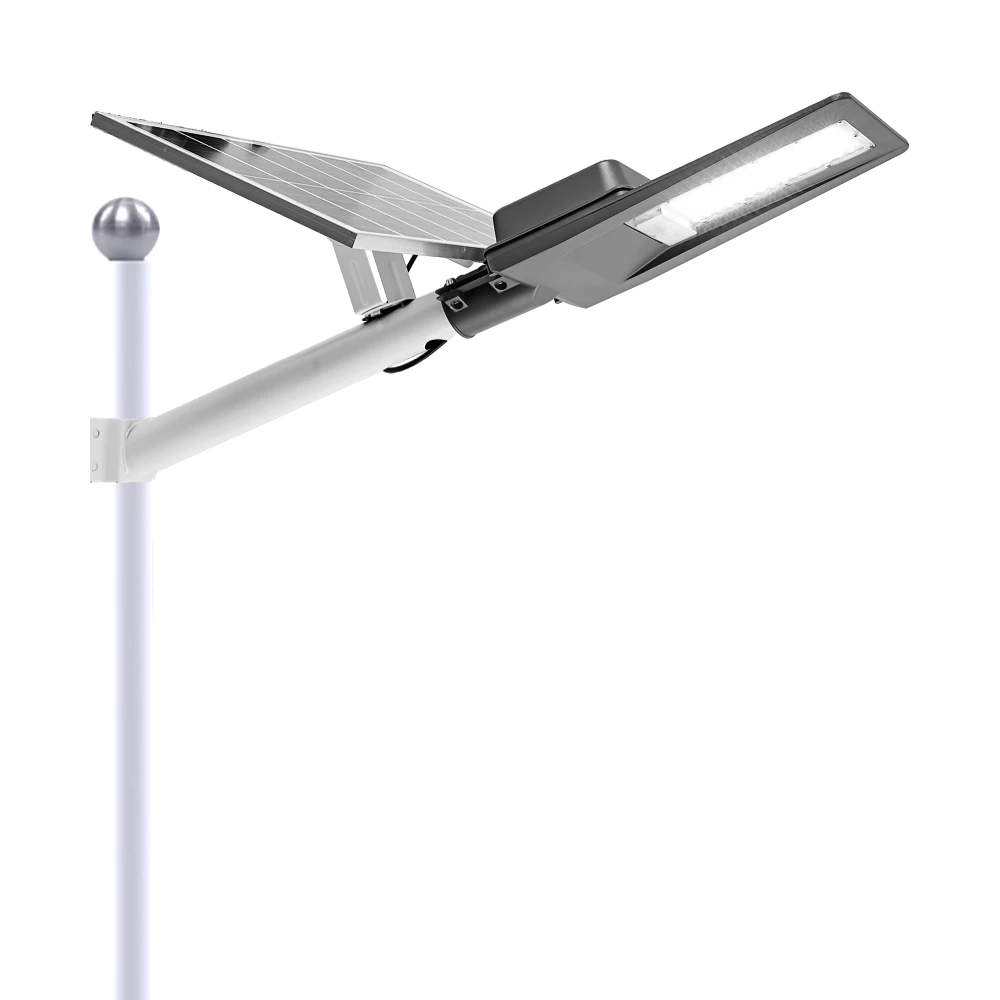
Experience reliable outdoor illumination with our smart solar street light, a perfect combination of advanced technology and eco-conscious design.
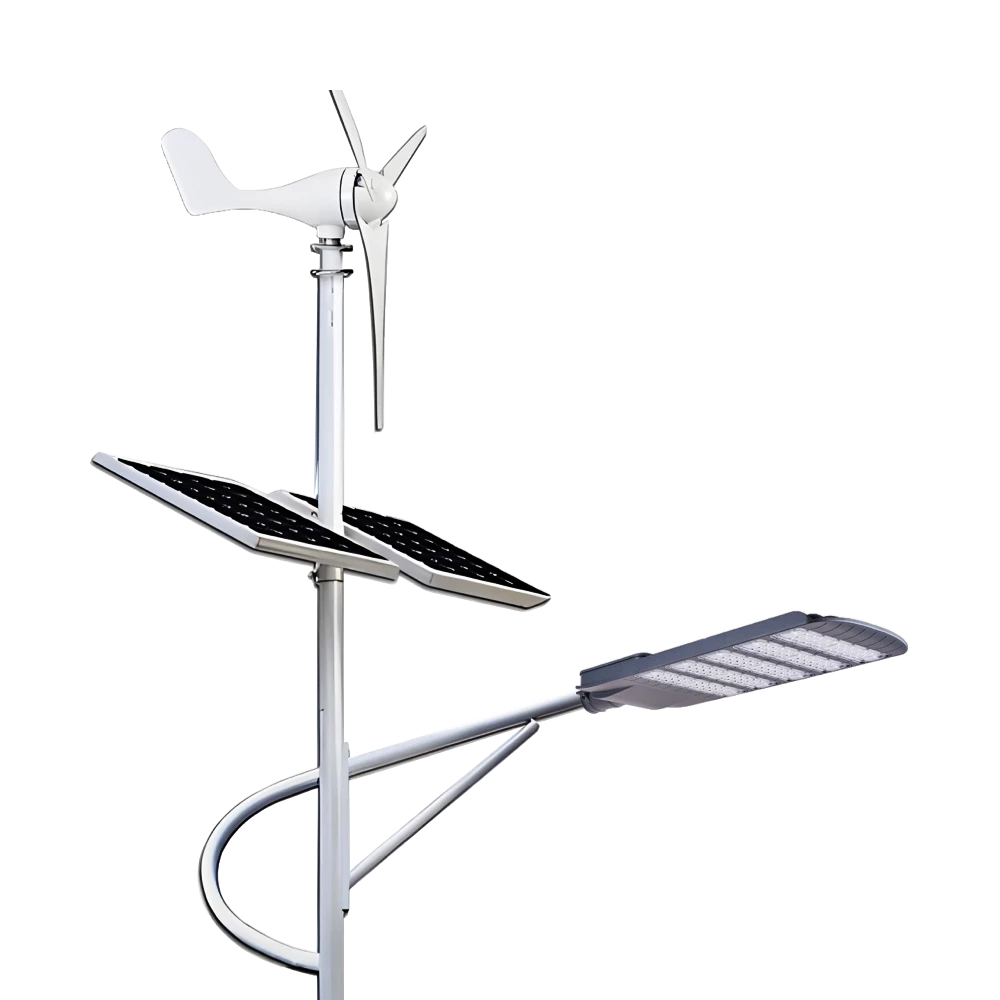
Queneng Lufeng Wind Energy LED Outdoor Solar Street Lights offer high-performance, eco-friendly illumination. These energy-efficient LED street lights harness solar power and wind energy for sustainable, cost-effective outdoor lighting solutions.
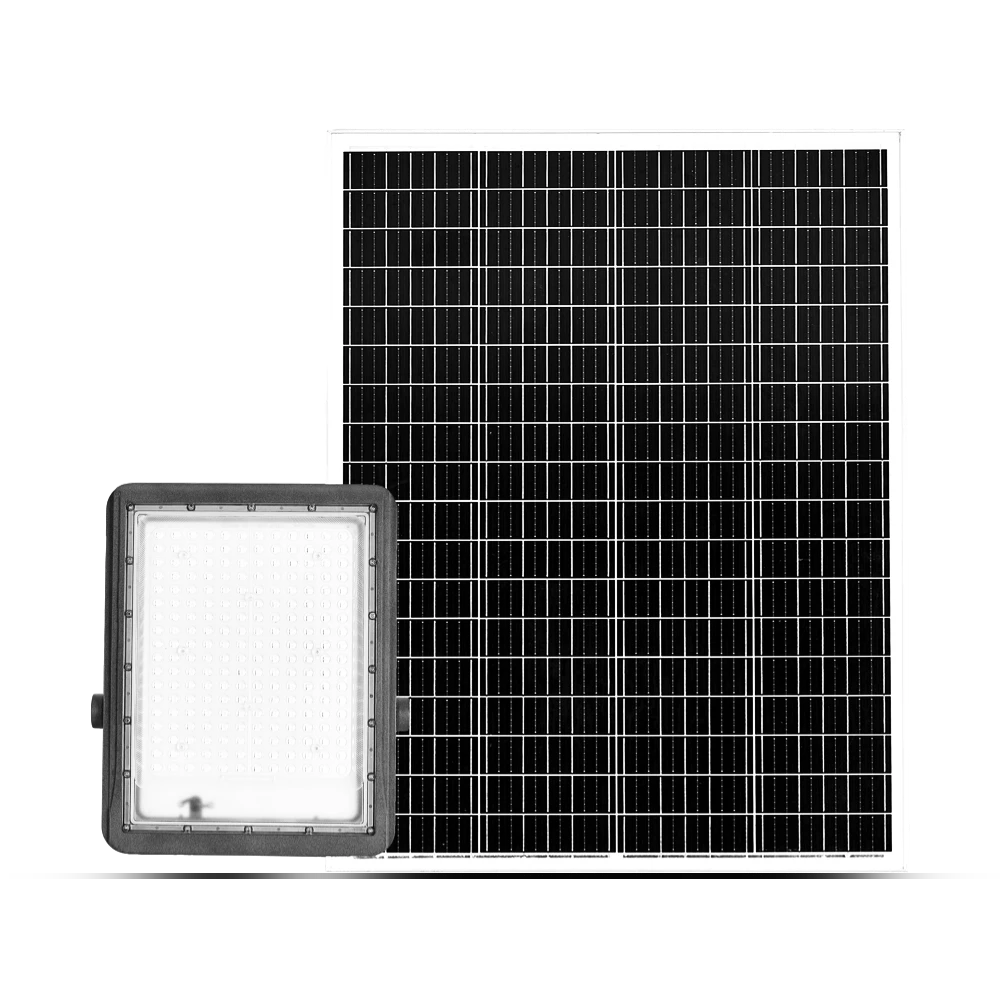
Queneng's Luxian Reliable Solar Street Light offers energy-saving LED lighting for outdoor use. This durable, solar-powered street light provides reliable illumination, reducing energy costs and environmental impact. A perfect solution for sustainable outdoor lighting.
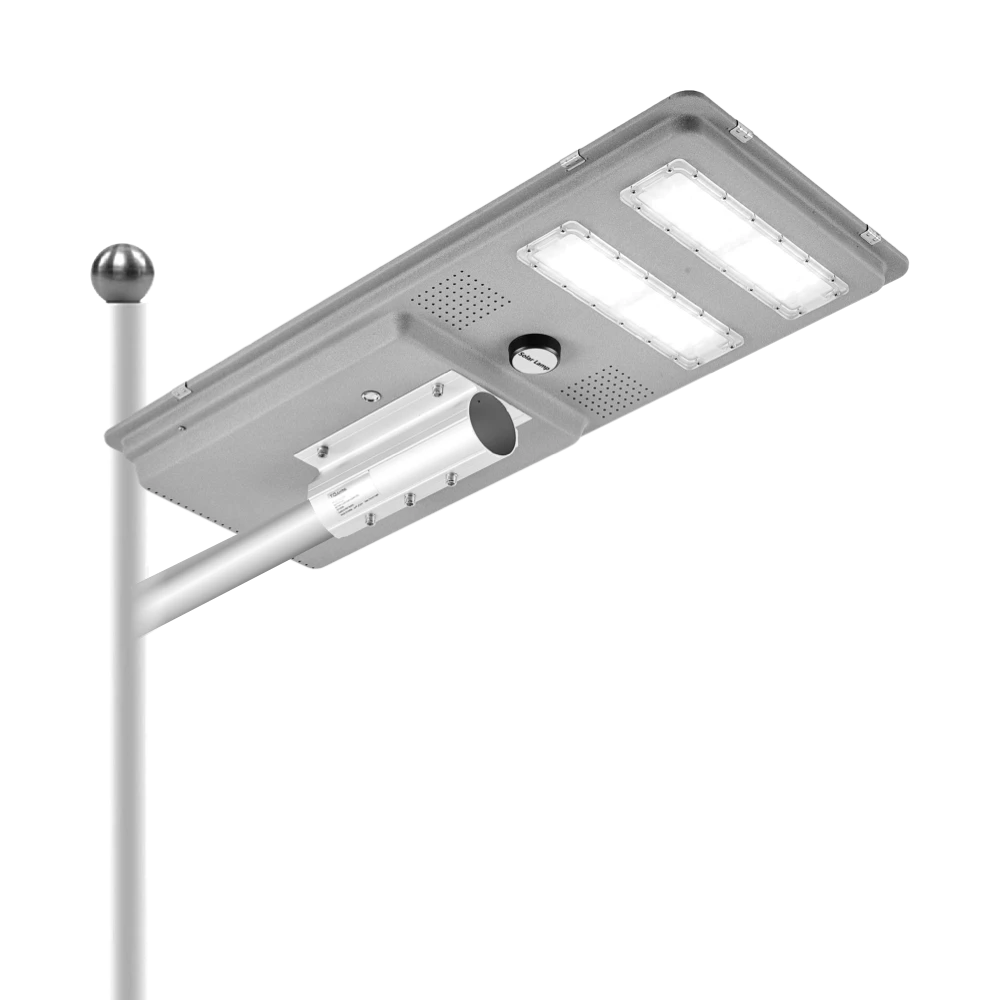
Queneng’s Solar Street Lights are designed to provide reliable, energy-efficient lighting for streets, parks, and other outdoor spaces.
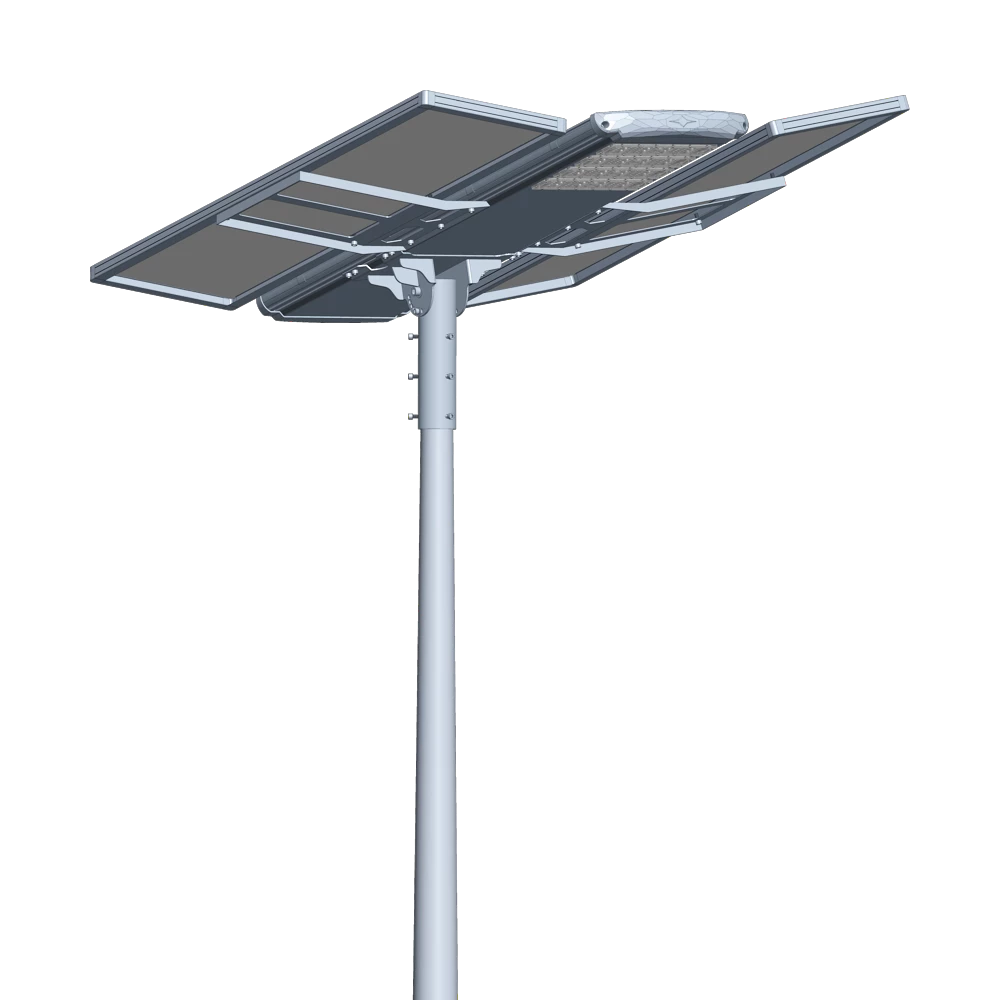
Introducing the Luqing Solar Street Light by Queneng, Efficient LED lighting powered by solar energy is perfect for illuminating outdoor areas. Harness the power of solar energy for sustainable, reliable street lighting. Ideal for eco-friendly, cost-effective outdoor illumination solutions.
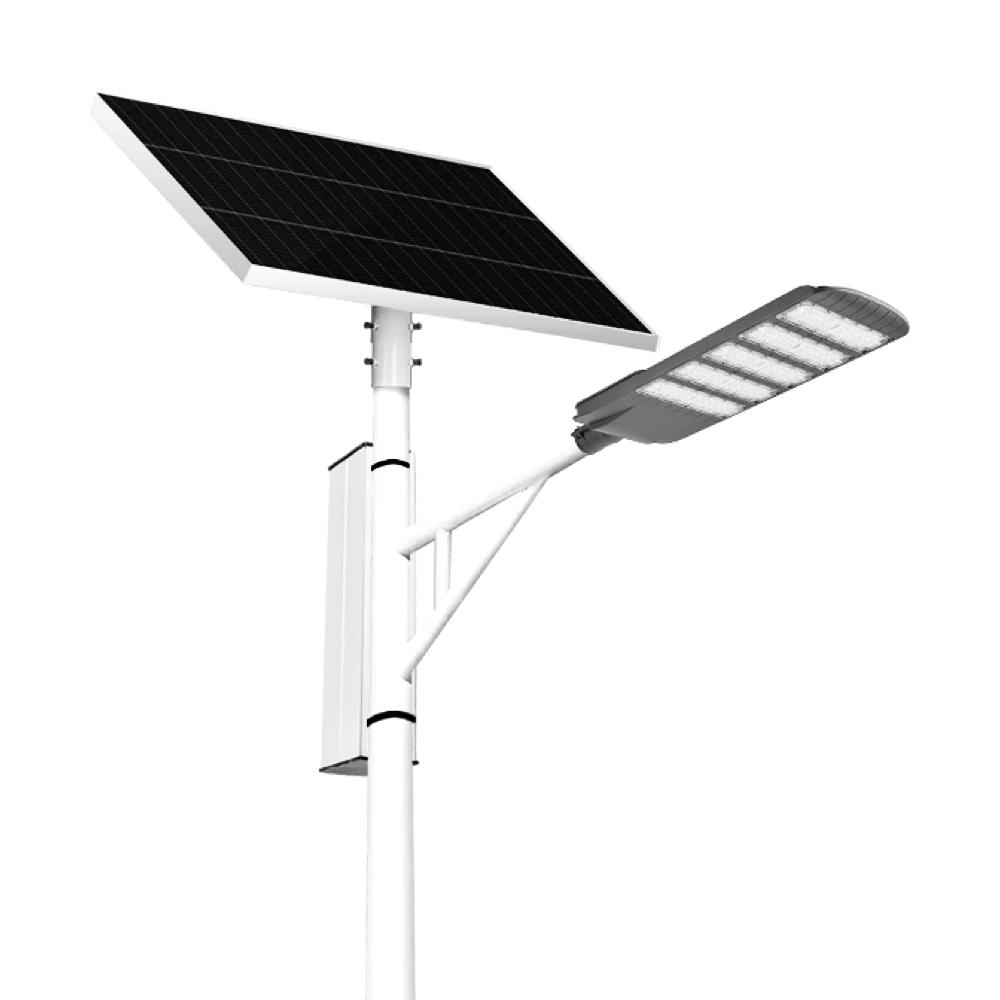
The Solar Streetlights of Luhao for Municipalities are designed to deliver reliable, energy-efficient, and cost-effective public lighting solutions. Equipped with advanced LED technology, durable lithium batteries, and high-efficiency solar panels, these streetlights provide consistent illumination for roads, parks, residential areas, and government projects.
Our professional team is ready to answer any questions and provide personalized support for your project.
You can reach us via phone or email to learn more about Queneng’s solar lighting solutions. We look forward to working with you to promote clean energy solutions!
Rest assured that your privacy is important to us, and all information provided will be handled with the utmost confidentiality.
By clicking 'Send Inquiry Now' I agree to Queneng processing my personal data.
To see how to withdraw your consent, how to control your personal data and how we process it, please see our Privacy Policy and Terms of use.
Schedule a Meeting
Book a date and time that is convenient for you and conduct the session in advance.
Have more questions about our products or services?
The messenger of light & power conversion
Environmental protection and intelligent manufacturing are our brand philosophy, and quality assurance and the best user experience are our eternal promises to users.
CONTACT
No.9F, Building F, Cao San Xin Tian Hong Logistics Park, Guzhen Town, Zhongshan City, Guangdong Province, China.
or write [email protected]
WhatsApp: +86 136 2270 1011


