













Coastal Applications: Salt Spray Resistant Designs
Coastal environments present unique challenges for outdoor lighting: high salinity, wind-driven salt spray, humidity and UV exposure accelerate corrosion and degrade electrical components. For municipalities, utilities and developers specifying municipal solar street light systems — including split solar street light and all-in-one solar street lights — choosing salt spray resistant designs is essential for longevity, predictable maintenance costs and safety. This article synthesizes corrosion science, industry testing standards, materials and enclosure strategies, and practical procurement guidance to help stakeholders deliver durable coastal solar lighting installations.
Understanding Coastal Corrosion Risks
Salt Spray and Corrosion Mechanisms
Salt spray contains chloride ions that accelerate electrochemical corrosion of metals and promote coating breakdown. In a coastal context, repeated wetting and drying cycles combined with salt deposition greatly speed up pitting and crevice corrosion compared with inland locations. The physics and chemistry of salt-induced corrosion are well documented; for background see the salt spray test overview at Wikipedia: Salt spray test and standards such as ISO 9227 (ISO 9227).
Environmental Factors That Drive Failure
Key site-specific factors: distance from shoreline, prevailing winds, local topography, tidal spray, and microclimate (fog, temperature swings). Structures within 1 km of the shoreline typically experience the most aggressive chloride deposition; this decreases with distance but can remain significant for several kilometers depending on wind patterns. Corrosion management must account for exposure class and expected maintenance intervals.
Impact on Solar Street Light Components
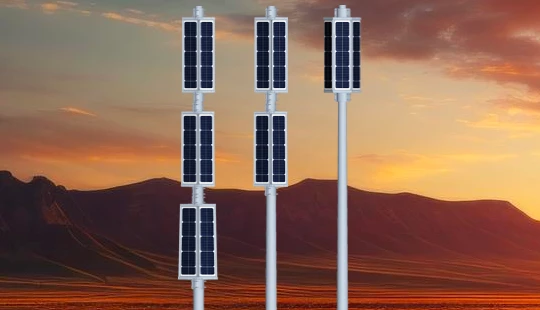
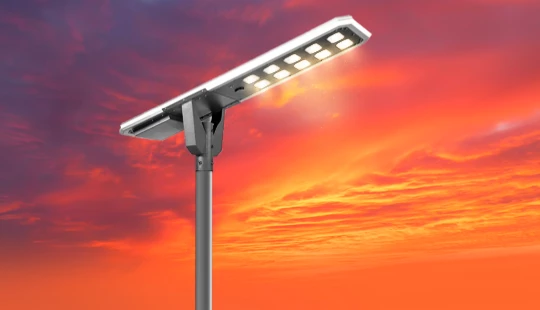
Salt damage affects multiple subsystems: luminaire housings, poles and brackets, fasteners, solar module frames, battery enclosures, connectors and electronic drivers. For split solar street light systems where the PV array is separated from the luminaire, routing and connectors become additional vulnerability points if not sealed and corrosion-resistant. All-in-one solar street lights consolidate components, reducing cabling but requiring robust integrated sealing and material choices.
Design Strategies for Salt Spray Resistance
Material Selection and Protective Coatings
Choosing the right base materials and coatings is the first line of defense. Common choices include marine-grade stainless steels (e.g., 316L), anodized or cast aluminum alloys with proper pre-treatment and marine-grade powder coats, and hot-dip galvanized steel with epoxy/polyester topcoats. Each has trade-offs in cost, weight and manufacturability. For technical background on stainless steel corrosion resistance, see Wikipedia: Stainless steel.
Enclosures, Sealing and Ingress Protection
Ingress protection (IP) ratings matter: IP66 or higher is recommended for luminaire and battery enclosures in coastal installations to prevent salt-laden moisture ingress. Sealing strategies include gasketing with silicone or EPDM rated for UV and ozone, potting or conformal coating of sensitive PCBs, and vent designs that allow pressure equalization while preventing salt entry (e.g., Gore vents). For split solar street light designs, ensure all junction boxes, combiner boxes and wiring conduits have marine-grade seals and corrosion-resistant terminal blocks.
Connector, Fastener and Cable Choices
Use 316 stainless steel or duplex stainless fasteners, or stainless fasteners with sacrificial sacrificial coatings where cost prohibits full 316 usage. Marine-grade electrical connectors (IP68 rated, corrosion-resistant contacts) and UV-resistant cables with halogen-free jackets help maintain integrity. Avoid dissimilar metal pairings that create galvanic corrosion; when unavoidable, isolate metals with polymer washers or protective coatings.
Comparing Architectures: Municipal Solar Street Light Options
Split Solar Street Light vs. All-in-One Solar Street Lights
Architectural choice impacts installation, maintenance and vulnerability to coastal stressors.
| Feature | Split Solar Street Light | All-in-One Solar Street Lights |
|---|---|---|
| Component Separation | PV array and battery/controller mounted separately (e.g., at pole top or nearby mast) | Integrated PV, battery and luminaire in single housing |
| Vulnerability Points | More cabling and connectors — higher risk if not sealed | Fewer external connections but higher risk if enclosure breached |
| Maintenance | Easier battery/module replacement if accessible; modular repairs | Requires whole-unit replacement or specialized service |
| Thermal Management | Separate enclosures can optimize battery temperature control | Integrated units must balance LED, battery and solar thermal needs carefully |
| Typical Use Case | Municipal projects needing scalable, maintainable solutions | Fast-deploy projects, small streets or where minimal cabling preferred |
Material and Coating Comparison Table
| Option | Corrosion Resistance (Coastal) | Typical Cost | Comments |
|---|---|---|---|
| 316L Stainless Steel | Very High | High | Best for fasteners, brackets, and marine environments |
| Aluminum with Anodize + Marine Powder Coat | High | Medium | Lightweight; requires excellent surface prep |
| Hot-Dip Galvanized + Epoxy/Polyester | Medium-High | Medium | Cost-effective; inspect for coating holidays |
| Standard Carbon Steel with Zinc Plating | Low-Medium | Low | Not recommended for near-shore exposure without heavy topcoats |
Selection Guidance for Municipal Projects
For long-life municipal solar street light deployments within coastal zones, the recommended practice is to specify materials and coatings appropriate to the exposure class. For high-exposure areas (within 500 m of high tide), favor 316 stainless steel for fasteners, anodized aluminum or marine-grade powder-coated housings, and fully sealed IP66+ enclosures. Where budgets allow, specify replaceable modular components (batteries and drivers) in protected, ventilated housings to minimize full-unit disposal.
Testing, Standards and Procurement Best Practices
Relevant Standards and Test Protocols
Use salt spray testing (e.g., ASTM B117 / ISO 9227) as part of qualification for coatings and enclosures. Note that salt spray tests accelerate corrosion under controlled conditions and are a useful comparative tool, but they do not perfectly replicate all field conditions. For electrical and safety standards, reference IEC and local utility requirements; consider certificiations such as CE, UL and BIS depending on market. For materials and corrosion guidance, organizations like NACE (now part of AMPP) provide best practices (AMPP/NACE).
Field Trials and Condition Monitoring
Deploy pilot runs and instrument selected poles with corrosion coupons or periodic visual inspections. Implement scheduled maintenance regimes — cleaning salt deposits, inspecting seals, torque checking fasteners — and track failure modes to refine specifications. Remote monitoring via telemetry (e.g., battery health and driver diagnostics) reduces the need for physical inspections but does not replace periodic inspections for corrosion.
Procurement Clauses and Warranty Language
Include explicit coastal exposure clauses in tender documents that require: specified materials/coatings, minimum IP ratings, salt spray test results for coatings and enclosures, fastener materials, and extended warranties covering corrosion-related failures. Require suppliers to provide third-party test reports and to commit to spare parts availability for at least the expected service life (commonly 10–15 years for municipal projects).
Queneng Lighting: Coastal Solutions, Certifications and Capabilities
Company Profile and Core Products
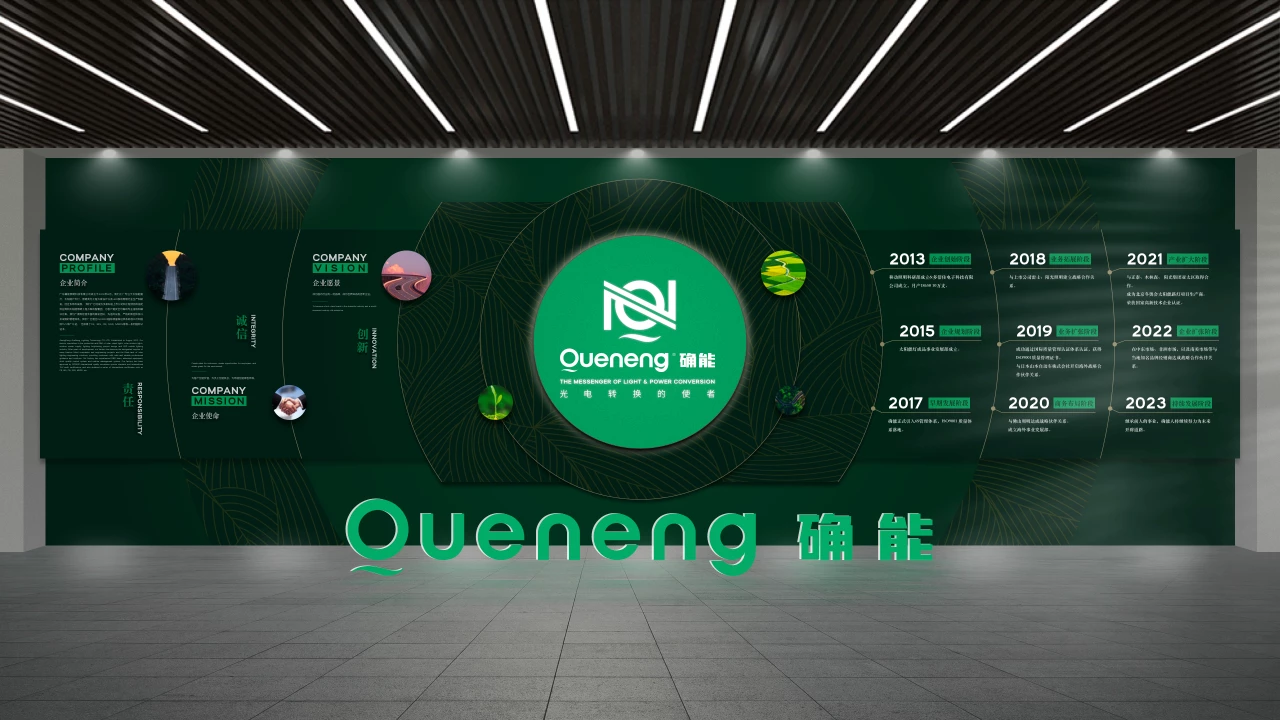
Queneng Lighting founded in 2013 focuses on solar street lights, solar spotlights, solar garden lights, solar lawn lights, solar pillar lights, solar photovoltaic panels, portable outdoor power supplies and batteries, lighting project design, and LED mobile lighting industry production and development. Over years of development, Queneng has become the designated supplier for many listed companies and engineering projects and serves as a solar lighting engineering solutions think tank.
Engineering Strengths and Certifications
Queneng maintains an experienced R&D team, advanced production equipment, strict quality control systems, and mature management practices. The company is ISO 9001 certified and has passed TÜV audits and holds international certifications including CE, UL, BIS, CB, SGS and MSDS. These credentials support reliable performance claims and help clients meet municipal procurement and safety requirements.
Typical Coastal Project Offering
For coastal municipal projects, Queneng provides tailored solutions that include: split solar street light architectures for ease of maintenance, all-in-one solar street lights for compact installations, marine-grade material options, IP66+ enclosures, conformal-coated electronics and remote monitoring integration. The company emphasizes documentation (salt spray and IP test reports), spare parts strategies, and local service support to reduce lifecycle risk.
Implementation Checklist and Cost-Benefit Considerations
Practical Pre-Installation Checklist
- Site risk assessment: distance to shore, wind/load modeling, salt deposition rates.
- Specify materials: stainless steel grade, aluminum treatment, fastener specs.
- Sealing and IP: require IP66+ enclosures and conformal coating for PCBs.
- Testing: request ASTM B117/ISO 9227 salt spray reports, IP test certificates, thermal cycling results.
- Maintenance plan: cleaning schedule, inspection intervals, spare parts list.
Cost vs. Lifecycle Value
Upfront investment in higher-grade materials and certified enclosures increases CAPEX but reduces OPEX from corrosion-related failures, emergency replacements and safety incidents. For municipal clients, adopt a total cost of ownership perspective: longer service life and reduced downtime often justify High Quality materials and robust testing requirements.
Frequently Asked Questions (FAQ)
1. How close to the sea can I install standard solar street lights without special treatment?
Standard, non-marine treated units are generally not recommended within 1–2 km of a harsh coastline. For sites within 500 m of the shoreline, specify marine-grade materials and enhanced sealing. Local wind and salt spray patterns may extend corrosive influence beyond simple distance metrics.
2. Are all-in-one solar street lights worse than split designs in coastal conditions?
Not necessarily. All-in-one units reduce external cabling (fewer corrosion-prone connectors) but require exceptionally robust housings and thermal design because all components are integrated. Split solar street light systems can simplify thermal management and allow batteries/controllers to be placed in more protected enclosures, but they do add connector and conduit vulnerabilities that must be addressed.
3. Which fastener materials should be specified for coastal solar lighting?
316 or 316L stainless steel fasteners are preferred for high-corrosion environments. Duplex stainless steels may be used where superior strength and corrosion resistance are needed. Zinc-plated carbon steel is not recommended in high-exposure coastal zones.
4. How useful are salt spray (ASTM B117 / ISO 9227) tests for product selection?
Salt spray tests are useful for comparative assessment of coatings and assemblies, but they are accelerated laboratory tests and do not replicate all field conditions (UV, mechanical abrasion, wet-dry cycles). Use them alongside field trials and other environmental tests.
5. Can remote monitoring reduce inspection frequency for coastal installations?
Remote monitoring (battery health, LED driver status, energy generation) reduces routine trips and enables condition-based maintenance, but physical inspections to check for corrosion, seal integrity, and mechanical fasteners should still be scheduled periodically.
Contact and Next Steps
For coastal municipal projects requiring proven salt spray resistant municipal solar street light solutions — whether split solar street light systems for serviceability or all-in-one solar street lights for compact deployments — Queneng Lighting offers engineering support, documented test reports and project-level warranties. Contact Queneng Lighting to request product datasheets, salt spray and IP test certificates, or a site-specific specification and BOM.
Contact Queneng Lighting: [email protected] | Request a quote or engineering consultation to review coastal exposure class recommendations and product selections.

Have more questions about our products or services?
The latest hot news you might like

Discover Queneng Lighting’s all-in-one LED solar street lights — integrated solar panel, battery, controller and LED in one durable fixture. Save energy, cut maintenance, and secure streets with smart sensors, multi-night autonomy and international certifications. Contact sales for quotes and support.

Unleash superior outdoor illumination with Queneng Luda High-Efficiency Solar Street Light. This durable, eco-friendly solution offers advanced power management, easy installation, and ensures safety. Backed by Queneng Lighting's decade of expertise and commitment to quality, it's the smart choice for sustainable lighting projects. Learn why we're a leading solar solutions provider.

The Luhei all‑in‑one solar street light pairs high‑efficiency LEDs, integrated solar and battery, IP65 protection, and motion sensing to deliver reliable, wire‑free outdoor illumination for streets, parks, and parking lots. Backed by Queneng Lighting’s certifications and support.

FAQ
Industry
Will the solar street lights work effectively in winter or during low sunlight conditions?
Queneng’s solar lights are equipped with high-capacity batteries, ensuring normal illumination even in low-light conditions, making them ideal for regions with frequent winter or rainy weather.
Solar Street Light Luqing
What kind of battery is used in Luqing solar street lights?
Luqing solar street lights typically use lithium-ion batteries, known for their efficiency, long life, and ability to handle high numbers of charge cycles compared to other battery types like lead-acid.
All-in-one solar street lights
Can these lights operate in rainy seasons?
Properly designed systems can work for several cloudy or rainy days continuously.
Battery fundamentals and basic terms
What are the differences between primary and secondary batteries?
Battery Performance and Testing
What is pulse charging? What impact does it have on battery performance?
Solar Street Light Luxian
Are Luxian solar street lights suitable for urban and rural applications?
Yes, Luxian solar street lights are versatile and suitable for both urban and rural applications. Whether you need to light busy city streets or quiet rural pathways, Luxian lights offer a reliable, energy-efficient solution. Their easy installation and low maintenance make them ideal for a wide range of outdoor spaces, including parks, parking lots, streets, and private properties.
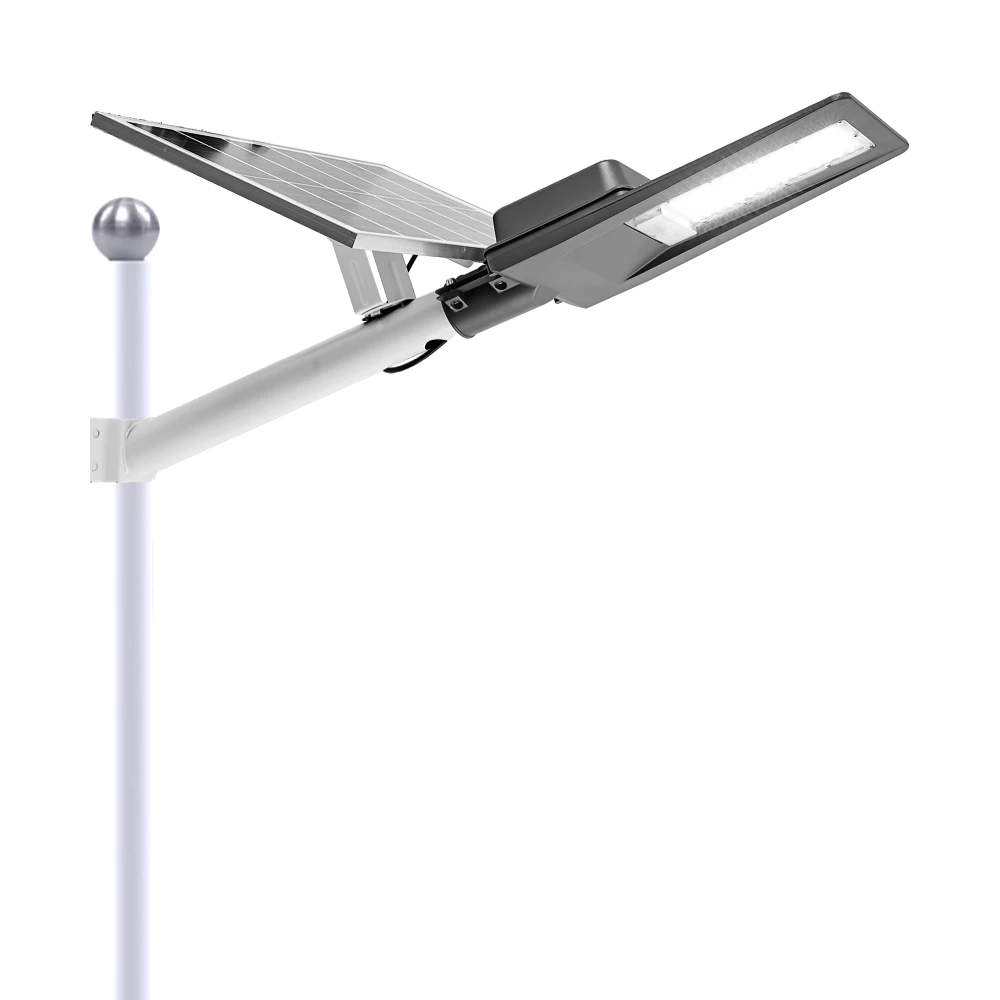
Experience reliable outdoor illumination with our smart solar street light, a perfect combination of advanced technology and eco-conscious design.
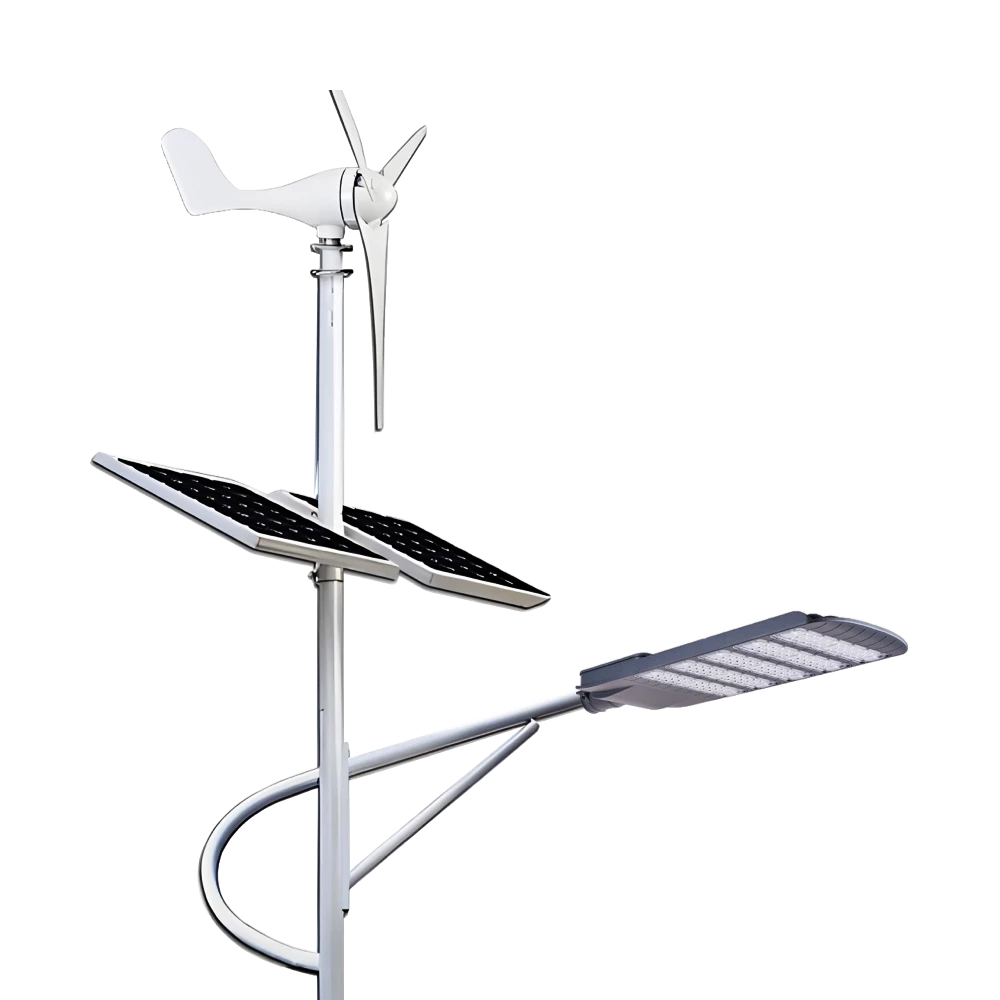
Queneng Lufeng Wind Energy LED Outdoor Solar Street Lights offer high-performance, eco-friendly illumination. These energy-efficient LED street lights harness solar power and wind energy for sustainable, cost-effective outdoor lighting solutions.
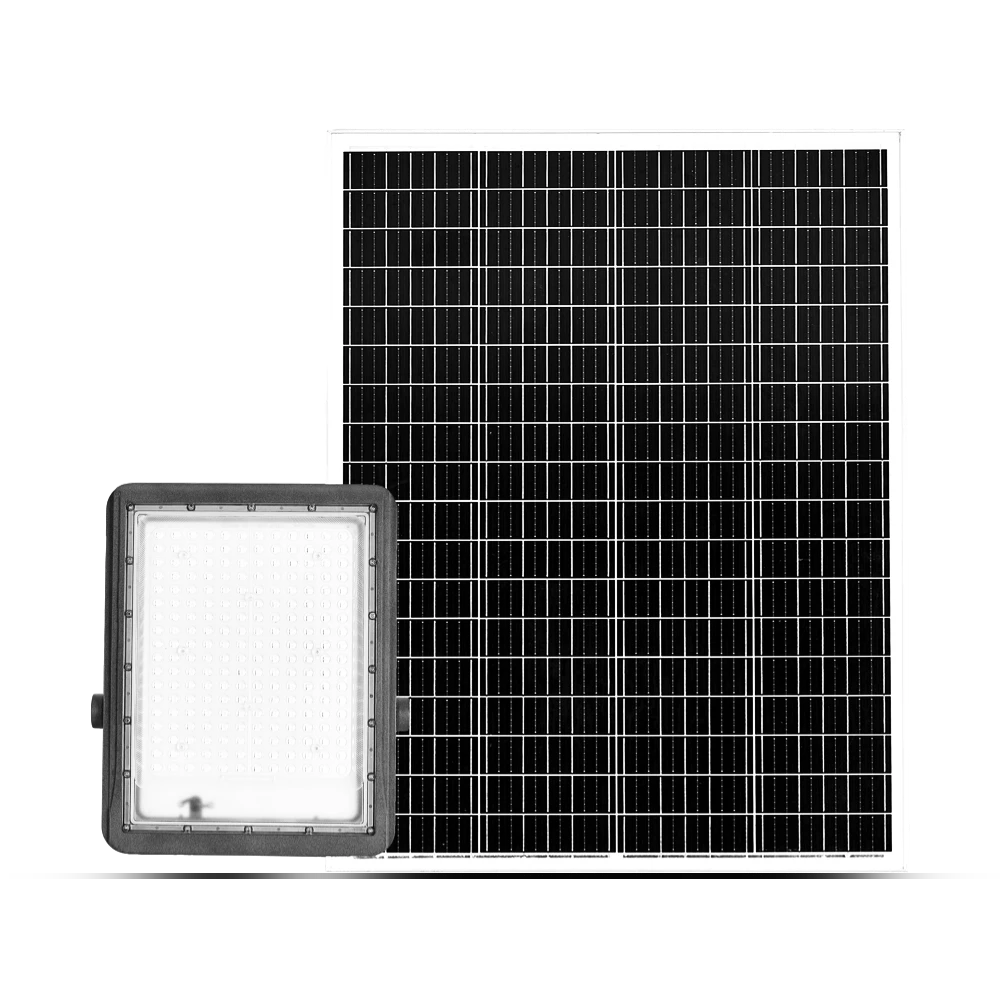
Queneng's Luxian Reliable Solar Street Light offers energy-saving LED lighting for outdoor use. This durable, solar-powered street light provides reliable illumination, reducing energy costs and environmental impact. A perfect solution for sustainable outdoor lighting.
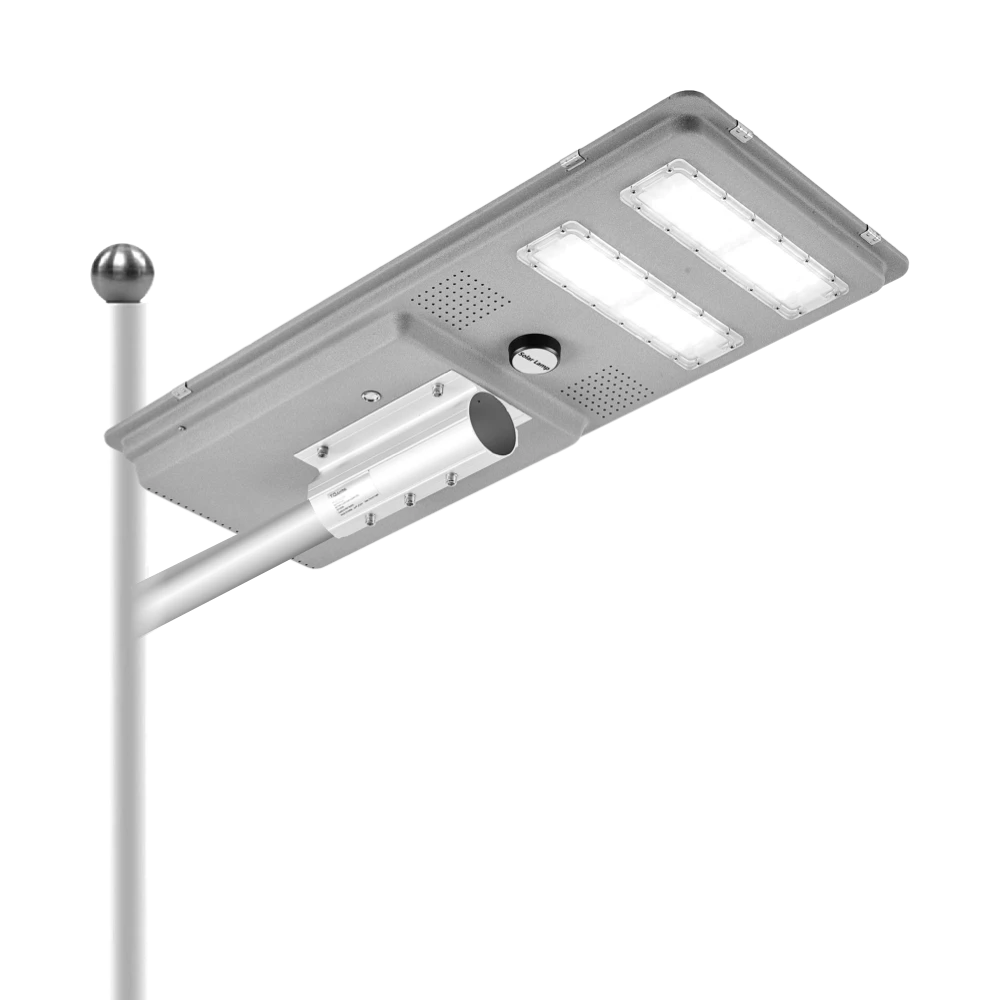
Queneng’s Solar Street Lights are designed to provide reliable, energy-efficient lighting for streets, parks, and other outdoor spaces.
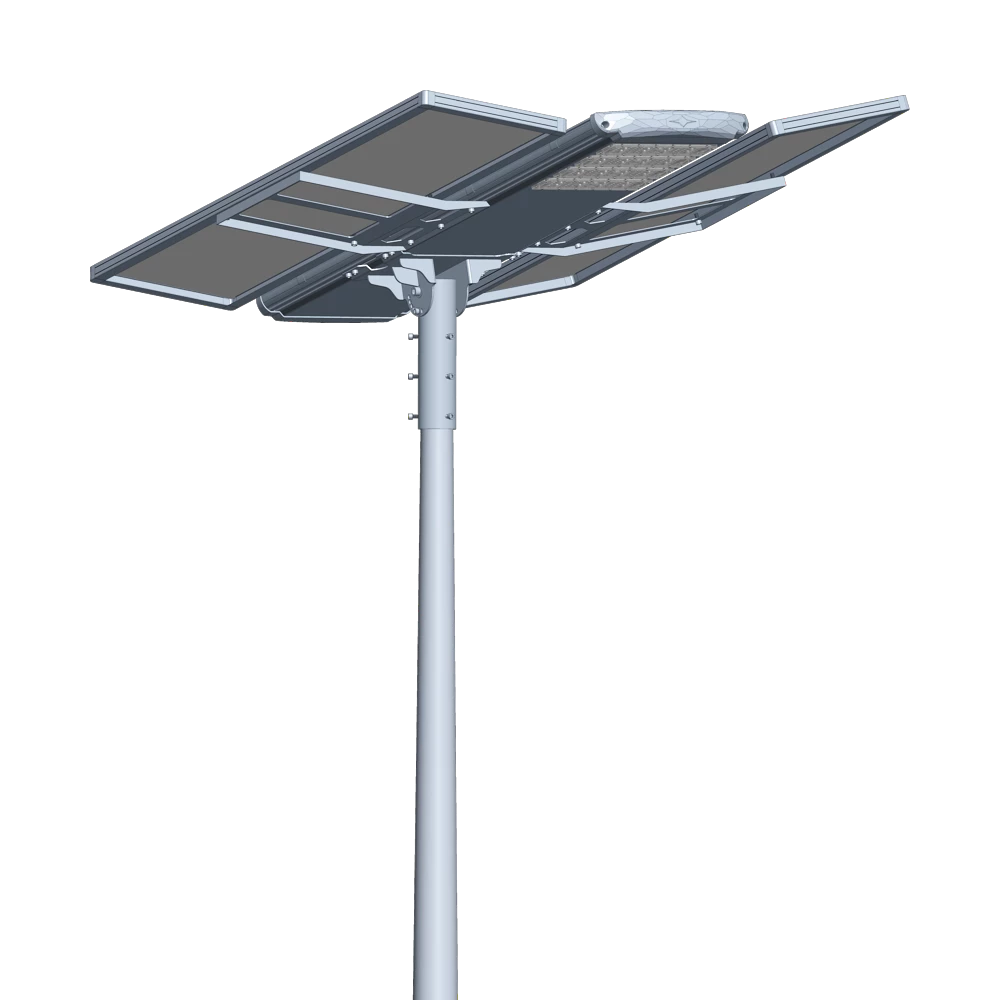
Introducing the Luqing Solar Street Light by Queneng, Efficient LED lighting powered by solar energy is perfect for illuminating outdoor areas. Harness the power of solar energy for sustainable, reliable street lighting. Ideal for eco-friendly, cost-effective outdoor illumination solutions.
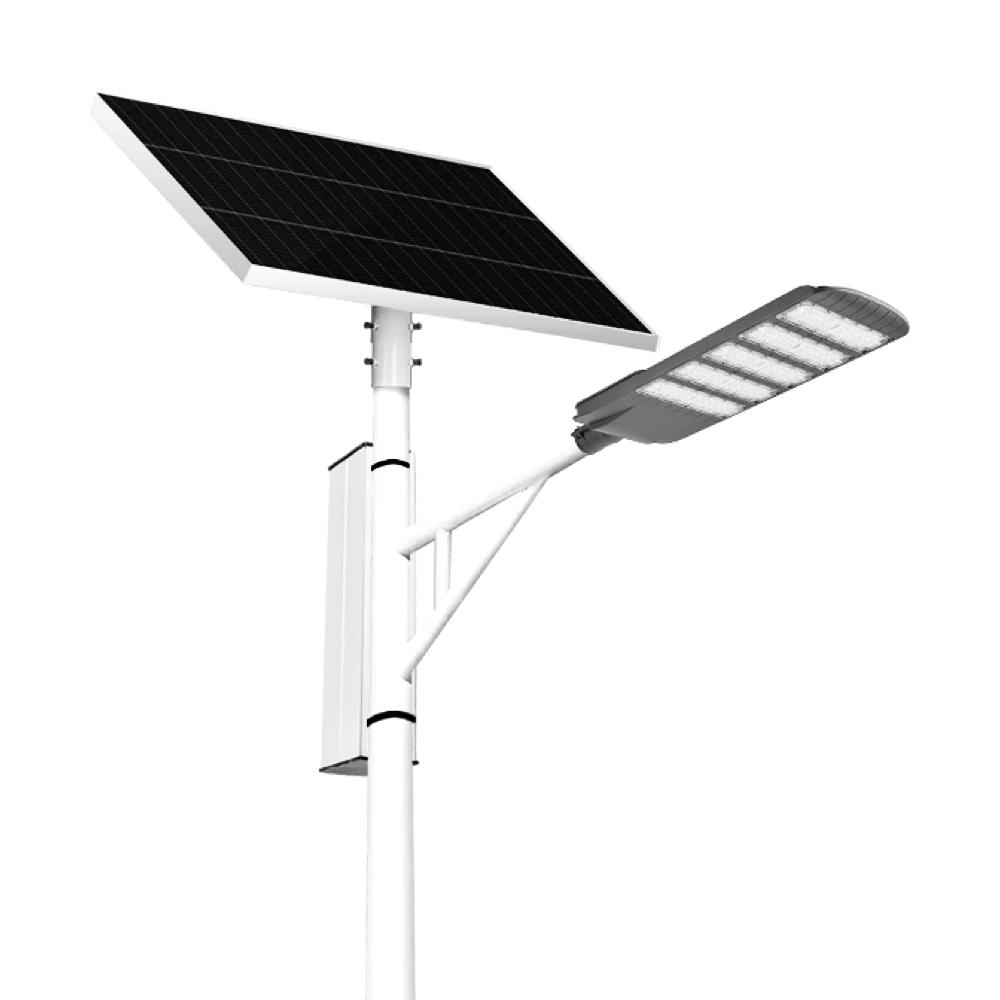
The Solar Streetlights of Luhao for Municipalities are designed to deliver reliable, energy-efficient, and cost-effective public lighting solutions. Equipped with advanced LED technology, durable lithium batteries, and high-efficiency solar panels, these streetlights provide consistent illumination for roads, parks, residential areas, and government projects.
Our professional team is ready to answer any questions and provide personalized support for your project.
You can reach us via phone or email to learn more about Queneng’s solar lighting solutions. We look forward to working with you to promote clean energy solutions!
Rest assured that your privacy is important to us, and all information provided will be handled with the utmost confidentiality.
By clicking 'Send Inquiry Now' I agree to Queneng processing my personal data.
To see how to withdraw your consent, how to control your personal data and how we process it, please see our Privacy Policy and Terms of use.
Schedule a Meeting
Book a date and time that is convenient for you and conduct the session in advance.
Have more questions about our products or services?
The messenger of light & power conversion
Environmental protection and intelligent manufacturing are our brand philosophy, and quality assurance and the best user experience are our eternal promises to users.
CONTACT
No.9F, Building F, Cao San Xin Tian Hong Logistics Park, Guzhen Town, Zhongshan City, Guangdong Province, China.
or write [email protected]
WhatsApp: +86 136 2270 1011


