












Corrosion Protection and Materials for Coastal Cities
Protecting Coastal Infrastructure: Materials and Methods
Understanding why coastal corrosion matters for Municipal Solar Street Light projects
Coastal cities present one of the most aggressive environments for outdoor lighting assets. Salt-laden air, high humidity, and frequent wind-driven spray accelerate metal loss, electrical degradation and coating failure. For a Municipal Solar Street Light program, corrosion not only shortens service life and increases maintenance costs, it directly impacts public safety (failed poles, loose fixtures) and lifecycle economics. This article synthesizes industry standards, material science, and field-proven practices to help engineers, procurement officers and municipal planners specify durable solar street lighting systems for coastal installations.
Understanding Coastal Corrosion Risks for Municipal Solar Street Light
Coastal corrosion is dominated by chloride-induced attack and high atmospheric moisture. Chloride ions from sea spray penetrate coatings and promote pitting, crevice and galvanic corrosion. ISO 9223 (atmospheric corrosivity classification) links environmental exposure zones to expected corrosion severity, using categories from C1 (very low) to C5-M (very high, maritime). Municipal Solar Street Light systems exposed to beach fronts and harbors typically fall in C4–C5-M categories, which require much higher material and coating performance than inland installations.
Key risk factors:
- Salt deposition (chloride concentration) — major driver of pitting
- High relative humidity and persistence of wetting cycles — keeps surfaces electrochemically active
- Wind exposure — drives salt spray into joints and luminaire cavities
- Temperature fluctuations — promotes differential expansion, coating cracking
Designing for these factors is essential when specifying a Municipal Solar Street Light to achieve reliable 10–25+ year service lives.
Material Options: Metals, Alloys, and Non-Metals for Municipal Solar Street Light
Choosing the right material (or combination of materials) for poles, brackets, fasteners and enclosures is the first defense. The table below summarizes common options used in coastal Municipal Solar Street Light projects.
| Material | Corrosion Resistance (Coastal) | Maintenance | Typical Service Life (Coastal) | Notes |
|---|---|---|---|---|
| Carbon Steel (painted) | Low–Moderate (fails if coating breached) | Frequent inspections, spot repainting | 5–15 years | High risk of under-film corrosion if moisture ingress occurs |
| Hot-dip Galvanized (HDG) Steel | Good (improved in combination with protective topcoat) | Periodic inspection; renew topcoat as needed | 15–50 years (site-dependent) | Best when zinc thickness and site category per ISO 9223 are considered |
| Aluminum alloys (eg. 6061-T6, 6063) | Good (forms stable oxide; pitting possible near chlorides) | Periodic washing to remove salt deposits | 15–30 years | Lightweight; avoid contact with carbon steel without isolation |
| Stainless steel (304) | Moderate (susceptible to chloride pitting) | Frequent washing; careful detailing | 10–25 years | 304 not recommended for high-chloride coastal sites |
| Stainless steel (316L) | High (excellent chloride resistance) | Low–moderate (washing recommended) | 20–50 years | Preferred for exposed fasteners, brackets, and fittings |
| Composite/FRP | High (non-metallic) for corrosion; UV and abrasion must be managed | Low (wash, UV inspections) | 15–30 years | Good for lightweight poles and housings where mechanical strength is adequate |
Sources for the above ranges include ISO 9223 corrosion categories, Galvanizers Association guidance on HDG durability, and manufacturer's technical data for aluminum and stainless alloys. Exact life expectancy depends on local chloride deposition, coating thickness and maintenance.
Design and Coating Strategies to Extend Municipal Solar Street Light Lifespan
Materials alone are not enough. Thoughtful coating systems and mechanical design are critical for a long-lived Municipal Solar Street Light installation in coastal cities.
Proven strategies:
- Use a dual-layer system for steel: hot-dip galvanizing (HDG) per ISO 1461 or ASTM standards, followed by a high-quality thermoset powder coat. The HDG provides sacrificial protection; powder coating provides barrier and UV protection.
- For aluminum, specify anodizing for additional corrosion resistance where feasible, or high-build fluoropolymer/powder coatings for aesthetics and barrier protection.
- Select stainless steel 316L for fasteners, hinges and exposed brackets. Avoid 304 in high-chloride zones.
- Isolate dissimilar metals (for example, aluminum-to-steel) using non-conductive gaskets or sleeves to prevent galvanic corrosion.
- Design to avoid crevices and water traps. Ensure drainage holes are present and orient seams to reduce direct salt accumulation.
- Specify IP-rated luminaire enclosures (IEC 60529) with silicone gaskets; ensure venting/dessicant options for temperature/humidity cycling.
When specifying coatings, include measurable criteria (minimum zinc coating mass or thickness, specified powder coat thickness and test requirements such as 1000-hour salt spray for coastal-use formulations) and acceptance tests on samples.
Installation details that reduce long-term corrosion for Municipal Solar Street Light
Installation determines much of an asset's future performance. Key best practices every municipality should require in contracts:
- Use foundation designs that minimize splash and tidal exposure; concrete encasements with drainage to avoid standing water.
- Ensure electrical isolation and corrosion-resistant cable glands for battery enclosures on poles.
- Torque fasteners to specification using 316L stainless. Avoid over-tightening powder-coated surfaces (which can break the barrier).
- Apply protective touch-up to any coating damage immediately with compatible materials (e.g., zinc-rich touch-up for HDG).
Installation and Maintenance Best Practices for Municipal Solar Street Light in Coastal Cities
Planned maintenance is cheaper than reactive repairs. Establish a maintenance plan tied to site corrosivity:
- High-exposure (C5-M): wash and inspect every 3–6 months; immediate removal of visible salt accumulation; annual electrical check.
- Moderate-exposure (C4): wash and inspect every 6–12 months.
- Routine documentation: torque logs, coating condition reports, photos of fastener heads and welds.
Maintenance actions that materially extend life:
- Regularly remove salts from solar panels, pole surfaces and luminaire windows to maintain performance and reduce corrosion initiation.
- Apply corrosion-inhibiting sprays or coatings to accessible metal interfaces as part of scheduled service.
- Replace sacrificial components (anodes, seals) on a planned schedule.
Standards and Testing to Specify for Coastal Municipal Solar Street Light
Ensure procurement documents require compliance with the following widely recognized standards and tests:
- ISO 9223 — Atmospheric corrosion classification (useful for site assessment and material selection).
- ASTM B117 — Neutral salt spray (NSS) test for comparative coating resistance (specify hours appropriate to C4/C5-M use).
- ISO 1461 / ASTM A123 — Hot-dip galvanizing standards and acceptance criteria.
- IEC 60529 — Ingress Protection (IP) ratings for luminaires and enclosures.
- Use manufacturer certificates (material test reports), third-party factory audits (ISO 9001, TÜV), and sample testing to verify claims.
Cost-Benefit and Lifecycle Analysis for Municipal Solar Street Light
Municipal managers should move past lowest-price procurement and require lifecycle cost analyses that include initial material, expected maintenance, downtime, replacement probability, and safety risk. The simplified table below compares qualitative lifecycle factors for coastal installations:
| Option | Initial Cost | Maintenance Intensity | Expected Replacement Window | Best Use |
|---|---|---|---|---|
| Painted Carbon Steel | Low | High (frequent repaint & repairs) | 5–15 years | Short-term budget constraints only |
| HDG + Powder Coat Steel | Medium | Moderate | 15–30+ years | General municipal poles and arms |
| Aluminum (anodized / coated) | Medium–High | Low–Moderate (washing) | 15–30 years | Lightweight poles, fixtures |
| 316L Stainless / FRP | High | Low | 20–50 years | High-durability critical points (fasteners, brackets), High Quality assets |
Recommendation: For coastal Municipal Solar Street Light programs, specifying HDG steel with a certified powder topcoat for poles, 316L stainless fasteners, and anodized or coated aluminum for some components delivers the best balance of cost and durability. Where budget allows, 316L or FRP poles reduce long-term uncertainty.
Why choose Guangdong Queneng Lighting Technology Co., Ltd. for Municipal Solar Street Light solutions
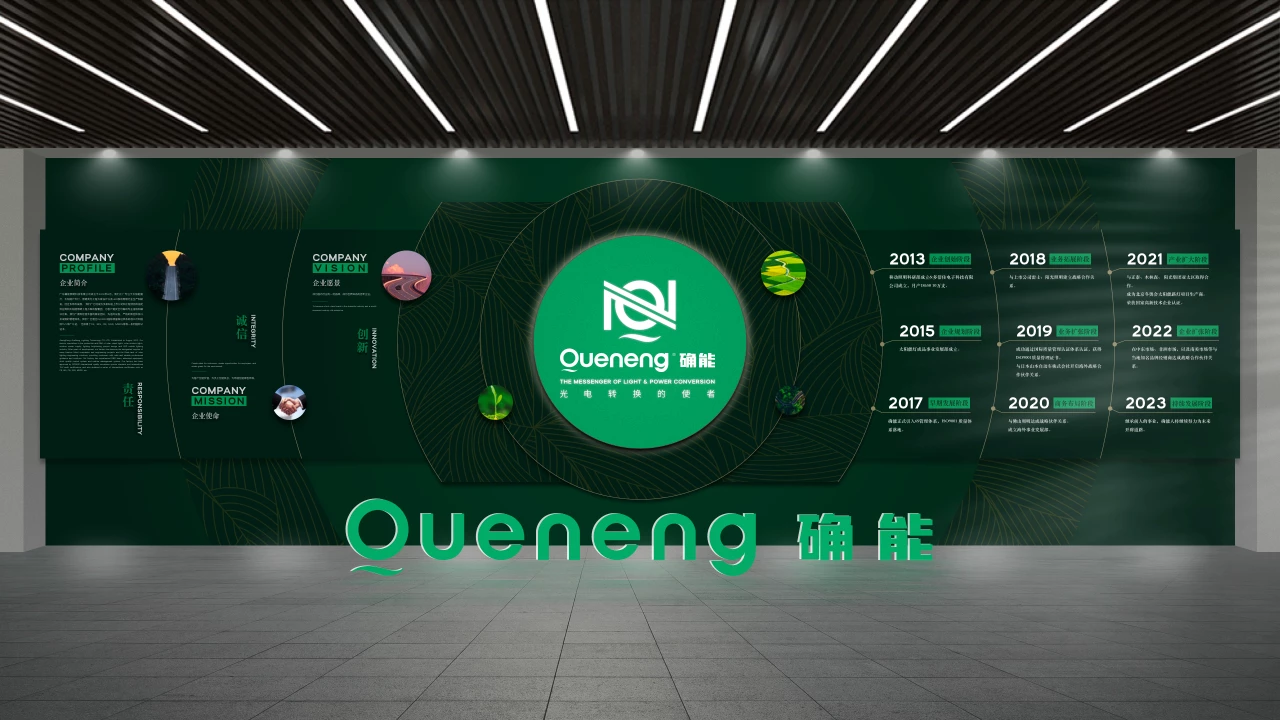
GuangDong Queneng Lighting Technology Co., Ltd. (Queneng) was founded in 2013 and focuses on full-range solar lighting products and services including Solar Street Lights, Solar Spotlights, Solar Garden Lights, Solar Lawn Lights, Solar Pillar Lights, Solar Photovoltaic Panels, portable outdoor power supplies and batteries, lighting project design, and LED mobile lighting industry production and development. Over years of development, Queneng has become the designated supplier for numerous listed companies and engineering projects and acts as a solar lighting engineering solutions think tank.
How Queneng addresses coastal corrosion and durability needs for Municipal Solar Street Light:
- R&D and materials expertise: an experienced R&D team that develops marine-grade product options and evaluates coatings, sealing systems and structural materials tailored to coastal ISO 9223 categories.
- Quality systems and third-party certifications: ISO 9001 quality management, TÜV audit approval, and international product certifications including CE, UL, BIS, CB, SGS and MSDS—helping verify performance claims and simplify procurement acceptance.
- Manufacturing and testing capabilities: advanced equipment and strict quality control systems allow controlled application of HDG, powder coatings, and sealed luminaire assembly to maintain IP ratings in humid and salt-laden atmospheres.
- Project experience and engineering support: Queneng provides lighting project design and lifecycle-focused specifications so municipal customers receive rated Municipal Solar Street Light systems with clear maintenance and warranty pathways.
Main products suitable for coastal municipal projects: Solar Street Lights, Solar Spotlights, Solar Lawn Lights, Solar Pillar Lights, Solar Photovoltaic Panels, Solar Garden Lights. Advantages include tailored material/coating options, third-party certification, and an engineering-first approach to durability.
Specification highlights to request from Queneng for coastal projects
- Pole and bracket options with HDG per ISO 1461 and a fluoropolymer or thermoset powder topcoat with specified thickness and salt spray resistance.
- 316L stainless fasteners and marine-grade seals in luminaire housings to maintain IP66+ performance per IEC 60529.
- Solar panels with anti-reflective coating, robust frame (anodized or coated aluminum), and cable gland sealing for junction boxes.
- Detailed maintenance and washing schedules specific to coastal exposure category (C4/C5-M).
FAQs — Corrosion Protection for Municipal Solar Street Light
Q1: What is the single most important material choice for coastal Municipal Solar Street Light?
A: For structural components, choosing hot-dip galvanized steel with a certified powder coat or 316L stainless steel for exposed fittings strikes the best balance between durability and cost. The project’s ISO 9223 corrosivity category should drive the exact spec.
Q2: Can aluminum be used for poles in coastal areas?
A: Yes, anodized or appropriately coated aluminum alloys (e.g., 6061, 6063) are common in coastal applications due to their light weight and corrosion resistance. However, ensure electrical and mechanical isolation from steel parts and regular washing to remove salt deposits.
Q3: How often should coastal solar street lights be inspected and washed?
A: For high maritime exposure (C5-M): inspect and wash every 3–6 months. For moderate coastal exposure (C4): every 6–12 months. Inspections should include fasteners, pole bases, luminaire seals and solar panel performance.
Q4: Is hot-dip galvanizing enough on its own?
A: HDG provides excellent sacrificial protection, but in aggressive marine atmospheres a duplex system (HDG + powder coat or paint) significantly extends service life and improves aesthetics. Specify measurable coating thickness and touch-up procedures in procurement documents.
Q5: Which standards should be in a Coastal Municipal Solar Street Light procurement document?
A: Include ISO 9223 (site corrosivity), ISO 1461/ASTM A123 (HDG), ASTM B117 (salt spray test) for comparative coating evaluation, and IEC 60529 (IP rating) for enclosures. Require material certificates and factory test records.
Q6: What are common failure modes to watch for in coastal installations?
A: Pitting corrosion on stainless where chloride concentrates, under-film corrosion on painted steel, crevice corrosion at joints, seal degradation in luminaire housings causing ingress, and galvanic attack between dissimilar metals.
Contact and Product Inquiry
If you are planning a Municipal Solar Street Light deployment in a coastal city and need specifications, sample testing or lifecycle cost modelling, contact Guangdong Queneng Lighting Technology Co., Ltd. for tailored solutions, product catalogs and engineering support. Queneng can provide project-level proposals that specify corrosion-resistant materials, coatings and maintenance regimes appropriate to your site’s ISO 9223 classification.
References and Further Reading
- ISO 9223:2012 - Corrosion of metals and alloys — Corrosivity of atmospheres — Classification, available: https://www.iso.org/standard/54597. (Accessed 2025-12-26)
- ISO 1461 - Hot-dip galvanized coatings on fabricated iron and steel articles, available: https://www.iso.org/standard/53753. (Accessed 2025-12-26)
- ASTM B117 - Standard Practice for Operating Salt Spray (Fog) Apparatus, detail: https://www.astm.org/Standards/B117.htm (Accessed 2025-12-26)
- Galvanizers Association — How long does hot-dip galvanizing last? https://www.galvanizing.org.uk/how-long-does-hot-dip-galvanizing-last/ (Accessed 2025-12-26)
- Outokumpu — Stainless steel in marine environments (information on 316 performance): https://www.outokumpu.com/en/knowledge (Accessed 2025-12-26)
- IEC 60529: Degrees of protection provided by enclosures (IP Code) — IEC resource: https://www.iec.ch/ (Accessed 2025-12-26)
- Association for Materials Protection and Performance (AMPP, formerly NACE) — Technical resources on atmospheric corrosion: https://www.ampp.org/ (Accessed 2025-12-26)
For procurement templates, specification language or lifecycle cost modelling for Municipal Solar Street Light projects in coastal zones, Queneng’s engineering team can provide project-specific documents, sample tests and material certificates to support municipal acceptance and long-term asset management.

Have more questions about our products or services?
The latest hot news you might like

Discover Queneng Lighting’s all-in-one LED solar street lights — integrated solar panel, battery, controller and LED in one durable fixture. Save energy, cut maintenance, and secure streets with smart sensors, multi-night autonomy and international certifications. Contact sales for quotes and support.

Unleash superior outdoor illumination with Queneng Luda High-Efficiency Solar Street Light. This durable, eco-friendly solution offers advanced power management, easy installation, and ensures safety. Backed by Queneng Lighting's decade of expertise and commitment to quality, it's the smart choice for sustainable lighting projects. Learn why we're a leading solar solutions provider.

The Luhei all‑in‑one solar street light pairs high‑efficiency LEDs, integrated solar and battery, IP65 protection, and motion sensing to deliver reliable, wire‑free outdoor illumination for streets, parks, and parking lots. Backed by Queneng Lighting’s certifications and support.

FAQ
Solar Street Light Lufei
What is the warranty on the solar street light?
Queneng offers a warranty of 2-5 years on our solar street lights, covering defects in material and workmanship. The warranty duration may vary based on the model and product components.
Commercial and Industrial Parks
Can your solar lights operate in extreme weather conditions?
Yes, our lights are designed to withstand harsh environments, including heavy rain, high winds, and extreme temperatures.
Remote Areas Rural Development
What is the average lifespan of the lighting system?
The system typically lasts 8-10 years, with components like batteries requiring replacement every 5-8 years.
Solar Street Light Luqing
Are Luqing solar street lights suitable for large areas like parking lots or highways?
Yes, Luqing solar street lights are suitable for a variety of outdoor environments, including parking lots, highways, and large public spaces. They offer sufficient brightness and coverage for these areas without the need for grid-based power.
All-in-one solar street lights
How long is the battery lifespan?
Typically 5–8 years depending on battery type and usage.
APMS system
How does the APMS system enhance battery life?
With its dual-system intelligent management mode, APMS reduces frequent charge-discharge cycles, optimizes energy usage, and significantly extends battery lifespan.
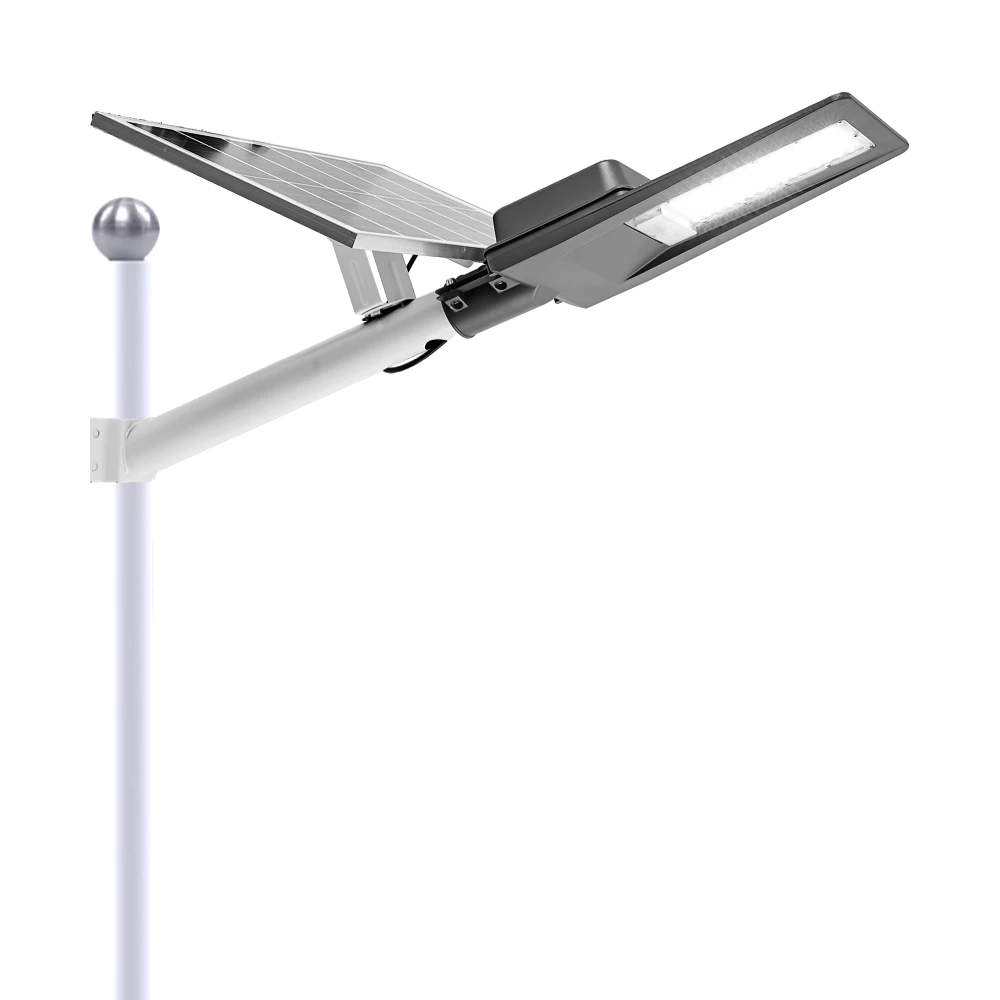
Experience reliable outdoor illumination with our smart solar street light, a perfect combination of advanced technology and eco-conscious design.
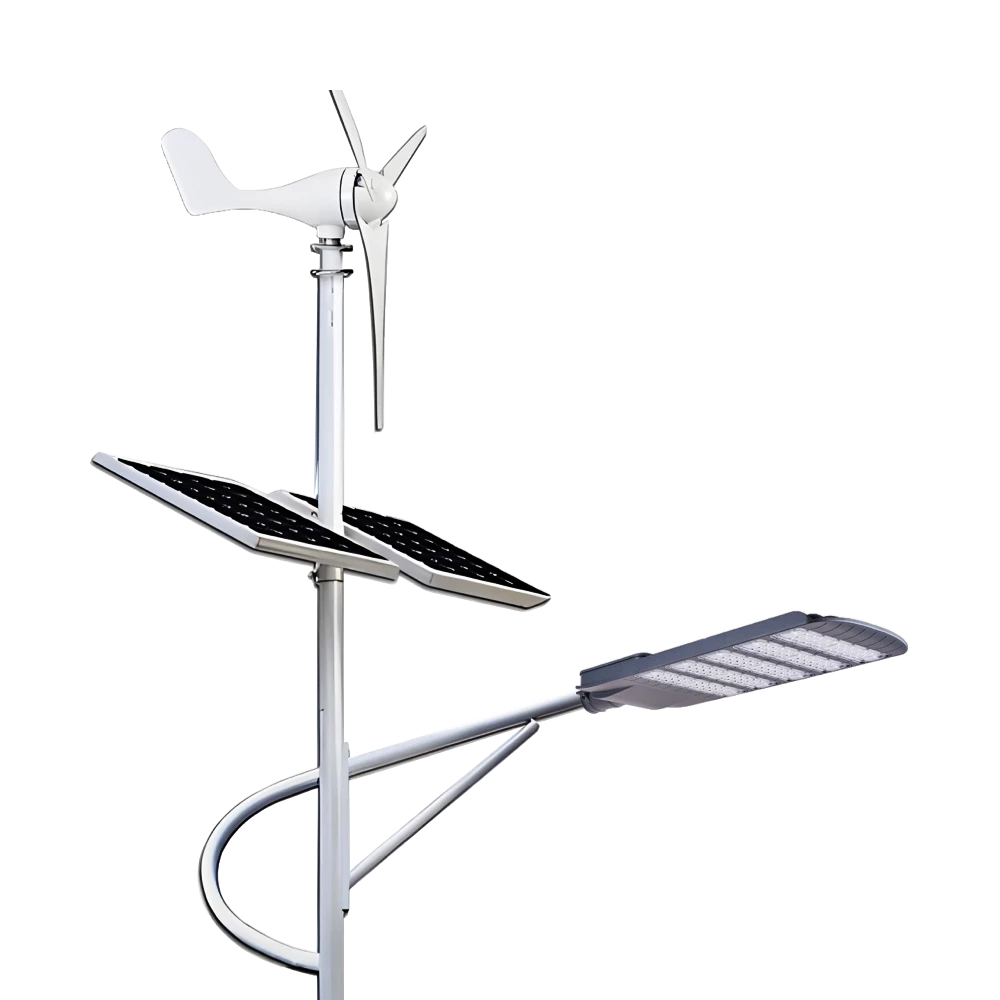
Queneng Lufeng Wind Energy LED Outdoor Solar Street Lights offer high-performance, eco-friendly illumination. These energy-efficient LED street lights harness solar power and wind energy for sustainable, cost-effective outdoor lighting solutions.
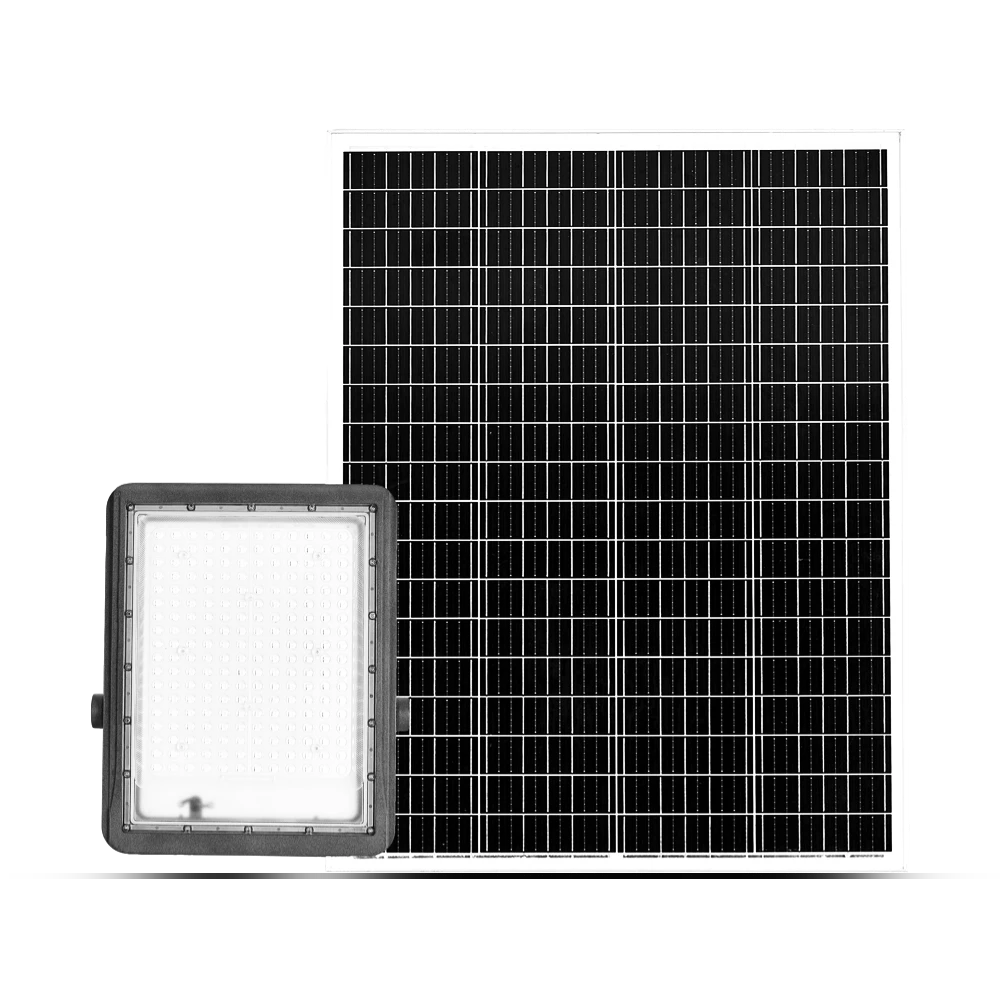
Queneng's Luxian Reliable Solar Street Light offers energy-saving LED lighting for outdoor use. This durable, solar-powered street light provides reliable illumination, reducing energy costs and environmental impact. A perfect solution for sustainable outdoor lighting.
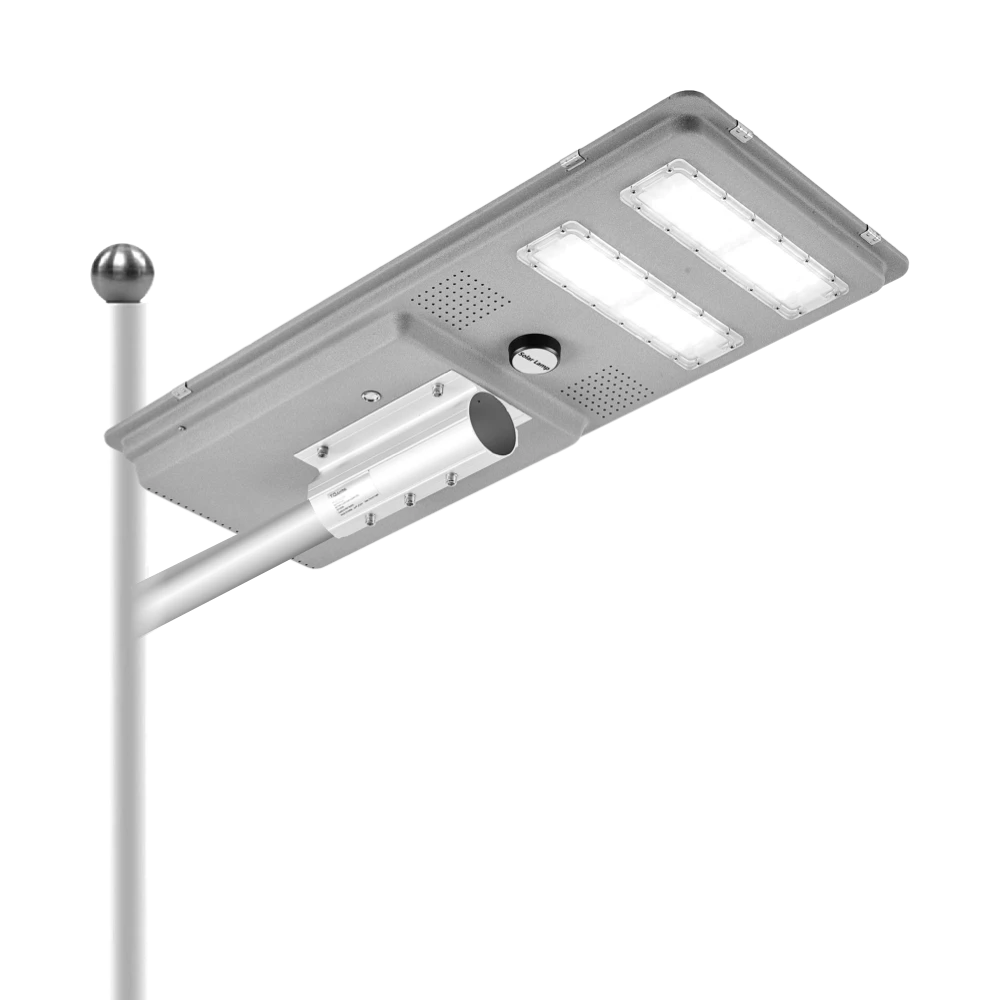
Queneng’s Solar Street Lights are designed to provide reliable, energy-efficient lighting for streets, parks, and other outdoor spaces.
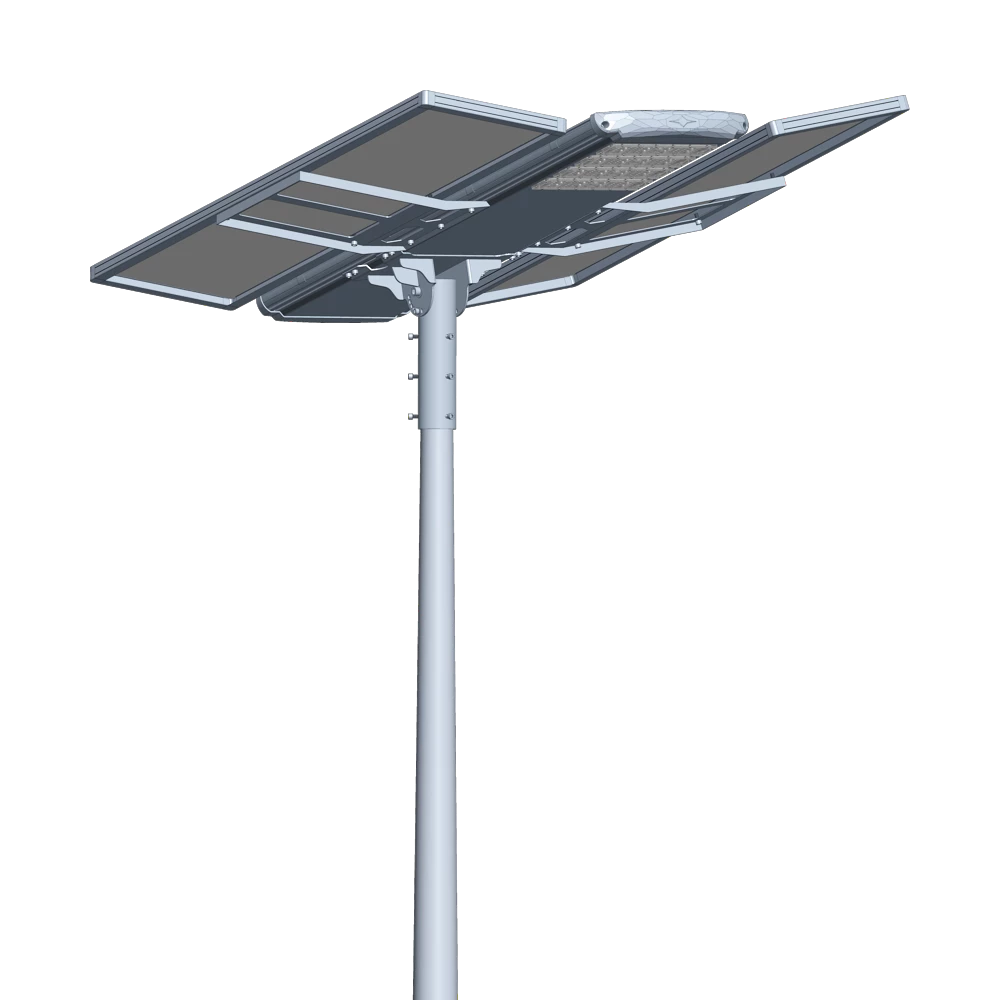
Introducing the Luqing Solar Street Light by Queneng, Efficient LED lighting powered by solar energy is perfect for illuminating outdoor areas. Harness the power of solar energy for sustainable, reliable street lighting. Ideal for eco-friendly, cost-effective outdoor illumination solutions.
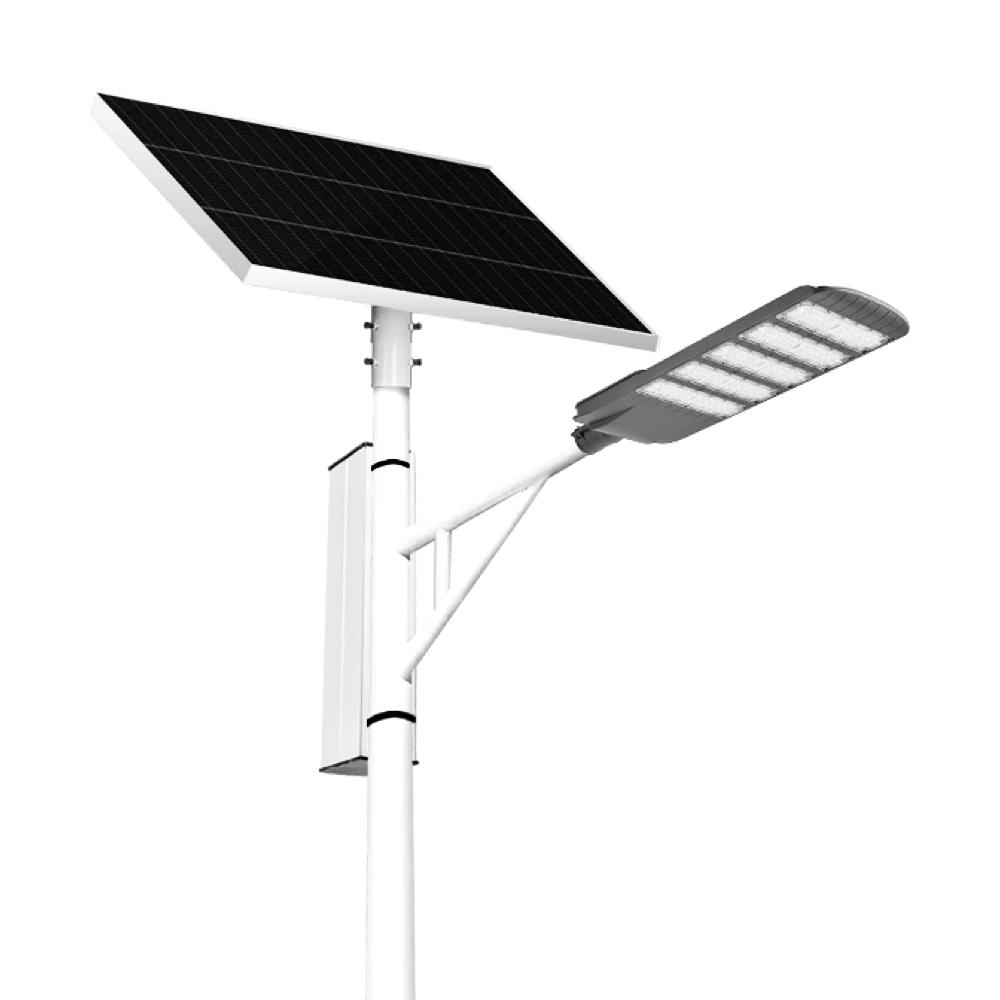
The Solar Streetlights of Luhao for Municipalities are designed to deliver reliable, energy-efficient, and cost-effective public lighting solutions. Equipped with advanced LED technology, durable lithium batteries, and high-efficiency solar panels, these streetlights provide consistent illumination for roads, parks, residential areas, and government projects.
Our professional team is ready to answer any questions and provide personalized support for your project.
You can reach us via phone or email to learn more about Queneng’s solar lighting solutions. We look forward to working with you to promote clean energy solutions!
Rest assured that your privacy is important to us, and all information provided will be handled with the utmost confidentiality.
By clicking 'Send Inquiry Now' I agree to Queneng processing my personal data.
To see how to withdraw your consent, how to control your personal data and how we process it, please see our Privacy Policy and Terms of use.
Schedule a Meeting
Book a date and time that is convenient for you and conduct the session in advance.
Have more questions about our products or services?
The messenger of light & power conversion
Environmental protection and intelligent manufacturing are our brand philosophy, and quality assurance and the best user experience are our eternal promises to users.
CONTACT
No.9F, Building F, Cao San Xin Tian Hong Logistics Park, Guzhen Town, Zhongshan City, Guangdong Province, China.
or write [email protected]
WhatsApp: +86 136 2270 1011


