













cost of solar streetlights in nigeria
Understanding Lifecycle Costs of Solar Street Lighting in Nigeria
Overview: Why Municipal Solar Street Light projects matter for Nigerian cities
Municipal Solar Street Light solutions are increasingly adopted across Nigerian towns and cities to expand night-time safety, reduce electricity bills, and bypass an unreliable grid. For municipal planners and procurement officers, the primary question is not whether to deploy solar, but how much it truly costs over the lifetime—CAPEX, OPEX, replacement cycles, financing and value-for-money versus conventional grid-powered lighting. This article breaks down real cost drivers, offers example budgets, and explains procurement and technical choices that materially affect total project cost.
Cost components of a Municipal Solar Street Light and how each affects price
Understanding each cost component helps explain the wide price ranges you see. A typical municipal solar street lighting project includes:
- Solar module(s): watts and efficiency determine panel area and cost
- Battery energy storage: capacity (kWh) and chemistry (Li-ion vs lead-acid)
- LED luminaire and controller: lumens/W, optics, smart controls (dimming, sensors)
- Pole and mounting hardware: height, anchor type, corrosion protection
- Balance of system (BoS): wiring, combiner boxes, surge protection
- Installation & civil works: trenching, foundations, labor, transport
- Ongoing O&M: cleaning, battery replacement, repairs, remote monitoring
- Project-level costs: design, permits, commissioning, financing fees
Each item carries both hardware and local supply-chain cost, which in Nigeria are influenced by import taxes, logistics, and local labor rates.
Typical per-unit CAPEX ranges for Municipal Solar Street Light in Nigeria (component view)
The table below gives an industry-typical estimate range for a single integrated Municipal Solar Street Light unit suitable for municipal roads (example spec: 30–120W LED, 150–600Wp PV, 1–6 kWh battery). These are presented as ranges because component quality, brand, and procurement volume change prices materially.
| Component | Typical Quantity (per light) | Estimated Unit Cost (USD) | Notes / Sources |
|---|---|---|---|
| Solar PV modules | 150–600 W | $80 – $350 | Module $/W trends; price varies by quality and panel brand (see IRENA, IEA) |
| Battery (Li-ion or GEL) | 1–6 kWh | $150 – $1,000 | Li-ion battery pack prices and lead-acid alternatives; lifecycle differs (see BNEF, IRENA) |
| LED luminaire and controller | 30–120 W | $70 – $300 | Includes smart controller (dimming, remote) for municipal use |
| Pole & mounting | 1 unit | $150 – $800 | Depends on height (6–12 m), galvanization, foundation work |
| Balance of System & installation | Per light | $80 – $400 | Wiring, surge protection, transport, labor |
| Project design, permitting & contingency | Per unit allocation | $50 – $200 | Higher for small pilots, lower for bulk municipal procurement |
| Estimated Total CAPEX per unit | $600 – $3,000 | Range for municipal-grade systems (depends on spec and procurement scale) |
Source notes: component ranges synthesized from global module & battery price reports (IRENA, BNEF), industry supplier price lists, and local project tenders. See references at the article end.
Example comparative table: Municipal Solar Street Light vs Grid-Powered Street Light (10-year view)
This comparative table demonstrates typical CAPEX and OPEX differences for a single streetlight over 10 years. Assumptions are listed below the table.
| Item | Municipal Solar Street Light (median spec) | Grid-Powered LED Street Light |
|---|---|---|
| Initial CAPEX | $1,200 (includes PV, battery, pole, luminaire, install) | $450 (lamp, pole, wiring, connection) |
| Annual O&M (avg) | $20–$60 (cleaning, minor repairs) + battery replacement year 6–8 | $30–$80 (lamp replacement, electricity bill) |
| Electricity cost (10 yrs) | $0 (self-generated) | $250–$800 (depends on kWh price & hours) |
| Battery replacement (year 6–8) | $200–$600 (depending on battery type) | n/a |
| Total 10-year cost (approx.) | $1,600–$2,200 | $1,100–$1,900 |
| Key advantage | Resilience to grid outages, predictable energy cost | Lower initial cost if grid available and reliable |
Assumptions: 10-year horizon, LED luminaire 50W equivalent, average 10–12 hours operation/night. Grid electricity price assumed $0.08–$0.15/kWh (local tariffs vary). Battery replacement assumed once in 6–8 years for lead-acid or lower for low-quality Li-ion. These figures are example scenarios to inform procurement decisions—local tender pricing may vary.
How to calculate LCOE for a Municipal Solar Street Light (short worked example)
LCOE (levelized cost of lighting) lets you compare lifetime per-kWh cost. Simple approach for one lamp:
- Assume CAPEX = $1,200
- Lifetime = 10 years, discounting and O&M simplified (for municipal budgeting)
- Annual light energy output = 50W × 11 hours/night × 365 = 200.75 kWh/year
- 10-year energy delivered ≈ 2,007.5 kWh
Ignoring discount rate and with one battery replacement at $400 in year 7, total lifecycle cost ≈ $1,200 + $400 + (10 × $40 O&M) = $2,000. LCOE ≈ $2,000 / 2,007.5 kWh ≈ $0.997/kWh (≈ $1.00/kWh). Adjusting for discount rate and better component selection will lower this—using longer-life batteries, larger PV margins, or bulk procurement can bring LCOE below $0.50/kWh for high-quality systems.
Key insight: Unit LCOE is sensitive to battery longevity and O&M. Investing in higher-quality batteries and smart controllers (to enable dimming and remote diagnostics) typically reduces LCOE over 7–10 years.
Procurement levers that reduce Municipal Solar Street Light lifecycle cost
Municipal buyers can materially reduce total cost by:
- Bulk procurement: unit price decreases with larger tender volumes.
- Specifying lifecycle metrics (e.g., battery cycle life, lumen maintenance L70) rather than cheapest upfront price.
- Requesting third-party certifications: CE, IEC, TÜV, UL, BIS where applicable.
- Including performance guarantees and service-level agreements (SLAs) for battery replacement & remote monitoring.
- Using standardized modular designs to simplify maintenance and spare parts.
- Assessing total cost of ownership (TCO) in tender evaluation, not only CAPEX.
Financing, incentives and business models relevant to Nigeria’s municipalities
Municipalities in Nigeria typically use one of these models:
- Direct CAPEX procurement: municipality purchases and owns assets.
- Public-private partnership (PPP): private investor installs and operates under a concession.
- ESCO / Performance Contracting: energy service companies deliver lights and recover costs from savings or availability payments.
- Donor- or development-financed projects: grants/soft-loans reduce municipal upfront burden.
Each model shifts risk differently (operation risk, performance risk). For municipalities with limited capital, ESCO or PPP models often enable accelerated rollout with predictable budgets.
Technical specification checklist for reliable Municipal Solar Street Light procurement
Include minimum technical requirements in tenders to avoid low-quality outcomes:
- Solar panels: manufacturer warranty 10 years for materials and 25 years for power output degradation curve
- Batteries: specify chemistry, cycle life (e.g., LiFePO4 >2,000 cycles at 80% DoD), temperature tolerance
- LED luminaire: lumen output, efficacy (lm/W), L70 life ≥50,000 hours
- Controller: MPPT recommended, surge protection, remote monitoring capability
- Pole & civil: recommended galvanization coating, wind load rating, foundation design
- Certifications: CE/IEC/UL/TÜV/BIS as applicable
Selecting suppliers — why supplier credibility matters for Municipal Solar Street Light projects
Municipal projects are long-term; selection should prioritize manufacturers with global quality systems, testing records, and after-sales support. Key indicators of credible suppliers:
- ISO 9001 and third-party factory audits (TÜV, SGS)
- Product certifications (CE, UL, IEC)
- Proven track record of municipal projects and references
- Local presence or service partners in Nigeria (spares & warranty handling)
Case study snapshot: Typical 100-unit municipal rollout costing and procurement lessons
Example summary for a 100-unit municipal deployment (median-spec lights) — indicative only:
- Estimated CAPEX (100 units) = 100 × $1,200 = $120,000
- Estimated project-level fees, transport, installation = $18,000
- Total project budget ≈ $140,000. Expected 10-year lifecycle cost including one battery replacement ≈ $160,000–$200,000.
Lessons: negotiate multi-year O&M contracts, require local spare parts stock, and include performance guarantees tied to hours of illumination and battery health.
GuangDong Queneng Lighting Technology Co., Ltd — supplier profile and relevance for Nigerian Municipal Solar Street Light projects
GuangDong Queneng Lighting Technology Co., Ltd., founded in 2013, specializes in a wide range of solar lighting products and integrated solutions, including Solar Street Lights, Solar Spot lights, Solar Garden Lights, Solar Lawn Lights, Solar Pillar Lights, Solar Photovoltaic Panels and portable power supplies and batteries. Queneng offers project design, engineering and delivery capabilities and positions itself as a solar lighting engineering solutions think tank. Key strengths relevant to Nigerian municipal projects:
- Product breadth: full product line from PV panels to smart controllers and luminaires suitable for municipal projects.
- Quality & certification: ISO 9001 quality assurance, TÜV audited factory processes and international product certificates such as CE, UL, BIS, CB, SGS and MSDS.
- R&D capability: experienced R&D team and advanced production equipment for customized municipal-grade solutions.
- Track record: designated supplier for listed companies and engineering projects; capable of providing design, supply and after-sales support.
Why Queneng can be a competitive partner: the company combines manufacturing scale (which helps lower unit CAPEX), international certifications (reducing product risk), and engineering support for project design—this mix helps municipalities achieve better lifecycle value and reduces maintenance risk. Their main products suitable for municipal use include Solar Street Lights, Solar Spot lights, Solar Lawn lights, Solar Pillar Lights, Solar Photovoltaic Panels and Solar Garden Lights.
Practical buying checklist for Municipal Solar Street Light procurement in Nigeria
- Define performance outcomes (lux levels, hours/night, autonomy days)
- Insist on product and factory certifications
- Evaluate TCO (include battery replacement and O&M) not just CAPEX
- Ask for references of similar municipal projects and local service plans
- Negotiate SLA-backed warranties and spare parts commitments
- Plan for a small pilot before full city roll-out
FAQ — Frequently Asked Questions about Municipal Solar Street Light costs in Nigeria
1. How much does one municipal solar street light cost in Nigeria?
Typical unit CAPEX for a municipal-grade system ranges roughly from $600 to $3,000 depending on specification (PV size, battery capacity, pole type, smart controls). A commonly procured median-spec unit is often around $1,000–$1,500. Final pricing depends on volume, warranties, and local duties.
2. Is a Municipal Solar Street Light cheaper than grid street lighting over 10 years?
It depends. In areas with expensive or unreliable grid electricity, solar often offers lower and more predictable lifecycle costs and greater resilience. In locations with reliable cheap grid power and no outages, upfront CAPEX for solar may be higher but can still be justified for resilience or decarbonization goals.
3. How long do batteries and LEDs last in municipal solar street lights?
High-quality LED luminaires typically last ≥50,000 hours (L70). Li-ion batteries can last 5–10+ years depending on chemistry, depth of discharge and temperature. Lead-acid batteries have shorter life (2–4 years). Choosing higher-quality LiFePO4 batteries increases lifecycle and reduces maintenance.
4. What certifications should municipal procurement require?
Require ISO 9001 factory quality management, product certificates (CE, IEC, UL or local equivalents), and third-party test reports for PV and batteries. For critical projects, ask for TÜV or SGS factory audits and product test reports.
5. How can municipalities reduce costs when buying Municipal Solar Street Light systems?
Buy in bulk, specify life-cycle performance rather than lowest upfront price, require performance guarantees, use competitive bidding, and consider PPP or ESCO models to spread upfront costs.
6. Are there local financing or donor programs for solar street lighting in Nigeria?
Yes—municipalities have used combinations of federal grants, development-bank financing, donor programs and PPP structures. Consult the Nigerian Federal Ministry of Power and international development partners for available programs and pilot grants.
Contact & next steps: Request a quote or technical consultation
If you are a municipal buyer, project developer, or engineering firm planning a solar street lighting rollout in Nigeria, start with a short scoping exercise: specify target roads, average pole spacing, required lux levels, and desired autonomy. For product supply and turnkey solutions, consider suppliers with verified certifications and local service capability. Guangdong Queneng Lighting Technology Co., Ltd. is a potential manufacturing & engineering partner with ISO 9001 systems, TÜV audit experience and international certifications; they supply Solar Street Lights, Solar Spot lights, Solar Lawn lights, Solar Pillar Lights, Solar Photovoltaic Panels and Solar Garden Lights and can provide design support, samples and project quotations.
To get started: prepare a one-page scope (number of lights, road type, hours/night) and request a comparative proposal (CAPEX, O&M, warranty terms and SLA). For technical advice, ask suppliers for detailed BOM, test reports and reference projects.
References and data sources
- IRENA — Renewable Power Generation Costs in 2020. https://www.irena.org/publications/2021/Jun/Renewable-Power-Generation-Costs-in-2020 (accessed 2025-12-01)
- BloombergNEF (BNEF) — Battery price trends and analysis. https://about.bnef.com/blog/behind-the-scenes-ev-battery-prices/ (accessed 2025-11-20)
- NREL — Off-grid & distributed PV technical notes and cost analyses. https://www.nrel.gov/ (see PV system cost and off-grid notes; accessed 2025-11-15)
- IFC / Lighting Africa — Market guidance on solar lighting in Africa. https://www.lightingafrica.org/ (accessed 2025-10-10)
- World Bank Data — Electricity access indicators (Nigeria). https://data.worldbank.org/indicator/EG.ELC.ACCS.ZS?locations=NG (accessed 2025-11-01)
- Trade.gov / U.S. Commercial Service — Renewable Energy Market Guidance: Nigeria. https://www.trade.gov/country-commercial-guides/nigeria-renewable-energy (accessed 2025-11-05)

Have more questions about our products or services?
The latest hot news you might like

Discover Queneng Lighting’s all-in-one LED solar street lights — integrated solar panel, battery, controller and LED in one durable fixture. Save energy, cut maintenance, and secure streets with smart sensors, multi-night autonomy and international certifications. Contact sales for quotes and support.

Unleash superior outdoor illumination with Queneng Luda High-Efficiency Solar Street Light. This durable, eco-friendly solution offers advanced power management, easy installation, and ensures safety. Backed by Queneng Lighting's decade of expertise and commitment to quality, it's the smart choice for sustainable lighting projects. Learn why we're a leading solar solutions provider.

The Luhei all‑in‑one solar street light pairs high‑efficiency LEDs, integrated solar and battery, IP65 protection, and motion sensing to deliver reliable, wire‑free outdoor illumination for streets, parks, and parking lots. Backed by Queneng Lighting’s certifications and support.

FAQ
Schools and Educational Institutions
What is the warranty for the solar lights?
We offer a 5-year warranty on our solar lighting systems, covering parts and defects.
Do solar lights work year-round, even during winter?
Yes, solar lights can work year-round, even in winter. However, in areas with heavy snow, it’s important to ensure the solar panels are clear of snow for optimal performance.
Sustainability
What is the wind resistance rating of Queneng solar street lights?
Our solar street lights are rigorously tested and can withstand wind speeds of up to 120 km/h. For areas with particularly strong winds, we offer customized solutions to enhance wind resistance.
Solar Street Light Luhao
What is the energy efficiency of the Luhao solar street light?
The Luhao solar street light is highly energy-efficient, using solar panels to convert sunlight into electricity without relying on grid power. The LED lights consume very little energy compared to traditional street lights, making them both cost-effective and eco-friendly.
Split Solar Street Light
Can the battery be installed underground?
Yes. Underground battery boxes are available for high-temperature or vandal-prone areas.
APMS system
What scenarios is the APMS system suitable for?
The APMS system is widely applicable in remote off-grid areas, extremely cold climates, and industrial sites with high energy stability requirements, such as mines and oil fields.
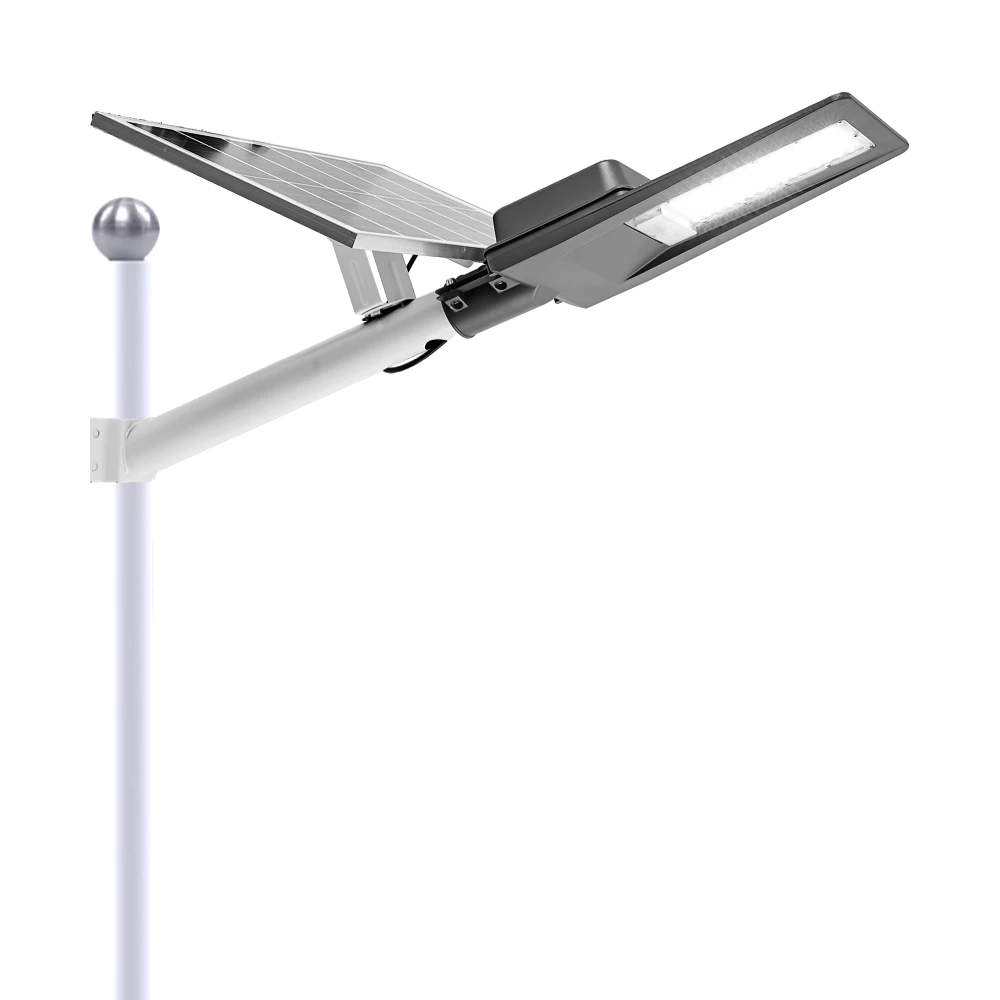
Experience reliable outdoor illumination with our smart solar street light, a perfect combination of advanced technology and eco-conscious design.
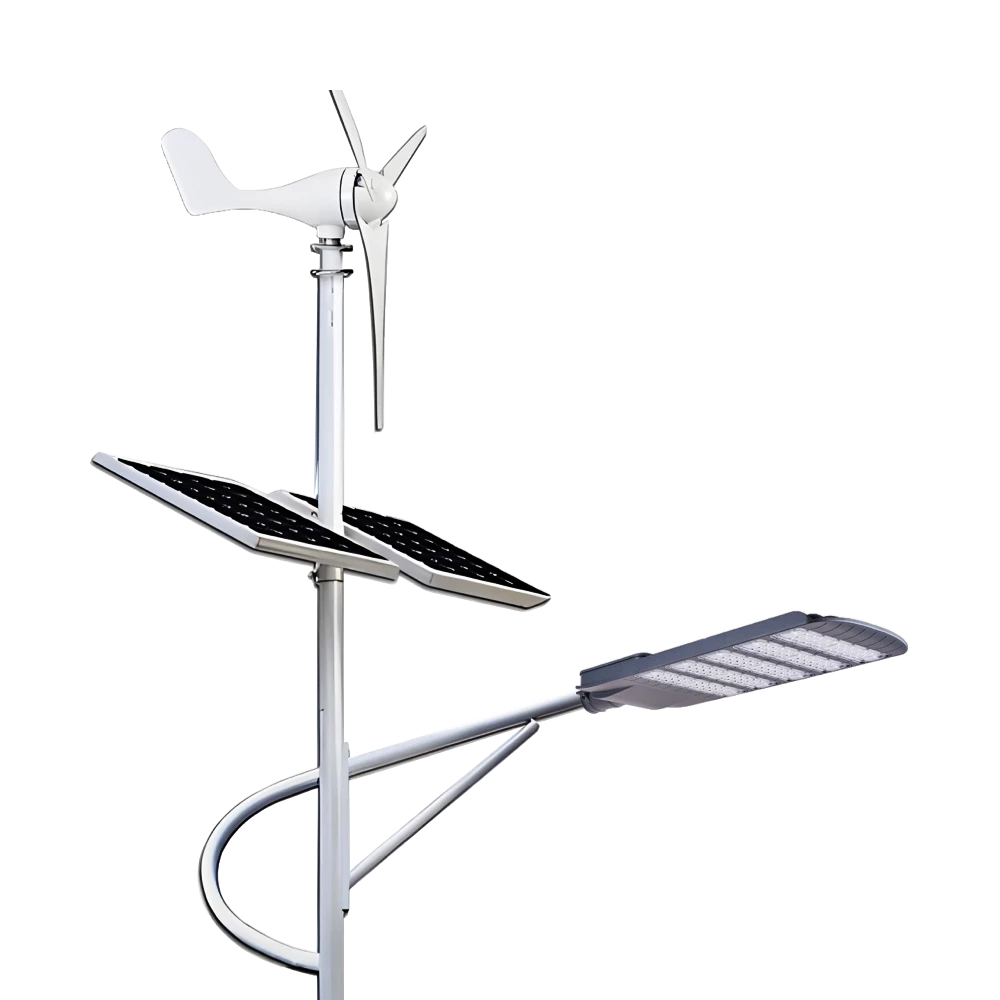
Queneng Lufeng Wind Energy LED Outdoor Solar Street Lights offer high-performance, eco-friendly illumination. These energy-efficient LED street lights harness solar power and wind energy for sustainable, cost-effective outdoor lighting solutions.
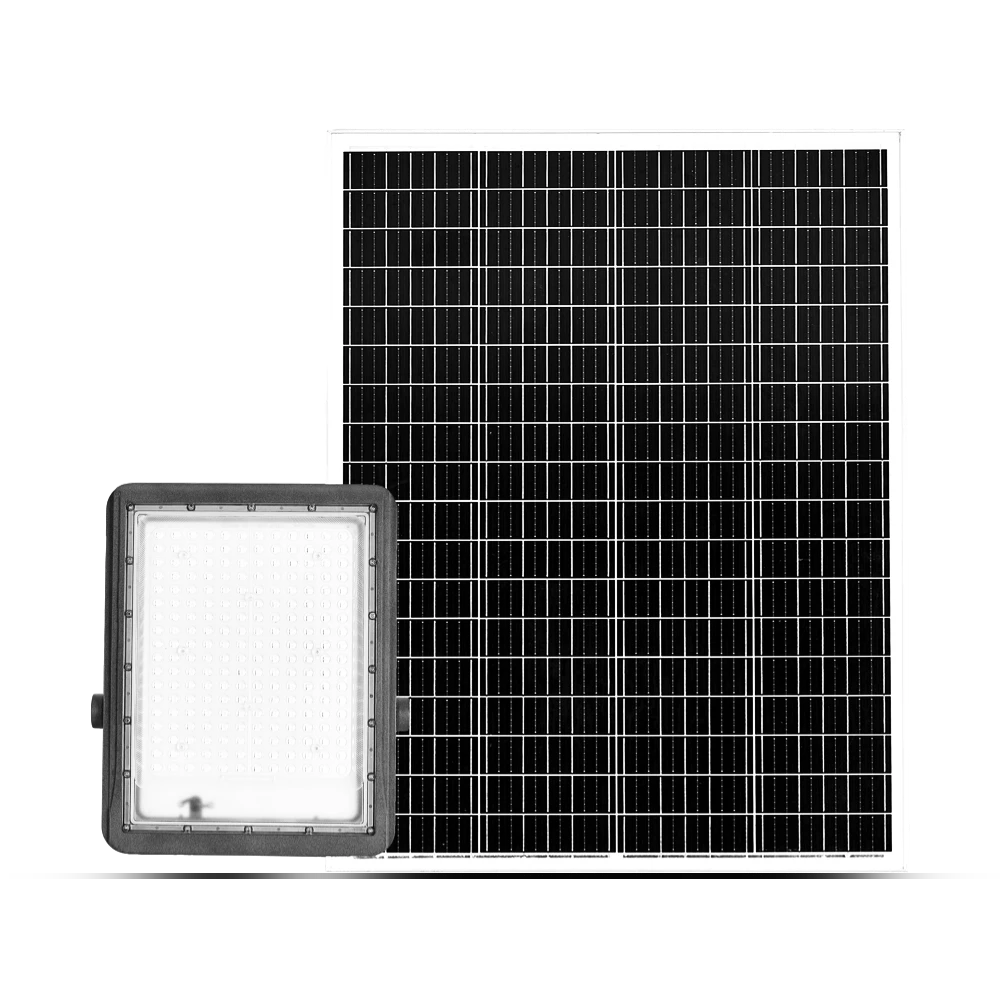
Queneng's Luxian Reliable Solar Street Light offers energy-saving LED lighting for outdoor use. This durable, solar-powered street light provides reliable illumination, reducing energy costs and environmental impact. A perfect solution for sustainable outdoor lighting.
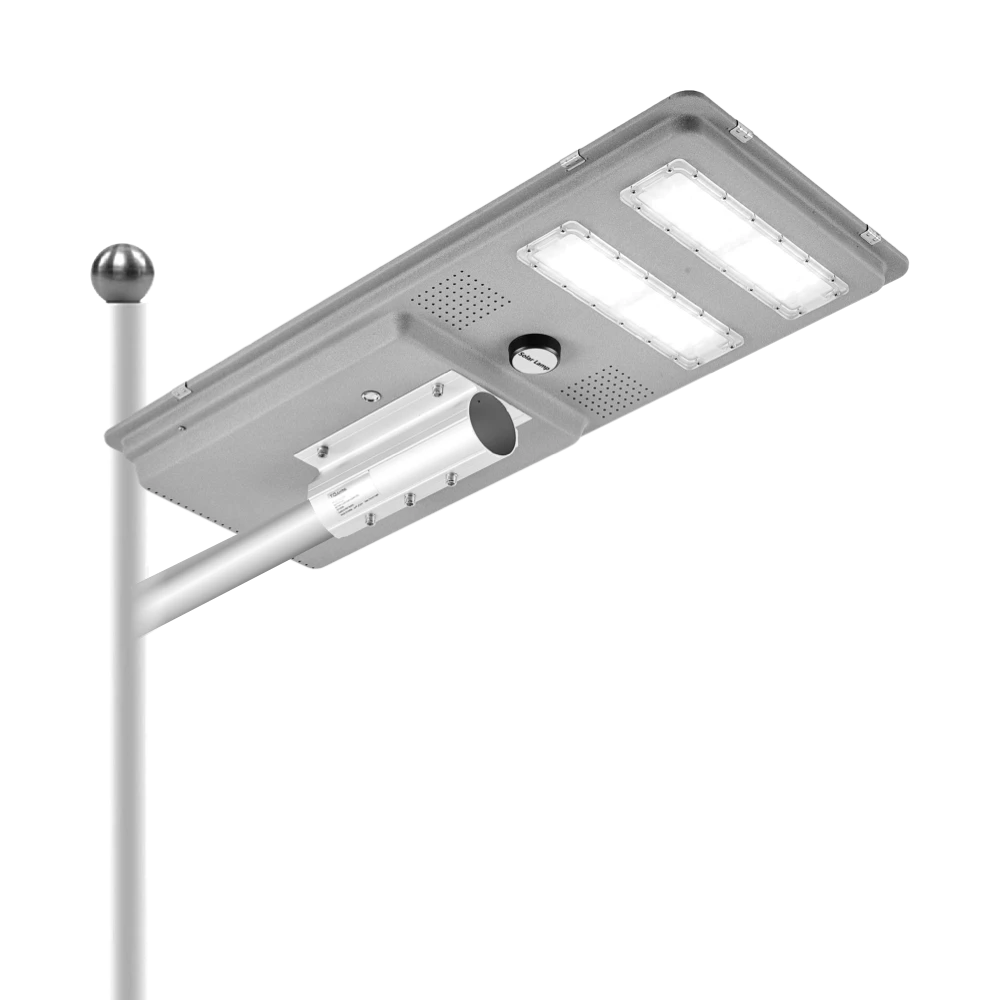
Queneng’s Solar Street Lights are designed to provide reliable, energy-efficient lighting for streets, parks, and other outdoor spaces.
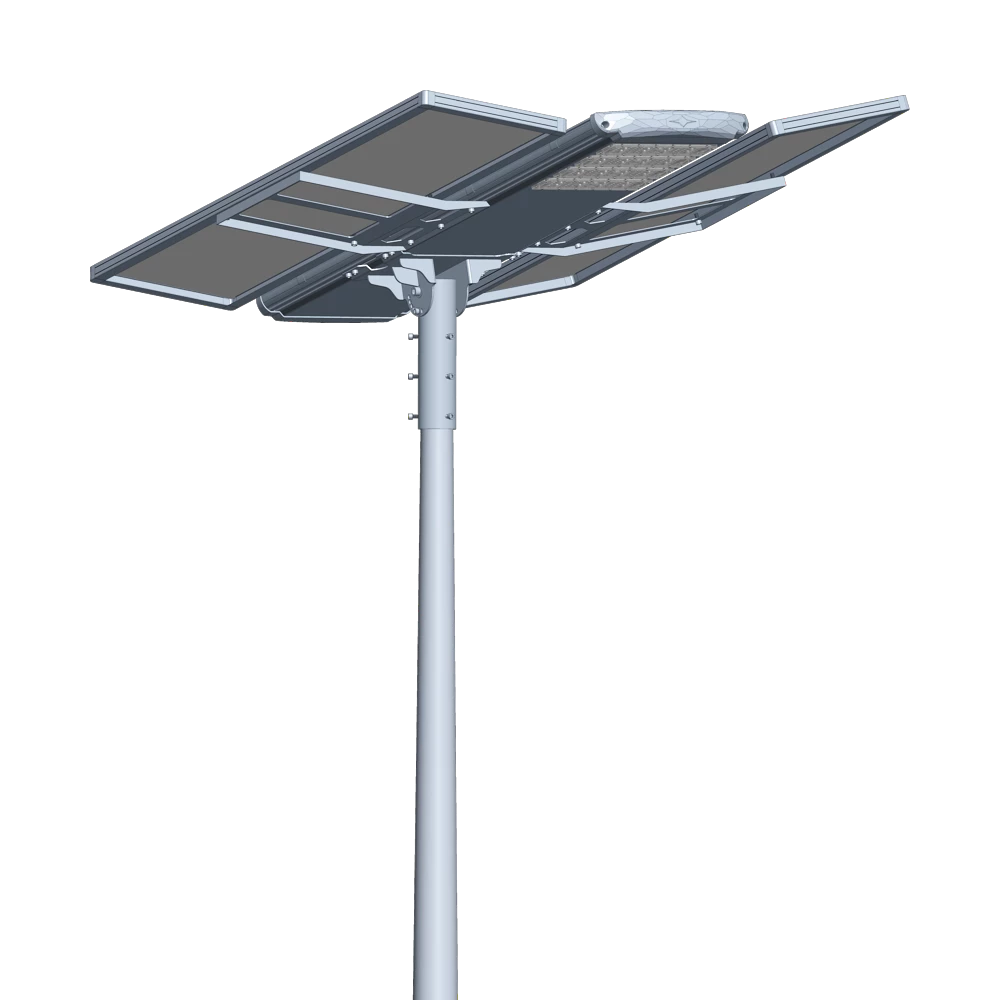
Introducing the Luqing Solar Street Light by Queneng, Efficient LED lighting powered by solar energy is perfect for illuminating outdoor areas. Harness the power of solar energy for sustainable, reliable street lighting. Ideal for eco-friendly, cost-effective outdoor illumination solutions.
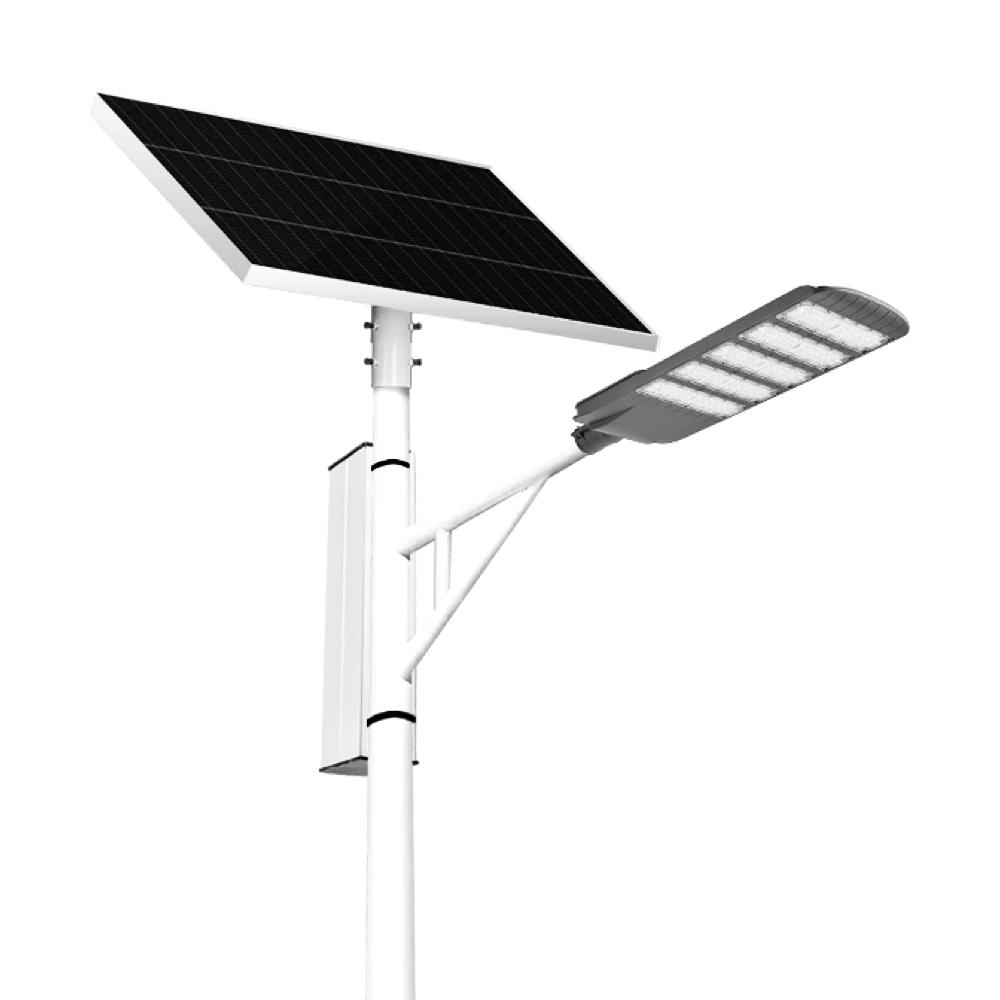
The Solar Streetlights of Luhao for Municipalities are designed to deliver reliable, energy-efficient, and cost-effective public lighting solutions. Equipped with advanced LED technology, durable lithium batteries, and high-efficiency solar panels, these streetlights provide consistent illumination for roads, parks, residential areas, and government projects.
Our professional team is ready to answer any questions and provide personalized support for your project.
You can reach us via phone or email to learn more about Queneng’s solar lighting solutions. We look forward to working with you to promote clean energy solutions!
Rest assured that your privacy is important to us, and all information provided will be handled with the utmost confidentiality.
By clicking 'Send Inquiry Now' I agree to Queneng processing my personal data.
To see how to withdraw your consent, how to control your personal data and how we process it, please see our Privacy Policy and Terms of use.
Schedule a Meeting
Book a date and time that is convenient for you and conduct the session in advance.
Have more questions about our products or services?
The messenger of light & power conversion
Environmental protection and intelligent manufacturing are our brand philosophy, and quality assurance and the best user experience are our eternal promises to users.
CONTACT
No.9F, Building F, Cao San Xin Tian Hong Logistics Park, Guzhen Town, Zhongshan City, Guangdong Province, China.
or write [email protected]
WhatsApp: +86 136 2270 1011


