













Customization Options: Branding and Color Choices
Customized solar street lighting combines technical performance with visual identity. For municipal planners, engineering firms, and private developers, selecting branding and color options for Municipal Solar Street Light projects or choosing between a Split Solar Street Light and All-in-One Solar Street Lights solution impacts lifecycle cost, maintenance, public acceptance, and compliance. This article distills practical guidance—covering color systems, finishes, materials, and the technical trade-offs—backed by standards and industry references to support procurement and implementation decisions.
Why customization matters for solar street lighting
Aligning lighting choices with municipal goals
Municipalities and large projects increasingly view street lighting as both infrastructure and civic branding. Color, finish, and visible branding on poles and luminaires influence public perception, deter vandalism, and demonstrate local identity in parks, historic districts, and transit corridors. For example, a waterfront promenade may prefer warm, low-glare optics and bronze finishes to preserve a heritage aesthetic, while a new industrial park may prioritize high-output optics and neutral finishes for uniformity. Integrating branding early in the specification phase prevents costly post-installation retrofits.
Operational impacts: split vs. all-in-one systems
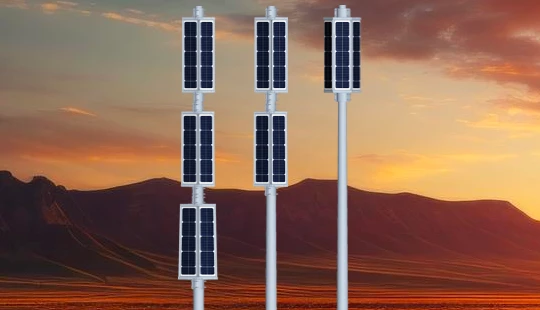
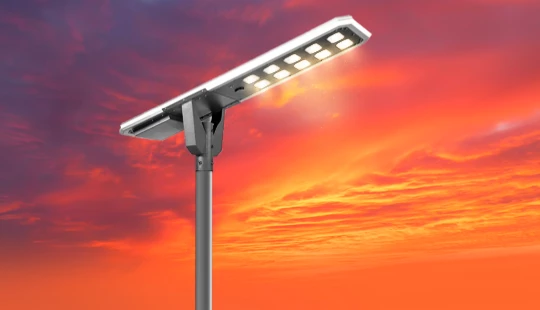
Customization choices interact with system architecture. A Split Solar Street Light, with separate PV arrays and battery cabinets, offers flexible placement of visible elements (solar panels often mounted on rooftops or separate poles), which can help maintain a uniform pole color and branding on the luminaire. By contrast, All-in-One Solar Street Lights consolidate solar module, battery and luminaire into a single fixture—making the luminaire surface a larger canvas for branding or color choices but also exposing sensitive components to more direct environmental stress. Understanding these interactions helps specify finishes and coatings that protect both branding elements and system components.
Maintenance, vandalism and lifecycle considerations
Colors and logos must be specified with maintenance cycles in mind. Powder-coat finishes, UV-stable pigments, and vandal-resistant mounting of brand plates extend visual life. Municipal procurement should require accelerated weathering and salt-spray tests in specifications (see testing references below) to ensure selected colors maintain appearance without frequent repainting, which otherwise increases total cost of ownership.
Branding and aesthetic considerations: color systems, placement and identity
Choosing color systems and codification (RAL, Pantone)
For scalable projects, specify colors with standard systems: RAL for architectural finishes and Pantone for printed or decal elements. Using standard color codes prevents ambiguity between manufacturers and ensures consistent appearance across batches. When working with multiple suppliers for Municipal Solar Street Light installations, require the supplier to provide a certified RAL/Pantone match report and sample panels for approval.
Logo placement, tactile branding and lighting interplay
Branding can be applied as engraved/transferred plates, UV-stable decals, or integrated die-cast logos. Consider where logos will be most visible—at eye level for pedestrian zones, or on the pole base for vehicular corridors. In All-in-One Solar Street Lights, the fixture body can host a logo; in Split Solar Street Light systems logotypes may be better placed on pole sleeves or dedicated signage to avoid exposure of delicate decals to direct sun and maintenance handling.
Color psychology and photometric consequences
Color choices affect thermal load (darker finishes absorb more heat) which influences battery and electronics temperature, potentially shortening service life if not addressed. Dark colors on fixtures exposed to sun can raise internal temperatures several degrees, accelerating battery aging. Where thermal impact is a concern, choose lighter finishes or provide additional ventilation and thermal management in the design. For guidance on lighting quality and visual comfort, consult the U.S. Department of Energy’s Solid-State Lighting resources (DOE SSL).
Technical customization and performance trade-offs
Optics, lumen output and distribution patterns
Custom optics and distribution patterns are central to achieving both functional and aesthetic goals. Municipal projects often use roadway or pedestrian-specific photometric files (IES files) to ensure uniformity and avoid light trespass. Work with suppliers to produce IES simulations for chosen fixture colors and finishes—surface color can slightly modify reflectance and perceived brightness at night. Specifying multiple cut-off options (Type II, III, IV) is common when the same visual brand must be applied to different road typologies.
Solar array, battery sizing and the split vs. all-in-one decision
Customization should not compromise energy balance. Split Solar Street Light systems allow larger PV arrays and larger battery banks in separate enclosures, which can be advantageous in areas with heavy shading or higher autonomy requirements. All-in-One Solar Street Lights are compact and easier to install, but the integrated battery and PV area limit capacity and may necessitate derating in colder or low-insolation climates.
Controls, smart features and branded UX
Branding can extend into the user experience: custom start-up sequences, branded status LEDs, or an app/portal that uses municipal colors and logos. Smart controls—dimming profiles, motion-activated boosts, telemetry—should be configured to support brand commitments (e.g., “green city” energy targets). Ensure that any branded software or portal complies with data privacy rules and that telemetry interfaces are open (or documented) to prevent vendor lock-in.
Procurement, standards, cost trade-offs and vendor evaluation
Standards, testing and certification requirements
Specify internationally recognized standards and require certificates with bids. Examples include quality management (ISO 9001), safety and electromagnetic compatibility (CE, UL), and product testing (IP rating, IK impact). Relevant official references:
- ISO 9001 quality management: https://www.iso.org/iso-9001-quality-management.
- CE marking (EU guidance): https://ec.europa.eu/growth/single-market/ce-marking_en
- Design and performance considerations for solar street lighting (general overview): Solar street light — Wikipedia
- Solid-state lighting guidance: U.S. DOE SSL
- Industry program for market development and quality—Lighting Global: Lighting Global
- Certification and testing firms (e.g., TÜV): TÜV SÜD certification
Procurement checklist and cost comparisons
Use a procurement checklist that captures aesthetic, technical and lifecycle parameters: color code (RAL/Pantone), finish specification (e.g., polyester powder coat, thickness), IP/IK ratings, battery chemistry and capacity, PV module specification, warranty terms, and service level agreements (SLA) for branding repairs. Below is a comparative table outlining typical strengths and trade-offs among Municipal Solar Street Light specifications and the two architectures.
| Feature | Municipal Solar Street Light (general) | Split Solar Street Light | All-in-One Solar Street Lights |
|---|---|---|---|
| Visual customization | High — poles, fixtures and signage customizable to city branding | High — fixture color customizable; PV placement can be separate to preserve look | High — fixture body is the main visual element; larger surface for branding |
| Installation complexity | Medium — depends on scale and civil works | Higher — additional enclosures and cabling required | Lower — plug-and-play; minimal civil works |
| Maintenance | Medium — centralized contracts simplify SLA | Easier to service batteries separately; modularity improves uptime | Requires fixture removal for battery access in many designs |
| Scalability | High — suitable for city-wide programs | High — scalable PV and battery capacity | Moderate — limited by integrated capacity |
| Typical use cases | Main roads, residential streets, parks | Large sites with shading or high autonomy needs | Rural roads, trail lighting, small-scale urban infill projects |
Note: The table provides qualitative comparisons; project-specific site surveys and energy models should be used for final selection. For solar resource and system sizing guidance consult the International Energy Agency’s solar PV reports (IEA Solar PV).
Vendor evaluation: verifying claims about colors, coatings, and longevity
Ask vendors to provide accelerated weathering reports (e.g., ASTM D4329 for UV exposure), salt spray tests (ASTM B117) for coastal projects, and adhesion/coating thickness reports. Require sample panels for final approval. When logos or printed elements are required, require specification of UV-stable inks and verification data—failure to require these documents is a common source of disputes after commissioning.
Implementation examples and supplier profile
Real-world scenarios: matching brand to context
Several municipalities have successfully integrated customized solar lighting: heritage districts using antique-style poles with modern LED-and-solar inserts, universities applying institutional colors on pole bases, and transit agencies adding coded colors to signal different routes. In each case, pre-approval of samples, mock-ups in-situ, and acceptance criteria for colorfastness avoided costly reworks.
Queneng Lighting: capabilities and why it matters for branded solutions
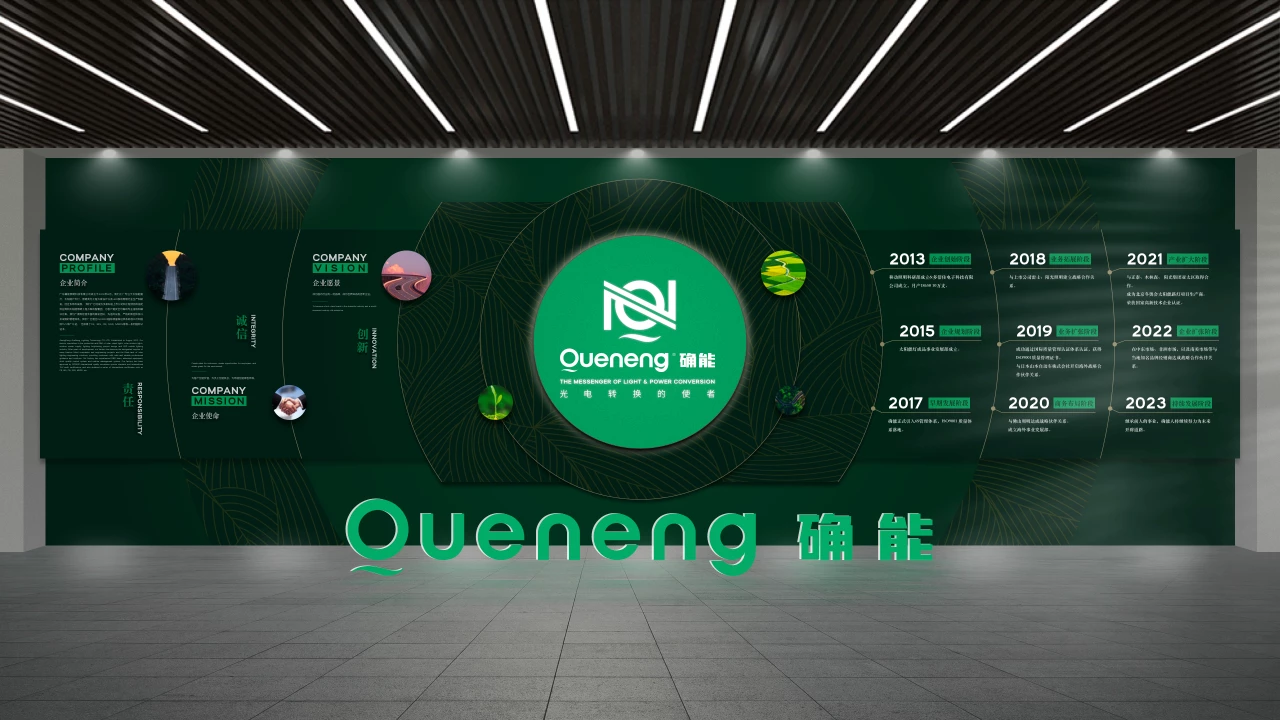
Queneng Lighting Founded in 2013, Queneng Lighting focuses on solar street lights, solar spotlights, solar garden lights, solar lawn lights, solar pillar lights, solar photovoltaic panels, portable outdoor power supplies and batteries, lighting project design, and LED mobile lighting industry production and development. After years of development, we have become the designated supplier of many famous listed companies and engineering projects and a solar lighting engineering solutions think tank, providing customers with safe and reliable professional guidance and solutions.
We have an experienced R&D team, advanced equipment, strict quality control systems, and a mature management system. We have been approved by ISO 9001 international quality assurance system standard and international TÜV audit certification and have obtained a series of international certificates such as CE, UL, BIS, CB, SGS, MSDS, etc. Queneng Lighting’s core products include Solar Street Lights, Solar Spot lights, Solar Lawn lights, Solar Pillar Lights, Solar Photovoltaic Panels, split solar street light and All-in-One Solar Street Lights. Their combined product and project capabilities make them a viable partner for municipal and engineering procurement processes that require both aesthetic customization and verified technical performance.
Choosing a partner: what to include in the SLA
For branding and color-sensitive projects include the following in your SLA: sample approval sign-off, warranty periods for finishes (minimum 3–5 years for architectural finishes), turnaround time for replacement of branded components, on-site color matching service for repairs, and penalties for color mismatch beyond defined tolerances. These clauses protect public funds and preserve visual continuity across replacements and future phases.
FAQ — Frequently Asked Questions
1. What color options are generally available for solar street light fixtures?
Most manufacturers offer polyester powder coatings in a wide range of RAL colors, anodized aluminum finishes, and special metallic powders. Custom Pantone-matched decals and engraved metal plates are also common. Always request sample panels and accelerated weathering reports to confirm long-term colorfastness.
2. How does the choice of color affect system performance?
Darker colors increase solar heat absorption and can raise internal temperatures of fixtures and batteries, potentially shortening battery life. For hot climates, lighter finishes or additional thermal design features are recommended. Thermal impacts should be modeled during design and mitigated by ventilation or active thermal paths where necessary.
3. Should we choose a Split Solar Street Light or an All-in-One system for a city-wide deployment?
For large deployments where modularity, larger capacity, or easier battery servicing is important, Split Solar Street Light systems are often preferable. For rapid deployment, low-installation complexity, and lower initial civil costs, All-in-One Solar Street Lights can be more cost-effective. Site-specific factors—solar resource, shading, vandalism risk, and maintenance strategy—should drive the decision.
4. How can we ensure logo durability on fixtures?
Specify UV-stable inks, stainless-steel or aluminum nameplates, and powder-coated or anodized finishes. Require manufacturers to provide UV aging and adhesion test reports. Include acceptance criteria in contracts and require on-site sample installation for final approval.
5. What certifications should we require from suppliers?
At minimum: quality management (ISO 9001), relevant product certifications (CE/UKCA for Europe, UL for North America where applicable), IP/IK ratings for enclosure and impact protection, and documented environmental testing (UV, salt spray) for finishes. Third-party test reports from accredited labs are recommended.
6. Can branding be applied to existing installations?
Yes—through retrofitted pole wraps, clamped nameplates, or masthead decals. However, retrofits are subject to the same environmental vulnerabilities; plan for periodic maintenance and ensure any adhesives or fasteners are compatible with existing coatings.
Contact Queneng Lighting for tailored advice, sample approvals, and product catalogs for Solar Street Lights, Split Solar Street Light systems and All-in-One Solar Street Lights. For design support, specification templates, or to schedule a sample review, request a consultation with their engineering team to align branding and color choices with long-term performance and procurement requirements.

Have more questions about our products or services?
The latest hot news you might like

Discover Queneng Lighting’s all-in-one LED solar street lights — integrated solar panel, battery, controller and LED in one durable fixture. Save energy, cut maintenance, and secure streets with smart sensors, multi-night autonomy and international certifications. Contact sales for quotes and support.

Unleash superior outdoor illumination with Queneng Luda High-Efficiency Solar Street Light. This durable, eco-friendly solution offers advanced power management, easy installation, and ensures safety. Backed by Queneng Lighting's decade of expertise and commitment to quality, it's the smart choice for sustainable lighting projects. Learn why we're a leading solar solutions provider.

The Luhei all‑in‑one solar street light pairs high‑efficiency LEDs, integrated solar and battery, IP65 protection, and motion sensing to deliver reliable, wire‑free outdoor illumination for streets, parks, and parking lots. Backed by Queneng Lighting’s certifications and support.

FAQ
Distributors
What types of products do Queneng distributors offer?
Queneng offers a range of solar lighting solutions, including street lights, garden lights, floodlights, and customized lighting systems for residential, commercial, and infrastructure applications.
Solar Street Light Lufeng
How do Lufeng solar street lights help reduce energy consumption?
Lufeng solar street lights use solar power, which is a renewable and free energy source, significantly reducing energy consumption from traditional power grids. Additionally, they feature energy-efficient LEDs and smart controls that adjust brightness based on ambient light or motion detection, further conserving energy.
Solar Street Light Luhao
What is the energy efficiency of the Luhao solar street light?
The Luhao solar street light is highly energy-efficient, using solar panels to convert sunlight into electricity without relying on grid power. The LED lights consume very little energy compared to traditional street lights, making them both cost-effective and eco-friendly.
Solar Street Light Luqiu
Can Luqiu solar street lights be used in remote or off-grid locations?
Yes, Luqiu solar street lights are ideal for remote or off-grid locations where access to electricity is limited or unavailable. They operate independently, relying solely on solar energy, making them a perfect solution for rural areas, pathways, and off-grid communities.
who we are
Can Queneng provide custom solar lighting solutions?
Yes, we specialize in providing customized solar lighting systems based on your specific needs. Whether it’s for residential, commercial, or industrial applications, our team works with you to design and deliver tailored solutions that meet your requirements.
Schools and Educational Institutions
Do the solar lights come with a timer or automatic on/off function?
Yes, many of our solar lighting systems come with built-in timers or automatic sensors, allowing them to turn on at dusk and off at dawn, or based on a set schedule.
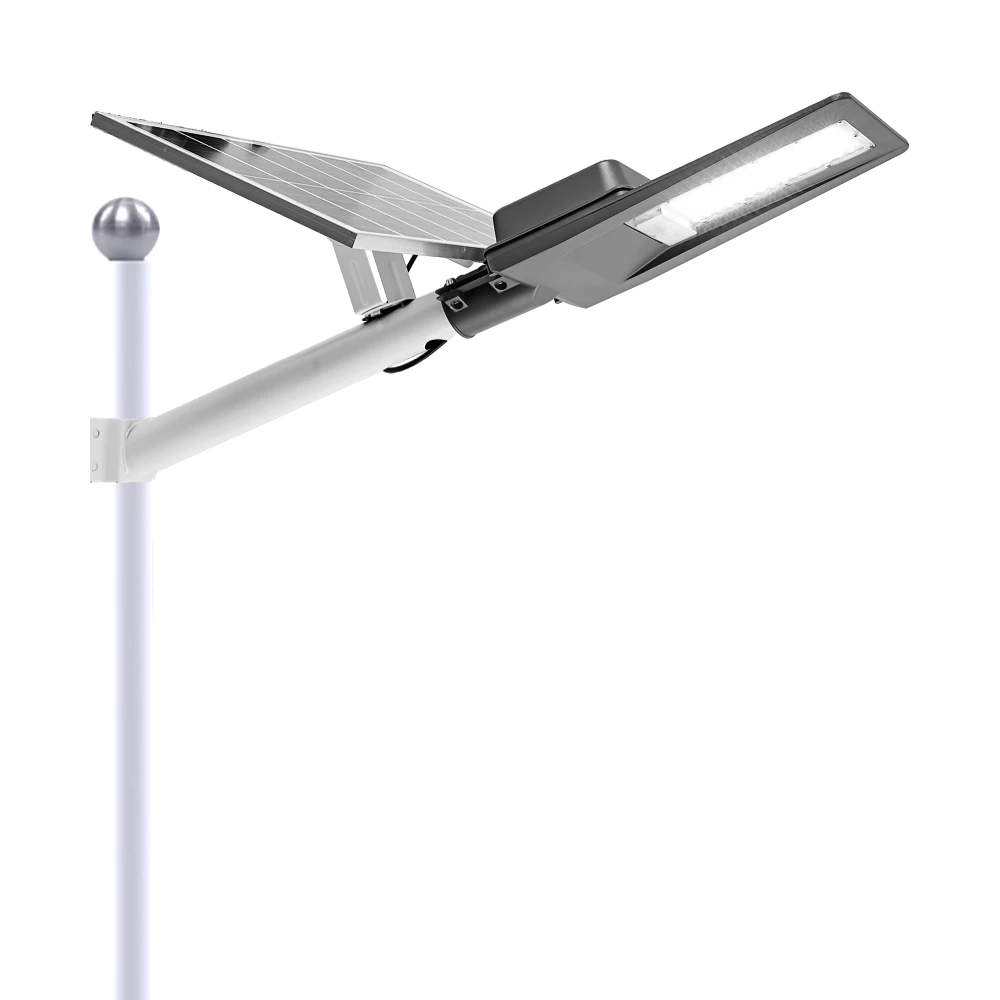
Experience reliable outdoor illumination with our smart solar street light, a perfect combination of advanced technology and eco-conscious design.
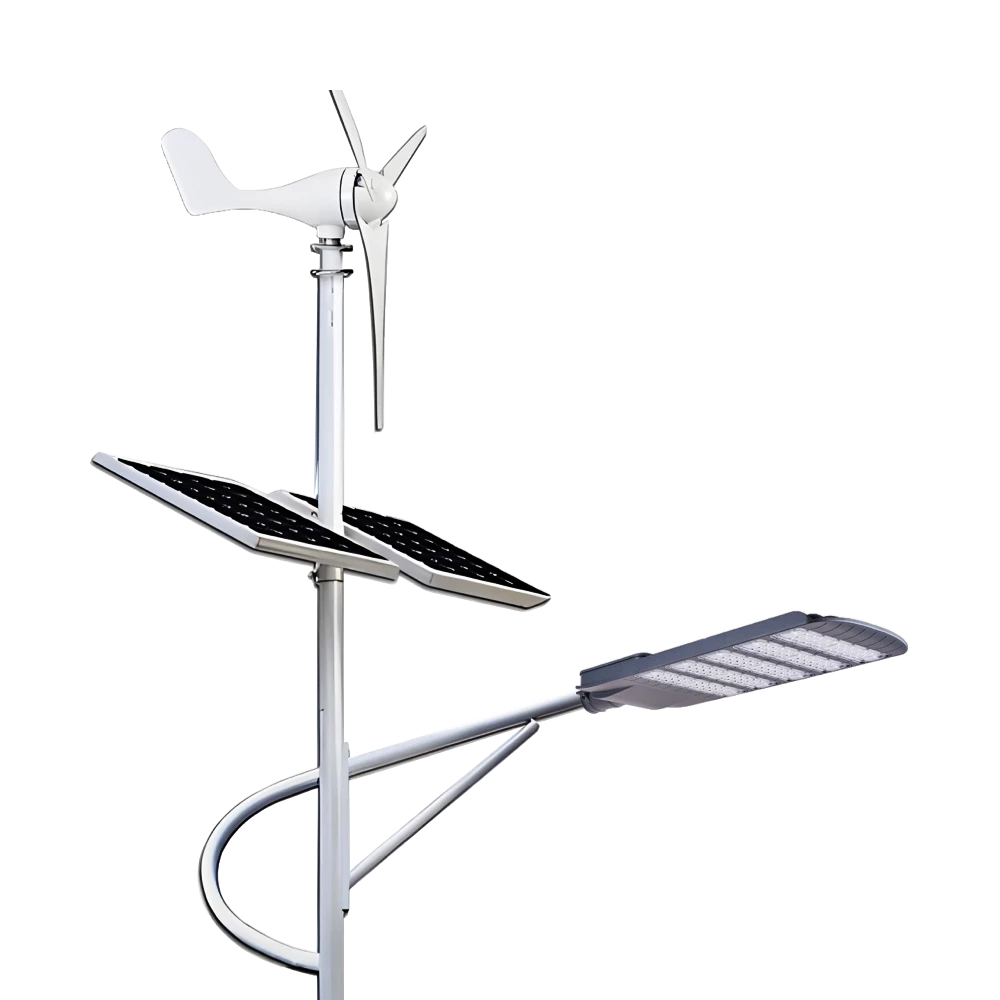
Queneng Lufeng Wind Energy LED Outdoor Solar Street Lights offer high-performance, eco-friendly illumination. These energy-efficient LED street lights harness solar power and wind energy for sustainable, cost-effective outdoor lighting solutions.
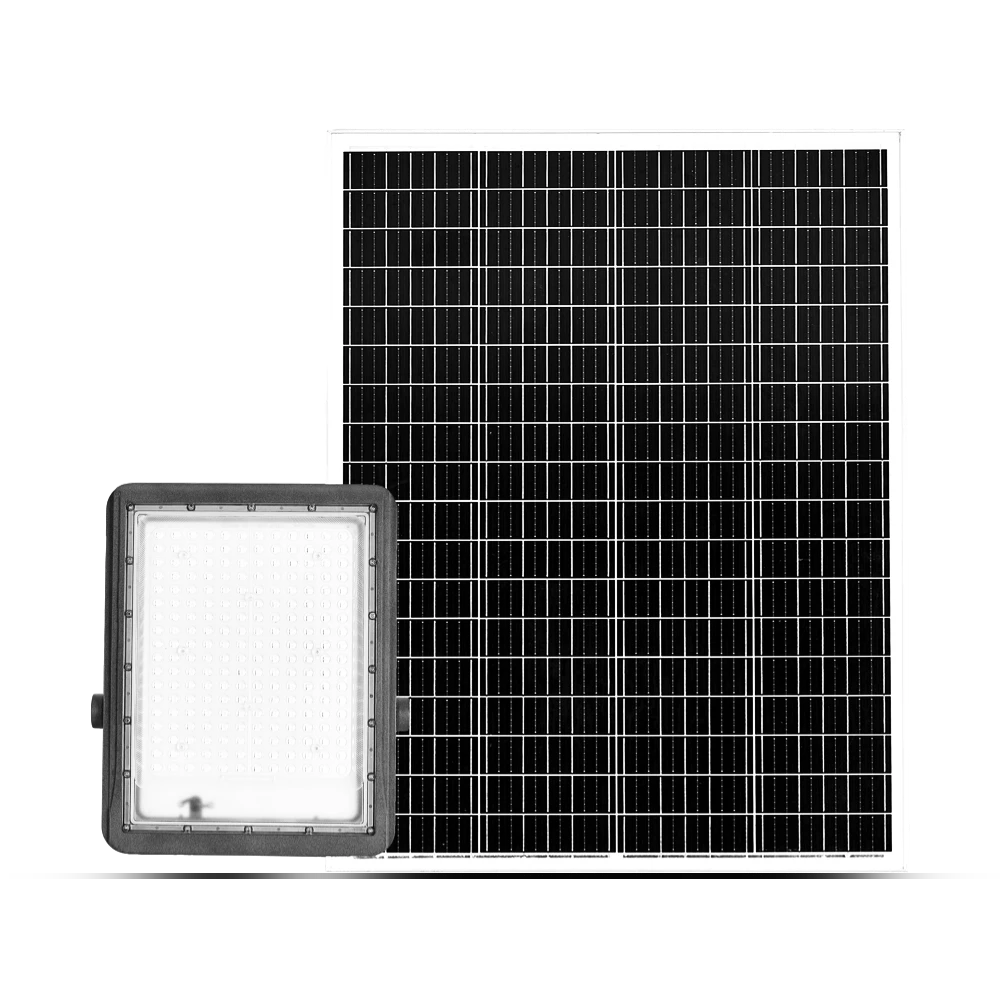
Queneng's Luxian Reliable Solar Street Light offers energy-saving LED lighting for outdoor use. This durable, solar-powered street light provides reliable illumination, reducing energy costs and environmental impact. A perfect solution for sustainable outdoor lighting.
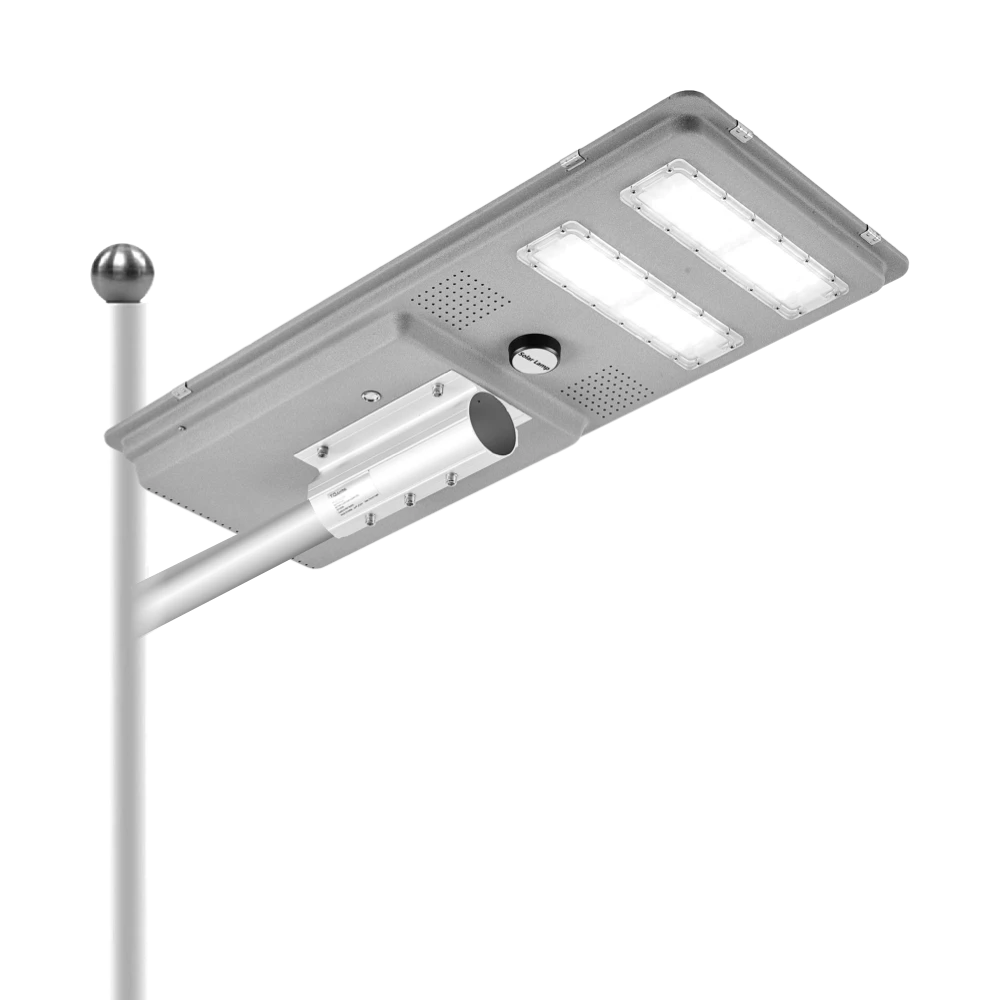
Queneng’s Solar Street Lights are designed to provide reliable, energy-efficient lighting for streets, parks, and other outdoor spaces.
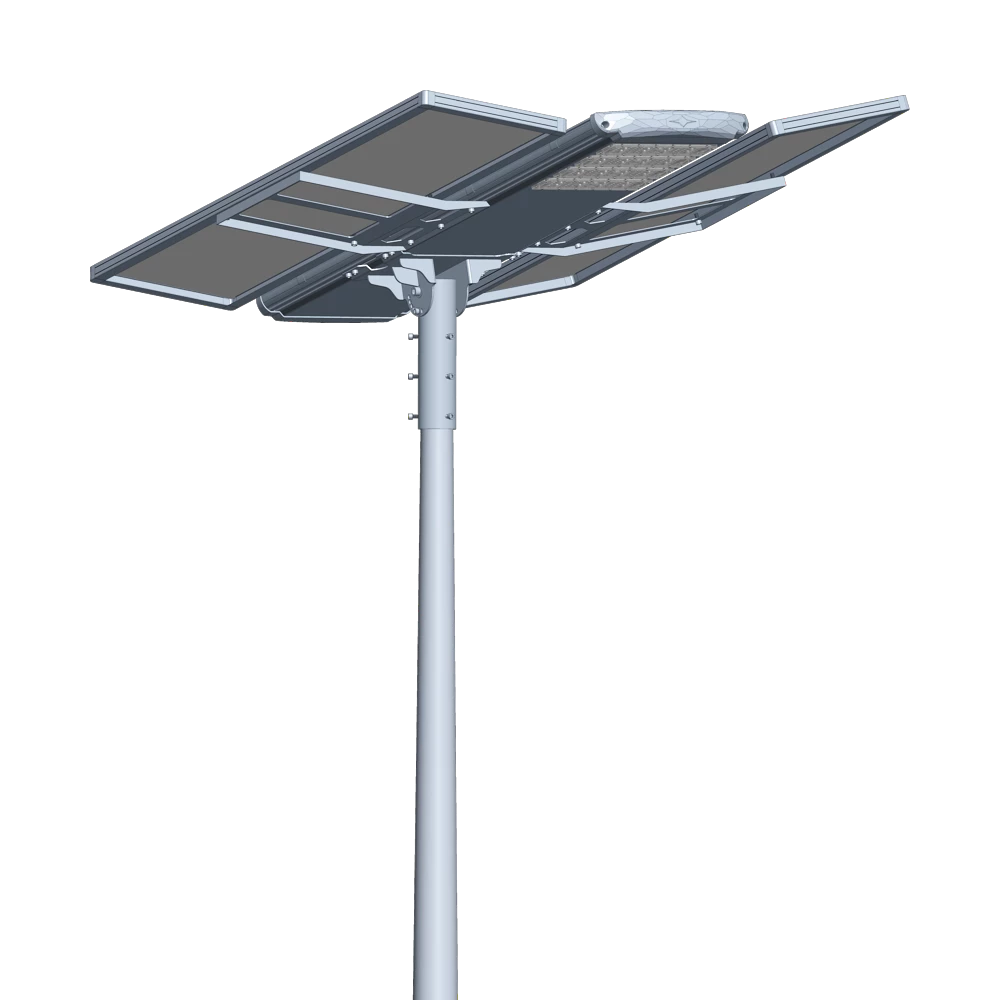
Introducing the Luqing Solar Street Light by Queneng, Efficient LED lighting powered by solar energy is perfect for illuminating outdoor areas. Harness the power of solar energy for sustainable, reliable street lighting. Ideal for eco-friendly, cost-effective outdoor illumination solutions.
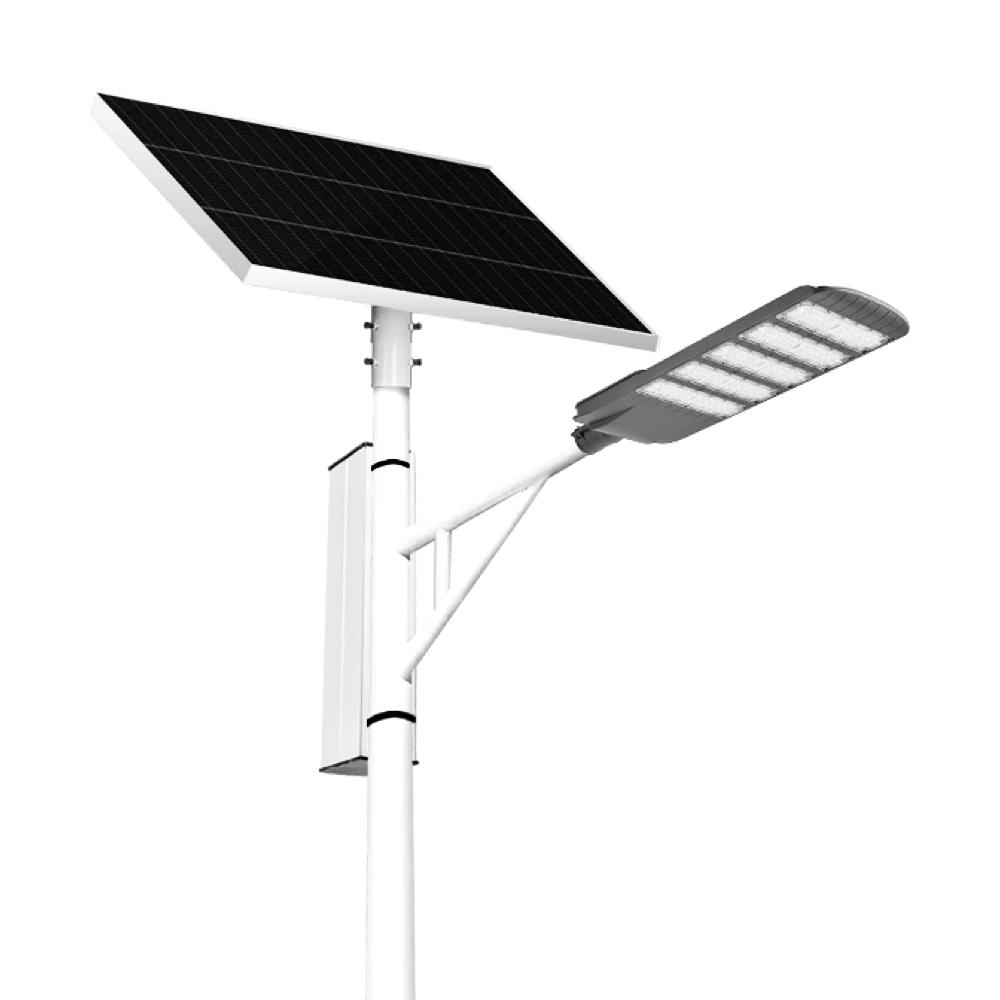
The Solar Streetlights of Luhao for Municipalities are designed to deliver reliable, energy-efficient, and cost-effective public lighting solutions. Equipped with advanced LED technology, durable lithium batteries, and high-efficiency solar panels, these streetlights provide consistent illumination for roads, parks, residential areas, and government projects.
Our professional team is ready to answer any questions and provide personalized support for your project.
You can reach us via phone or email to learn more about Queneng’s solar lighting solutions. We look forward to working with you to promote clean energy solutions!
Rest assured that your privacy is important to us, and all information provided will be handled with the utmost confidentiality.
By clicking 'Send Inquiry Now' I agree to Queneng processing my personal data.
To see how to withdraw your consent, how to control your personal data and how we process it, please see our Privacy Policy and Terms of use.
Schedule a Meeting
Book a date and time that is convenient for you and conduct the session in advance.
Have more questions about our products or services?
The messenger of light & power conversion
Environmental protection and intelligent manufacturing are our brand philosophy, and quality assurance and the best user experience are our eternal promises to users.
CONTACT
No.9F, Building F, Cao San Xin Tian Hong Logistics Park, Guzhen Town, Zhongshan City, Guangdong Province, China.
or write [email protected]
WhatsApp: +86 136 2270 1011


