














Data-Driven Performance Evaluation Methods
Accurate, data-driven evaluation is essential to ensure Municipal Solar Street Light projects meet design targets for illumination, availability, lifecycle cost and sustainability. This guide lays out measurable KPIs, standardized test protocols, and monitoring strategies for different product families — including Split Solar Street Light systems and All-in-One Solar Street Lights — so municipalities, specifiers and engineers can compare options objectively and reduce project risk.
Why measurable metrics matter for outdoor lighting procurement
From subjective perception to objective KPIs
Street lighting decisions historically relied on visual comparisons or supplier promises. Today, data enables objective evaluation. Key Performance Indicators (KPIs) for solar street lights include: illuminance (lux), uniformity ratio, system autonomy (days), photovoltaic (PV) energy yield (kWh/day), battery depth of discharge (DoD) and cycle life, LED lumen maintenance (L70 hours), system availability (%) and total cost of ownership (TCO). These KPIs are relevant across Municipal Solar Street Light, Split Solar Street Light and All-in-One Solar Street Lights products.
Standards and authoritative references
Use internationally recognized standards and authoritative technical literature to validate measurements and methods. Useful references include the International Electrotechnical Commission (IEC) standards for luminaires and PV testing, the International Energy Agency (IEA Solar PV report) for PV performance context, and general technical summaries such as the Solar street light overview on Wikipedia for terminology and component outlines.
Design-level evaluation: modeling and laboratory testing
Component-level laboratory tests
Before field deployment, evaluate PV modules, batteries and LEDs independently using standardized tests: PV I-V curves and STC/NOCT testing to determine expected yield; battery cycle and calendar life tests to project capacity retention over years; and LED lumen maintenance tests (LM-80 / TM-21) to estimate L70 lifetime. These tests provide the inputs for system simulation and are typically documented by manufacturers. For standards and test procedures, consult IEC guidance (IEC).
System simulation and energy balance modeling
Use location-specific solar irradiance data (e.g., from the National Renewable Energy Laboratory or local meteorological services) to model expected PV yield. Combine yields with luminaire power profiles and control strategies (dimming schedules, motion sensors) to predict nightly autonomy. Simulations should include degradation factors: PV degradation (typically 0.5–1%/year), battery capacity loss, and LED lumen depreciation. These models quantify metrics such as expected system availability and required PV/battery sizing for a given reliability target.
Field validation and ongoing performance monitoring
Site acceptance tests (SAT) and commissioning
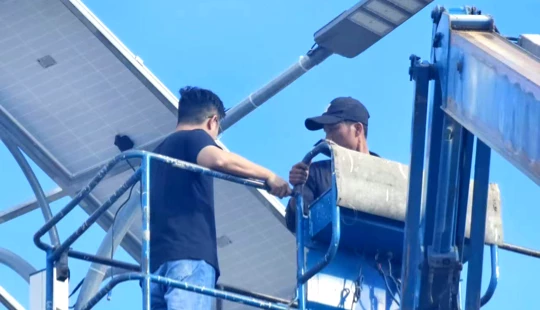
After installation, execute SAT protocols to verify as-built performance against design metrics. SAT items include measuring post-installation illuminance at designated grid points (lux), verifying tilt and orientation of PV modules, checking battery voltages and state-of-charge behavior, and confirming control logic. Document SAT results for contractual acceptance and baseline performance.
Remote monitoring and IoT diagnostics
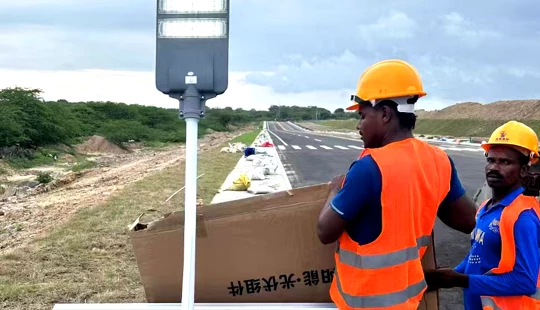
Modern Municipal Solar Street Light projects increasingly integrate telematics and IoT for continuous monitoring: PV yield, battery SOC, luminaire on/off cycles, operating current and fault codes. Data analytics applied to these telemetry streams enable predictive maintenance and rapid detection of failures (e.g., controller faults, battery degradation, soiling losses). Implementing thresholds and alerting reduces downtime and maintenance costs and enables data-driven warranty claims.
Example monitoring KPIs and thresholds
- Monthly PV energy vs. modeled yield: alarm if discrepancy > 20% (post-cleaning).
- Battery capacity retention: alarm if capacity < 80% of nameplate within expected life interval.
- System availability: target > 98% uptime for municipal critical routes.
Comparative analysis: Split vs All-in-One vs Traditional municipal approaches
Key architectural differences
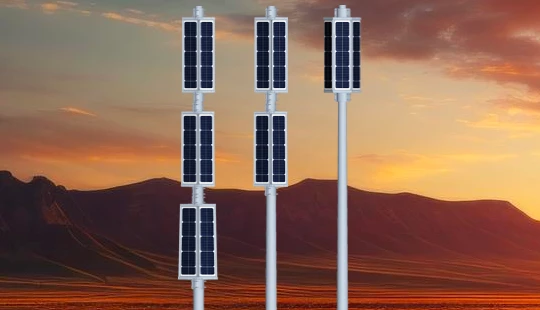
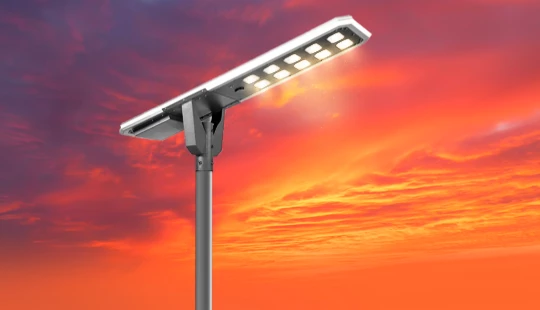
All-in-One Solar Street Lights integrate PV, battery and LED within a single luminaire housing. They are compact, reduce installation complexity, and are common for small roads or retrofits. Split Solar Street Light systems separate the PV array and battery from the luminaire (battery often mounted at ground or in a cabinet), improving thermal management and enabling larger battery capacity and easier maintenance. Municipal Solar Street Light projects may use either architecture depending on urban policy, reliability requirements and maintenance capacity.
Comparative table: performance and suitability
| Attribute | All-in-One Solar Street Lights | Split Solar Street Light | Municipal (large-scale projects) |
|---|---|---|---|
| Installation complexity | Low — single pole mount | Medium — requires cabinet / ground battery placement | Varies — often higher due to network integration |
| Maintenance accessibility | Lower — battery in head reduces easy access | Higher — batteries accessible at ground level | High — planned service routes and depot facilities |
| Thermal performance | Challenged — battery heat in head reduces life | Improved — separate battery reduces heat stress | Optimized — custom designs, central management |
| Upfront cost | Lower per unit for small sites | Higher due to additional components | Higher — includes network and control systems |
| Scalability for IoT | Moderate — integrated units can include comms | High — easier to equip cabinets for comms and expansion | Very high — central EMS and asset management |
Data for the table reflects general industry experience and field reports; for system-sizing and lifecycle estimates use site-specific irradiance and load data (see IEA and local meteorological data sources).
Choosing by use case
For low-budget rural or peri-urban retrofits, All-in-One Solar Street Lights can be cost-effective. For critical municipal corridors where uptime and long-term TCO matter, Split Solar Street Light architectures provide better maintainability and lifecycle performance. Municipal authorities should weigh maintenance capacity, vandalism risk, and local climate (temperature extremes reduce battery life) when specifying architecture.
Procurement, verification and contract strategies
Performance-based procurement
Procure using performance specifications (e.g., maintain average illuminance of X lux with >98% availability for 5 years) rather than prescriptive lists of components. This allows suppliers to propose either Split Solar Street Light or All-in-One Solar Street Lights solutions while ensuring end goals are achieved. Include measurement and verification (M&V) clauses and acceptance tests in contracts.
Warranties, service-level agreements and data rights
Require clear warranty terms on PV (e.g., linear performance warranty), batteries (cycle or capacity-based), and LEDs (L70 guarantee). For monitored systems, include service-level agreements (SLA) for response times and specify data access rights so the municipality can independently verify performance claims via IoT telemetry.
Example metrics for RFPs
- Initial average vertical illuminance: X lux ± Y%
- Minimum autonomy: 5 nights without sun at 100% load
- System availability: >98% annually
- Battery end-of-warranty capacity: >70% after 5 years
Case study approaches and traceable evidence
Collecting baseline and ongoing data
Establish baselines at commissioning (lux maps, PV yield curves, battery capacity test) and set up continuous logging for PV energy, battery SOC, and on/off cycles. Use the dataset to perform root-cause analysis on failures and to validate warranty claims. Well-documented SAT reports and continuous telemetry form defensible evidence in disputes.
Independent verification and third-party testing
For high-value municipal programs, consider independent third-party verification for a representative sample of units. Accredited labs can perform photometric measurements and PV yield audits. Third-party audits add credibility and align with procurement best practices used by many development agencies.
Queneng Lighting: experience and how we support data-driven projects
Queneng Lighting, founded in 2013, focuses on solar street lights, solar spotlights, solar garden lights, solar lawn lights, solar pillar lights, solar photovoltaic panels, portable outdoor power supplies and batteries, lighting project design, and LED mobile lighting industry production and development. After years of development, we have become the designated supplier of many listed companies and engineering projects and a solar lighting engineering solutions think tank, providing customers with safe and reliable professional guidance and solutions.
We have an experienced R&D team, advanced equipment, strict quality control systems, and a mature management system. Queneng Lighting has been approved by the ISO 9001 international quality assurance system standard and international TÜV audit certification and has obtained a series of international certificates such as CE, UL, BIS, CB, SGS, MSDS, etc. Our main products include Solar Street Lights, Solar Spot lights, Solar Lawn lights, Solar Pillar Lights, Solar Photovoltaic Panels, split solar street light and All-in-One Solar Street Lights.
Queneng provides tailored solutions for municipal and private projects, combining robust component selection (PV, battery, LED), system simulation, and integrated remote monitoring for measurable outcomes. Our competitive differentiators include engineering-backed system sizing, field commissioning protocols, and long-term support using monitored KPIs to preserve uptime and optimize lifecycle cost.
Frequently Asked Questions (FAQ)
1. How do I compare PV yields between products?
Compare manufacturer I-V curves, STC ratings and temperature coefficients, then model site-specific yield using local irradiance data (e.g., via NREL datasets). Expect to adjust for soiling and orientation losses. Use the modeled monthly yield vs. actual monitored yield to validate performance.
2. Which architecture lasts longer: split or all-in-one?
Split systems generally offer longer operational life because batteries and electronics can be thermally protected and accessed for maintenance and replacement. However, lifecycle depends on quality of components and maintenance practices.
3. What monitoring KPIs should a city require?
At minimum: PV energy produced, battery SOC and capacity trends, luminaire on/off logs, system availability, and fault/alarms. These KPIs enable proactive maintenance and performance verification.
4. How should I size battery autonomy for a critical route?
Common practice is to design for 3–7 nights autonomy depending on local weather variability and criticality. Use historical irradiance data to select a conservative number; critical municipal corridors may require 5+ nights and battery systems with long cycle-life chemistries.
5. Can warranties be enforced with monitored data?
Yes. Telemetry provides time-stamped evidence of PV yield, battery performance and outages. Ensure contracts specify data sharing and formats so both parties can independently review the data during warranty claims.
6. How do environmental conditions affect selection?
High temperatures reduce battery life; dusty environments increase soiling losses on PV and require shorter maintenance intervals; high-latitude sites have lower winter irradiance requiring larger PV arrays or longer autonomy.
If you need specific, measurable evaluation for your project — including system simulations, SAT checklists, or a comparative audit of Municipal Solar Street Light, Split Solar Street Light and All-in-One Solar Street Lights options — contact Queneng Lighting for technical consultation and product samples. View our product catalog or request a project quote to get a customized performance assessment and monitoring plan.
Contact / View products: Queneng Lighting — Project inquiries, technical datasheets and pilot-program support available. Email our sales & engineering team to schedule a site assessment and receive data-driven recommendations.

Have more questions about our products or services?
The latest hot news you might like

Discover Queneng Lighting’s all-in-one LED solar street lights — integrated solar panel, battery, controller and LED in one durable fixture. Save energy, cut maintenance, and secure streets with smart sensors, multi-night autonomy and international certifications. Contact sales for quotes and support.

Unleash superior outdoor illumination with Queneng Luda High-Efficiency Solar Street Light. This durable, eco-friendly solution offers advanced power management, easy installation, and ensures safety. Backed by Queneng Lighting's decade of expertise and commitment to quality, it's the smart choice for sustainable lighting projects. Learn why we're a leading solar solutions provider.

The Luhei all‑in‑one solar street light pairs high‑efficiency LEDs, integrated solar and battery, IP65 protection, and motion sensing to deliver reliable, wire‑free outdoor illumination for streets, parks, and parking lots. Backed by Queneng Lighting’s certifications and support.

FAQ
Battery Types and Applications
How to classify batteries?
Primary batteries: carbon-zinc dry batteries, alkaline- manganese batteries,lithium batteries, activated batteries, zinc-mercury batteries, cadmium-mercury batteries, zinc-air batteries, zinc-silver batteries and solid electrolyte batteries (silver-iodine batteries) etc.
Secondary batteries: lead batteries, Ni-Cd batteries, Ni-MH batteries, Li-ion batteries and sodium-sulfur batteries, etc.
Other batteries: fuel cell batteries, air batteries, thin batteries, light batteries, nano batteries, etc.
Physical battery: Solar cell
Remote Areas Rural Development
Can solar streetlights integrate with smart technologies like remote monitoring?
Yes, our systems can include IoT features for real-time monitoring and control.
Battery Performance and Testing
What is a penetration test?
Solar Street Light Chuanqi
How do the solar panels in Chuanqi street lights store energy?
The solar panels in Chuanqi solar street lights collect sunlight during the day and convert it into electrical energy, which is stored in high-capacity lithium-ion batteries. The stored energy is then used to power the LED lights at night, ensuring continuous illumination even when the sun is not shining. This energy storage system ensures the lights work autonomously without relying on an external power source.
Split Solar Street Light
Is split solar street light installation more complicated?
Slightly more steps, but no special tools required, and flexibility often simplifies complex sites.
Solar Street Light Lufeng
Can Lufeng solar street lights operate during the winter?
Yes, Lufeng solar street lights are designed to operate year-round, including during the winter. They are equipped with high-efficiency solar panels that continue to collect solar energy even in cold or overcast conditions. The lights are also built to withstand freezing temperatures and provide reliable illumination in all seasons.
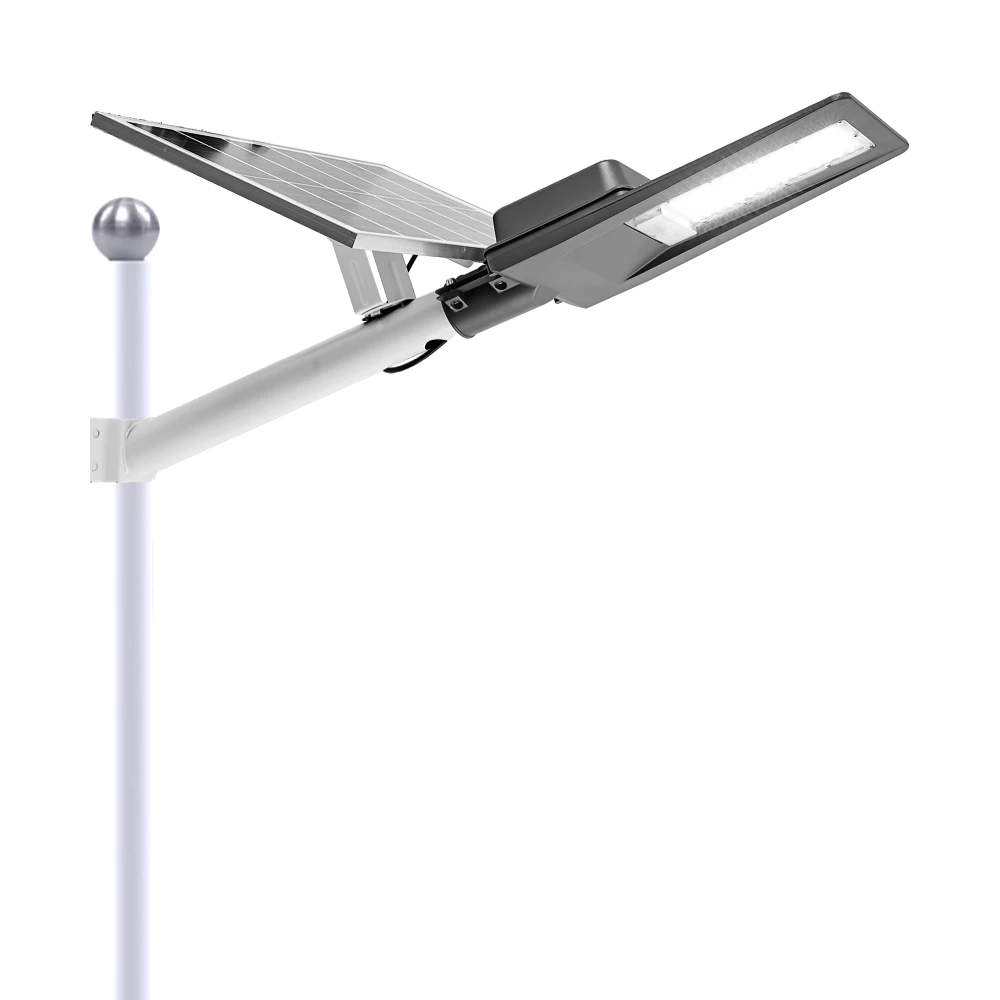
Experience reliable outdoor illumination with our smart solar street light, a perfect combination of advanced technology and eco-conscious design.
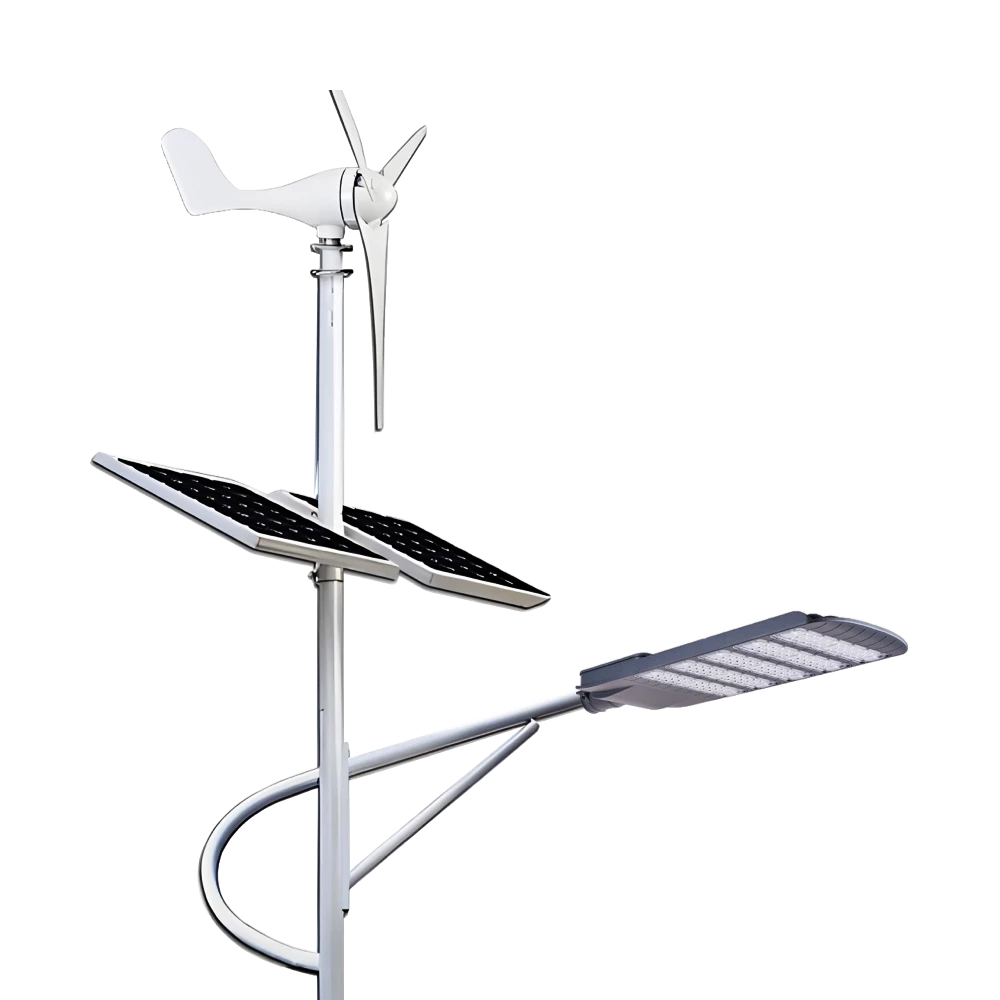
Queneng Lufeng Wind Energy LED Outdoor Solar Street Lights offer high-performance, eco-friendly illumination. These energy-efficient LED street lights harness solar power and wind energy for sustainable, cost-effective outdoor lighting solutions.
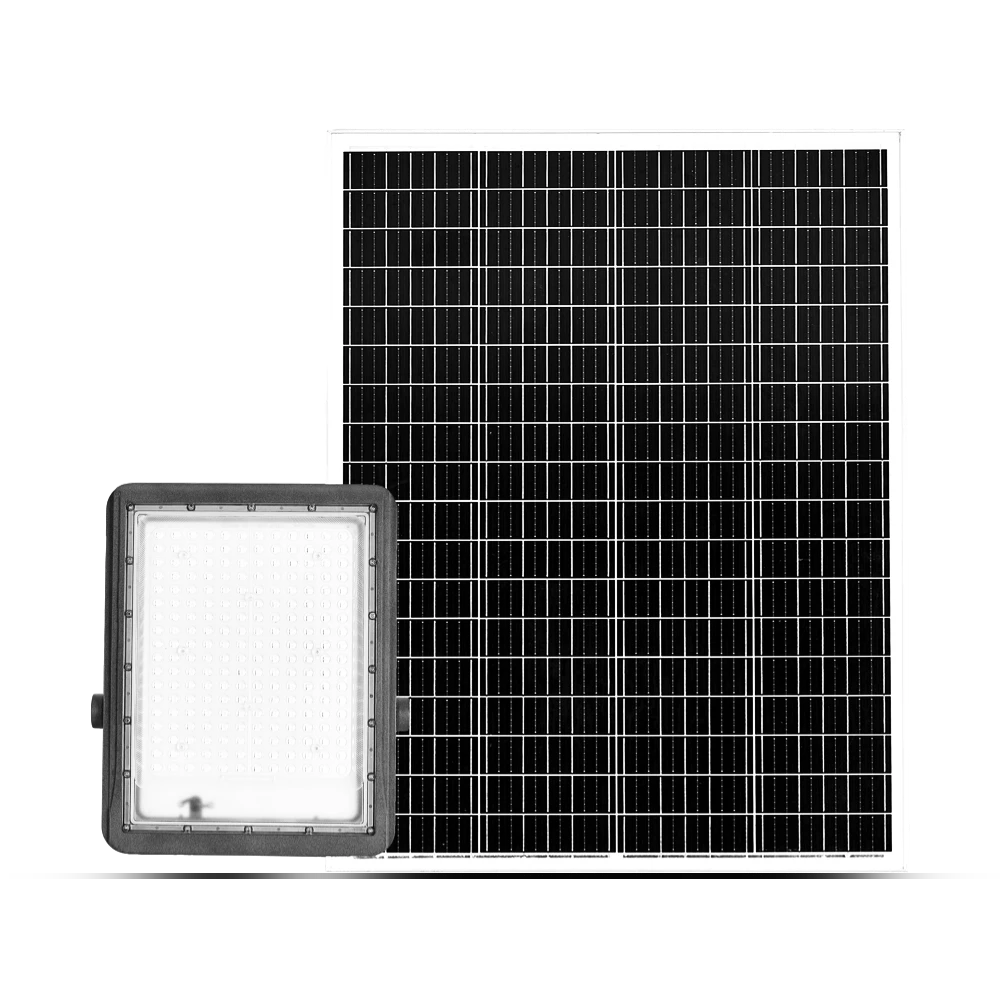
Queneng's Luxian Reliable Solar Street Light offers energy-saving LED lighting for outdoor use. This durable, solar-powered street light provides reliable illumination, reducing energy costs and environmental impact. A perfect solution for sustainable outdoor lighting.
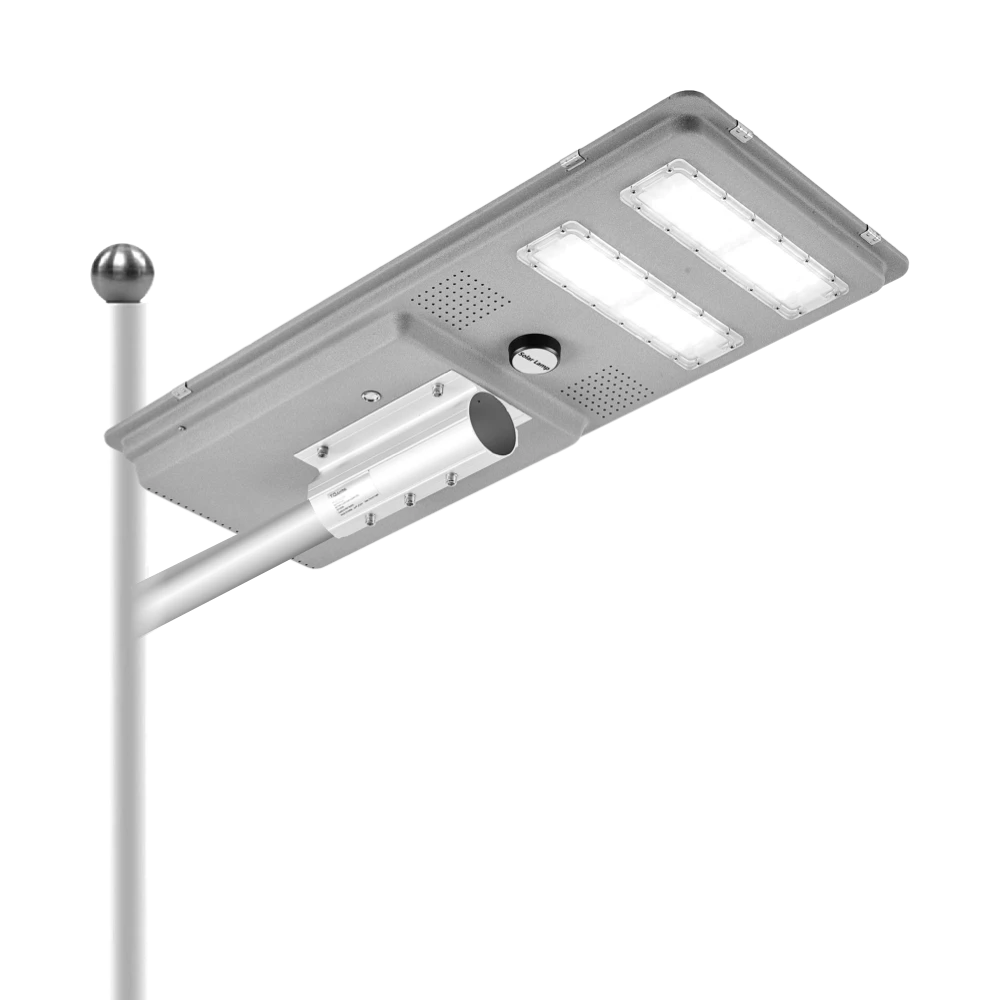
Queneng’s Solar Street Lights are designed to provide reliable, energy-efficient lighting for streets, parks, and other outdoor spaces.
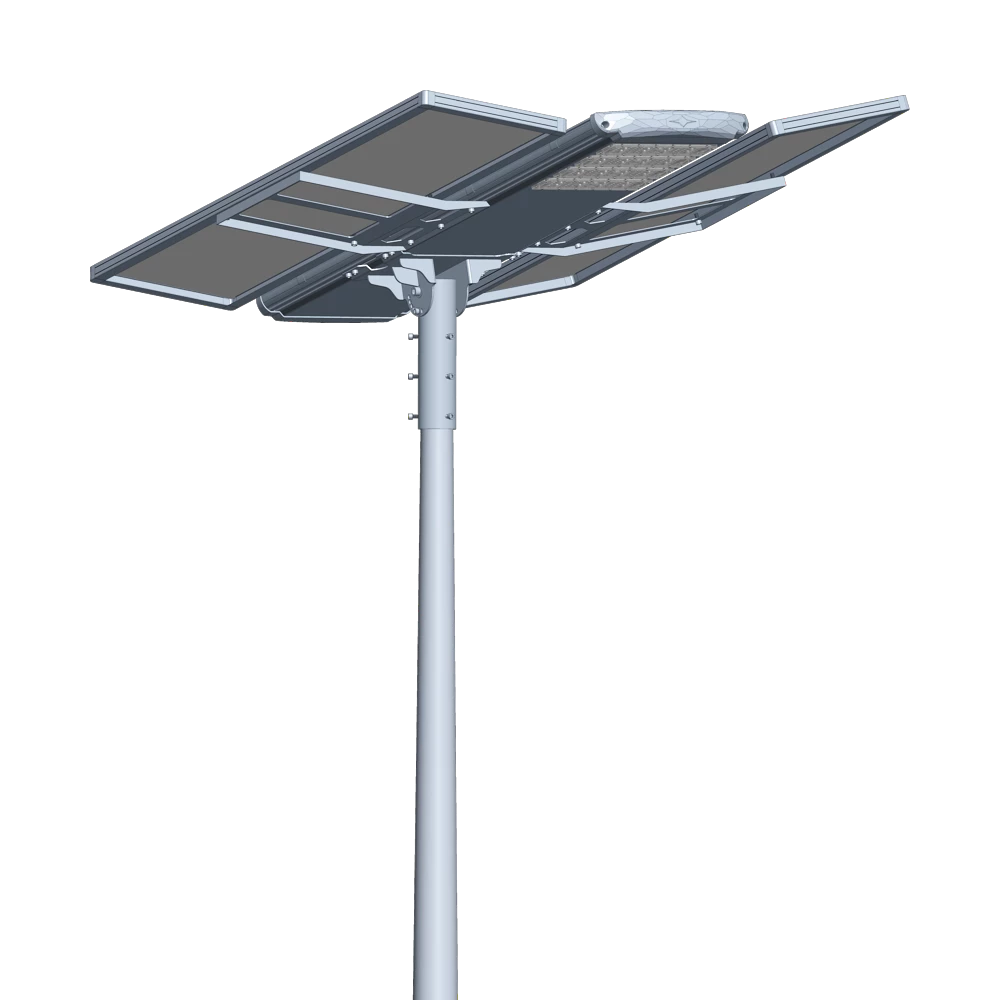
Introducing the Luqing Solar Street Light by Queneng, Efficient LED lighting powered by solar energy is perfect for illuminating outdoor areas. Harness the power of solar energy for sustainable, reliable street lighting. Ideal for eco-friendly, cost-effective outdoor illumination solutions.
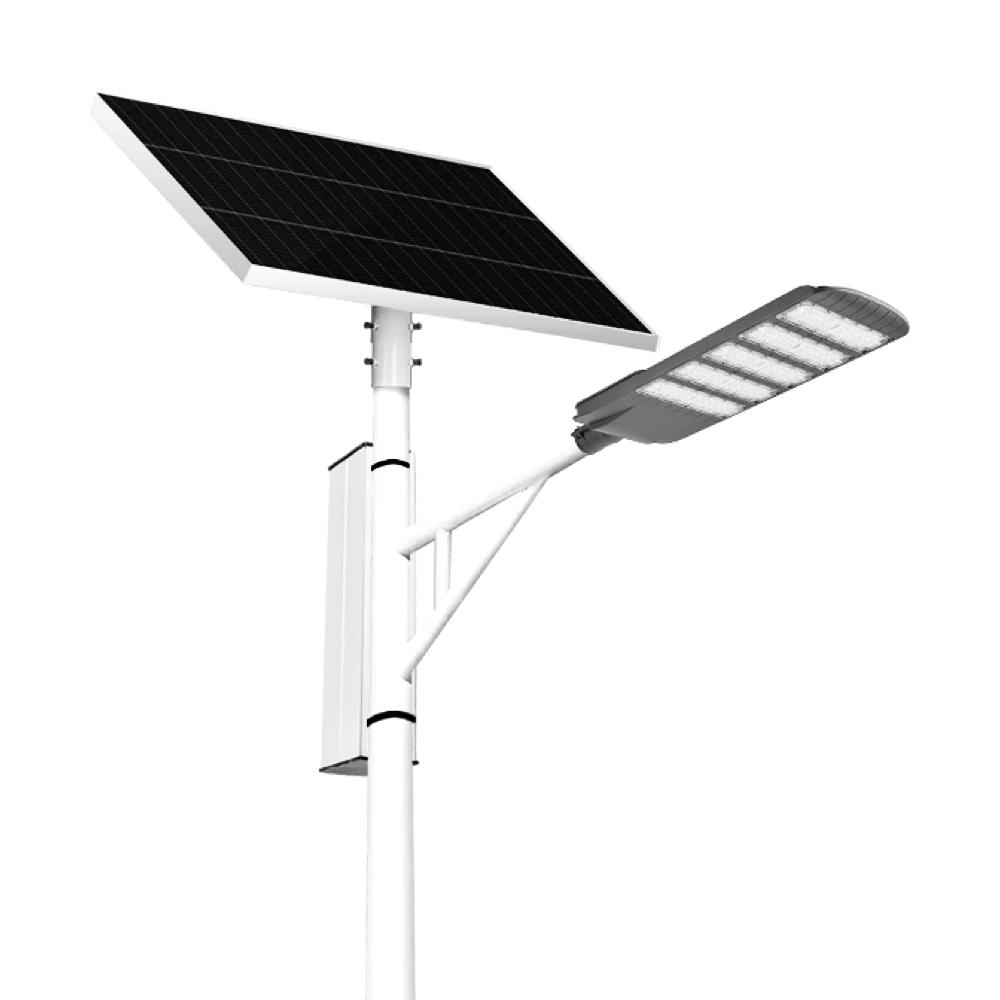
The Solar Streetlights of Luhao for Municipalities are designed to deliver reliable, energy-efficient, and cost-effective public lighting solutions. Equipped with advanced LED technology, durable lithium batteries, and high-efficiency solar panels, these streetlights provide consistent illumination for roads, parks, residential areas, and government projects.
Our professional team is ready to answer any questions and provide personalized support for your project.
You can reach us via phone or email to learn more about Queneng’s solar lighting solutions. We look forward to working with you to promote clean energy solutions!
Rest assured that your privacy is important to us, and all information provided will be handled with the utmost confidentiality.
By clicking 'Send Inquiry Now' I agree to Queneng processing my personal data.
To see how to withdraw your consent, how to control your personal data and how we process it, please see our Privacy Policy and Terms of use.
Schedule a Meeting
Book a date and time that is convenient for you and conduct the session in advance.
Have more questions about our products or services?
The messenger of light & power conversion
Environmental protection and intelligent manufacturing are our brand philosophy, and quality assurance and the best user experience are our eternal promises to users.
CONTACT
No.9F, Building F, Cao San Xin Tian Hong Logistics Park, Guzhen Town, Zhongshan City, Guangdong Province, China.
or write [email protected]
WhatsApp: +86 136 2270 1011


