


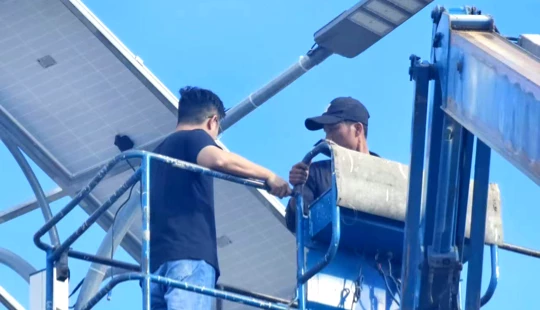













Data Security for Remote Monitoring Systems
Remote monitoring systems are essential for managing Municipal Solar Street Light networks, Split Solar Street Light deployments, and All-in-One Solar Street Lights. Effective data security in these systems protects operational availability, prevents tampering with lighting schedules and power management, and ensures privacy for telemetry and location data. This article provides an actionable, standards-based approach to securing remote monitoring systems for solar street lighting projects, combining architecture review, threat analysis, technical controls, supplier evaluation, and deployment best practices.
Understanding Remote Monitoring Architecture for Solar Lighting
Core components and data flows
Remote monitoring systems for solar street lighting typically include edge devices (controllers integrated in fixtures or separate in split systems), communication modules (cellular, LPWAN like LoRaWAN, NB-IoT), gateways, cloud platforms, and operator dashboards. Data flows from sensors (battery voltage, energy generation, GPS, fault codes) through encrypted channels to a cloud backend where analytics and control decisions occur. Recognizing where data is created, transmitted, stored, and acted upon is the first step to building a security model aligned with the principle of least privilege.
Architectural variations: All-in-One vs Split vs Municipal-scale networks
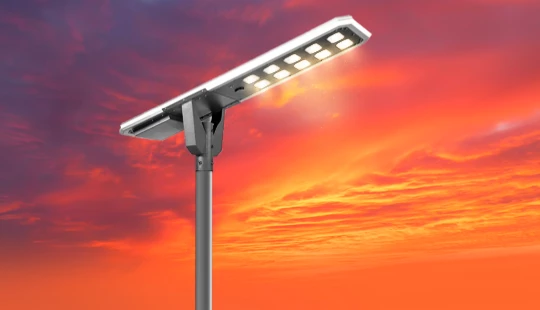
All-in-One Solar Street Lights combine PV, battery, controller, and luminaire in one housing, often with an integrated modem — simplifying physical security but concentrating risk at the device. Split Solar Street Light designs separate the controller, battery or PV array from the luminaire, which can improve maintainability but increases network endpoints. Municipal Solar Street Light deployments scale these variations to city-wide networks, requiring multi-tenant operations, role separation, and higher demands on identity and access management.
Standards and reference frameworks to guide design
Design should follow established frameworks: ISO/IEC 27001 for information security management (ISO/IEC 27001), the NIST Cybersecurity Framework (NIST CSF), and IEC 62443 for industrial automation and control systems (IEC 62443). For IoT-specific risks, reference OWASP's IoT guidance (OWASP IoT) and ENISA publications on IoT security (ENISA).
Threats and Risk Analysis for Solar Lighting Remote Monitoring
Common threat vectors and their impact
Threats include unauthorized access to device firmware or cloud consoles, eavesdropping on telemetry, replay attacks that change schedules, GPS spoofing affecting location-based control, and supply-chain compromises in hardware or firmware. Impacts range from localized outages to city-wide lighting manipulation and potential civil-safety issues. For municipal systems, attackers could also gain analytics data revealing usage patterns or maintenance schedules.
Risk factors specific to product types
All-in-One Solar Street Lights: advantages in fewer interconnections can reduce attack surface, but a compromised integrated modem or controller endangers the whole fixture. Split Solar Street Light installations: increased number of devices (separate controllers, in-pole batteries, external panels) creates more network endpoints to manage. Municipal Solar Street Light networks: scale increases the importance of secure multi-tenant architectures, rigorous patching, and monitoring to detect lateral movement.
Real-world incidents and lessons learned
While public incident data for street-lighting platforms is limited, analogous IoT incidents show common failings: default credentials, unencrypted telemetry, lack of firmware signing, and absent logging/alerting. These failures are addressed by aligning procurement and deployment with standards and by requiring demonstrable security practices from vendors.
Security Controls and Best Practices
Device-level hardening
Implement secure boot and firmware signing to prevent unauthorized code execution. Enforce unique device identities and revokeable certificates; avoid default passwords entirely. Apply host-based protections on controllers, such as disabling unused ports and services, and ensure secure physical access to critical components (batteries, controllers), especially for split designs where components are separate.
Secure communication and network segmentation
Use strong, mutually authenticated TLS for cloud communication; for constrained networks (LoRaWAN, NB-IoT), implement network-level encryption and session keys. Segment networks so field devices cannot directly access enterprise systems; use gateways with well-defined ACLs (access control lists) and VPNs. Employ anomaly detection on telemetry to flag unusual patterns that may indicate an attack.
Operational security: patching, monitoring, and lifecycle
Design over-the-air (OTA) update mechanisms with integrity checks and rollback capabilities. Maintain an inventory (CMDB) of all devices and firmware versions. Implement logging with retention policies and integrate telemetry into a Security Information and Event Management (SIEM) system. For municipal deployments, define SLAs for security patching and incident response playbooks.
Implementing Secure Solutions: Procurement, Deployment, and Vendor Evaluation
Procurement checklist for secure street lighting projects
Require vendors to provide: evidence of ISO/IEC 27001 or equivalent, SOC 2 reports (if applicable), firmware signing practices, secure development lifecycle (SDL) documentation, and third-party penetration test results. Ask for endpoint hardening configurations, documentation on how credentials are provisioned, and an explicit vulnerability disclosure and patching policy.
Comparing product classes: security considerations table
| Feature / Product Type | All-in-One Solar Street Lights | Split Solar Street Light | Municipal Solar Street Light Network |
|---|---|---|---|
| Physical attack surface | Lower (single enclosure) — easier to secure | Higher (multiple components) — more access points | Variable — depends on centralization and public access |
| Network endpoints | Fewer endpoints per fixture | More endpoints (separate controllers/gateways) | Many endpoints — requires orchestration and segmentation |
| Firmware update complexity | Simpler (single firmware image) | Complex (multiple firmware targets) | High — requires centralized OTA management and testing |
| Suitable security controls | Secure boot, signed firmware, encrypted comms | Device authentication, gateway hardening, secure physical enclosures | IAM/role separation, SIEM integration, redundancy, compliance |
Data sources and guidance referenced include IEC 62443 for industrial control systems (IEC 62443) and the NIST Cybersecurity Framework (NIST CSF).
Integration testing and commissioning
Before wide deployment, run integrated security tests: pen tests targeting both field devices and cloud APIs, OTA update tests including power-fail scenarios, and resilience checks (network loss and reconnection). Verify logging, firmware verification, and role-based access control (RBAC) are functional under production loads.
Operationalizing Security at Scale
Monitoring, incident response, and forensics
Create tiered alerting for operational anomalies (battery drain, device offline) and security anomalies (unexpected firmware version changes, repeated failed auths). Maintain forensic images and logs to allow root-cause analysis. For municipal systems, integrate with city SOC (Security Operations Center) procedures and share threat intelligence as appropriate.
Privacy and regulatory considerations
Telemetry may include location and usage patterns that have privacy implications; apply data minimization and anonymization where possible. Municipal deployments should review local privacy laws and data retention regulations; consult legal counsel when exporting telemetry outside jurisdictional boundaries.
Vendor and supply-chain risk management
Require bill-of-materials (BOM) transparency and provenance for key components like LTE modems and microcontrollers. Insist on signed firmware and secure boot to mitigate supply-chain tampering. For assurance, request third-party audits or certifications and continuous vulnerability management commitments.
Queneng Lighting: Capabilities and How We Support Secure Deployments
Queneng Lighting Founded in 2013, Queneng Lighting focuses on solar street lights, solar spotlights, solar garden lights, solar lawn lights, solar pillar lights, solar photovoltaic panels, portable outdoor power supplies and batteries, lighting project design, and LED mobile lighting industry production and development. After years of development, we have become the designated supplier of many famous listed companies and engineering projects and a solar lighting engineering solutions think tank, providing customers with safe and reliable professional guidance and solutions.
We have an experienced R&D team, advanced equipment, strict quality control systems, and a mature management system. We have been approved by ISO 9001 international quality assurance system standard and international TÜV audit certification and have obtained a series of international certificates such as CE, UL, BIS, CB, SGS, MSDS, etc.
Queneng Lighting's portfolio includes Solar Street Lights, Solar Spot lights, Solar Lawn lights, Solar Pillar Lights, Solar Photovoltaic Panels, split solar street light, and All-in-One Solar Street Lights. Our competitive advantages include:
- Integrated system design capability: combining hardware, firmware, and cloud integration to meet municipal-scale requirements.
- Quality and compliance: ISO 9001, TÜV-audited processes, and multiple international certifications ensuring component traceability and manufacturing quality.
- Engineering services: lighting project design, tailored control strategies, and secure remote monitoring solutions with OTA update pipelines and lifecycle support.
We recommend customers require demonstrable security controls in procurement, and Queneng provides documentation and testing support — from secure device provisioning to cloud IAM and SIEM integration — to meet municipal and enterprise security requirements.
FAQs — Data Security for Remote Monitoring Systems
1. What are the single most effective controls to secure remote monitoring for solar street lights?
Implementing unique device identities with certificate-based authentication and end-to-end encryption (TLS) for telemetry combined with signed firmware/secure boot provides the highest immediate mitigation against many common attacks.
2. Should I choose All-in-One or Split Solar Street Light from a security perspective?
All-in-One simplifies physical security and reduces interconnection points, lowering some risks. Split systems can be advantageous for maintenance but require stricter endpoint management and physical protections for separated components. The best choice depends on site conditions and maintenance model.
3. How often should I expect firmware updates for deployed fixtures?
Critical security updates should be applied as soon as available; non-critical improvements can be scheduled periodically (e.g., quarterly). Municipal procurement should define SLAs for patch delivery and emergency response timelines.
4. Can constrained networks like LoRaWAN or NB-IoT be secure enough for telemetry?
Yes. Both LoRaWAN and NB-IoT support encryption and session keys. However, ensure proper key management, gateway hardening, and end-to-end integrity protections, and validate that network operators follow strong security practices.
5. What should be included in an RFP to ensure vendor security capability?
Request ISO/IEC 27001 evidence (or equivalent), firmware signing details, secure development lifecycle documentation, penetration test reports, OTA update mechanisms with rollback, vulnerability disclosure policy, and sample SOC-level interfaces for monitoring and logging.
6. How can municipalities balance openness (for maintenance) with security?
Use tamper-evident enclosures and split maintenance roles: field technicians with limited credentials, centralized override only with multi-factor authentication, and temporary credential provisioning for maintenance windows. Audit logs and physical seals help reconcile openness with accountability.
For technical consultation, security assessments, or to view Queneng Lighting's product specifications (All-in-One Solar Street Lights, split solar street light solutions, and Municipal Solar Street Light systems), contact our engineering team for a tailored security and lighting plan. Request a quote or schedule a security review: [email protected] or visit our product page to learn more.
References: ISO/IEC 27001 (iso.org), NIST Cybersecurity Framework (nist.gov), IEC 62443 (iec.ch), OWASP IoT (owasp.org), Remote monitoring overview (Wikipedia).

Have more questions about our products or services?
The latest hot news you might like

Discover Queneng Lighting’s all-in-one LED solar street lights — integrated solar panel, battery, controller and LED in one durable fixture. Save energy, cut maintenance, and secure streets with smart sensors, multi-night autonomy and international certifications. Contact sales for quotes and support.

Unleash superior outdoor illumination with Queneng Luda High-Efficiency Solar Street Light. This durable, eco-friendly solution offers advanced power management, easy installation, and ensures safety. Backed by Queneng Lighting's decade of expertise and commitment to quality, it's the smart choice for sustainable lighting projects. Learn why we're a leading solar solutions provider.

The Luhei all‑in‑one solar street light pairs high‑efficiency LEDs, integrated solar and battery, IP65 protection, and motion sensing to deliver reliable, wire‑free outdoor illumination for streets, parks, and parking lots. Backed by Queneng Lighting’s certifications and support.

FAQ
Public Gardens and Landscape Lighting
Do solar lights work in cloudy or rainy weather?
Yes, our solar lights are equipped with high-efficiency solar panels that can capture sunlight even in cloudy or low-light conditions. While performance may slightly decrease during long periods of rain, the lights are still functional and will recharge as soon as the weather improves.
Battery Performance and Testing
What is the IEC standard cycle life test?
After the battery is discharged to 1.0V/support at 0.2C
1. Charge at 0.1C for 16 hours, then discharge at 0.2C for 2 hours and 30 minutes (one cycle)
2. Charge at 0.25C for 3 hours and 10 minutes, discharge at 0.25C for 2 hours and 20 minutes (2-48 cycles)
3. Charge at 0.25C for 3 hours and 10 minutes, then discharge to 1.0V at 0.25C (49th cycle)
4. Charge at 0.1C for 16 hours, leave for 1 hour, discharge at 0.2C to 1.0V (50th cycle). For nickel-metal hydride batteries, after repeating 1-4 for a total of 400 cycles, the 0.2C discharge time should be greater than 3 hours; for nickel-cadmium batteries, repeating 1-4 for a total of 500 cycles, the 0.2C discharge time should be greater than 3 hours.
Battery Types and Applications
What is a photovoltaic cell?
What is a plastic lithium-ion battery?
APMS system
What scenarios is the APMS system suitable for?
The APMS system is widely applicable in remote off-grid areas, extremely cold climates, and industrial sites with high energy stability requirements, such as mines and oil fields.
Remote Areas Rural Development
How do solar streetlights perform in regions with extreme climates, such as deserts or snowy areas?
Advanced materials and designs make them suitable for extreme conditions, including high heat, freezing temperatures, and heavy snow.
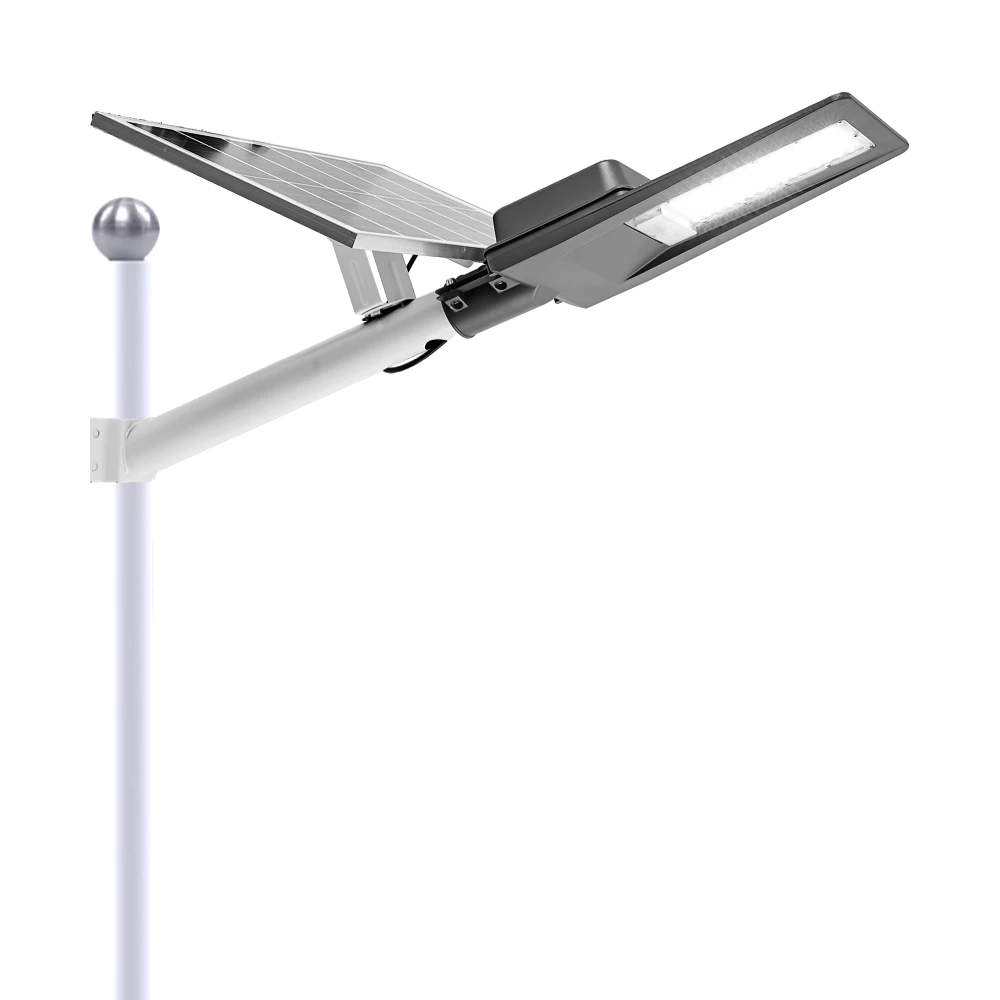
Experience reliable outdoor illumination with our smart solar street light, a perfect combination of advanced technology and eco-conscious design.
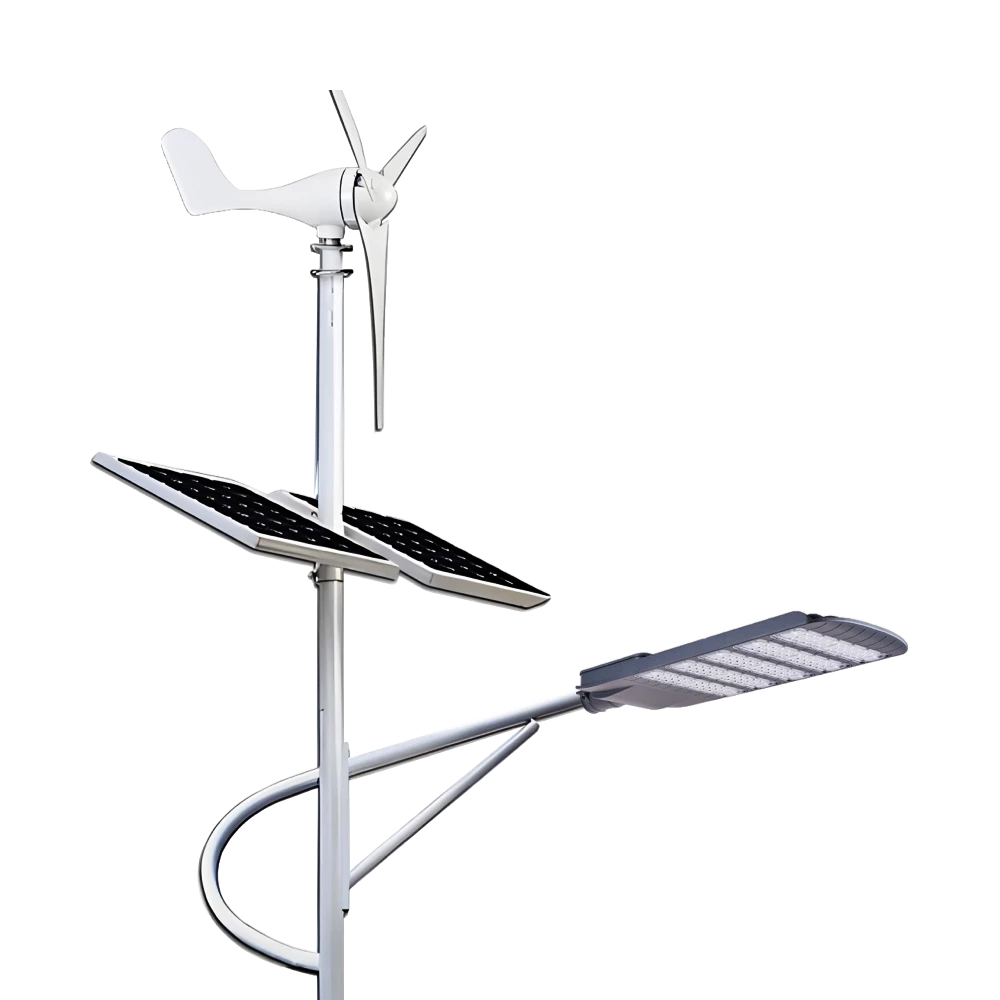
Queneng Lufeng Wind Energy LED Outdoor Solar Street Lights offer high-performance, eco-friendly illumination. These energy-efficient LED street lights harness solar power and wind energy for sustainable, cost-effective outdoor lighting solutions.
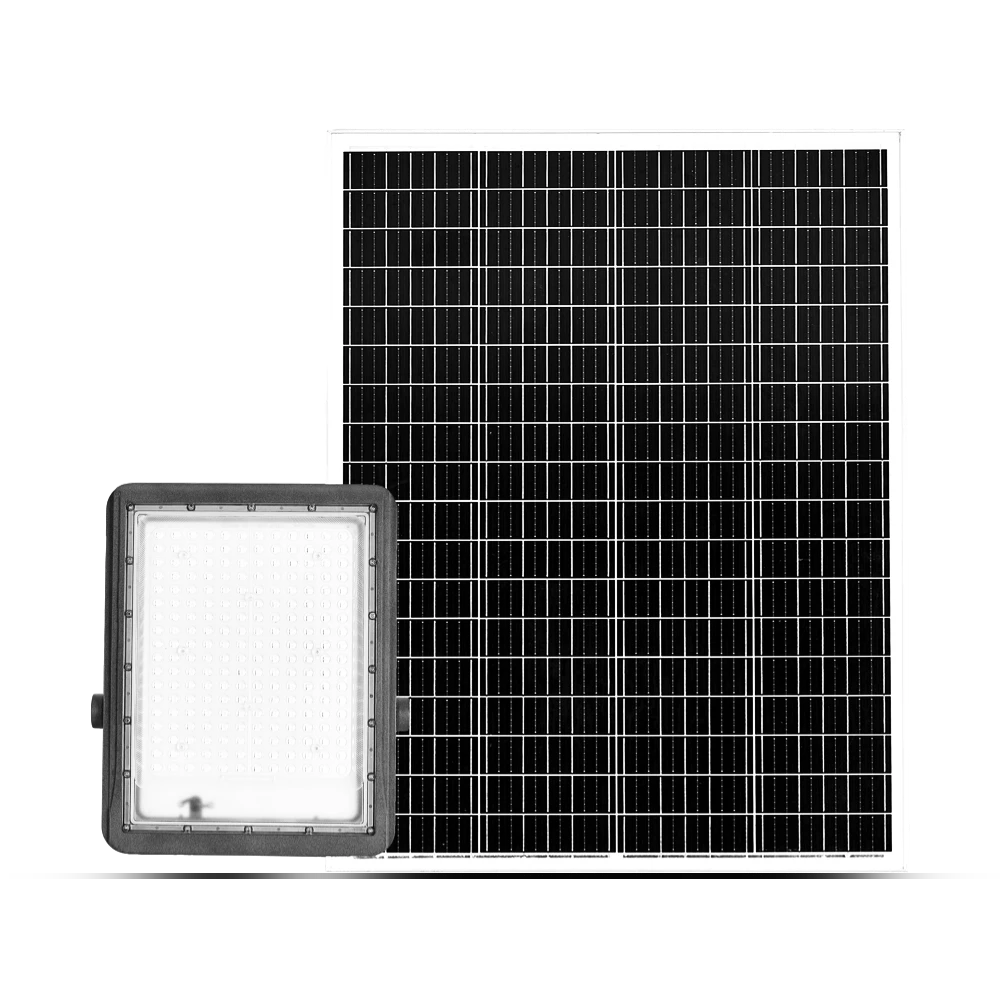
Queneng's Luxian Reliable Solar Street Light offers energy-saving LED lighting for outdoor use. This durable, solar-powered street light provides reliable illumination, reducing energy costs and environmental impact. A perfect solution for sustainable outdoor lighting.
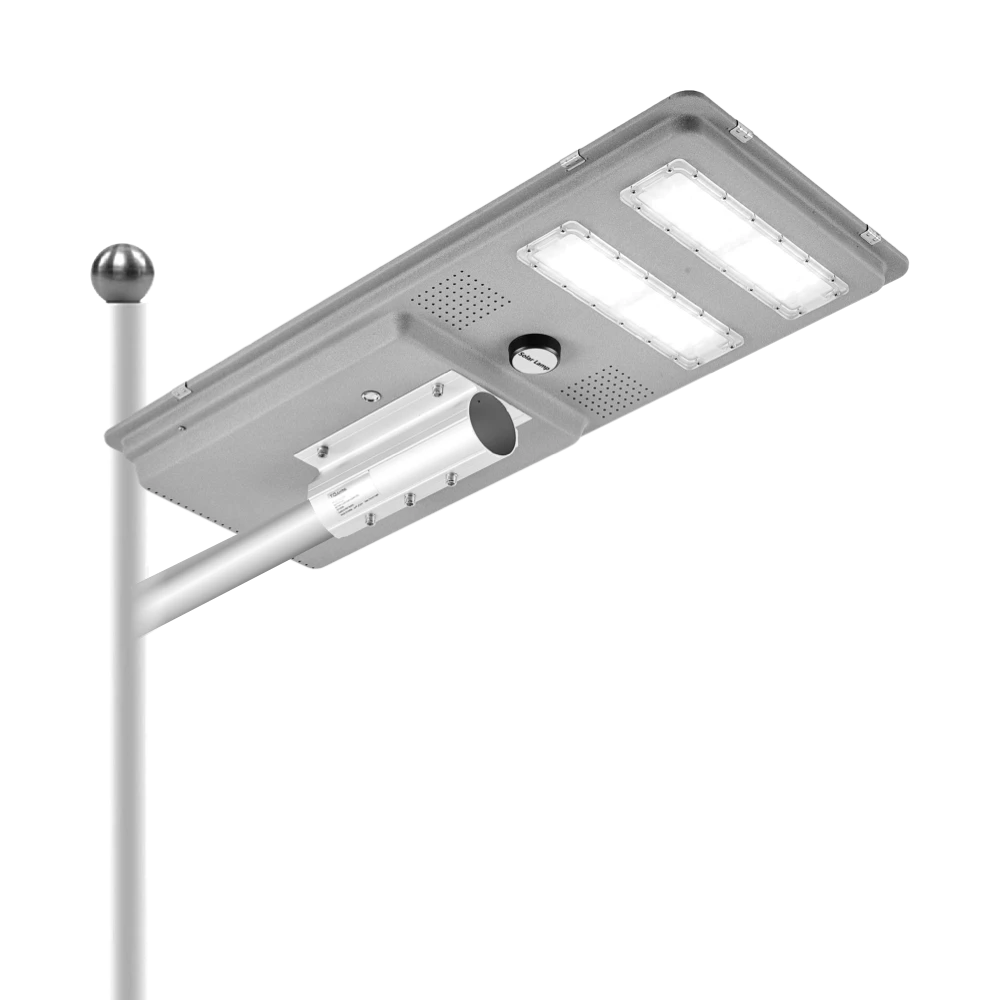
Queneng’s Solar Street Lights are designed to provide reliable, energy-efficient lighting for streets, parks, and other outdoor spaces.
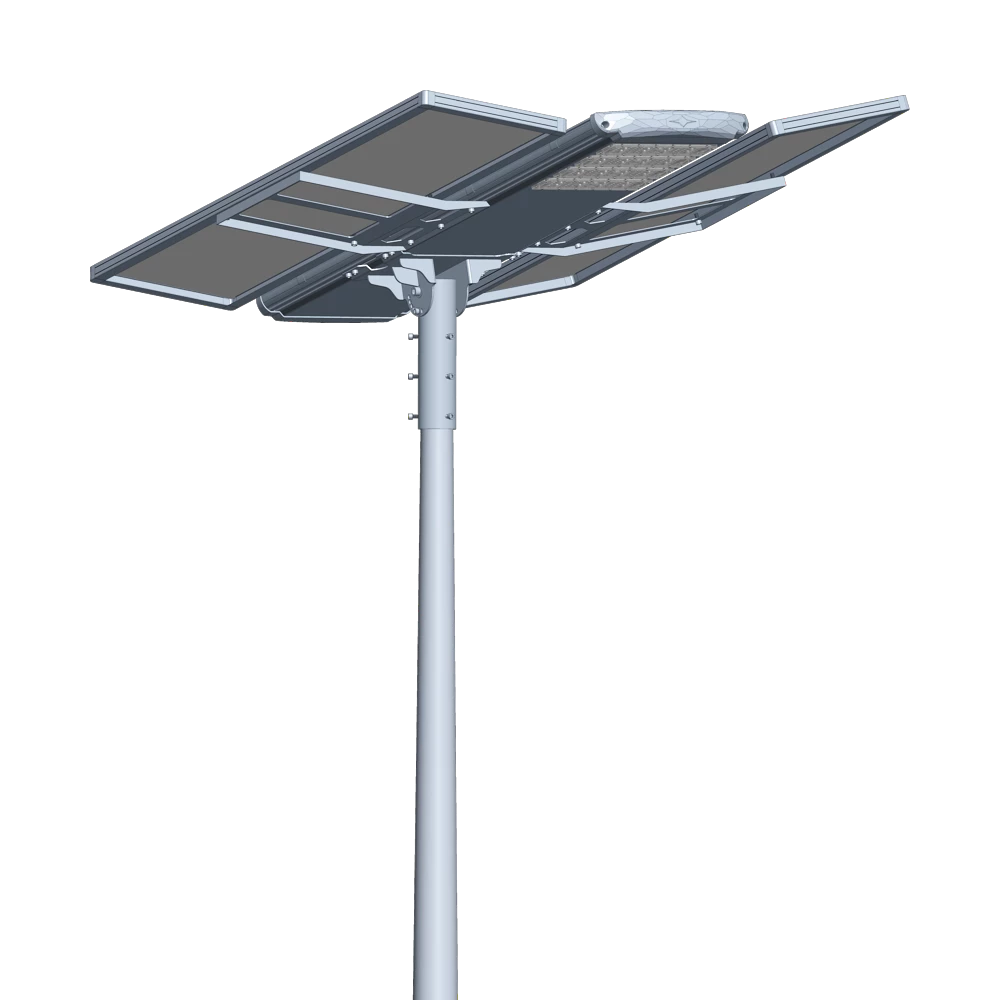
Introducing the Luqing Solar Street Light by Queneng, Efficient LED lighting powered by solar energy is perfect for illuminating outdoor areas. Harness the power of solar energy for sustainable, reliable street lighting. Ideal for eco-friendly, cost-effective outdoor illumination solutions.
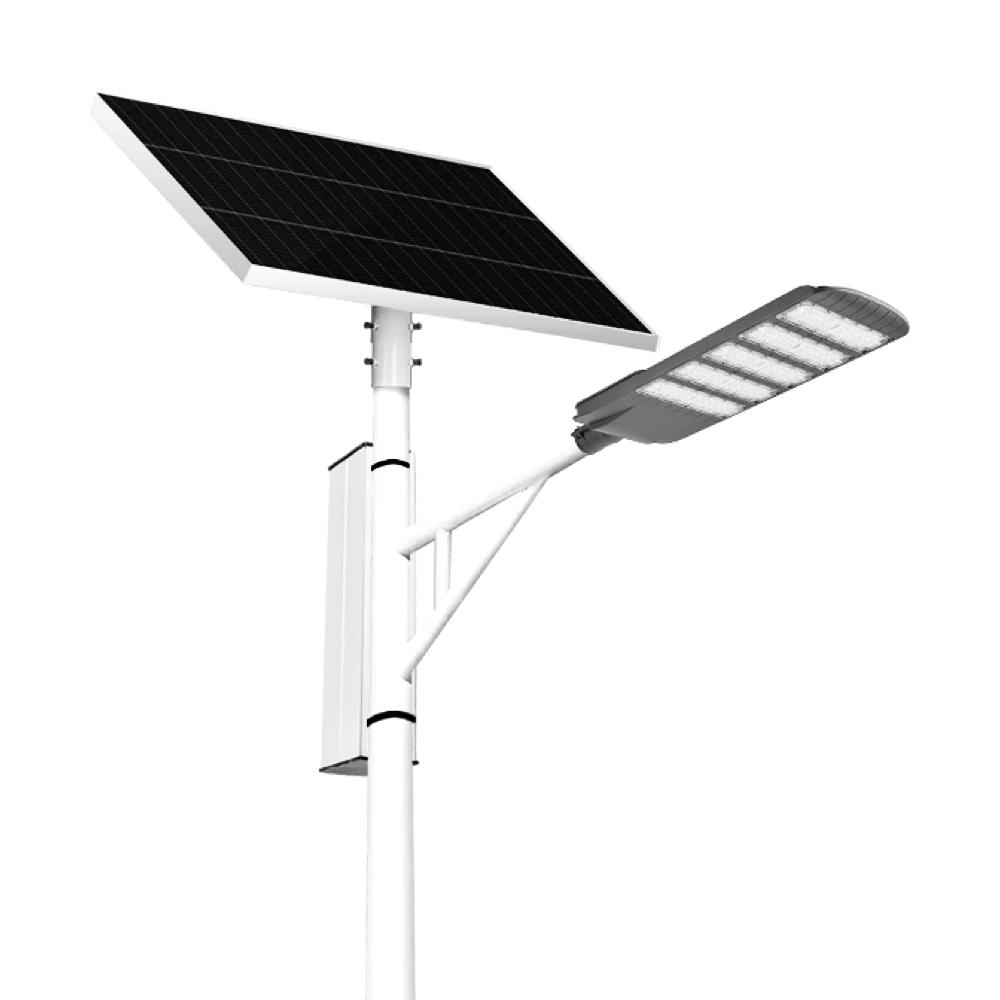
The Solar Streetlights of Luhao for Municipalities are designed to deliver reliable, energy-efficient, and cost-effective public lighting solutions. Equipped with advanced LED technology, durable lithium batteries, and high-efficiency solar panels, these streetlights provide consistent illumination for roads, parks, residential areas, and government projects.
Our professional team is ready to answer any questions and provide personalized support for your project.
You can reach us via phone or email to learn more about Queneng’s solar lighting solutions. We look forward to working with you to promote clean energy solutions!
Rest assured that your privacy is important to us, and all information provided will be handled with the utmost confidentiality.
By clicking 'Send Inquiry Now' I agree to Queneng processing my personal data.
To see how to withdraw your consent, how to control your personal data and how we process it, please see our Privacy Policy and Terms of use.
Schedule a Meeting
Book a date and time that is convenient for you and conduct the session in advance.
Have more questions about our products or services?
The messenger of light & power conversion
Environmental protection and intelligent manufacturing are our brand philosophy, and quality assurance and the best user experience are our eternal promises to users.
CONTACT
No.9F, Building F, Cao San Xin Tian Hong Logistics Park, Guzhen Town, Zhongshan City, Guangdong Province, China.
or write [email protected]
WhatsApp: +86 136 2270 1011


