

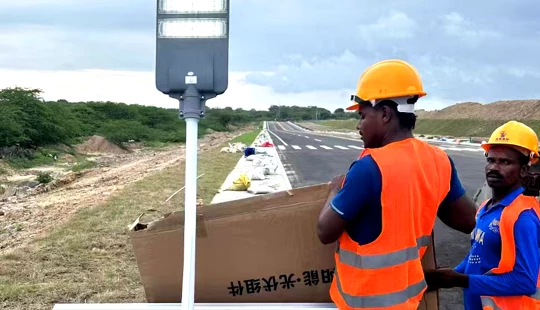
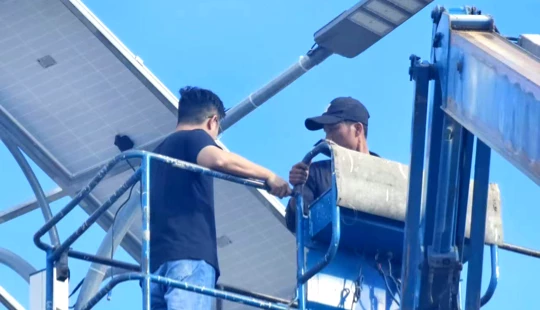













Emerging Technologies in Solar Street Lighting
I write from long-term field experience designing and advising municipal solar street light projects and selecting hardware for large-scale engineering deployments. Emerging technologies—from high-efficiency PV and advanced battery chemistries to AI-driven adaptive controls—are reshaping how municipalities can deliver safer streets while lowering lifecycle costs. In this article I compare three common architectures (Municipal Solar Street Light implementations, Split Solar Street Light systems, and All-in-One Solar Street Lights), explain the technology drivers, map standards and lifecycle economics, and provide practical guidance and verified references for procurement and deployment.
Technological Drivers Transforming Urban Lighting
High-efficiency PV modules and smart energy management
Solar panel efficiency has improved substantially over the last decade; monocrystalline PERC and heterojunction cells are increasingly cost-effective for street lighting arrays. According to IRENA, utility-scale and distributed PV costs have fallen dramatically, making onsite generation for street lighting more feasible in municipal budgets (IRENA: Renewable Power Generation Costs).
LED drivers, lumen maintenance and longevity
Advances in LED efficacy, thermal management and driver electronics extend lumen maintenance and reduce replacement frequency. The U.S. Department of Energy documents how solid-state lighting technology increases system efficacy and lifetime (DOE: Solid-State Lighting). For municipal planners, higher initial fixture cost is often offset by reduced energy use and longer service life.
Connectivity, IoT and geo-aware controls
The addition of wireless communication, motion-triggered dimming and geo-aware scheduling allows fixtures to operate dynamically—lowering energy consumption while maintaining safety. Standards and communication protocols are maturing; municipalities should require open APIs or industry-standard protocols to avoid vendor lock-in.
Design Architectures: All-in-One vs Split vs Municipal Hybrid Solutions
All-in-One Solar Street Lights: simplicity and rapid deployment
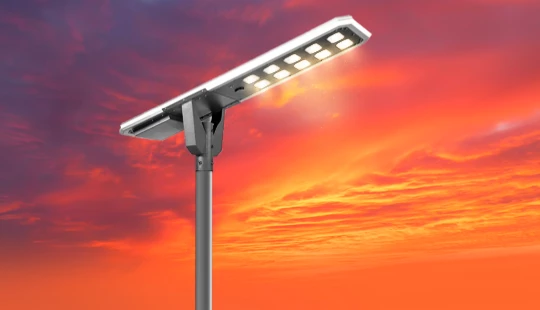
All-in-One Solar Street Lights integrate PV, battery, controller and luminaire in a single housing. I recommend them for rapid, low-complexity deployments (e.g., rural roads, park paths, temporary sites). Their advantages are ease of installation and minimal cabling. Typical trade-offs include smaller PV area per pole and thermal constraints affecting battery life in high-temperature climates.
Split Solar Street Light: flexibility and performance
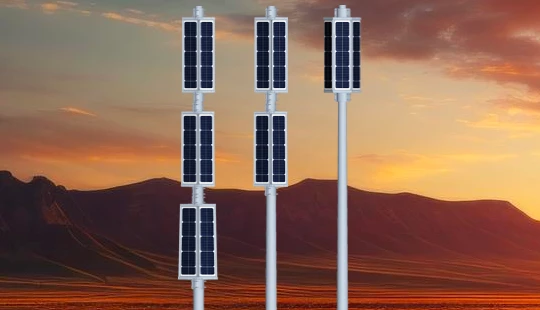
Split Solar Street Light configurations separate the PV array and battery from the luminaire. This allows larger solar arrays and batteries co-located or pole-mounted separately, improving energy autonomy and thermal management. I often recommend split systems for urban corridors requiring higher lumen output, longer autonomy, or where vandalism risk to fixtures is higher.
Municipal Solar Street Light considerations (hybrid and grid-tied)
Municipal deployments often mix solutions: All-in-One for side streets and parks, split or hybrid grid-tied systems for main roads and critical corridors. Key municipal requirements typically include predictable photometrics, midnight dimming schedules, remote monitoring, and warranties aligned with expected lifetimes (5–10+ years for components).
Comparison table: All-in-One vs Split vs Traditional grid LED
| Feature | All-in-One Solar Street Lights | Split Solar Street Light | Traditional Grid-Connected LED |
|---|---|---|---|
| Typical PV area | Small (10–80 W panels) | Medium to Large (50–400 W panels or arrays) | 0 |
| Battery capacity | Small to Medium (20–200 Ah) | Medium to Large (100–1000+ Ah) | 0 |
| Installation complexity | Low | Medium | Medium (requires grid connection) |
| Suitable use-cases | Rural, parks, trails | Main roads, high-demand corridors, vandalism-prone areas | Urban & high-reliability corridors |
| Typical lifespan (components) | LED 7–10 yrs; battery 3–8 yrs | LED 7–10 yrs; battery 5–12 yrs | LED 10–15 yrs |
Data above is reflective of field deployments and manufacturer specs; battery lifecycle estimates and PV sizing assumptions align with industry reviews and laboratory data (see IRENA and DOE references for PV and LED trends).
Emerging Technologies and Integration Strategies
Battery chemistry evolution and BMS improvements
Battery choices are moving from lead-acid to LiFePO4 and other lithium chemistries with better cycle life, depth-of-discharge tolerance and temperature performance. Robust battery management systems (BMS) improve safety and extend service life. For municipal systems, I now prioritize LiFePO4 modules with integrated BMS for higher cycle life and predictable end-of-life behavior. See NREL and IEEE discussions on energy storage technology trends (NREL).
Adaptive lighting with AI and geo-aware features
AI-driven control algorithms that incorporate geolocation ( concepts) and local usage patterns enable adaptive illumination—raising light levels when activity is detected and dimming otherwise. This reduces energy consumption and light pollution while meeting safety goals. Research and pilots documented in smart-city case studies demonstrate energy savings of 40–70% compared to static schedules.
Microgrids, aggregation and energy-as-a-service models
Municipalities are increasingly aggregating distributed solar street lights into microgrids or managed services where an operator provides performance guarantees. This can be structured as energy-as-a-service contracts that remove upfront CAPEX barriers. Aggregation also enables shared storage and demand response participation where regulations permit.
Deployment, Standards, and Lifecycle Economics
Relevant standards, certifications and procurement requirements
When specifying systems I reference international standards and certifications to ensure quality and interoperability. ISO 9001 is a baseline for quality management (ISO 9001). For electrical safety and product conformity, look for CE, UL, CB and regional approvals. Communication and control protocols should adhere to recognized standards or documented open APIs.
Lifecycle cost analysis and verifiable KPIs
I always perform an LCCA (life-cycle cost analysis) comparing capital cost, maintenance, replacement cycles, energy offsets, and expected downtime. Use conservative battery replacement intervals (3–8 years depending on chemistry) and LED lumen depreciation curves from DOE data. Financing structures, incentives and feed-in/tariff rules also materially impact total cost of ownership.
Maintenance, vandalism mitigation and end-of-life recycling
Operational considerations—such as removable batteries for secure storage, tamper-resistant mounts, and scheduled firmware updates—reduce lifecycle costs. Responsible EOL handling for lithium batteries and PV panels should be part of procurement terms. Increasingly, suppliers provide take-back or recycling programs as part of warranties.
Case Guidance: Selecting the Right System for Your City
Site assessment and energy budgeting
Before selecting products, I conduct a site assessment including solar insolation, shading, required lux levels, and usage patterns. Use publicly available insolation datasets or local measurements and size PV and battery to meet required autonomy (days without sun) and target dimming strategies.
Technical requirements checklist
- Photometric compliance: confirm candela distribution and maintained lux over the service life.
- Component warranties: LED (5–10 yrs), solar panels (10–25 yrs performance), batteries (3–10 yrs depending on chemistry).
- Monitoring and connectivity: real-time fault reporting, remote firmware updates, and open standards.
Procurement & contracting tips
Specify performance-based contracts with clear SLA KPIs (uptime, energy delivered, fault response times). Require third-party testing or factory witness testing and independent certification for critical components.
Queneng Lighting: Capabilities and How We Help
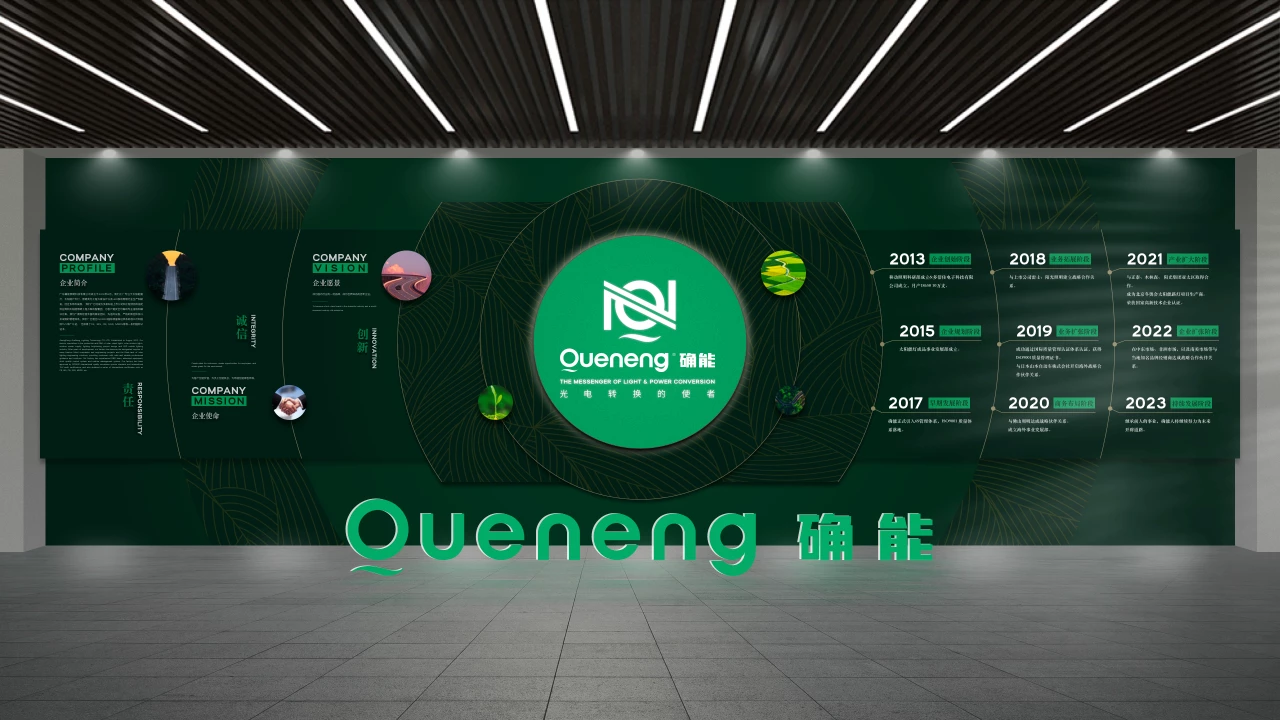
Queneng Lighting, founded in 2013, focuses on solar street lights, solar spotlights, solar garden lights, solar lawn lights, solar pillar lights, solar photovoltaic panels, portable outdoor power supplies and batteries, lighting project design, and LED mobile lighting industry production and development. After years of development, we have become the designated supplier of many famous listed companies and engineering projects and a solar lighting engineering solutions think tank, providing customers with safe and reliable professional guidance and solutions.
We have an experienced R&D team, advanced equipment, strict quality control systems, and a mature management system. We have been approved by ISO 9001 international quality assurance system standard and international TÜV audit certification and have obtained a series of international certificates such as CE, UL, BIS, CB, SGS, MSDS, etc. Queneng Lighting's core product lines include Solar Street Lights, Solar Spot lights, Solar Lawn lights, Solar Pillar Lights, Solar Photovoltaic Panels, split solar street light and All-in-One Solar Street Lights.
From my consultancy perspective, Queneng's strengths are practical: an integrated product portfolio (covering both All-in-One and split solar street light systems), in-house R&D for tailored luminaire optics and thermal management, and a quality assurance regime aligned with international certifications. For municipalities and engineering contractors seeking turnkey solutions or design support, Queneng can supply pre-tested systems, monitoring platforms and after-sales maintenance partnerships.
FAQ
1. What is the main difference between All-in-One and Split Solar Street Light systems?
All-in-One integrates PV, battery, controller and luminaire into one housing, offering fast installation and lower upfront labour. Split systems separate PV and battery from the luminaire, allowing larger PV arrays and batteries, better thermal control and easier upgradeability—suitable for higher-demand urban corridors.
2. How long do batteries and LEDs in solar street lights typically last?
LEDs typically provide 7–15 years of useful life depending on driving current and thermal conditions. Battery lifetime varies by chemistry: lead-acid 2–5 years, sealed AGM 3–5 years, LiFePO4 often 5–12 years depending on depth-of-discharge and thermal management. Use manufacturer data and conservative assumptions in LCCA.
3. Are municipal solar street lights reliable in winter or low-sun regions?
Yes, with proper sizing for autonomy (larger PV arrays and batteries) and intelligent controls (dimming schedules, occupancy sensing). For northern latitudes or high-shade areas, hybrid grid-connected or split systems with larger arrays are recommended.
4. What standards should I require in procurement?
Require ISO 9001 for manufacturer quality systems, electrical safety approvals appropriate to your region (CE, UL, BIS, CB), and confirm LED and PV performance claims with test reports. Specify communication protocols and firmware update policies.
5. How do I evaluate total cost of ownership (TCO)?
Include CAPEX, installation, maintenance schedules, replacement cycles, energy offsets (if grid-tied credits apply), and end-of-life disposal. Use scenario analysis for battery replacements and degradation. Performance-based contracts can help manage TCO risk.
6. Can smart controls reduce light pollution while maintaining safety?
Yes. Adaptive controls and geo-aware scheduling allow fixtures to dim during low-activity periods and boost illumination when motion or events occur, balancing safety and environmental concerns.
If you want assistance sizing systems, comparing split solar street light options to All-in-One products for specific sites, or a quote for municipal solar street light projects, contact us to discuss project needs and view product specifications. For product catalogs and technical datasheets from Queneng Lighting, please reach out for customized proposals and pilot support.
Contact / View Products: Queneng Lighting - professional support for solar street lighting solutions and engineering design.
References: IRENA, U.S. DOE Solid-State Lighting, ISO 9001 documentation, NREL resources and industry white papers on energy storage and smart lighting.

Have more questions about our products or services?
The latest hot news you might like

Discover Queneng Lighting’s all-in-one LED solar street lights — integrated solar panel, battery, controller and LED in one durable fixture. Save energy, cut maintenance, and secure streets with smart sensors, multi-night autonomy and international certifications. Contact sales for quotes and support.

Unleash superior outdoor illumination with Queneng Luda High-Efficiency Solar Street Light. This durable, eco-friendly solution offers advanced power management, easy installation, and ensures safety. Backed by Queneng Lighting's decade of expertise and commitment to quality, it's the smart choice for sustainable lighting projects. Learn why we're a leading solar solutions provider.

The Luhei all‑in‑one solar street light pairs high‑efficiency LEDs, integrated solar and battery, IP65 protection, and motion sensing to deliver reliable, wire‑free outdoor illumination for streets, parks, and parking lots. Backed by Queneng Lighting’s certifications and support.

FAQ
Battery and Analysis
Can any charger be used for rechargeable portable batteries?
Battery Performance and Testing
What is a temperature rise experiment?
Tourist Attractions and Resorts
Do solar lights require much maintenance?
Solar lights require minimal maintenance. Routine checks and occasional cleaning of the solar panels are enough to keep the system functioning efficiently. There are no wires or bulbs that need to be replaced frequently.
Remote Areas Rural Development
What is the average lifespan of the lighting system?
The system typically lasts 8-10 years, with components like batteries requiring replacement every 5-8 years.
Solar Street Light Luqing
Can solar street lights be used in cloudy or rainy weather?
Yes, solar street lights can still function in cloudy or rainy conditions, though their performance may be reduced due to lower sunlight. The battery is designed to store enough energy to power the light for several days of overcast weather.
Solar Street Light Luan
What makes Luan solar street lights high-efficiency?
Luan solar street lights are equipped with advanced high-efficiency solar panels and LED technology. The panels capture solar energy effectively, even under low light conditions, while the energy-efficient LEDs provide bright illumination with minimal power consumption, ensuring long-lasting performance.
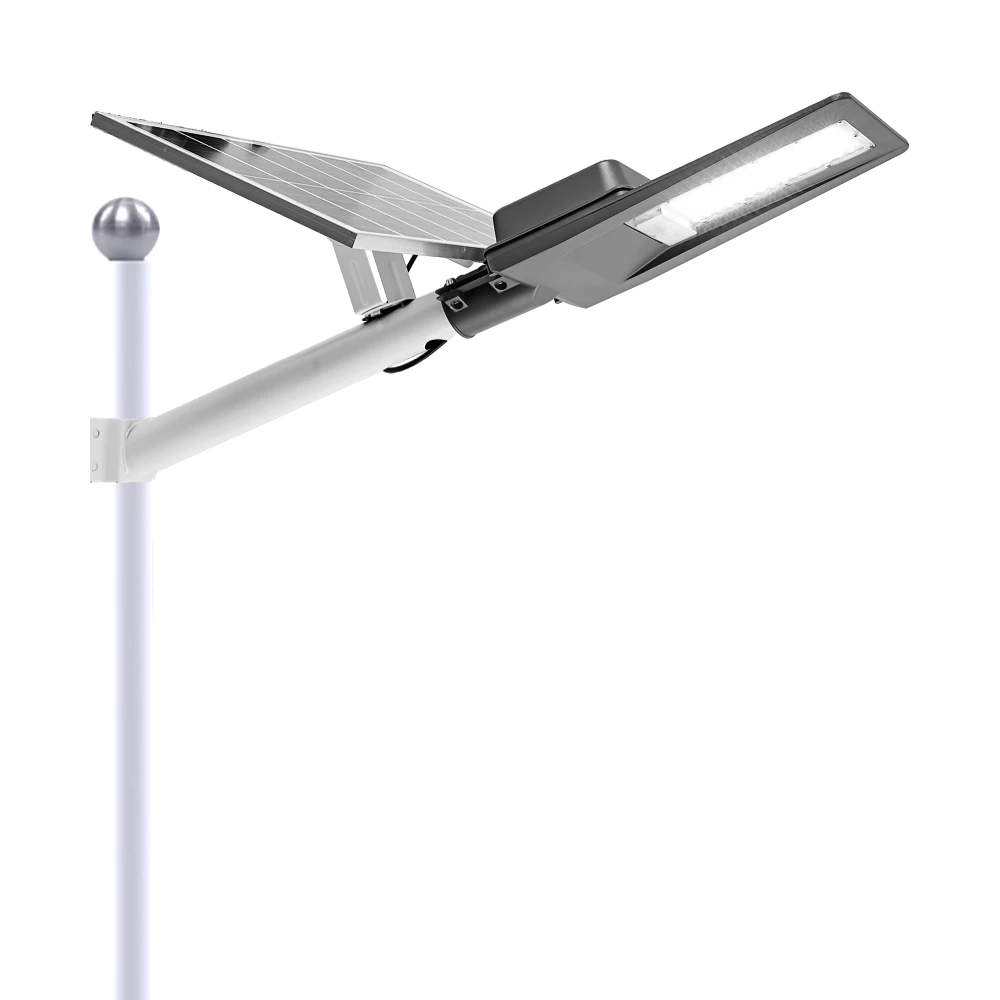
Experience reliable outdoor illumination with our smart solar street light, a perfect combination of advanced technology and eco-conscious design.
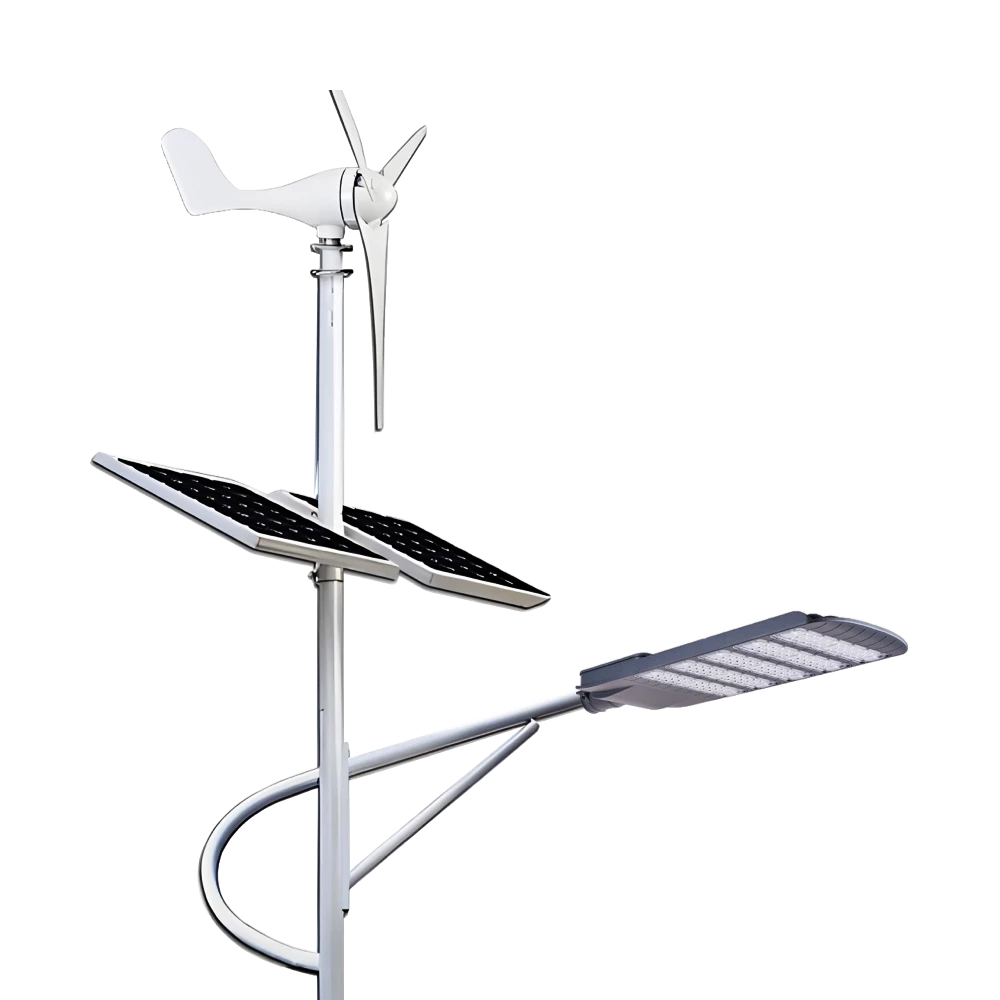
Queneng Lufeng Wind Energy LED Outdoor Solar Street Lights offer high-performance, eco-friendly illumination. These energy-efficient LED street lights harness solar power and wind energy for sustainable, cost-effective outdoor lighting solutions.
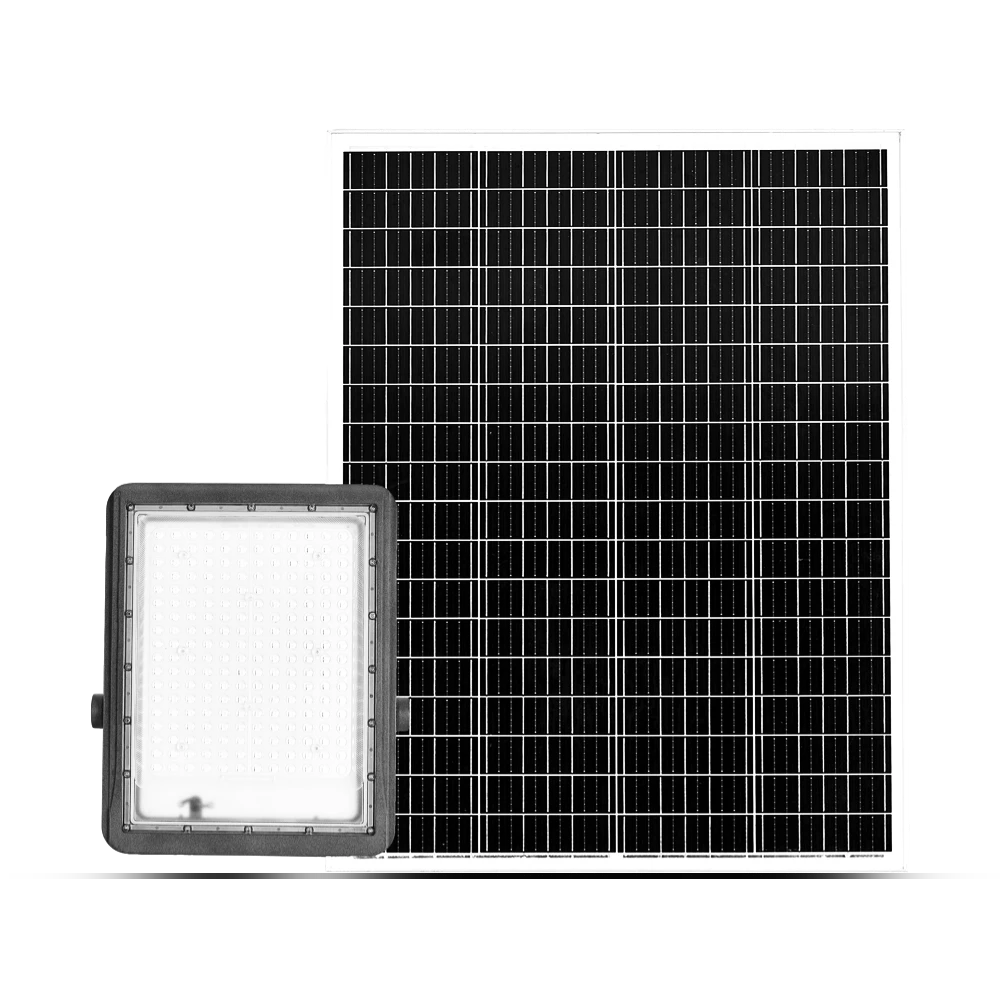
Queneng's Luxian Reliable Solar Street Light offers energy-saving LED lighting for outdoor use. This durable, solar-powered street light provides reliable illumination, reducing energy costs and environmental impact. A perfect solution for sustainable outdoor lighting.
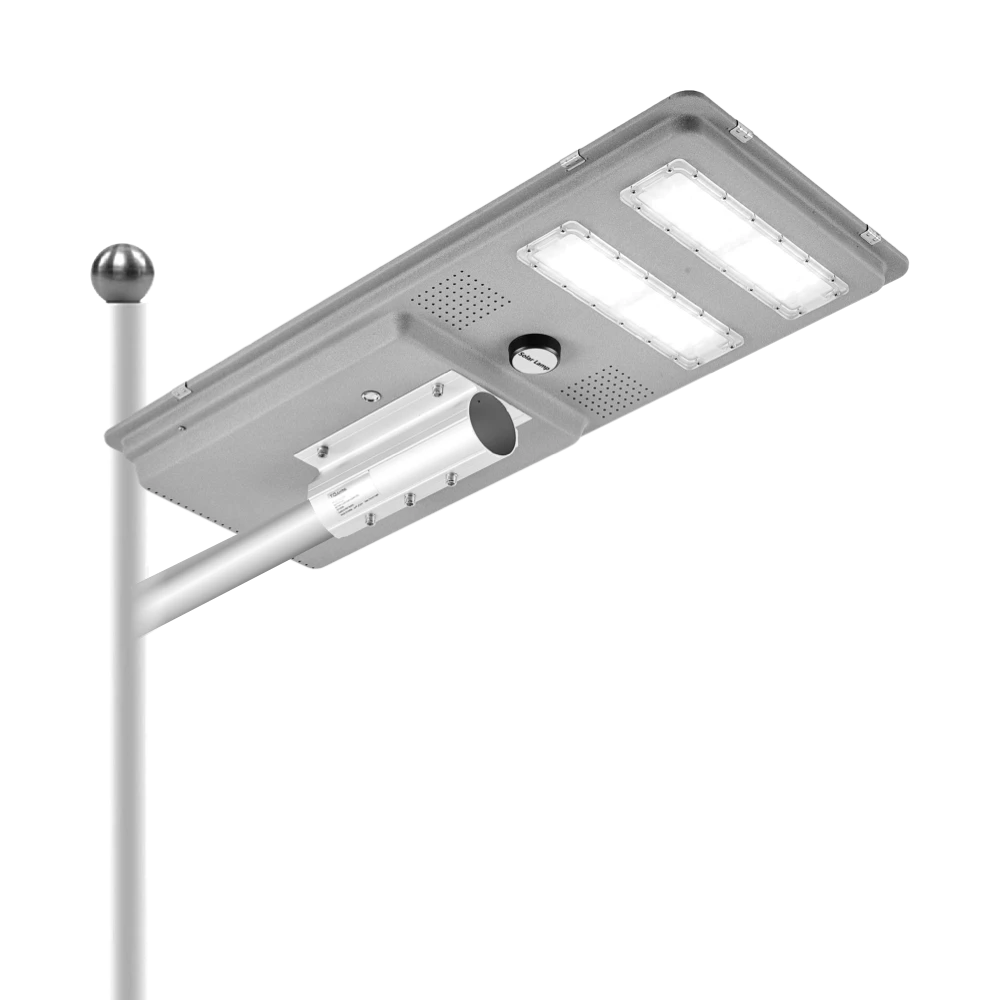
Queneng’s Solar Street Lights are designed to provide reliable, energy-efficient lighting for streets, parks, and other outdoor spaces.
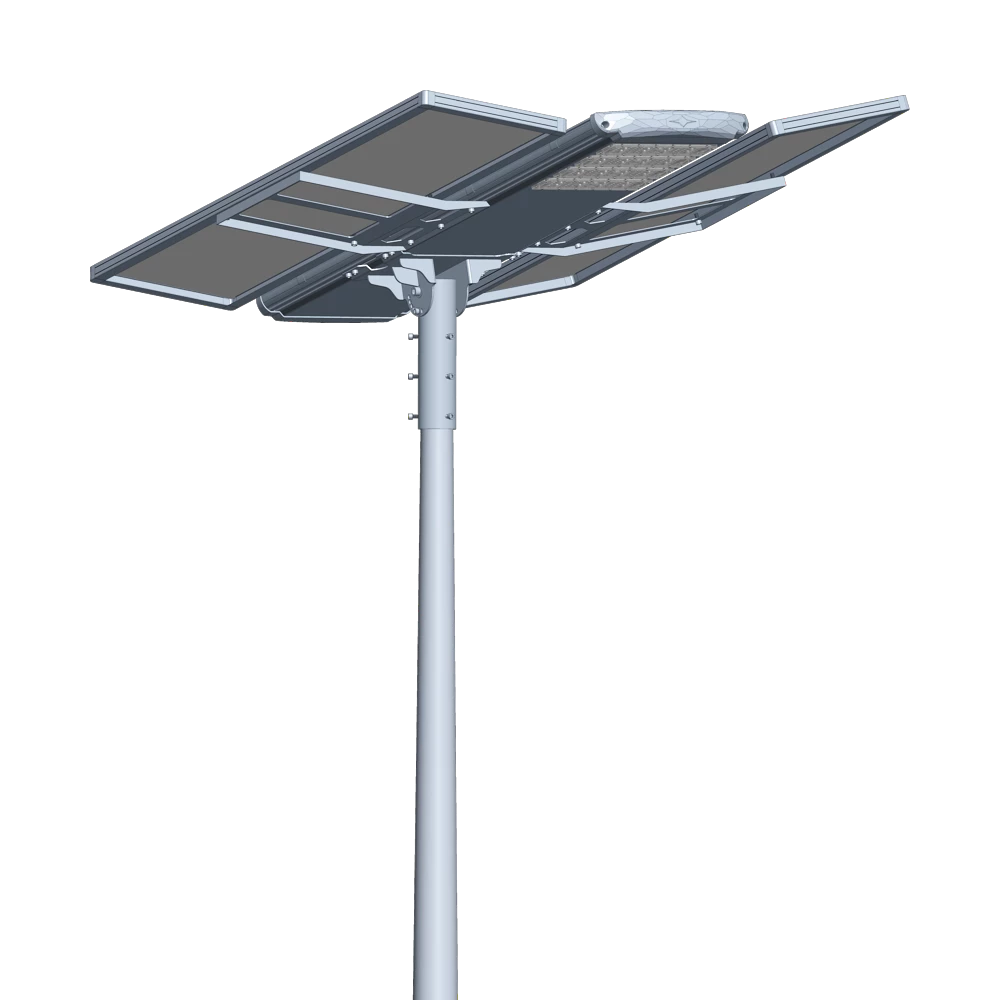
Introducing the Luqing Solar Street Light by Queneng, Efficient LED lighting powered by solar energy is perfect for illuminating outdoor areas. Harness the power of solar energy for sustainable, reliable street lighting. Ideal for eco-friendly, cost-effective outdoor illumination solutions.
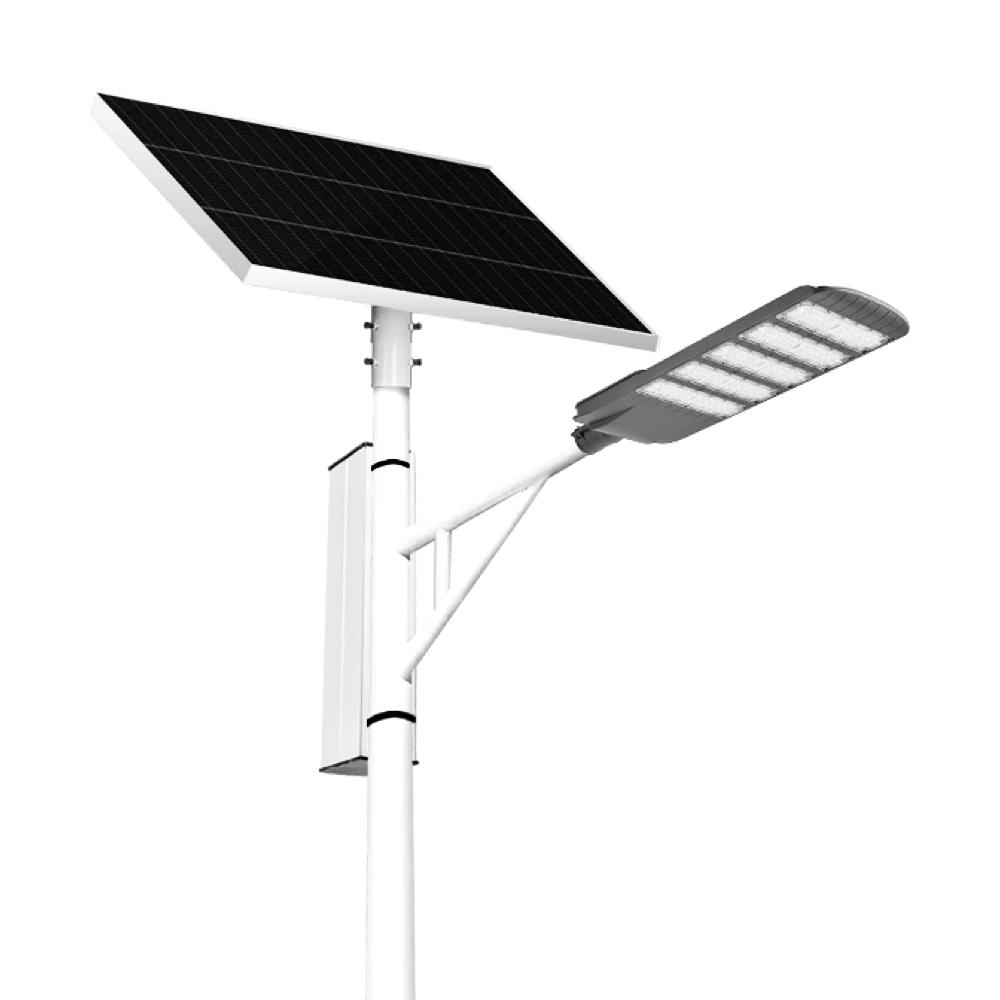
The Solar Streetlights of Luhao for Municipalities are designed to deliver reliable, energy-efficient, and cost-effective public lighting solutions. Equipped with advanced LED technology, durable lithium batteries, and high-efficiency solar panels, these streetlights provide consistent illumination for roads, parks, residential areas, and government projects.
Our professional team is ready to answer any questions and provide personalized support for your project.
You can reach us via phone or email to learn more about Queneng’s solar lighting solutions. We look forward to working with you to promote clean energy solutions!
Rest assured that your privacy is important to us, and all information provided will be handled with the utmost confidentiality.
By clicking 'Send Inquiry Now' I agree to Queneng processing my personal data.
To see how to withdraw your consent, how to control your personal data and how we process it, please see our Privacy Policy and Terms of use.
Schedule a Meeting
Book a date and time that is convenient for you and conduct the session in advance.
Have more questions about our products or services?
The messenger of light & power conversion
Environmental protection and intelligent manufacturing are our brand philosophy, and quality assurance and the best user experience are our eternal promises to users.
CONTACT
No.9F, Building F, Cao San Xin Tian Hong Logistics Park, Guzhen Town, Zhongshan City, Guangdong Province, China.
or write [email protected]
WhatsApp: +86 136 2270 1011


