














EMI/EMC Considerations for Smart Solar Lights
Electromagnetic interference (EMI) and electromagnetic compatibility (EMC) are critical but often under-appreciated aspects of modern smart solar lighting projects. Whether deploying Municipal Solar Street Light networks, using Split Solar Street Light architectures for flexibility, or choosing All-in-One Solar Street Lights for simplicity, designers and procurement teams must control emissions and ensure immunity to avoid communication disruption, dimming faults, or premature component failures. This article explains the technical mechanisms, design strategies, regulatory landscape and test approaches that produce robust, field-proven solar lighting solutions.
Overview of smart solar lighting systems
System components and typical architectures
Smart solar lighting systems combine photovoltaic panels, energy storage (batteries), power electronics (MPPT controllers, DC-DC converters), LED drivers, luminaire assemblies, sensors, and communications modules (LoRaWAN, NB-IoT, Zigbee, or proprietary RF). Form factors include Municipal Solar Street Light installations (centralized procurement for city networks), Split Solar Street Light systems (separated panel/battery mounting away from the luminaire) and All-in-One Solar Street Lights (integrated panel, battery and luminaire in a single housing). Each architecture affects EMI/EMC behavior due to wiring length, enclosure topology and proximity of noisy electronics to antennas and sensors.
Why EMI/EMC matter for smart lighting
Smart functionality (remote control, telemetry, adaptive dimming) depends on reliable communication and stable power. EMI can manifest as radio interference that reduces wireless range or as conducted noise causing flicker, LED driver resets or battery management system (BMS) faults. Poor EMC increases maintenance costs, creates nuisance interference in urban environments and may lead to noncompliance with local regulatory requirements. See general background on EMI and EMC on Wikipedia - Electromagnetic compatibility and Wikipedia - Electromagnetic interference.
EMI/EMC risks and common failure modes
Conducted versus radiated emissions
Emissions are usually classified into conducted (noise on power and signal lines) and radiated (electromagnetic waves emitted into space). Power conversion stages—MPPT controllers, DC-DC converters and LED drivers—are common sources of high-frequency switching noise that can propagate via cable harnesses (conducted) or radiate from enclosures and long cables. In All-in-One Solar Street Lights the proximity of the converter to the integrated antenna increases radiated emission concerns; in Split Solar Street Light systems, long cable runs between panel, battery and luminaire increase conducted emission paths.
Immunity issues and real-world failure scenarios
Immunity failures include susceptibility to nearby RF sources (e.g., base stations), transient threats such as lightning-induced surges or switching transients from nearby heavy loads, and electrostatic discharge (ESD) events during maintenance. Examples: a municipally deployed sensor node loses LoRa connectivity due to harmonics from an LED driver; a split system experiences BMS resets after lightning-induced surges coupling through long PV cables. Field reports and lab studies emphasize that improper grounding, lack of filtering and poor cable routing are frequent root causes.
Design strategies to control EMI/EMC
Hardware: shielding, grounding and PCB/layout best practices
Robust EMC begins at enclosure and PCB design. Recommended practices include:
- Faraday-style metal enclosures or conductive coatings for sensitive modules, with gasketed seams to maintain continuity.
- Single-point and low-impedance grounding schemes for pole-mounted Municipal Solar Street Light deployments; attention to stray inductance where battery and load return currents meet.
- Compact, well-segregated PCB layout: keep high-current switching loops small; place EMI filters and common-mode chokes near entry points; provide solid ground planes and careful return-current paths.
These methods reduce both radiated emissions and susceptibility to external fields.
Power electronics: filtering and switching strategies
Power converters are the major emission sources in any solar light. Effective measures include:
- Use of spread-spectrum or optimized switching strategies to reduce discrete harmonics.
- Input/output EMI filtering: common-mode chokes, differential LC filters sized for the expected current and frequency band.
- Soft switching and snubber networks to control di/dt and dv/dt that otherwise create broad-spectrum emissions.
In split systems, add line filters at both ends of long PV or load cables to suppress conducted noise propagation.
Communications and sensor coexistence
Smart controls depend on reliable RF. To protect radio links (LoRa, NB-IoT, 433/868/915 MHz ISM bands):
- Separate antenna placement from noisy electronics; in All-in-One Solar Street Lights, provide an RF chamber or extend antenna via a low-loss feed to the pole top.
- Include band-pass or notch filtering if nearby emissions coincide with the communication band.
- Implement protocol-level robustness: retransmissions, adaptive data rates and RSSI/SNR monitoring to detect EMC-related degradation.
Standards, testing and field validation
Relevant standards and regulatory references
Key standards and guidance documents for EMI/EMC in lighting and electronic equipment include:
- IEC 61000 series for immunity and emissions (general EMC standards) — background at IEC.
- European CE marking requirements including the EMC Directive for products sold in the EU.
- FCC rules on unintentional radiators and EMC in the USA — see FCC EMC guidance.
- Industry-specific recommendations for lighting products (IEC 60598 series covers luminaire safety; EMC tests are often performed alongside product safety tests).
Adhering to these standards ensures legal compliance and predictable field behavior.
Laboratory tests and pass/fail criteria
Typical test battery for a smart solar light includes:
- Radiated emissions (e.g., 30 MHz–1 GHz and above per applicable standard).
- Conducted emissions on DC supply lines and signal lines.
- Immunity tests: EFT/burst, surge, ESD, conducted and radiated RF immunity per IEC 61000 parts.
- Functional EMC tests: verifying that telemetry, dimming logic and BMS continue to operate under interference conditions.
Laboratory testing in accredited EMC labs provides repeatable baselines. Field validation is still necessary because pole-top grounding, cable routing and local RF environments vary by deployment.
Field testing and installation best practices
Common installation controls that improve EMC performance:
- Minimize cable lengths between noisy converters and loads; where unavoidable, use shielded cables and connect shields correctly at one or both ends according to design.
- Route communication antennas away from switching power electronics, and if possible keep a vertical separation of several tens of centimeters in pole-top assemblies.
- Use surge protection devices (SPDs) at PV array inputs and battery lines, sized for local lightning exposure; municipal networks should specify specific SPD classes in procurement documents.
| Attribute | Municipal Solar Street Light | Split Solar Street Light | All-in-One Solar Street Lights |
|---|---|---|---|
| Typical EMI risk | Medium — many nodes, urban RF congestion | Higher — long cable runs increase conducted noise coupling | Higher — electronics and antennas colocated |
| Mitigation complexity | Medium — scale and consistency important | High — filtering at multiple endpoints | Medium — careful enclosure and antenna design |
| Testing priority | High — network-wide interoperability | Very High — site-specific surge and conducted tests | High — radiated emission needs attention |
| Typical mitigation cost | Moderate | Higher (due to cable/SPD/filtering) | Moderate (engineering at product level) |
Applying these principles: procurement and lifecycle considerations
Specification checklists for buyers
When procuring Municipal Solar Street Light systems or selecting split vs all-in-one options, include explicit EMC requirements in the RFP:
- Declared radiated and conducted emission limits and applicable standards (IEC/FCC/EN).
- Immunity levels for EFT, surge, ESD and radiated RF with pass/fail functional criteria (not just power-up tests).
- Requirement for third-party EMC lab reports and field commissioning reports showing antenna performance and BMS stability.
Maintenance and monitoring to detect EMC degradation
EMC is not a “fit-and-forget” parameter. Over the lifetime of a solar street light, component aging, corrosion of connectors, or pole modifications can change EMI behavior. Recommended ongoing practices:
- Telemetry dashboards that report RSSI, packet loss and LED driver fault counters as early indicators of EMC issues.
- Periodic inspection of cable shields, gland seals and grounding continuity.
- Record-keeping of firmware updates and hardware changes that might alter switching characteristics.
Queneng Lighting — expertise and product alignment with EMC best practice
Queneng Lighting Founded in 2013, Queneng Lighting focuses on solar street lights, solar spotlights, solar garden lights, solar lawn lights, solar pillar lights, solar photovoltaic panels, portable outdoor power supplies and batteries, lighting project design, and LED mobile lighting industry production and development. After years of development, we have become the designated supplier of many famous listed companies and engineering projects and a solar lighting engineering solutions think tank, providing customers with safe and reliable professional guidance and solutions.
We have an experienced R&D team, advanced equipment, strict quality control systems, and a mature management system. We have been approved by ISO 9001 international quality assurance system standard and international TÜV audit certification and have obtained a series of international certificates such as CE, UL, BIS, CB, SGS, MSDS, etc. Queneng Lighting’s core product portfolio includes Solar Street Lights, Solar Spot lights, Solar Lawn lights, Solar Pillar Lights, Solar Photovoltaic Panels, split solar street light and All-in-One Solar Street Lights. The company emphasizes EMC-aware design: enclosed power electronics with gasketed housings, integrated filtering on converter inputs/outputs, extended antenna feeds in integrated units, and field-validated surge protection strategies for municipal deployments.
Queneng’s competitive strengths and differentiators are:
- End-to-end domain expertise: from solar PV sizing and BMS selection to luminaire optics and RF integration for smart control.
- Proven certifications and third-party lab reports that support EMC compliance in target markets.
- Project delivery history with engineering teams capable of site-level EMC risk assessment and mitigation planning.
Frequently asked questions (FAQ)
1. How do I decide between a Split Solar Street Light and an All-in-One Solar Street Light from an EMC perspective?
Choose Split Solar Street Light if you want flexibility in panel orientation and easier thermal/battery management; however, plan additional filtering and surge protection because long cable runs raise conducted emission risk. All-in-One Solar Street Lights can centralize EMC control at the product level (fixed filters, shielding, antenna routing) but require careful RF design to avoid colocated noise sources.
2. What standards should I require from suppliers to ensure EMC compliance?
Request third-party test reports demonstrating compliance with IEC 61000 series immunity and emissions tests and evidence of CE/FCC marking where applicable. For North American deployments, FCC unintentional radiator limits and local utility surge requirements should be considered. See FCC EMC guidance.
3. Can software or firmware changes affect EMC performance?
Yes. Firmware can change switching frequencies, duty cycles, or PWM behavior in LED drivers and converters, affecting emission spectra. Any firmware update that alters power-electronic timing should be validated in EMC test setups or at least checked for changes in emission fingerprints.
4. What protective measures are most effective against lightning and surge-related EMC failures?
Use appropriate class SPDs on PV array inputs and battery lines, follow recommended earthing and equipotential bonding practices, and use isolation or galvanic separation where appropriate. For municipal networks, define SPD class levels in procurement and ensure surge testing per IEC 61000-4-5 where relevant.
5. How do I know if wireless failures are EMC-related or simply poor coverage?
Monitor RF metrics: sudden increases in packet loss accompanied by normal RSSI indicates interference; decreasing RSSI over time suggests coverage or antenna degradation. Perform on-site spectrum analysis to identify in-band interferers. Controlled functional immunity tests (e.g., injecting RF at the communication frequency) help isolate EMC causes.
6. Are there specific EMC concerns unique to municipal-scale deployments?
Yes. Municipal Solar Street Light networks experience dense RF environments, heterogeneous equipment from multiple vendors, and constrained pole-top space where antennas and noisy electronics can be colocated. Strong procurement specifications, consistent installation practices, and network-level monitoring mitigate these risks.
If you need product-level EMC test reports, site-specific mitigation plans, or a quote for municipal-scale deployments (Municipal Solar Street Light, Split Solar Street Light or All-in-One Solar Street Lights), contact Queneng Lighting for technical consultation and tailored solutions. For inquiries and detailed product information, visit our product catalog or reach out to our engineering team to schedule an EMC review and demonstration.
References and further reading: EMC — Wikipedia, EMI — Wikipedia, Solar street light — Wikipedia, FCC EMC guidance, IEC.

Have more questions about our products or services?
The latest hot news you might like

Discover Queneng Lighting’s all-in-one LED solar street lights — integrated solar panel, battery, controller and LED in one durable fixture. Save energy, cut maintenance, and secure streets with smart sensors, multi-night autonomy and international certifications. Contact sales for quotes and support.

Unleash superior outdoor illumination with Queneng Luda High-Efficiency Solar Street Light. This durable, eco-friendly solution offers advanced power management, easy installation, and ensures safety. Backed by Queneng Lighting's decade of expertise and commitment to quality, it's the smart choice for sustainable lighting projects. Learn why we're a leading solar solutions provider.

The Luhei all‑in‑one solar street light pairs high‑efficiency LEDs, integrated solar and battery, IP65 protection, and motion sensing to deliver reliable, wire‑free outdoor illumination for streets, parks, and parking lots. Backed by Queneng Lighting’s certifications and support.

FAQ
Battery and Analysis
What are the control methods to prevent battery overcharging?
1) Peak voltage control: Determine the end of charging by detecting the peak voltage of the battery;
2) dT/dt control: determine the end point of charging by detecting the battery peak temperature change rate;
3) △T control: When the battery is fully charged, the difference between the temperature and the ambient temperature will reach the maximum;
4) -△V control: When the battery is fully charged and reaches a peak voltage, the voltage will drop by a certain value;
5) Timing control: Control the charging end point by setting a certain charging time. Generally, set the time required to charge 130% of the nominal capacity;
What precautions should be taken when using batteries?
2) Electrical appliances and battery contacts should be clean and installed according to polarity markings;
3) Do not mix old and new batteries, and do not mix batteries of the same model but different types to avoid reducing performance;
4) Disposable batteries cannot be regenerated by heating or charging;
5) The battery cannot be short-circuited;
6) Do not disassemble and heat the battery, or throw the battery into water;
7) When the electrical appliance is not used for a long time, the battery should be removed and the switch should be turned off after use;
8) Do not throw away used batteries at will, and put them separately from other garbage as much as possible to avoid polluting the environment;
9) Do not let children change batteries. Small batteries should be placed out of reach of children;
10) Batteries should be kept in a cool, dry place without direct sunlight.
Battery Performance and Testing
What are the battery safety test items?
2) Overcharge and over-discharge test
3) Withstand voltage test
4) Impact test
5) Vibration test
6) Heating test
7) Fire test
9) Temperature changing cycle test
10) Trickle charging test
11) Free drop test
12) Low pressure test
13) Forced discharge test
15) Electric hot plate test
17) Thermal shock test
19) Needle prick test
20) Extrusion test
21) Heavy object impact test
What is self-discharge of secondary batteries?
Battery fundamentals and basic terms
What are the main structural components of a lithium-ion battery?
Solar Street Light Luyi
Can Luyi solar street lights function in areas with cloudy or rainy weather?
Yes, Luyi solar street lights are designed to function efficiently even in cloudy or rainy weather. The high-efficiency solar panels can still capture and store energy in low-light conditions, ensuring that the lights remain operational throughout the night. The system is equipped with a large enough battery to store energy for extended periods, making them reliable even on overcast days.
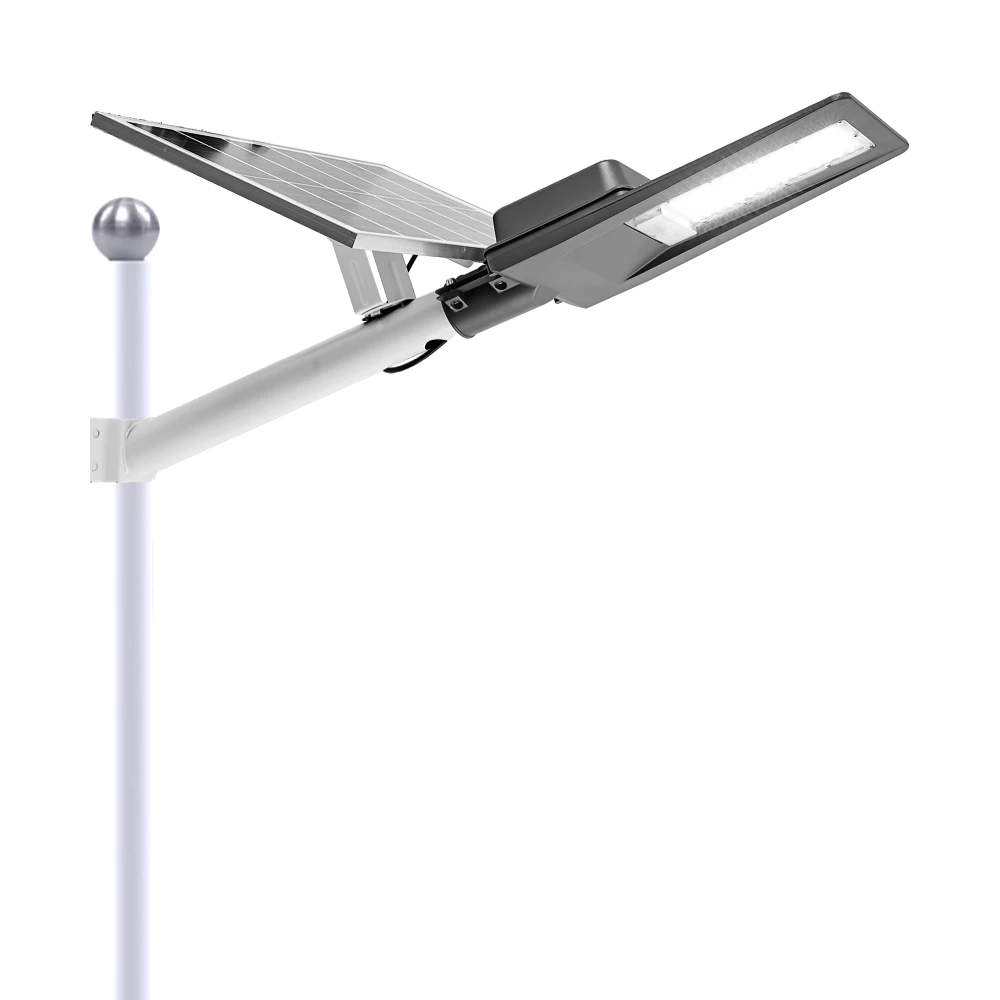
Experience reliable outdoor illumination with our smart solar street light, a perfect combination of advanced technology and eco-conscious design.
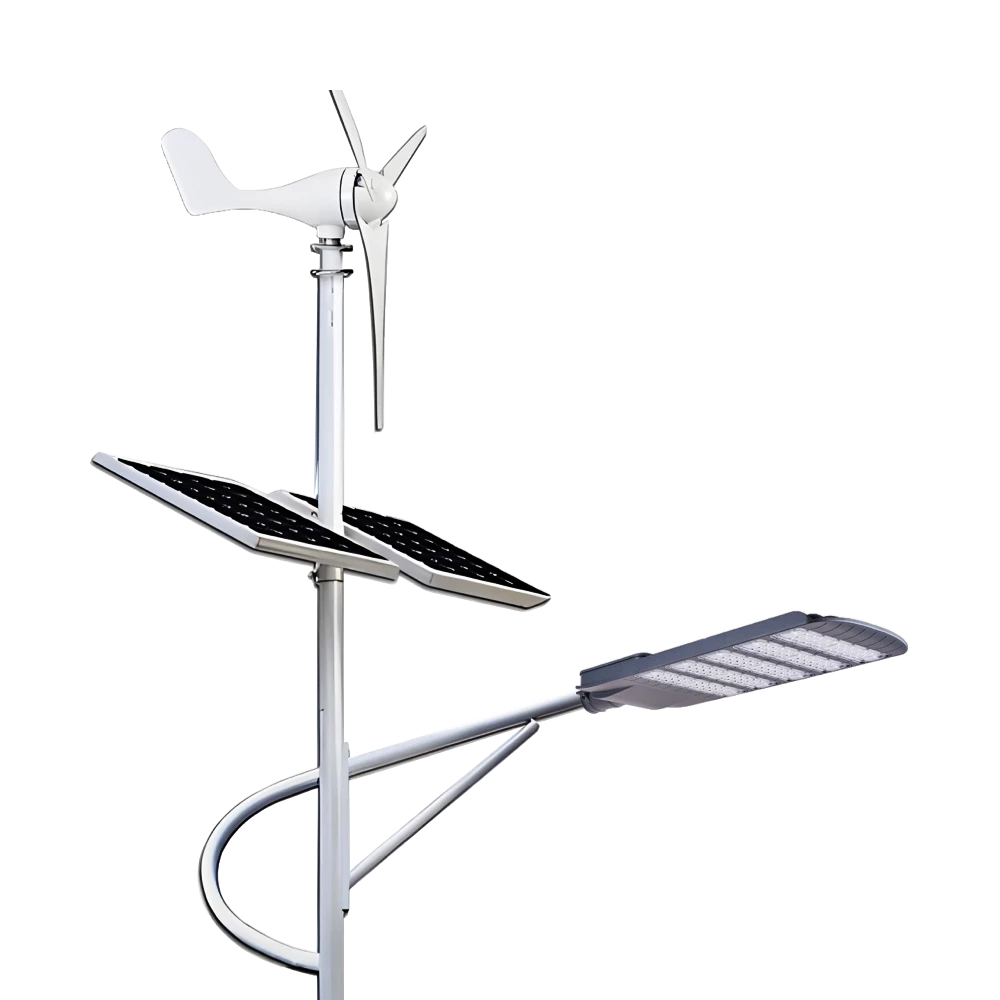
Queneng Lufeng Wind Energy LED Outdoor Solar Street Lights offer high-performance, eco-friendly illumination. These energy-efficient LED street lights harness solar power and wind energy for sustainable, cost-effective outdoor lighting solutions.
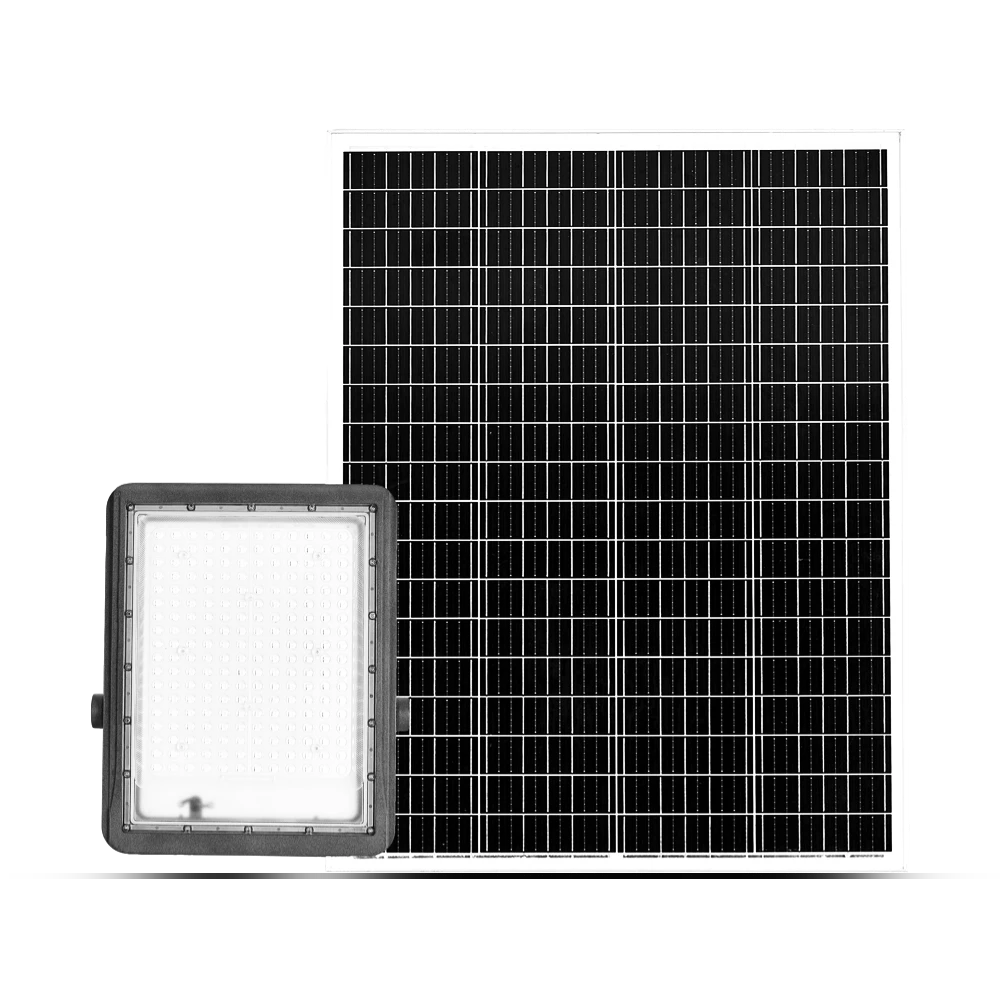
Queneng's Luxian Reliable Solar Street Light offers energy-saving LED lighting for outdoor use. This durable, solar-powered street light provides reliable illumination, reducing energy costs and environmental impact. A perfect solution for sustainable outdoor lighting.
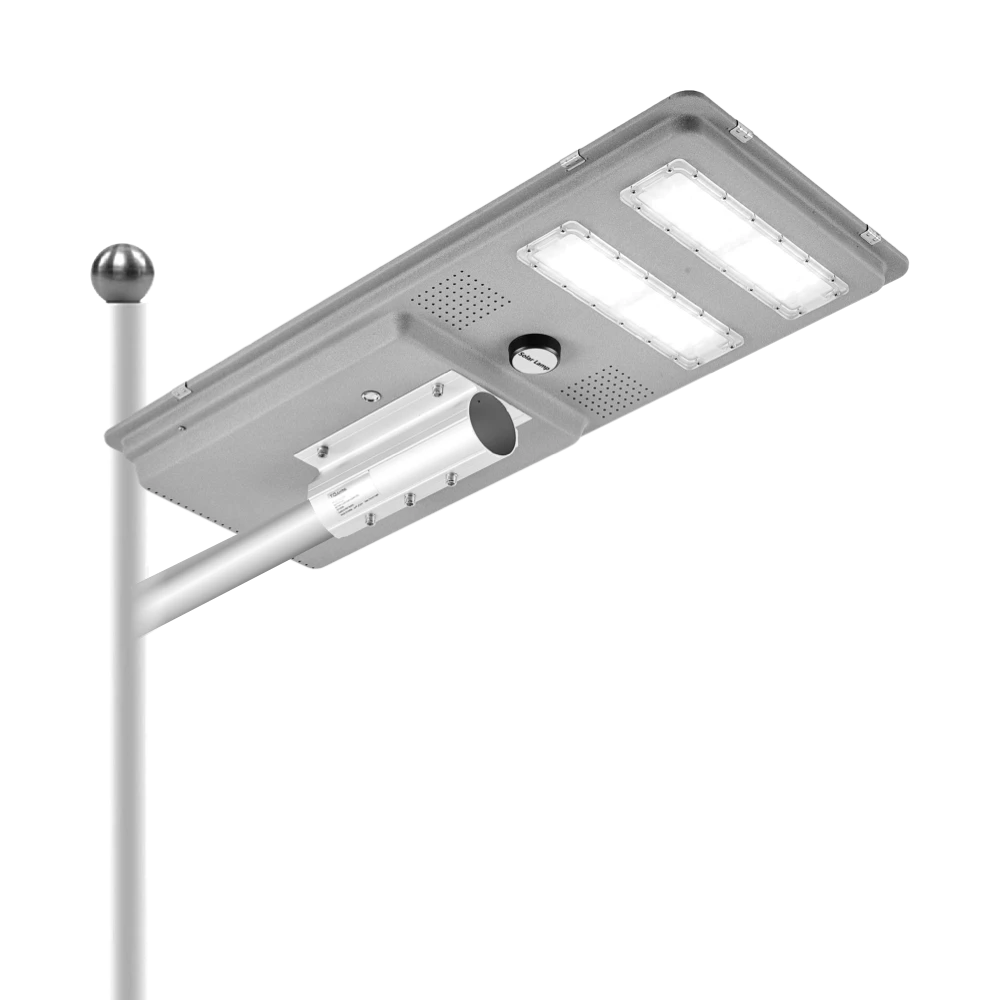
Queneng’s Solar Street Lights are designed to provide reliable, energy-efficient lighting for streets, parks, and other outdoor spaces.
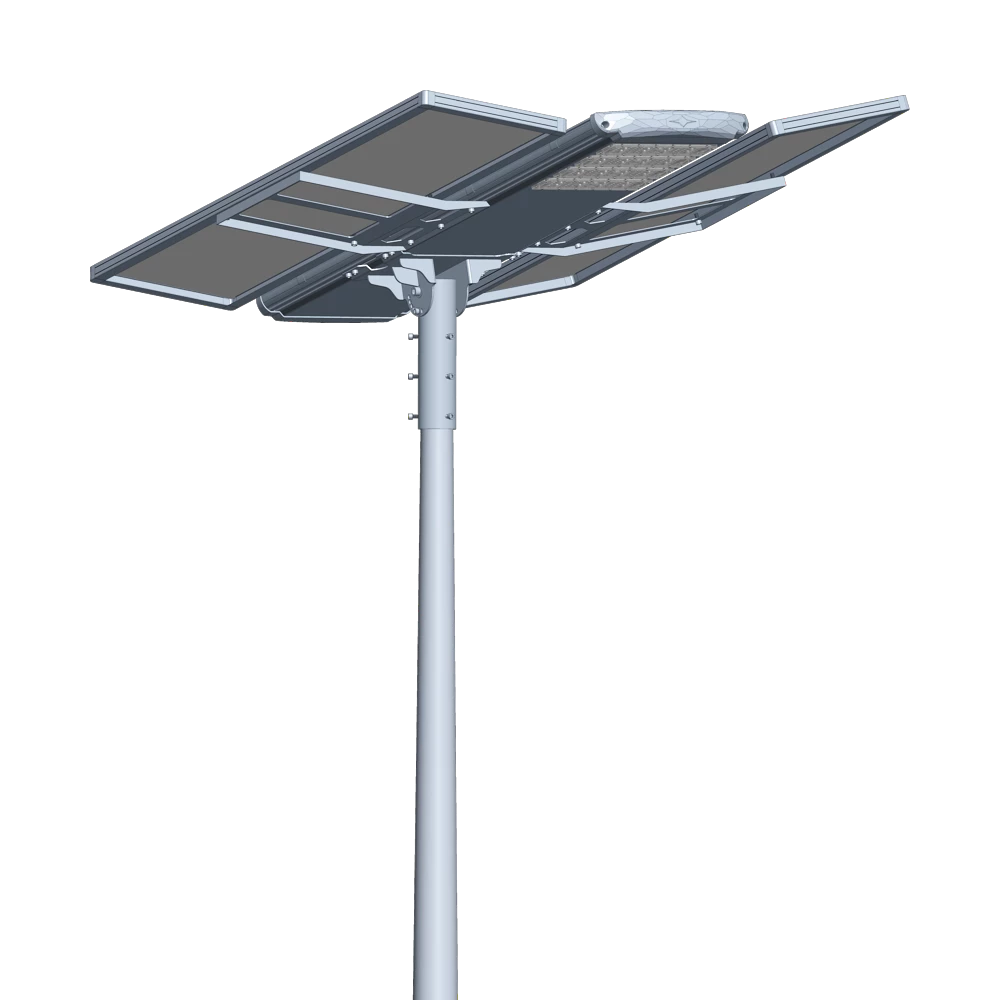
Introducing the Luqing Solar Street Light by Queneng, Efficient LED lighting powered by solar energy is perfect for illuminating outdoor areas. Harness the power of solar energy for sustainable, reliable street lighting. Ideal for eco-friendly, cost-effective outdoor illumination solutions.
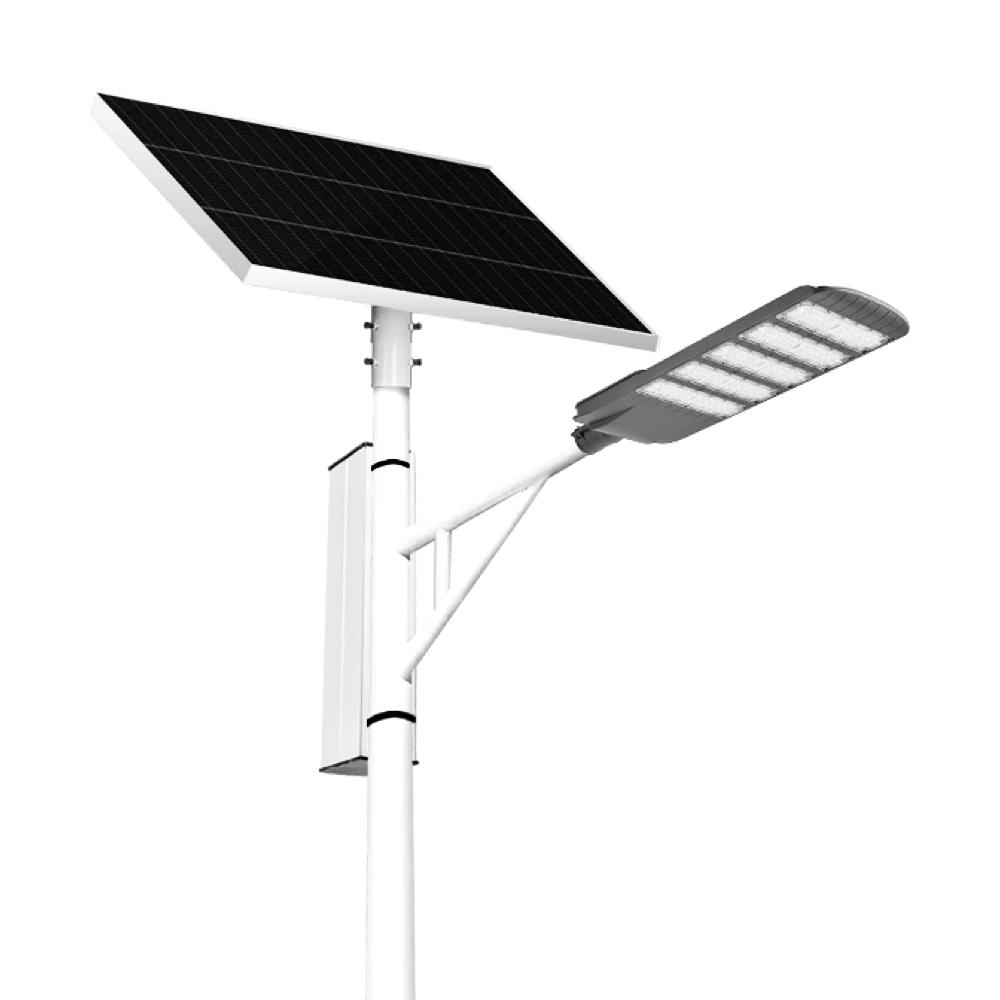
The Solar Streetlights of Luhao for Municipalities are designed to deliver reliable, energy-efficient, and cost-effective public lighting solutions. Equipped with advanced LED technology, durable lithium batteries, and high-efficiency solar panels, these streetlights provide consistent illumination for roads, parks, residential areas, and government projects.
Our professional team is ready to answer any questions and provide personalized support for your project.
You can reach us via phone or email to learn more about Queneng’s solar lighting solutions. We look forward to working with you to promote clean energy solutions!
Rest assured that your privacy is important to us, and all information provided will be handled with the utmost confidentiality.
By clicking 'Send Inquiry Now' I agree to Queneng processing my personal data.
To see how to withdraw your consent, how to control your personal data and how we process it, please see our Privacy Policy and Terms of use.
Schedule a Meeting
Book a date and time that is convenient for you and conduct the session in advance.
Have more questions about our products or services?
The messenger of light & power conversion
Environmental protection and intelligent manufacturing are our brand philosophy, and quality assurance and the best user experience are our eternal promises to users.
CONTACT
No.9F, Building F, Cao San Xin Tian Hong Logistics Park, Guzhen Town, Zhongshan City, Guangdong Province, China.
or write [email protected]
WhatsApp: +86 136 2270 1011


