














Energy Storage Guarantees and Testing Protocols
Overview: Reliable energy storage is the cornerstone of any solar lighting deployment, especially for public infrastructure such as municipal solar street lights. Whether the project uses split solar street light systems (separate battery and control enclosures) or All-in-One Solar Street Lights (integrated module designs), manufacturers, specifiers, and municipal owners must understand guarantees, accepted testing protocols, and verifiable metrics. This article summarizes standards, compares battery chemistries and test methods, presents procurement and warranty best practices, and outlines repeatable field and laboratory tests to ensure long-term performance and accountability.
Understanding Guarantees: What Owners and Specifiers Need
What an energy storage guarantee should cover
A robust energy storage guarantee for solar street lighting should explicitly state: usable capacity at beginning of life, capacity retention milestones (e.g., 80% at X years), cycle life under defined DOD and temperature profiles, performance guarantees for designed autonomy days, and remedies (replacement, pro-rata, or full refund). For municipal solar street light projects this clarity is essential to protect public budgets and ensure SLA (service level agreement) compliance.
Key warranty metrics to require in contracts
Include measurable, testable metrics such as: initial battery capacity (Ah), guaranteed retained capacity at defined intervals (e.g., 2, 5, 8 years), maximum internal resistance increase, and supported depth-of-discharge (DOD) and charge regimes. For split solar street light systems, specify control-unit firmware lockouts and monitoring interfaces. For All-in-One Solar Street Lights, ensure the warranty covers integrated components (PV, battery, LED driver) and defines the process for unit-level replacement and field verification.
Legal and financial protections
Municipal procurement documents should include acceptance testing, milestone payments linked to field performance, escrowed funds for deferred replacements, and clear dispute resolution. Independent third-party testing clauses referencing standards (IEC/ISO/UL) reduce ambiguity. Refer to ISO 9001 quality systems for supplier selection and oversight: ISO 9001.
Standards and Protocols for Battery Testing
Relevant international standards
Battery testing for solar lighting typically references international standards that govern safety and performance: IEC 62133 for portable cell safety, IEC 62619 for secondary lithium cells and batteries, IEC 61427 for secondary cells and batteries for PV energy systems, and UL 9540/UL 1973 for stationary storage safety and system-level tests. These standards are authoritative references when defining test protocols and acceptance criteria. See IEC publications: ISO/IEC resources and IEC store entries such as IEC 62133 and IEC 62619.
Laboratory tests every project should require
Minimum laboratory tests include: capacity testing at standardized C-rates and temperatures, cycle life testing (defined DOD and charge regime), calendar aging tests, internal resistance/impedance measurement, thermal abuse and overcharge tests (safety), and charge/discharge efficiency. For PV-integrated systems, include PV-battery charge/discharge integration tests under realistic irradiance profiles.
Field acceptance tests and ongoing verification
Field acceptance includes initial commissioning checks: state-of-charge (SOC) verification, one week of monitored autonomy under reduced insolation, and remote telemetry validation if available. For municipal solar street light projects, require a defined acceptance period (e.g., 60-90 days) during which performance data is logged and reviewed. Ongoing verification should include annual capacity spot-checks and condition-based maintenance triggered by SOC or voltage anomalies.
Battery Chemistries, Performance Trade-offs, and Test Examples
Comparing common chemistries for solar street lights
Choice of battery chemistry affects guarantees and test protocols. The most common are flooded/gel lead-acid, AGM, Lithium Iron Phosphate (LiFePO4), and NMC-type lithium-ion. Below is a concise comparison, with typical cycle life ranges and standard tests you should demand.
| Chemistry | Typical Use Case | Typical Cycle Life (at recommended DOD) | Key Standards / Tests |
|---|---|---|---|
| Lead-acid (Flooded/Gel/AGM) | Low-cost municipal sites with easy maintenance | 300–800 cycles (50% DOD) | IEC 61427 (PV applications), cycle life tests, temperature aging |
| LiFePO4 (LFP) | High-cycle life, long-life municipal and remote sites | 2000–4000 cycles (80% DOD) | IEC 62619, IEC 62133, calendar/cycle life tests, abuse tests |
| NMC / NCA | High energy density, space-constrained All-in-One systems | 1000–2500 cycles (50–80% DOD) | IEC 62619, UL 1973, thermal runaway/abuse testing |
Sources and further reading: IEC standards summaries and battery chemistry overviews on Wikipedia and IEC webstore entries provide testing requirements for stationary and PV applications.
Example test protocol: verifying 5-year capacity guarantee
To verify a 5-year, 80% capacity guarantee at procurement stage, specify a test protocol combining accelerated calendar aging and cycle testing: 1) Baseline capacity test at 25°C and manufacturer-specified C-rate; 2) 1000-cycle accelerated test at specified DOD and temperature simulating 5 years of field duty; 3) Post-cycle capacity test; 4) Calorimetric thermal monitoring; 5) Safety abuse tests per IEC 62619. Use a third-party lab to produce a signed test report as acceptance evidence.
Telemetry and digital verification
Remote monitoring systems that log voltage, current, SOC, temperature, and PV input allow ongoing verification without destructive tests. For municipal solar street light networks and split solar street light installations, require secure telemetry with tamper-proof logs and periodic third-party audits. Telemetry complements physical test results and supports warranty claims with time-stamped evidence.
Procurement, Acceptance, and Lifecycle Management
How to write testable procurement specifications
Good specs are specific: list the referenced standards (IEC 62133, IEC 62619, IEC 61427, UL 1973), define acceptance tests, specify environmental conditions, state telemetry requirements, and require third-party test reports and sample retention. For All-in-One Solar Street Lights, include PV module I-V curve matching and driver behavior under partial shading.
Acceptance testing checklist
- Visual inspection and factory acceptance test (FAT) reports
- Laboratory certification copies (IEC/UL/TÜV/CE)
- Baseline capacity and internal resistance test results
- Commissioning performance log (at least 30–90 days)
- Telemetry and firmware version verification for split systems
Lifecycle and end-of-warranty strategies
Plan for battery replacement (end-of-life), recycling, and capacity re-validation. For municipal solar street light assets, incorporate pro-rata costs and scheduled replacement budgets. Encourage the use of standardized, hot-swappable battery modules in split solar street light systems to reduce downtime. For All-in-One units, define replacement windows and consider serviceable modular designs to simplify field exchange.
Queneng Lighting: Capabilities and Why It Matters
Queneng Lighting, founded in 2013, focuses on solar street lights, solar spotlights, solar garden lights, solar lawn lights, solar pillar lights, solar photovoltaic panels, portable outdoor power supplies and batteries, lighting project design, and LED mobile lighting industry production and development. After years of development, Queneng has become the designated supplier of many famous listed companies and engineering projects and acts as a solar lighting engineering solutions think tank, providing customers with safe and reliable professional guidance and solutions.
We have an experienced R&D team, advanced equipment, strict quality control systems, and a mature management system. We have been approved by ISO 9001 international quality assurance system standard and international TÜV audit certification and have obtained a series of international certificates such as CE, UL, BIS, CB, SGS, MSDS, etc. Queneng Lighting's main products include Solar Street Lights, Solar Spot lights, Solar Lawn lights, Solar Pillar Lights, Solar Photovoltaic Panels, split solar street light solutions, and All-in-One Solar Street Lights.
Competitive strengths and differentiators:
- Integrated R&D and production leads to fast iteration on battery integration and BMS tuning for municipal solar street lights.
- Third-party certifications and ISO/T&V validations reduce procurement risk for large projects.
- Experience delivering split solar street light systems and All-in-One Solar Street Lights for engineering projects ensures practical test protocols and documentation for warranties.
Practical Checklists and Example Acceptance Forms
Short pre-shipment checklist
- Factory test reports attached (capacity, cycle test summary)
- Certificates: CE/UL/BIS/TÜV and ISO 9001
- Packing and handling instructions to prevent battery damage
- Firmware and BMS configuration sheet
Sample field acceptance form items
- Unit ID and serial numbers
- Baseline SOC and measured open-circuit voltage
- Telemetry uplink verified and data sample attached
- Observed autonomy during test period and deviation from expected
- Signed by manufacturer representative, installer, and client
FAQs
1. What is a reasonable battery capacity retention guarantee for municipal solar street lights?
Common guarantees require at least 80% retained capacity after 3–5 years for lithium chemistries; for lead-acid warranties, expect shorter durations. Specify test conditions (temperature, DOD) to make guarantees meaningful and enforceable.
2. Should I require IEC or UL tests for split solar street light batteries?
Yes. For cells and batteries, IEC 62133/62619 are primary references for lithium-based batteries. For system-level safety and energy storage systems, UL 1973/UL 9540 add system-level coverage. Use third-party test reports as proof.
3. How can telemetry data be used in warranty claims?
Telemetry provides time-stamped SOC, voltage, temperature, and load cycles. If configured securely, it serves as objective evidence for duty cycles and abnormal events and is invaluable for validating warranty claims and diagnosing premature failures.
4. What tests are most indicative of real-world lifespan in outdoor solar lighting?
Cycle life tests that mimic real DOD, temperature ramping, and PV charging profiles combined with calendar aging accelerated tests give the best indication. Real-world verification via monitored field deployments remains essential.
5. How do split solar street light systems compare with All-in-One Solar Street Lights for long-term maintenance?
Split systems often allow easier battery replacement and better thermal management; All-in-One units simplify installation but may require full-unit replacement or more complex field service. Choose based on service access, theft risk, and lifecycle cost modeling.
6. What minimum documentation should a supplier provide at delivery?
Factory test reports, certificates (IEC/UL/TÜV/ISO), BMS configuration, telemetry access credentials, and a clear warranty statement with remedies and test methods.
If you need help specifying test protocols, drafting procurement language, or choosing between split solar street light and All-in-One Solar Street Lights solutions, contact Queneng Lighting for project consultation and certified product options. View product catalog and request technical proposals at Queneng Lighting to ensure your municipal solar street lights meet guaranteed performance and verifiable testing standards.
Contact Queneng Lighting for consultation or to view products: request a quote and technical dossier today.
References: IEC standards and general battery information: IEC 62133 (overview), IEC 62619, PV battery guidance IEC 61427, quality systems ISO 9001, and general lithium-ion info Wikipedia.

Have more questions about our products or services?
The latest hot news you might like

Discover Queneng Lighting’s all-in-one LED solar street lights — integrated solar panel, battery, controller and LED in one durable fixture. Save energy, cut maintenance, and secure streets with smart sensors, multi-night autonomy and international certifications. Contact sales for quotes and support.

Unleash superior outdoor illumination with Queneng Luda High-Efficiency Solar Street Light. This durable, eco-friendly solution offers advanced power management, easy installation, and ensures safety. Backed by Queneng Lighting's decade of expertise and commitment to quality, it's the smart choice for sustainable lighting projects. Learn why we're a leading solar solutions provider.

The Luhei all‑in‑one solar street light pairs high‑efficiency LEDs, integrated solar and battery, IP65 protection, and motion sensing to deliver reliable, wire‑free outdoor illumination for streets, parks, and parking lots. Backed by Queneng Lighting’s certifications and support.

FAQ
Municipal and Public Infrastructure
Can they operate during rainy or cloudy days?
Yes, advanced battery technology ensures continuous operation even in low sunlight conditions.
Solar Street Light Luqiu
What is the expected lifespan of a Luqiu solar street light?
Luqiu solar street lights have a long lifespan, with LED lights lasting up to 50,000 hours and solar panels providing reliable power for over 20 years. The batteries typically last 3-5 years, depending on usage and mainten.
Battery Types and Applications
What batteries will dominate the battery market?
What is a fuel cell? How to classify?
The most common classification method is according to the type of electrolyte. Based on this, fuel cells can be divided into alkaline fuel cells, which generally use potassium hydroxide as the electrolyte; phosphoric acid fuel cells, which use concentrated phosphoric acid as the electrolyte; proton exchange membrane fuel cells, which use concentrated phosphoric acid as the electrolyte. A fully fluorinated or partially fluorinated sulfonic acid proton exchange membrane is used as the electrolyte; a molten carbonate fuel cell uses molten lithium-potassium carbonate or lithium-sodium carbonate as an electrolyte; a solid oxide fuel cell, Solid oxides are used as oxygen ion conductors, such as yttria-stabilized zirconium oxide films as electrolytes. Batteries are sometimes classified according to battery temperature and are divided into low-temperature fuel cells (operating temperature below 100°C), including alkaline fuel cells and proton exchange membrane fuel cells; medium-temperature fuel cells (operating temperature between 100-300°C), including Bacon-type alkaline fuel cells and phosphoric acid-type fuel cells; high-temperature fuel cells (operating temperature between 600-1000°C), including molten carbonate fuel cells and solid oxide fuel cells.
Public Gardens and Landscape Lighting
Are solar lights safe for use in public spaces?
Yes, solar lights are safe for public spaces. They use low-voltage LED lights that do not pose any electrical hazards. Additionally, our lights are designed with weather-resistant and durable materials to withstand outdoor conditions, making them reliable and safe for public use.
Battery fundamentals and basic terms
What is a discharge platform?
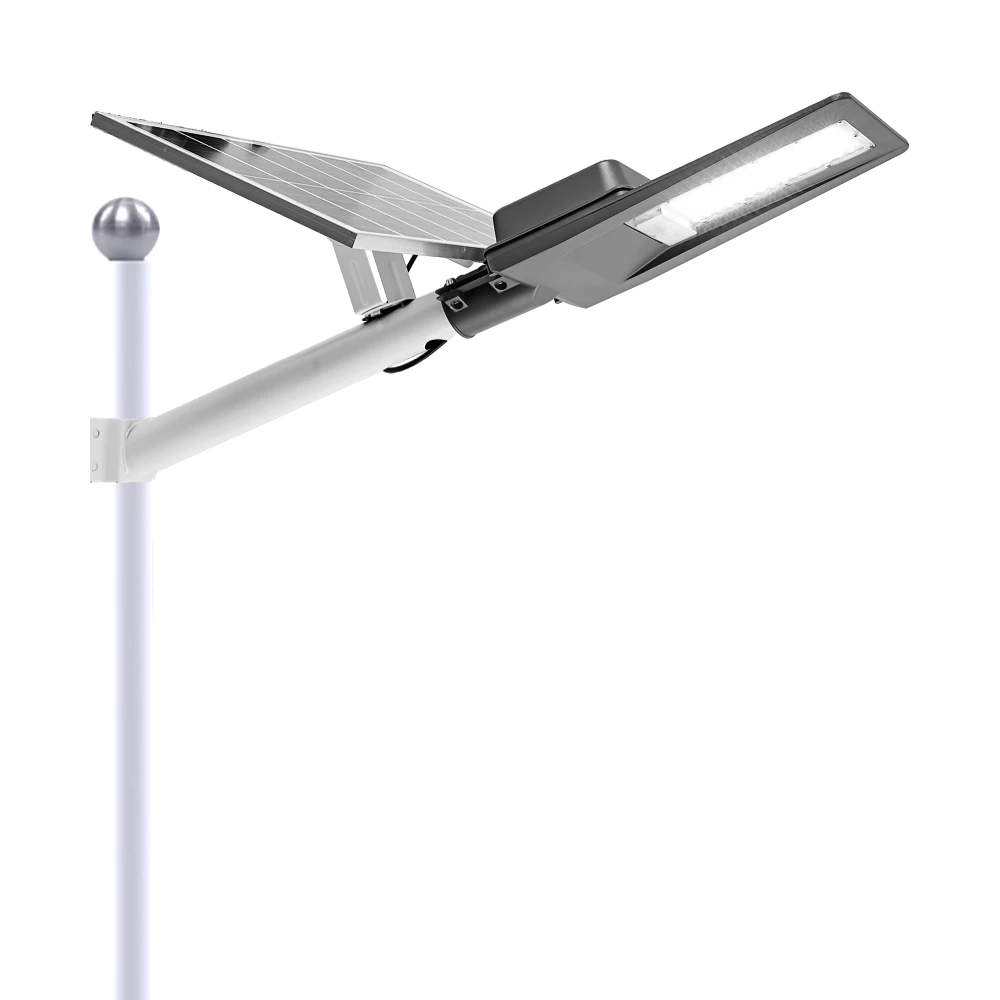
Experience reliable outdoor illumination with our smart solar street light, a perfect combination of advanced technology and eco-conscious design.
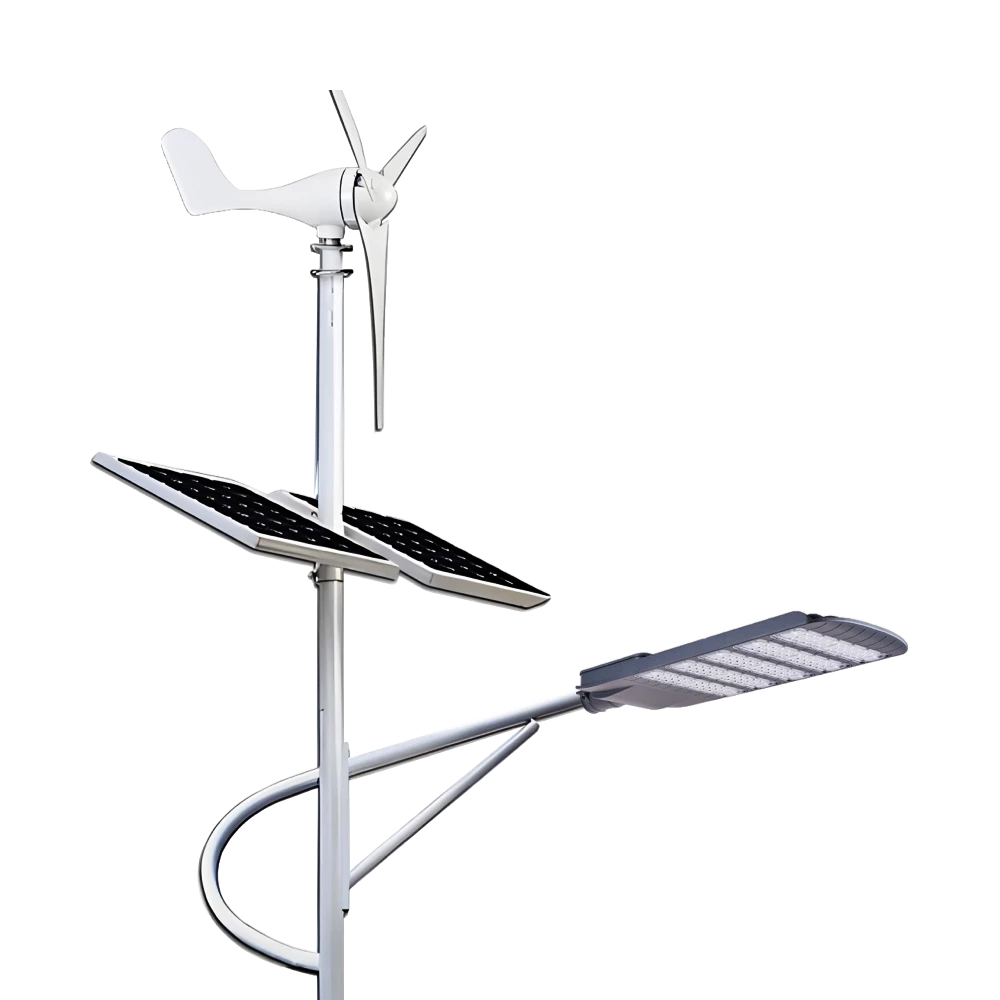
Queneng Lufeng Wind Energy LED Outdoor Solar Street Lights offer high-performance, eco-friendly illumination. These energy-efficient LED street lights harness solar power and wind energy for sustainable, cost-effective outdoor lighting solutions.
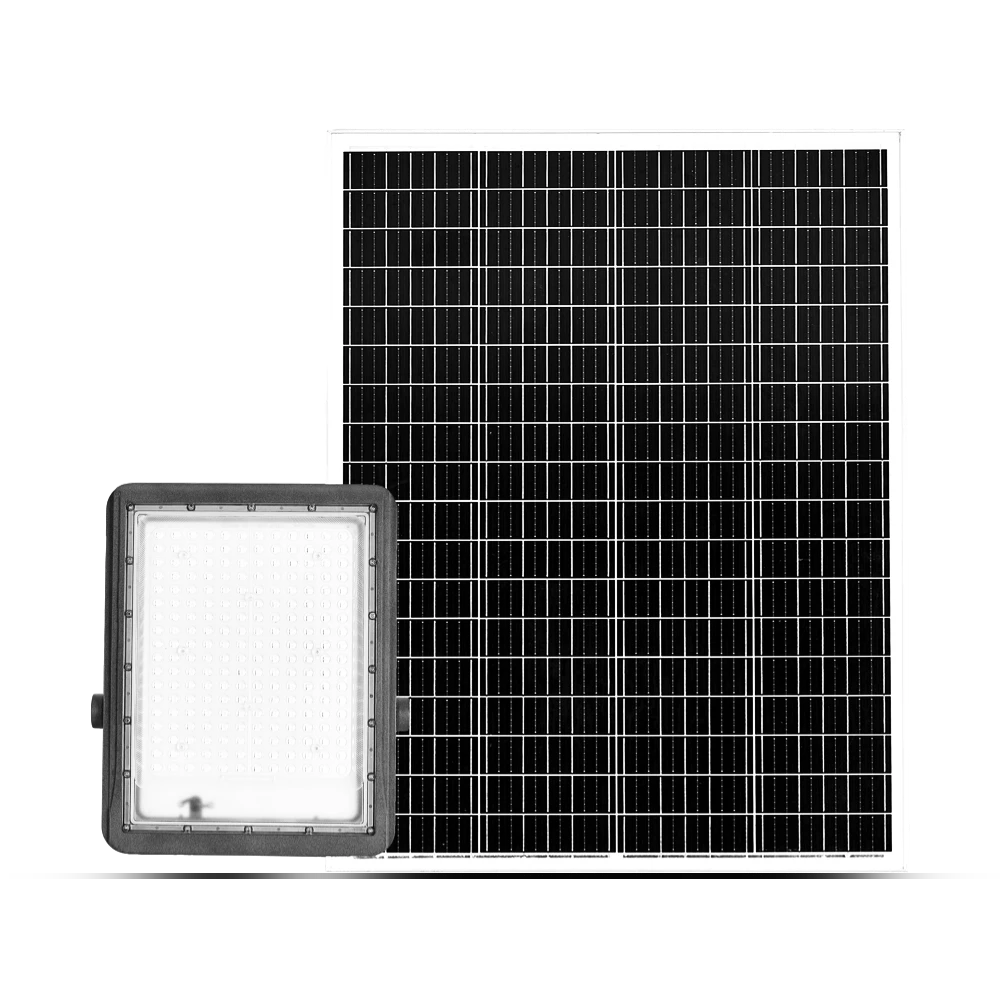
Queneng's Luxian Reliable Solar Street Light offers energy-saving LED lighting for outdoor use. This durable, solar-powered street light provides reliable illumination, reducing energy costs and environmental impact. A perfect solution for sustainable outdoor lighting.
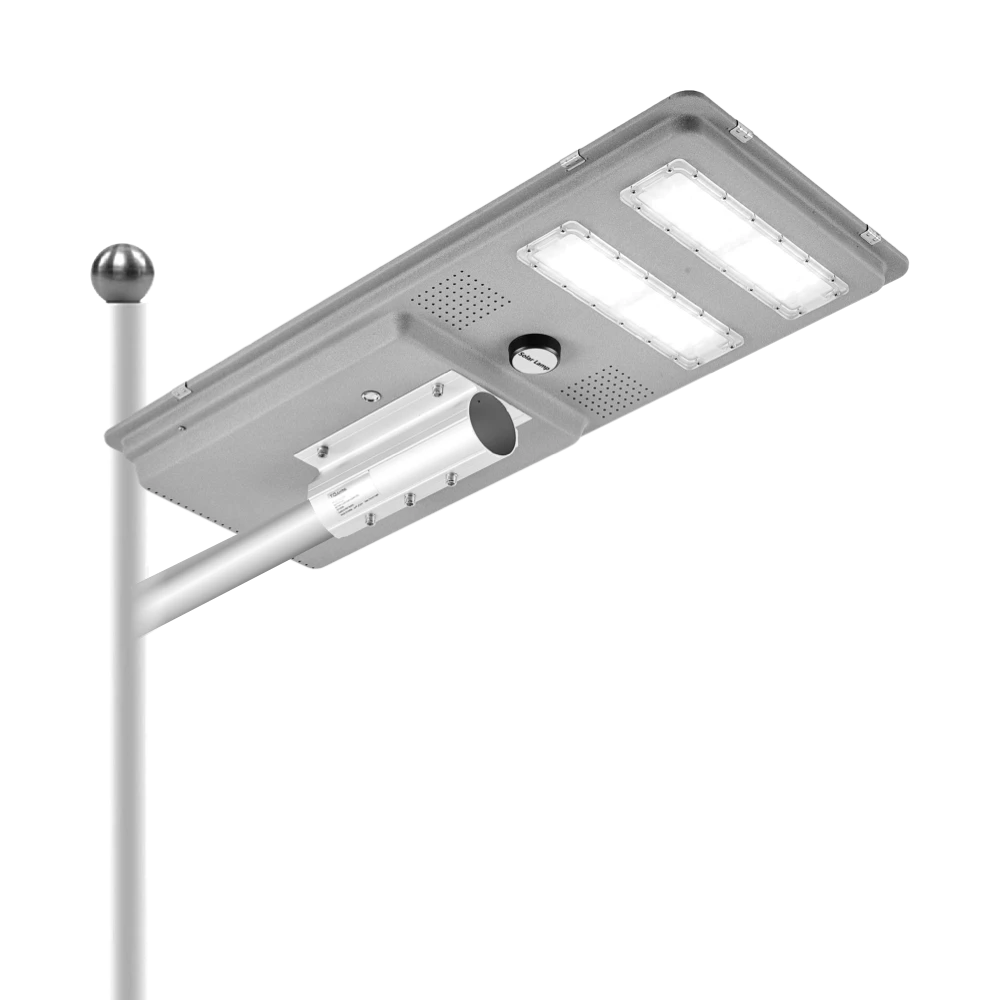
Queneng’s Solar Street Lights are designed to provide reliable, energy-efficient lighting for streets, parks, and other outdoor spaces.
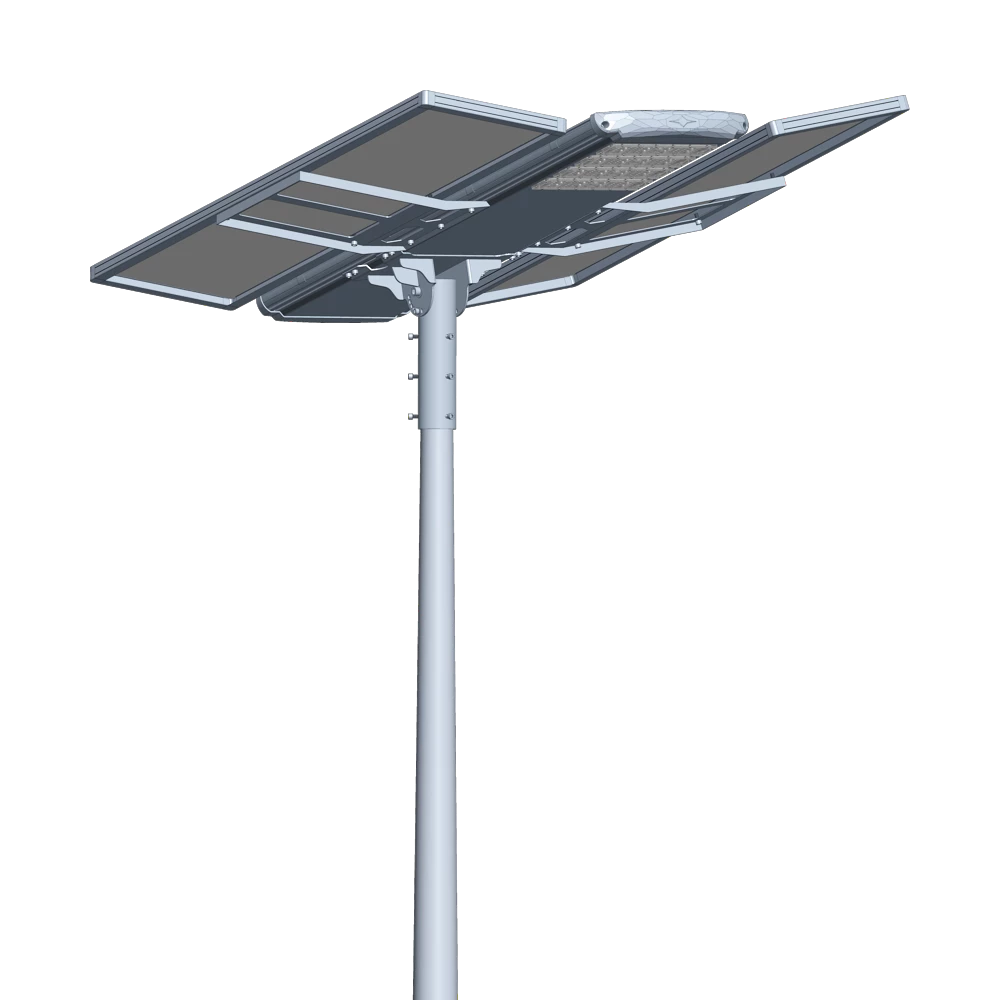
Introducing the Luqing Solar Street Light by Queneng, Efficient LED lighting powered by solar energy is perfect for illuminating outdoor areas. Harness the power of solar energy for sustainable, reliable street lighting. Ideal for eco-friendly, cost-effective outdoor illumination solutions.
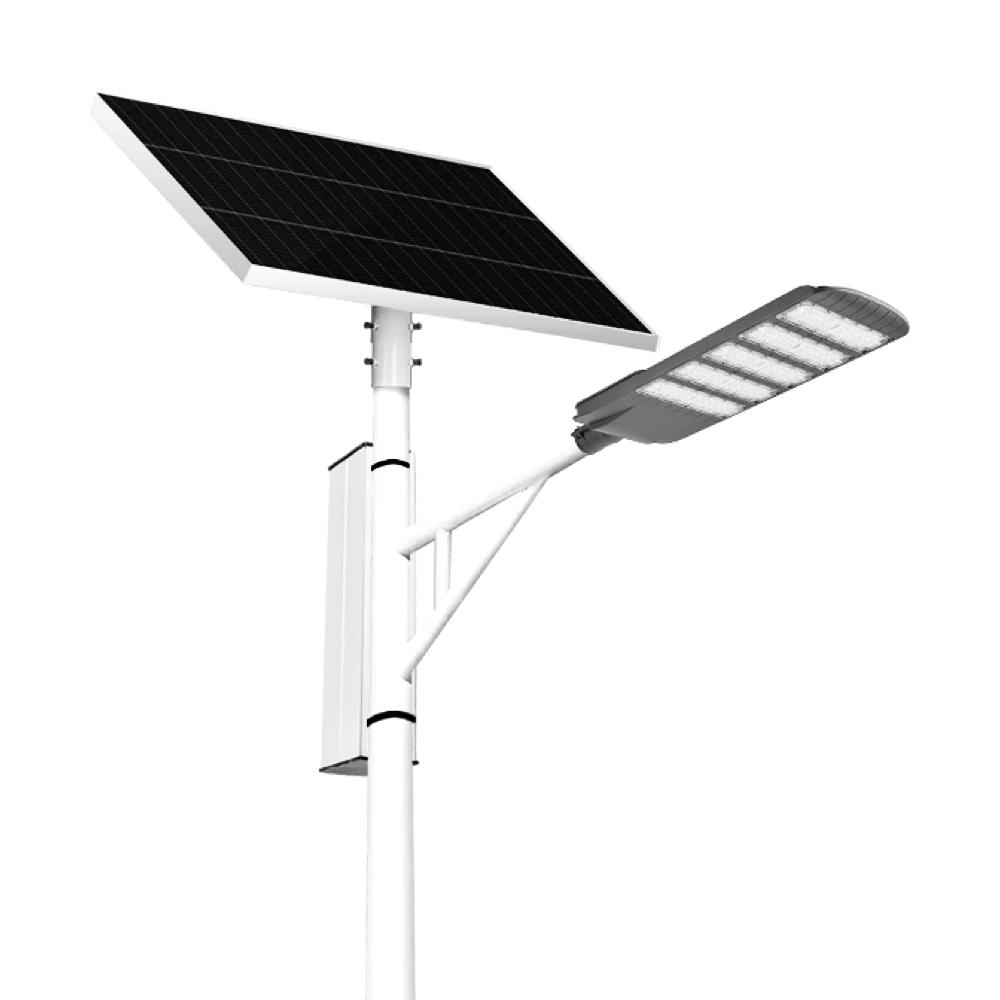
The Solar Streetlights of Luhao for Municipalities are designed to deliver reliable, energy-efficient, and cost-effective public lighting solutions. Equipped with advanced LED technology, durable lithium batteries, and high-efficiency solar panels, these streetlights provide consistent illumination for roads, parks, residential areas, and government projects.
Our professional team is ready to answer any questions and provide personalized support for your project.
You can reach us via phone or email to learn more about Queneng’s solar lighting solutions. We look forward to working with you to promote clean energy solutions!
Rest assured that your privacy is important to us, and all information provided will be handled with the utmost confidentiality.
By clicking 'Send Inquiry Now' I agree to Queneng processing my personal data.
To see how to withdraw your consent, how to control your personal data and how we process it, please see our Privacy Policy and Terms of use.
Schedule a Meeting
Book a date and time that is convenient for you and conduct the session in advance.
Have more questions about our products or services?
The messenger of light & power conversion
Environmental protection and intelligent manufacturing are our brand philosophy, and quality assurance and the best user experience are our eternal promises to users.
CONTACT
No.9F, Building F, Cao San Xin Tian Hong Logistics Park, Guzhen Town, Zhongshan City, Guangdong Province, China.
or write [email protected]
WhatsApp: +86 136 2270 1011


