














Environmental Impact Assessment for Solar Projects
Environmental Impact Assessment (EIA) for solar lighting projects must balance climate benefits with local ecological, social, and material-circularity concerns. This article explains how to plan, assess, mitigate, and monitor environmental impacts for Municipal Solar Street Light deployments, Split Solar Street Light configurations, and All-in-One Solar Street Lights to ensure projects deliver lasting public value while meeting regulatory and sustainability standards.
Why conduct an Environmental Impact Assessment for solar lighting projects
Purpose and regulatory drivers
An EIA identifies potential environmental and social impacts before project approval and guides mitigation, monitoring and adaptive management. For municipal projects, EIAs inform planners and stakeholders about land-use trade-offs, biodiversity risks, resource consumption, and long-term maintenance obligations. International guidance on EIA processes is widely summarized in sources such as the general EIA overview on Wikipedia and national regulatory frameworks; many jurisdictions require EIA-like screening for infrastructure projects.
Climate benefits versus local impacts
Solar lighting reduces operational greenhouse gas emissions compared with diesel or grid-supplied lighting where the grid is carbon-intensive. However, an EIA makes explicit where upstream impacts (manufacturing PV modules, batteries, electronics) and downstream issues (end-of-life disposal, light pollution) could create local negative effects. Life-cycle comparisons (see life-cycle GHG estimates) help quantify net benefits and should be part of any robust assessment.
Stakeholder expectations for municipal projects
Municipal stakeholders expect cost-effectiveness, longevity, reduced maintenance burden, and community-friendly outcomes. An EIA documents those expectations and demonstrates how designs such as municipal solar street light arrays, split solar street light systems, or All-in-One Solar Street Lights meet environmental, social, and technical criteria.
Key impact categories and site-level assessment
Land use, siting and habitat disturbance
Siting decisions are primary determinants of impacts. For large municipal solar street light rollouts, the footprint is typically small per pole, but cumulative effects matter where many units are installed in sensitive corridors (coastal dunes, migratory bird paths, wetlands). Split solar street light systems that separate panels from poles allow panels to be mounted on rooftops or optimized ground mounts, reducing the need to disturb native vegetation in streetscapes. An EIA should map sensitive habitats, nesting seasons, and protected zones using GIS and field surveys.
Biodiversity and lighting ecology
Artificial nighttime lighting affects insects, birds, and nocturnal mammals. Assessments must model light spill, spectra, and timing. LEDs with well-controlled optics and warmer color temperatures reduce ecological disruption compared to broad-spectrum, high-CCT lights. All-in-One Solar Street Lights that integrate optics can be specified with cutoff lenses to minimize skyglow and horizontal spill, while municipal specifications should require limits for correlated color temperature (e.g., <3000K) and lumen zoning to protect sensitive areas. Research on light pollution and ecology is summarized by institutions such as IES and academic literature.
Materials, resource use and lifecycle emissions
PV modules, batteries, and electronics have embodied emissions and resource impacts. Typical ranges for lifecycle GHG intensity of solar PV vary by technology and region; consult authoritative compilations such as IEA Solar PV reports and lifecycle overviews on Wikipedia for context. Batteries (lead-acid, lithium-ion) are significant contributors to material impacts—EIAs should specify battery chemistry, expected replacements, recycling pathways, and associated environmental footprints.
Mitigation hierarchy and technology choices
Avoid, minimize, restore: practical steps
Apply the mitigation hierarchy—avoid impacts by careful siting (e.g., avoid wetlands), minimize by using directional optics and right-sized luminaires, restore disturbed areas after installation, and offset residual impacts where required. For municipal solar street light programs, design standards that enforce minimized pole spacing, optimized lumen packages, and community-specific photometric plans reduce resource use and light pollution.
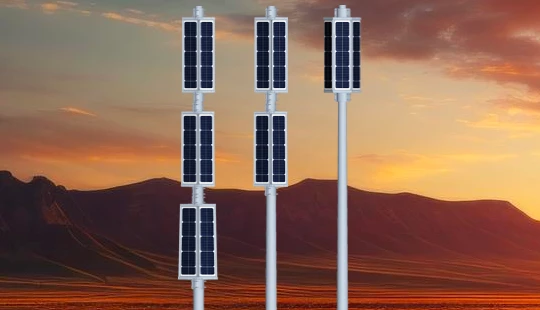
Choosing between split solar street light and all-in-one systems
Choice matters for impacts and lifecycle performance. Key contrasts:
| Criterion | Split Solar Street Light | All-in-One Solar Street Lights |
|---|---|---|
| Panel placement | Remote or rooftop panels allow optimal tilt and cooling; reduces pole-top weight | Panel integrated above luminaire — compact but may suffer higher temperatures |
| Maintenance and replacement | Separate components simplify targeted maintenance and battery replacement | Integrated units simplify installation but often require full-unit replacement |
| Lifecycle material use | Potentially more material (wiring, mounts) but can improve panel efficiency and battery life | Lower initial material footprint; may increase waste if whole units are discarded |
| Best use case | Large municipal projects, harsh climates, sites where panel optimization matters | Small streets, rapid deployments, constrained budgets |
Table sources: industry best practice and product design studies; technical decisions should be documented in the EIA.
Battery selection and end-of-life planning
Batteries dominate maintenance schedules and material impacts. Lithium-ion batteries generally offer higher cycle life and energy density than lead-acid, reducing replacement frequency and total mass of materials consumed—however, they require proper recycling infrastructure. EIAs must specify expected battery life (e.g., 5–10 years for Li-ion depending on depth-of-discharge) and identify recycling partners or take-back schemes. International guidance on environmental management systems, like ISO 14001, helps integrate these obligations into project planning.
Assessment process, indicators and monitoring
Typical EIA steps for a solar lighting project
- Screening and scoping: determine whether a full EIA is required and define study boundaries.
- Baseline studies: map habitats, soils, hydrology, nighttime ecology, and community uses.
- Impact identification and quantification: model light spill, estimate embodied emissions, forecast waste flows and maintenance impacts.
- Mitigation plan and environmental management plan (EMP): define actions, responsible parties, budgets and timeframes.
- Monitoring and adaptive management: set indicators, thresholds, and reporting cadence.
Key performance indicators (KPIs) and monitoring metrics
Useful KPIs for municipal solar street light EIAs include:
- Operational energy offset (kWh/year) and lifecycle GHG savings (tCO2e) — compare to baseline lighting systems using methodologies such as those summarized by the IEA.
- Battery replacement frequency and waste mass (kg/year).
- Light trespass and skyglow metrics (lux maps, radiance) to assess ecological impacts.
- Number of maintenance visits per year and availability (uptime %) to assess social performance.
Reporting and verification
Transparent reporting (annual environmental monitoring reports) keeps municipal stakeholders informed. Where possible, use third-party verification for lifecycle claims and certifications (e.g., ISO 9001 for quality systems, TÜV audits). For technical credibility, reference international or industry standards and provide data sources for lifecycle calculations (see IEA and lifecycle literature).
Practical examples, cost-benefit considerations and procurement tips
Comparative analysis: municipal LED grid, municipal solar street light, and all-in-one solar option
| Aspect | Grid-powered LED Street Lighting | Municipal Solar Street Light (split or optimized) | All-in-One Solar Street Lights |
|---|---|---|---|
| Upfront cost | Moderate — depends on cabling | Higher per unit if optimized panels/batteries; lower civil work | Lower per unit hardware; simplified install |
| Operational emissions | Depends on grid carbon intensity | Low operational emissions after installation | Low operational emissions after installation |
| Maintenance | Centralized maintenance typical | Requires battery management, but split design eases service | Simpler service model but potential for full-unit replacement |
| Environmental risks | Grid impacts upstream | Battery waste, panel disposal, siting impacts | Same as municipal solar; possibly higher waste if whole units retired |
Note: lifecycle emissions and costs are site- and specification-dependent. Use vendor datasheets and lifecycle tools to quantify project-specific values.
Procurement and specification recommendations
For municipal tenders include clear EIA and EMP requirements, specify preferred battery chemistries, require manufacturer take-back or certified recyclers, stipulate light spectra limits and photometric plans, and include performance guarantees (e.g., minimum lumen maintenance L70 at specified hours, expected battery cycles). Require quality systems and certifications from suppliers (see supplier section below).
Case management: retrofit versus new build
Retrofitting existing poles with solar solutions reduces new civil works but must consider structural capacity and cable routing. New-build programs allow optimized spacing, panel orientation and site-specific biodiversity mitigation. An EIA should compare alternatives and support the preferred option with quantified impacts.
Supplier credibility, standards and the role of Queneng Lighting
Evaluating suppliers and certifications
Supplier claims must be backed by verifiable certifications and testing. Look for ISO 9001 quality management, independent TÜV audits, CE/UL/BIS/CB marks for product safety, and test reports for photometry and battery performance. Where lifecycle claims are made, request the underlying data and third-party verification.
Queneng Lighting: capabilities and relevance to EIA-driven projects
Queneng Lighting (Founded in 2013) focuses on solar street lights, solar spotlights, solar garden lights, solar lawn lights, solar pillar lights, solar photovoltaic panels, portable outdoor power supplies and batteries, lighting project design, and LED mobile lighting industry production and development. After years of development, Queneng has become the designated supplier for many listed companies and engineering projects and serves as a solar lighting engineering solutions think tank, providing customers with safe and reliable professional guidance and solutions.
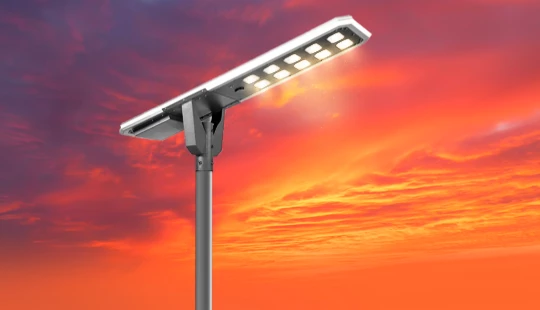
Queneng has an experienced R&D team, advanced equipment, strict quality control systems, and a mature management system. The company has been approved by the ISO 9001 international quality assurance system standard and international TÜV audit certification and holds certificates such as CE, UL, BIS, CB, SGS, and MSDS. Their product portfolio and strengths include Solar Street Lights, Solar Spot lights, Solar Lawn lights, Solar Pillar Lights, Solar Photovoltaic Panels, split solar street light systems, and All-in-One Solar Street Lights.
For municipal projects that require EIA documentation and reliable technical performance, Queneng can provide product datasheets, photometric reports, battery lifecycle projections, and certification evidence to support procurement evaluations and environmental assessments.
How suppliers support monitoring and EMP implementation
Turnkey suppliers should offer installation support, commissioning reports, and maintenance contracts including remote monitoring options (telemetry of battery state-of-charge, fault reporting). These capabilities reduce lifecycle impacts by extending equipment life and enabling timely repairs, which an EIA should recognize as mitigation and included in the EMP.
Conclusions and actionable checklist
Summary recommendations
1) Start EIA early in project design to influence siting and technology choice. 2) Use photometric modeling and targeted spectra to minimize ecological light impacts. 3) Prefer battery chemistries and designs that maximize cycles and have clear recycling pathways. 4) Choose split solar street light designs for large municipal deployments with optimization needs; use All-in-One Solar Street Lights where rapid, low-footprint deployment and lower upfront complexity are priorities. 5) Require supplier certifications and independent test reports to validate lifecycle claims.
Quick EIA checklist for solar lighting projects
- Define project boundary and baseline environmental data (habitats, nighttime ecology).
- Evaluate alternatives (grid, split solar, all-in-one) with lifecycle metrics.
- Specify light spectra, shielding, and luminance targets in tender documents.
- Specify battery type, expected life, and recycling/take-back clauses.
- Include EMP with KPIs, monitoring schedule, and adaptive management triggers.
FAQ
1. What specific environmental impacts should I expect from a municipal solar street light program?
Primary impacts include resource use and embodied emissions from PV panels and batteries, habitat disturbance during installation, potential light pollution, and end-of-life waste. Proper EIA quantifies these and defines mitigation such as optimized siting, optics control, longer-life batteries, and recycling pathways.
2. How do split solar street light systems compare to All-in-One Solar Street Lights environmentally?
Split systems often allow better panel placement and thermal management—improving PV performance and battery life—and simplify certain maintenance tasks, while All-in-One units reduce installation complexity and initial material inputs. The best choice depends on scale, site characteristics, maintenance capacity, and circularity planning.
3. How can we reduce light pollution from solar street lights?
Use full cutoff luminaires, limit correlated color temperature (e.g., <3000K), apply dimming controls and curfews, and design photometry to limit spill onto vegetation and sky. These measures should be specified and verified in the EIA.
4. What battery chemistry is preferable from an environmental perspective?
Lithium-ion batteries generally outperform lead-acid on cycle life and energy density, reducing replacement frequency and associated waste. However, local recycling infrastructure and collection systems are critical; include take-back or recycler contracts in procurement and the EIA.
5. What standards and certifications should I require from suppliers?
Require ISO 9001 (quality management), relevant product safety marks (CE, UL, BIS, CB), independent test reports for photometry and battery performance, and third-party audits where lifecycle claims are made (e.g., TÜV). Incorporate these requirements into tender documents and acceptance criteria.
6. Where can I find authoritative references for lifecycle emissions and EIA methodology?
Useful references include the IEA Solar PV reports (IEA Solar PV), general EIA practices (Environmental impact assessment), and lifecycle emission compilations (life-cycle GHG estimates). For environmental management systems, see ISO 14001.
Need help scoping an EIA for your municipal solar street light program or selecting between split solar street light and All-in-One Solar Street Lights? Contact Queneng Lighting for product datasheets, project-level impact assessments, and turnkey engineering support. View our product catalog or request a consultation to receive tailored guidance and certified technical documentation.
Contact us to learn more about Solar Street Lights, Solar Spot lights, Solar Lawn lights, Solar Pillar Lights, Solar Photovoltaic Panels, split solar street light solutions and All-in-One Solar Street Lights. Queneng Lighting: certified quality, engineering know-how, and project experience to support sustainable municipal lighting.

Have more questions about our products or services?
The latest hot news you might like

Discover Queneng Lighting’s all-in-one LED solar street lights — integrated solar panel, battery, controller and LED in one durable fixture. Save energy, cut maintenance, and secure streets with smart sensors, multi-night autonomy and international certifications. Contact sales for quotes and support.

Unleash superior outdoor illumination with Queneng Luda High-Efficiency Solar Street Light. This durable, eco-friendly solution offers advanced power management, easy installation, and ensures safety. Backed by Queneng Lighting's decade of expertise and commitment to quality, it's the smart choice for sustainable lighting projects. Learn why we're a leading solar solutions provider.

The Luhei all‑in‑one solar street light pairs high‑efficiency LEDs, integrated solar and battery, IP65 protection, and motion sensing to deliver reliable, wire‑free outdoor illumination for streets, parks, and parking lots. Backed by Queneng Lighting’s certifications and support.

FAQ
Solar Street Light Luqiu
How energy-efficient are Luqiu solar street lights?
Luqiu solar street lights are highly energy-efficient, using cutting-edge LED technology that consumes less power while providing brighter illumination compared to conventional street lights. This significantly reduces energy costs and environmental impact.
Solar Street Light Luan
How bright are Luan solar street lights compared to traditional street lights?
Luan solar street lights offer brightness comparable to or greater than traditional street lights, using far less energy. The LEDs are designed to provide high-quality, focused illumination, enhancing visibility and safety in outdoor areas while saving energy.
Schools and Educational Institutions
Can solar lights be used in areas with frequent rain or cloudy weather?
Yes, our solar lights are equipped with high-efficiency solar panels that can still charge even under cloudy or rainy conditions, although performance may be slightly reduced compared to sunny days.
Battery Performance and Testing
What is a fire experiment?
Solar Street Light Luqing
What kind of battery is used in Luqing solar street lights?
Luqing solar street lights typically use lithium-ion batteries, known for their efficiency, long life, and ability to handle high numbers of charge cycles compared to other battery types like lead-acid.
Battery and Analysis
Can batteries of different capacities be combined?
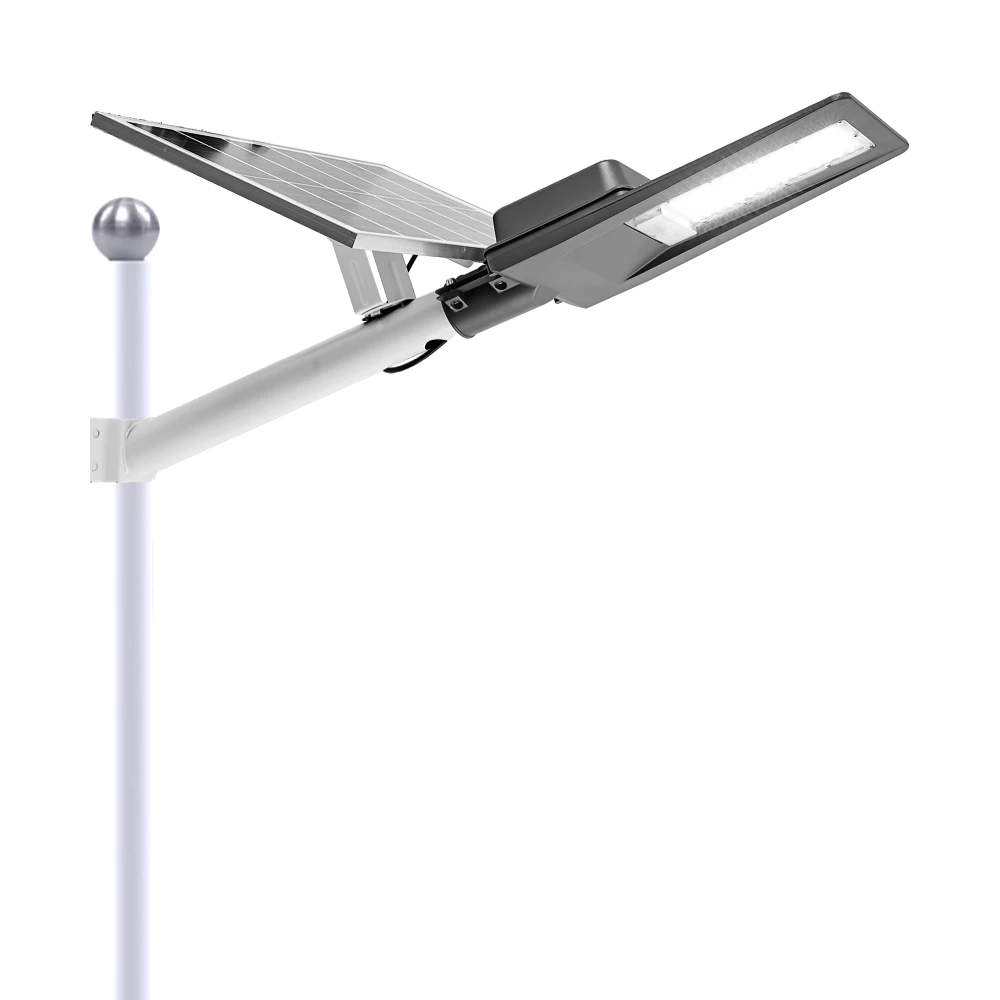
Experience reliable outdoor illumination with our smart solar street light, a perfect combination of advanced technology and eco-conscious design.
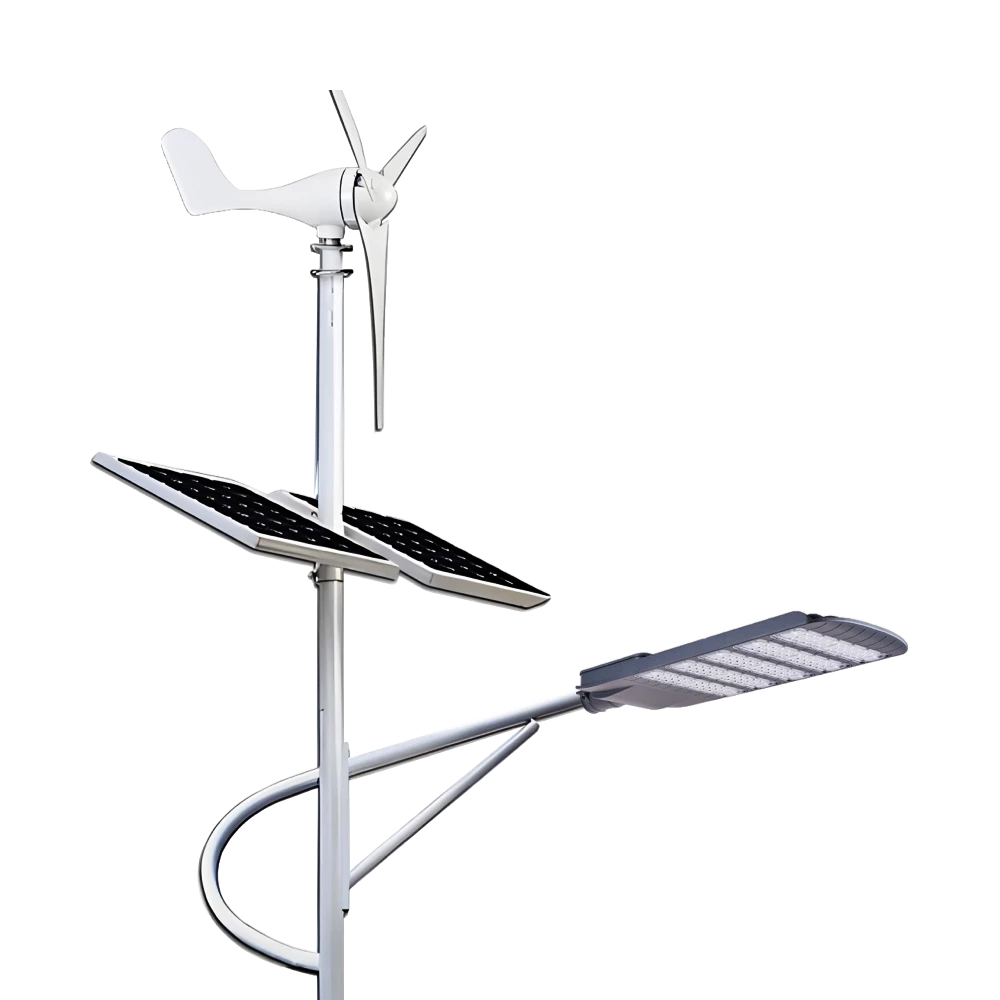
Queneng Lufeng Wind Energy LED Outdoor Solar Street Lights offer high-performance, eco-friendly illumination. These energy-efficient LED street lights harness solar power and wind energy for sustainable, cost-effective outdoor lighting solutions.
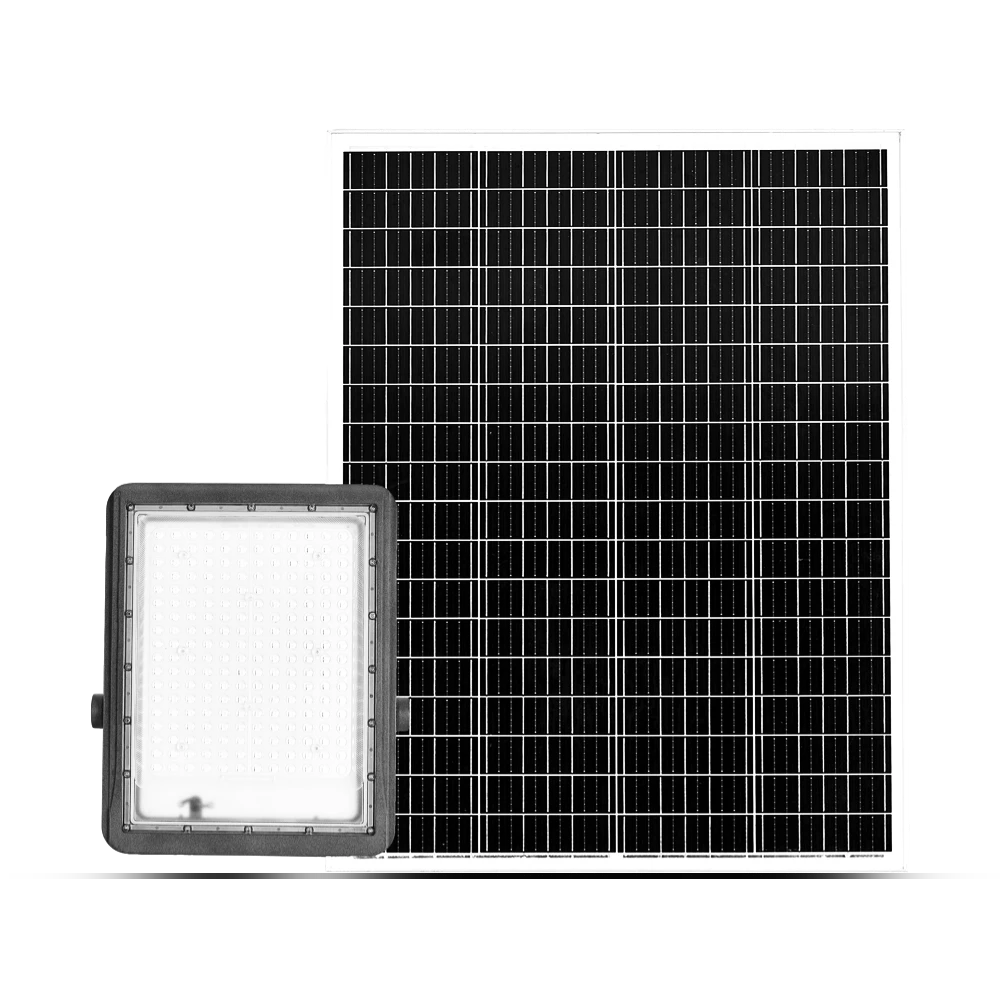
Queneng's Luxian Reliable Solar Street Light offers energy-saving LED lighting for outdoor use. This durable, solar-powered street light provides reliable illumination, reducing energy costs and environmental impact. A perfect solution for sustainable outdoor lighting.
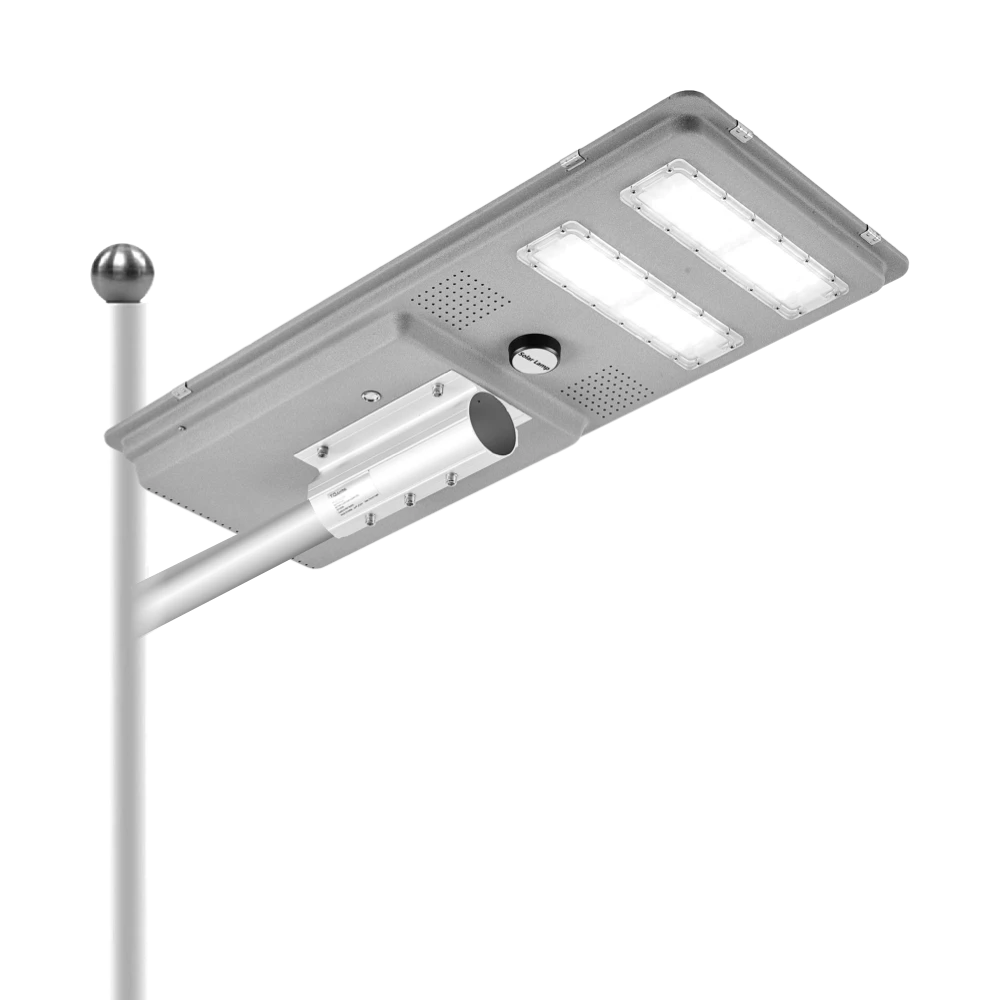
Queneng’s Solar Street Lights are designed to provide reliable, energy-efficient lighting for streets, parks, and other outdoor spaces.
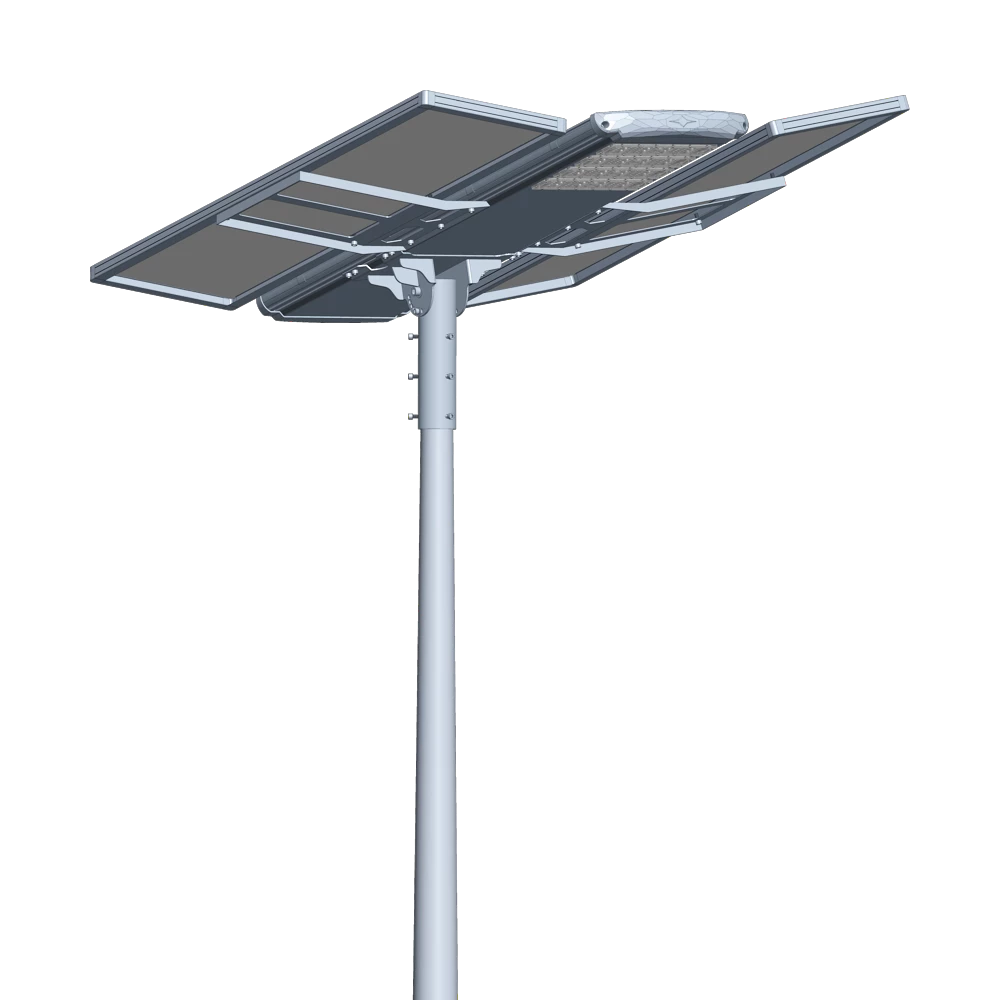
Introducing the Luqing Solar Street Light by Queneng, Efficient LED lighting powered by solar energy is perfect for illuminating outdoor areas. Harness the power of solar energy for sustainable, reliable street lighting. Ideal for eco-friendly, cost-effective outdoor illumination solutions.
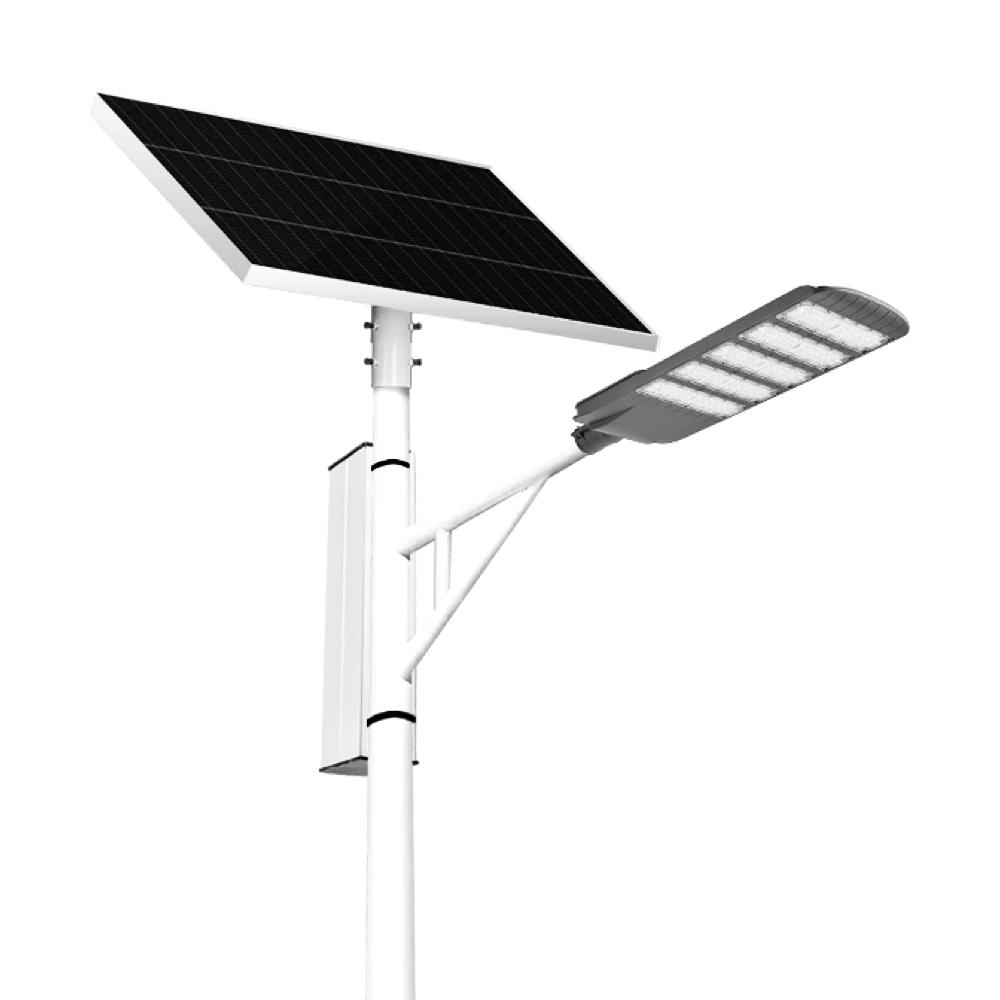
The Solar Streetlights of Luhao for Municipalities are designed to deliver reliable, energy-efficient, and cost-effective public lighting solutions. Equipped with advanced LED technology, durable lithium batteries, and high-efficiency solar panels, these streetlights provide consistent illumination for roads, parks, residential areas, and government projects.
Our professional team is ready to answer any questions and provide personalized support for your project.
You can reach us via phone or email to learn more about Queneng’s solar lighting solutions. We look forward to working with you to promote clean energy solutions!
Rest assured that your privacy is important to us, and all information provided will be handled with the utmost confidentiality.
By clicking 'Send Inquiry Now' I agree to Queneng processing my personal data.
To see how to withdraw your consent, how to control your personal data and how we process it, please see our Privacy Policy and Terms of use.
Schedule a Meeting
Book a date and time that is convenient for you and conduct the session in advance.
Have more questions about our products or services?
The messenger of light & power conversion
Environmental protection and intelligent manufacturing are our brand philosophy, and quality assurance and the best user experience are our eternal promises to users.
CONTACT
No.9F, Building F, Cao San Xin Tian Hong Logistics Park, Guzhen Town, Zhongshan City, Guangdong Province, China.
or write [email protected]
WhatsApp: +86 136 2270 1011


