













How to Estimate Total Cost for Solar Street Light Procurement (Luyi)
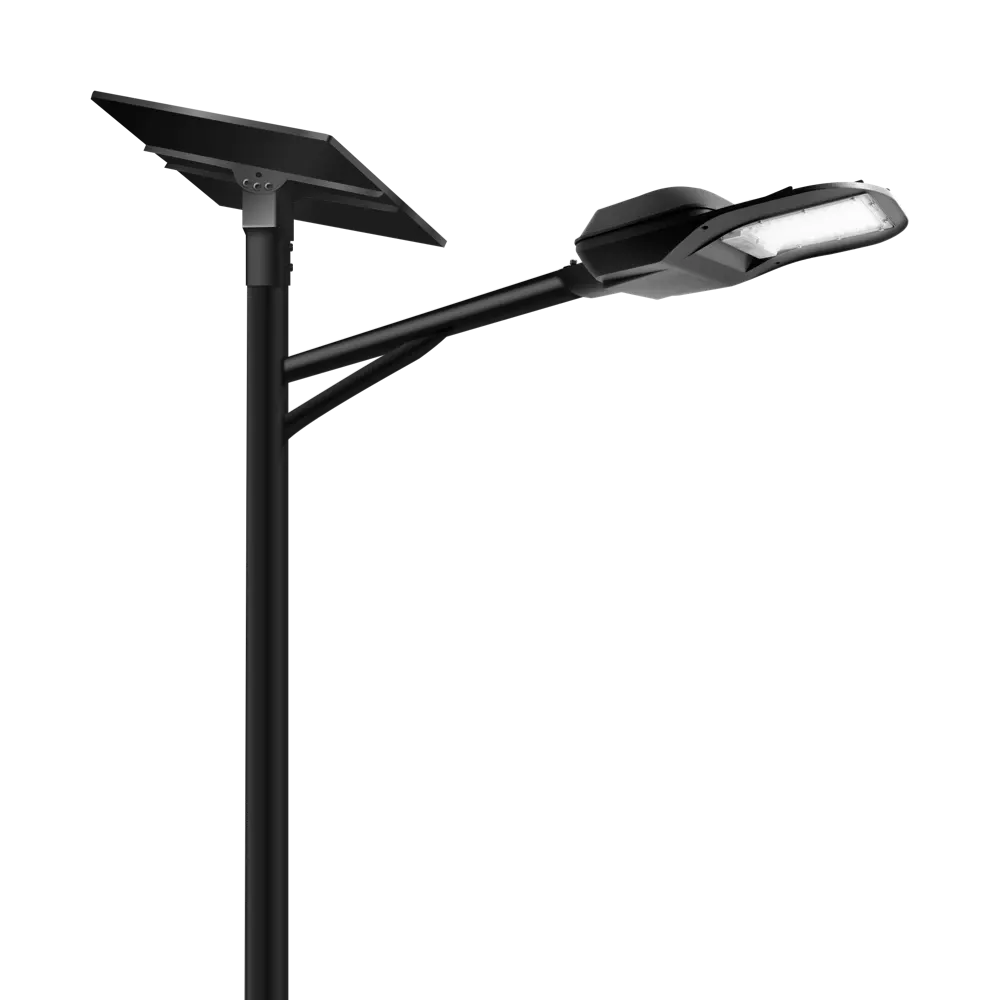
The Cost of solar street light procurement depends on more than the sticker price of fixtures. To generate accurate, actionable budgets you must combine capital expenditure (equipment, shipping, installation), lifecycle operating costs (maintenance, battery replacement), financing, site-specific factors (solar irradiation, pole heights), and regulatory/quality requirements. This guide uses the Luyi Advanced LED Outdoor Solar Street Light Queneng as a practical example, showing how to estimate unit and project totals, compare scenarios, and reduce long-term costs with quality-driven choices and correct procurement strategy.
Identify and quantify the main cost drivers
Capital cost components
The first step in estimating the Cost of solar street light procurement is to list capital cost items. For each proposed Luyi Advanced LED Outdoor Solar Street Light Queneng unit, include:
- Fixture unit price (LED luminaires, integrated controller)
- Solar PV module(s) price
- Battery system (chemistry, capacity)
- Pole, foundation, and mounting hardware
- Shipping, customs, and insurance
- Installation labor and equipment (cranes, trucks)
- Initial testing and commissioning
Example: a typical capital cost breakdown per Luyi Queneng unit (illustrative):
| Component | Unit Cost (USD) | Notes |
|---|---|---|
| Luyi Queneng LED luminaire | 300 | Includes controller and integrated optics |
| PV module | 120 | Depends on wattage and brand |
| Battery (LiFePO4 or SLA) | 180 | LiFePO4 recommended for longevity |
| Pole & foundation | 200 | Material and height dependent |
| Shipping & customs | 60 | Varies by origin/destination |
| Installation & commissioning | 150 | Labor, equipment rental |
| Total CAPEX per unit | 1,010 |
Operating expenditure and lifecycle replacements
CAPEX is only part of the story. The true Cost of solar street light procurement must include lifecycle OPEX: maintenance visits, battery replacements, inverter/controller failures, cleaning, and administrative costs. Typical lifecycle items to budget per unit over 10 years:
- Battery replacement cost (if SLA or end-of-life for Li-ion)
- Controller or LED driver replacement (if not integrated lifetime-rated)
- Periodic cleaning of PV modules and luminaire optics
- Maintenance labor and spare parts
- Insurance and warranty administration
Sample 10-year OPEX estimate per Luyi unit:
| Item (10 years) | Estimated Cost (USD) |
|---|---|
| Battery replacement (one LiFePO4) | 200 |
| Maintenance visits & cleaning | 120 |
| Controller/spare parts | 80 |
| Administrative & insurance | 50 |
| Total OPEX (10 years) | 450 |
Calculate lifecycle cost and ROI
Simple lifecycle cost formula
To compare suppliers and make procurement decisions, compute the Total Cost of Ownership (TCO) per unit over a project lifetime (commonly 10 years):
TCO = CAPEX + Present Value of OPEX + Disposal / Residual Value
Using the example Luyi Queneng unit above:
- CAPEX = USD 1,010
- OPEX (10 years) = USD 450 (use discounted present value if required)
- TCO (10 years) ≈ USD 1,460 per unit
If you expect energy cost savings (replacing grid lighting), include avoided energy costs to estimate payback and ROI.
Project-scale example and sensitivity analysis
Estimating the Cost of solar street light procurement for 100 units:
| Line item | Unit cost (USD) | Quantity | Total (USD) |
|---|---|---|---|
| CAPEX per unit | 1,010 | 100 | 101,000 |
| OPEX per unit (10y) | 450 | 100 | 45,000 |
| Project TCO (10y) | 146,000 |
Perform sensitivity analysis on battery life, module wattage, and labor rates. For example, switching from SLA to LiFePO4 may increase upfront cost but lower OPEX due to longer life and fewer replacements, reducing TCO.
Procurement strategies to reduce total cost
Buy quality vs. cheapest unit price
Low initial prices often mask higher lifecycle costs. Standards and certification reduce risk. Require evidence of product performance: LM-79/LM-80 reports for LEDs, IEC/ISO compliance for electrical safety, and manufacturer test data. The Luyi Advanced LED Outdoor Solar Street Light Queneng includes integrated design for reliability; requesting third-party test reports will help validate long-term performance.
Reference standards and authorities that inform procurement requirements: the International Electrotechnical Commission (IEC) provides applicable electrical and product safety standards (IEC), and Illuminating Engineering Society guidance helps on illumination levels (IES).
Contracting, warranties and performance guarantees
Negotiate warranties that cover key failure modes (battery, PV degradation, LED lumen maintenance). Payment terms tied to successful commissioning and performance milestones reduce risk. Consider performance guarantees for minimum lux levels and autonomous operation during low-insolation periods. This reduces long-term maintenance and replacement costs and improves the predictability of the Cost of solar street light procurement.
Bulk purchase, logistics, and local partnerships
Economies of scale can cut unit prices: bulk PV module orders and consolidated shipping lower costs. Use local installation teams trained by the supplier to reduce travel and accommodation expenses. Engage local maintenance contracts or train municipal staff to do routine tasks—this lowers OPEX and shortens response times for repairs.
Technical planning, site assessment, and risk mitigation
Solar resource and site-specific sizing
Accurate solar resource assessment is critical. Use historic solar irradiation data for the project site and factor seasonal variation when sizing PV and battery for autonomy (days of backup). The National Renewable Energy Laboratory (NREL) provides solar resource tools and data that can inform sizing decisions (NREL).
Design choices that affect cost
Key technical choices include luminaire wattage, optical distribution, pole height, and battery autonomy. For example, choosing a more efficient Luyi Queneng LED driver that allows dimming profiles reduces required PV and battery capacity, lowering both CAPEX and OPEX. Consider adaptive controls (motion sensors, dimming schedules) to further optimize energy use and extend battery life.
Quality assurance and standards
Insist on factory acceptance tests and site acceptance tests. Where relevant, reference authoritative sources for product/installation standards: industry information on outdoor lighting and solar device standards from public sources such as Wikipedia offers background on solar lamps and lighting concepts (Solar lamp — Wikipedia), while international energy agencies provide context on renewable deployment (IEA).
Practical procurement checklist and example timeline
Checklist before issuing an RFP
- Define illumination targets (lux, uniformity, hours)
- Specify lifetime (10+ years) and warranty terms
- Require test data (LM-79/80, IP rating, IK impact)
- Request a full Bill of Materials and supplier references
- Include acceptance tests and penalty clauses for non-performance
Typical procurement timeline
From needs assessment to commissioning, a medium-sized project (50–200 units) typically follows this timeline:
- Weeks 0–2: Site survey and specification writing
- Weeks 3–6: RFP issuance and supplier evaluation
- Weeks 7–12: Contract negotiation and sample approvals
- Weeks 13–20: Manufacturing and shipping
- Weeks 21–26: Installation and commissioning
FAQ — Frequently Asked Questions
What is included in the Cost of solar street light procurement?
It includes CAPEX (fixture, PV, battery, poles, shipping, installation) plus lifecycle OPEX (maintenance, battery replacement, cleaning, administrative costs) and disposal or residual value at end-of-life.
How do I compare bids fairly?
Use Total Cost of Ownership (TCO) over a defined lifetime (usually 10 years) rather than purchase price alone. Require consistent assumptions for battery life, warranty, and maintenance. Request test data and references to validate supplier claims.
How much will Luyi Advanced LED Outdoor Solar Street Light Queneng save on energy?
Energy savings depend on what the solar light replaces (grid electricity, diesel gensets). If replacing grid-powered HPS lamps, savings can be substantial due to zero grid energy use. For precise savings, calculate the avoided kWh and multiply by local electricity rates. Use product specifications (lumens/watt, autonomy) to estimate consumption.
Is it better to choose LiFePO4 or SLA batteries?
LiFePO4 batteries typically have higher upfront cost but longer cycle life, better depth-of-discharge, and lower long-term replacement costs, reducing TCO. For robust public lighting, LiFePO4 is generally recommended if the budget allows.
Where can I find standards and authoritative guidance?
Key sources include IEC (https://www.iec.ch/), NREL for solar resource and performance data (https://www.nrel.gov/), IES for lighting recommendations (https://www.ies.org/), and general references on solar lamps (Wikipedia - Solar lamp).
Ready to get precise pricing and a customized procurement estimate? Contact our sales team to request a detailed quotation, performance datasheets, and an on-site assessment. View full product information and request a quote for the Luyi Advanced LED Outdoor Lighting with Solar Power Solar Street Light Queneng on our product page or reach out to customer service for a project proposal.
Contact / See product: Click here to contact sales or view the Luyi Queneng product page for datasheets, certifications, and a personalized cost estimate.

Have more questions about our products or services?
The latest hot news you might like

Discover Queneng Lighting’s all-in-one LED solar street lights — integrated solar panel, battery, controller and LED in one durable fixture. Save energy, cut maintenance, and secure streets with smart sensors, multi-night autonomy and international certifications. Contact sales for quotes and support.

Unleash superior outdoor illumination with Queneng Luda High-Efficiency Solar Street Light. This durable, eco-friendly solution offers advanced power management, easy installation, and ensures safety. Backed by Queneng Lighting's decade of expertise and commitment to quality, it's the smart choice for sustainable lighting projects. Learn why we're a leading solar solutions provider.

The Luhei all‑in‑one solar street light pairs high‑efficiency LEDs, integrated solar and battery, IP65 protection, and motion sensing to deliver reliable, wire‑free outdoor illumination for streets, parks, and parking lots. Backed by Queneng Lighting’s certifications and support.

FAQ
Transportation and Highways
What support do you offer for large-scale highway projects?
We provide end-to-end services, including project design, technical consulting, installation supervision, and after-sales support.
Solar Street Light Lufeng
How do Lufeng solar street lights help reduce energy consumption?
Lufeng solar street lights use solar power, which is a renewable and free energy source, significantly reducing energy consumption from traditional power grids. Additionally, they feature energy-efficient LEDs and smart controls that adjust brightness based on ambient light or motion detection, further conserving energy.
Battery fundamentals and basic terms
What is a discharge platform?
APMS system
How does the APMS system enable continuous lighting on prolonged rainy days?
Queneng's APMS is equipped with rainy-day endurance technology that ensures continuous lighting during extended cloudy periods, maintaining stable power in sun-deprived conditions and ideal for lighting in remote areas.
Industry
How is maintenance performed on Queneng’s solar systems?
Our systems are designed for low maintenance, typically only requiring periodic inspections and cleaning. We also offer remote monitoring and technical support to ensure long-term reliability.
Public Gardens and Landscape Lighting
How can I order solar lighting products for my public garden or landscape project?
To order solar lighting solutions for your project, simply contact our sales team via phone, email, or our website. We will work with you to understand your specific requirements and provide customized solutions that fit your needs. We also offer installation support and after-sales services to ensure your project is a success.
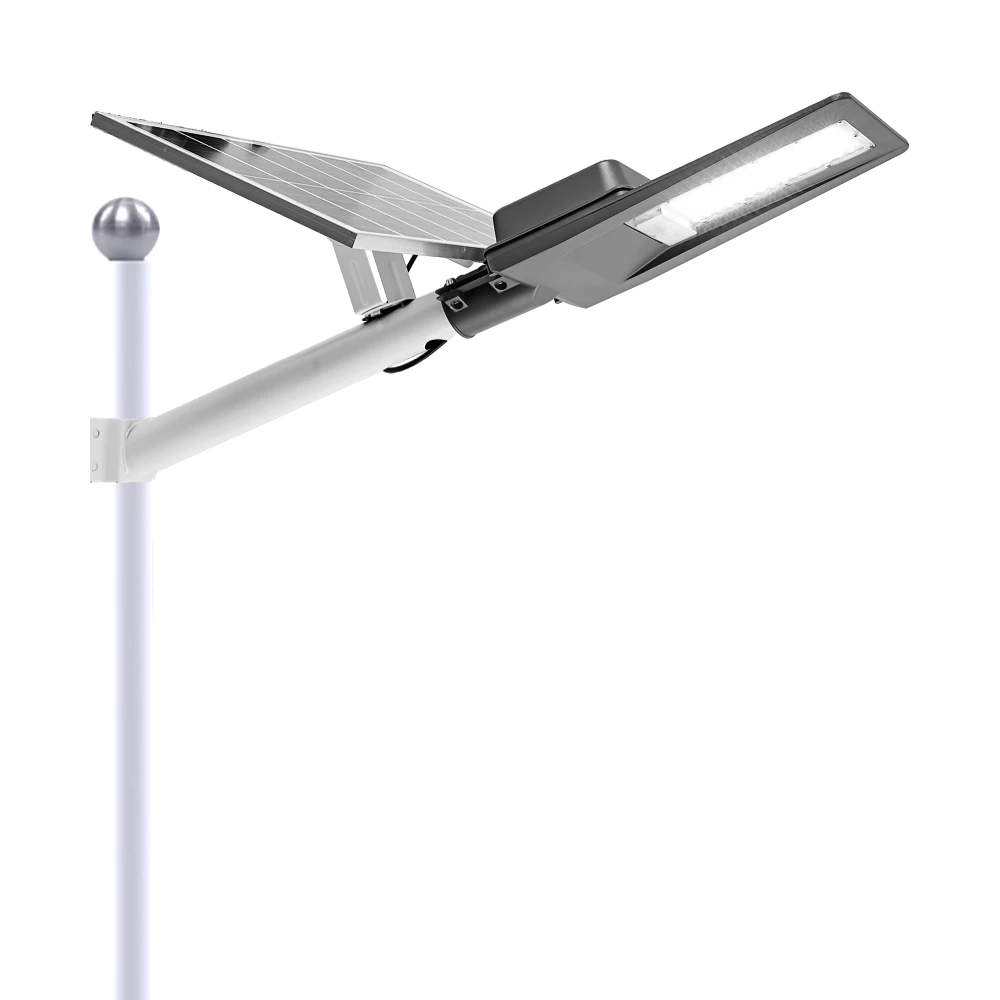
Experience reliable outdoor illumination with our smart solar street light, a perfect combination of advanced technology and eco-conscious design.
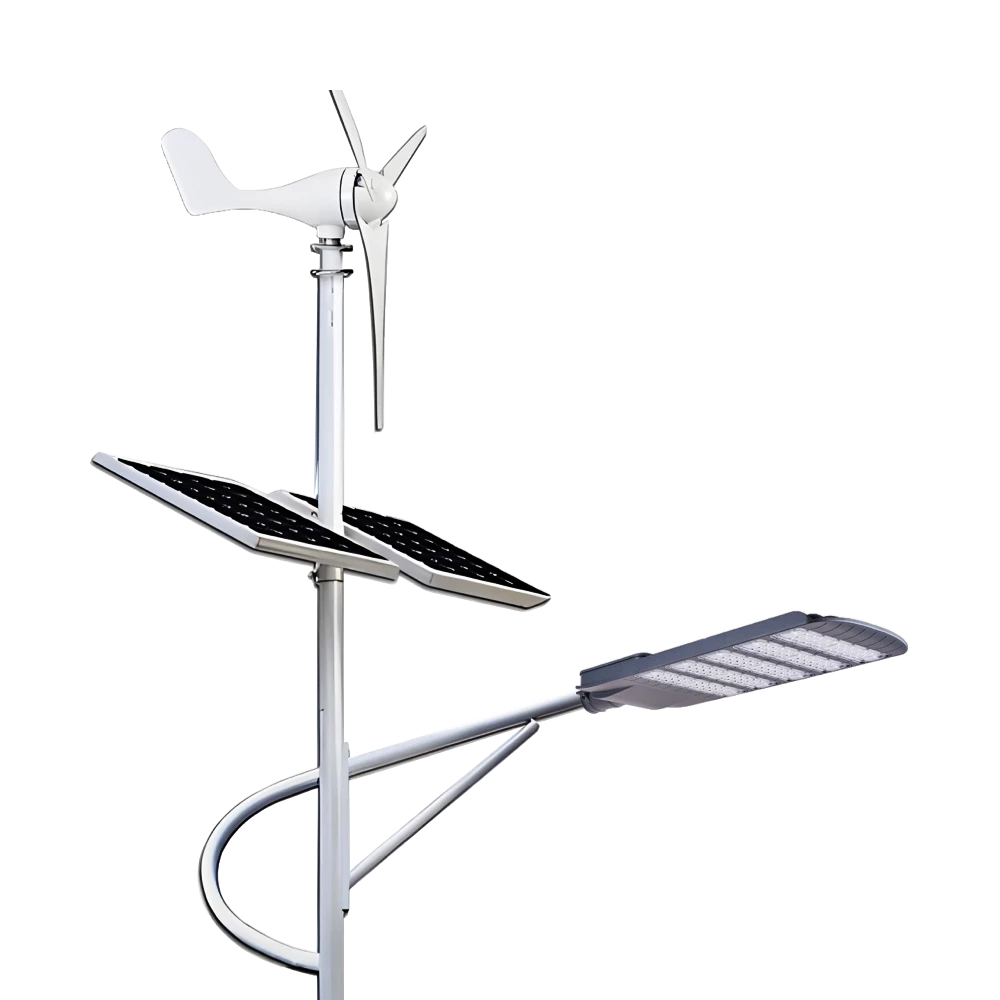
Queneng Lufeng Wind Energy LED Outdoor Solar Street Lights offer high-performance, eco-friendly illumination. These energy-efficient LED street lights harness solar power and wind energy for sustainable, cost-effective outdoor lighting solutions.
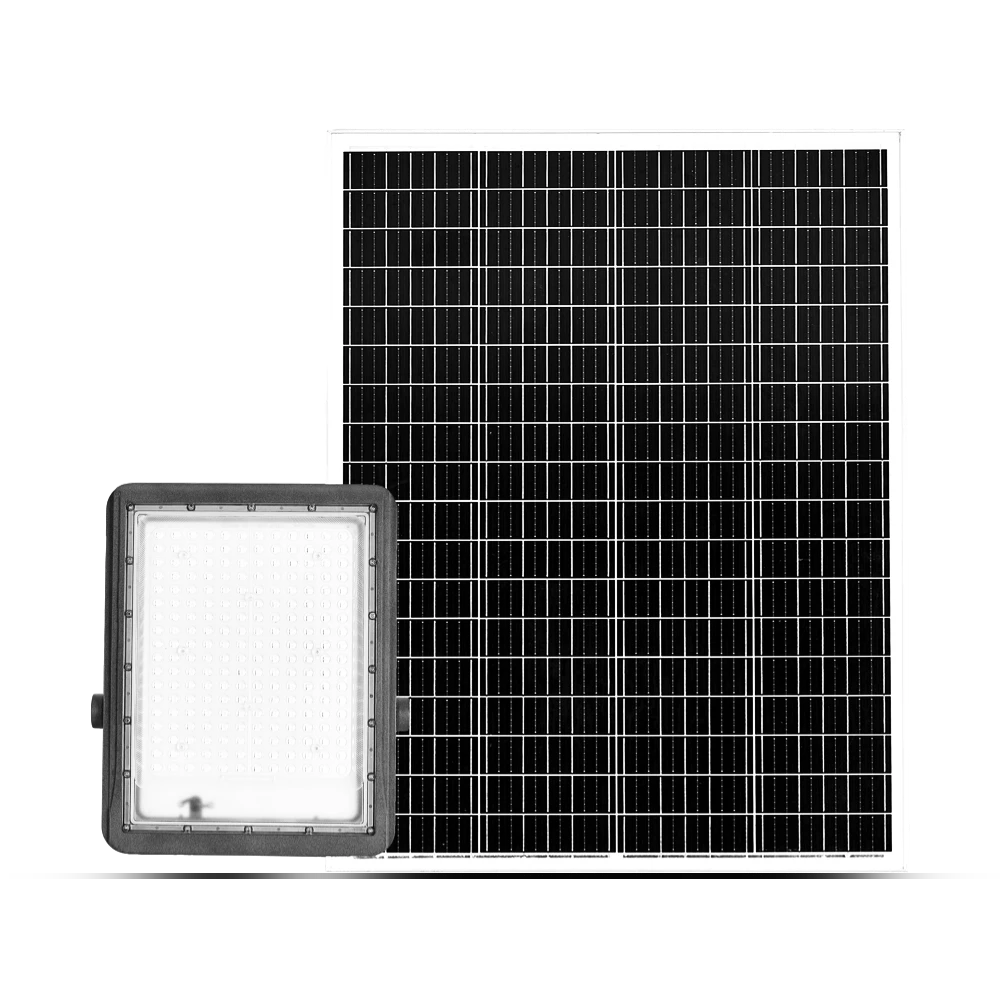
Queneng's Luxian Reliable Solar Street Light offers energy-saving LED lighting for outdoor use. This durable, solar-powered street light provides reliable illumination, reducing energy costs and environmental impact. A perfect solution for sustainable outdoor lighting.
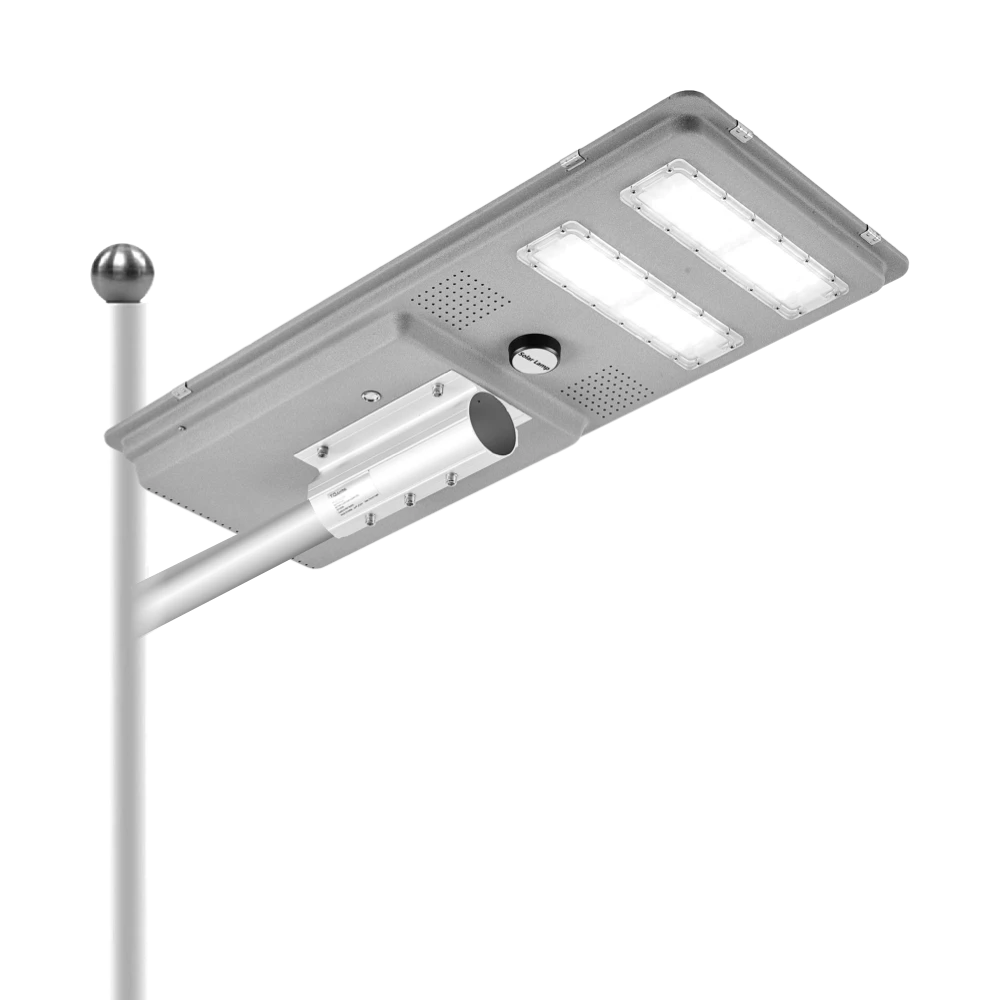
Queneng’s Solar Street Lights are designed to provide reliable, energy-efficient lighting for streets, parks, and other outdoor spaces.
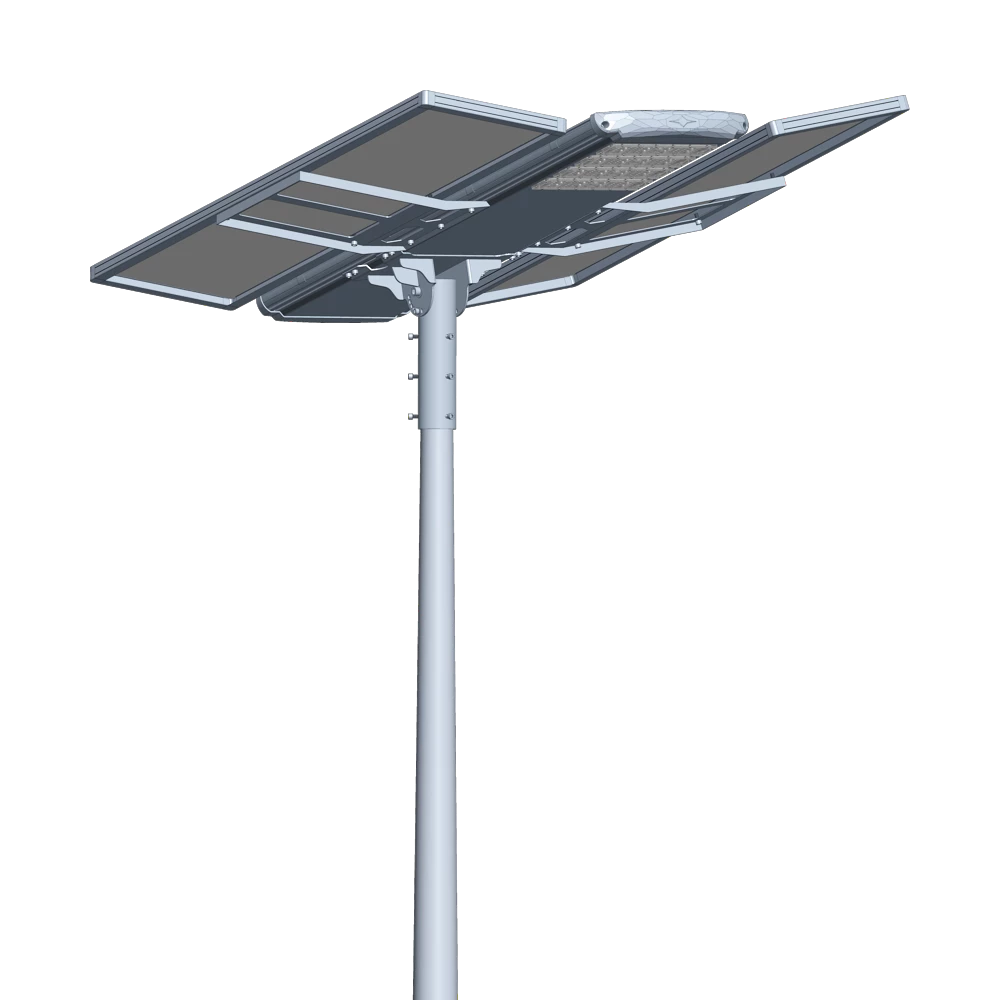
Introducing the Luqing Solar Street Light by Queneng, Efficient LED lighting powered by solar energy is perfect for illuminating outdoor areas. Harness the power of solar energy for sustainable, reliable street lighting. Ideal for eco-friendly, cost-effective outdoor illumination solutions.
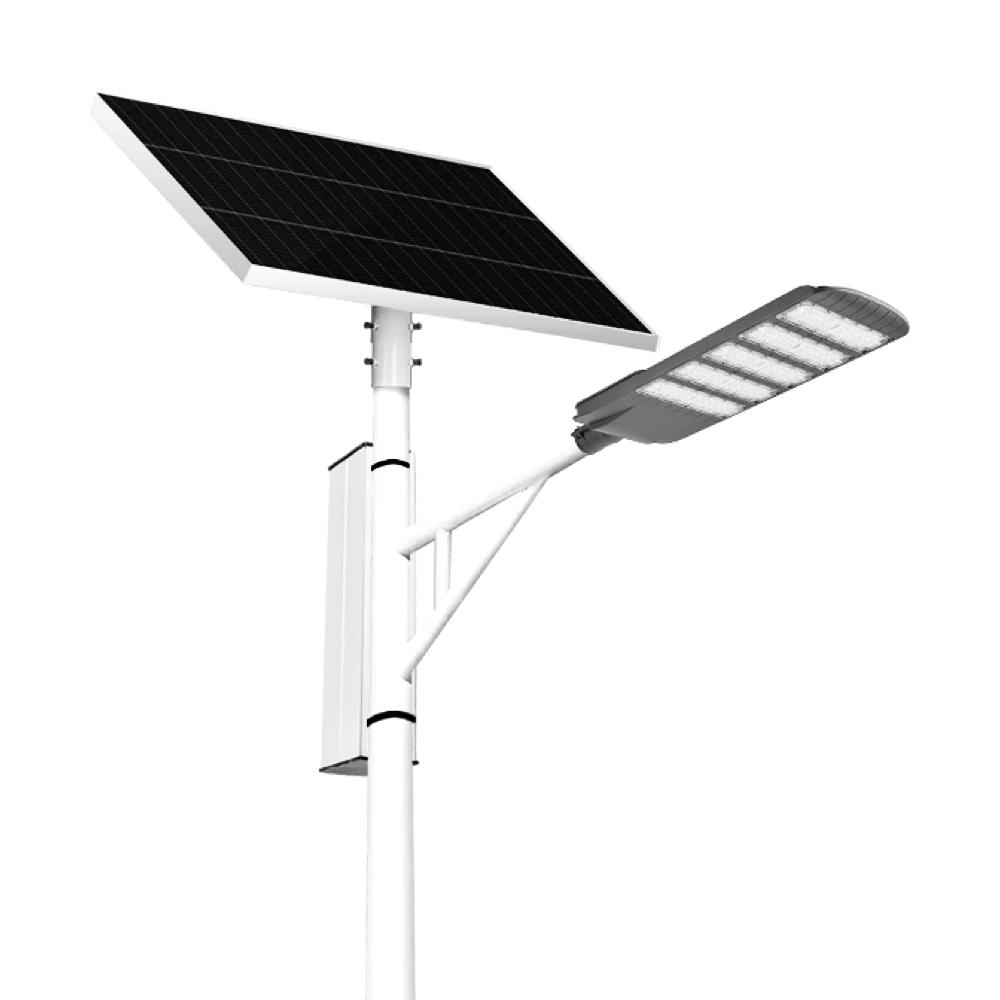
The Solar Streetlights of Luhao for Municipalities are designed to deliver reliable, energy-efficient, and cost-effective public lighting solutions. Equipped with advanced LED technology, durable lithium batteries, and high-efficiency solar panels, these streetlights provide consistent illumination for roads, parks, residential areas, and government projects.
Our professional team is ready to answer any questions and provide personalized support for your project.
You can reach us via phone or email to learn more about Queneng’s solar lighting solutions. We look forward to working with you to promote clean energy solutions!
Rest assured that your privacy is important to us, and all information provided will be handled with the utmost confidentiality.
By clicking 'Send Inquiry Now' I agree to Queneng processing my personal data.
To see how to withdraw your consent, how to control your personal data and how we process it, please see our Privacy Policy and Terms of use.
Schedule a Meeting
Book a date and time that is convenient for you and conduct the session in advance.
Have more questions about our products or services?
The messenger of light & power conversion
Environmental protection and intelligent manufacturing are our brand philosophy, and quality assurance and the best user experience are our eternal promises to users.
CONTACT
No.9F, Building F, Cao San Xin Tian Hong Logistics Park, Guzhen Town, Zhongshan City, Guangdong Province, China.
or write [email protected]
WhatsApp: +86 136 2270 1011


