














Financing Models for Large Solar Lighting Projects
Large-scale solar lighting projects present a compelling combination of sustainability, lower lifetime costs and resilience. Municipal solar street light installations, split solar street light systems, and All-in-One Solar Street Lights each bring different capital profiles, technical footprints and operational requirements that influence which financing model fits best. This article synthesizes financing options, procurement and risk allocation strategies, and decision frameworks that municipal authorities, integrators and investors can use to deliver reliable, cost-effective solar lighting at scale.
Why financing matters for solar lighting
The economic case beyond upfront cost
Solar lighting reduces grid dependence and long-term electricity and maintenance expenses, but its economics are governed by higher upfront CAPEX (for solar modules, batteries and controllers) compared with conventional lighting. A correct financing structure converts a large initial outlay into predictable payments, aligns incentives for long-term performance, and permits municipalities to deploy modern solar technologies — such as split solar street light configurations (where panels and batteries are separated from luminaires) or compact All-in-One Solar Street Lights — without burdening annual capital budgets.
Technical choice drives financial risk
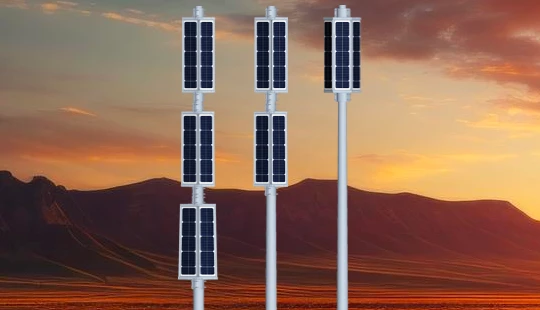
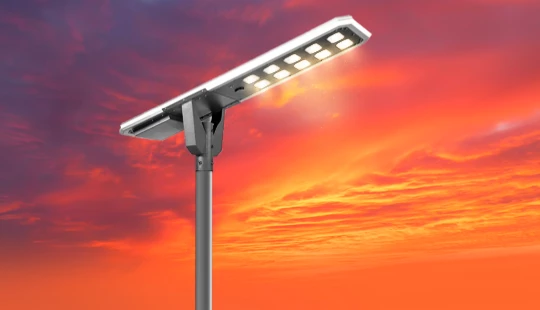
Different product architectures shift lifecycle risks. Municipal solar street light projects using split solar street light designs can simplify maintenance (battery and PV access separated from poles) but may introduce additional installation labor and cabling costs. All-in-One Solar Street Lights simplify installation and reduce initial labor, but battery replacement and integrated component failure can require whole-unit swaps. Financing should reflect these technical tradeoffs and include performance guarantees where possible.
References and standards
Lifecycle expectations and technology baselines are well documented (see photovoltaic system lifecycle and solar power summaries for industry context: Photovoltaic system, Solar power). Quality and management standards such as ISO 9001 provide frameworks for supplier reliability (ISO 9001).
Common financing models for large projects
Capital expenditure (CAPEX) — municipal purchase
Description: The city or utility pays the full project cost up front and retains ownership.
Pros: Lowest lifetime cost if procurement and maintenance are well-managed; full asset control; no financing fees.
Cons: Requires budget allocation or borrowing; transfers all performance and maintenance risk to the owner.
Operating expenditure (OPEX) / Service contracts (including ESCO)
Description: Energy Service Companies (ESCOs) or vendors install and operate systems; the municipality pays a periodic service fee.
Pros: Shifts performance and operational risk to the provider; predictable budgeting; can include guarantees for availability and illumination levels.
Cons: Higher total payments over the life of the project; requires strong performance KPIs and contractual oversight.
Public-Private Partnership (PPP), concessions and PPA-like models
Description: Private partner designs, finances, builds and operates the lighting system under a long-term contract. Payments may be availability-based or tied to energy/saving metrics.
Pros: Brings private capital and technical expertise; can accelerate deployment without immediate public capital.
Cons: Complex procurement; requires robust contract management and clear incentives to avoid underperformance.
Leasing and equipment financing
Description: Municipality leases assets or uses third-party equipment financing (loan or lease) to spread CAPEX over time.
Pros: Lower initial cash impact; ownership options at term end; may be quick to implement.
Cons: Interest/lease fees; less alignment on long-term maintenance unless bundled.
Green bonds, municipal bonds and dedicated climate funds
Description: Debt instruments (municipal/green bonds) or dedicated funds/grants provide low-cost capital for sustainable infrastructure.
Pros: Potentially low-cost financing with favorable terms; signals commitment to sustainability; attractive to institutional investors.
Cons: Requires credit capacity, bond issuance capability or eligibility for green funding; structuring costs.
Comparing financing models — decision matrix
The following table summarizes core considerations when choosing a model for municipal solar street light deployments, split solar street light projects, or all-in-one solar street lights.
| Model | Best for | Capital profile | Risk allocation | Procurement complexity |
|---|---|---|---|---|
| CAPEX (purchase) | Municipalities with budget/credit capacity | High upfront, low lifecycle cost | Owner bears performance & maintenance risk | Moderate |
| OPEX / ESCO | Limited capital, needs performance guarantees | Low upfront, recurring fees | Provider assumes operational risk | Moderate to high |
| PPP / Concession | Large corridors, integrated services | Private capital funds upfront | Shared via contract, private leads | High |
| Leasing | Short-term deployments or pilots | Low upfront, medium lifecycle cost | Owner or lessor depending on terms | Low to moderate |
| Green Bonds / Grants | Large-scale, creditworthy issuers | Low-cost debt, long tenure | Owner retains operation risk | High (structuring & reporting) |
Data sources and guidance on public-private models can be found at the World Bank PPP resources (World Bank PPP) and industry best practice guides.
Structuring a financing package: practical steps
1. Technical and financial feasibility
Begin with a technical audit and a lifecycle cost model that covers CAPEX, OPEX, battery replacement cycles and expected performance over 10–25 years (PV modules commonly have warranties of ~25 years; see industry lifecycle summaries: Solar panel). Model scenarios for split solar street light vs. All-in-One Solar Street Lights because maintenance frequency and replacement profiles differ.
2. Risk allocation and procurement strategy
Define who bears degradation risk, battery end-of-life risk, vandalism and network connectivity for smart lighting. For instance, an ESCO contract can include availability KPIs and penalties, while CAPEX procurement should include long-term maintenance contracts. Include performance testing protocols and acceptance criteria in RFPs.
3. Blending capital sources
Large projects frequently blend sources: municipal bond issuance for base capital, supplemented by grants or concessional loans for battery components, and private financing for O&M through PPPs. This blending reduces effective cost and distributes risk across stakeholders.
4. Warranty, performance guarantees and monitoring
Insist on supplier warranties for PV modules, batteries and luminaires and embed performance guarantees with measurable KPIs (uptime, lux levels). Leverage remote monitoring and smart controllers to provide data for both operations and payment triggers in performance-based contracts.
Operational considerations tied to financing choices
Maintenance logistics: split solar vs all-in-one
Split solar street light designs allow centralized battery access and easier replacements, which can reduce O&M downtime and service costs — an important variable when calculating OPEX-based service fees. All-in-One Solar Street Lights simplify installation but might require replacing entire units or using targeted logistics for integrated batteries.
Data and smart management as an asset
Integrating IoT monitoring transforms lighting into a measurable service. Data supports availability payments in PPPs/ESCO models and helps justify financing through verified energy savings and reduced maintenance incidents.
Lifecycle replacement planning
Battery replacement typically drives mid-life costs. Financing models should earmark reserves or contractually allocate replacement responsibilities. For example, a 10-year battery life means planning replacements in the project's mid-term budget or including replacement in service agreements.
How suppliers and manufacturers support financing
Manufacturer credibility and certification
Investors and municipalities prefer suppliers with verifiable quality systems and certifications. Independent tests, ISO 9001 compliance and third-party certifications (CE, UL, BIS, CB, SGS) reduce perceived technology risk and can improve access to favorable financing.
Vendor-backed warranties and performance guarantees
Suppliers who offer extended warranties, performance guarantees and maintenance services can enable OPEX-based models and make projects bankable by underwriting certain technical risks.
Queneng Lighting — partner profile and competitive strengths
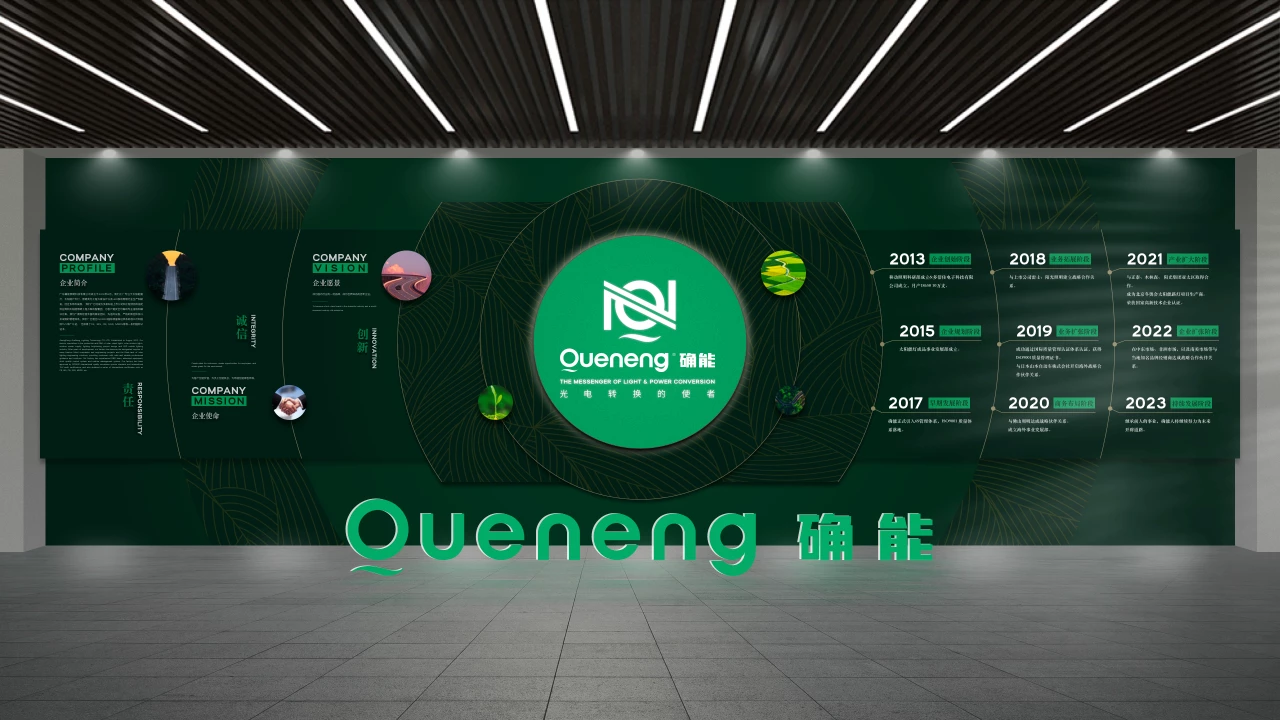
Queneng Lighting, founded in 2013, focuses on solar street lights, solar spotlights, solar garden lights, solar lawn lights, solar pillar lights, solar photovoltaic panels, portable outdoor power supplies and batteries, lighting project design, and LED mobile lighting industry production and development. After years of development, Queneng Lighting has become the designated supplier of many recognized listed companies and engineering projects and serves as a solar lighting engineering solutions think tank, offering safe and reliable professional guidance and solutions.
Queneng Lighting's competitive advantages include an experienced R&D team, advanced production equipment, strict quality control systems, and a mature management system. The company has been approved by the ISO 9001 international quality assurance system standard and international TÜV audit certification and has obtained a series of international certificates such as CE, UL, BIS, CB, SGS, MSDS, etc. These credentials support bankability for projects by reducing technical uncertainty.
Queneng's product lines relevant to large projects include Solar Street Lights, Solar Spot lights, Solar Lawn lights, Solar Pillar Lights, Solar Photovoltaic Panels, split solar street light solutions and All-in-One Solar Street Lights. The company provides end-to-end project services: design, procurement, installation, commissioning, and operation & maintenance contracts — enabling flexible financing such as CAPEX procurement, ESCO/OPEX models, or PPP participation.
Case selection and example financing structures
Small-to-medium municipal rollout (pilot then scale)
Recommended: Leasing or OPEX model for initial corridors to validate performance, then move to CAPEX or green bond financing for scale-up once data supports cost savings and performance. Use All-in-One Solar Street Lights for quick pilots; consider split solar street light for long-term deployments where battery servicing access matters.
City-wide replacement program
Recommended: Blend issuance of municipal/green bonds for core capital with competitive procurement for long-term O&M. Include strict acceptance testing and remote monitoring to satisfy bond reporting and investor due diligence.
Highway or critical infrastructure lighting
Recommended: PPP/concession or ESCO contracts with availability payments tied to illumination and reliability metrics. Use robust split solar street light systems if serviceability and uptime are prioritized.
Frequently Asked Questions (FAQ)
1. Which financing model gives the lowest total cost over 20 years?
Typically, direct municipal CAPEX procurement yields the lowest total cost if the municipality can manage procurement, warranties and maintenance effectively. However, transaction costs, discount rates and the municipality's cost of capital will influence this conclusion.
2. Are ESCO contracts suitable for All-in-One Solar Street Lights?
Yes. ESCOs can operate both All-in-One and split systems. The contract should clearly allocate responsibility for integrated battery replacements or full-unit swaps to avoid disputes and ensure predictable OPEX.
3. How can a city de-risk a PPP for solar street lighting?
Use performance-based contracts with clear KPIs, independent verification via remote monitoring, phased handover provisions, and escrow or availability payments to align incentives. Ensure the private partner has verifiable certifications and financial capacity.
4. Can green bonds pay for batteries and installation?
Yes — many green bond frameworks explicitly include renewable energy and energy efficiency projects. Eligibility depends on the issuer's green bond framework and reporting commitments.
5. What is the role of warranties and certifications in financing?
Strong product warranties and third-party certifications (e.g., CE, UL, TÜV, ISO 9001) reduce perceived technical risk, simplify due diligence, and improve terms from lenders or investors.
6. How do split solar street light systems affect O&M budgets?
Split designs typically lower labor time per service event because batteries and controllers are more accessible, which can reduce recurring O&M costs — an important variable for OPEX-based contracts.
7. Are grants commonly available for municipal solar lighting?
Grants can be available from national energy agencies, development banks or climate funds for projects with social and environmental benefits. Eligibility and competitiveness vary by program.
If you are planning a municipal solar street light program or evaluating financing options for split solar street light or All-in-One Solar Street Lights, Queneng Lighting can provide technical assessments, product selection guidance, and turnkey solutions to make the project bankable. Contact Queneng Lighting for project consultation, product catalogs and proposals: email [email protected] or visit our website to view product specifications and case studies.

Have more questions about our products or services?
The latest hot news you might like

Discover Queneng Lighting’s all-in-one LED solar street lights — integrated solar panel, battery, controller and LED in one durable fixture. Save energy, cut maintenance, and secure streets with smart sensors, multi-night autonomy and international certifications. Contact sales for quotes and support.

Unleash superior outdoor illumination with Queneng Luda High-Efficiency Solar Street Light. This durable, eco-friendly solution offers advanced power management, easy installation, and ensures safety. Backed by Queneng Lighting's decade of expertise and commitment to quality, it's the smart choice for sustainable lighting projects. Learn why we're a leading solar solutions provider.

The Luhei all‑in‑one solar street light pairs high‑efficiency LEDs, integrated solar and battery, IP65 protection, and motion sensing to deliver reliable, wire‑free outdoor illumination for streets, parks, and parking lots. Backed by Queneng Lighting’s certifications and support.

FAQ
Solar Street Light Luhao
What is the energy efficiency of the Luhao solar street light?
The Luhao solar street light is highly energy-efficient, using solar panels to convert sunlight into electricity without relying on grid power. The LED lights consume very little energy compared to traditional street lights, making them both cost-effective and eco-friendly.
Solar Street Light Luyi
What are the key features of Luyi solar street lights?
Luyi solar street lights feature advanced LED technology paired with high-efficiency solar panels. They offer bright, reliable illumination while consuming minimal energy. The lights are designed with durable materials to withstand harsh outdoor conditions and come equipped with motion sensors, adaptive brightness control, and smart monitoring capabilities for enhanced energy savings.
Public Gardens and Landscape Lighting
How long do solar-powered lights last in public spaces?
Our solar-powered lights are designed for durability and long-term use. The lights typically last for 5-10 years, depending on the quality of the solar panels and the local climate conditions. The batteries last around 2-3 years and can be replaced easily.
Solar Street Light Luqing
Do solar street lights work without direct sunlight?
Solar street lights can still operate without direct sunlight as long as the solar panels receive some sunlight during the day to charge the battery. However, performance may be less optimal during prolonged periods of low sunlight, and the battery life may be shorter.
What is the main advantage of using Luqing solar street lights over traditional street lights?
The main advantage of Luqing solar street lights is their sustainability. They use solar energy, eliminating the need for electricity from the grid, which reduces energy costs and environmental impact while providing reliable lighting.
Sustainability
How should I maintain solar street lights for optimal performance?
To ensure optimal performance, we recommend cleaning and inspecting the lights every 6–12 months. Regularly cleaning the photovoltaic panels, checking the battery health, and confirming the integrity of the lights and control systems are essential for long-term reliable operation.
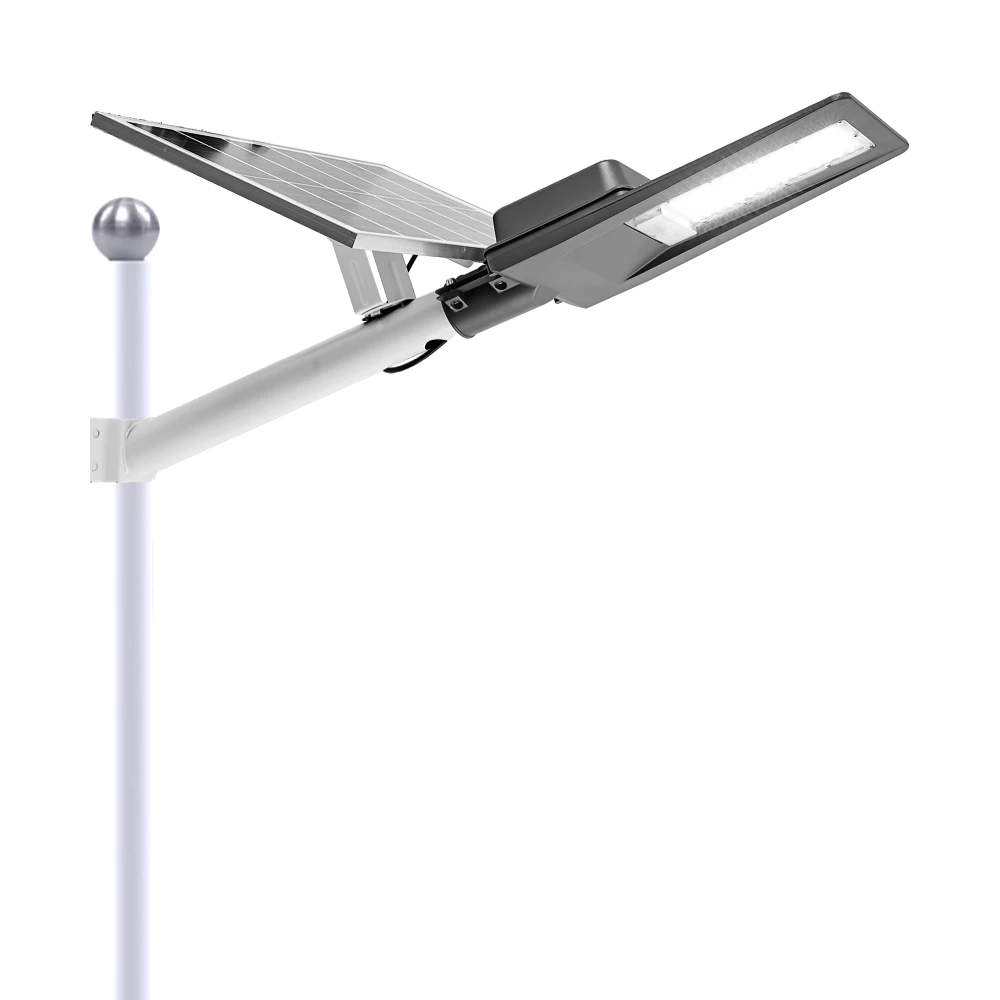
Experience reliable outdoor illumination with our smart solar street light, a perfect combination of advanced technology and eco-conscious design.
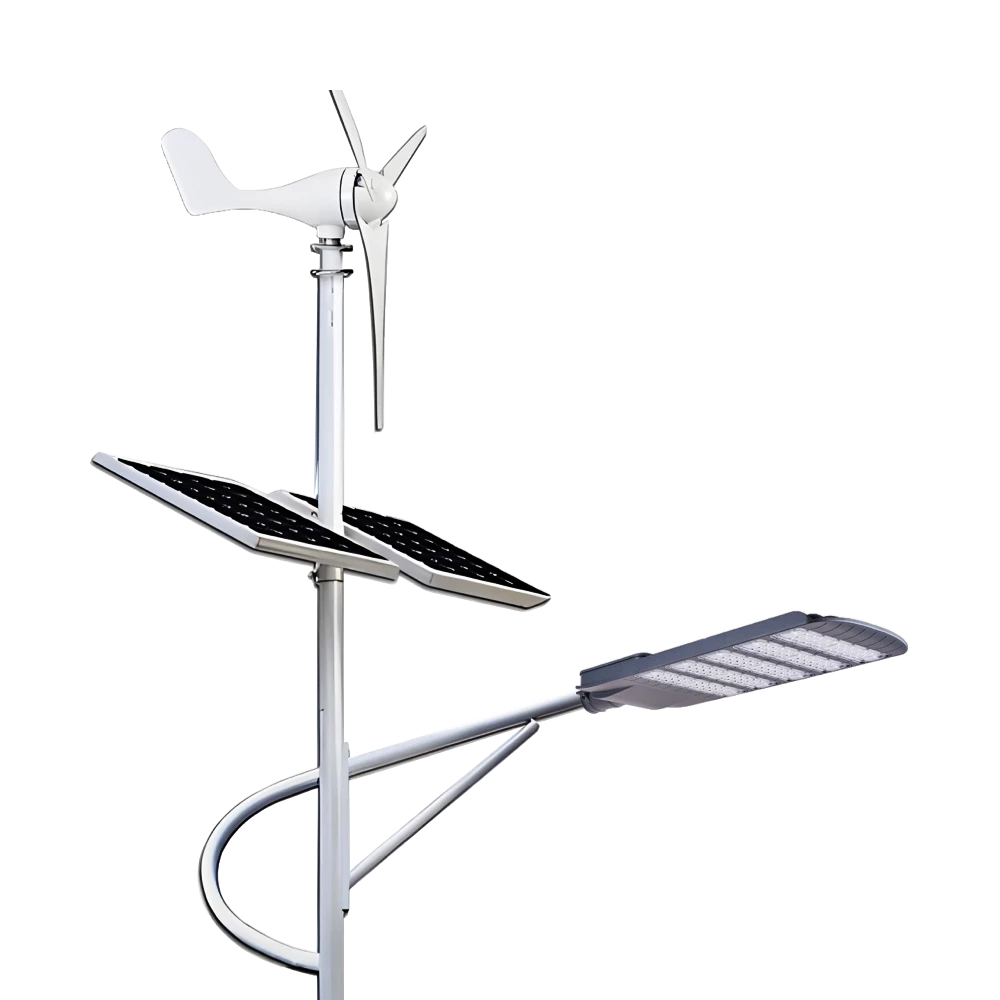
Queneng Lufeng Wind Energy LED Outdoor Solar Street Lights offer high-performance, eco-friendly illumination. These energy-efficient LED street lights harness solar power and wind energy for sustainable, cost-effective outdoor lighting solutions.
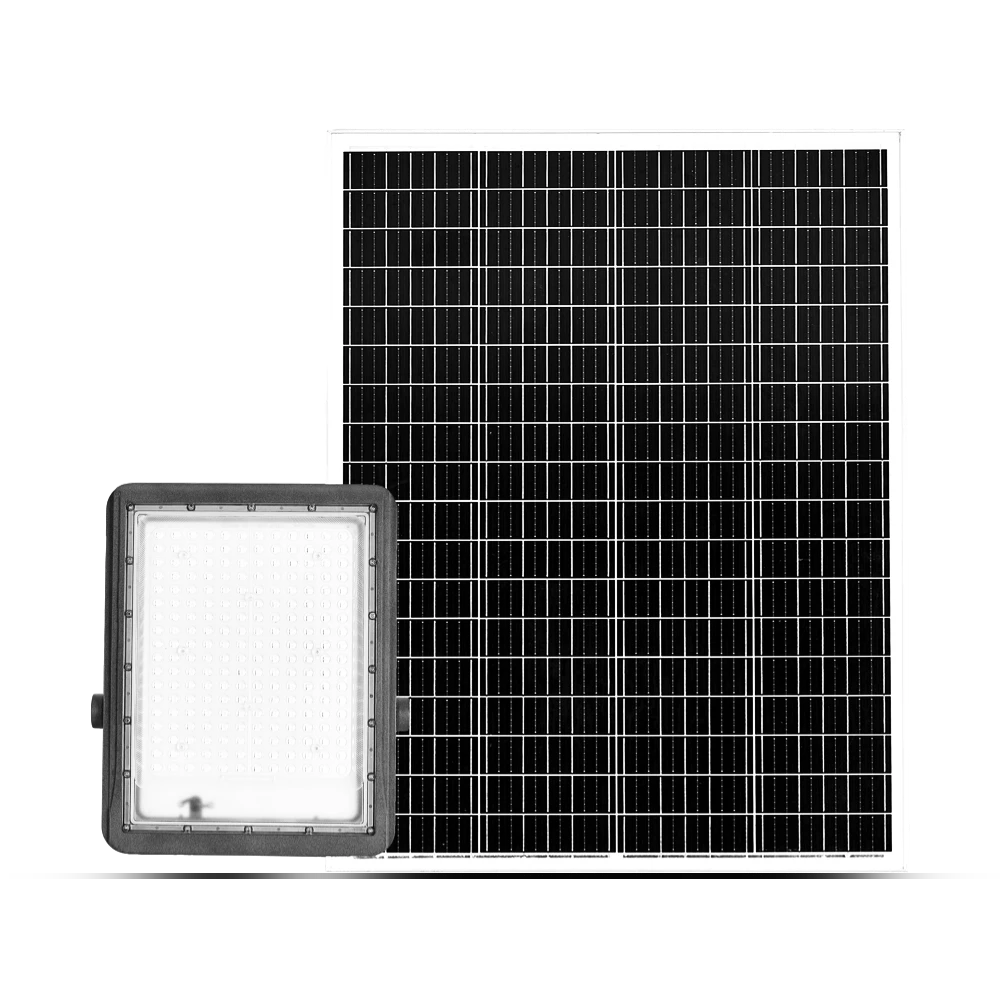
Queneng's Luxian Reliable Solar Street Light offers energy-saving LED lighting for outdoor use. This durable, solar-powered street light provides reliable illumination, reducing energy costs and environmental impact. A perfect solution for sustainable outdoor lighting.
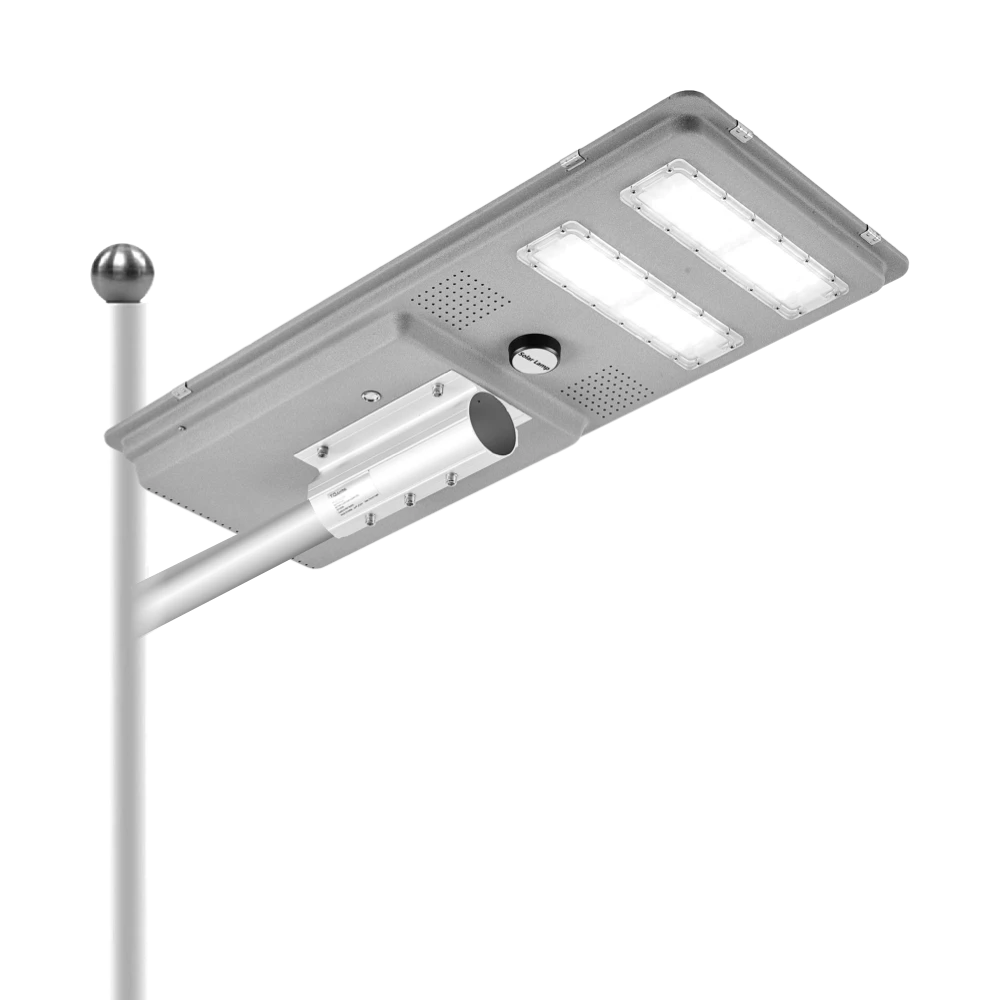
Queneng’s Solar Street Lights are designed to provide reliable, energy-efficient lighting for streets, parks, and other outdoor spaces.
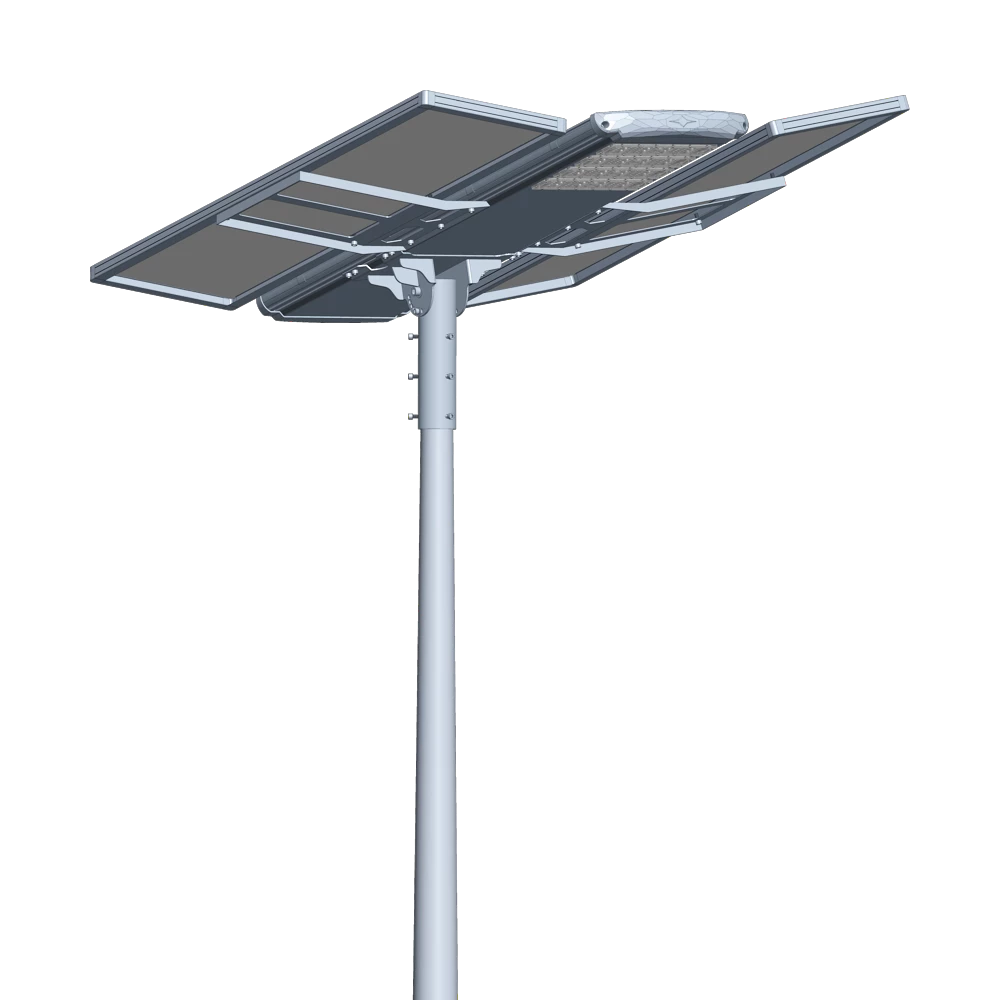
Introducing the Luqing Solar Street Light by Queneng, Efficient LED lighting powered by solar energy is perfect for illuminating outdoor areas. Harness the power of solar energy for sustainable, reliable street lighting. Ideal for eco-friendly, cost-effective outdoor illumination solutions.
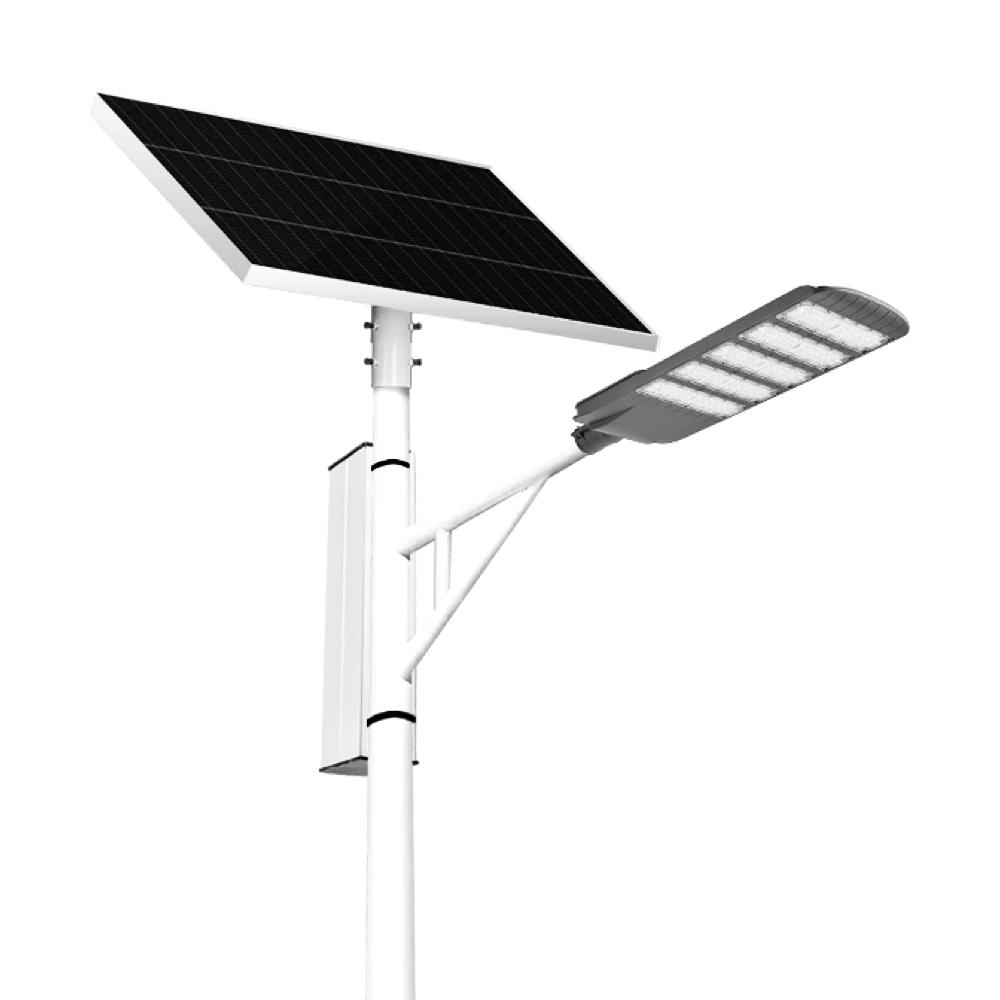
The Solar Streetlights of Luhao for Municipalities are designed to deliver reliable, energy-efficient, and cost-effective public lighting solutions. Equipped with advanced LED technology, durable lithium batteries, and high-efficiency solar panels, these streetlights provide consistent illumination for roads, parks, residential areas, and government projects.
Our professional team is ready to answer any questions and provide personalized support for your project.
You can reach us via phone or email to learn more about Queneng’s solar lighting solutions. We look forward to working with you to promote clean energy solutions!
Rest assured that your privacy is important to us, and all information provided will be handled with the utmost confidentiality.
By clicking 'Send Inquiry Now' I agree to Queneng processing my personal data.
To see how to withdraw your consent, how to control your personal data and how we process it, please see our Privacy Policy and Terms of use.
Schedule a Meeting
Book a date and time that is convenient for you and conduct the session in advance.
Have more questions about our products or services?
The messenger of light & power conversion
Environmental protection and intelligent manufacturing are our brand philosophy, and quality assurance and the best user experience are our eternal promises to users.
CONTACT
No.9F, Building F, Cao San Xin Tian Hong Logistics Park, Guzhen Town, Zhongshan City, Guangdong Province, China.
or write [email protected]
WhatsApp: +86 136 2270 1011


