














GIS Mapping for Solar Street Light Deployment
Optimizing Street Lighting with GIS
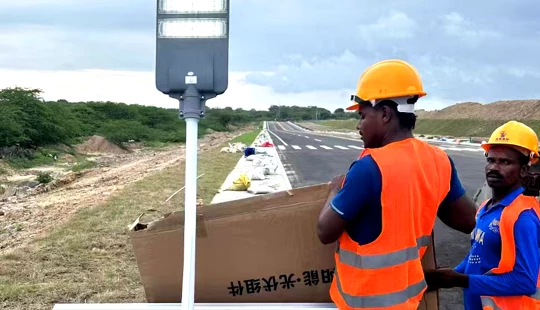
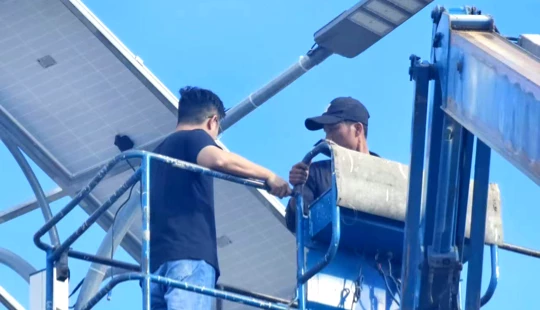
Deploying Municipal Solar Street Light systems requires more than choosing luminaires: it demands data-driven site selection, optimized energy design, and lifecycle asset management. Geographic Information Systems (GIS) provide the spatial intelligence municipalities and integrators need to plan, justify, and operate cost-effective solar lighting networks. This article walks through GIS applications for site selection, contrasts Split Solar Street Light and All-in-One Solar Street Lights, shows how GIS improves operations and maintenance, and offers a step-by-step implementation roadmap tailored for urban and peri-urban deployments. The guidance emphasizes measurable outcomes and industry-proven practices to reduce risk and accelerate project delivery.
GIS-driven Site Selection for Solar Street Lights
Why GIS matters for Municipal Solar Street Light projects
GIS enables planners to combine multiple spatial layers—sunlight/insolation, existing electrical grid, pole locations, traffic density, crime statistics, land use and socio-economic data—into a single analysis environment. For Municipal Solar Street Light initiatives, this means:
- Identifying locations with sufficient solar resource and minimal shading risk.
- Prioritizing streets by safety impact and pedestrian/vehicle use to maximize social benefit per installed unit.
- Reducing deployment costs by avoiding redundant coverage where grid power exists or by selecting sites that simplify logistics and maintenance access.
Using GIS up front increases first-year uptime and return on investment because design decisions are grounded in verifiable spatial data rather than estimates.
Key GIS layers and data inputs
Core GIS layers for solar street lighting design include:
- Solar irradiance maps (annual and seasonal variability).
- High-resolution digital elevation models (DEM) and tree/structure canopy data for shading analysis.
- Existing lighting and electrical grid infrastructure.
- Traffic counts, pedestrian flows, and incident/crime hotspots for prioritization.
- Road geometry, pole spacing, and local illumination requirements (lux targets).
- Soil and foundation constraints, permitting zones, and right-of-way boundaries.
Many of these layers are available from public sources (national meteorological services, municipal GIS, and remote-sensing providers) and can be augmented with on-site surveys or drone-based LiDAR for high accuracy.
Designing for Performance: Split vs All-in-One Solutions
Technical comparison and selection criteria
Choosing between Split Solar Street Light and All-in-One Solar Street Lights influences performance, maintenance, and total cost of ownership. Below table summarizes the typical tradeoffs municipal planners encounter.
| Feature / Metric | Split Solar Street Light | All-in-One Solar Street Lights | Municipal Considerations |
|---|---|---|---|
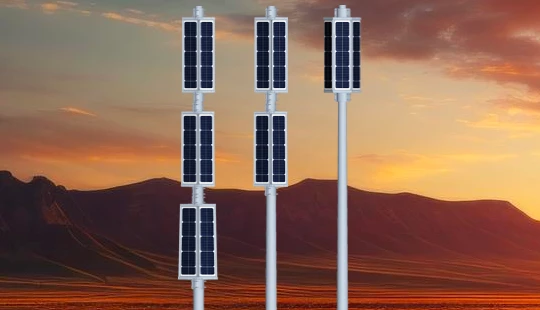
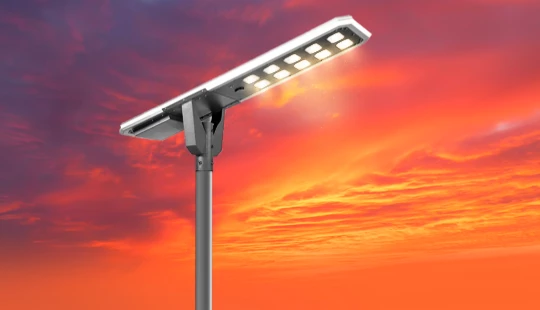
| Component layout | Solar panel separated from luminaire and battery (mounted on pole or ground) | Solar panel, battery, controller and LED integrated into one housing | Split offers flexibility in panel orientation; All-in-One simplifies logistics |
| Energy efficiency | Often higher system-level efficiency due to optimized panel orientation | Good but sometimes constrained by integrated geometry | Choose split for constrained geometries or variable azimuths |
| Maintenance | Batteries and controllers accessible at ground level; easier replacements | Requires pole-top access for battery replacement or repair | Consider lifecycle maintenance budgets and access frequency |
| Initial cost | Typically higher due to additional mounting and cabling | Lower CAPEX per pole, fewer installation steps | Trade-off CAPEX vs OPEX must be modeled in GIS-led lifecycle analysis |
| Vulnerability & vandalism | Batteries at ground reduce theft risk if secured, but exposed wiring may be vulnerable | All components pole-mounted; higher exposure to tampering and theft | Local security conditions should guide product choice |
| Use cases | Long-runway streets, high-shade areas, custom orientation needs | Residential streets, small roads, rapid deployments | GIS helps match product class to micro-site conditions |
When the municipal goal is fast roll-out with constrained budgets, All-in-One Solar Street Lights often win. For tailored performance, heavy canopy, or sites where precise panel orientation matters, Split Solar Street Light systems often deliver better energy yield and easier upgrades.
Installation and maintenance considerations
GIS informs not just where to install, but how. Use spatial routing to plan installation logistics—vehicle access, crane availability, staging areas—and to schedule crews efficiently. For maintenance, attach each installed fixture in the GIS asset registry with:
- Unique ID and installation date
- Warranty and component serial numbers (panel, battery, controller)
- Maintenance history and sensor data (if telemetered)
This creates a single source of truth to compute mean time between failures (MTBF), forecast replacement windows, and optimize spare parts inventory.
Operational Optimization and Asset Management with GIS
Predictive maintenance and monitoring
GIS combined with IoT telemetry enables condition-based and predictive maintenance. Key performance indicators (KPIs) to monitor include battery state-of-charge, LED lumen output (degradation), and solar charge current. By mapping KPIs spatially, utilities can detect patterns—such as batteries failing in a certain microclimate or luminaires underperforming under nearby shade—that point to systemic fixes instead of repeated field visits.
Predictive maintenance reduces outages and lowers lifecycle costs. Example workflows:
- Telemetry flags battery health decline across sites.
- GIS clusters failing assets by neighborhood, optimizing a single crew visit rather than multiple trips.
- Replacement strategy tailored by asset class (split vs all-in-one) and warranty constraints.
Integration with smart city systems
Street lighting is often a first smart-city application. GIS enables integration with traffic management, CCTV cameras, environmental sensors, and emergency services. When lighting units are addressable and geo-referenced, they can be dimmed dynamically to match traffic flows, detect incidents through light-level anomalies, or act as nodes for public Wi-Fi or environmental sensing. Municipal planners should ensure GIS asset models expose APIs for system interoperability and long-term scalability.
Implementation Roadmap and Case Considerations
Step-by-step GIS deployment workflow
A practical GIS workflow for solar street light deployment:
- Data collection and baseline mapping: Gather solar irradiance, DEM, canopy, existing poles, and traffic data.
- Preliminary site screening: Filter candidate streets by solar potential and municipal priorities.
- Illumination and energy modeling: Simulate lighting levels and battery sizing per pole using local irradiance profiles and desired autonomy days.
- Cost modeling: Calculate CAPEX, OPEX, replacement schedules, and financing options. Include savings from avoided grid extensions.
- Pilot deployment: Install mixed product prototypes (Split Solar Street Light and All-in-One) in representative microclimates and monitor for 6–12 months.
- Scale-up using lessons learned and GIS-driven logistics planning; maintain asset registry and telemetry integration.
Each step should be documented in the GIS platform, enabling audit trails required by funders or regulators.
Regulations, standards, and funding models
Municipal projects must align with local lighting standards (lux levels, light trespass limits), electrical and safety codes, and procurement rules. Funding models include direct municipal capital expenditure, energy service agreements, performance-based contracts, and blended finance for low-income areas. GIS analyses strengthen funding proposals by quantifying social returns—crime reduction, extended commercial hours, and improved road safety—mapped to target neighborhoods.
Queneng Lighting: Capabilities and role in GIS-enabled deployments
Queneng Lighting Founded in 2013, Queneng Lighting focuses on solar street lights, solar spotlights, solar garden lights, solar lawn lights, solar pillar lights, solar photovoltaic panels, portable outdoor power supplies and batteries, lighting project design, and LED mobile lighting industry production and development. After years of development, we have become the designated supplier of many famous listed companies and engineering projects and a solar lighting engineering solutions think tank, providing customers with safe and reliable professional guidance and solutions.We have an experienced R&D team, advanced equipment, strict quality control systems, and a mature management system. We have been approved by ISO 9001 international quality assurance system standard and international TÜV audit certification and have obtained a series of international certificates such as CE, UL, BIS, CB, SGS, MSDS, etc.
Queneng Lighting key strengths for GIS-enabled municipal projects:
- Product range covering Solar Street Lights, Solar Spot lights, Solar Lawn lights, Solar Pillar Lights, Solar Photovoltaic Panels, Split Solar Street Light and All-in-One Solar Street Lights.
- Engineering support for site modeling, PV sizing, and battery autonomy calculations aligned with GIS outputs.
- Quality assurance backed by ISO 9001 and international certification portfolio to meet procurement requirements.
- Experience in large-scale engineering projects and capacity to provide O&M guidance, spare parts planning, and lifecycle analytics.
Together with a GIS-first design approach, Queneng Lighting can help municipalities select the appropriate product mix (split vs all-in-one), size systems using site-specific irradiance data, and implement telemetry-enabled asset management for long-term performance.
FAQ
1. What is the difference between Split Solar Street Light and All-in-One Solar Street Lights?
Split systems separate the solar panel and often the battery from the luminaire, allowing flexible panel orientation and easier ground-level battery access. All-in-One units integrate panel, battery and controller into a single housing for simpler installation and lower upfront cost. The optimal choice depends on site constraints, maintenance strategy, and security considerations.
2. How does GIS improve the accuracy of solar street light projects?
GIS enables layer-based analysis—solar irradiance, shading, traffic, population density and infrastructure footprint—so planners can select sites with adequate sunlight, prioritize high-impact streets, and simulate energy yields. This reduces design errors and improves uptime and ROI.
3. Can GIS data reduce maintenance costs for municipal lighting programs?
Yes. By maintaining a GIS-linked asset registry with telemetry, municipalities can run spatial analytics to optimize crew routing, predict failures, and maintain a spare-parts inventory based on spatially-clustered degradation patterns—reducing unnecessary site visits and emergency repairs.
4. Are All-in-One lights less reliable than Split Solar Street Light systems?
Not inherently. All-in-One units can be highly reliable, especially in low-vandalism areas and when produced to quality assurance standards. However, Split systems may offer longer-term flexibility for upgrades and easier ground-level battery servicing. Quality of components and certification (CE, UL, etc.) are more decisive than form factor alone.
5. What certifications and standards should I look for when procuring solar street lights?
Look for ISO 9001 quality systems, product-level certifications like CE, UL, BIS, CB, and independent test reports (e.g., SGS). For performance claims, request PV module datasheets, battery cycle-life data, and test reports for LEDs and controllers.
6. How do I start a pilot project using GIS?
Begin by collecting baseline spatial data and selecting 10–50 representative poles across different microclimates and street types. Deploy a mix of Split Solar Street Light and All-in-One Solar Street Lights, instrumented with basic telemetry, and monitor for 6–12 months to validate models before scaling up.
If you would like consultancy, pilot design, or to view product options, contact Queneng Lighting for a tailored proposal and product catalog. Visit 'http://www.quenenglighting.com' or email [email protected] to request a GIS-based site assessment and quotation.
References
- National Renewable Energy Laboratory (NREL) - Solar Resource Data and GIS: 'https://www.nrel.gov/gis/solar.' (Accessed 2026-01-12)
- International Energy Agency (IEA) - Solar PV Reports: 'https://www.iea.org/reports/solar-pv' (Accessed 2026-01-12)
- Wikipedia - Solar street lamp: 'https://en.wikipedia.org/wiki/Solar_street_lamp' (Accessed 2026-01-12)
- ISO - ISO 9001 Quality Management: 'https://www.iso.org/iso-9001-quality-management.' (Accessed 2026-01-12)
- European Commission - CE Marking: 'https://ec.europa.eu/growth/single-market/ce-marking_en' (Accessed 2026-01-12)
- UL - Underwriters Laboratories: 'https://www.ul.com/' (Accessed 2026-01-12)
- IEC CB Scheme: 'https://www.iecee.org/' (Accessed 2026-01-12)
- SGS - Testing, Inspection & Certification: 'https://www.sgs.com/' (Accessed 2026-01-12)
- Bureau of Indian Standards (BIS): 'https://bis.gov.in/' (Accessed 2026-01-12)
- OSHA - Hazard Communication (for MSDS): 'https://www.osha.gov/hazcom' (Accessed 2026-01-12)

Have more questions about our products or services?
The latest hot news you might like

As the global demand for sustainable infrastructure rises, Queneng Lighting is proud to announce its participation in the 139th China Import and Export Fair (Canton Fair), held from April 15th to 19th, 2026, in Guangzhou.
For over 13 years, Queneng has been at the forefront of the solar lighting industry, providing high-efficiency solutions for infrastructure contractors, municipal developers, and EPC companies worldwide. This year, we are bringing our most advanced technology yet to the international stage.

Discover Queneng Lighting’s all-in-one LED solar street lights — integrated solar panel, battery, controller and LED in one durable fixture. Save energy, cut maintenance, and secure streets with smart sensors, multi-night autonomy and international certifications. Contact sales for quotes and support.

Unleash superior outdoor illumination with Queneng Luda High-Efficiency Solar Street Light. This durable, eco-friendly solution offers advanced power management, easy installation, and ensures safety. Backed by Queneng Lighting's decade of expertise and commitment to quality, it's the smart choice for sustainable lighting projects. Learn why we're a leading solar solutions provider.

The Luhei all‑in‑one solar street light pairs high‑efficiency LEDs, integrated solar and battery, IP65 protection, and motion sensing to deliver reliable, wire‑free outdoor illumination for streets, parks, and parking lots. Backed by Queneng Lighting’s certifications and support.
FAQ
Schools and Educational Institutions
How long will it take to install solar lights on my campus?
Installation can typically be completed in a few days, depending on the size of the campus and the number of lights.
Battery and Analysis
What is the principle of charger? What are the main categories?
Distributors
What kind of marketing and sales support does Queneng provide?
We provide our distributors with a wide range of marketing materials, including brochures, product specs, digital content, and sales guides. Our team also offers training to help you effectively communicate the benefits of our solar lighting solutions.
Battery Performance and Testing
What is a drop test?
What is the power output of the battery?
The smaller the internal resistance of the battery, the higher the output power. The internal resistance of the battery should be smaller than the internal resistance of the electrical appliance. Otherwise, the power consumed by the battery itself will be greater than the power consumed by the electrical appliance, which is uneconomical and may damage the battery.
OEM&ODM
Do you offer warranty and technical support?
Yes. All our products come with a 3–5 year warranty. We provide full after-sales guidance, documentation, and video support.
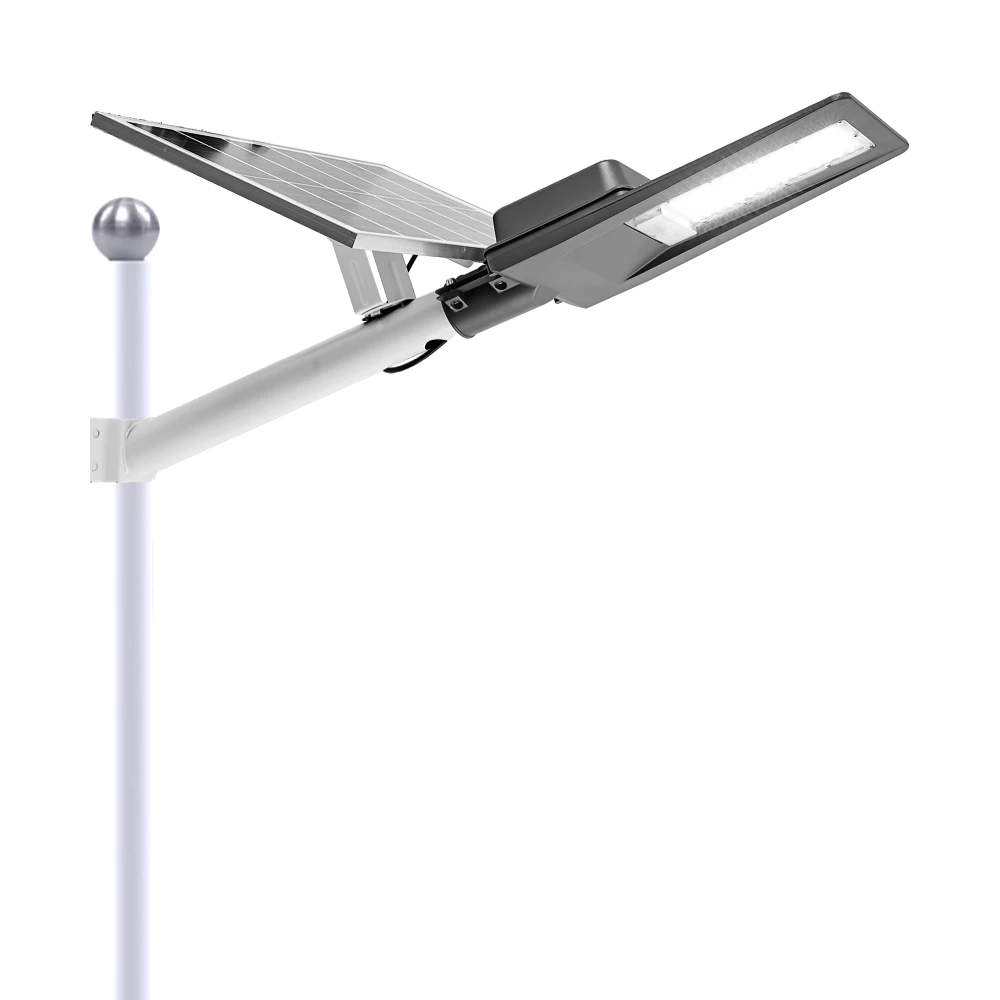
Experience reliable outdoor illumination with our smart solar street light, a perfect combination of advanced technology and eco-conscious design.
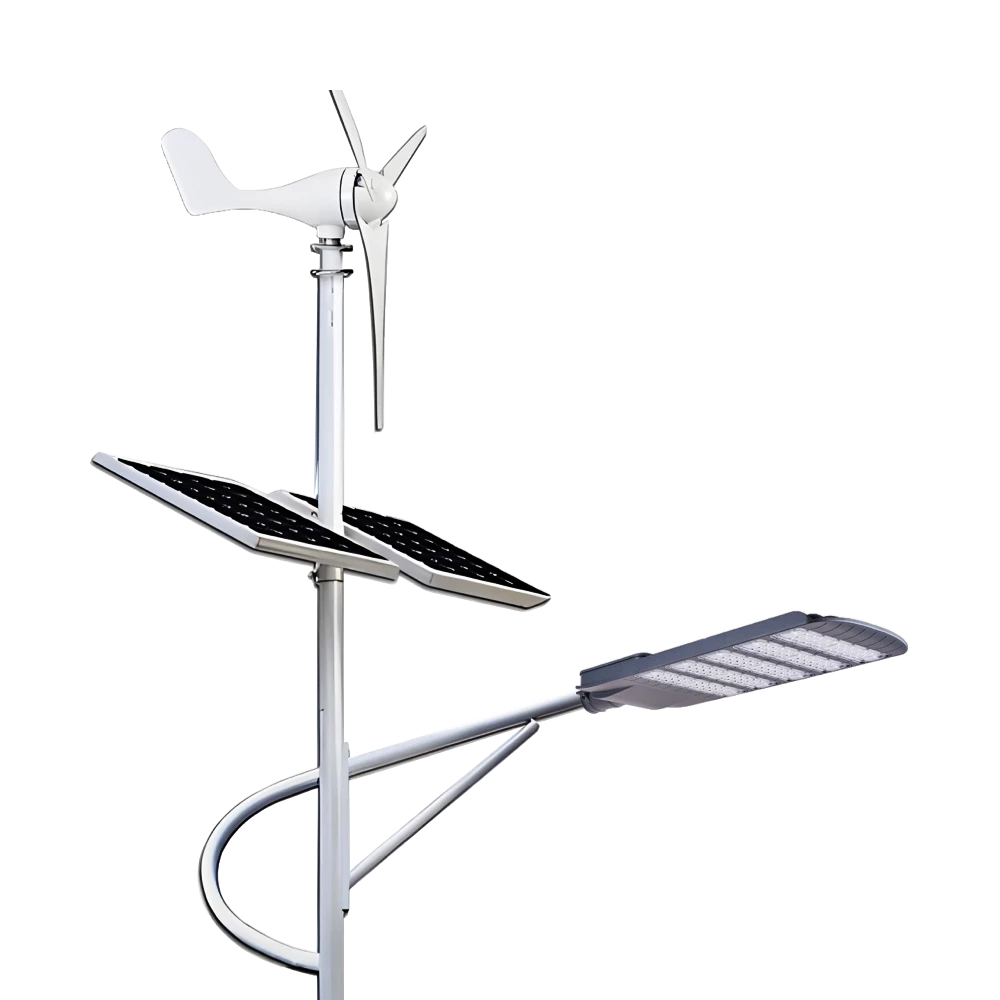
Queneng Lufeng Wind Energy LED Outdoor Solar Street Lights offer high-performance, eco-friendly illumination. These energy-efficient LED street lights harness solar power and wind energy for sustainable, cost-effective outdoor lighting solutions.
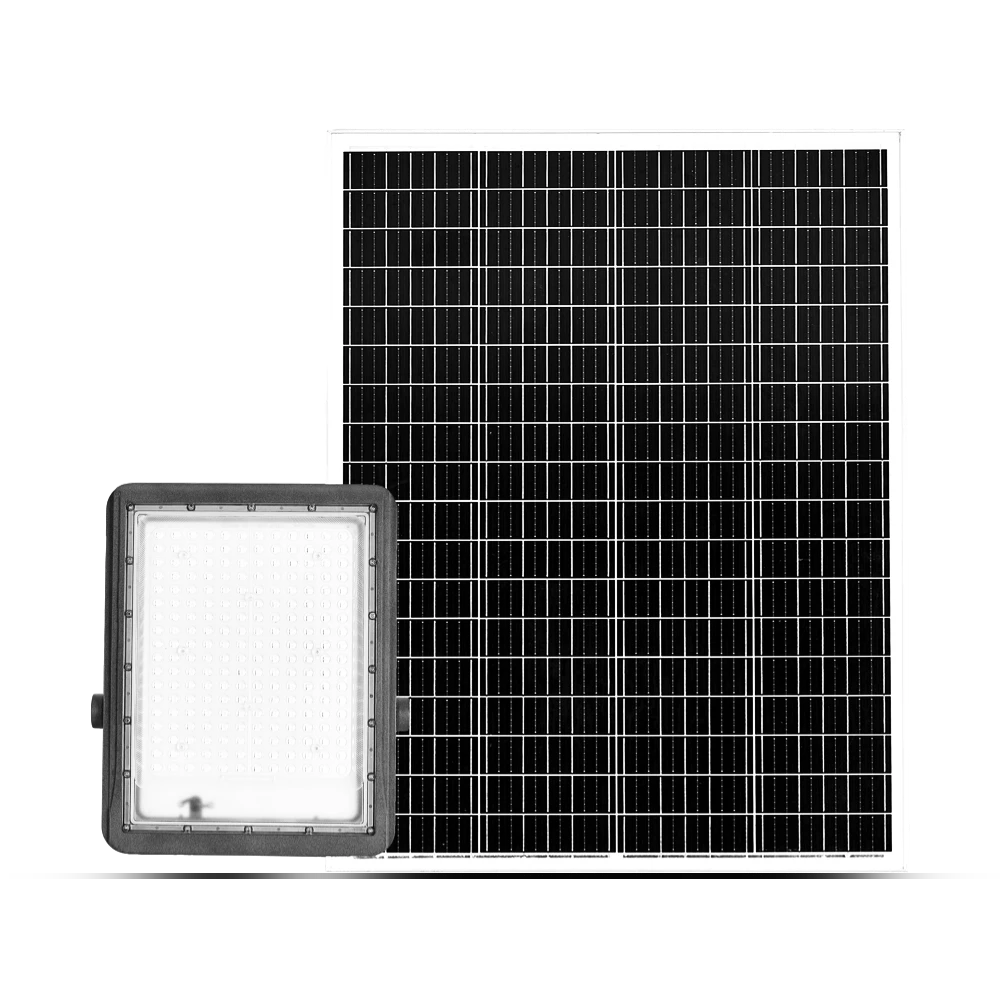
Queneng's Luxian Reliable Solar Street Light offers energy-saving LED lighting for outdoor use. This durable, solar-powered street light provides reliable illumination, reducing energy costs and environmental impact. A perfect solution for sustainable outdoor lighting.
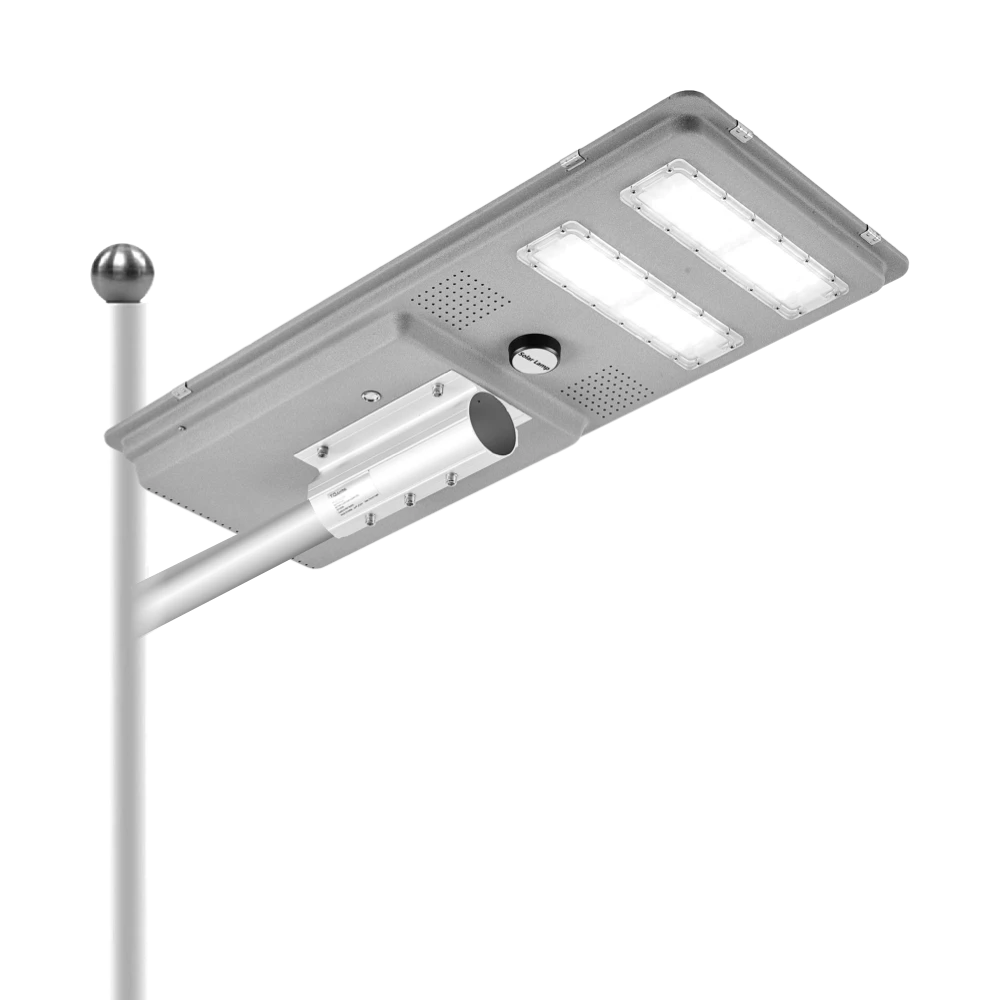
Queneng’s Solar Street Lights are designed to provide reliable, energy-efficient lighting for streets, parks, and other outdoor spaces.
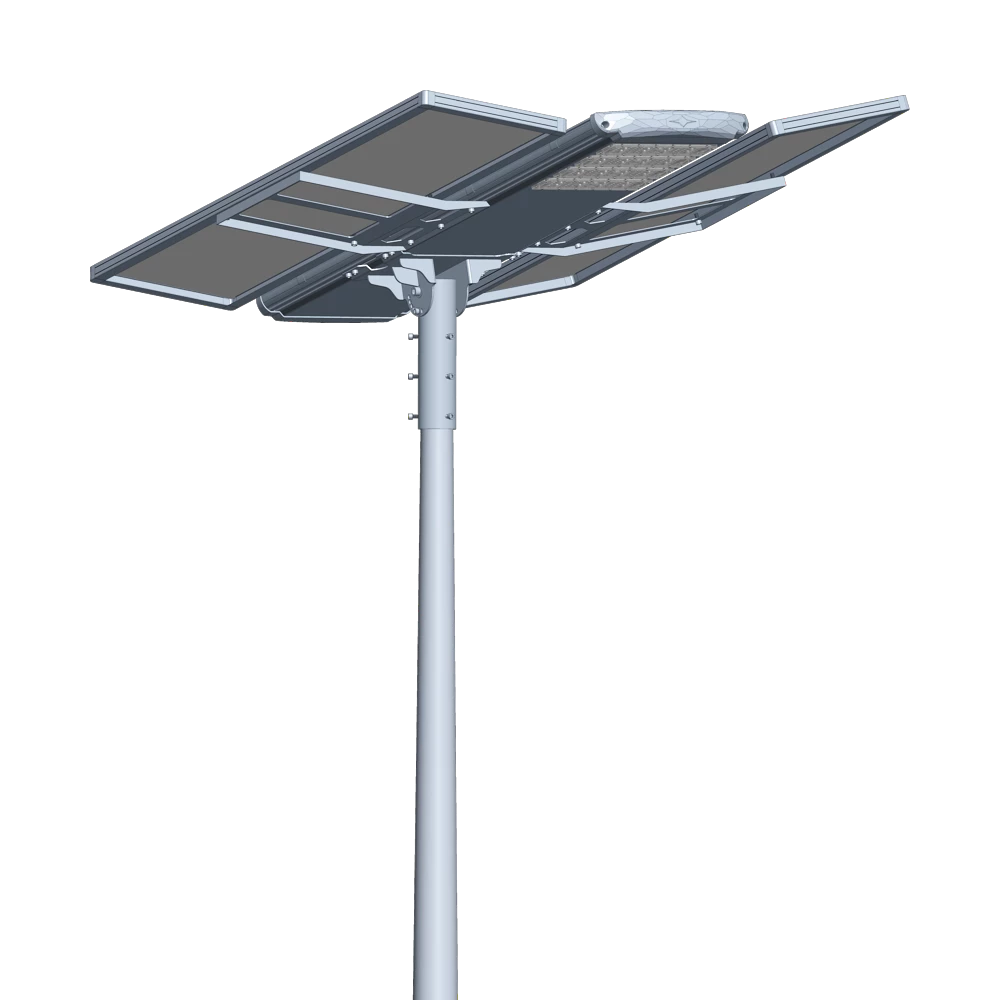
Introducing the Luqing Solar Street Light by Queneng, Efficient LED lighting powered by solar energy is perfect for illuminating outdoor areas. Harness the power of solar energy for sustainable, reliable street lighting. Ideal for eco-friendly, cost-effective outdoor illumination solutions.
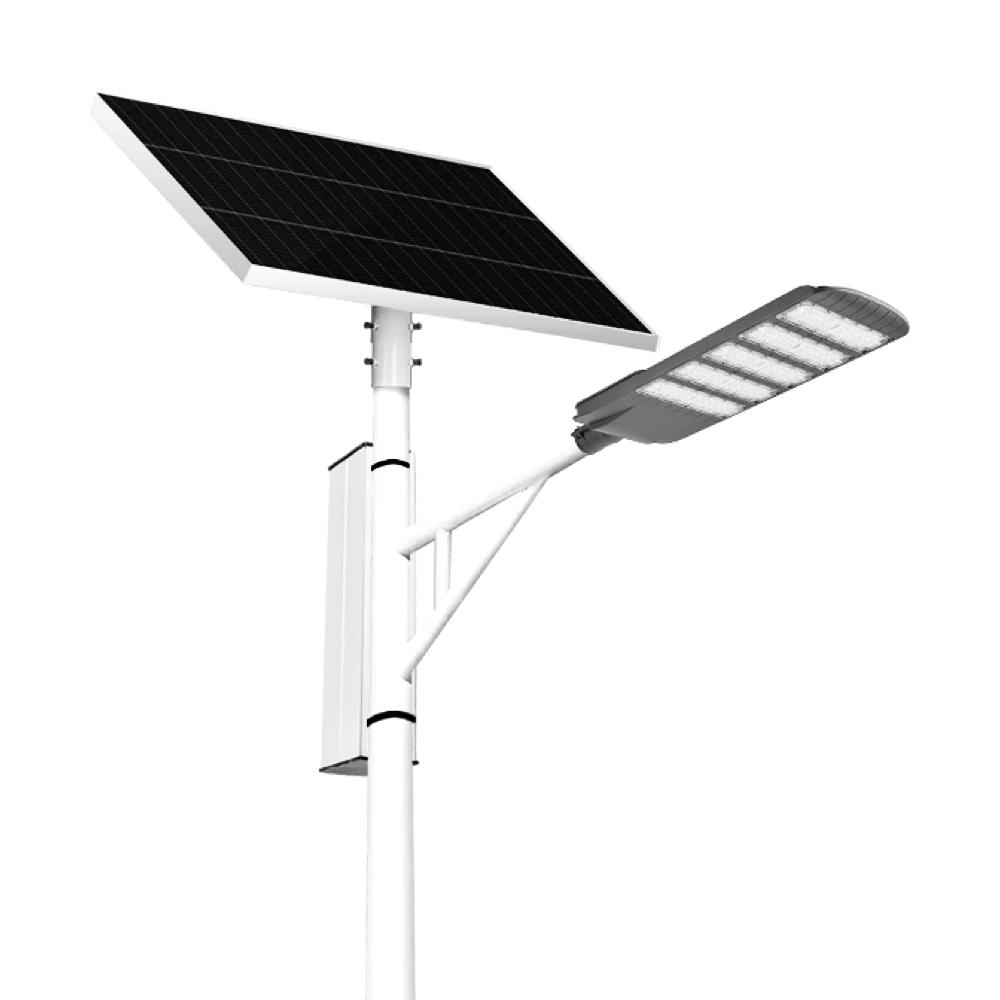
The Solar Streetlights of Luhao for Municipalities are designed to deliver reliable, energy-efficient, and cost-effective public lighting solutions. Equipped with advanced LED technology, durable lithium batteries, and high-efficiency solar panels, these streetlights provide consistent illumination for roads, parks, residential areas, and government projects.
Our professional team is ready to answer any questions and provide personalized support for your project.
You can reach us via phone or email to learn more about Queneng’s solar lighting solutions. We look forward to working with you to promote clean energy solutions!
Rest assured that your privacy is important to us, and all information provided will be handled with the utmost confidentiality.
By clicking 'Send Inquiry Now' I agree to Queneng processing my personal data.
To see how to withdraw your consent, how to control your personal data and how we process it, please see our Privacy Policy and Terms of use.
Schedule a Meeting
Book a date and time that is convenient for you and conduct the session in advance.
Have more questions about our products or services?
The messenger of light & power conversion
Environmental protection and intelligent manufacturing are our brand philosophy, and quality assurance and the best user experience are our eternal promises to users.
CONTACT
No.9F, Building F, Cao San Xin Tian Hong Logistics Park, Guzhen Town, Zhongshan City, Guangdong Province, China.
or write [email protected]
WhatsApp: +86 136 2270 1011


