














Hidden ROI Benefits of Smart Monitoring in Solar Street Lights
Rethinking Urban Lighting Investments
Why municipal decision-makers should care about Municipal Solar Street Light monitoring
Municipal Solar Street Light programs are more than a hardware purchase: they are ongoing service, safety, and urban-management investments. When cities adopt smart monitoring systems—telemetry and software that provide real-time status, fault alerts, and performance analytics—the direct and indirect financial returns can exceed initial expectations. This article details the hidden ROI drivers behind smart monitoring and explains how municipalities can capture measurable value beyond simple energy savings.
Energy Performance Optimization: the first visible ROI of Municipal Solar Street Light systems
How monitoring improves actual delivered lighting and reduces waste
Solar street lights paired with LEDs already reduce energy use compared with legacy HID fixtures. Smart monitoring adds an extra layer of savings by ensuring systems operate at design parameters. Typical monitoring functions include battery state-of-charge (SoC) tracking, photovoltaic (PV) input measurement, schedule optimization, and adaptive dimming based on ambient conditions or calendar events.
Key measurable benefits:
- Reduced energy loss from malfunctioning controllers or wiring faults (identifies underperforming lamps promptly).
- Dynamic dimming that matches traffic patterns and ambient light to reduce unnecessary output.
- Improved charge-discharge efficiency by avoiding deep discharges or overcharging, which preserves usable energy.
Conservative industry case studies show smart control and monitoring can reduce a system’s operational energy use by an additional 5–20% on top of LED/PV gains, depending on seasonality and local factors (see References).
Maintenance Cost Reduction for Municipal Solar Street Light fleets
From reactive to proactive: quantifying maintenance ROI
Maintenance is one of the largest lifecycle costs for public lighting. Traditional reactive maintenance (waiting for a complaint or visible outage) leads to high labor dispatch rates, unnecessary inspections, and prolonged outages. Smart monitoring transforms maintenance into condition-based maintenance (CBM), which reduces truck rolls, shortens repair time, and optimizes spare-part inventories.
Typical measurable outcomes:
- Reduction in emergency maintenance calls and associated mobilization costs (often 30–60% reduced dispatches reported in smart-lighting case studies).
- Lower replacement frequency for batteries and LEDs due to controlled charge patterns and early fault detection.
- Lower administrative and inspection costs by replacing manual patrols with remote diagnostics.
Asset Life Extension and Replacement Deferral
How monitoring extends the useful life of Municipal Solar Street Light components
Smart monitoring enables better battery management and thermal control and detects small faults before they propagate. Batteries are typically the most critical and expensive replaceable component in a solar street light. By maintaining optimal charge cycles and detecting abnormal behavior (e.g., elevated internal resistance), monitoring can defer battery replacement and extend LED driver life.
Illustrative impacts:
- Battery life extension: 10–30% in many deployments when SoC and charging are optimized.
- Fewer premature driver or controller failures due to voltage anomalies being addressed remotely.
Data-Driven Planning and Network Optimization
Using operational data to reduce capex and right-size future procurement of Municipal Solar Street Light projects
Operational telemetry creates a dataset municipalities can use to forecast needs more accurately. Historical performance data can inform decisions such as solar module sizing, battery capacity, and mounting placement. Instead of conservatively over-sizing new systems (which increases capex), planners can leverage real-world performance metrics to right-size equipment.
Benefits include:
- Lower future capital expenditures via evidence-based specification tuning.
- Ability to pilot and scale with confidence—proof of performance supports municipal council approvals and potential private finance.
Non-Energy Benefits: Public Safety, Theft Reduction, and Reputation
How smart monitoring indirectly protects municipal revenue and community value
Non-energy benefits matter for a municipal ROI calculation. Faster fault detection improves public safety (reduced dark spots), and monitoring can detect physical tampering or theft events via sudden power-loss patterns or device GPS anomalies. Reduced crime and improved perception of public infrastructure quality indirectly translate into economic value for the city.
Financing, Procurement, and Contracting Advantages for Municipal Solar Street Light Projects
How monitored systems make projects bankable and reduce procurement risk
Smart monitoring provides verifiable performance reports that financiers and third-party investors require. Performance data reduces contractual disputes by objectively measuring uptime and energy delivery. This transparency enables service-level agreements (SLAs), performance-based contracts, and public–private partnership (PPP) structures that can shift O&M risk to vendors while protecting municipal budgets.
Illustrative ROI Comparison: Unmonitored vs Smart-Monitored Municipal Solar Street Light (5-year view)
Example assumptions and summary comparison
The table below is an illustrative model based on conservative industry assumptions and public case study ranges. Figures are examples for a fleet of 1,000 solar street lights and are intended to demonstrate relative benefits; municipalities should run local models using site-specific insolation, labor rates, and tariffs.
| Metric | Unmonitored Solar Street Light | Smart-Monitored Solar Street Light | Notes / Sources |
|---|---|---|---|
| Initial CapEx (per 1,000 units) | $2,000,000 | $2,100,000 (+5% monitoring hardware & comms) | Monitoring adds ~5–10% capex (hardware + comms) |
| Annual Energy Cost | $0 (off-grid solar—no grid energy) | $0 (off-grid solar) | Solar eliminates grid electricity costs |
| Annual O&M (labor, inspections) | $150,000 | $75,000 (50% reduction) | Remote diagnostics cut truck rolls; conservative 30–60% range |
| Battery replacements over 5 years | 2,000 batteries (replace 2 per unit) | 1,600 batteries (20% reduction) | Better SoC management extends battery life 10–30% |
| 5-year Total Cost of Ownership (TCO) | $2,800,000 | $2,450,000 | Includes capex, O&M, and battery replacement estimates |
| 5-year Net Savings (Monitored vs Unmonitored) | — | $350,000 (12.5% lower TCO) | Illustrative; local conditions will change results |
Interpretation: Even with moderate monitoring High Qualitys, condition-based maintenance and asset-life extension can reduce total 5-year costs by double-digit percentages. When added benefits such as reduced downtime, improved public safety, and financing advantages are included, the effective ROI is higher.
Implementation Best Practices for Municipal Solar Street Light Monitoring
Steps to maximize the hidden ROI
- Define KPIs up front (uptime, mean time to repair, battery health indices).
- Specify open protocols (LoRaWAN, NB-IoT, MQTT) to avoid vendor lock-in.
- Include firmware-over-the-air (FOTA) and cybersecurity controls in procurement.
- Start with a pilot and define clear data collection windows before scaling.
- Use analytics to feed procurement specifications for next-phase rollouts.
Vendor Profile: GuangDong Queneng Lighting Technology Co., Ltd. and how they fit Municipal Solar Street Light projects
About Queneng and why their capabilities matter for municipalities
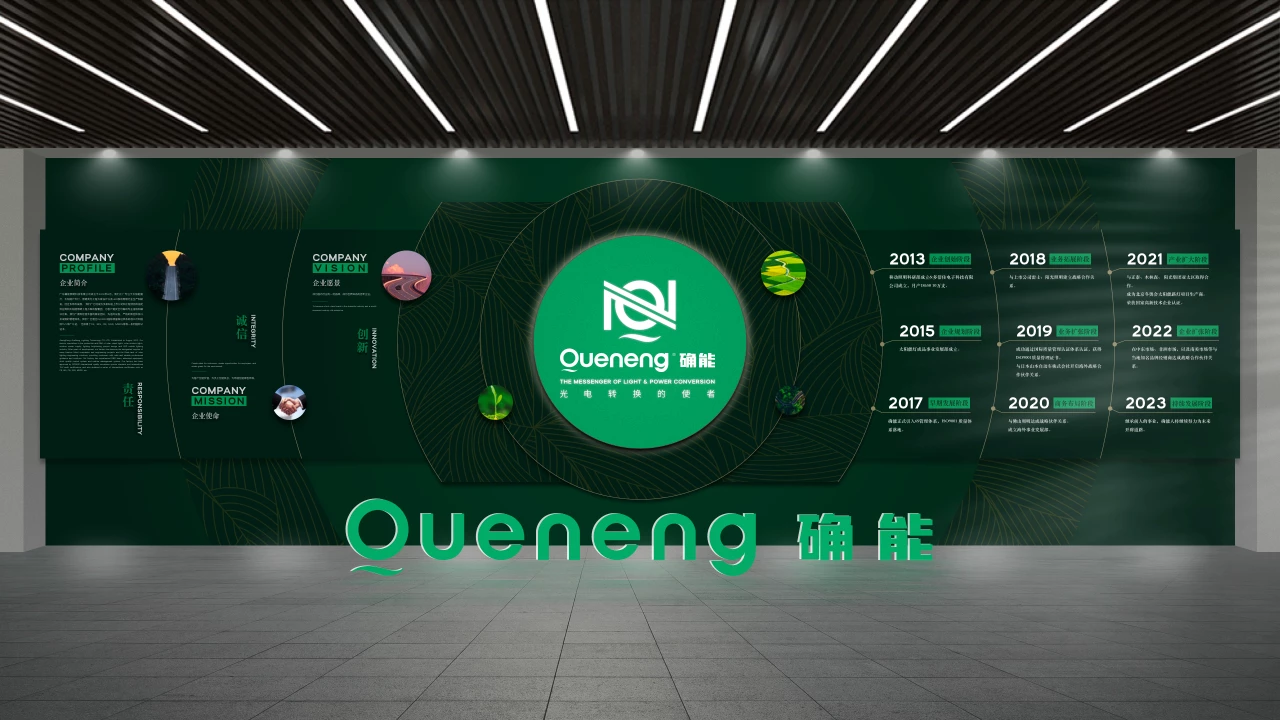
GuangDong Queneng Lighting Technology Co., Ltd. (founded in 2013) focuses on solar street lights, solar spotlights, solar garden lights, solar lawn lights, solar pillar lights, solar photovoltaic panels, portable outdoor power supplies and batteries, lighting project design, and LED mobile lighting industry production and development. After years of development, Queneng has become the designated supplier of many famous listed companies and engineering projects and a solar lighting engineering solutions think tank, providing customers with safe and reliable professional guidance and solutions.
Key strengths that support municipal projects:
- Experienced R&D team and advanced production equipment to design optimized Municipal Solar Street Light systems integrating PV, batteries, intelligent controllers, and telemetry.
- Strict quality control systems and mature management processes, backed by ISO 9001 international quality assurance standard and international TÜV audit certification.
- International certifications including CE, UL, BIS, CB, SGS, and MSDS—facilitating procurement across regions.
- Product portfolio that directly matches municipal use cases: Solar Street Lights, Solar Spot lights, Solar Lawn lights, Solar Pillar Lights, Solar Photovoltaic Panels, and Solar Garden Lights.
Queneng positions itself as a partner for municipalities that want system-level reliability and documented performance. Their combined product, testing, and certifications make them a candidate for projects requiring rigorous vendor due diligence and long-term SLAs.
How Queneng’s product suite addresses the hidden ROI areas
Specific ways supplier capabilities translate to municipal value
- Integrated smart controllers and telematics reduce integration risk and speed deployment—faster time-to-benefit improves IRR.
- In-house PV and battery procurement enables coordinated warranties and performance testing—reducing lifecycle uncertainty.
- Proven export certifications and third-party audits simplify compliance and financing approvals.
Practical Checklist for Municipal Procurement of Smart-Monitored Solar Street Light Systems
What to include in an RFP for measurable ROI
- Specify uptime and mean time to repair SLAs with financial penalties for non-performance.
- Require remote monitoring, data export APIs, and open protocol compatibility.
- Demand third-party test reports for PV performance, battery cycle life, and LED lumen maintenance (L80, L70 metrics).
- Include pilot acceptance criteria and a data-driven decision gate before full-scale rollout.
FAQ
1. What is the typical payback period for adding smart monitoring to Municipal Solar Street Light projects?
Payback periods vary by local labor costs, system scale, and baseline maintenance practices. In many municipal pilots, monitoring incremental cost payback is observed within 2–5 years due to reduced maintenance, fewer battery replacements, and improved uptime. Use local inputs for precise modeling.
2. Does smart monitoring increase the risk of vendor lock-in for Municipal Solar Street Light networks?
Not necessarily. Specify open communication standards (LoRaWAN, NB-IoT, MQTT) and data export APIs in procurement documents to avoid proprietary lock-in. Choose vendors that support industry protocols and provide clear data ownership clauses.
3. How reliable are remote sensors for battery health monitoring in solar street lights?
Modern battery management systems (BMS) and SoC algorithms are reliable when validated by field data. Combining voltage, current, temperature, and impedance measurements increases diagnosis accuracy. Pilot validation is recommended to tune algorithms for local climate.
4. Can smart monitoring help with vandalism or theft prevention for Municipal Solar Street Light assets?
Yes. Monitoring can detect sudden power loss, GPS displacement, or tampering events and trigger alerts. Coupled with alerts, remote diagnostics and quicker field response reduce both the incidence and economic impact of vandalism and theft.
5. Are there cybersecurity concerns for connected Municipal Solar Street Light systems?
Yes. Municipalities should require secure device authentication, encrypted communications (TLS), regular firmware updates (FOTA), and an incident-response plan. Cybersecurity should be included in procurement evaluation criteria.
6. How should municipalities validate vendor performance claims for monitored solar lighting?
Request independent test reports, site acceptance tests, and a pilot phase with clearly defined metrics (uptime, battery health trends, average repair time). Also ask for references with contactable municipal clients.
If you'd like assistance modeling ROI for your jurisdiction or evaluating vendors and product specifications, contact our team to discuss tailored analysis and product demos. To view compatible products and request a quote, please contact GuangDong Queneng Lighting Technology Co., Ltd. or visit their product pages for Solar Street Lights, Solar Spot lights, Solar Lawn lights, Solar Pillar Lights, Solar Photovoltaic Panels, and Solar Garden Lights.
References
- Signify (Philips Lighting) – CityTouch and smart street lighting case studies. https://www.signify.com/global/lighting-connections/citytouch (accessed 2025-11-25)
- U.S. National Renewable Energy Laboratory (NREL) – Solid-State Lighting and controls research. https://www.nrel.gov/transportation/lighting. (accessed 2025-11-25)
- International Energy Agency (IEA) – Efficiency opportunities in lighting and urban energy use. https://www.iea.org/topics/energy-efficiency (accessed 2025-11-25)
- World Bank – Street Lighting and urban infrastructure project guidance. https://www.worldbank.org/en/topic/urbandevelopment (accessed 2025-11-25)
- GuangDong Queneng Lighting Technology Co., Ltd. – Company profile and product information (supplier-provided details summarized in article). Internal/company materials (accessed 2025-11-25)
Data notes: The cost and performance figures in the illustrative table are examples derived from public case studies and typical procurement pricing as of 2024–2025. Municipalities should substitute local cost factors, labor rates, and insolation data when creating formal ROI models.

Have more questions about our products or services?
The latest hot news you might like

Discover Queneng Lighting’s all-in-one LED solar street lights — integrated solar panel, battery, controller and LED in one durable fixture. Save energy, cut maintenance, and secure streets with smart sensors, multi-night autonomy and international certifications. Contact sales for quotes and support.

Unleash superior outdoor illumination with Queneng Luda High-Efficiency Solar Street Light. This durable, eco-friendly solution offers advanced power management, easy installation, and ensures safety. Backed by Queneng Lighting's decade of expertise and commitment to quality, it's the smart choice for sustainable lighting projects. Learn why we're a leading solar solutions provider.

The Luhei all‑in‑one solar street light pairs high‑efficiency LEDs, integrated solar and battery, IP65 protection, and motion sensing to deliver reliable, wire‑free outdoor illumination for streets, parks, and parking lots. Backed by Queneng Lighting’s certifications and support.

FAQ
Industry
Does installing Queneng’s solar street lights require a professional team?
While our systems are designed for easy installation, we recommend having our professional team conduct the installation to ensure optimal operation and correct system setup.
Solar Street Light Luhua
How do Luhua solar street lights work?
Luhua solar street lights use high-efficiency solar panels to capture sunlight during the day and store it in lithium-ion batteries. These batteries then power the LED lights at night. The intelligent control system adjusts the light output based on ambient light conditions and detects motion to maximize energy savings by dimming when no motion is detected and increasing brightness when movement is sensed.
Solar Street Light Luxian
Are Luxian solar street lights suitable for installation in remote locations?
Yes, Luxian solar street lights are ideal for remote or off-grid locations, as they operate entirely on solar power and do not require any connection to the electrical grid. They are perfect for rural roads, pathways, parks, or other outdoor spaces that lack access to traditional power sources.
Solar Street Light Lufeng
Can Lufeng solar street lights operate during the winter?
Yes, Lufeng solar street lights are designed to operate year-round, including during the winter. They are equipped with high-efficiency solar panels that continue to collect solar energy even in cold or overcast conditions. The lights are also built to withstand freezing temperatures and provide reliable illumination in all seasons.
Commercial and Industrial Parks
What is the lifespan of your solar streetlights?
The average lifespan of our solar streetlights is 25 years for the panel and 5–8 years for the battery.
Battery Types and Applications
What are the voltages and usage areas of different types of batteries?
Lithium battery 6V camera, etc.
Lithium manganese button battery 3V pocket calculator, watch, remote control equipment, etc.
Silver oxygen button battery 1.5V watches, small clocks, etc.
Carbon manganese round battery 1.5V portable video equipment, cameras, game consoles, etc.
Carbon manganese button battery 1.5V pocket calculator, electric equipment, etc.
Zinc carbon round battery 1.5V alarm, flash light, toys, etc.
Zinc air button battery 1.4V hearing aids, etc.
MnO2 button battery 1.35V hearing aids, cameras, etc.
Nickel-cadmium battery 1.2V power tools, mobile phones, notebooks, emergency lamps, electric bicycles, etc.
Ni-MH battery 1.2V mobile phones, portable cameras, cordless phones, notebooks, household appliances, etc.
Lithium-ion battery 3.6V mobile phones, notebook computers, etc.
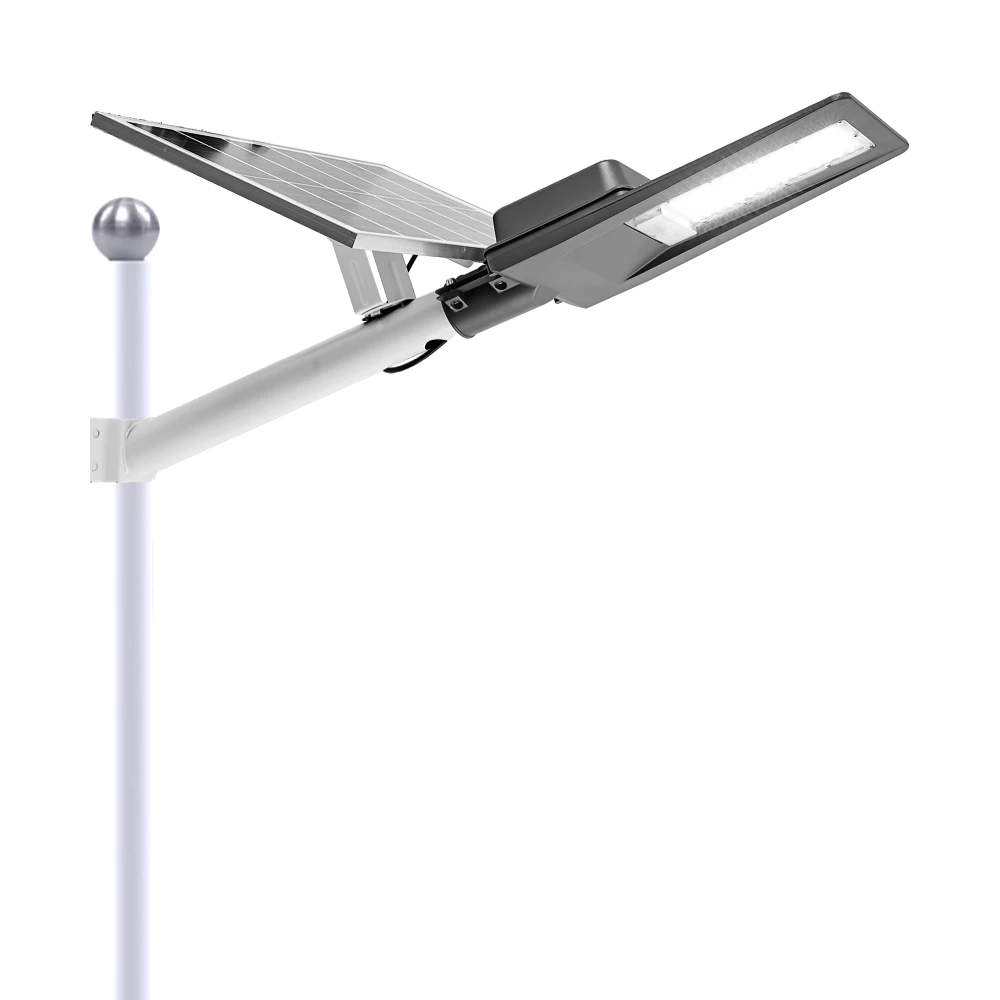
Experience reliable outdoor illumination with our smart solar street light, a perfect combination of advanced technology and eco-conscious design.
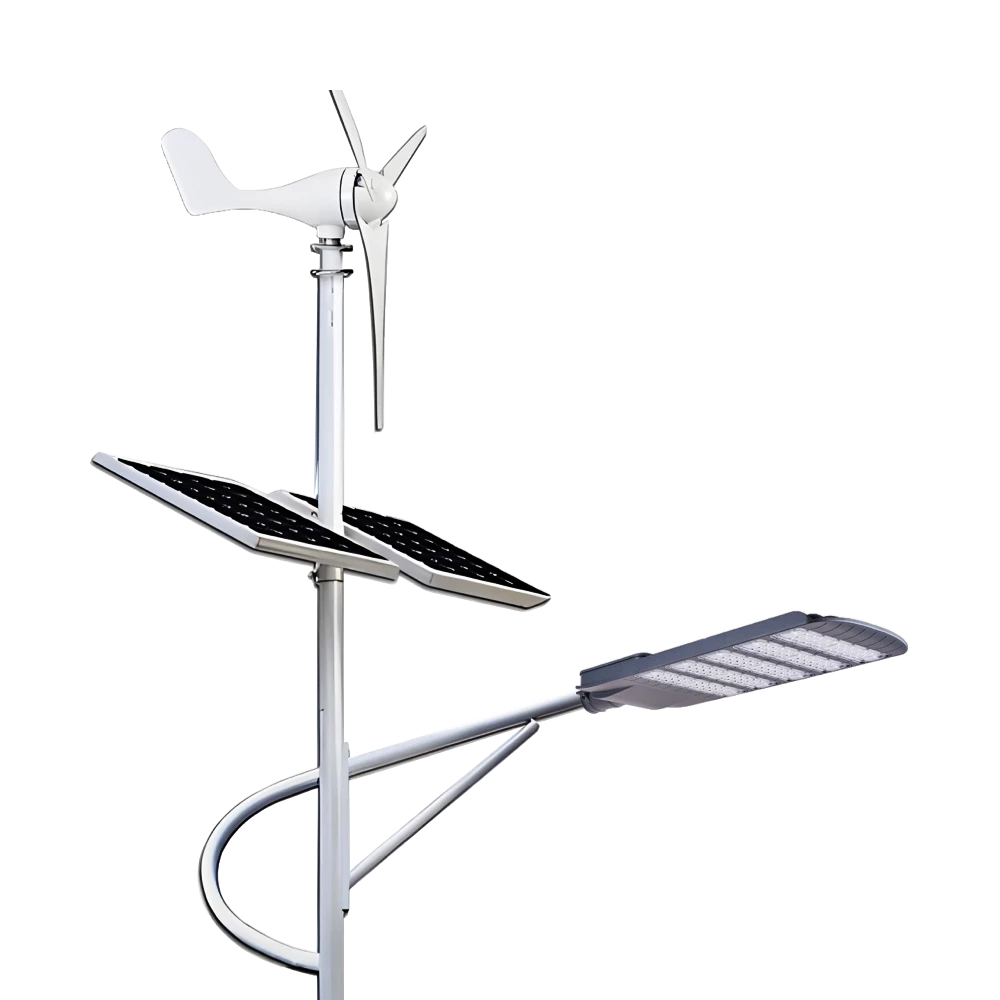
Queneng Lufeng Wind Energy LED Outdoor Solar Street Lights offer high-performance, eco-friendly illumination. These energy-efficient LED street lights harness solar power and wind energy for sustainable, cost-effective outdoor lighting solutions.
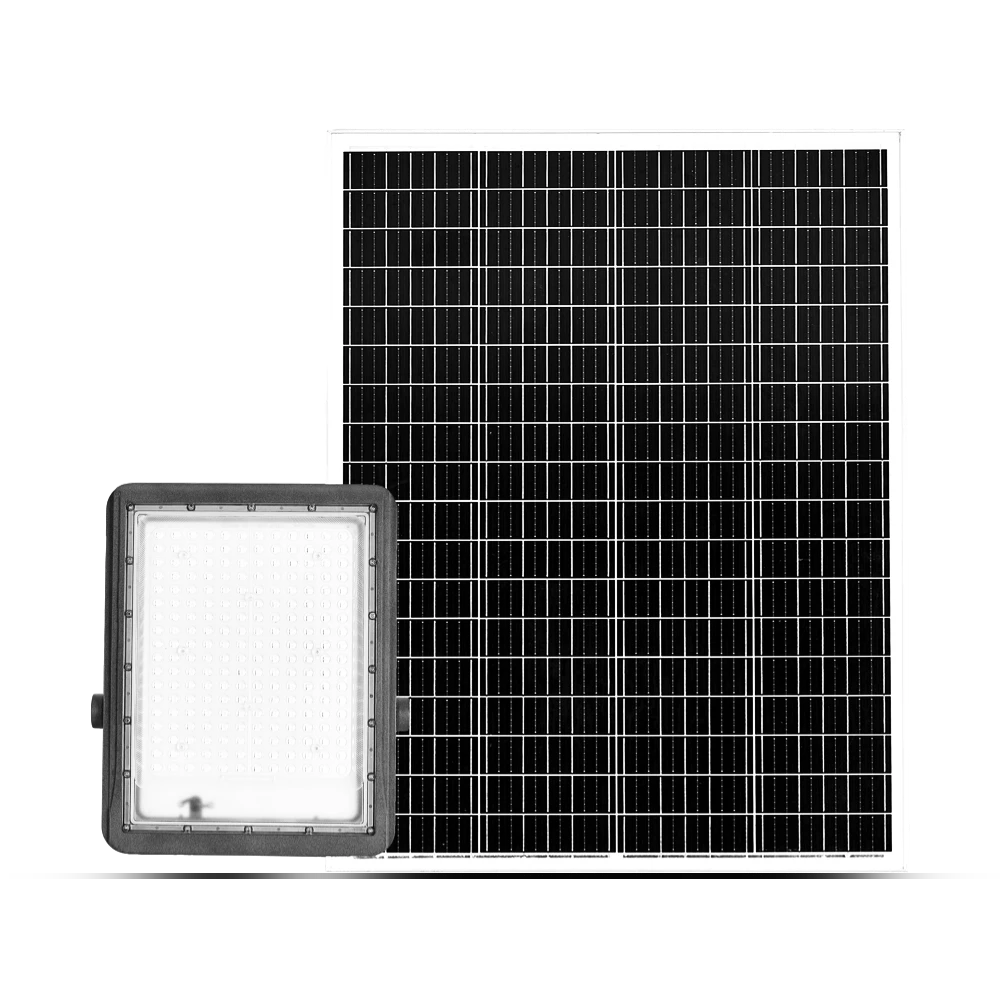
Queneng's Luxian Reliable Solar Street Light offers energy-saving LED lighting for outdoor use. This durable, solar-powered street light provides reliable illumination, reducing energy costs and environmental impact. A perfect solution for sustainable outdoor lighting.
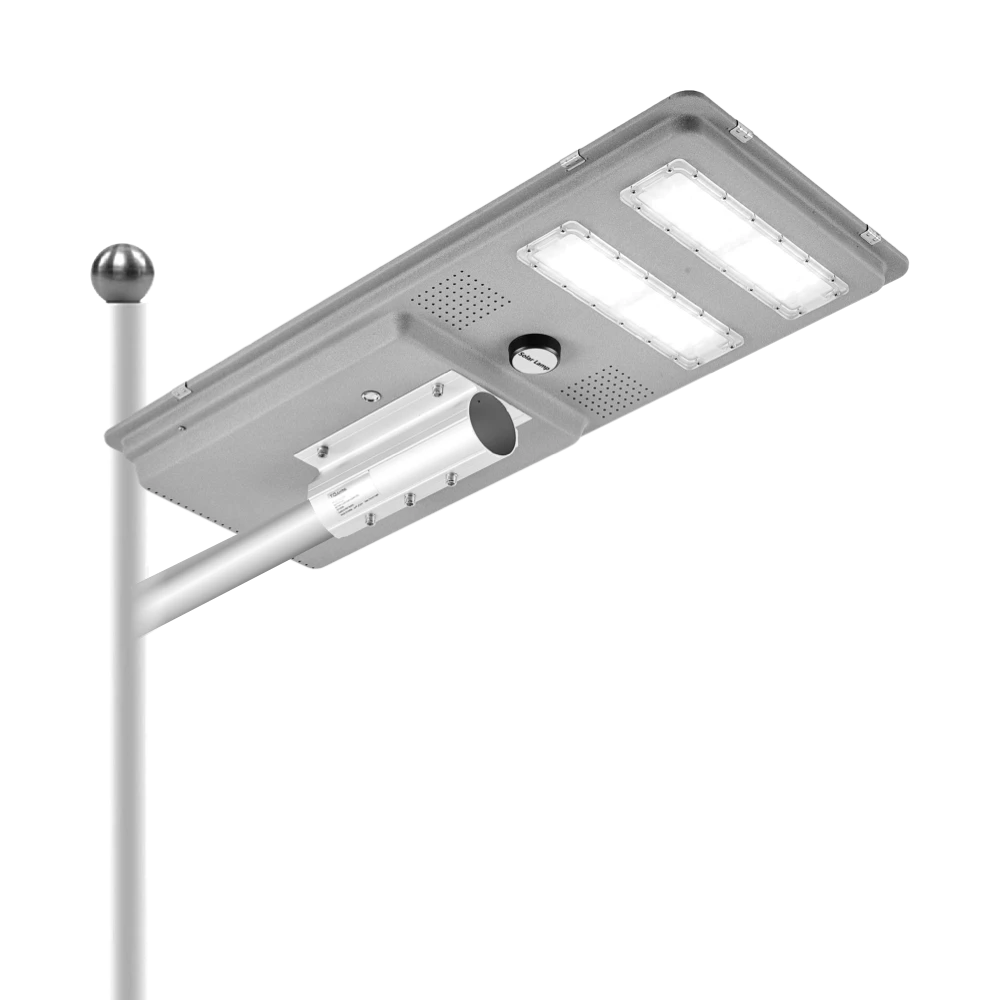
Queneng’s Solar Street Lights are designed to provide reliable, energy-efficient lighting for streets, parks, and other outdoor spaces.
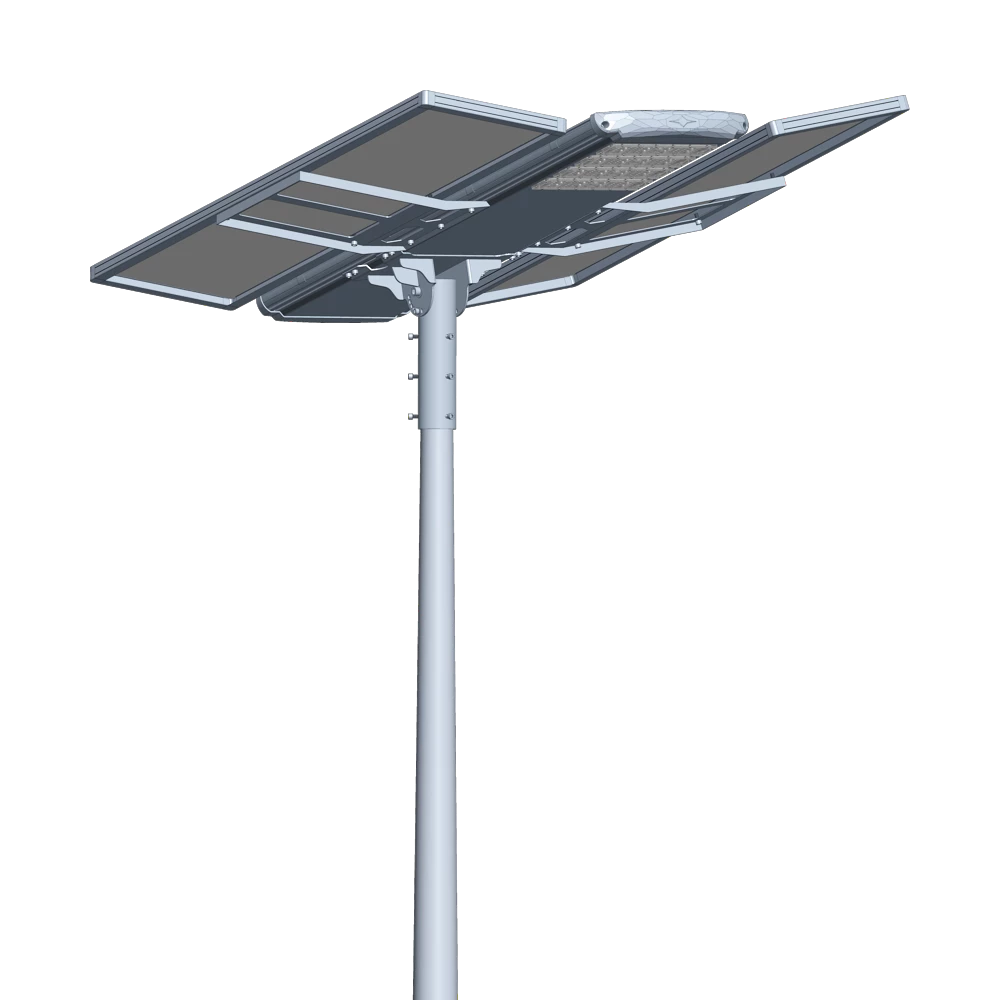
Introducing the Luqing Solar Street Light by Queneng, Efficient LED lighting powered by solar energy is perfect for illuminating outdoor areas. Harness the power of solar energy for sustainable, reliable street lighting. Ideal for eco-friendly, cost-effective outdoor illumination solutions.
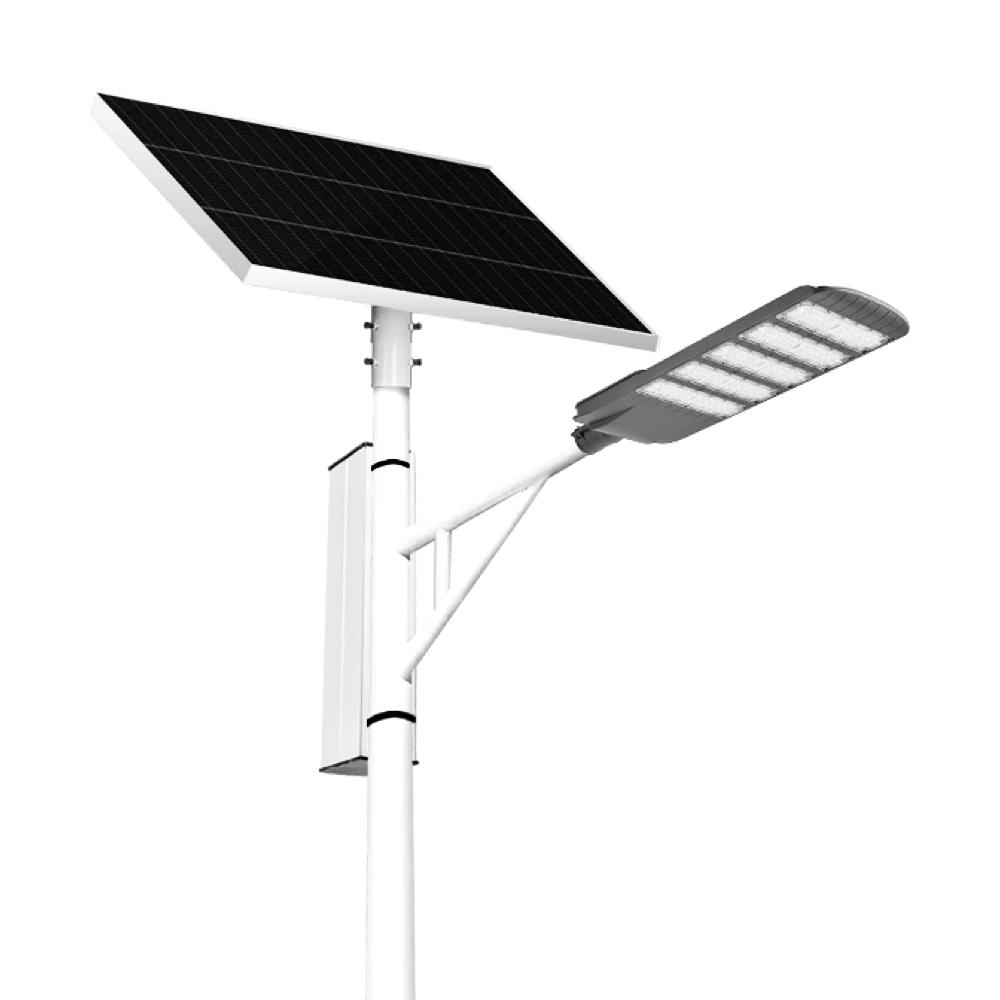
The Solar Streetlights of Luhao for Municipalities are designed to deliver reliable, energy-efficient, and cost-effective public lighting solutions. Equipped with advanced LED technology, durable lithium batteries, and high-efficiency solar panels, these streetlights provide consistent illumination for roads, parks, residential areas, and government projects.
Our professional team is ready to answer any questions and provide personalized support for your project.
You can reach us via phone or email to learn more about Queneng’s solar lighting solutions. We look forward to working with you to promote clean energy solutions!
Rest assured that your privacy is important to us, and all information provided will be handled with the utmost confidentiality.
By clicking 'Send Inquiry Now' I agree to Queneng processing my personal data.
To see how to withdraw your consent, how to control your personal data and how we process it, please see our Privacy Policy and Terms of use.
Schedule a Meeting
Book a date and time that is convenient for you and conduct the session in advance.
Have more questions about our products or services?
The messenger of light & power conversion
Environmental protection and intelligent manufacturing are our brand philosophy, and quality assurance and the best user experience are our eternal promises to users.
CONTACT
No.9F, Building F, Cao San Xin Tian Hong Logistics Park, Guzhen Town, Zhongshan City, Guangdong Province, China.
or write [email protected]
WhatsApp: +86 136 2270 1011


