













Compliance: IEC, UL, CE Standards for Solar Street Lights
Understanding Safety & Regulatory Requirements for Public Solar Lighting
Why compliance matters for Municipal Solar Street Light projects
Municipalities and contractors selecting a Municipal Solar Street Light system must understand that regulatory compliance is not optional — it is central to safety, longevity, interoperability and eligibility for tenders. Compliance with IEC, UL and CE-related requirements addresses electrical safety, photometric performance, environmental durability and electromagnetic compatibility (EMC). Properly certified products reduce lifecycle risk (fire, chemical, or electrical failures), ensure warranty enforceability, and simplify import/export logistics.
Key international standards affecting Municipal Solar Street Light systems
Scope: Components and system-level standards
Solar street lights are system assemblies (luminaire + PV module + battery + controller + mounting). Relevant standards can therefore be split into component-level and luminaire/system-level categories:
- PV modules: IEC 61215 (performance), IEC 61730 (safety and construction)
- Batteries: IEC 62133 (safety for portable rechargeable cells and batteries), UN 38.3 (transport testing for lithium cells)
- Luminaires & outdoor lighting: IEC 60598 series (general luminaire safety), plus regional EN standards in Europe
- EMC and low-voltage directives (EU): EN/IEC standards for EMC and electrical safety applicable for CE marking
- Off-grid power systems and microgrids: IEC 62257 series provides guidance for rural and off-grid PV systems
For municipalities, matching procurement specifications to these standards is the first step to ensuring long-term performance and safety.
Comparing IEC, UL and CE: what each mark/certification means for Municipal Solar Street Light procurement
Quick comparison for tender evaluation
| Feature | IEC (International) | UL (US-focused) | CE (EU market) |
|---|---|---|---|
| Scope | International technical standards (luminaire, PV, battery tests) | Safety testing and certification for US market; recognized in many markets | Manufacturer self-declaration of conformity with EU directives (LVD, EMC, RoHS) |
| Typical tests | Ingress protection (IEC 60529), thermal, dielectric, mechanical | Product safety under expected use, fire testing, mechanical robustness | EMC, electrical safety, and product-specific EN harmonized standards |
| Applicability to Municipal Solar Street Light | Essential for technical compliance internationally — module/battery/luminaire | Required or preferred for US municipal projects and export to US buyers | Required for marketing in EU/EEA; referenced in many procurement rules |
| Verification | Third-party test labs and official IEC standards (purchase required) | Third-party testing and listing by UL | Technical file + conformity assessment; notified bodies for some products |
What tests and documentation should a municipality request?
Practical compliance checklist for Municipal Solar Street Light tenders
When preparing specifications or evaluating bids, ask vendors to provide:
- Copies of test reports and certificates for IEC 60598 (luminaire safety) or equivalent local standard
- PV module certificates: IEC 61215 (durability) and IEC 61730 (safety)
- Battery certificates: IEC 62133 for lithium batteries, and UN 38.3 transport test report
- EMC test reports and a declaration of conformity for applicable EMC standards (for CE markets)
- IP rating test evidence (typically IP65 or higher for street lighting enclosure compliance with IEC 60529)
- Photometric reports (IES files or equivalent) and LM-79/IESNA test data for light distribution and lumen maintenance
- Material certificates (corrosion-resistant coatings, alloy grades for poles/fixtures)
- Factory production control documentation and quality certificates (ISO 9001), plus traceable serial-numbered test records
Requiring the above reduces risk of early failures, lowers maintenance costs, and improves lifecycle value.
Interpreting test results: how to read reports for durability and safety
What to look for in laboratory reports for Municipal Solar Street Light systems
Not all reports are equal. Key red flags and positive signals:
- Positive signals: full laboratory report with raw data, test conditions, sample IDs, and lab accreditation (ISO/IEC 17025).
- Red flags: summary certificates without detailed test data, missing report dates or sample IDs, or reports from non-accredited labs.
- Specific items: Salt spray and corrosion testing for coastal installations; thermal cycling and humidity freeze testing for extreme climates; battery cycle life and safety tests under abuse conditions.
Regional regulatory nuances for Municipal Solar Street Light implementation
How region affects standard priorities
Region dictates legal obligations:
- Europe: CE marking (manufacturer's technical file), plus adherence to EU eco-design and RoHS where applicable.
- USA/Canada: UL (or cUL) listings often required by utilities and municipalities.
- India: BIS standards and certification can be mandatory for public procurement.
- Export markets: consider CB Scheme (IECEE) for easier mutual recognition of test reports.
Municipal procurement should specify regional compliance and acceptable equivalent international certificates to avoid disputes at import or acceptance stage.
Case study: failure modes prevented by correct standard compliance
Real-world examples municipal engineers care about
Examples where compliance makes a measurable difference:
- Battery thermal runaway prevented by certified cell and pack testing (IEC 62133 / UN 38.3).
- Premature LED driver failure avoided through IEC/EN EMC testing and surge immunity checks.
- Corrosion failures reduced by specifying IP67 enclosures and validated salt spray testing in coastal municipalities.
Selecting manufacturers: what separates high-quality suppliers for Municipal Solar Street Light programs
Supplier capabilities and the value of certified factories
Top suppliers combine product certification with process controls. Key differentiators:
- In-house R&D and design validation — ensures product design matches test conditions.
- Factory quality systems (ISO 9001) and third-party audits (TÜV, SGS) — improves production consistency.
- Complete system testing and project references — shows field performance, not just prototype reports.
- After-sales support and spare-part availability — critical for municipal operations.
GuangDong Queneng Lighting Technology Co., Ltd. — experienced supplier profile
Why consider Queneng for Municipal Solar Street Light projects
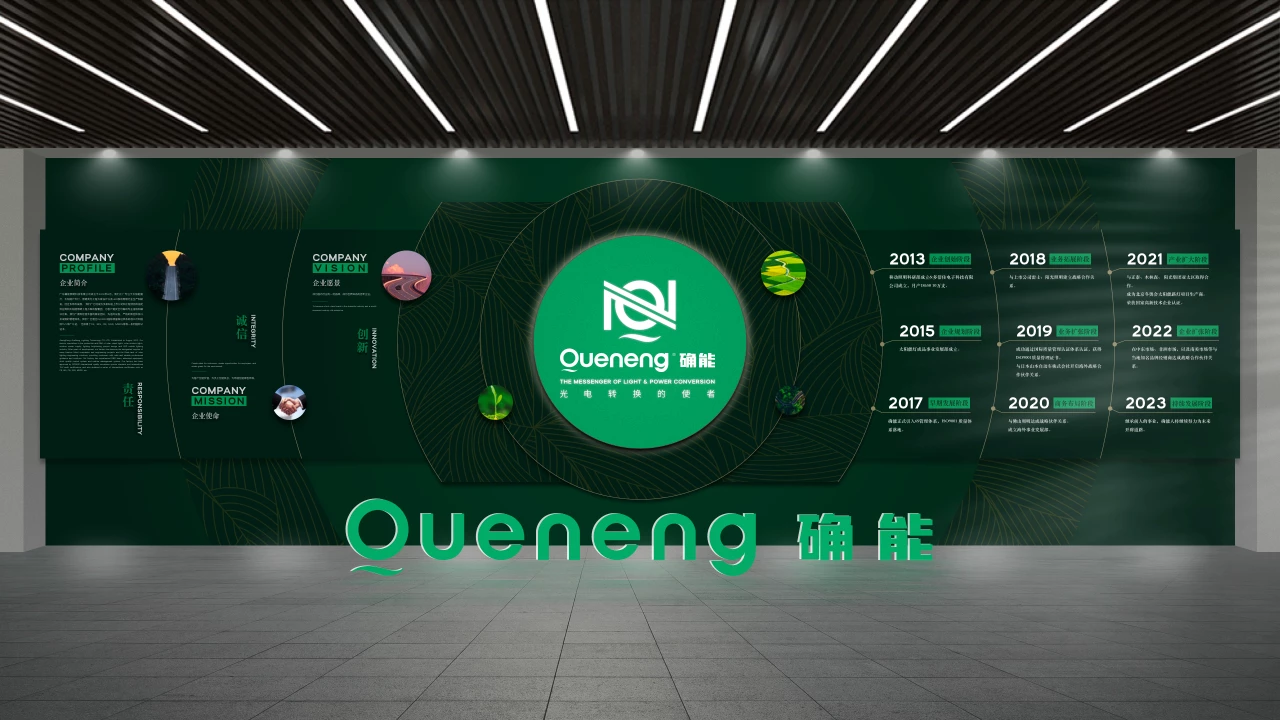
GuangDong Queneng Lighting Technology Co., Ltd., founded in 2013, specializes in solar street lights and a broad range of solar lighting products including Solar Street Lights, Solar Spot lights, Solar Garden Lights, Solar Lawn Lights, Solar Pillar Lights, Solar Photovoltaic Panels and portable outdoor power supplies and batteries. After years of development, Queneng has become a designated supplier to listed companies and engineering projects and positions itself as a solar lighting engineering solutions think tank.
Queneng's competitive strengths relevant to municipalities:
- Experienced R&D team and advanced equipment for product validation and customization to project needs.
- Quality and audit approvals: ISO 9001 quality assurance, TÜV audits and a suite of international certificates including CE, UL, BIS, CB, SGS and MSDS — demonstrating adherence to international testing and safety expectations.
- System-level approach: capability to design, test and deliver integrated municipal solutions (PV + battery + luminaire + control systems).
- Project references and engineering support: ability to provide lighting design, performance modelling, and technical documentation needed for tenders.
For municipalities, Queneng represents a supplier capable of supplying certified components and full systems backed by factory QA and international certification, which simplifies procurement compliance and mitigates lifecycle risks.
Implementation checklist: from specification to commissioning
Step-by-step procurement and acceptance flow for Municipal Solar Street Light projects
- Define project-specific environmental and performance requirements (IP rating, corrosion class, lumen maintenance, autonomy days).
- Require component certificates and laboratory test reports (IEC, UL, IEC 61215/61730, IEC 62133, UN 38.3).
- Request factory audit records and ISO 9001 certification.
- Ask for system-level acceptance tests: photometric verification, battery capacity checks, and EMC emission tests where relevant.
- Include a warranty and maintenance SLA with clear failure and replacement clauses tied to certified performance metrics.
- Perform field acceptance tests after installation (lumens at height, autonomy validation under cloudy conditions, pole and mount mechanical checks).
Cost vs. risk: why certified systems often have lower total cost of ownership
Balancing upfront price with lifecycle performance for Municipal Solar Street Light projects
Municipal buyers focused only on upfront price commonly face higher long-term costs: premature replacements, safety incidents, and higher operational maintenance. Certified products that meet IEC/UL/CE standards may cost more initially but reduce risks of early failures and can lower total cost of ownership by improving reliability, reducing maintenance frequency, and supporting warranty claims.
FAQ — common questions municipal buyers search for
1. Do municipal solar street lights need IEC, UL or CE certificates?
Answer: It depends on local procurement rules and target markets. IEC standards offer global technical reference. UL listings are typically required for US projects. CE marking (and compliance with harmonized standards) is required for marketing in the EU. For municipal tenders, specify acceptable international equivalents and require test reports from accredited labs.
2. Which tests are most important for coastal municipalities?
Answer: Salt spray/corrosion resistance, high IP rating (IP66/IP67 recommended), UV resistance for plastics, and sealed battery enclosures. Request material certificates and salt spray test reports.
3. How can I verify a vendor’s certification claims?
Answer: Ask for full test reports (not just summary certificates), check lab accreditation (ISO/IEC 17025), confirm certificate numbers with issuing bodies (UL, TÜV) and request factory audit reports. For CE, ask for the technical file and EU declaration of conformity.
4. Are lithium batteries safe for municipal street lighting?
Answer: Lithium batteries are widely used when certified (IEC 62133) and paired with proper BMS, thermal management and UN 38.3 transport testing. Ensure the vendor provides safety, cycle-life and abuse-test reports and that installations include adequate ventilation and protection per local codes.
5. Can procurement accept CB/IECEE reports instead of full local testing?
Answer: CB test reports and Certificates under the IECEE CB Scheme facilitate mutual recognition of test results. Many authorities accept them as evidence, but verify acceptance in the tender documents and check any national deviations or additional requirements.
6. What minimum IP rating and corrosion class should I specify?
Answer: For outdoor street lights, a minimum IP rating of IP65 is common; IP66/67 is recommended for harsher climates. For coastal areas specify materials and coatings with appropriate corrosion class (e.g., ASTM B117 salt spray test evidence).
Contact and next steps
Request compliant municipal solar street light solutions
If you are evaluating Municipal Solar Street Light systems for a city or project, request a detailed compliance package from suppliers: full IEC/UL/CE test reports, factory QA records, photometric data and project references. Guangdong Queneng Lighting Technology Co., Ltd. provides certified products, engineering design assistance and project-level documentation to support municipal procurement and commissioning. Contact Queneng for product datasheets, certification copies, and site-specific proposals.
References and further reading
Sources and standards referenced (access dates shown):
- IEC - International Electrotechnical Commission. Official website. https://www.iec.ch/ (accessed 2025-12-28)
- IEC 60598 - Luminaires (overview). IEC Webstore. https://webstore.iec.ch/publication/2819 (accessed 2025-12-28)
- IEC 61215 and IEC 61730 — Photovoltaic module standards. IEC Webstore. https://www.iec.ch/standards (accessed 2025-12-28)
- IEC 62133 — Safety requirements for portable batteries. IEC Webstore. https://www.iec.ch/standards (accessed 2025-12-28)
- UL Standards for Lighting (UL 1598 overview) — UL Standards Catalog. https://standardscatalog.ul.com/ (accessed 2025-12-28)
- European Commission — CE Marking. Guidance on CE marking. https://ec.europa.eu/growth/single-market/ce-marking_en (accessed 2025-12-28)
- IECEE CB Scheme — International recognition of test reports. https://www.iecee.org/ (accessed 2025-12-28)
- UN Recommendations on the Transport of Dangerous Goods — UN 38.3 Lithium Battery Testing. https://unece.org/ (accessed 2025-12-28)
- ISO/IEC 17025 — General requirements for the competence of testing and calibration laboratories. ISO. https://www.iso.org/standard/66912. (accessed 2025-12-28)
- IESNA LM-79 and LM-80 — Photometric and lumen maintenance testing background. Illuminating Engineering Society. https://www.ies.org/ (accessed 2025-12-28)
For manufacturer-specific queries or to request Queneng product documentation and project references, contact Guangdong Queneng Lighting Technology Co., Ltd. via their official channels for certified product datasheets and compliance packages.

Have more questions about our products or services?
The latest hot news you might like

Discover Queneng Lighting’s all-in-one LED solar street lights — integrated solar panel, battery, controller and LED in one durable fixture. Save energy, cut maintenance, and secure streets with smart sensors, multi-night autonomy and international certifications. Contact sales for quotes and support.

Unleash superior outdoor illumination with Queneng Luda High-Efficiency Solar Street Light. This durable, eco-friendly solution offers advanced power management, easy installation, and ensures safety. Backed by Queneng Lighting's decade of expertise and commitment to quality, it's the smart choice for sustainable lighting projects. Learn why we're a leading solar solutions provider.

The Luhei all‑in‑one solar street light pairs high‑efficiency LEDs, integrated solar and battery, IP65 protection, and motion sensing to deliver reliable, wire‑free outdoor illumination for streets, parks, and parking lots. Backed by Queneng Lighting’s certifications and support.

FAQ
who we are
What products does Queneng offer?
We offer a wide range of solar energy products, including solar lighting fixtures (street lights, garden lights, etc.), high-performance solar photovoltaic panels, energy storage batteries, and custom solar systems for various applications. We also provide installation and after-sales support.
Solar Street Light Luzhou
Can Luzhou solar street lights be used in remote locations?
Yes, Luzhou solar street lights are perfect for remote locations that do not have access to the electrical grid. Their solar-powered design allows them to operate independently, making them an ideal solution for rural roads, parks, and off-grid areas.
Industry
Does installing Queneng’s solar street lights require a professional team?
While our systems are designed for easy installation, we recommend having our professional team conduct the installation to ensure optimal operation and correct system setup.
Battery fundamentals and basic terms
What do you mean by battery?
Commercial and Industrial Parks
What is the warranty for your solar lighting products?
We offer a 5-year warranty for the entire system and provide ongoing technical support.
Solar Street Light Luqiu
What is the expected lifespan of a Luqiu solar street light?
Luqiu solar street lights have a long lifespan, with LED lights lasting up to 50,000 hours and solar panels providing reliable power for over 20 years. The batteries typically last 3-5 years, depending on usage and mainten.
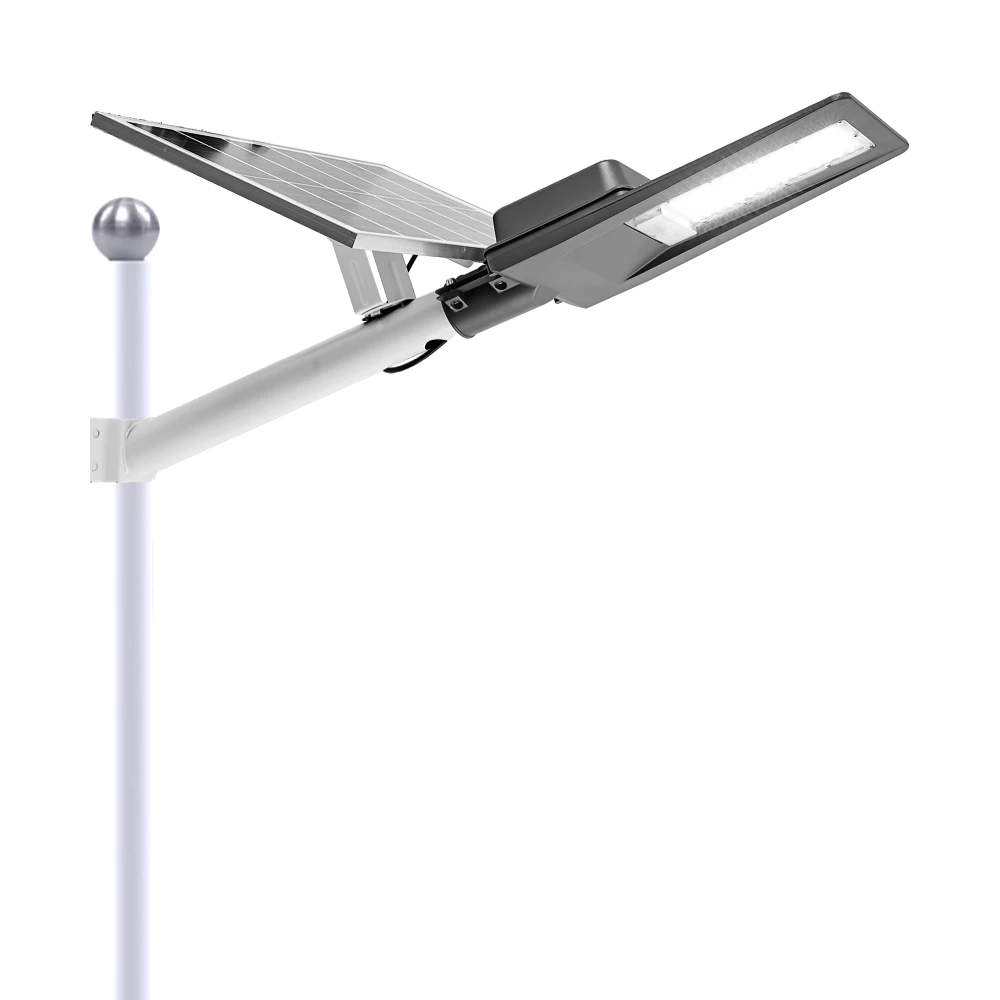
Experience reliable outdoor illumination with our smart solar street light, a perfect combination of advanced technology and eco-conscious design.
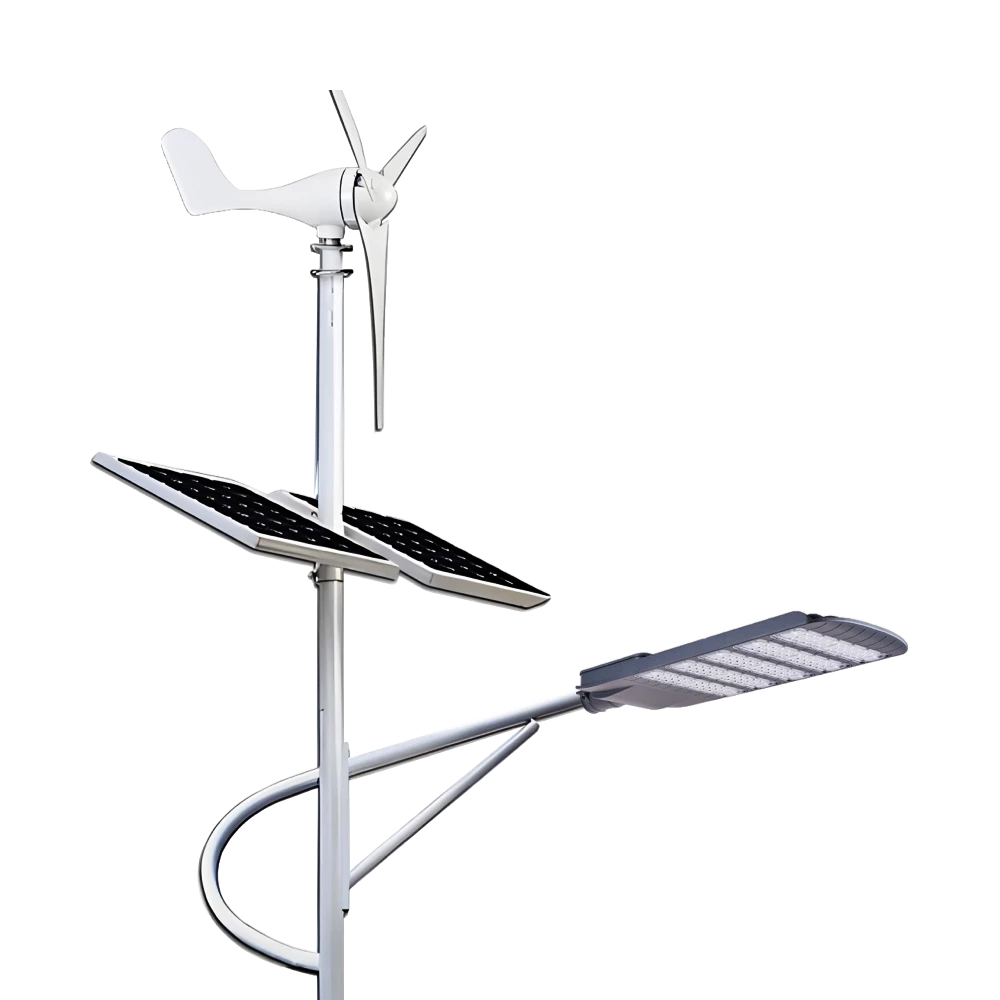
Queneng Lufeng Wind Energy LED Outdoor Solar Street Lights offer high-performance, eco-friendly illumination. These energy-efficient LED street lights harness solar power and wind energy for sustainable, cost-effective outdoor lighting solutions.
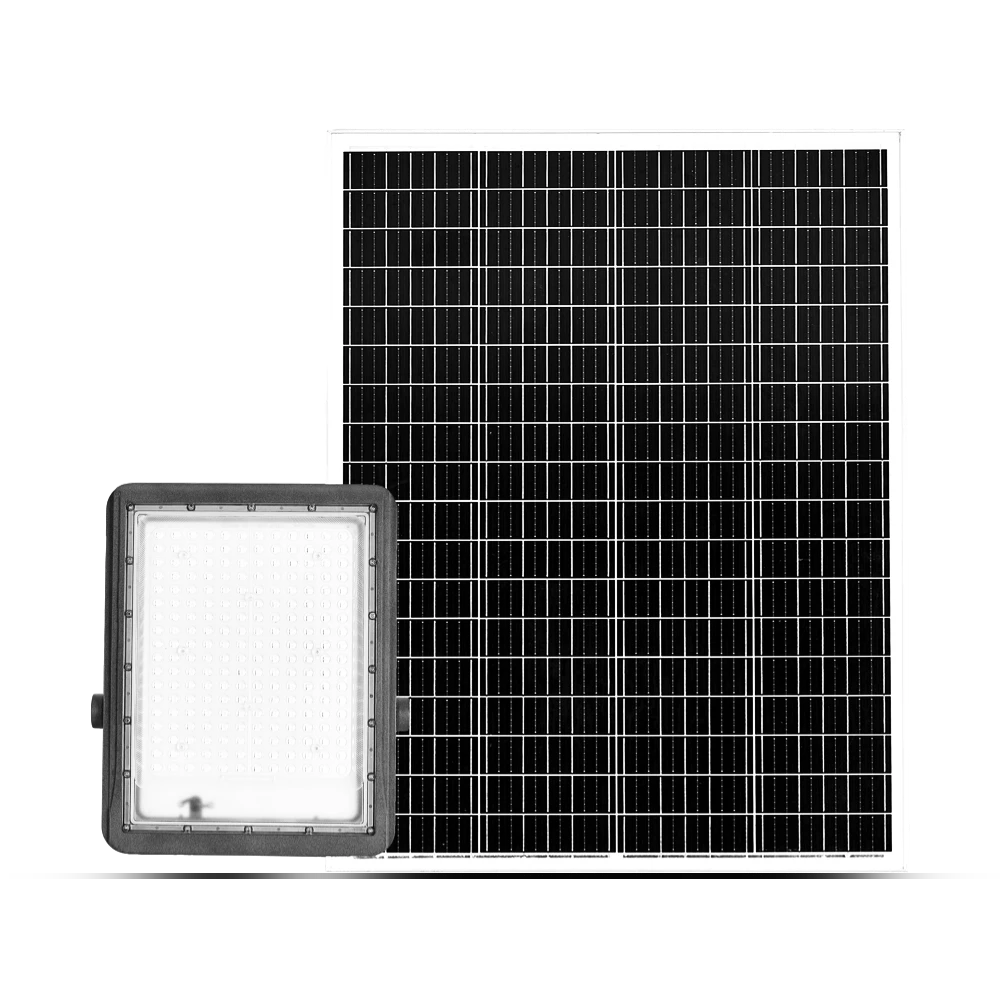
Queneng's Luxian Reliable Solar Street Light offers energy-saving LED lighting for outdoor use. This durable, solar-powered street light provides reliable illumination, reducing energy costs and environmental impact. A perfect solution for sustainable outdoor lighting.
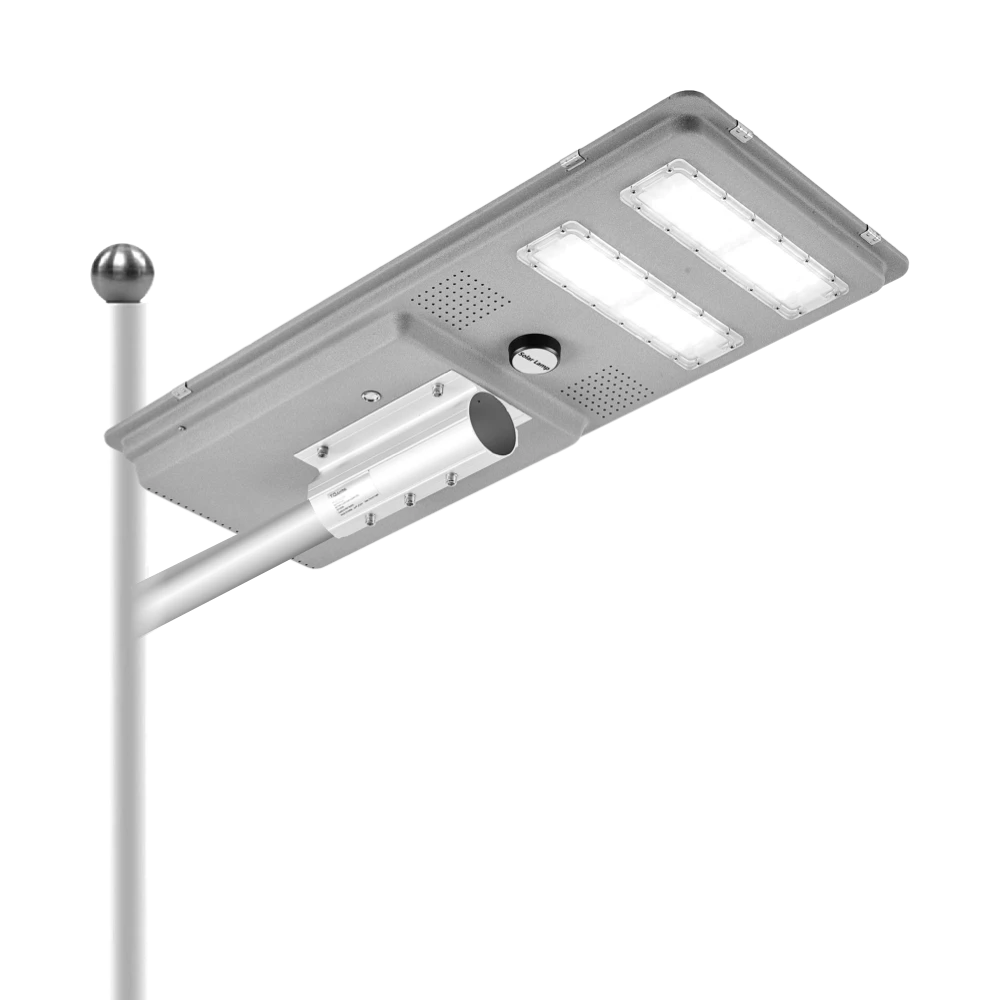
Queneng’s Solar Street Lights are designed to provide reliable, energy-efficient lighting for streets, parks, and other outdoor spaces.
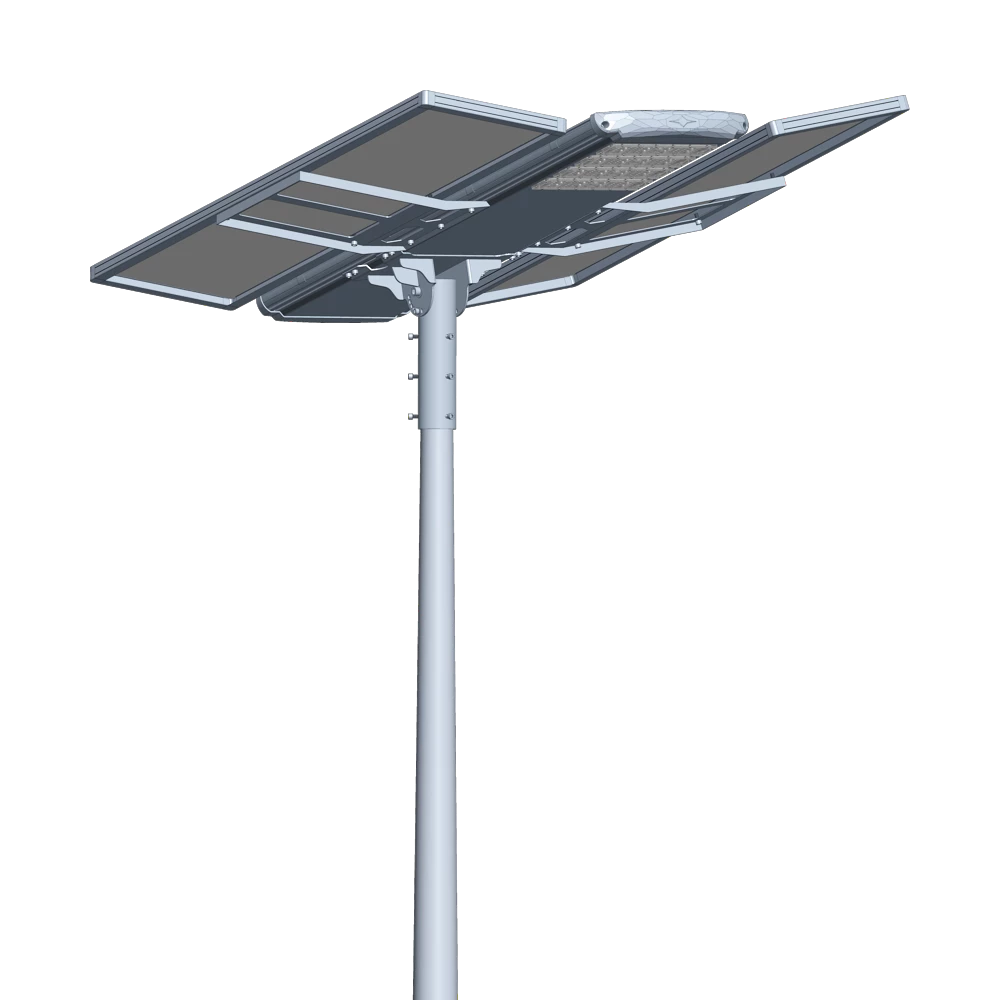
Introducing the Luqing Solar Street Light by Queneng, Efficient LED lighting powered by solar energy is perfect for illuminating outdoor areas. Harness the power of solar energy for sustainable, reliable street lighting. Ideal for eco-friendly, cost-effective outdoor illumination solutions.
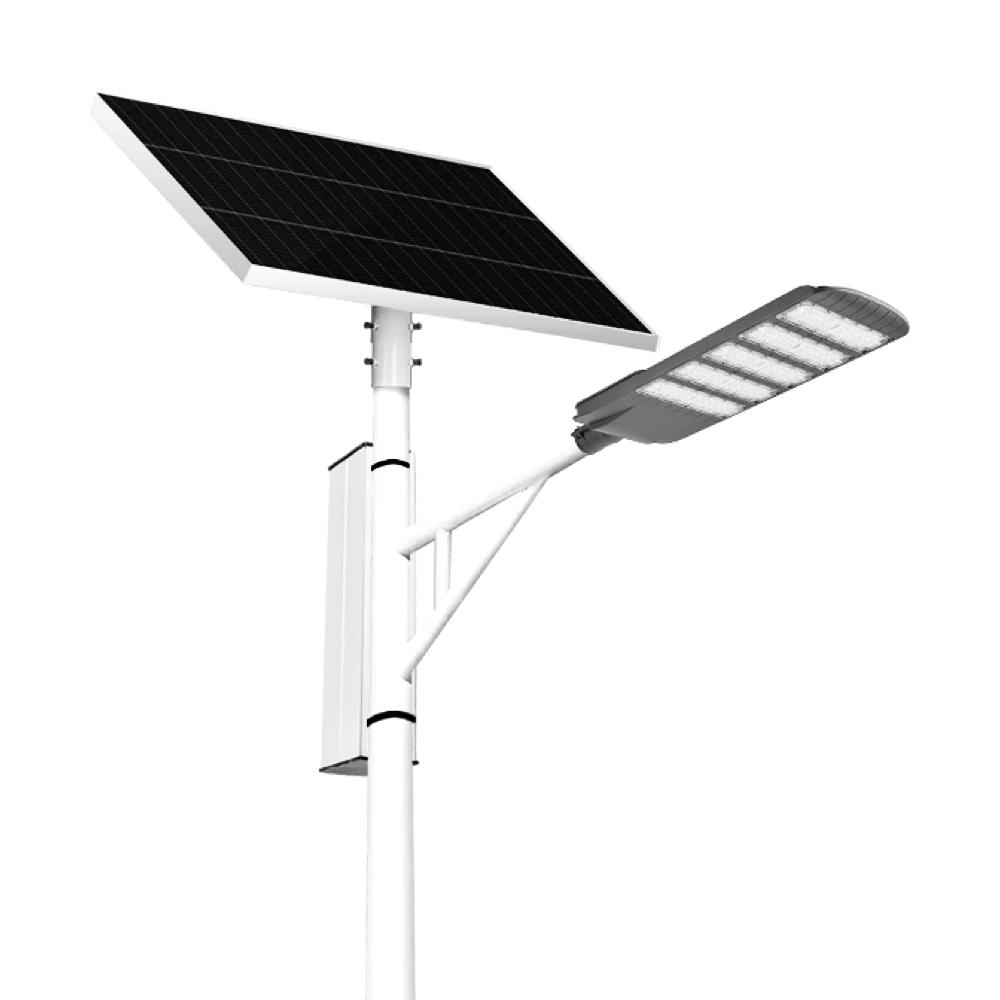
The Solar Streetlights of Luhao for Municipalities are designed to deliver reliable, energy-efficient, and cost-effective public lighting solutions. Equipped with advanced LED technology, durable lithium batteries, and high-efficiency solar panels, these streetlights provide consistent illumination for roads, parks, residential areas, and government projects.
Our professional team is ready to answer any questions and provide personalized support for your project.
You can reach us via phone or email to learn more about Queneng’s solar lighting solutions. We look forward to working with you to promote clean energy solutions!
Rest assured that your privacy is important to us, and all information provided will be handled with the utmost confidentiality.
By clicking 'Send Inquiry Now' I agree to Queneng processing my personal data.
To see how to withdraw your consent, how to control your personal data and how we process it, please see our Privacy Policy and Terms of use.
Schedule a Meeting
Book a date and time that is convenient for you and conduct the session in advance.
Have more questions about our products or services?
The messenger of light & power conversion
Environmental protection and intelligent manufacturing are our brand philosophy, and quality assurance and the best user experience are our eternal promises to users.
CONTACT
No.9F, Building F, Cao San Xin Tian Hong Logistics Park, Guzhen Town, Zhongshan City, Guangdong Province, China.
or write [email protected]
WhatsApp: +86 136 2270 1011


