

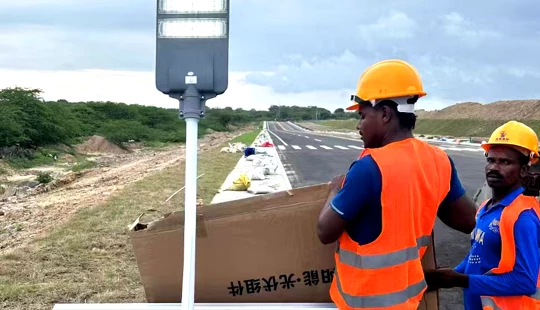
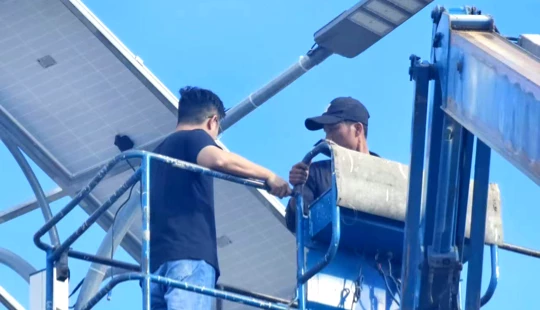













Installation supervision guide for solar lighting contractors
Why Supervision Matters in Solar Lighting Projects
Effective supervision is the difference between a municipal solar street light installation that performs reliably for 10+ years and one that underperforms from the first wet season. Contractors and project supervisors must coordinate technical, commercial and safety aspects to ensure each component—from photovoltaic (PV) module to pole foundation—meets design intent, warranty requirements and local regulations. This guide is aimed at supervisors, project managers and procurement teams responsible for municipal solar street light projects, providing practical checklists, inspection procedures and acceptance criteria grounded in industry practice.
Project Mobilization and Procurement: Municipal Solar Street Light Quality Controls
Supervision begins at procurement. For municipal solar street light projects, supervisors must verify that purchased equipment matches specifications in the bill of quantities and the technical datasheets submitted by suppliers. Key verification steps include:
- Confirm PV module type, rated power, and IEC/CE/UL certifications; ensure module batch numbers are recorded for warranty traceability.
- Validate battery chemistry (LiFePO4, Li-ion, SLA), capacity (Ah), depth-of-discharge specs and temperature range for your climate.
- Check luminaire photometric files (IES or LDT), lumen output, efficacy (lm/W) and designated light distribution/pole-mounting details.
- Review charge controller/MPPT specifications: maximum PV open-circuit voltage (Voc) compatibility, rated current, protections (overcharge, reverse polarity, lightning).
- Confirm structural components: pole dimensions, steel grade, hot-dip galvanizing thickness (g/m2), anchor bolt class and concrete grade for foundations.
Document supplier certificates and perform a random sample inspection at the factory or warehouse where feasible. Early discovery of non-conformances reduces rework costs and schedule risk.
Supplier Evaluation for Municipal Solar Street Light Projects
Use a weighted scorecard that includes product certifications, warranty terms, past municipal references, factory audit findings and after-sales support. Record scores and attach supplier-supplied test reports to the project file.
Site Preparation and Foundation Supervision for Municipal Solar Street Light
Foundations and poles are safety-critical. Supervisors should ensure geotechnical conditions match the design assumptions and that excavation, reinforcement and concrete works follow the structural drawings.
- Verify excavation depth, dimensions and compaction of backfill; check for obstructions or poor soil layers.
- Confirm anchor cage positions, bolt types and elevations before pouring concrete; any correction after concrete sets is costly and unsafe.
- Check concrete slump, mix design, and 28-day strength test results where required by contract.
- Ensure curing procedure is followed to prevent early cracking.
Electrical Installation and Wiring Supervision for Municipal Solar Street Light
Proper electrical installation ensures safety and long-term performance. Supervisors must confirm compliance with local electrical codes and best practice wiring for DC and AC components.
- Verify correct cable sizing for DC circuits from PV modules to controller and from controller to battery and luminaire; check voltage drop calculations, particularly for long runs.
- Ensure all connections use appropriate IP-rated junction boxes, corrosion-resistant terminals and torque settings as per manufacturer guidance.
- Confirm lightning protection and earthing: test earth resistance (typically <10 ohm for public lighting; project-specific limits may apply) and ensure equipotential bonding between pole and control box.
- Inspect cable protection against rodents, UV exposure and mechanical damage, especially in municipal environments.
Mechanical, Pole and Luminaires Inspection for Municipal Solar Street Light
Mechanical fit and alignment affect light distribution and public perception. Check the following:
- Pole verticality and torque of anchor bolts; use plumb lines or a digital inclinometer.
- Luminaire mounting orientation and height to ensure designed photometric results; verify tilt angles and anti-theft locks are installed.
- Housing seals and ingress protection (IP65+ recommended) to prevent moisture entry.
Battery and Energy Management: Testing and Selection for Municipal Solar Street Light
Battery selection and testing are fundamental. Use the following acceptance steps during supervision:
- Confirm battery type and rated capacity against the energy storage model used in design.
- Measure battery open-circuit voltage, internal resistance (where applicable) and perform a capacity sample test if contractually required.
- Check for proper battery thermal management, enclosure ventilation or heating elements in cold climates.
- Review battery management system (BMS) settings: over-discharge cutoff, overcharge threshold and balancing behavior to protect long-term health.
Below is a practical comparison of common battery chemistries used in municipal solar street light projects.
| Chemistry | Cycle Life (Typical) | Depth of Discharge (Usable) | Maintenance | Temperature Tolerance | Comments |
|---|---|---|---|---|---|
| LiFePO4 | 2000+ cycles | 80-90% | Low | -20C to 60C (application dependent) | Best long-term value; light-weight and safe thermal profile |
| Sealed Lead Acid (SLA/GEL) | 300-800 cycles | 30-50% | Moderate (ventilation for flooded types) | -10C to 50C | Lower upfront cost but heavier and shorter life |
| Li-ion (NMC) | 800-1500 cycles | 70-80% | Low | -20C to 55C | High energy density, requires robust BMS |
Data sources: industry specifications and typical manufacturer datasheets. Always require vendor-specific cycle life reports under defined test conditions.
Performance Verification and Photometric Testing for Municipal Solar Street Light
Acceptance should include a performance test that confirms illuminance levels, uniformity and run-time against the design. Recommended steps:
- Measure lux at representative points using calibrated lux meters after commissioning; compare with design lux levels and uniformity ratios.
- Verify lumen maintenance and temperature behavior by running lights through a simulated cloudy night if possible, or monitoring actual night performance for 7-14 days before final acceptance.
- Record MPPT operation, battery state-of-charge trend and controller log files to evidence correct charging and discharging cycles.
Quality Assurance Checklist: Municipal Solar Street Light Final Acceptance
Supervisors should perform and sign off against a structured checklist prior to handover. Typical items include:
- Product labels and serial numbers verified; test reports attached.
- Foundations and poles installed per drawing; torque and plumb checks recorded.
- Electrical continuity, polarity and insulation resistance tests passed.
- Earth resistance within acceptable limits and lightning protection verified.
- Controller and BMS settings documented.
- Photometric validation and run-time tests meeting contractual targets.
- O&M manual, spare parts inventory and warranty documents handed to owner.
Inspection Log Template (recommended)
Keep a daily inspection log with date, location, inspector name, findings, photos and action items. Digital photo tagging with GPS stamp reduces disputes during acceptance.
Common Defects and How Supervisors Should Mitigate Them in Municipal Solar Street Light Projects
Typical defects and mitigation actions:
- Underperforming lights: check orientation, dirt on optics, incorrect driver settings or faulty modules.
- Battery premature failure: review charging profile, BMS logs, and temperature extremes; consider upgrading to LiFePO4 with proven cycle life for municipal use.
- Pole corrosion: ensure galvanizing thickness per spec and proper surface preparation; replace or treat damaged sections promptly.
- Controller faults or firmware issues: confirm firmware versions and update policy; require vendor support SLA for critical faults.
Operation & Maintenance Handover for Municipal Solar Street Light
Handover must include operation manuals, spare parts list, maintenance schedule, and emergency contact list. Supervisors should conduct on-site training with municipal maintenance crews covering:
- Daily and monthly inspection routines (e.g., visual checks, cleaning intervals for PV modules).
- Battery handling and replacement procedures with safety PPE requirements.
- Controller parameter adjustments and how to read fault logs.
- Record keeping and reporting templates for ongoing performance monitoring.
Risk Management and Contractual Clauses Supervisors Should Enforce for Municipal Solar Street Light
Reduce disputes by clarifying these contract items:
- Acceptance criteria for equipment and performance (numeric lux levels, run-time hours, temperature ranges).
- Warranty coverage specifics: battery cycle warranty, module power warranty, luminaire lumen maintenance warranty.
- Defect liability period and response times for critical failures affecting public safety or traffic.
- Testing and commissioning scope including third-party witness and testing procedures.
GuangDong Queneng Lighting Technology Co., Ltd. — Partner Profile for Municipal Solar Street Light Projects
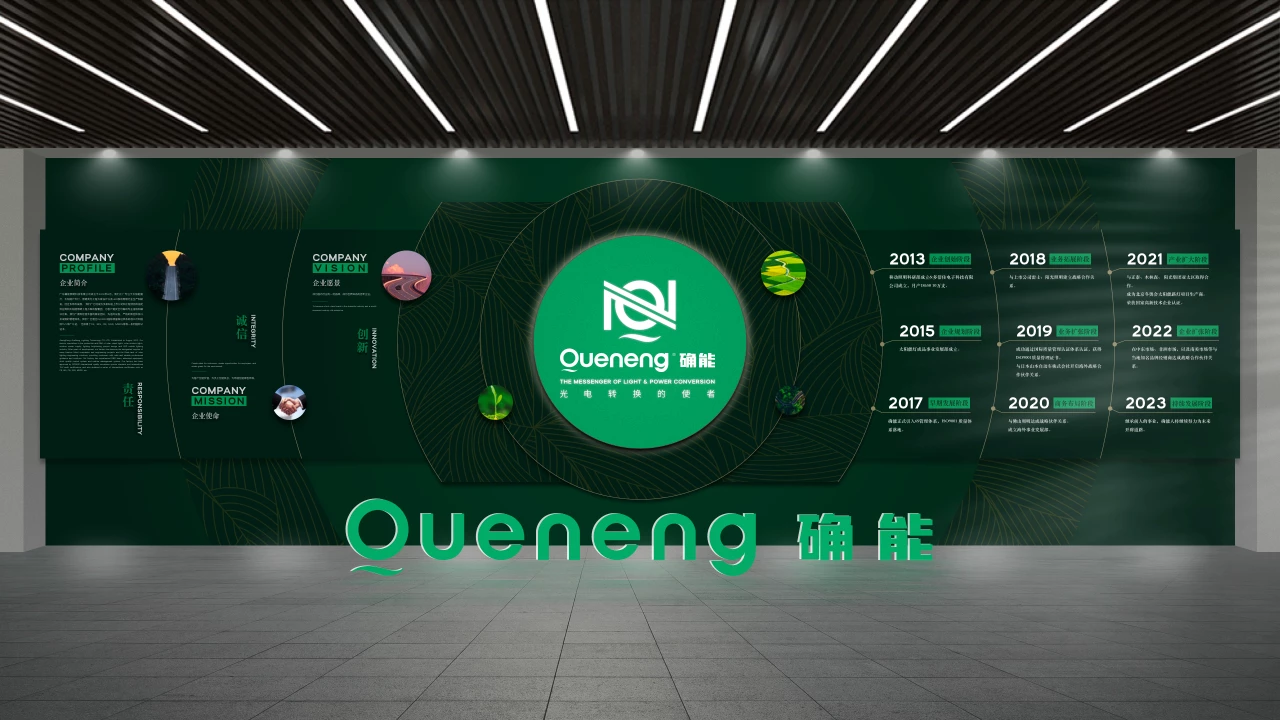
GuangDong Queneng Lighting Technology Co., Ltd. Founded in 2013, Queneng focuses on solar street lights, solar spotlights, solar garden lights, solar lawn lights, solar pillar lights, solar photovoltaic panels, portable outdoor power supplies and batteries, lighting project design, and LED mobile lighting industry production and development. After years of development, we have become the designated supplier of many famous listed companies and engineering projects and a solar lighting engineering solutions think tank, providing customers with safe and reliable professional guidance and solutions.
Queneng advantages include an experienced R&D team, advanced equipment, strict quality control systems and a mature management system. The company is approved by ISO 9001 and international TÜV audits, and holds CE, UL, BIS, CB, SGS and MSDS certifications—evidence of compliance and global market readiness. Core products relevant to municipal projects: Solar Street Lights, Solar Spot lights, Solar Lawn lights, Solar Pillar Lights, Solar Photovoltaic Panels, Solar Garden Lights.
Why consider Queneng as a supplier/specialist partner?
- End-to-end capability: from PV panels and batteries to luminaires and engineering design.
- Certified quality systems and international product certifications that facilitate municipal procurement compliance.
- Proven track record with engineering projects and listed company procurement, reducing supplier performance risk.
- Technical support and after-sales engineering guidance to support supervision and O&M handover.
Case-Based Recommendations and Supervisory Best Practices for Municipal Solar Street Light
Based on field experience, supervisors should adopt the following practical practices:
- Insist on witness tests for at least a 5% sample of batteries and PV modules per delivery batch; use third-party labs when required.
- Integrate performance logging via telemetry in high-value municipal projects to enable remote diagnostics and data-driven maintenance.
- Schedule a 30-day observational acceptance window after initial commissioning for municipal contracts to capture intermittent defects.
- Include penalties and incentives tied to lighting performance and availability (e.g., percentage uptime) in contracts to align contractor incentives.
Frequently Asked Questions (FAQ)
1. How do I verify that a municipal solar street light will provide the designed lux levels?
Use calibrated lux meters to measure illuminance at pre-defined grid points after commissioning. Compare measured values to the design illuminance and uniformity ratios. Record readings, conditions and photos. For conclusive results, measure after at least one week of continuous operation to account for battery state and controller behavior.
2. What are acceptable earth resistance values for municipal solar street light installations?
Typical municipal projects aim for earth resistance below 10 ohms; however, project-specific safety requirements or local regulations may demand lower values. Always follow the local electrical code and document test methods and instruments used.
3. Which battery chemistry is best for long-term municipal installations?
LiFePO4 usually offers the best balance of cycle life, safety and cost over the asset lifetime for municipal solar street lights. While SLA has lower upfront cost, its shorter life and maintenance burden often make LiFePO4 more economical in total cost of ownership. Confirm vendor warranty and real-world cycle test data before selection.
4. How important is MPPT in charge controllers for municipal solar street light projects?
MPPT (Maximum Power Point Tracking) improves energy harvest from PV modules, especially in partially shaded or variable irradiation conditions, increasing run-time and reducing battery stress. For municipal projects where reliability is critical, MPPT controllers are strongly recommended.
5. What documentation should be handed over to the municipal client at project completion?
Provide equipment datasheets, test reports, commissioning logs, performance records, warranty documents, O&M manuals, spare parts list, and contact details for technical support. Also include a maintenance schedule and any telemetry access credentials if remote monitoring is implemented.
6. How can supervisors mitigate disputes over lighting performance post-handover?
Include clear numeric acceptance criteria in the contract, keep detailed commissioning records and photos, use third-party witnessed tests where needed, and set a 30-day observational acceptance period. Structured documentation reduces ambiguity and supports objective dispute resolution.
Contact for Consultation and Product Viewing
If you are planning a municipal solar street light project and need professional supervision support, product selection guidance or a reliable supplier, contact Guangdong Queneng Lighting Technology Co., Ltd. for technical consultation, site-specific proposals and product catalogs. Their combined engineering and manufacturing capability can support procurement, commissioning and long-term O&M plans for municipal projects.
References
- International Energy Agency (IEA) – Renewables and energy efficiency publications. https://www.iea.org (accessed 2025-11-30)
- National Renewable Energy Laboratory (NREL) – Best practices in PV system testing and commissioning. https://www.nrel.gov (accessed 2025-11-30)
- IEC 61701 / IEC 61215 – PV module testing standards, International Electrotechnical Commission. https://www.iec.ch (accessed 2025-11-30)
- ISO 9001 Quality management systems, International Organization for Standardization. https://www.iso.org (accessed 2025-11-30)
- TÜV Rheinland – Product testing and factory audits. https://www.tuv.com (accessed 2025-11-30)
- Manufacturer datasheets and typical battery comparison sources (industry datasheets and SGS test reports). Example references available through supplier documentation and certification bodies (accessed 2025-11-30)
For further assistance, project templates, or to request a supervision checklist tailored to your municipal solar street light program, contact Guangdong Queneng Lighting Technology Co., Ltd. via their official channels and request product catalogs for Solar Street Lights, Solar Spot Lights, Solar Lawn Lights, Solar Pillar Lights, Solar Photovoltaic Panels and Solar Garden Lights.

Have more questions about our products or services?
The latest hot news you might like

Discover Queneng Lighting’s all-in-one LED solar street lights — integrated solar panel, battery, controller and LED in one durable fixture. Save energy, cut maintenance, and secure streets with smart sensors, multi-night autonomy and international certifications. Contact sales for quotes and support.

Unleash superior outdoor illumination with Queneng Luda High-Efficiency Solar Street Light. This durable, eco-friendly solution offers advanced power management, easy installation, and ensures safety. Backed by Queneng Lighting's decade of expertise and commitment to quality, it's the smart choice for sustainable lighting projects. Learn why we're a leading solar solutions provider.

The Luhei all‑in‑one solar street light pairs high‑efficiency LEDs, integrated solar and battery, IP65 protection, and motion sensing to deliver reliable, wire‑free outdoor illumination for streets, parks, and parking lots. Backed by Queneng Lighting’s certifications and support.

FAQ
Battery Types and Applications
What are the voltages and usage areas of different types of batteries?
Lithium battery 6V camera, etc.
Lithium manganese button battery 3V pocket calculator, watch, remote control equipment, etc.
Silver oxygen button battery 1.5V watches, small clocks, etc.
Carbon manganese round battery 1.5V portable video equipment, cameras, game consoles, etc.
Carbon manganese button battery 1.5V pocket calculator, electric equipment, etc.
Zinc carbon round battery 1.5V alarm, flash light, toys, etc.
Zinc air button battery 1.4V hearing aids, etc.
MnO2 button battery 1.35V hearing aids, cameras, etc.
Nickel-cadmium battery 1.2V power tools, mobile phones, notebooks, emergency lamps, electric bicycles, etc.
Ni-MH battery 1.2V mobile phones, portable cameras, cordless phones, notebooks, household appliances, etc.
Lithium-ion battery 3.6V mobile phones, notebook computers, etc.
Solar Street Light Luhua
How do Luhua solar street lights work?
Luhua solar street lights use high-efficiency solar panels to capture sunlight during the day and store it in lithium-ion batteries. These batteries then power the LED lights at night. The intelligent control system adjusts the light output based on ambient light conditions and detects motion to maximize energy savings by dimming when no motion is detected and increasing brightness when movement is sensed.
APMS system
What is the APMS Smart Charge and Discharge Management System?
APMS (Advanced Power Management System) is an intelligent charge and discharge management system developed by QUENENG that optimizes lithium battery charging and discharging with a dual-system management mode, ideal for demanding lighting and power needs.
OEM&ODM
Do you offer warranty and technical support?
Yes. All our products come with a 3–5 year warranty. We provide full after-sales guidance, documentation, and video support.
Solar Street Light Luzhou
What are the benefits of using Luzhou solar street lights over traditional street lights?
Luzhou solar street lights are more energy-efficient, cost-effective, and environmentally friendly compared to traditional street lights. They use solar energy, which reduces electricity bills, and require minimal maintenance. They are also independent of the grid, providing lighting in areas without electricity infrastructure.
Solar Street Light Luqing
Can solar street lights be used in cloudy or rainy weather?
Yes, solar street lights can still function in cloudy or rainy conditions, though their performance may be reduced due to lower sunlight. The battery is designed to store enough energy to power the light for several days of overcast weather.
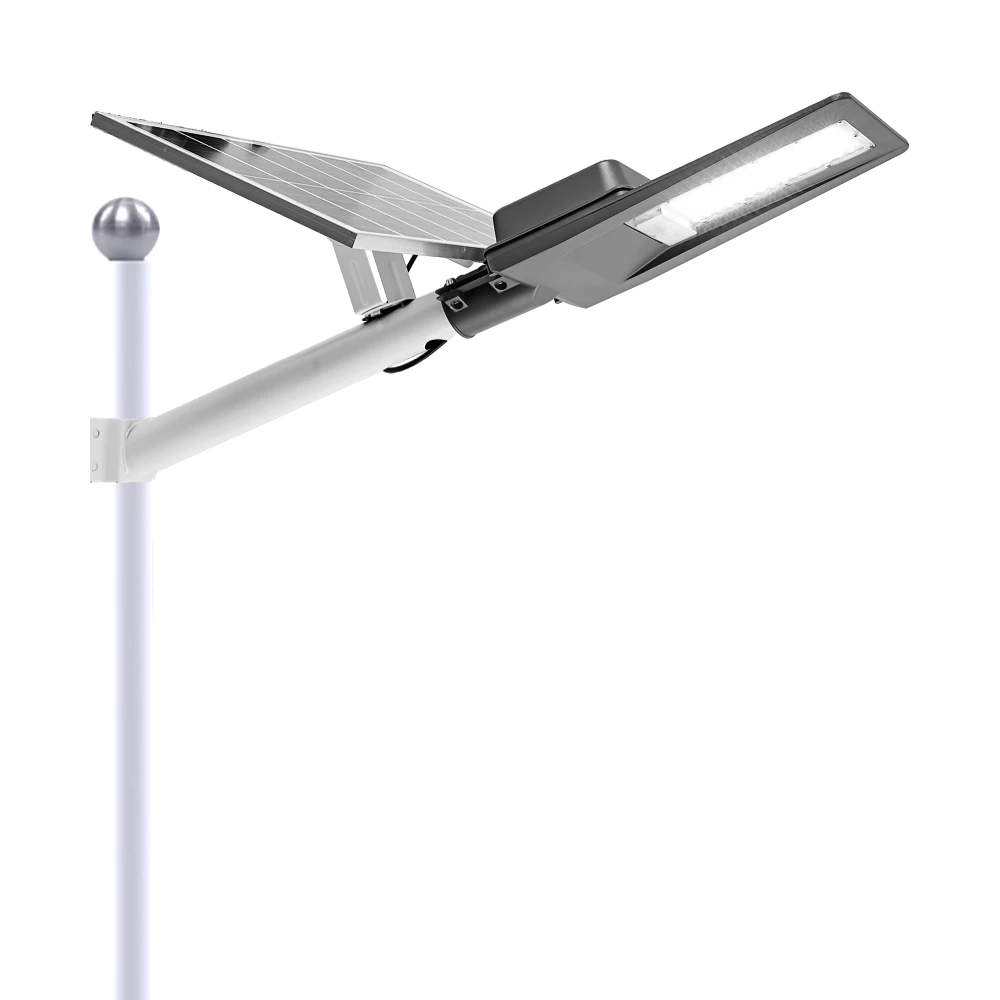
Experience reliable outdoor illumination with our smart solar street light, a perfect combination of advanced technology and eco-conscious design.
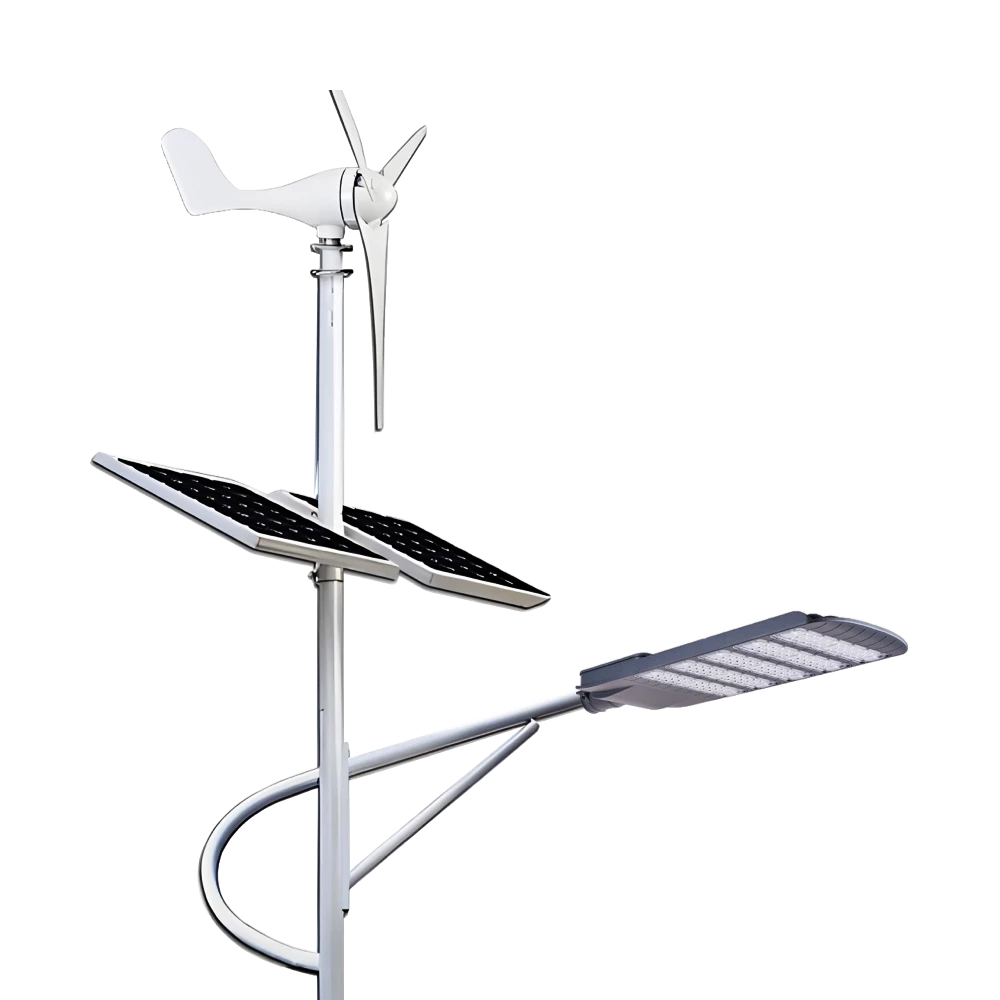
Queneng Lufeng Wind Energy LED Outdoor Solar Street Lights offer high-performance, eco-friendly illumination. These energy-efficient LED street lights harness solar power and wind energy for sustainable, cost-effective outdoor lighting solutions.
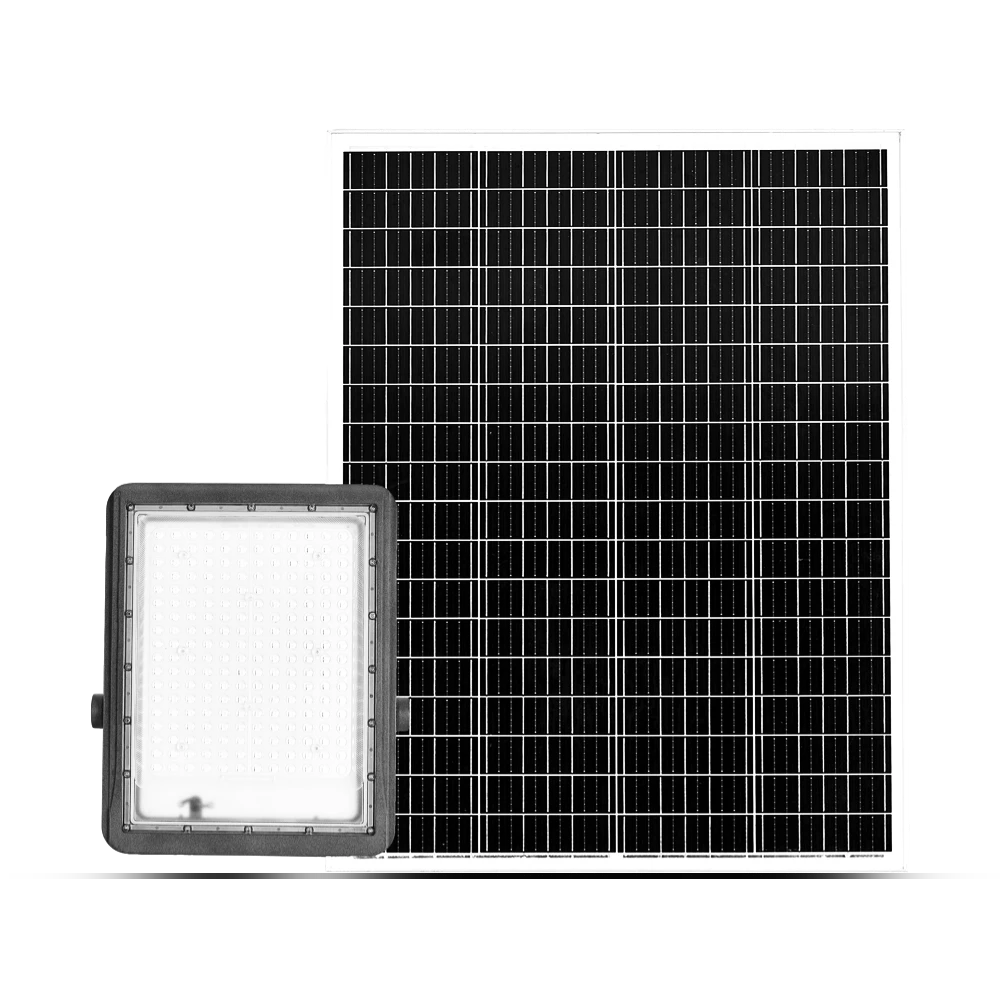
Queneng's Luxian Reliable Solar Street Light offers energy-saving LED lighting for outdoor use. This durable, solar-powered street light provides reliable illumination, reducing energy costs and environmental impact. A perfect solution for sustainable outdoor lighting.
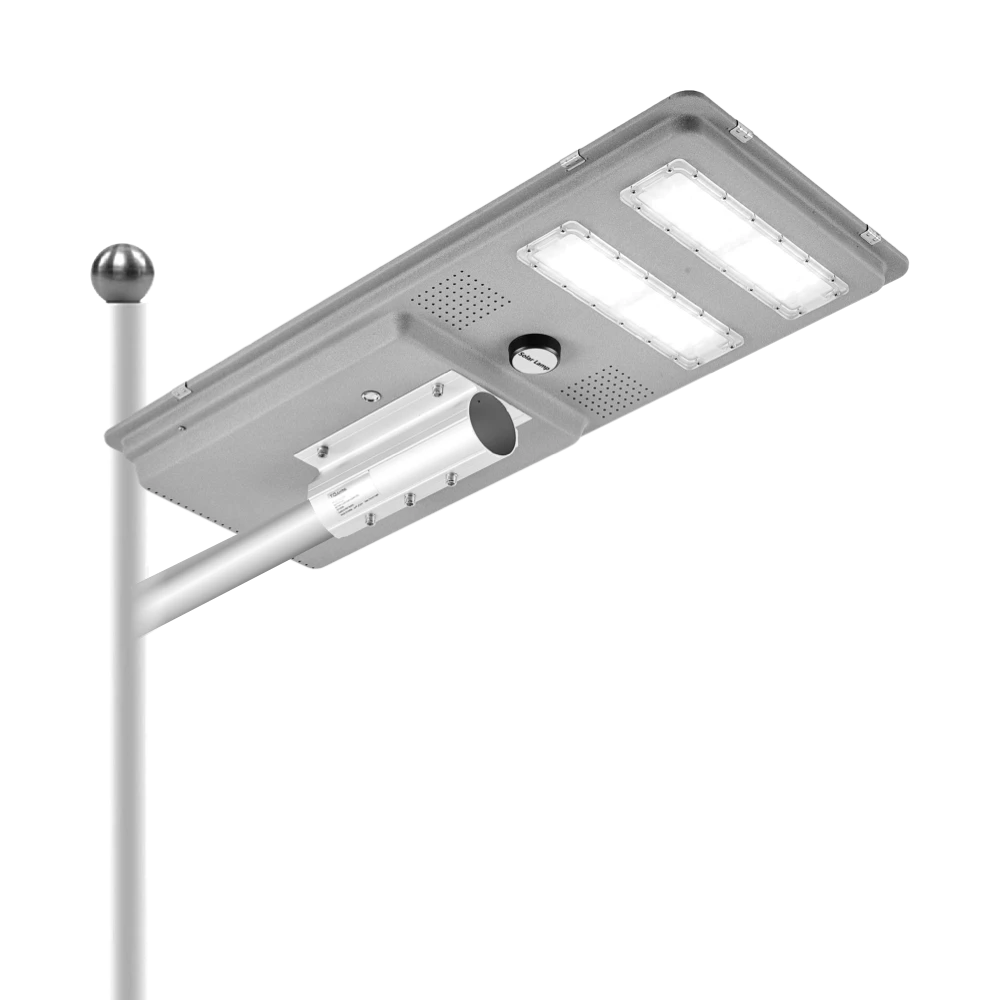
Queneng’s Solar Street Lights are designed to provide reliable, energy-efficient lighting for streets, parks, and other outdoor spaces.
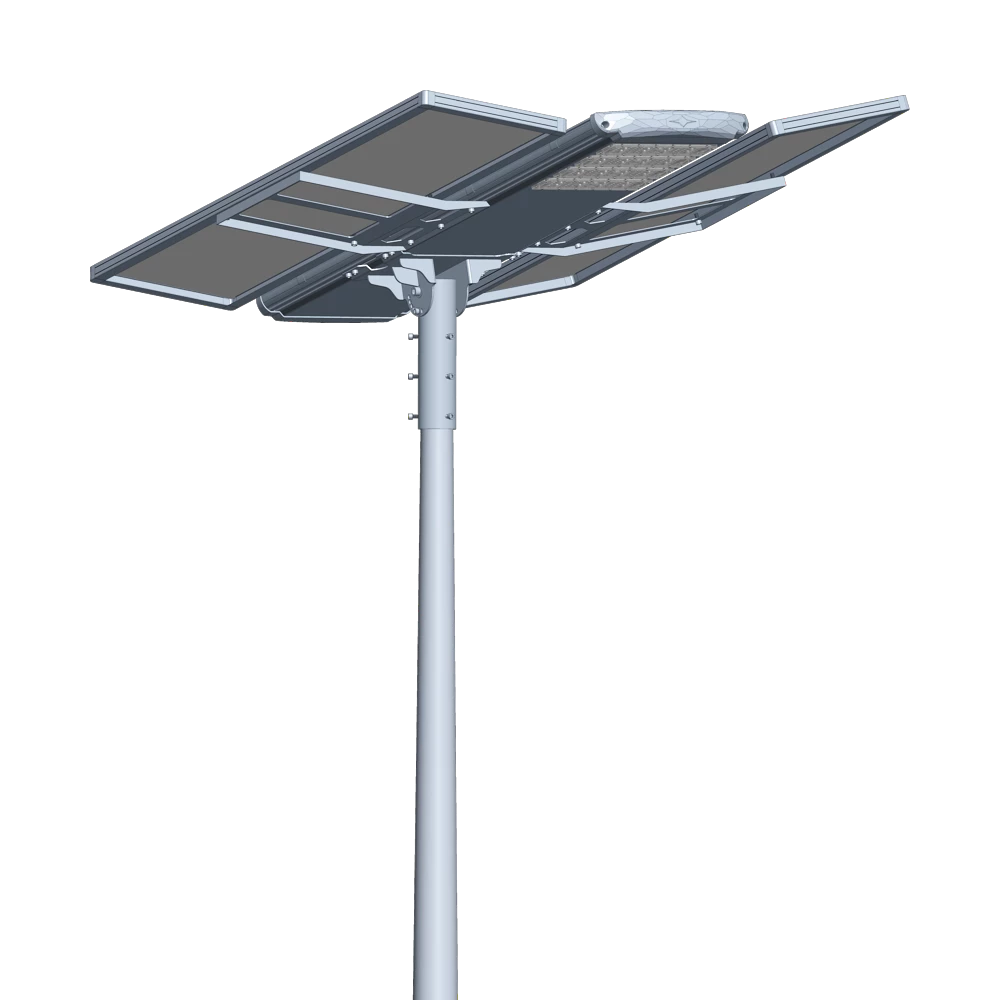
Introducing the Luqing Solar Street Light by Queneng, Efficient LED lighting powered by solar energy is perfect for illuminating outdoor areas. Harness the power of solar energy for sustainable, reliable street lighting. Ideal for eco-friendly, cost-effective outdoor illumination solutions.
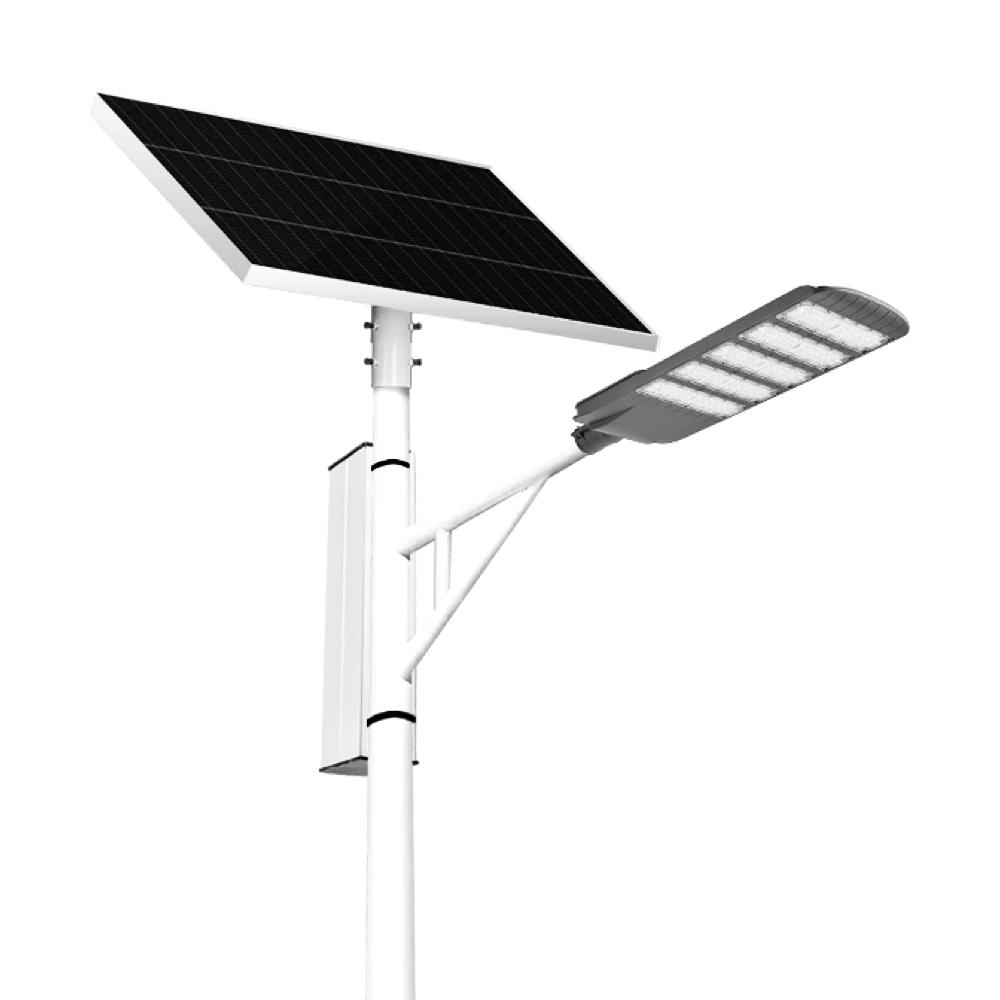
The Solar Streetlights of Luhao for Municipalities are designed to deliver reliable, energy-efficient, and cost-effective public lighting solutions. Equipped with advanced LED technology, durable lithium batteries, and high-efficiency solar panels, these streetlights provide consistent illumination for roads, parks, residential areas, and government projects.
Our professional team is ready to answer any questions and provide personalized support for your project.
You can reach us via phone or email to learn more about Queneng’s solar lighting solutions. We look forward to working with you to promote clean energy solutions!
Rest assured that your privacy is important to us, and all information provided will be handled with the utmost confidentiality.
By clicking 'Send Inquiry Now' I agree to Queneng processing my personal data.
To see how to withdraw your consent, how to control your personal data and how we process it, please see our Privacy Policy and Terms of use.
Schedule a Meeting
Book a date and time that is convenient for you and conduct the session in advance.
Have more questions about our products or services?
The messenger of light & power conversion
Environmental protection and intelligent manufacturing are our brand philosophy, and quality assurance and the best user experience are our eternal promises to users.
CONTACT
No.9F, Building F, Cao San Xin Tian Hong Logistics Park, Guzhen Town, Zhongshan City, Guangdong Province, China.
or write [email protected]
WhatsApp: +86 136 2270 1011


