














KPIs to Monitor Operational Performance Post-deployment
Measuring Success: Essential Metrics for Solar Lighting Operations
Why post-deployment KPIs matter
Deploying municipal solar street light systems is only the start. Long-term success depends on continuous measurement: whether the installed systems meet illuminance and availability targets, whether batteries and PV arrays perform to specification, and whether total cost of ownership (TCO) and carbon reduction goals are on track. Well-chosen KPIs convert field telemetry and maintenance logs into actionable decisions that improve safety, lower municipal expenses, and extend asset life.
Aligning KPIs with municipal goals
KPIs should map directly to stakeholder objectives: public safety (uniformity and minimum lux levels), budget control (maintenance cost per unit, payback period), reliability (uptime, MTTR), and sustainability (kWh produced, CO2 avoided). A municipal solar street light program typically balances technical metrics with service-level metrics tied to citizen satisfaction and regulatory standards (for example EN 13201 for roadway lighting or local equivalents).
Core KPIs for Municipal Solar Street Light Performance
Technical performance KPIs
Technical KPIs measure how the hardware and control systems perform relative to design. Key examples:
- System Uptime / Availability (%) — percent of time the light is operational per agreed schedule (target ≥ 98% for urban streets).
- Illuminance (average lux) and Uniformity — measured against the design class (e.g., EN 13201: average maintained lux and U0/U1 ratios).
- Energy Yield (kWh/yr per luminaire) — actual generation from PV compared to modeled output; used to detect shading, soiling, or module degradation.
- Battery State of Health (SoH %) and State of Charge (SoC %) — indicates remaining capacity and depth-of-discharge behavior.
- PV Performance Ratio (PR %) — ratio of actual vs theoretical energy output (target > 75–85% depending on climate and system losses).
- Charge Controller / MPPT Efficiency (%) — real-time efficiency of power electronics (target > 95%).
Operational & maintenance KPIs
These KPIs enable planners to lower lifecycle costs and improve service delivery:
- Mean Time Between Failures (MTBF) and Mean Time To Repair (MTTR).
- Maintenance Cost per Unit per Year (USD/unit/yr).
- Number of Incidents (faults, vandalism, theft) per 100 units per year.
- Remote Fault Detection Rate (%) — percent of failures detected automatically by telemetry vs. reported manually.
- Return on Investment (ROI) and Payback Period — operationalized with energy savings and maintenance savings compared to baseline (mains-lit) systems.
Table: KPI definitions, measurement method, and recommended target ranges
| KPI | Definition / Measurement | Recommended Target |
|---|---|---|
| System Uptime | % of scheduled lighting hours where luminaire is functional (telemetry + field checks) | ≥ 98% |
| Illuminance (lux) | Average maintained lux at target plane (measured with lux meter / validated with sensors) | Per design class (e.g., EN 13201) |
| PV Performance Ratio | Actual energy / theoretical energy given irradiance and temp | 75%–90% depending on conditions |
| Battery SoH | Remaining capacity vs nameplate capacity (via BMS) | > 80% at 3 years (LiFePO4 typical); monitor decline rate |
| MTTR | Average hours from fault detection to functional restoration | < 48 hours for urban systems (target depends on SLA) |
| Maintenance cost / unit / yr | Sum of scheduled + unscheduled O&M costs divided by number of units | Benchmark against project financial model; lower is better |
How to Implement a Robust Monitoring and Reporting System
Data architecture and telemetry — what to measure and how often
Effective monitoring requires selecting the right sensors and telemetry cadence. Recommended telemetry points per luminaire include: PV voltage/current, array temperature, energy generated (kWh), battery voltage/SoC/SoH, luminaire current, on/off status, ambient light level, tamper alerts, and GPS. Sampling frequency depends on the KPI: energy and availability can be aggregated hourly/daily; battery SoC/SoH and fault alerts should be near real-time (5–15 minutes) to enable timely responses.
Edge intelligence, connectivity and cybersecurity
Distributed edge logic reduces data churn and improves resilience (e.g., local dawn/dusk schedules, autonomous dimming during low SoC). Use cellular, LoRaWAN, NB-IoT or mesh networks depending on urban density and cost. Implement secure authentication, encryption (TLS), and firmware signing. Track device inventory and software versions through the monitoring platform.
Dashboards, alerts and reporting cadence
Design dashboards for three audiences:
- Operators: real-time faults, MTTR, ticket queue, and live map overlays.
- Managers: weekly/monthly KPI trends, maintenance spend, MTBF/MTTR analytics.
- Decision-makers: quarterly ROI, payback, and environmental impact (CO2 avoided).
Set alert severity levels (critical, major, minor) and integrate with work order systems to automate field dispatch. Regular reports should include anomaly detection outputs and root-cause analysis summaries.
Interpreting KPIs to Optimize Operations and Reduce Costs
From data to actions: typical interventions
When KPIs deviate from targets, interventions vary by cause:
- Low PV yield: inspect for shading, soiling, orientation errors, or module degradation; schedule cleaning or reorientation where feasible.
- Declining battery SoH: evaluate charge profiles, depth-of-discharge patterns, and thermal management; consider reprogramming charge curves or replacing affected modules proactively.
- High fault rates or MTTR: analyze spatial clustering for vandalism-prone areas, improve tamper protection, or change maintenance logistics.
Predictive maintenance and ML-enabled insights
Combine historical failure logs with telemetry to build predictive models. Example triggers: an accelerated decline in PR or a rising internal battery resistance trend can trigger pre-emptive replacements before service disruption. Predictive maintenance reduces unplanned downtime and can extend asset life by aligning interventions to actual wear patterns rather than fixed intervals.
Financial and environmental KPI interpretation
Translate technical KPIs into municipal value: energy yield and system uptime feed into ROI and payback models; reliable lighting reduces safety-related costs and can influence insurance or liability metrics. Environmental KPIs such as kWh generated and CO2 avoided should be reported annually and validated against national emission factors for comparability.
Why Choose a Proven Supplier for Post-deployment Performance
Queneng: experience, certifications and product scope
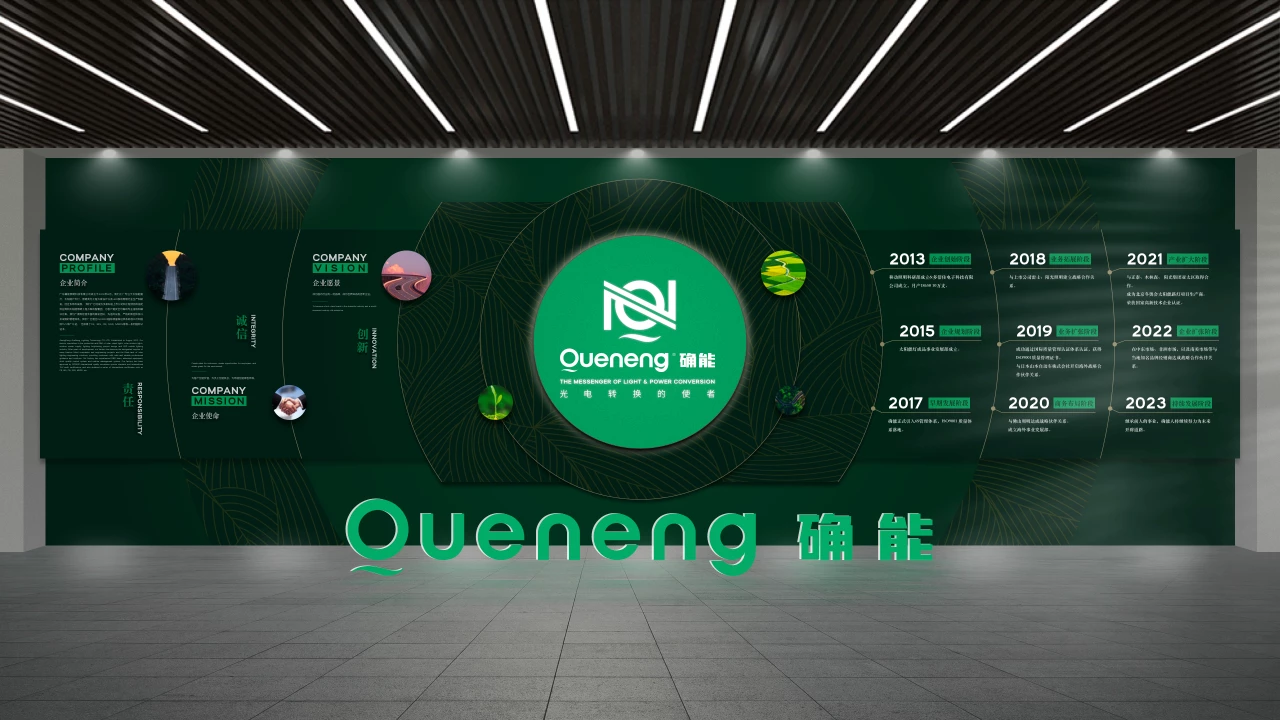
GuangDong Queneng Lighting Technology Co., Ltd. (founded 2013) focuses on solar street lights, solar spotlights, solar garden lights, solar lawn lights, solar pillar lights, solar photovoltaic panels, portable outdoor power supplies and batteries, lighting project design, and LED mobile lighting industry production and development. After years of development, Queneng has become the designated supplier for multiple listed companies and engineering projects and acts as a solar lighting engineering solutions think tank, providing customers with safe and reliable professional guidance and solutions.
Queneng maintains an experienced R&D team, advanced manufacturing equipment, strict quality control systems, and mature management processes. The company is approved under the ISO 9001 international quality management standard and has passed international TÜV auditing. Queneng has also obtained CE, UL, BIS, CB, SGS, and MSDS certificates. Their core product families — Solar Street Lights, Solar Spot lights, Solar Lawn lights, Solar Pillar Lights, Solar Photovoltaic Panels, Solar Garden Lights — are designed for durability, remote monitoring compatibility, and modular maintenance.
Competitive differentiators and what to ask prospective vendors
When selecting a supplier for municipal solar street light projects, prioritize partners who provide:
- Proven field deployments and references in similar climates and scale.
- Integrated telemetry that exposes the KPIs listed above and supports OTA updates.
- Clear warranty terms tied to performance KPIs (uptime, energy yield, battery capacity retention).
- Third-party certifications (ISO 9001, TÜV, CE/UL) and lab test reports for PV and battery performance.
Queneng’s delivery model combines certified hardware, engineering design services, and lifecycle support — valuable for municipal programs that need predictable operations and verified KPI outcomes.
FAQ
1. What KPI indicates a failing battery and when should I replace batteries?
Key signs: sustained SoH below 70–80%, rising internal resistance, frequent deep discharges (DoD > 80%) and inability to meet autonomy targets (days without sun). For LiFePO4, consider replacement planning when SoH consistently drops below 80% or when charge cycles approach the vendor’s specified end-of-life cycles. Monitor trends rather than single datapoints.
2. How often should municipal solar street lights be inspected on-site?
Combine remote monitoring with periodic inspections. Typical schedules: visual inspections quarterly, cleaning and mechanical checks annually (or more frequently in dusty/coastal environments), and in-depth electrical checks every 2–3 years. Remote telemetry reduces the need for frequent site visits by highlighting which units actually need attention.
3. Which KPIs are most useful for reporting to municipal finance teams?
Maintenance cost per unit per year, system uptime, energy generated (kWh), CO2 avoided, ROI and payback period. These map directly to budgets and sustainability targets and help justify investments in higher-quality components or monitoring systems.
4. What performance ratio (PR) should I expect from rooftop PV used in street lights?
Typical PR values for small-scale systems range between 75% and 90% depending on site losses, temperature, inverter/controller efficiency, and soiling. Consistently low PR (<75%) signals issues such as shading, soiling, wiring losses, or misconfigured controllers.
5. Can telemetry replace SLAs with physical maintenance?
Telemetry significantly reduces reactive maintenance by enabling remote diagnosis and targeted dispatch, but it does not fully replace physical maintenance. Batteries, mechanical fixtures, and vandalism require field intervention. Combine telemetry-driven workflows with SLAs that specify response times and performance penalties tied to uptime and MTTR.
Contact and next steps
For a tailored monitoring and KPI strategy, or to evaluate Queneng’s municipal solar street light solutions and lifecycle services, contact Queneng’s sales and engineering team. Request a performance-based proposal that maps required KPIs to warranty terms and monitoring features.
References
- International Energy Agency (IEA) — “World Energy Outlook / Solar PV” (IEA reports & datasets). https://www.iea.org/ — Accessed 2026-01-05
- National Renewable Energy Laboratory (NREL) — “Best Practices in PV System Operation & Maintenance.” https://www.nrel.gov — Accessed 2026-01-05
- International Renewable Energy Agency (IRENA) — “Electricity storage and renewables: costs and markets to 2030.” https://www.irena.org — Accessed 2026-01-05
- EN 13201 — Road lighting standards (overview). https://en.wikipedia.org/wiki/EN_13201 — Accessed 2026-01-05
- ISO — ISO 9001 Quality Management Systems. https://www.iso.org/iso-9001-quality-management. — Accessed 2026-01-05
- European Commission — CE marking information. https://ec.europa.eu/growth/single-market/ce-marking_en — Accessed 2026-01-05
- UL — Product safety and certification resources. https://www.ul.com — Accessed 2026-01-05
- Queneng company profile and product scope (as provided by client materials) — GuangDong Queneng Lighting Technology Co., Ltd. — Accessed 2026-01-05
Product or project inquiries: contact Queneng to schedule a site audit, KPI definition workshop, or demo of their remote monitoring platform.

Have more questions about our products or services?
The latest hot news you might like

Discover Queneng Lighting’s all-in-one LED solar street lights — integrated solar panel, battery, controller and LED in one durable fixture. Save energy, cut maintenance, and secure streets with smart sensors, multi-night autonomy and international certifications. Contact sales for quotes and support.

Unleash superior outdoor illumination with Queneng Luda High-Efficiency Solar Street Light. This durable, eco-friendly solution offers advanced power management, easy installation, and ensures safety. Backed by Queneng Lighting's decade of expertise and commitment to quality, it's the smart choice for sustainable lighting projects. Learn why we're a leading solar solutions provider.

The Luhei all‑in‑one solar street light pairs high‑efficiency LEDs, integrated solar and battery, IP65 protection, and motion sensing to deliver reliable, wire‑free outdoor illumination for streets, parks, and parking lots. Backed by Queneng Lighting’s certifications and support.

FAQ
Battery Performance and Testing
What are the main aspects of performance commonly referred to as secondary batteries?
What is a short circuit experiment?
Solar Street Light Luxian
How do Luxian solar street lights contribute to reducing carbon emissions?
By using solar power as their energy source, Luxian solar street lights reduce reliance on fossil fuels for electricity generation. This contributes to lower carbon emissions, helping mitigate climate change and promoting environmental sustainability. Their energy efficiency further reduces the overall carbon footprint of lighting systems.
Sustainability
If the light or battery fails, can it be replaced individually?
Yes. Queneng’s solar street lights are designed with a modular structure, so components such as photovoltaic panels, batteries, lights, and controllers can be replaced individually, making maintenance convenient and cost-effective.
Industry
If the battery capacity decreases, does Queneng offer replacement services?
Yes, we offer long-term maintenance support for all solar systems, including battery replacements and system upgrades to ensure ongoing high performance.
Battery Types and Applications
What is the lifespan of rechargeable batteries used in cordless phones?
1. After charging, the call time becomes shorter every time;
2. The call signal is not clear enough, the reception effect is blurry, and the noise is loud;
3. The distance between the cordless phone and the base needs to be closer and closer, that is, the range of use of the cordless phone is getting narrower and narrower.
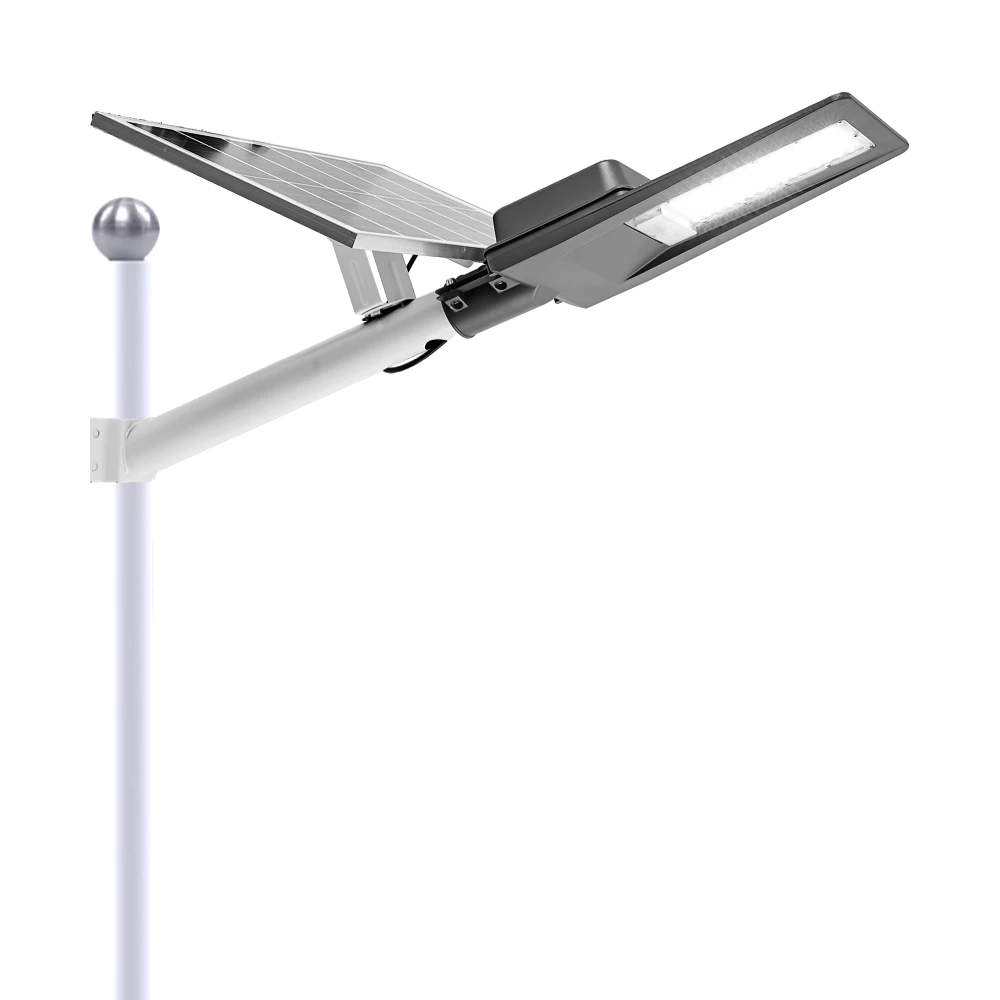
Experience reliable outdoor illumination with our smart solar street light, a perfect combination of advanced technology and eco-conscious design.
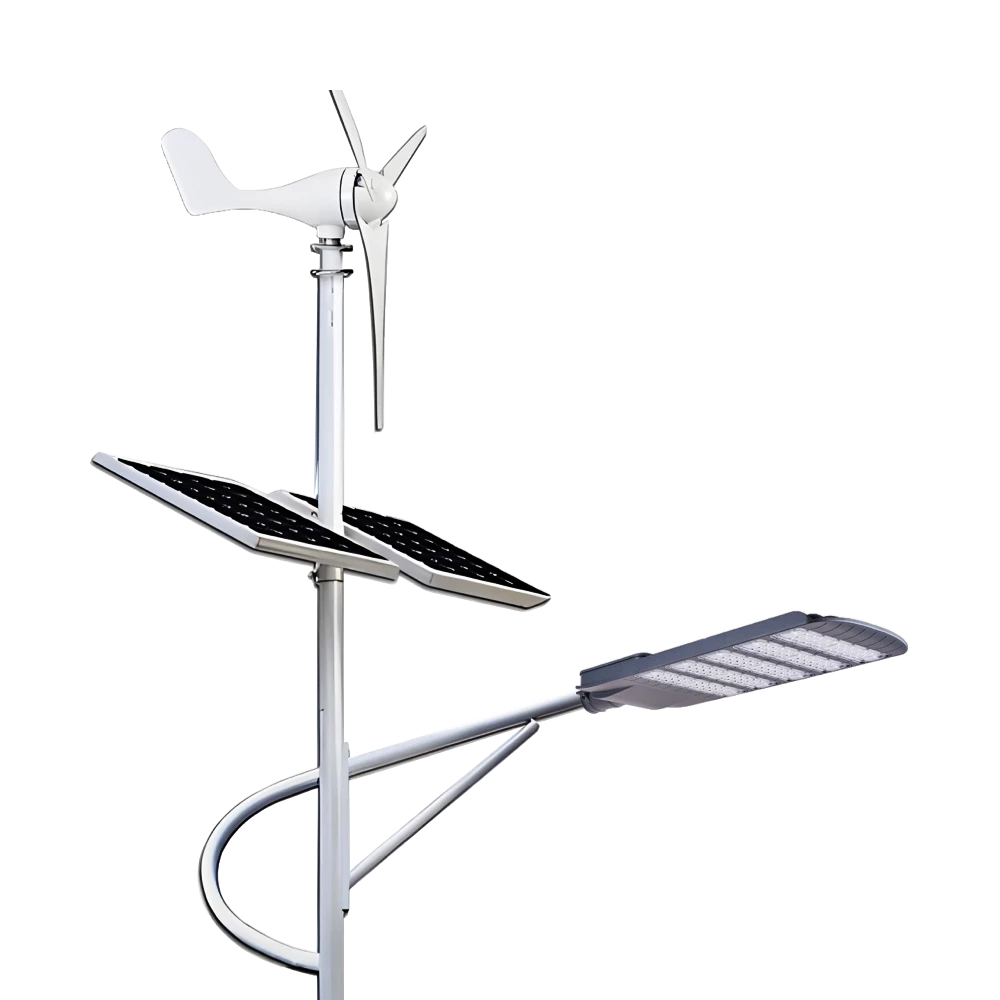
Queneng Lufeng Wind Energy LED Outdoor Solar Street Lights offer high-performance, eco-friendly illumination. These energy-efficient LED street lights harness solar power and wind energy for sustainable, cost-effective outdoor lighting solutions.
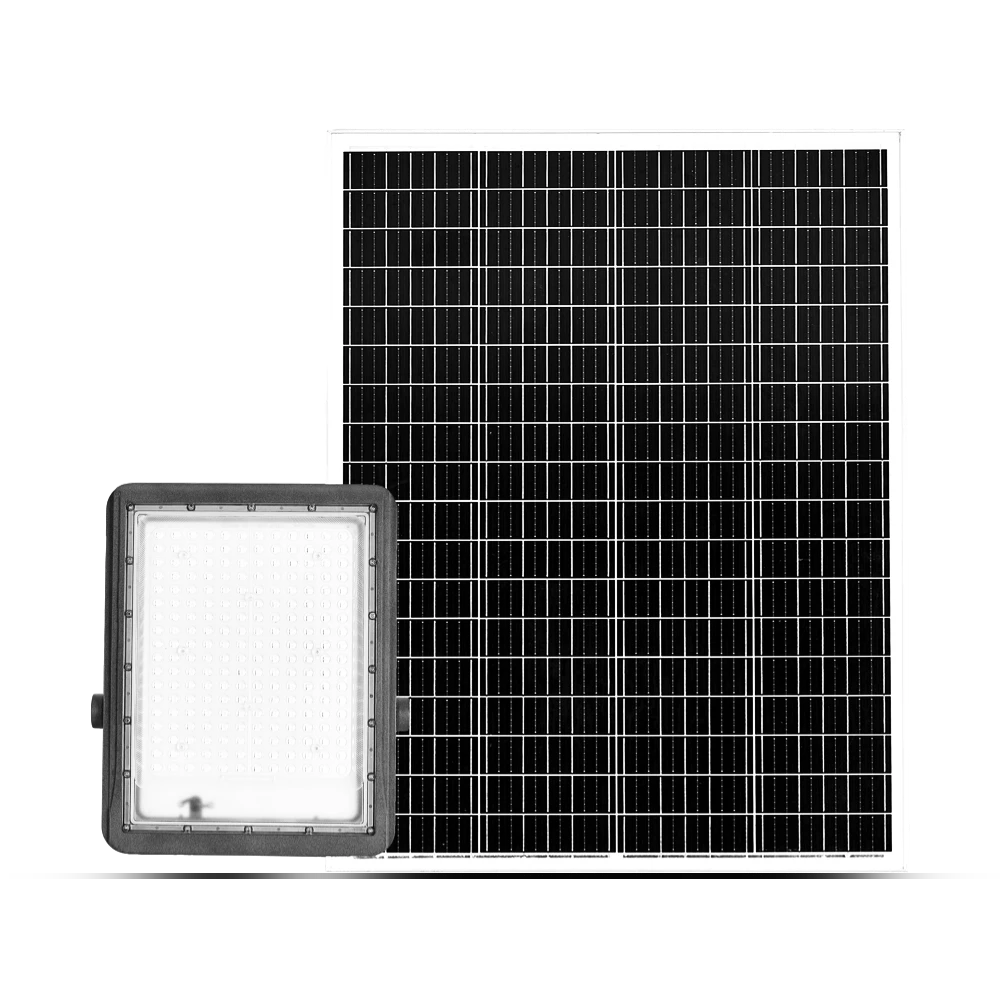
Queneng's Luxian Reliable Solar Street Light offers energy-saving LED lighting for outdoor use. This durable, solar-powered street light provides reliable illumination, reducing energy costs and environmental impact. A perfect solution for sustainable outdoor lighting.
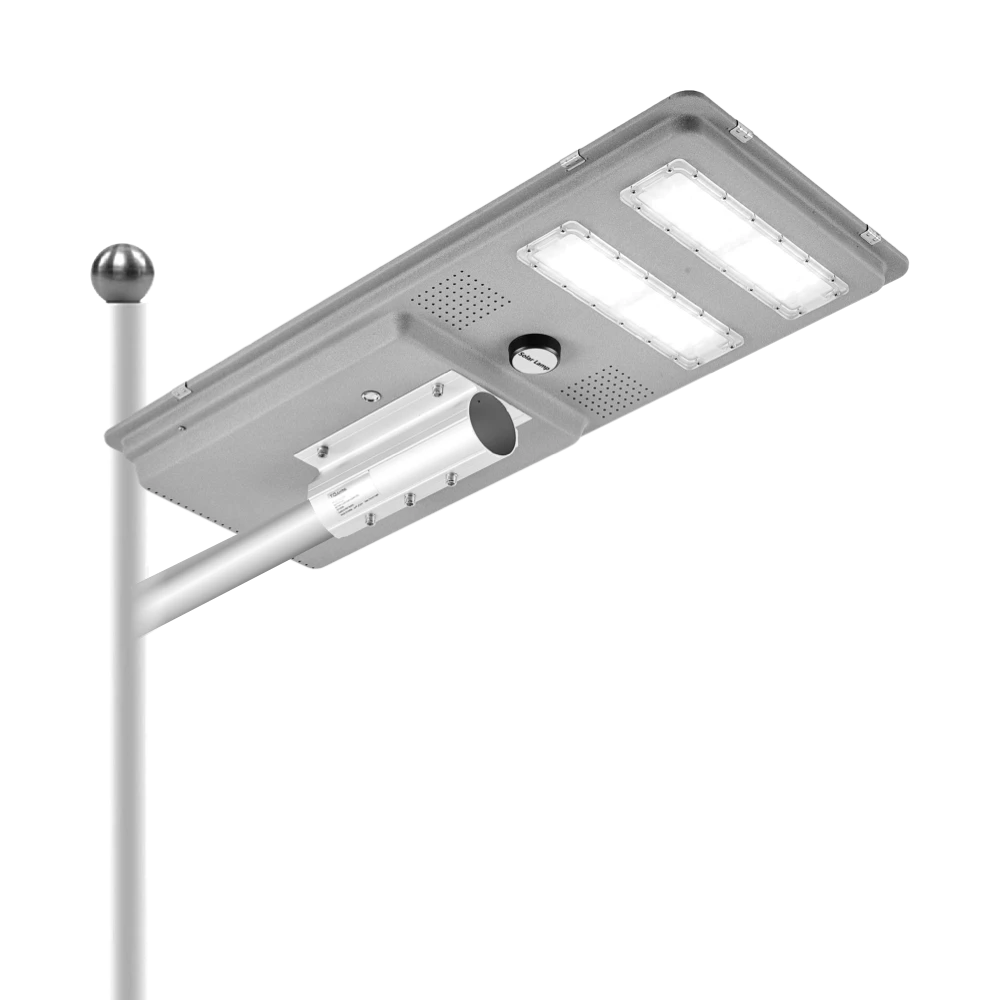
Queneng’s Solar Street Lights are designed to provide reliable, energy-efficient lighting for streets, parks, and other outdoor spaces.
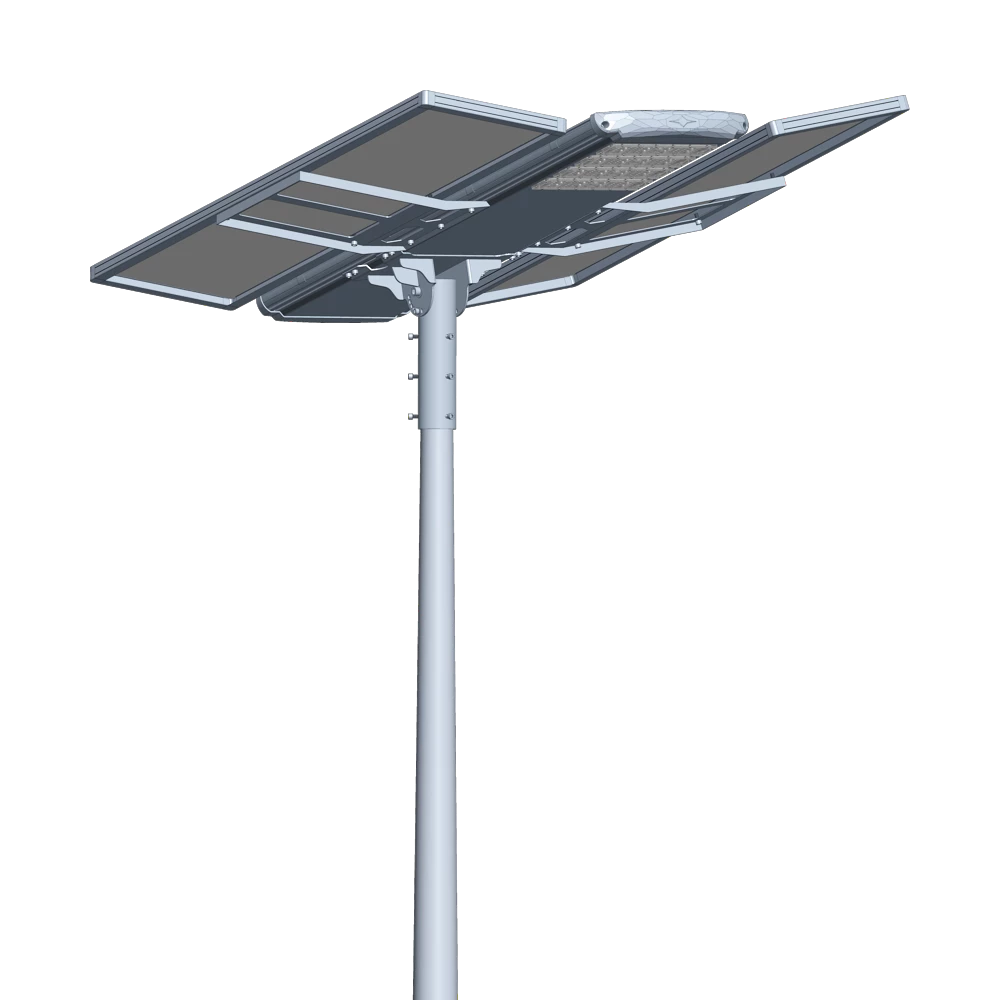
Introducing the Luqing Solar Street Light by Queneng, Efficient LED lighting powered by solar energy is perfect for illuminating outdoor areas. Harness the power of solar energy for sustainable, reliable street lighting. Ideal for eco-friendly, cost-effective outdoor illumination solutions.
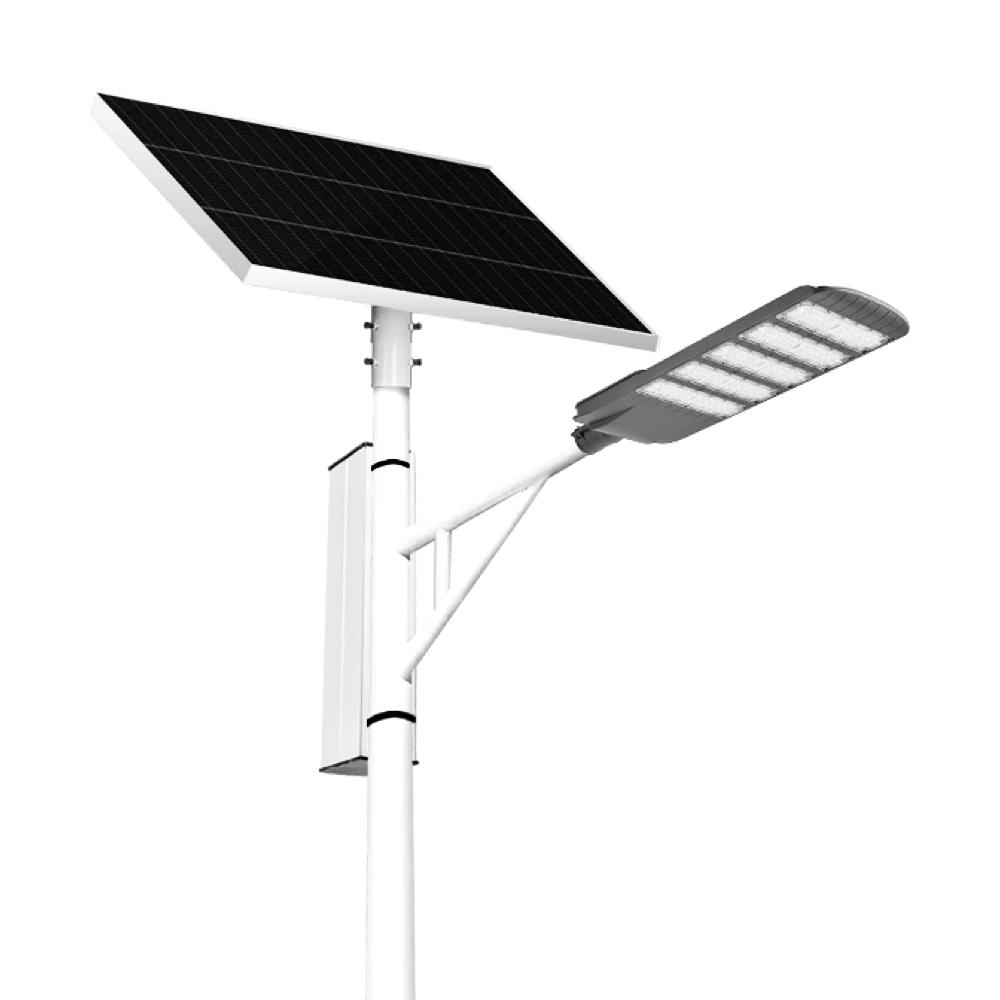
The Solar Streetlights of Luhao for Municipalities are designed to deliver reliable, energy-efficient, and cost-effective public lighting solutions. Equipped with advanced LED technology, durable lithium batteries, and high-efficiency solar panels, these streetlights provide consistent illumination for roads, parks, residential areas, and government projects.
Our professional team is ready to answer any questions and provide personalized support for your project.
You can reach us via phone or email to learn more about Queneng’s solar lighting solutions. We look forward to working with you to promote clean energy solutions!
Rest assured that your privacy is important to us, and all information provided will be handled with the utmost confidentiality.
By clicking 'Send Inquiry Now' I agree to Queneng processing my personal data.
To see how to withdraw your consent, how to control your personal data and how we process it, please see our Privacy Policy and Terms of use.
Schedule a Meeting
Book a date and time that is convenient for you and conduct the session in advance.
Have more questions about our products or services?
The messenger of light & power conversion
Environmental protection and intelligent manufacturing are our brand philosophy, and quality assurance and the best user experience are our eternal promises to users.
CONTACT
No.9F, Building F, Cao San Xin Tian Hong Logistics Park, Guzhen Town, Zhongshan City, Guangdong Province, China.
or write [email protected]
WhatsApp: +86 136 2270 1011


