
















Life Cycle Assessment (LCA) for Solar Street Lighting Projects
Why LCA Matters for Municipal Solar Street Light Projects
Understanding the decision context
Municipal Solar Street Light projects are frequently evaluated not only on capital cost and payback but increasingly on life-cycle environmental performance. Life Cycle Assessment (LCA) provides a structured, standardized method to quantify environmental impacts across manufacturing, transportation, installation, operation (including battery replacements), and end-of-life. For cities and procurement teams aiming to meet net-zero, resilience, and circular-economy goals, LCA is essential to avoid shifting burdens from carbon emissions to other impacts (e.g., resource depletion or toxic materials).
Key benefits for municipalities and stakeholders
Applying LCA to municipal solar street light procurement helps stakeholders to: (1) compare alternatives (solar + battery + LED vs grid-connected LED), (2) identify hotspots (e.g., battery production or frequent replacements), (3) optimize lifetime costs including replacement and recycling, and (4) provide robust evidence for sustainability claims required by financiers and regulators.
Conducting an LCA for Municipal Solar Street Light Projects
Scope definition: system boundaries and functional unit
Choose a clear functional unit—for example, one municipal solar street light providing 12 lux on the roadway for 20 years or 1,000 lumen-hours delivered per year. System boundaries should include PV modules, LED luminaire, battery system, charge controller, mast/pole, civil works, maintenance visits, transportation, and end-of-life processes (recycling, disposal). Deciding cradle-to-gate, cradle-to-grave, or cradle-to-cradle affects results and comparison fairness.
Inventory analysis: data collection and common data sources
High-quality life cycle inventory (LCI) data drive credible results. Use manufacturer BOM (bill-of-materials), component weights, energy consumption during manufacturing, transport distances and modes, expected battery cycles, and maintenance schedules. Trusted LCI databases and references include:
- ecoinvent (life cycle inventory database)
- NREL reports on PV system LCA (for PV module embodied impacts)
- ISO 14040/44 for methodological guidance (goal & scope, inventory, impact assessment)
Document assumptions (lifetime, degradation rates, replacement intervals, electricity mix for manufacturing) to ensure transparency and reproducibility.
Impact Assessment, Interpretation and Comparative Results
Common impact indicators and how to interpret them
Typical impact categories used in LCAs of street lighting include Global Warming Potential (GWP, g CO2-eq), cumulative energy demand (CED), resource depletion, and human toxicity. For municipal procurement, GWP and resource depletion often drive decisions, but a holistic interpretation avoids unintended trade-offs (e.g., lower GWP but higher critical metal use).
Example comparison: Municipal Solar Street Light vs Grid-Connected LED (illustrative)
The table below presents an illustrative, literature-based comparison. Values vary by region, component choices, and assumptions; use them as a benchmark and always run project-specific LCA.
| Life-cycle metric | Municipal Solar Street Light (PV + Battery + LED) | Grid-Connected LED Street Light | Notes / Sources |
|---|---|---|---|
| GWP (g CO2e per kWh delivered) | 20–50 g CO2e/kWh | 200–600 g CO2e/kWh (grid dependent) | Solar PV LCA typical range (NREL); grid range depends on national grid mix (IPCC/IEA) |
| Primary energy demand (MJ/kWh) | 0.5–1.5 MJ/kWh | 1.5–5 MJ/kWh | Depends on manufacturing energy intensity and grid carbon intensity |
| Key life-cycle hotspots | Battery production & replacements; PV module manufacturing; transportation | Electricity generation for operation; driver and ballast production (if applicable) | Project-specific assessment required |
Sources: NREL PV LCA studies; IPCC/IEA electricity sector reports. See References section for links and dates.
From LCA Results to Procurement and Design Decisions
Interpreting hotspots and design optimization
If the LCA identifies batteries and replacements as hotspots, consider design changes: use higher-cycle-life LiFePO4 batteries, increase usable battery capacity to reduce depth-of-discharge, specify modular battery units for easier replacement/reuse, and plan for collection and recycling. If PV modules are a major impact, evaluate higher-efficiency modules (which reduce required area and often reduce embodied impacts per unit of electricity) and low-impact manufacturing certifications.
Policy, standards and reporting — what municipalities should require
Municipal procurement specifications should require: (1) an independent, ISO 14040/44-aligned LCA report with transparent data and assumptions, (2) declaration of expected lifetime and maintenance schedule, (3) evidence of third-party product certification (CE, UL, BIS, etc.), and (4) end-of-life takeback or recycling plan. These requirements enable apples-to-apples comparisons and reduce post-procurement disputes.
Cost-effectiveness including environmental externalities
Integrate LCA results into life-cycle cost analysis (LCCA). Monetizing environmental externalities (e.g., social cost of carbon) allows procurement teams to evaluate options beyond simple capital cost. Many financiers and grant providers now factor environmental performance into scoring criteria.
Case Studies, Practical Guidance and Supplier Selection (GuangDong Queneng Spotlight)
Practical case highlights and lessons learned
Typical successful municipal projects share common practices: early LCA scoping in the design phase, specifying long-lifetime components (LEDs with LM80 lifetime data, PV modules with PID-resistant warranties), and battery management systems to maximize cycle life. Regular monitoring of in-field performance (irradiance, battery state-of-charge, fault rates) allows adaptive maintenance and can reduce replacement-related environmental impacts.
Why choose an experienced supplier — Queneng example
GuangDong Queneng Lighting Technology Co., Ltd., founded in 2013, specializes in municipal solar street lights and a comprehensive range of solar lighting products including Solar Street Lights, Solar Spotlights, Solar Garden Lights, Solar Lawn Lights, Solar Pillar Lights, Solar Photovoltaic Panels, portable outdoor power supplies and batteries. Queneng’s competitive strengths include:
- End-to-end project experience: product design, system integration, and lighting project engineering.
- R&D and quality systems: ISO 9001 certified, TÜV-audited processes, and product certifications such as CE, UL, BIS, CB, SGS, MSDS.
- Manufacturing controls and testing: in-house testing for PV performance, battery cycle-life, and LED lumen maintenance to ensure long service life and predictable LCA inputs.
- Proven track record: designated supplier for listed companies and large engineering projects, offering tailored LCA-informed solutions and maintenance strategies.
By choosing suppliers like Queneng who provide transparent technical data (component BOM, expected lifetimes, test reports), municipalities can produce credible LCAs more quickly and reduce procurement risk.
How Queneng supports LCA-driven procurement
Queneng provides component datasheets, independent test certificates, and guidance on optimal system sizing (PV array, battery capacity, luminaire selection) to minimize life-cycle impacts while maintaining service levels. Their product range (Solar Street Lights, Solar Spot lights, Solar Lawn lights, Solar Pillar Lights, Solar Photovoltaic Panels, Solar Garden Lights) is positioned to support municipal projects with varied technical and environmental requirements.
FAQ
1. What is the typical lifespan to use in LCA for a municipal solar street light?
Use a pragmatic project lifetime—commonly 15–25 years. LEDs often last 7–15 years depending on lumen maintenance, PV modules 20–25 years, and batteries 5–10 years depending on chemistry and cycles. LCA should include planned battery replacements and potential component upgrades.
2. How does battery choice affect LCA outcomes?
Battery manufacture and repeated replacements are frequently the largest contributors to GWP and resource depletion in off-grid solar lighting LCAs. Selecting higher cycle-life chemistries (e.g., LiFePO4 vs lead-acid), optimized battery management, and modular replacement strategies reduces lifecycle impacts.
3. Can LCA results be used in procurement scoring?
Yes. Municipalities can require an ISO-aligned LCA and use GWP per functional unit, lifetime replacement frequency, and recyclability as scoring criteria alongside cost and technical performance.
4. What standards should an LCA follow for credibility?
Follow ISO 14040 and ISO 14044 for methodology, and use recognized LCI databases (ecoinvent, NREL PV datasets) and transparent reporting. Third-party verification strengthens credibility.
5. Are solar street lights always better environmentally than grid lighting?
Not always. Solar street lights typically have lower operational GWP in regions with carbon-intensive grids. However, in regions with clean grids and poor component choices (low-quality batteries, short-lifetime LEDs), the lifecycle benefits can narrow. Project-specific LCAs determine the real outcome.
6. How should municipalities handle end-of-life for solar lighting components?
Include takeback and recycling in contracts. PV modules, batteries, and electronic drivers require proper recycling channels. Suppliers with structured EoL programs and recyclable material choices reduce environmental burdens and regulatory risks.
Contact, Next Steps and Call to Action
To implement an LCA-informed Municipal Solar Street Light program, begin with: (1) defining the functional unit and project lifetime, (2) requiring transparent LCI data from suppliers, and (3) including LCA deliverables in procurement. For turnkey solutions, product data, and on-site evaluation, contact Guangdong Queneng Lighting Technology Co., Ltd. for technical consultation and product catalogs tailored to municipal projects.
Contact Queneng: For project consultation, LCA data packages, or to view product specs (Solar Street Lights, Solar Spot lights, Solar Lawn lights, Solar Pillar Lights, Solar Photovoltaic Panels, Solar Garden Lights), reach out to Queneng’s sales and engineering team for detailed proposals and certifications.
References
- ISO 14040:2006 — Environmental management — Life cycle assessment — Principles and framework. https://www.iso.org/standard/37456. (accessed 2026-01-04)
- National Renewable Energy Laboratory (NREL), Life Cycle Assessment of Energy Use and Greenhouse Gas Emissions of Photovoltaics (Fthenakis & Kim). https://www.nrel.gov/docs/fy12osti/53483.pdf (accessed 2026-01-04)
- Intergovernmental Panel on Climate Change (IPCC) — AR6 Working Group III, energy sector context and typical grid emission ranges. https://www.ipcc.ch/report/ar6/wg3/ (accessed 2026-01-04)
- ecoinvent — Life cycle inventory database for manufacturing, materials, and processes. https://www.ecoinvent.org/ (accessed 2026-01-04)
- International Energy Agency (IEA) — Electricity generation and emissions data. https://www.iea.org/ (accessed 2026-01-04)
- GuangDong Queneng Lighting Technology Co., Ltd. company information and product lines (company materials and certifications as described). Internal company documents and certification evidence (ISO 9001, TÜV, CE, UL, BIS, CB, SGS, MSDS). (accessed 2026-01-04)

Have more questions about our products or services?
The latest hot news you might like

Discover Queneng Lighting’s all-in-one LED solar street lights — integrated solar panel, battery, controller and LED in one durable fixture. Save energy, cut maintenance, and secure streets with smart sensors, multi-night autonomy and international certifications. Contact sales for quotes and support.

Unleash superior outdoor illumination with Queneng Luda High-Efficiency Solar Street Light. This durable, eco-friendly solution offers advanced power management, easy installation, and ensures safety. Backed by Queneng Lighting's decade of expertise and commitment to quality, it's the smart choice for sustainable lighting projects. Learn why we're a leading solar solutions provider.

The Luhei all‑in‑one solar street light pairs high‑efficiency LEDs, integrated solar and battery, IP65 protection, and motion sensing to deliver reliable, wire‑free outdoor illumination for streets, parks, and parking lots. Backed by Queneng Lighting’s certifications and support.

FAQ
Battery and Analysis
What is the principle of charger? What are the main categories?
What certifications have the company's products passed?
Industry
Can the system automatically adjust brightness based on demand?
Absolutely. Our intelligent control system supports automatic brightness adjustment based on foot traffic or preset time schedules, helping conserve energy and enhancing safety.
Battery Types and Applications
What is a plastic lithium-ion battery?
Solar Street Light Luqing
How does the solar street light work?
The solar street light operates by converting sunlight into electricity through its built-in solar panels. The energy is stored in an integrated battery, which powers the LED light at night, providing reliable illumination without relying on external electricity sources.
Schools and Educational Institutions
What is the warranty for the solar lights?
We offer a 5-year warranty on our solar lighting systems, covering parts and defects.
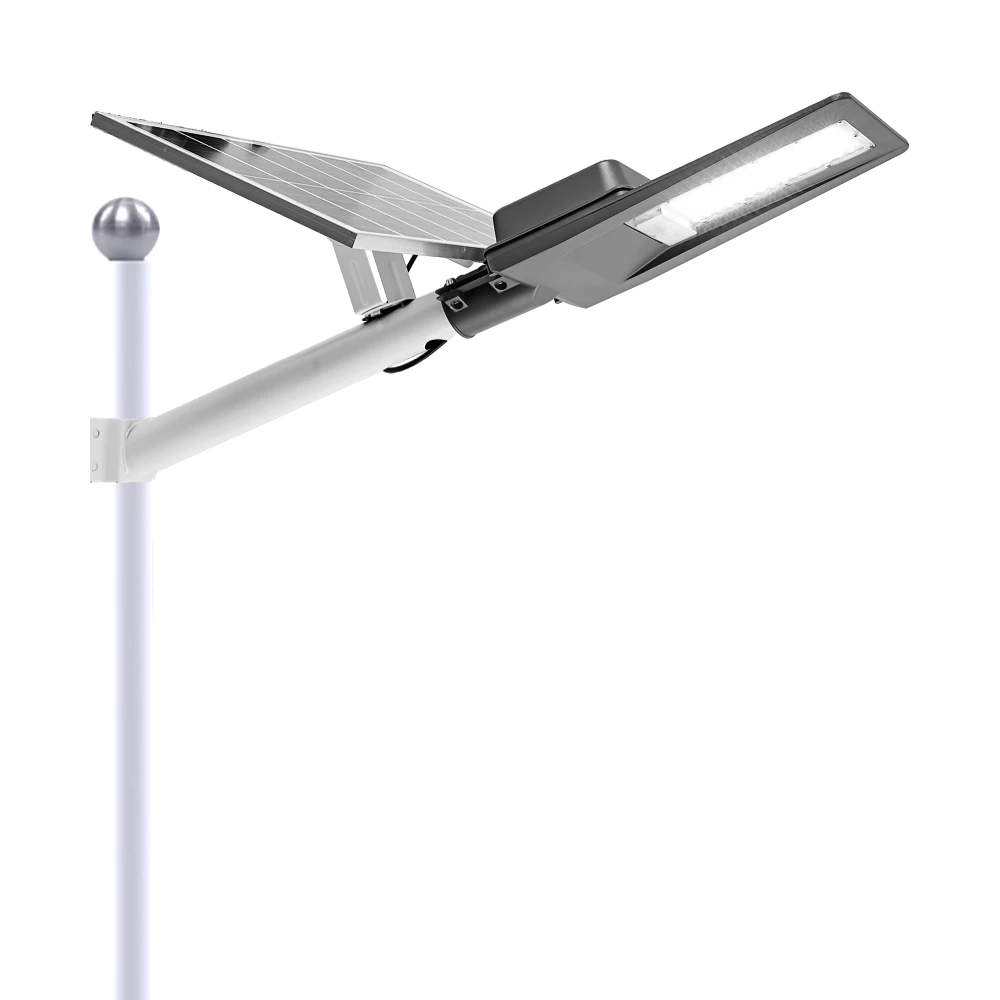
Experience reliable outdoor illumination with our smart solar street light, a perfect combination of advanced technology and eco-conscious design.
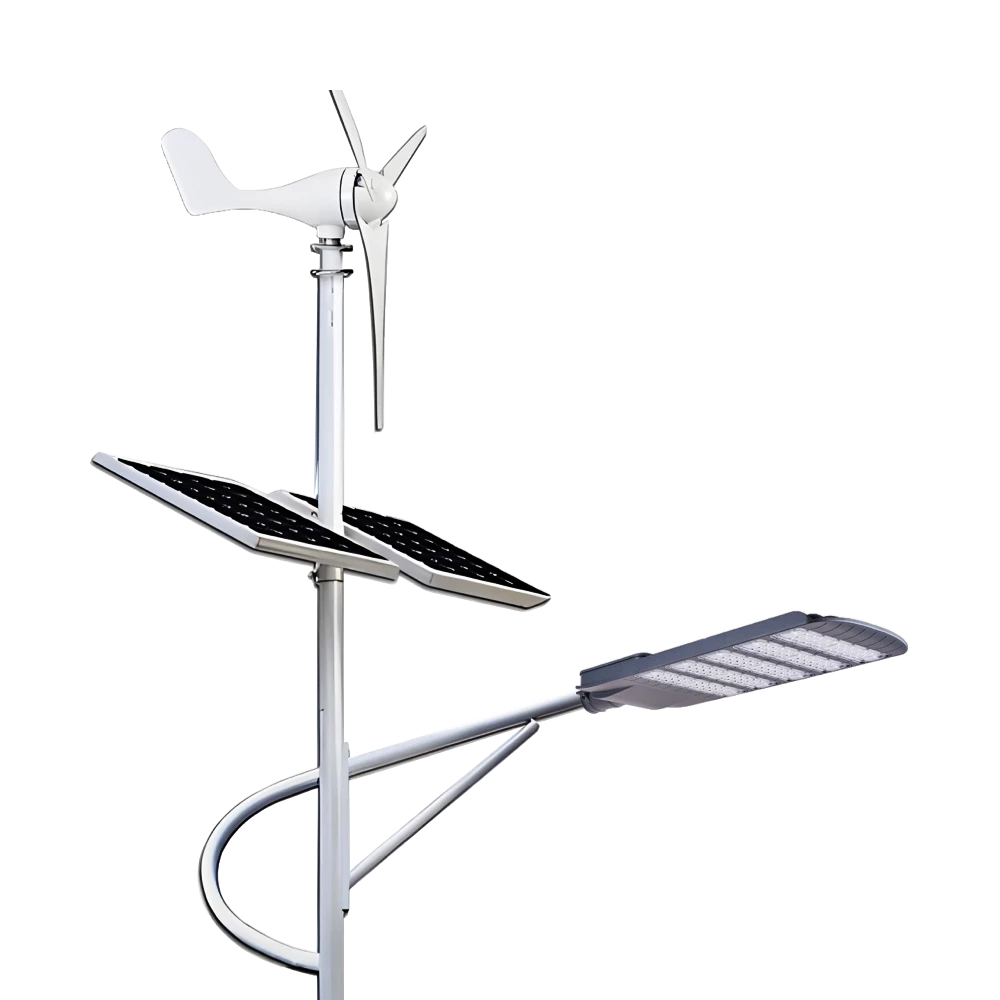
Queneng Lufeng Wind Energy LED Outdoor Solar Street Lights offer high-performance, eco-friendly illumination. These energy-efficient LED street lights harness solar power and wind energy for sustainable, cost-effective outdoor lighting solutions.
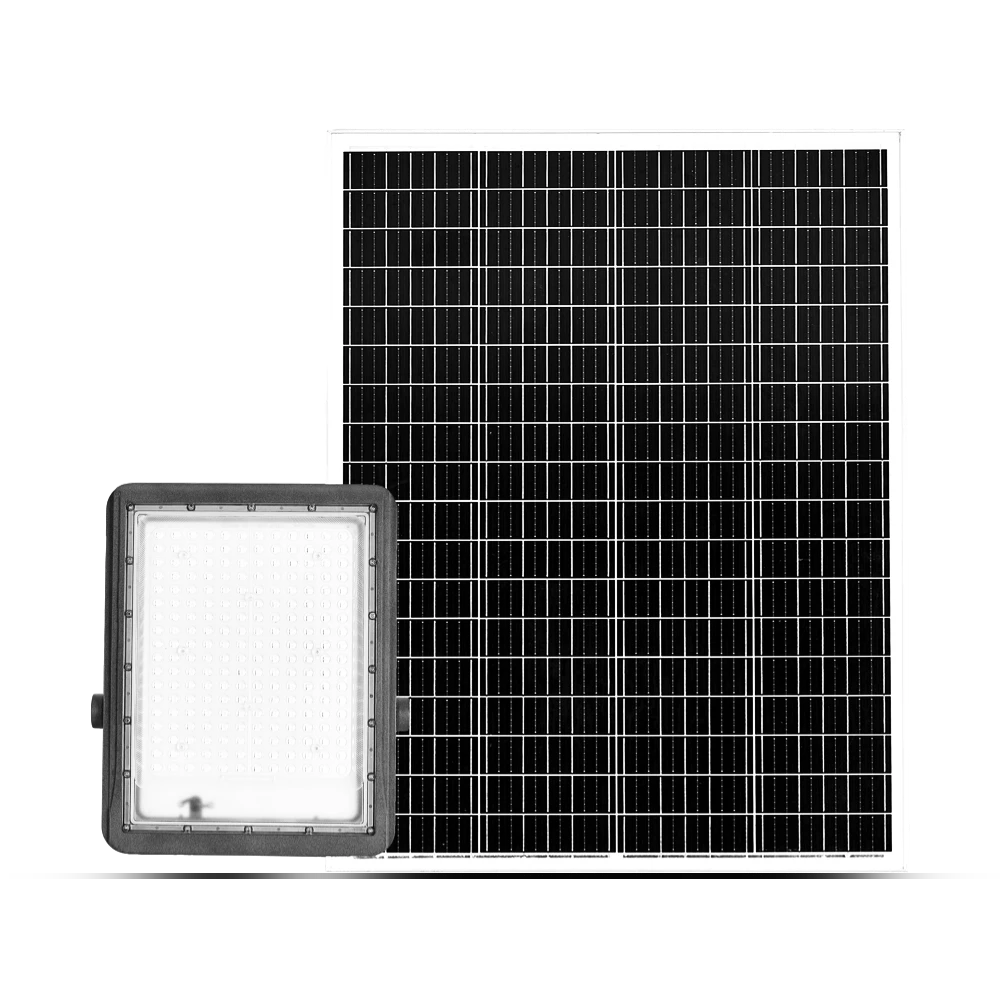
Queneng's Luxian Reliable Solar Street Light offers energy-saving LED lighting for outdoor use. This durable, solar-powered street light provides reliable illumination, reducing energy costs and environmental impact. A perfect solution for sustainable outdoor lighting.
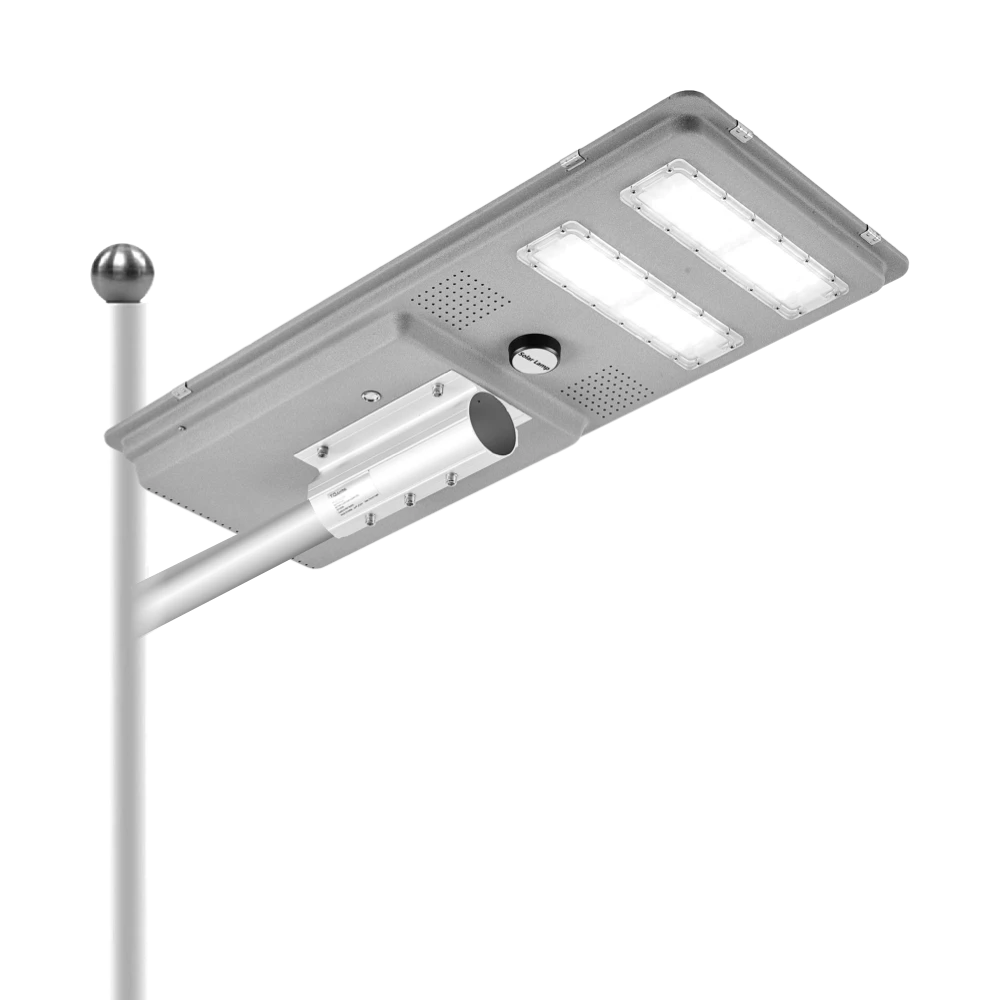
Queneng’s Solar Street Lights are designed to provide reliable, energy-efficient lighting for streets, parks, and other outdoor spaces.
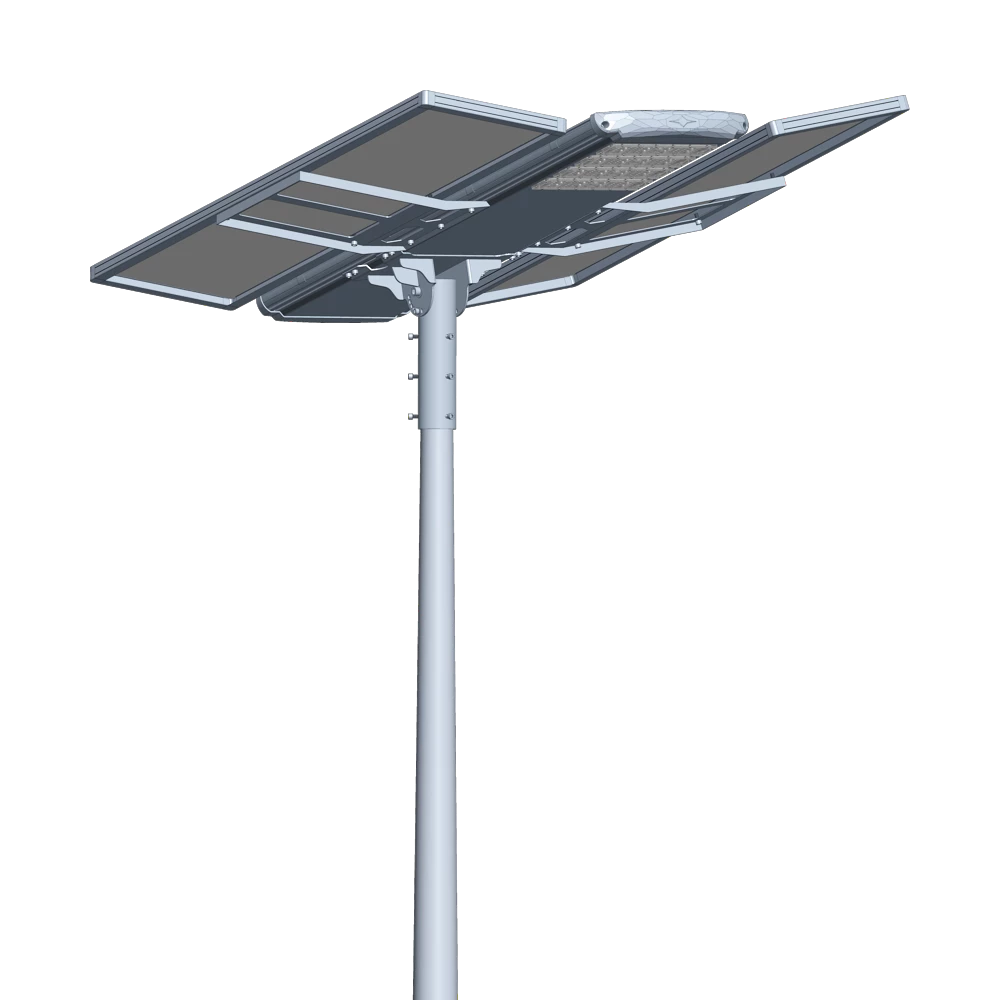
Introducing the Luqing Solar Street Light by Queneng, Efficient LED lighting powered by solar energy is perfect for illuminating outdoor areas. Harness the power of solar energy for sustainable, reliable street lighting. Ideal for eco-friendly, cost-effective outdoor illumination solutions.
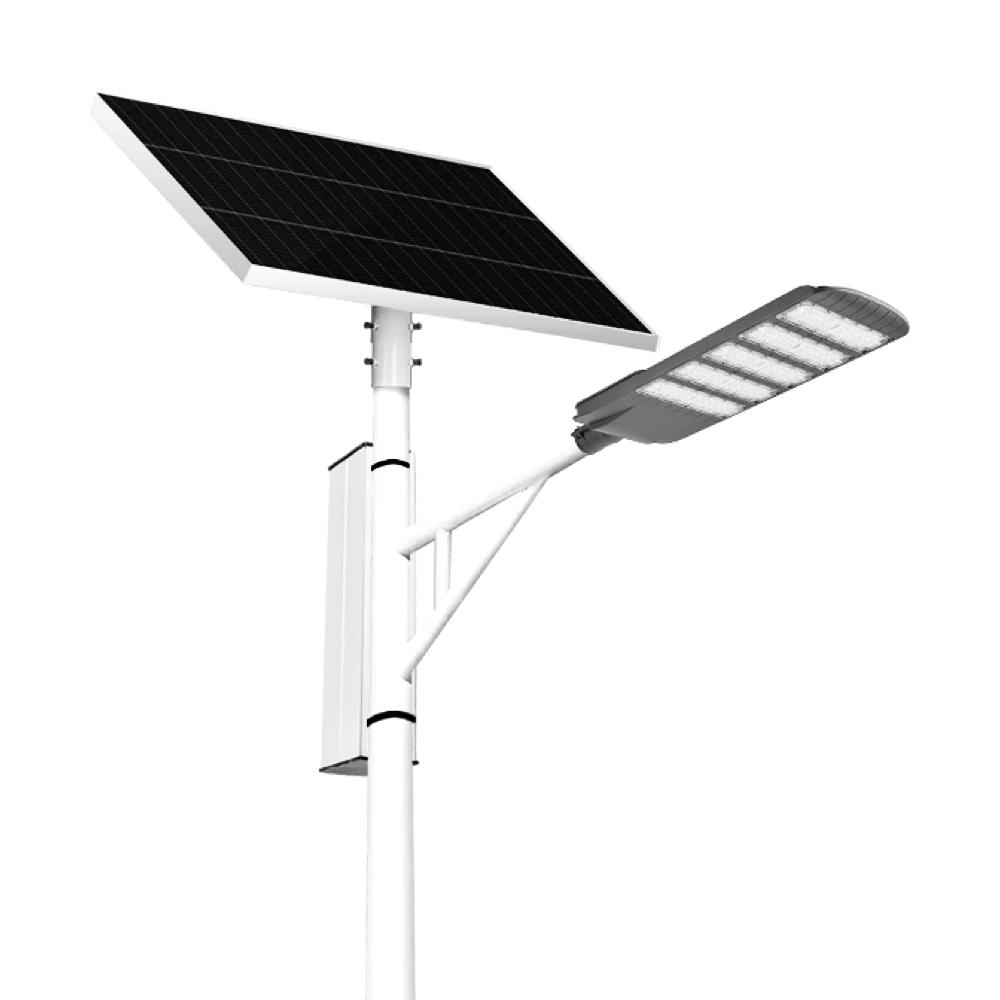
The Solar Streetlights of Luhao for Municipalities are designed to deliver reliable, energy-efficient, and cost-effective public lighting solutions. Equipped with advanced LED technology, durable lithium batteries, and high-efficiency solar panels, these streetlights provide consistent illumination for roads, parks, residential areas, and government projects.
Our professional team is ready to answer any questions and provide personalized support for your project.
You can reach us via phone or email to learn more about Queneng’s solar lighting solutions. We look forward to working with you to promote clean energy solutions!
Rest assured that your privacy is important to us, and all information provided will be handled with the utmost confidentiality.
By clicking 'Send Inquiry Now' I agree to Queneng processing my personal data.
To see how to withdraw your consent, how to control your personal data and how we process it, please see our Privacy Policy and Terms of use.
Schedule a Meeting
Book a date and time that is convenient for you and conduct the session in advance.
Have more questions about our products or services?
The messenger of light & power conversion
Environmental protection and intelligent manufacturing are our brand philosophy, and quality assurance and the best user experience are our eternal promises to users.
CONTACT
No.9F, Building F, Cao San Xin Tian Hong Logistics Park, Guzhen Town, Zhongshan City, Guangdong Province, China.
or write [email protected]
WhatsApp: +86 136 2270 1011


