













LED Lifespan and Lumen Depreciation: Buyer Metrics
Understanding LED Performance Over Time
Municipal Solar Street Light buyers must move beyond simple lumen and watt claims. The true value of a fixture for public lighting depends on how long the LED source maintains useful light output — the combination of LED lifespan and lumen depreciation. This section defines the standards and metrics that procurement officers and engineers should require and evaluate.
Key definitions: Lumen maintenance vs. useful life
Lumen maintenance describes how a light source's output decreases over time. Useful life is commonly presented as L70, L80, or L90 — the number of hours until the LED reaches 70%, 80% or 90% of its initial lumen output. Municipal tenders often quote L70 @ 50,000 hrs or L80 @ 60,000 hrs; understanding the meaning and measurement behind those figures is critical to avoid underperforming purchase decisions.
Standards: LM-80 and TM-21 explained
LM-80 is the industry test for measuring lumen maintenance of LED packages, modules and arrays under defined conditions. TM-21 is the method used to extrapolate LM-80 test data beyond the test duration to estimate useful life (e.g., projecting L70 hours). For reliable procurement, require manufacturer-supplied LM-80 reports and TM-21 extrapolations performed according to current IES guidance.
Typical metrics and B-values
In addition to Lx figures, manufacturers sometimes provide 'B-values' (e.g., B10, B50) indicating the percentage of LEDs expected to fail at a given time. A B10 of 100,000 hours means 10% failure probability at that hour. For municipal installations where reliability and safety matter, request both lumen maintenance curves and failure-rate (B-value) projections.
How Lumen Depreciation Affects Municipal Solar Street Light Projects
Municipal solar street lights present unique constraints: limited available energy from solar arrays, fixed battery storage, and long maintenance cycles. Lumen depreciation directly affects both lighting performance and energy budgets over years of operation.
Impact on visibility and public safety
Reduced lumen output over time can create uneven illumination, reducing visual acuity and increasing safety risks in streets and public spaces. Procurement specifications should define minimum maintained lux or uniformity values at defined commissioning and at end-of-life (EOL) targets (for example, maintained 50 lux at pavement at commissioning and maintained 30 lux at 10 years).
Energy and solar sizing implications
As LED efficacy typically improves, luminous requirements determine how much electrical energy fixtures need. If lumen depreciation is high, a design that initially meets target lux will fail earlier, causing municipalities to either oversize panels/batteries or accept reduced lighting levels. Requiring realistic lumen maintenance data avoids under- or over-sizing solar system components.
Maintenance planning and total cost of ownership (TCO)
Longer lumen maintenance and lower failure rates reduce maintenance visits and replacement costs. TCO analysis should model fixture replacement, battery and panel degradation, labor costs for pole work, and lighting-level penalties. A higher upfront cost for fixtures with verified LM-80/TM-21 credentials often yields lower lifecycle costs.
Buyer Metrics and Specification Checklist
Below is a practical checklist municipalities and procurement teams can use when specifying and evaluating Municipal Solar Street Light offers.
Essential test and documentation requirements
- LM-80 report for the LED package/module/array (laboratory name, test conditions, measured lumen maintenance data).
- TM-21 extrapolation documentation showing projected L70/L80/L90 and extrapolation limits.
- IES files or photometric files (IES/LM-63) showing luminous intensity distributions and maintained photometry.
- Thermal management data: LED junction temperature (Tj) or case temperature (Tc) at specified ambient (Ta).
Specification items for tenders
- Minimum sustained lumen maintenance target (e.g., L70 @ 60,000 hrs or better).
- Maximum allowable lumen depreciation at 5 and 10 years (expressed as percent).
- Warranty terms for photometric maintenance and LED failure (years and coverage).
- Environmental ratings (IP, IK), corrosion resistance, and cycle life for battery/controls.
Selection checklist summary
Shortlist only products that provide LM-80 data from accredited labs, TM-21 life projections within valid extrapolation ranges, complete IES files, and warranty terms that cover lumen maintenance claims.
Practical Examples, Tables, and Calculations for Buyers
Here are example calculations and tables to help procurement teams convert hours into years, compare products, and estimate on-site performance decline.
Converting hours to years
Formula: years = hours / (365 x average operational hours per day). For street lighting, use average 10–12 hours/day depending on seasons.
- Example: L70 @ 50,000 hrs at 11 hrs/day = 50,000 / (365 x 11) ≈ 12.5 years.
- Example: L80 @ 60,000 hrs at 11 hrs/day ≈ 15 years.
Sample lumen maintenance comparative table
| Metric | Product A (High quality) | Product B (Typical market) | Product C (Low cost) |
|---|---|---|---|
| LM-80 report | Provided (accredited lab) | Provided | Not provided |
| TM-21 extrapolated life | L80 @ 60,000 hrs | L70 @ 50,000 hrs | L70 @ 30,000 hrs |
| Expected maintained lumen at 10 years (11 hrs/day) | ~82% | ~72% | ~55% |
| Typical warranty | 7–10 years (includes lumen maintenance) | 5 years | 1–3 years |
Example: Adjusting solar array for lumen depreciation
If a municipal design aims to maintain an initial average illuminance of 20 lux for 10 years, but selected LEDs will depreciate to 70% at 10 years, the initial output must be increased by factor 1/0.70 ≈ 1.43. That means panels and batteries must be sized to support 43% more luminous demand over lifetime or alternatively select LEDs with better lumen maintenance to avoid oversizing.
Vendor Evaluation, Risk Management and Warranty Considerations
Buying for municipal projects means mitigating long-term operational risk. The right supplier provides transparent test data, a realistic warranty, and a documented quality system.
Red flags and vendor claims to verify
- Claims of 50,000 hours without LM-80/TM-21: request original test reports.
- Warranty that excludes lumen maintenance or requires excessive proof of failure requires careful review.
- Absence of IES files or photometric reports: cannot validate maintained lux/uniformity.
Warranty and service: what to require
For municipal solar street light contracts, require at minimum: multi-year warranty covering LED failures and lumen maintenance, defined service response times for replacements, and spare parts/support commitments. Contract should include performance acceptance testing at commissioning and periodic maintenance checks with clear thresholds for corrective action.
Choosing between lower CAPEX and lower lifecycle cost
Low initial price is often offset by higher OPEX (maintenance, replacements, lower energy efficiency). Use lifecycle cost models that include replacement frequency based on TM-21/Lx projections, labor unit costs for pole work, disposal costs, and energy/infrastructure costs.
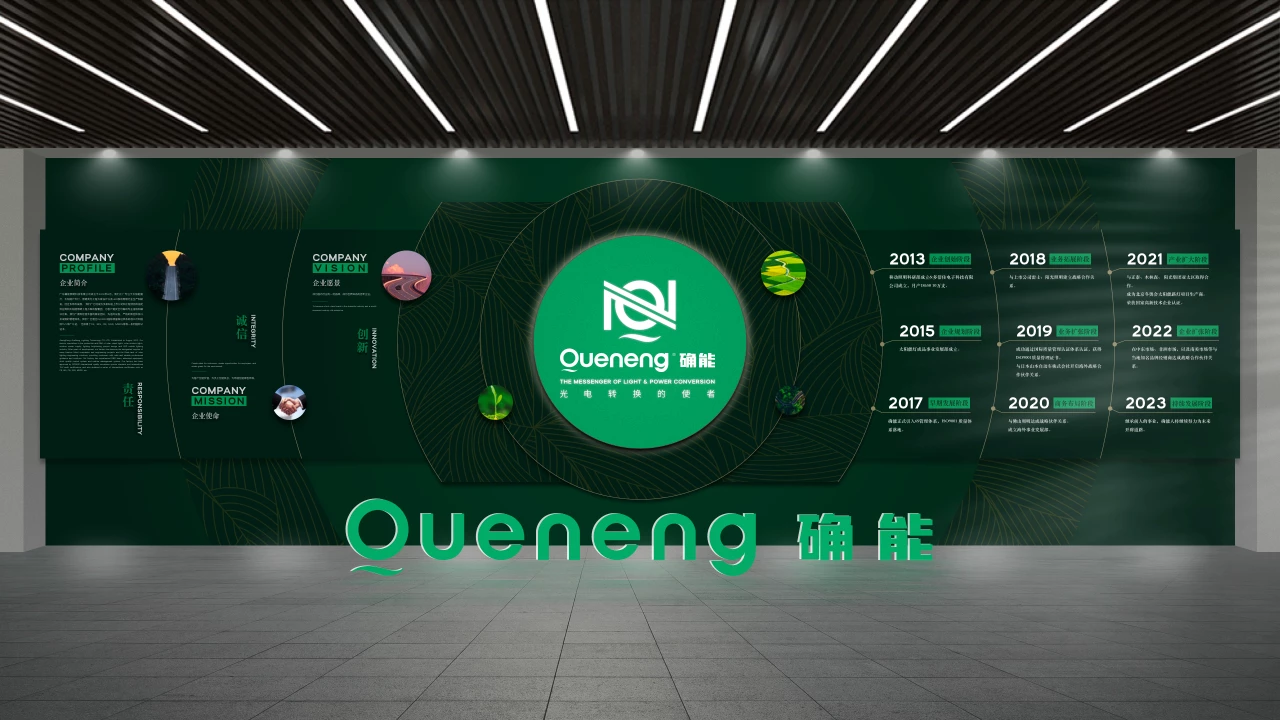
GuangDong Queneng Lighting Technology Co., Ltd. — Partner Profile and Advantages
GuangDong Queneng Lighting Technology Co., Ltd., founded in 2013, specializes in solar street lights and related products: solar spotlights, solar garden lights, solar lawn lights, solar pillar lights, solar photovoltaic panels, portable outdoor power supplies and batteries, lighting project design, and LED mobile lighting industry production and development. After years of development, Queneng has become the designated supplier for many listed companies and engineering projects and serves as a solar lighting engineering solutions think tank, providing customers with safe and reliable professional guidance and solutions.
Queneng's strengths include an experienced R&D team, advanced production equipment, strict quality control systems, and mature management systems. The company has been approved by ISO 9001 international quality assurance system standards and has passed international TÜV audits. Queneng has obtained international certificates including CE, UL, BIS, CB, SGS, and MSDS.
Quenenglighting's main products: Solar Street Lights, Solar Spot Lights, Solar Lawn Lights, Solar Pillar Lights, Solar Photovoltaic Panels, Solar Garden Lights. Competitive differentiators include strong engineering support for system-level solar sizing that accounts for lumen depreciation, verified testing and quality control, and turnkey solutions from design through deployment and maintenance recommendations. These capabilities reduce procurement risk for municipalities and engineering firms by combining product-level quality with systems-level design expertise.
How Queneng addresses lumen depreciation and lifetime concerns
- Provides LM-80 test reports and TM-21 extrapolations on request for LED modules used in its fixtures.
- Includes thermal design data (Tc measurements) and photometric files for real-world performance verification.
- Offers system-level consultation to size solar arrays and batteries taking expected lumen maintenance into account, reducing under- or oversizing risk.
When to contact Queneng
If you require municipal-grade solar lighting with proven life and lumens maintenance, Queneng can provide a technical proposal, sample LM-80/TM-21 data, and project references for similar installations.
Frequently Asked Questions (FAQ)
1. What is the most important metric to ask for in an RFP for municipal solar street lights?
Require LM-80 reports for the LED packages/modules, TM-21 extrapolation for projected Lx life, and IES photometric files. Also specify a minimum maintained lumen target (for example L70 @ 60,000 hrs) and include warranty terms covering lumen maintenance.
2. How do I convert L70 hours into expected calendar years for planning?
Use the formula: years = hours / (365 x average operational hours per day). For street lighting, typical average use is 10–12 hours/day. For example, L70 @ 50,000 hrs equals about 12.5 years at 11 hrs/day.
3. Is a longer rated LED life always better?
Generally yes, but ensure the rating is backed by LM-80/TM-21 data and that the thermal conditions used for testing match expected field conditions. Poor thermal management can drastically shorten life despite an optimistic rated figure.
4. How does lumen depreciation affect solar panel and battery sizing?
Lumen depreciation reduces light output over time. If your design must meet a maintained lux target over years, you either need to size the solar system for the degraded output or choose LEDs with better lumen maintenance so the initial sizing meets long-term needs without oversizing panels and batteries.
5. What warranty language should municipalities insist on?
Include a warranty period for both product failures and lumen maintenance with clear acceptance thresholds (e.g., if average maintained lumen falls below specified percent at defined check dates, supplier must replace/repair). Require service-level agreements for response times and parts availability.
6. Can lumen maintenance be measured on-site?
Yes. On-site photometric tests at commissioning and periodic intervals can verify maintained lux. Use calibrated lux meters and follow defined measurement grids. Retain baseline IES files for comparison.
7. How do I compare two supplier datasheets that show different Lx claims?
Compare the underlying LM-80 reports, TM-21 extrapolations, measurement conditions (Tc, Ta), photometric files, and warranty coverage. Discount unsupported claims and prioritize suppliers with accredited testing and transparent data.
If you have additional questions or would like a project-level assessment, contact GuangDong Queneng Lighting Technology Co., Ltd. for consultation and product information. Request LM-80 and TM-21 reports, IES files, sample fixtures and a systems-level solar sizing proposal tailored to your municipal requirements.
References and Sources
- Illuminating Engineering Society (IES) — LM-80 and TM-21 overview. https://www.ies.org/standards/ (accessed 2026-01-03)
- U.S. Department of Energy — LED lifetime and reliability. https://www.energy.gov/eere/ssl/led-lamps-and-luminaries-lifetime (accessed 2026-01-03)
- Lighting Research Center — Understanding LED lumen maintenance. https://www.lrc.rpi.edu/programs/solidstate/ (accessed 2026-01-03)
- Wikipedia — Light-emitting diode: lifespan section. https://en.wikipedia.org/wiki/Light-emitting_diode#Lifespan (accessed 2026-01-03)
- IES TM-21-11: Projecting Long Term Lumen Maintenance of LED Light Sources (reference to method). https://www.ies.org/ (accessed 2026-01-03)
For manufacturer-specific LM-80/TM-21 reports and product photometric data, request the documents directly from suppliers during tender evaluation.
Contact CTA: For project consultations, technical documents, or to view Queneng lighting product catalogs (Solar Street Lights, Solar Spot Lights, Solar Lawn Lights, Solar Pillar Lights, Solar Photovoltaic Panels, Solar Garden Lights), reach out to GuangDong Queneng Lighting Technology Co., Ltd. for tailored proposals and sample data.

Have more questions about our products or services?
The latest hot news you might like

Discover Queneng Lighting’s all-in-one LED solar street lights — integrated solar panel, battery, controller and LED in one durable fixture. Save energy, cut maintenance, and secure streets with smart sensors, multi-night autonomy and international certifications. Contact sales for quotes and support.

Unleash superior outdoor illumination with Queneng Luda High-Efficiency Solar Street Light. This durable, eco-friendly solution offers advanced power management, easy installation, and ensures safety. Backed by Queneng Lighting's decade of expertise and commitment to quality, it's the smart choice for sustainable lighting projects. Learn why we're a leading solar solutions provider.

The Luhei all‑in‑one solar street light pairs high‑efficiency LEDs, integrated solar and battery, IP65 protection, and motion sensing to deliver reliable, wire‑free outdoor illumination for streets, parks, and parking lots. Backed by Queneng Lighting’s certifications and support.

FAQ
Battery Types and Applications
What is a fuel cell? How to classify?
The most common classification method is according to the type of electrolyte. Based on this, fuel cells can be divided into alkaline fuel cells, which generally use potassium hydroxide as the electrolyte; phosphoric acid fuel cells, which use concentrated phosphoric acid as the electrolyte; proton exchange membrane fuel cells, which use concentrated phosphoric acid as the electrolyte. A fully fluorinated or partially fluorinated sulfonic acid proton exchange membrane is used as the electrolyte; a molten carbonate fuel cell uses molten lithium-potassium carbonate or lithium-sodium carbonate as an electrolyte; a solid oxide fuel cell, Solid oxides are used as oxygen ion conductors, such as yttria-stabilized zirconium oxide films as electrolytes. Batteries are sometimes classified according to battery temperature and are divided into low-temperature fuel cells (operating temperature below 100°C), including alkaline fuel cells and proton exchange membrane fuel cells; medium-temperature fuel cells (operating temperature between 100-300°C), including Bacon-type alkaline fuel cells and phosphoric acid-type fuel cells; high-temperature fuel cells (operating temperature between 600-1000°C), including molten carbonate fuel cells and solid oxide fuel cells.
What are the voltages and usage areas of different types of batteries?
Lithium battery 6V camera, etc.
Lithium manganese button battery 3V pocket calculator, watch, remote control equipment, etc.
Silver oxygen button battery 1.5V watches, small clocks, etc.
Carbon manganese round battery 1.5V portable video equipment, cameras, game consoles, etc.
Carbon manganese button battery 1.5V pocket calculator, electric equipment, etc.
Zinc carbon round battery 1.5V alarm, flash light, toys, etc.
Zinc air button battery 1.4V hearing aids, etc.
MnO2 button battery 1.35V hearing aids, cameras, etc.
Nickel-cadmium battery 1.2V power tools, mobile phones, notebooks, emergency lamps, electric bicycles, etc.
Ni-MH battery 1.2V mobile phones, portable cameras, cordless phones, notebooks, household appliances, etc.
Lithium-ion battery 3.6V mobile phones, notebook computers, etc.
Battery and Analysis
What are the advantages of lithium polymer batteries? What are the advantages?
2) Can be made into a thin battery: with a capacity of 3.6V and 400mAh, its thickness can be as thin as 0.5mm;
3) Batteries can be designed in various shapes;
4) The battery can be bent and deformed: the polymer battery can be bent up to about 900 degrees;
5) Can be made into a single high-voltage battery: a battery with liquid electrolyte can only produce a high-voltage polymer battery by connecting several batteries in series;
6) Since it is liquid-free, it can be combined into multiple layers within a single chip to achieve high voltage;
7) The capacity will be twice that of a lithium-ion battery of the same size.
Battery fundamentals and basic terms
What is open circuit voltage?
Sustainability
How should I maintain solar street lights for optimal performance?
To ensure optimal performance, we recommend cleaning and inspecting the lights every 6–12 months. Regularly cleaning the photovoltaic panels, checking the battery health, and confirming the integrity of the lights and control systems are essential for long-term reliable operation.
Solar Street Light Lufei
Can I adjust the brightness of the solar street light?
Some models of Queneng’s solar street lights come with adjustable brightness settings, allowing you to customize the light output based on your needs. Additionally, some models feature motion sensors that increase brightness when movement is detected.
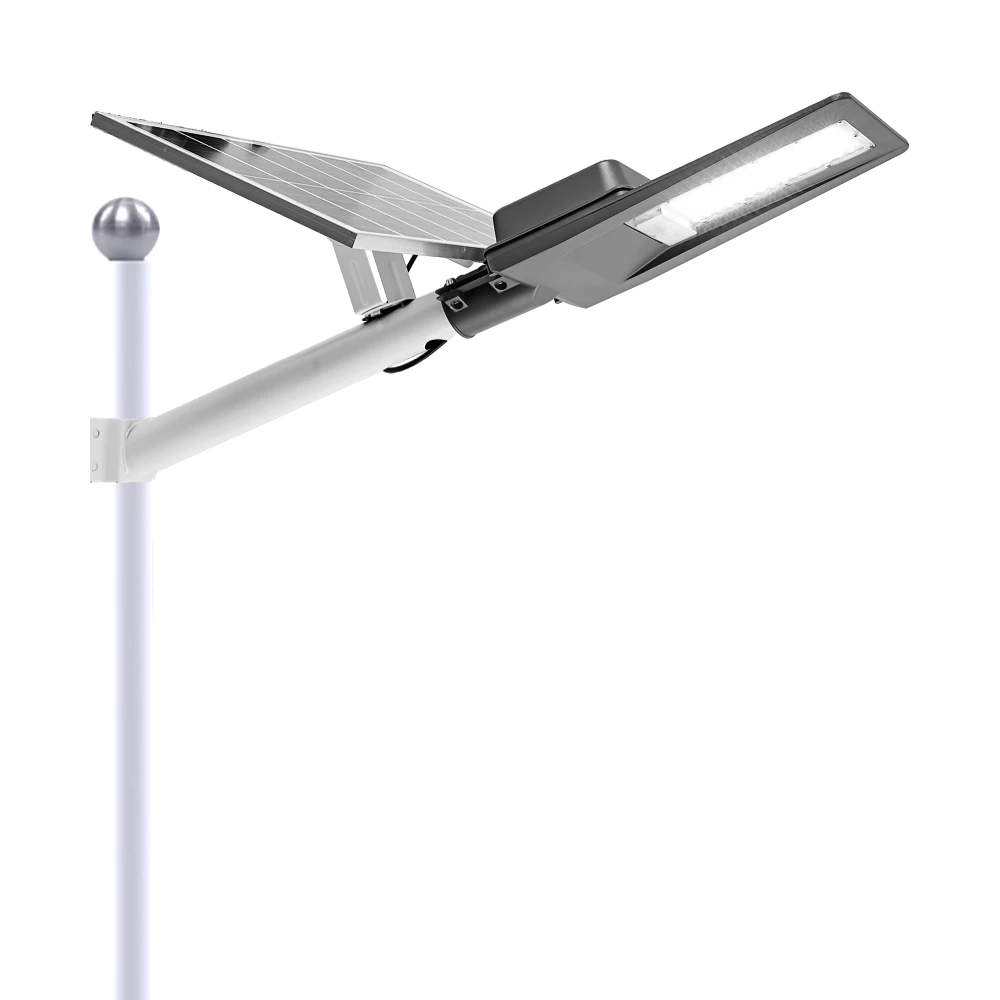
Experience reliable outdoor illumination with our smart solar street light, a perfect combination of advanced technology and eco-conscious design.
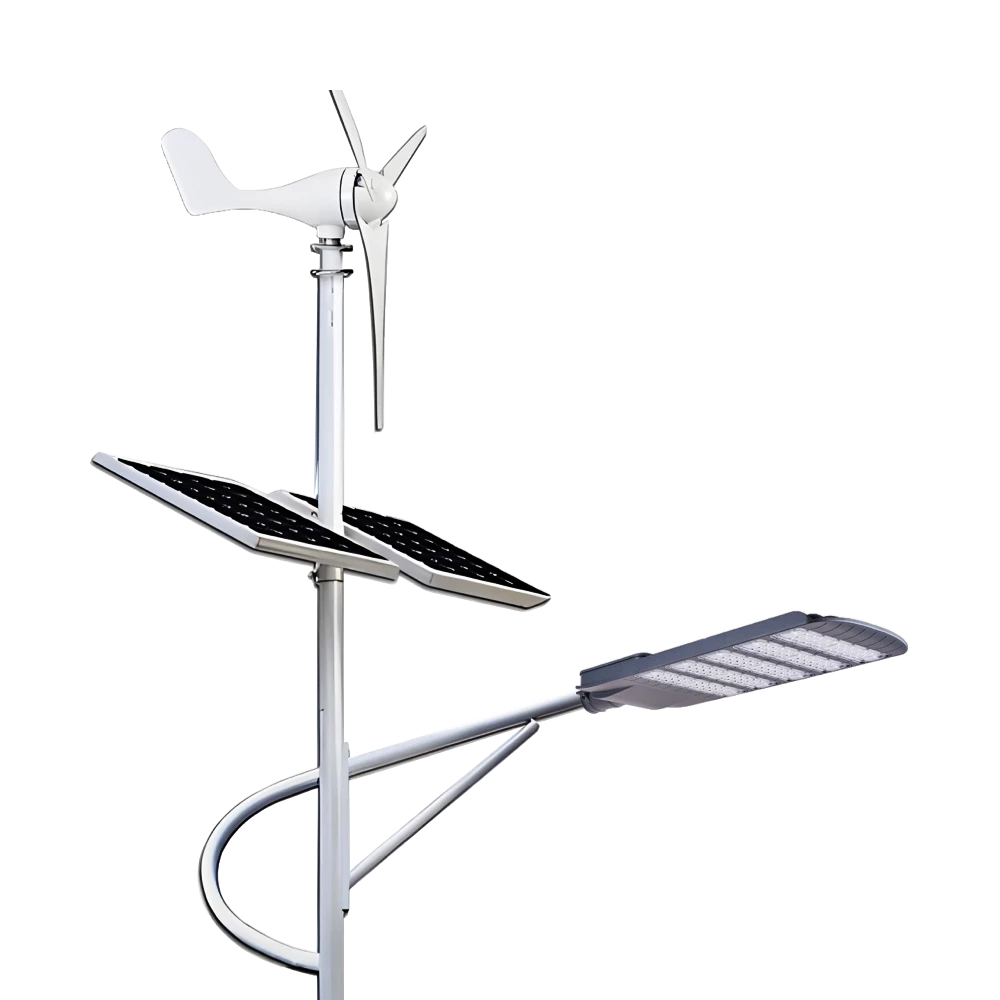
Queneng Lufeng Wind Energy LED Outdoor Solar Street Lights offer high-performance, eco-friendly illumination. These energy-efficient LED street lights harness solar power and wind energy for sustainable, cost-effective outdoor lighting solutions.
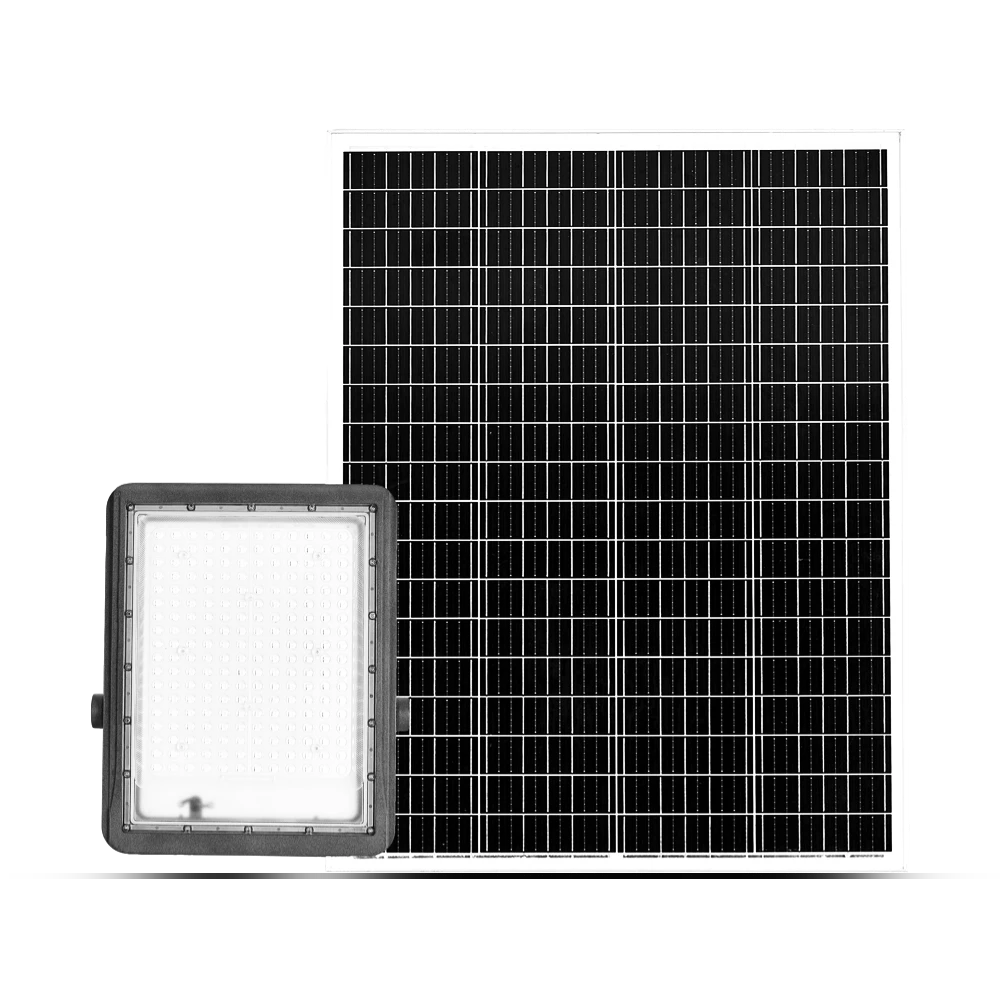
Queneng's Luxian Reliable Solar Street Light offers energy-saving LED lighting for outdoor use. This durable, solar-powered street light provides reliable illumination, reducing energy costs and environmental impact. A perfect solution for sustainable outdoor lighting.
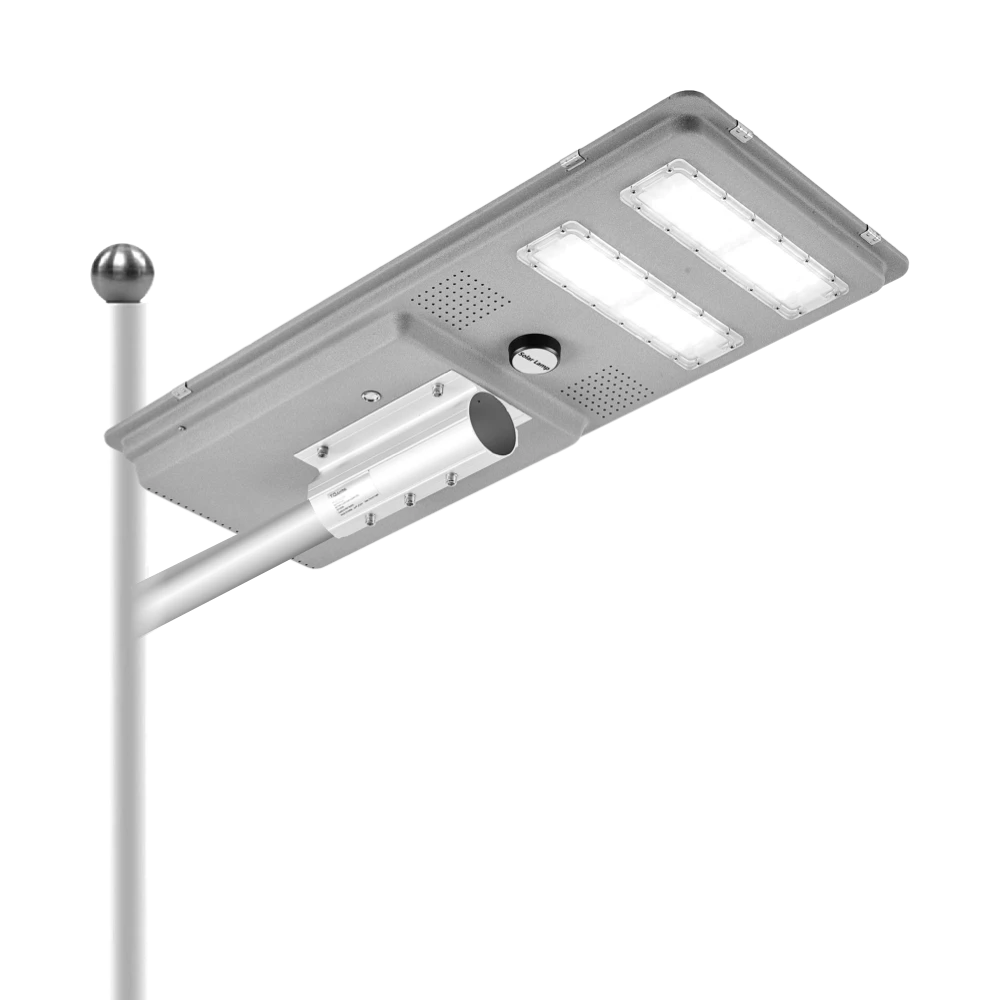
Queneng’s Solar Street Lights are designed to provide reliable, energy-efficient lighting for streets, parks, and other outdoor spaces.
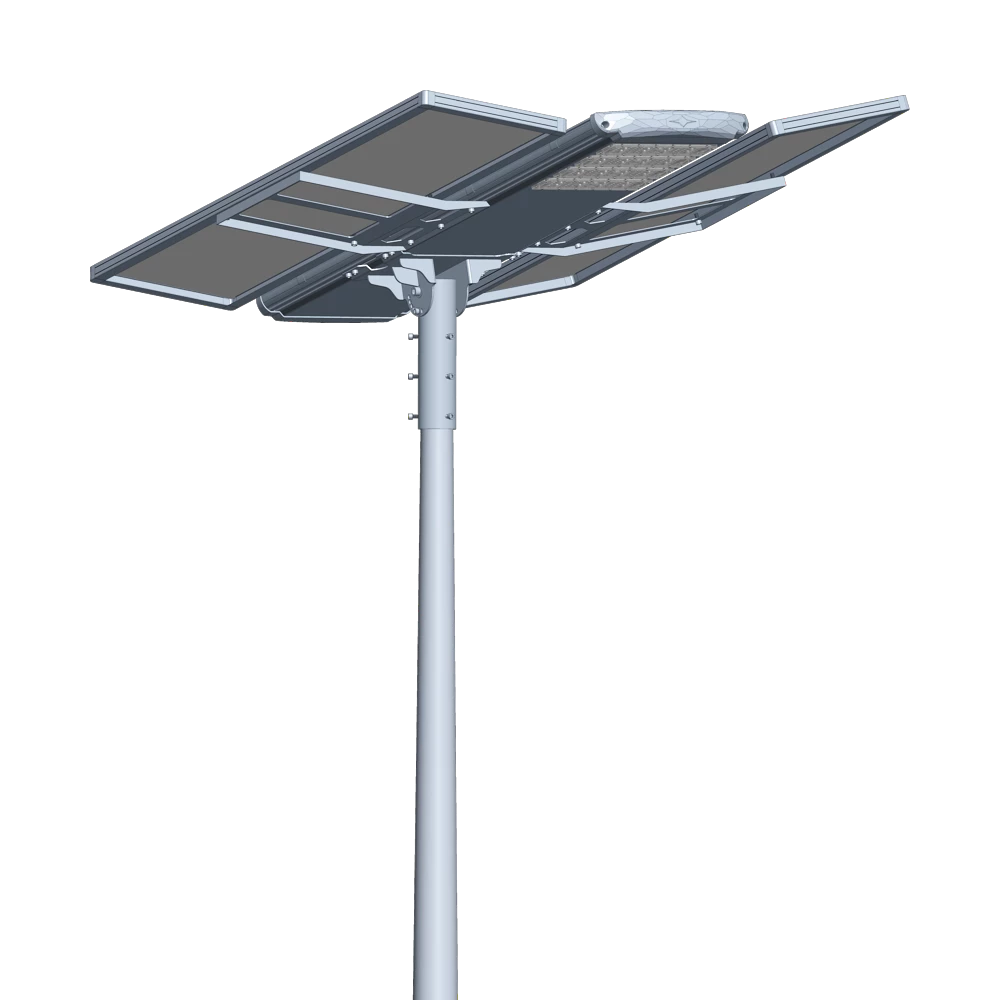
Introducing the Luqing Solar Street Light by Queneng, Efficient LED lighting powered by solar energy is perfect for illuminating outdoor areas. Harness the power of solar energy for sustainable, reliable street lighting. Ideal for eco-friendly, cost-effective outdoor illumination solutions.
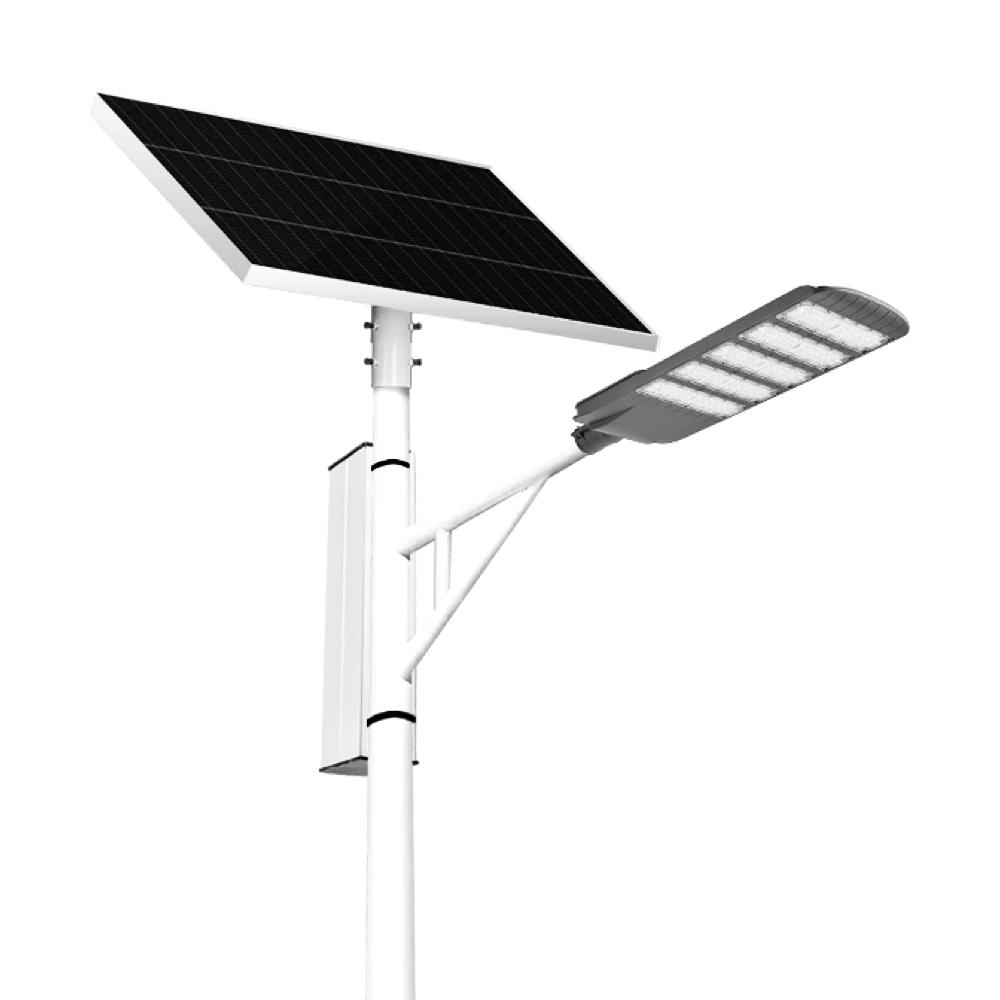
The Solar Streetlights of Luhao for Municipalities are designed to deliver reliable, energy-efficient, and cost-effective public lighting solutions. Equipped with advanced LED technology, durable lithium batteries, and high-efficiency solar panels, these streetlights provide consistent illumination for roads, parks, residential areas, and government projects.
Our professional team is ready to answer any questions and provide personalized support for your project.
You can reach us via phone or email to learn more about Queneng’s solar lighting solutions. We look forward to working with you to promote clean energy solutions!
Rest assured that your privacy is important to us, and all information provided will be handled with the utmost confidentiality.
By clicking 'Send Inquiry Now' I agree to Queneng processing my personal data.
To see how to withdraw your consent, how to control your personal data and how we process it, please see our Privacy Policy and Terms of use.
Schedule a Meeting
Book a date and time that is convenient for you and conduct the session in advance.
Have more questions about our products or services?
The messenger of light & power conversion
Environmental protection and intelligent manufacturing are our brand philosophy, and quality assurance and the best user experience are our eternal promises to users.
CONTACT
No.9F, Building F, Cao San Xin Tian Hong Logistics Park, Guzhen Town, Zhongshan City, Guangdong Province, China.
or write [email protected]
WhatsApp: +86 136 2270 1011


