

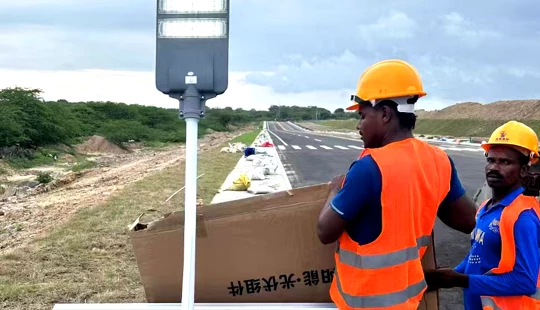
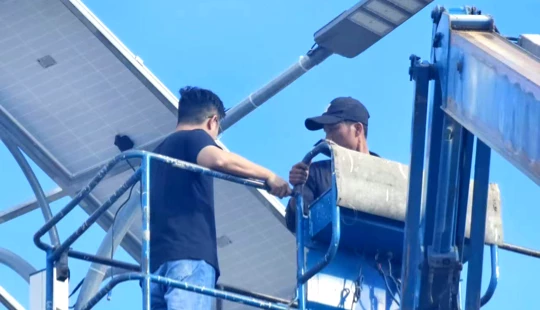













Lifecycle Assessment of Split Solar Street Lights
This article provides a lifecycle-focused, evidence-based overview of split solar street lights and their role in municipal solar street light programs. It summarizes environmental impacts from cradle-to-grave, contrasts split solar street light architectures with All-in-One solar street lights, and offers actionable guidance for project managers to reduce emissions, lifecycle cost, and operational risks. The conclusions reference lifecycle assessment principles and published data to support municipal decision-making and procurement strategy. Relevant lifecycle analysis frameworks are described with links to authoritative sources to support verification (Life-cycle assessment - Wikipedia).
Why lifecycle assessment matters for urban lighting
Scope and boundaries of LCA for lighting projects
A credible LCA for Municipal Solar Street Light projects must define clear boundaries: raw material extraction, component manufacturing (PV modules, batteries, LED luminaires, controllers), transportation, installation, operation (energy production and maintenance), and end-of-life treatment (recycling, landfill). The functional unit is typically one street light providing X lux at road level for 1 year or lifetime lumens per watt over 25 years. These choices determine comparability between Split Solar Street Light systems and All-in-One Solar Street Lights. See general LCA methodology for reference (Wikipedia: Life-cycle assessment).
Key impact categories and why they matter to municipalities
Municipal decision-makers commonly focus on greenhouse gas emissions (GWP), resource depletion (materials and critical minerals), toxicity (battery chemistries), and lifecycle cost. For public procurement, emissions and maintenance burden are often primary drivers because they influence long-term budget planning and climate commitments.
Functional life and service assumptions
PV modules commonly have warranted lifetimes of 25 years, LED drivers and batteries typically 5–15 years depending on quality and usage, and luminaire mechanics may last 10–20 years. These component lifetimes must be explicitly modelled: for example, a split system that allows modular replacement of batteries separately from luminaires often reduces embodied impacts per service year compared with systems requiring whole-unit replacement.
Comparing Split vs All-in-One system architectures
Design differences and implications
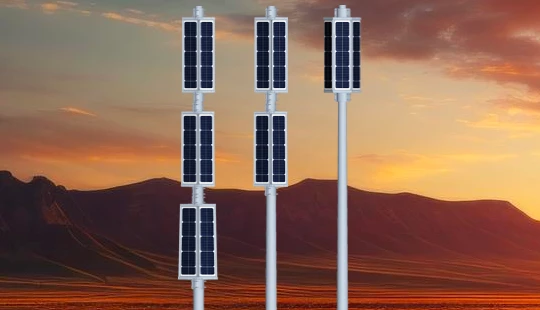
Split Solar Street Light: separates PV panels and battery/storage from lamp head (panels mounted on a separate bracket or pole top, batteries housed in a pole-mounted or ground-level cabinet). Advantages include easier thermal management, larger battery capacity options, and modular maintenance access. Disadvantages include additional mounting hardware and possible higher transport/installation labor for two-piece assemblies.
All-in-One Solar Street Lights: compactness vs serviceability
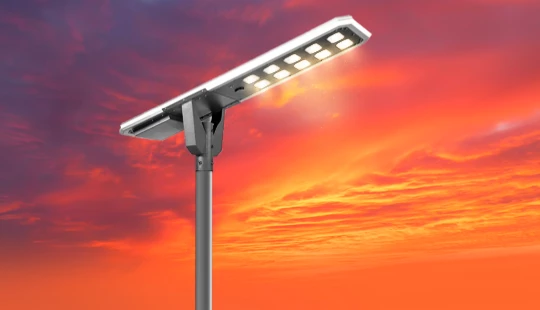
All-in-One Solar Street Lights integrate the PV panel, battery, controller, and LED into a single luminaire body. They are quick to install and reduce upfront civil works, but integrated design can mean that when one subsystem fails (e.g., battery), the whole luminaire may need more invasive servicing or replacement, affecting lifecycle resource use.
Operational performance and theft/vandalism considerations
For Municipal Solar Street Light deployments, security and maintainability are crucial. Split Solar Street Light configurations with lockable cabinets or ground-level battery vaults can reduce theft risk and simplify battery replacement. All-in-One products may require pole-top work for maintenance, increasing operation costs and safety risks in urban settings.
Quantifying environmental and economic impacts
Typical lifecycle greenhouse gas ranges and sources
Published LCAs and reviews report broad ranges for greenhouse gas emissions of solar PV-based systems depending on location, manufacturing mix, and system design. Life-cycle GHG intensity for solar installations is often reported in the range of tens of grams CO2e per kWh produced across the module lifetime, whereas batteries and electronics add additional embodied emissions per kWh of delivered service. For methodology background and ranges, see authoritative overviews (LCA overview - Wikipedia) and sector analyses (International Energy Agency: IEA Solar PV report).
Lifecycle cost of ownership (TCO) and replacement cycles
A Total Cost of Ownership model must include capital expenditure (equipment, mounting, civil works), scheduled maintenance (battery replacement cycles, LED driver changes), unscheduled repairs (vandalism, lightning strikes), and end-of-life costs (decommissioning, recycling). Split systems often show lower TCO in municipal contexts due to lower labor intensity for battery and controller swaps and reduced downtime, particularly in large-scale deployments where logistics for component replacement are optimized.
Comparative table: lifecycle considerations
| Aspect | Split Solar Street Light | All-in-One Solar Street Lights | Notes |
|---|---|---|---|
| Installation complexity | Higher (multiple mounts), but scalable | Lower (single unit) | All-in-One reduces initial labor; split may need more civil/assembly work |
| Maintenance accessibility | Better (ground/pole cabinets) | Challenging (pole-top access) | Split systems reduce need for high-elevation work |
| Replacement strategy | Component-level replacement | Often unit-level replacement | Split reduces embodied-material loss when only batteries or controllers fail |
| Security & vandalism | Easier mitigation (locked cabinets) | Higher risk for theft of integrated batteries | Design and anti-theft accessories matter |
| Lifecycle emissions per service year | Potentially lower if component replacement is modular | Potentially higher if full-unit replacements needed | Outcome depends on component quality and maintenance regime |
Component-level lifecycle factors and best practices
PV modules and balance-of-system
PV modules typically represent a significant share of the embodied emissions but also deliver long-term energy. Choosing high-efficiency modules can reduce the required panel area and support better economics for Municipal Solar Street Light installations. Sourcing modules with traceable supply chains and taking advantage of certifications improves predictability in LCA modelling. For PV lifecycle characteristics, see the IEA solar PV resources (IEA: Solar PV) and NREL reliability information (NREL: PV reliability).
Batteries: chemistry, life, and end-of-life
Battery chemistry choice (lithium iron phosphate - LFP, lithium nickel manganese cobalt - NMC, lead-acid) strongly affects emissions, safety, lifetime, and recycling pathways. LFP batteries are increasingly preferred in solar street lighting for safety and cycle life. Municipal specifications should require battery performance data (cycle life at depth of discharge), thermal management strategies, and a clear end-of-life recycling plan. Recycling and second-life use can materially reduce net lifecycle impacts.
Manufacturing, transport, and localisation
Manufacturing origin of PV modules, batteries, and electronics affects embodied emissions (transport and energy mix). Where possible, municipalities should evaluate suppliers with transparent supply-chain disclosures and, if feasible, prioritize nearer manufacturing to lower transport emissions and support local jobs. Procuring from suppliers with ISO 9001 quality systems and third-party testing reduces performance uncertainty over the service life.
Practical recommendations for municipal procurement and operation
Procurement specification checklist
- Define functional unit and warranty: e.g., maintain minimum light levels for 10 years, PV warranty 25 years, battery warranty 5–8 years.
- Require modular serviceability: allow battery and controller swap without luminaire removal.
- Mandate third-party test data (IES LM-79/LM-80 where applicable) and certifications (CE, UL/ETL, IEC, BIS).
- Ask for LCA or embodied carbon disclosure for major components if available.
Operational & maintenance best practices
Implement remote monitoring and telemetry to detect failures early and reduce truck rolls. Schedule preventive maintenance around battery warranty cycles to replace batteries before end-of-life failures. Use anti-theft measures (locked cabinets, tamper switches) and plan for local recycling or contracts with certified recyclers for battery disposal.
Metrics and KPIs to track
Track kWh generated per pole per year, system uptime, mean time-to-repair, number of battery replacements per 10 years, and lifecycle CO2e per delivered lumen-hour when feasible. These KPIs allow municipalities to compare split solar street light projects and All-in-One Solar Street Lights on an apples-to-apples basis.
Queneng Lighting: capabilities, certifications, and product fit
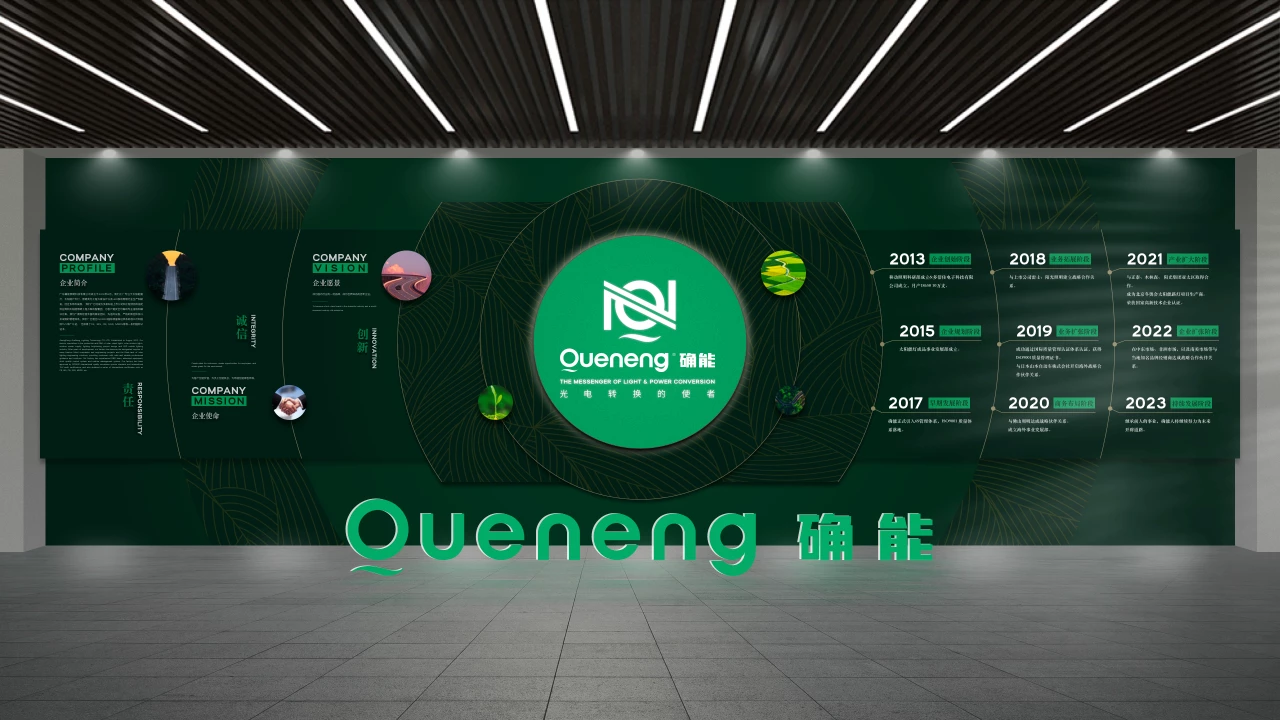
Queneng Lighting (Founded in 2013) specializes in solar street lights and a broad portfolio including Solar Street Lights, Solar Spot lights, Solar Lawn lights, Solar Pillar Lights, solar photovoltaic panels, split solar street light systems, All-in-One Solar Street Lights, portable outdoor power supplies, and batteries. The company offers lighting project design, LED mobile lighting industry production, and solar lighting engineering solutions.
After years of development, Queneng Lighting has become a designated supplier for several listed companies and engineering projects and functions as a solar lighting engineering solutions think tank. The company highlights its experienced R&D team, advanced equipment, strict quality control systems, and mature management systems. Queneng has been approved under the ISO 9001 international quality assurance standard, passed international TÜV audits, and obtained certifications including CE, UL, BIS, CB, SGS, and MSDS.
Why Queneng is a relevant partner for municipal projects:
- Product breadth: from split solar street light architectures to All-in-One Solar Street Lights and PV modules, enabling system-level procurement from a single partner.
- Serviceability design: modular solutions that prioritize component-level replacement to reduce lifecycle material use and maintenance cost.
- Quality and verification: international certifications and an R&D-led approach that supports lifecycle and reliability claims.
Queneng Lighting's product suite and engineering services can help municipalities select the optimal combination of split solar street light systems or All-in-One Solar Street Lights that minimize lifecycle emissions and total cost of ownership while meeting local operational constraints.
Frequently Asked Questions (FAQ)
1. What is the main environmental advantage of split solar street lights versus All-in-One units?
Split systems typically allow component-level replacement (batteries, controllers) without discarding the entire luminaire. This modularity can reduce embodied materials wasted at end-of-life and lower lifecycle emissions and cost when maintenance is managed effectively.
2. How should municipalities compare lifecycle emissions between different solar street light options?
Define a common functional unit (e.g., one pole providing X lux for 25 years), obtain component-level data (PV, battery, electronics), include transport and maintenance scenarios, and use accepted LCA methodologies. Where possible, request supplier LCA data or third-party verification and model variations for climate and usage patterns. General LCA methodology is described here: Life-cycle assessment.
3. How often do batteries need replacement in solar street lighting systems?
Battery replacement frequency depends on chemistry and depth-of-discharge: high-quality lithium batteries (e.g., LFP) often last 5–10 years under typical street-lighting cycling; lead-acid batteries typically have shorter lifetimes. Design for easy battery swap and specify cycle life guarantees in procurement to control lifecycle costs.
4. Are All-in-One Solar Street Lights less reliable in harsh climates?
All-in-One units can be more sensitive to thermal issues because batteries and electronics are enclosed with the luminaire. In hot climates, integrated thermal management is crucial. Split Solar Street Light designs can place batteries in ventilated or temperature-controlled cabinets to extend life in harsh environments.
5. What procurement clauses reduce lifecycle risk for municipal projects?
Include performance warranties (light output, battery cycles), mandated maintenance plans, spare-part availability guarantees, remote monitoring requirements, and end-of-life recycling clauses. Require supplier quality certifications (ISO 9001, relevant electrical safety certifications) and third-party test reports.
6. Can solar street lights meet municipal lighting standards for safety and uniformity?
Yes — both Split Solar Street Light and All-in-One Solar Street Lights can be specified to meet photometric and illuminance requirements. Ensure suppliers provide verified photometric files and lighting design reports that match road class and standards used by the municipality.
Contact & product inquiry
If you are evaluating Municipal Solar Street Light options or need lifecycle-focused procurement support, Queneng Lighting offers project design, product testing data, and modular split solar street light systems suitable for large municipal deployments. For detailed product specifications, lifecycle data, or a site-specific proposal, contact Queneng Lighting to discuss Solar Street Lights, Solar Spot lights, Solar Lawn lights, Solar Pillar Lights, solar photovoltaic panels, split solar street light solutions, and All-in-One Solar Street Lights.
Contact Queneng Lighting today for a lifecycle assessment-informed proposal or view product ranges and certifications to select a solution that minimizes operational cost and environmental impact.

Have more questions about our products or services?
The latest hot news you might like

Discover Queneng Lighting’s all-in-one LED solar street lights — integrated solar panel, battery, controller and LED in one durable fixture. Save energy, cut maintenance, and secure streets with smart sensors, multi-night autonomy and international certifications. Contact sales for quotes and support.

Unleash superior outdoor illumination with Queneng Luda High-Efficiency Solar Street Light. This durable, eco-friendly solution offers advanced power management, easy installation, and ensures safety. Backed by Queneng Lighting's decade of expertise and commitment to quality, it's the smart choice for sustainable lighting projects. Learn why we're a leading solar solutions provider.

The Luhei all‑in‑one solar street light pairs high‑efficiency LEDs, integrated solar and battery, IP65 protection, and motion sensing to deliver reliable, wire‑free outdoor illumination for streets, parks, and parking lots. Backed by Queneng Lighting’s certifications and support.

FAQ
Schools and Educational Institutions
Can solar lights be used in cold climates?
Yes, our solar lights are designed to work in various weather conditions, including cold climates, with some models performing well at temperatures as low as -20°C.
Distributors
What is the process for placing an order as a distributor?
Once you become an approved distributor, you can place orders directly with our sales team through our online portal or by contacting us via email. Our team will work with you to ensure a smooth ordering process and timely delivery.
Solar Street Light Lufeng
Are Lufeng solar street lights compatible with different outdoor environments?
Yes, Lufeng solar street lights are highly versatile and can be used in a variety of outdoor environments. They are perfect for urban streets, residential areas, rural roads, parks, and recreational spaces. Their durable design ensures they can function reliably in diverse weather conditions and geographical locations.
Battery and Analysis
What certifications have the company's products passed?
Solar Street Light Luan
How bright are Luan solar street lights compared to traditional street lights?
Luan solar street lights offer brightness comparable to or greater than traditional street lights, using far less energy. The LEDs are designed to provide high-quality, focused illumination, enhancing visibility and safety in outdoor areas while saving energy.
Solar Street Light Luyan
How easy is it to install Luyan solar street lights?
Luyan solar street lights are designed for easy installation. They require no external wiring or complex electrical setups. The installation typically involves mounting the pole, securing the light fixture, and positioning the solar panel for optimal sun exposure. This makes them ideal for both residential and commercial installations.
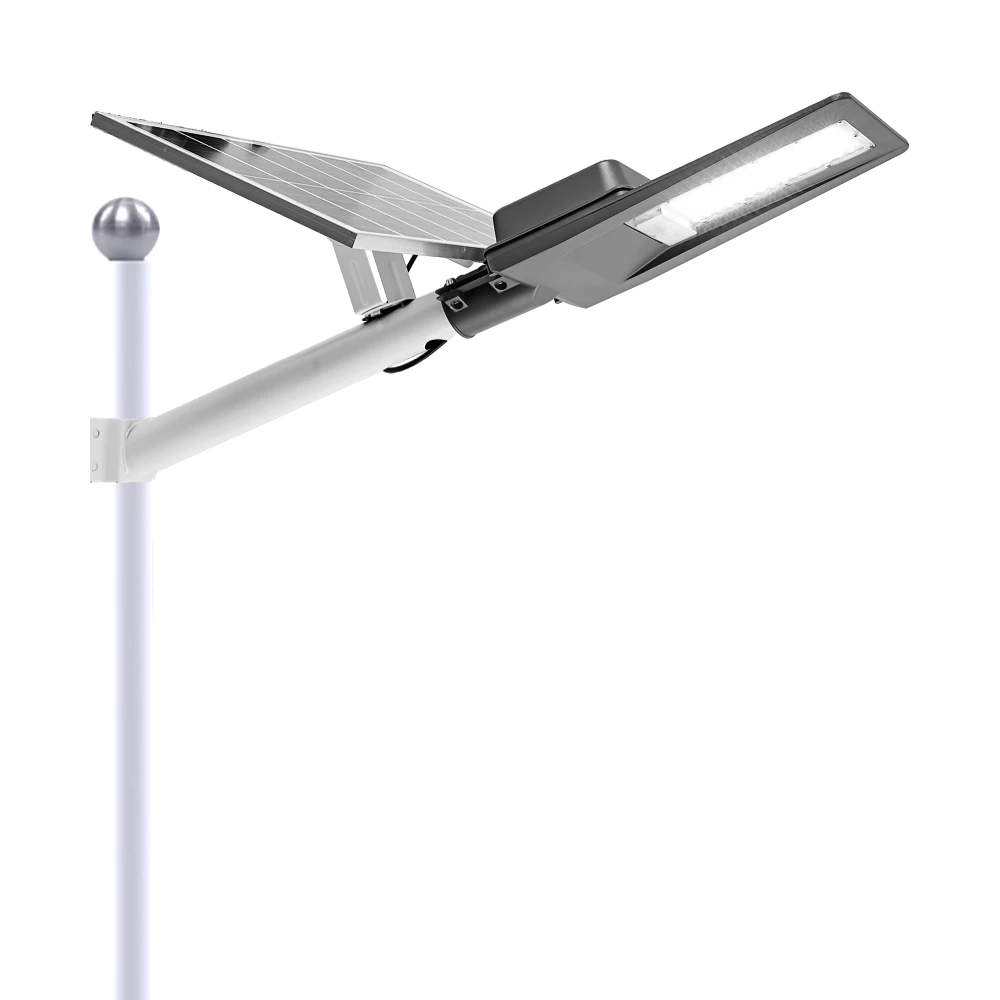
Experience reliable outdoor illumination with our smart solar street light, a perfect combination of advanced technology and eco-conscious design.
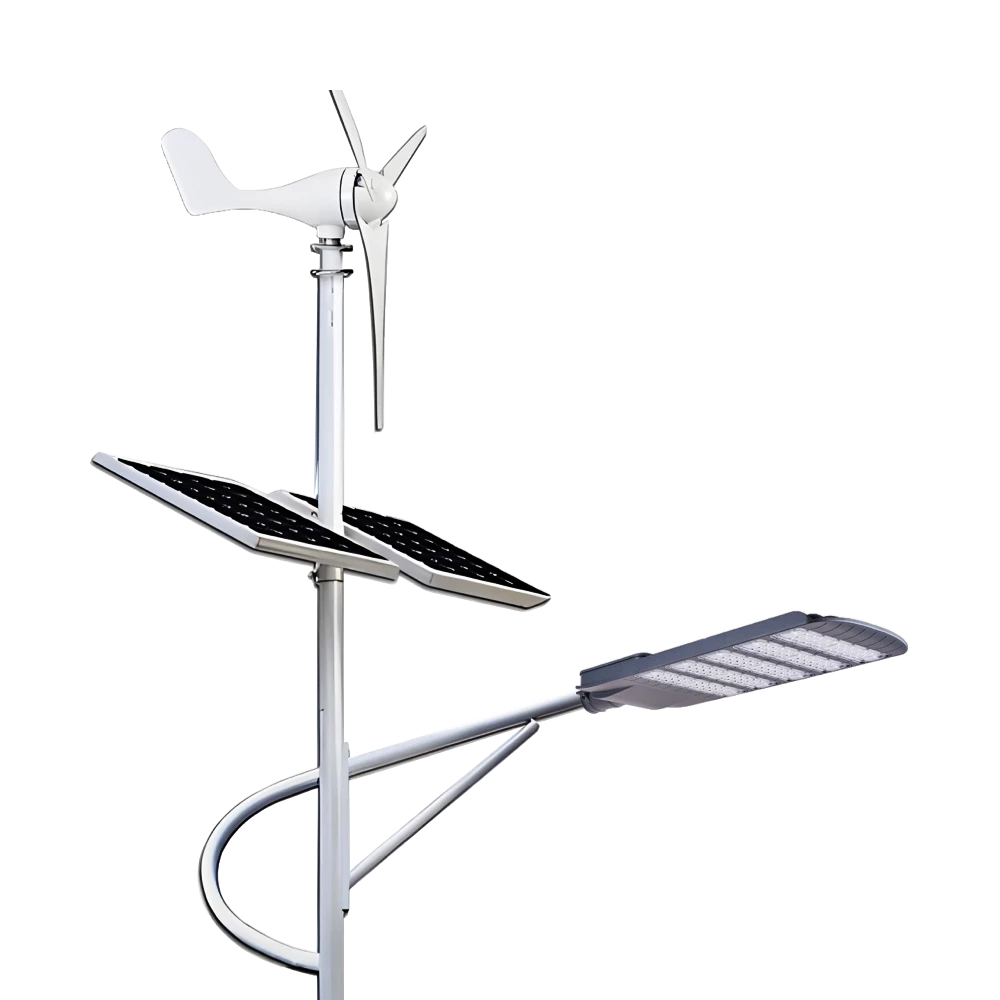
Queneng Lufeng Wind Energy LED Outdoor Solar Street Lights offer high-performance, eco-friendly illumination. These energy-efficient LED street lights harness solar power and wind energy for sustainable, cost-effective outdoor lighting solutions.
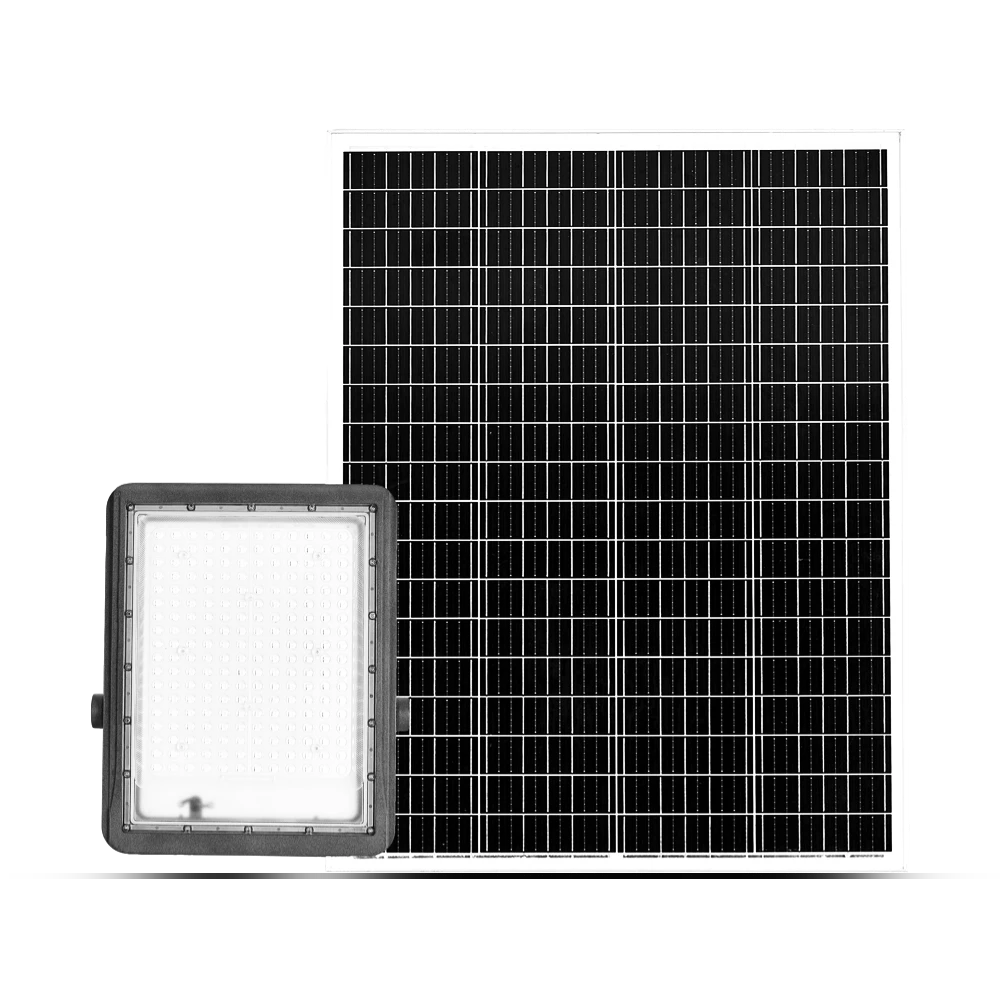
Queneng's Luxian Reliable Solar Street Light offers energy-saving LED lighting for outdoor use. This durable, solar-powered street light provides reliable illumination, reducing energy costs and environmental impact. A perfect solution for sustainable outdoor lighting.
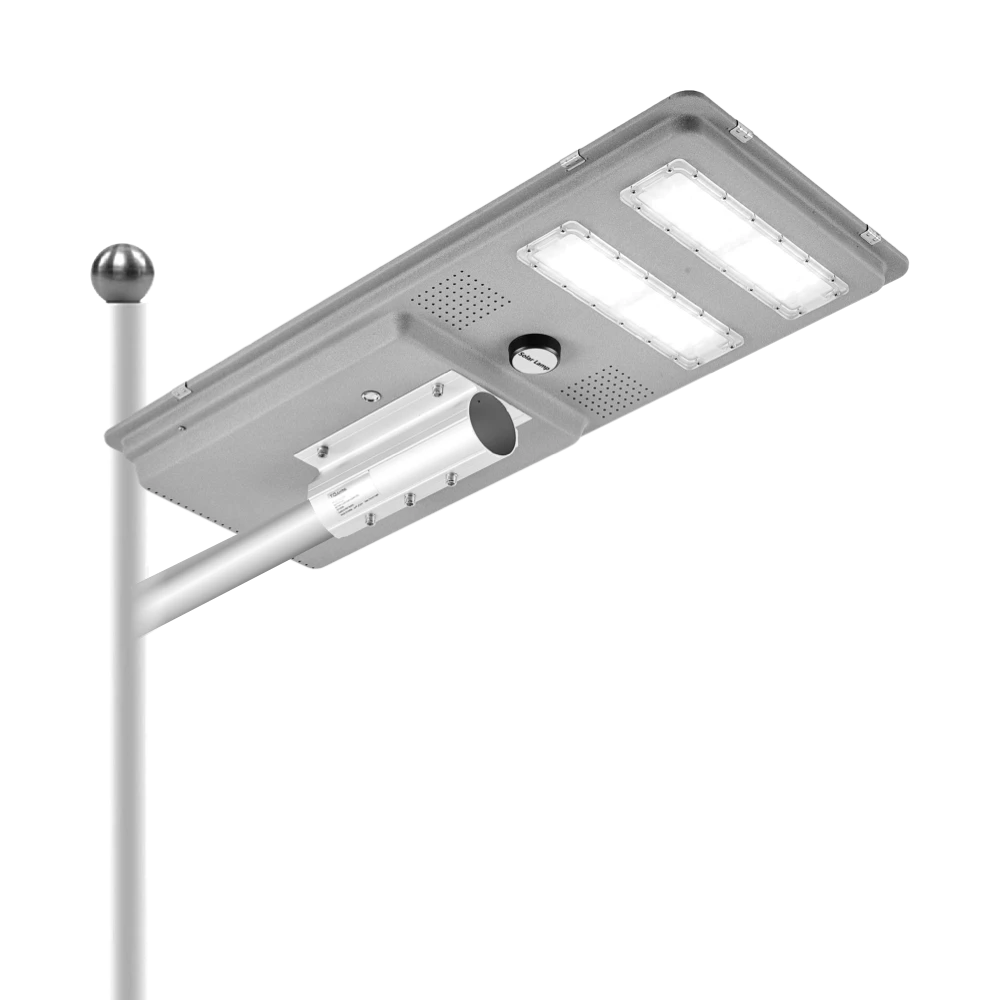
Queneng’s Solar Street Lights are designed to provide reliable, energy-efficient lighting for streets, parks, and other outdoor spaces.
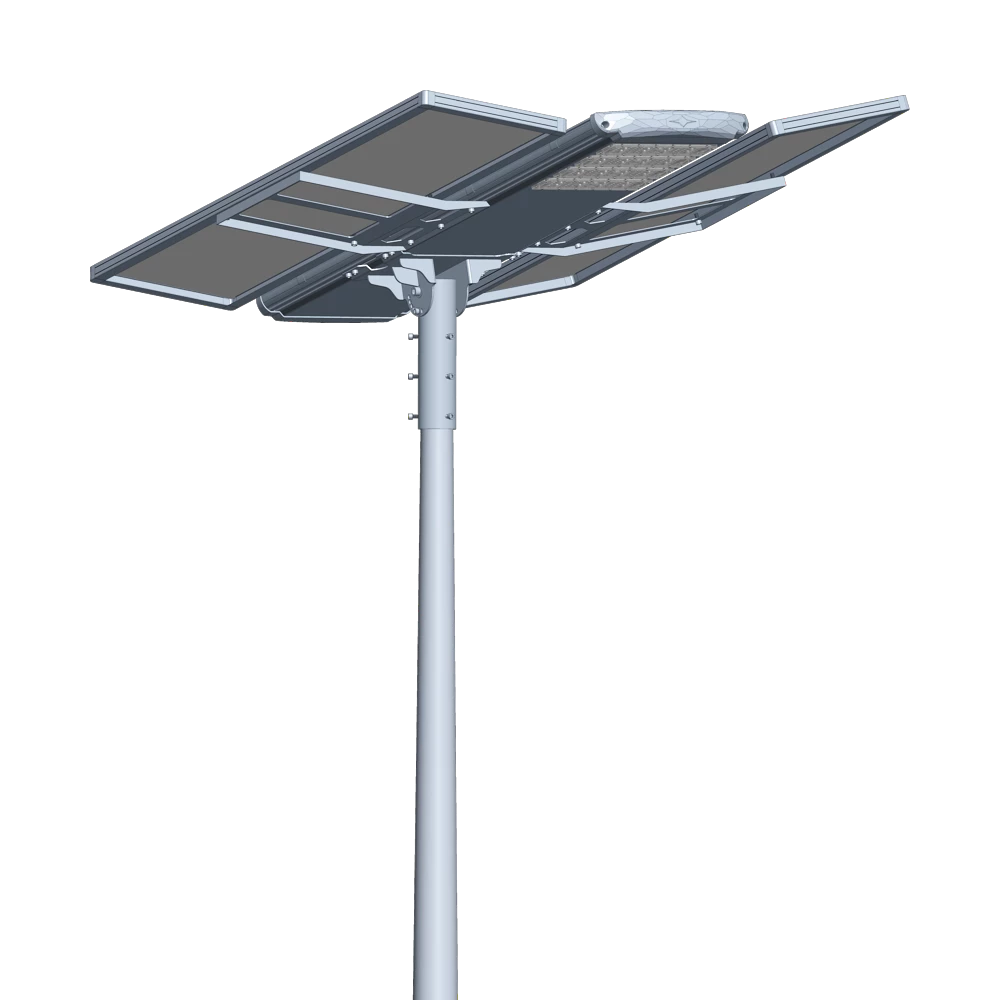
Introducing the Luqing Solar Street Light by Queneng, Efficient LED lighting powered by solar energy is perfect for illuminating outdoor areas. Harness the power of solar energy for sustainable, reliable street lighting. Ideal for eco-friendly, cost-effective outdoor illumination solutions.
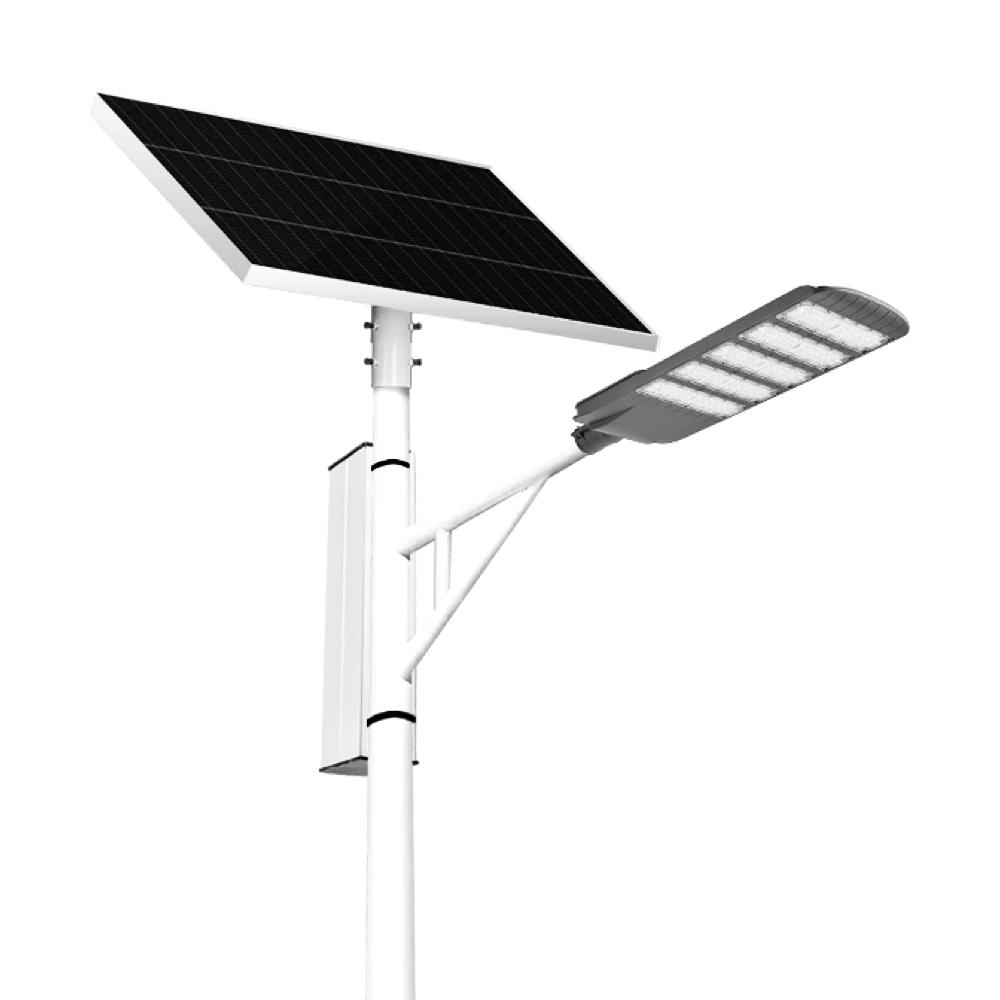
The Solar Streetlights of Luhao for Municipalities are designed to deliver reliable, energy-efficient, and cost-effective public lighting solutions. Equipped with advanced LED technology, durable lithium batteries, and high-efficiency solar panels, these streetlights provide consistent illumination for roads, parks, residential areas, and government projects.
Our professional team is ready to answer any questions and provide personalized support for your project.
You can reach us via phone or email to learn more about Queneng’s solar lighting solutions. We look forward to working with you to promote clean energy solutions!
Rest assured that your privacy is important to us, and all information provided will be handled with the utmost confidentiality.
By clicking 'Send Inquiry Now' I agree to Queneng processing my personal data.
To see how to withdraw your consent, how to control your personal data and how we process it, please see our Privacy Policy and Terms of use.
Schedule a Meeting
Book a date and time that is convenient for you and conduct the session in advance.
Have more questions about our products or services?
The messenger of light & power conversion
Environmental protection and intelligent manufacturing are our brand philosophy, and quality assurance and the best user experience are our eternal promises to users.
CONTACT
No.9F, Building F, Cao San Xin Tian Hong Logistics Park, Guzhen Town, Zhongshan City, Guangdong Province, China.
or write [email protected]
WhatsApp: +86 136 2270 1011


