













Light Distribution: Asymmetric vs Symmetric Optics
Choosing the right light distribution is a pivotal decision for any municipal solar street light project or developer evaluating split solar street light and all-in-one solar street lights. This article summarizes how asymmetric and symmetric optics perform in real-world applications, what metrics matter (uniformity, glare, energy use, pole spacing), and how to match optics to site geometry and solar system constraints. Practical design charts, a comparative table, references to lighting standards, and best-practice installation/maintenance guidance are included to support specification and procurement decisions.
Key performance metrics that determine optical suitability
Lumen distribution, illuminance, and uniformity
Lumen output is the starting point, but how light is distributed across the roadway determines visual comfort and safety. Important metrics include maintained illuminance (lux), average-to-minimum uniformity ratio (Uo/Umin), and longitudinal/transverse uniformity. Guidance from the CIE and the Illuminating Engineering Society (IES) show that inadequate uniformity increases pedestrian and driver risk even at higher average lux values. For municipal solar street light specifications, aim for Uo/Umin ratios appropriate to the road class: local roads typically 0.4–0.6, collector/arterial roads higher depending on speed and pedestrian activity (source: IES guidance).
Glare (UGR) and visual comfort
Glare control is essential in urban and residential contexts. Asymmetric optics are commonly used to throw light where needed while keeping the source shielded from opposing travelers, reducing discomfort glare. Industry standards and measurement methods, as summarized by the literature on glare and IES documents, should guide target Unified Glare Rating (UGR) values or equivalent metrics for project acceptance.
Energy efficiency, solar yield and lifetime performance
Optical distribution influences required luminous flux and therefore battery capacity and PV sizing for split solar street light and all-in-one solar street lights. A distribution that maximizes useful flux on the roadway reduces required LED watts and saves battery throughput over the installation life. When sizing an off-grid system, calculate daily energy demand including lumen depreciation (L70) and controller losses; reference PV and battery sizing best practices from renewable standards and case studies (see CIE and industry white papers).
Asymmetric vs symmetric optics: principles, benefits and limits
What are symmetric optics?
Symmetric optics distribute light evenly around the luminaire axis—examples include Type I (narrow), Type II/III (moderate), and circular distributions. Symmetric optics work well for locations with central mounting (e.g., roundabouts, small squares, cul-de-sacs) and are common in all-in-one solar street lights where pole-mounted luminaire centers a relatively even distribution. Advantages include simplicity, predictable beam shape, and often lower manufacturing cost. Limitations: wasted light on sidewalks or adjacent properties in linear road layouts, greater risk of glare from multiple luminaires if not properly spaced.
What are asymmetric optics?
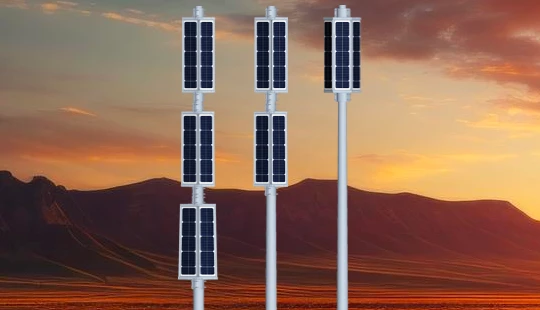
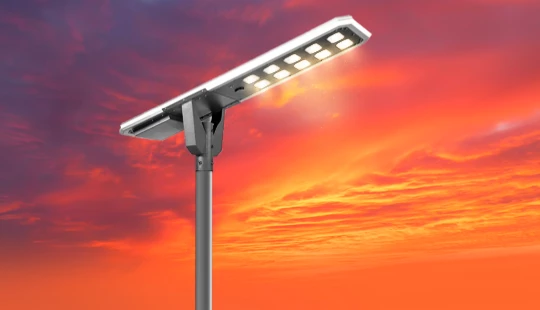
Asymmetric optics (also called roadway or Type II–V asymmetric distributions depending on beam shape) intentionally redirect light forward and laterally to create a rectangular footprint that matches roadway geometry. These optics are preferred for through-roads, one-sided installations, and where pole placement is offset from the carriageway—common in municipal solar street light schemes and split solar street light systems where the PV/battery pack may be pole-mounted behind the luminaire. Benefits include improved longitudinal uniformity, reduced spill light, and potential energy savings since less total lumen output is required to meet target roadway lux.
When to specify asymmetric vs symmetric optics
Decision drivers include road width, pole placement (center vs curbside), mounting height, required lux/uniformity, and neighborhood constraints (light trespass sensitivity). Practical rules-of-thumb:
- Use asymmetric optics for linear roads with side-mounted poles, where the luminaire needs to throw light across the lanes and reduce light waste behind the pole.
- Use symmetric optics for central or island-mounted applications, pedestrian squares, and small cul-de-sacs.
- For split solar street light installations, asymmetric optics optimize energy use because they target the carriageway and reduce lumen waste; in all-in-one solar street lights, symmetric optics may be easier to integrate when the unit is designed for multi-purpose usage (path + small road).
Design considerations and practical guidance for municipal and solar street light projects
Mounting height, spacing and aiming
Proper mounting height and spacing are critical. Asymmetric optics typically allow greater spacing relative to symmetric optics for the same uniformity because they focus light along the roadway. The following simplified guidance is based on IES/CIE recommendations and common municipal practice:
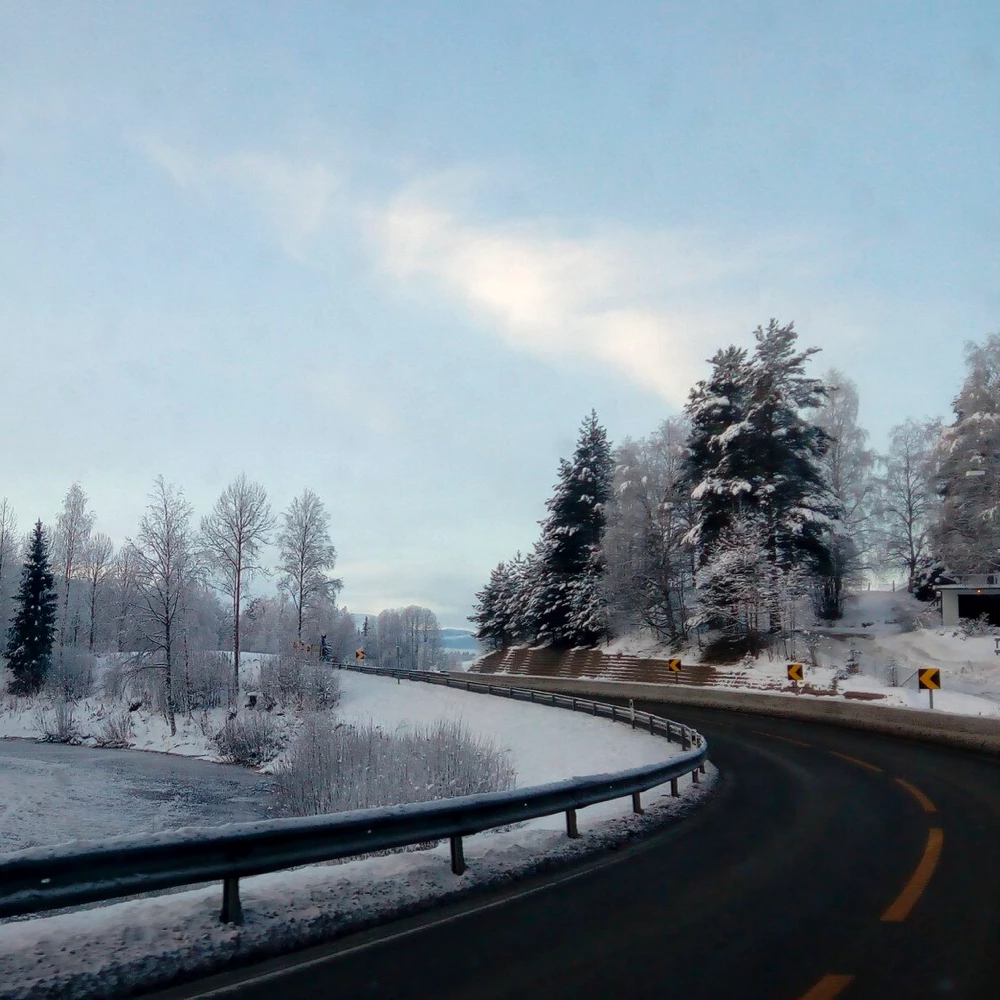
- Local streets (20–30 m spacing): mounting height 4–8 m; asymmetric optics with lateral cutoff improve sidewalk illumination without spill.
- Collector/arterial roads (30–60 m spacing): mounting height 8–12 m; asymmetric optics improve longitudinal uniformity and reduce pole counts.
- Roundabouts/centers: symmetric optics and central mounting provide even area illumination and safe visual cues for drivers.
Solar system sizing and optical choices
When specifying split solar street light or all-in-one solar street lights, integrate optical selection into energy budgeting early. Example workflow:
- Define target maintained illuminance and uniformity per road class.
- Choose optics (asymmetric or symmetric) and calculate required total delivered lumens to the surface (accounting for optical efficiency and lumen maintenance L70).
- Calculate LED power required and daily energy consumption (consider dimming schedules and smart controls).
- Size PV array and battery capacity with safety margins against local insolation data (use meteorological data sources such as NASA MERRA or local weather databases).
Because asymmetric optic solutions direct more usable light to the task area, they often result in 10–25% lower energy demand compared with symmetric optics for the same roadway performance—figures borne out in municipality pilot projects and academic analyses (see comparative studies by lighting research groups and municipal pilots referenced by IES/CIE publications).
Comparison table: Asymmetric vs Symmetric optics for solar street lights
| Characteristic | Asymmetric Optics | Symmetric Optics |
|---|---|---|
| Best applications | Linear roads, one-sided poles, wide roads, high-speed arterials | Roundabouts, central poles, small plazas, uniform area lighting |
| Uniformity | High longitudinal uniformity; efficient corridor lighting | Even radial uniformity around the pole; may need closer spacing for corridors |
| Light trespass / spill | Lower (better control) | Higher risk unless shields used |
| Energy efficiency (delivered usable lux) | Typically better (10–25% energy saving in corridor scenarios) | Less efficient in corridor scenarios |
| Compatibility with solar formats | Highly compatible with split solar street light and pole-offset configurations | Common in all-in-one solar street lights with central mounting |
| Installation complexity | Requires aiming/rotation attention | Simpler aiming, less orientation sensitivity |
Data sources and references: IES/CIE guidance documents and municipal pilot reports. For background on street lighting design principles, see Street light (Wikipedia) and CIE/IES resources (CIE, IES).
Implementation best practices, lifecycle & Queneng Lighting capabilities
Installation, aiming and commissioning tips
To achieve design performance in the field:
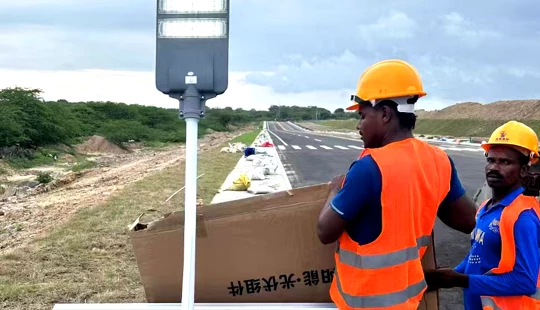
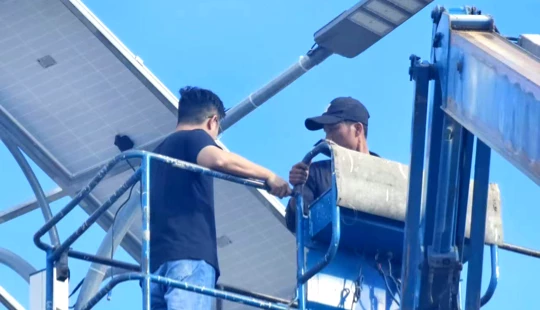
- Verify luminaire orientation on-site before final tightening — asymmetric optics require correct rotation to align the beam with the carriageway.
- Commission using a lux meter and verify average/minimum uniformity across a representative 50–100 m segment. Record results and adjust as necessary.
- Use adaptive controls (dimming, motion sensors) to reduce average daily energy demand; this is particularly valuable for off-grid all-in-one solar street lights where battery capacity is constrained.
Maintenance and long-term performance
Maintenance for split solar street light vs all-in-one differs primarily in access to PV panels and batteries. Split systems often mount PV higher or separately making panel maintenance easier, while all-in-one units simplify wiring but may be more complex to service at height. Key points:
- Schedule optical cleaning and verify lens integrity annually in dusty/coastal environments; dirt on optics reduces delivered lux and up-sizes energy needs.
- Monitor lumen depreciation (L70) and plan LED module replacement windows. Well-designed products should provide photometric reports predicting L70 values over 50,000+ hours.
- For solar components, follow manufacturer-recommended battery tests and PV module inspections at least every 2–3 years depending on environment.
Queneng Lighting: expertise, certifications and product scope
Queneng Lighting (Founded in 2013) focuses on solar street lights, solar spotlights, solar garden lights, solar lawn lights, solar pillar lights, solar photovoltaic panels, portable outdoor power supplies and batteries, lighting project design, and LED mobile lighting industry production and development. After years of development, Queneng Lighting has become the designated supplier of many listed companies and engineering projects and acts as a solar lighting engineering solutions think tank, providing customers with safe and reliable professional guidance and solutions.
Queneng Lighting's R&D team, advanced equipment, strict quality control systems, and mature management system support product reliability. The company has obtained ISO 9001 certification (ISO 9001) and passed international TÜV audits. Queneng offers international certificates including CE, UL, BIS, CB, SGS, and MSDS. Their product range includes Solar Street Lights, Solar Spot lights, Solar Lawn lights, Solar Pillar Lights, Solar Photovoltaic Panels, split solar street light, and All-in-One Solar Street Lights. These capabilities make Queneng well-positioned to advise on optical selection (asymmetric vs symmetric), PV/battery sizing, and long-term performance optimization for municipal and private projects.
How Queneng differentiates
Queneng emphasizes integrated engineering support: photometric design, custom optics alignment for site-specific needs, and energy modeling to ensure split and all-in-one solar street lights meet municipal service levels. Independent certification (TÜV/CE/UL) and traceable production QA provide procurement confidence for large-scale municipal contracts and engineering projects.
FAQ (Frequently Asked Questions)
1. Which optic type saves the most energy for a typical two-lane urban road?
Asymmetric optics usually save the most energy for two-lane linear roads because they direct more usable lumens onto the carriageway and reduce spill light. Reported energy savings versus symmetric optics in corridor scenarios are typically 10–25% depending on spacing and desired uniformity (refer to IES/CIE guidance and municipal pilot studies).
2. Can an all-in-one solar street light use asymmetric optics?
Yes. Many all-in-one solar street lights include asymmetric lens options or modular optics that can be rotated and locked to direct light appropriately. However, because all-in-one units integrate PV and battery into a single housing, careful mechanical and thermal design is required to avoid compromising PV tilt or battery cooling.
3. For retrofit of existing pole rows, which optic is easier to implement?
If poles are already at the curb and offset, asymmetric optics are usually a straightforward retrofit because they improve roadway coverage without moving poles. If poles are center-island mounted, symmetric optics may be simpler. Always perform photometric simulations before procurement.
4. How does optical choice affect PV and battery sizing for split solar street light systems?
Because optics change the fraction of lumens that actually reach the task area, they directly influence required LED wattage to meet a lux target. A more efficient distribution (asymmetric for corridors) reduces required LED power and therefore lowers daily energy draw, enabling smaller PV arrays or batteries for the same autonomy target.
5. Are there standards or references I should request from manufacturers?
Yes. Request certified photometric files (IES/LM-63), lumen maintenance (TM-21 projections and LM-80 data), warranty terms for PV and batteries, and relevant third-party certifications (ISO 9001, CE, UL, TÜV). For guidance on lighting metrics, consult CIE and IES documents (CIE, IES).
Contact and next steps
If you are specifying municipal solar street light projects or evaluating split solar street light and all-in-one solar street lights, integrating optical selection into early-stage energy and photometric modeling will reduce total cost of ownership and improve safety outcomes. For consultation, customized photometric layouts or product information, contact Queneng Lighting for project-level guidance and product catalogs. Visit Queneng Lighting to learn more and request a quote: Queneng Lighting - Solar Lighting Solutions.

Have more questions about our products or services?
The latest hot news you might like

Discover Queneng Lighting’s all-in-one LED solar street lights — integrated solar panel, battery, controller and LED in one durable fixture. Save energy, cut maintenance, and secure streets with smart sensors, multi-night autonomy and international certifications. Contact sales for quotes and support.

Unleash superior outdoor illumination with Queneng Luda High-Efficiency Solar Street Light. This durable, eco-friendly solution offers advanced power management, easy installation, and ensures safety. Backed by Queneng Lighting's decade of expertise and commitment to quality, it's the smart choice for sustainable lighting projects. Learn why we're a leading solar solutions provider.

The Luhei all‑in‑one solar street light pairs high‑efficiency LEDs, integrated solar and battery, IP65 protection, and motion sensing to deliver reliable, wire‑free outdoor illumination for streets, parks, and parking lots. Backed by Queneng Lighting’s certifications and support.

FAQ
Solar Street Light Lulin
Are Lulin solar street lights weatherproof?
Yes, Lulin solar street lights are designed to be weather-resistant and can function in extreme weather conditions. They are fully protected against water, dust, and other environmental factors, ensuring reliable operation even during heavy rain, snow, or high winds.
How easy is it to install Lulin solar street lights?
Lulin solar street lights are designed for easy installation. They do not require any wiring to the power grid, making them perfect for areas without electrical infrastructure. The installation typically involves mounting the pole, securing the light fixture, and positioning the solar panel for maximum sunlight exposure. The lights can be installed quickly and efficiently, saving on installation costs.
Solar Street Light Luqing
What are the main benefits of using Luqing solar street lights in urban areas?
In urban areas, Luqing solar street lights reduce dependency on the grid, cut down on electricity costs, and minimize environmental impact. They also offer easy installation, which reduces the need for extensive wiring and infrastructure changes.
Battery Types and Applications
What batteries will dominate the battery market?
Solar Street Light Chuanqi
Can Chuanqi solar street lights be installed in remote or off-grid locations?
Yes, Chuanqi solar street lights are perfect for remote or off-grid locations because they do not require an external power supply. They are entirely solar-powered, making them ideal for rural areas, parks, trails, or other places where connecting to the electrical grid is not feasible. Their self-sufficient design makes installation simple and cost-effective.
APMS system
Does the APMS system require regular maintenance?
Yes, regular inspections and maintenance are recommended to ensure optimal operation. QUENENG offers remote technical support and maintenance services to help clients maintain system performance.
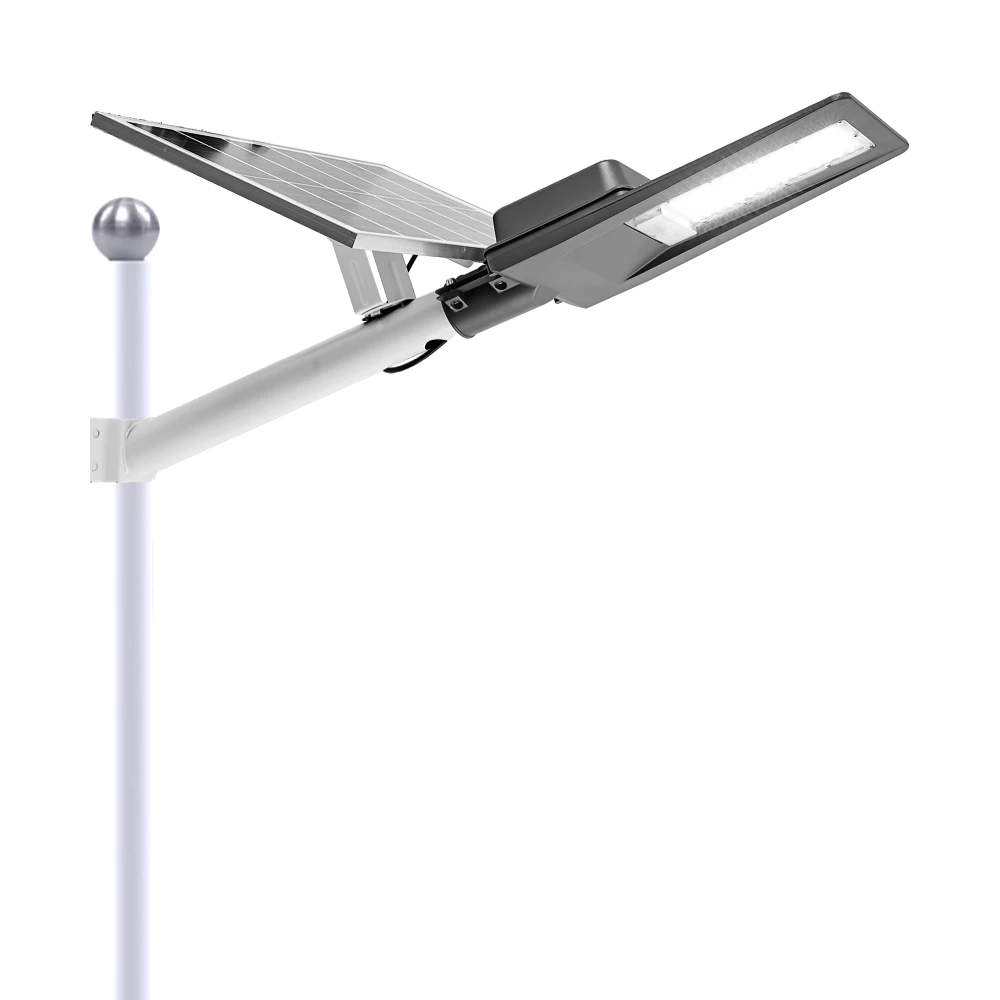
Experience reliable outdoor illumination with our smart solar street light, a perfect combination of advanced technology and eco-conscious design.
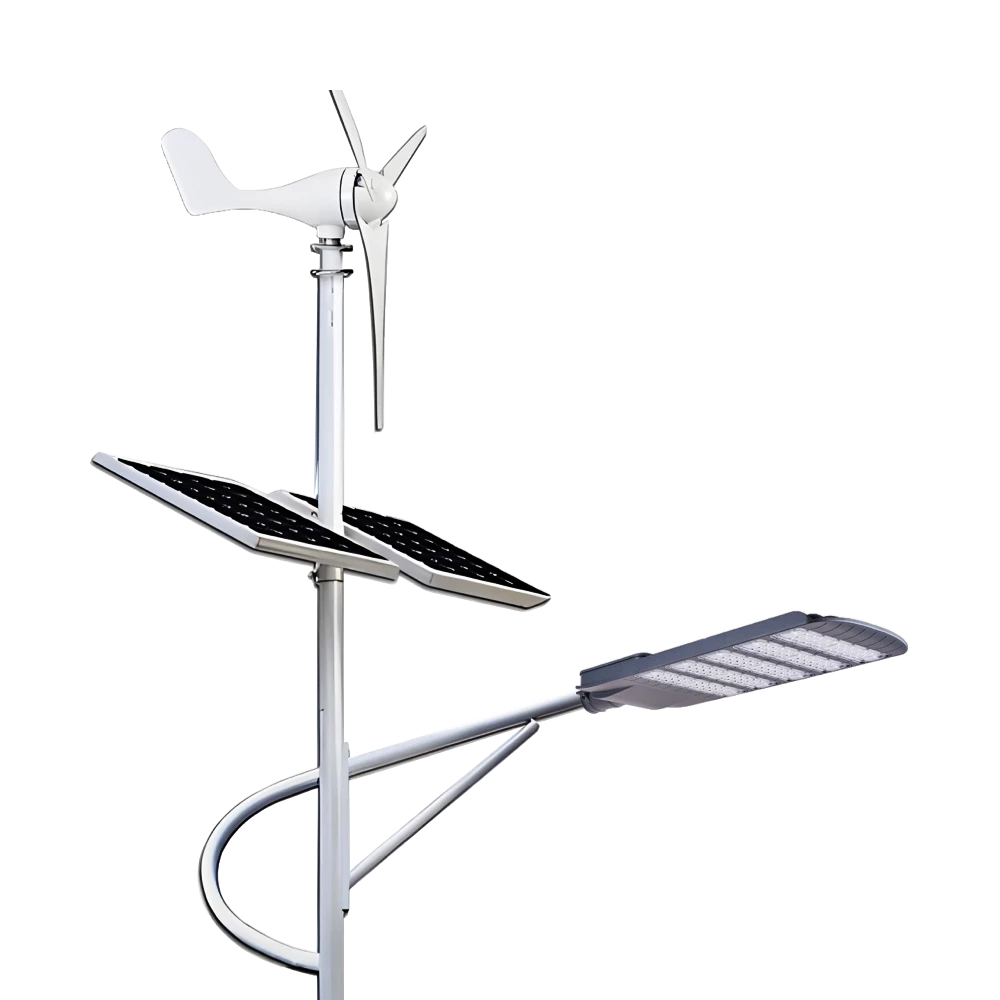
Queneng Lufeng Wind Energy LED Outdoor Solar Street Lights offer high-performance, eco-friendly illumination. These energy-efficient LED street lights harness solar power and wind energy for sustainable, cost-effective outdoor lighting solutions.
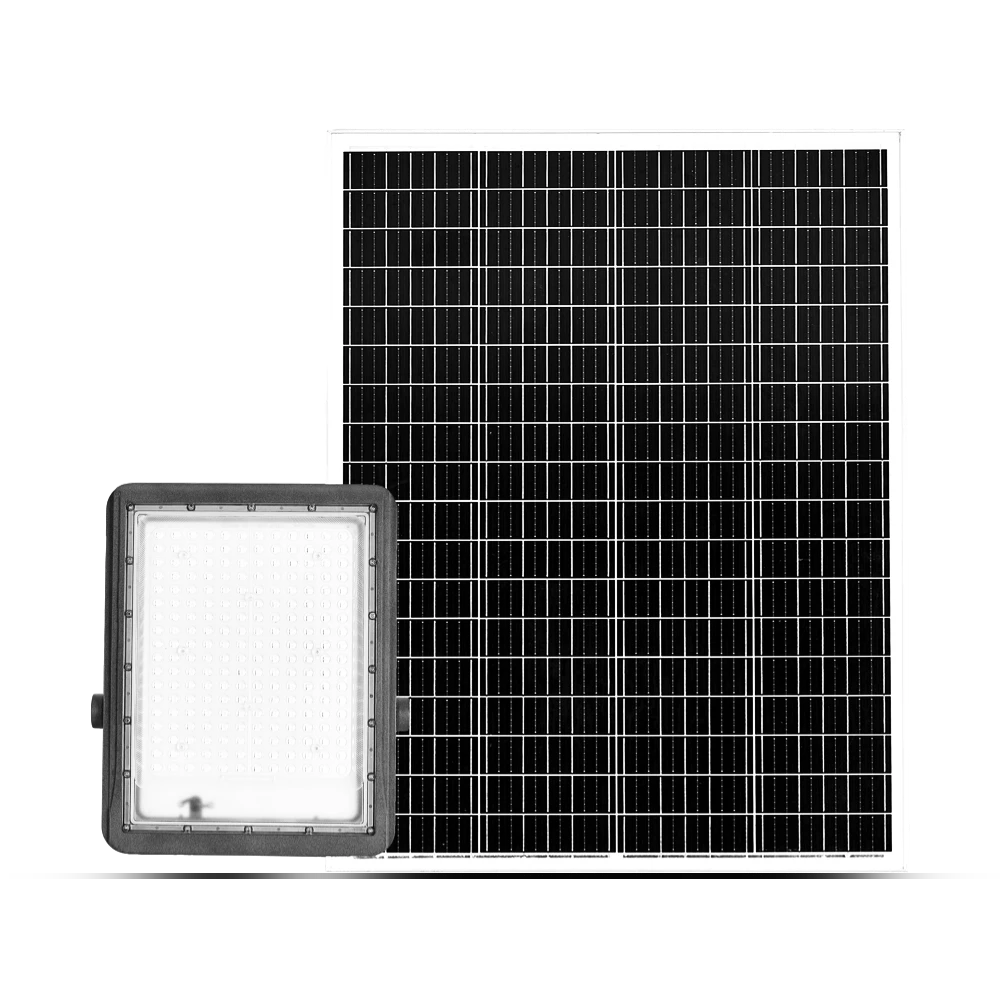
Queneng's Luxian Reliable Solar Street Light offers energy-saving LED lighting for outdoor use. This durable, solar-powered street light provides reliable illumination, reducing energy costs and environmental impact. A perfect solution for sustainable outdoor lighting.
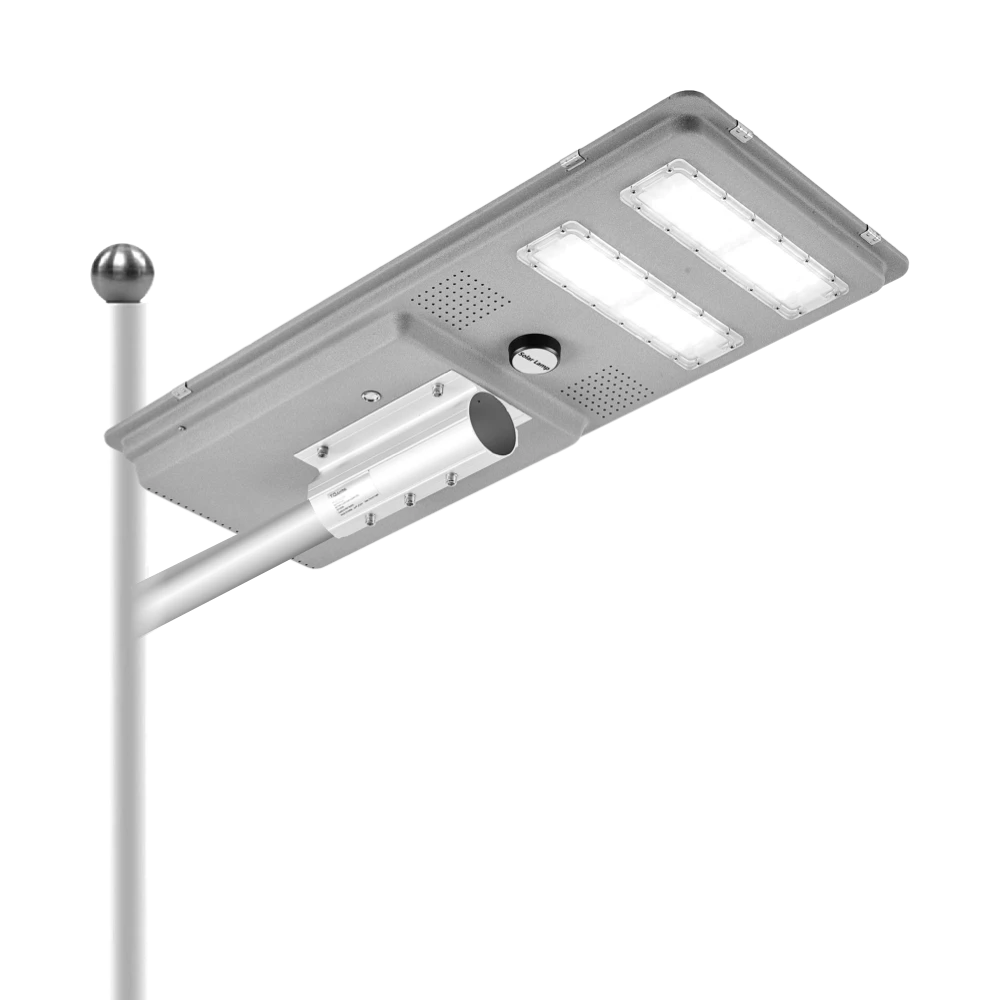
Queneng’s Solar Street Lights are designed to provide reliable, energy-efficient lighting for streets, parks, and other outdoor spaces.
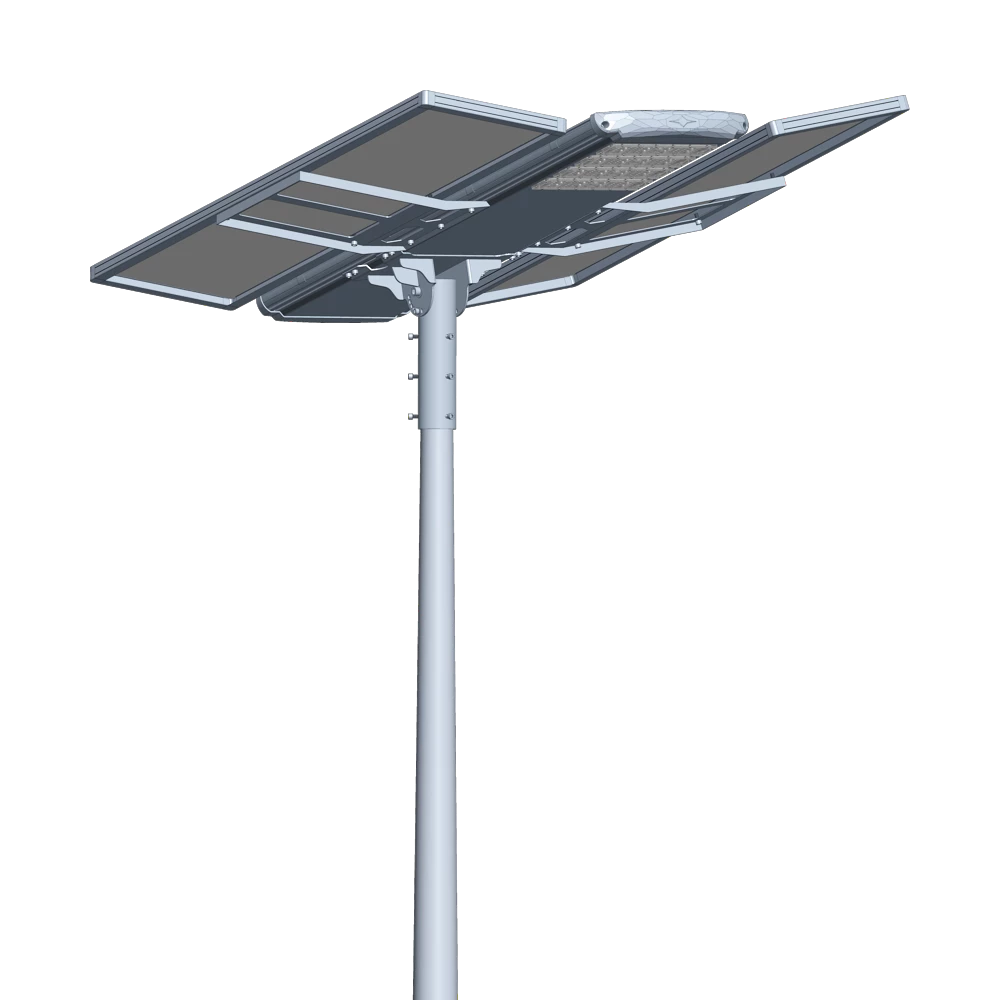
Introducing the Luqing Solar Street Light by Queneng, Efficient LED lighting powered by solar energy is perfect for illuminating outdoor areas. Harness the power of solar energy for sustainable, reliable street lighting. Ideal for eco-friendly, cost-effective outdoor illumination solutions.
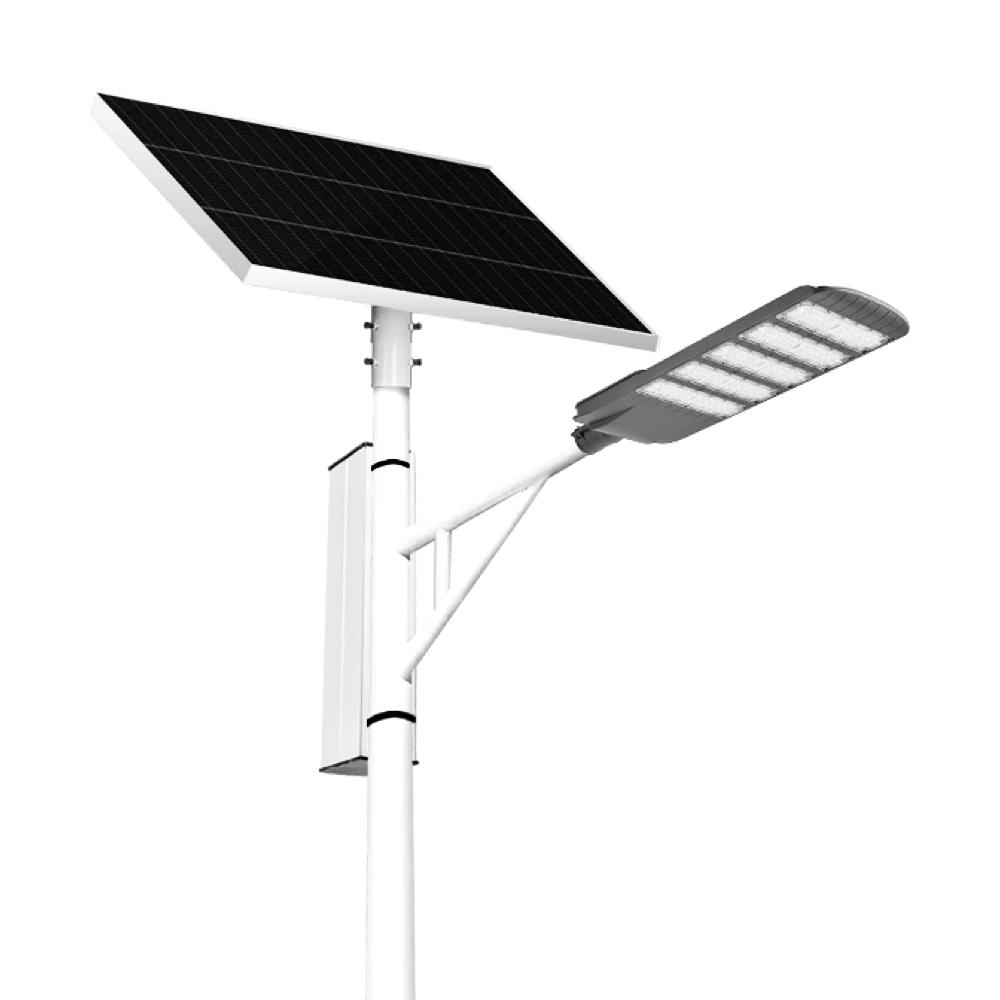
The Solar Streetlights of Luhao for Municipalities are designed to deliver reliable, energy-efficient, and cost-effective public lighting solutions. Equipped with advanced LED technology, durable lithium batteries, and high-efficiency solar panels, these streetlights provide consistent illumination for roads, parks, residential areas, and government projects.
Our professional team is ready to answer any questions and provide personalized support for your project.
You can reach us via phone or email to learn more about Queneng’s solar lighting solutions. We look forward to working with you to promote clean energy solutions!
Rest assured that your privacy is important to us, and all information provided will be handled with the utmost confidentiality.
By clicking 'Send Inquiry Now' I agree to Queneng processing my personal data.
To see how to withdraw your consent, how to control your personal data and how we process it, please see our Privacy Policy and Terms of use.
Schedule a Meeting
Book a date and time that is convenient for you and conduct the session in advance.
Have more questions about our products or services?
The messenger of light & power conversion
Environmental protection and intelligent manufacturing are our brand philosophy, and quality assurance and the best user experience are our eternal promises to users.
CONTACT
No.9F, Building F, Cao San Xin Tian Hong Logistics Park, Guzhen Town, Zhongshan City, Guangdong Province, China.
or write [email protected]
WhatsApp: +86 136 2270 1011


