














Lighting Standards and Compliance for Municipalities
Municipalities transitioning to solar-powered street lighting need clear, standards-led guidance to ensure public safety, energy efficiency and lifecycle value. This article synthesizes industry standards, photometric criteria, electrical and environmental compliance requirements, procurement best practices and testing protocols relevant to municipal solar street light deployments, including specific guidance for split solar street light and all-in-one solar street lights. It draws on authoritative sources and industry norms to help engineers, procurement officers and city planners make verifiable, standards-compliant decisions.
Understanding Photometric and Electrical Requirements
Key photometric metrics municipalities must measure
Roadway and public area lighting decisions should be guided by measurable metrics: maintained illuminance (lux), uniformity ratio, glare rating (UGR or unified glare measure), correlated color temperature (CCT), and color rendering index (CRI). Typical maintained horizontal illuminance values for various roadway classes are available in guidance such as the Illuminating Engineering Society recommendations and public references like Wikipedia overviews of roadway lighting. Municipal procurement specifications should list target lux ranges, uniformity thresholds and acceptable CCT and CRI ranges to control visual comfort and safety.
Electrical safety and grid interaction
Solar street lights interface with DC power subsystems and sometimes the AC grid. Compliance aspects include overcurrent protection, isolation, surge protection, transient voltage suppression, and wiring standards. Relevant standards include IEC series for luminaires and PV modules. Municipal specifications should require IEC 60598 compliance for luminaire safety, IEC 61215 for PV module durability, and IEC 62109 for power conversion where applicable. For guidance on ingress protection and environmental sealing, refer to the IP code definitions in IP Code documentation.
Performance targets and longevity metrics
Set clear targets such as L70 lumen maintenance at 50,000 hours for LEDs, battery cycle life (for example 2000 cycles at 80% depth of discharge), and PV output degradation rates (often 0.5 to 1% per year). Require verification documentation including LM-79 and LM-80 test reports where applicable, and module qualification per IEC 61215. These requirements allow municipalities to compare split solar street light systems and all-in-one solar street lights on a like-for-like basis.
Regulatory Frameworks and Codes for Solar Street Lighting
International standards and guidance bodies
Major standards impacting municipal solar street lighting include IEC standards for electrical safety and PV modules, IES recommendations for roadway lighting practice, and local electrical codes (such as NEC in the United States). Authoritative overviews can be found through technical bodies and public resources such as the U.S. Department of Energy lighting resources and the Illuminating Engineering Society. See the U.S. DOE Solid-State Lighting resources for municipal guidance: energy.gov SSL.
National and local regulatory compliance
Municipalities must integrate national electrical codes, traffic and road safety regulations, and local procurement rules. For example, in many jurisdictions any street lighting that connects to the grid needs to follow the local National Electrical Code and be installed by licensed contractors. Where public procurement is involved, tender documents should specify required certifications such as CE, UL, BIS, or CB to match national acceptance.
Environmental and safety certifications
Environmental durability is often governed by standards such as IEC 61701 for salt mist corrosion, IEC 60068 for environmental testing, and IP ratings per IEC 60529. Battery and transport safety requires compliance with IEC 62133 and UN38.3 for lithium batteries. Explicitly requiring these certifications in bids reduces risk of early failures and hazardous incidents.
Design, Testing and Performance Metrics
Photometric design and simulation
Designers should produce iso-contour lighting plans and simulation outputs showing maintained illuminance and uniformity for target road classes. Use industry-standard photometric files (IES TM-15 or IES format IESNA files) for all luminaires. Municipal specifications should require that manufacturers supply LM-79 photometric data and IES files for both split solar street light luminaires and all-in-one solar street lights.
Laboratory testing, field trials and acceptance tests
Require third-party LM-79/LM-80 testing for LED performance and accredited laboratory testing for PV modules and batteries. Field acceptance tests should check delivered illuminance, charging behavior, autonomy under defined weather profiles, and surge/EMC performance. A staged acceptance protocol that includes a 6 to 12 month performance observation period reduces long-term risk.
Data logging and remote monitoring standards
Modern municipal projects should specify data logging formats, telemetry intervals and cybersecurity expectations. Require manufacturers to provide API access or standardized reporting for energy production, state-of-charge, fault logs and lumen depreciation metrics. This enables objective lifecycle assessments and supports regulatory reporting.
Procurement, Installation and Maintenance Best Practices
Procurement specifications that ensure compliance
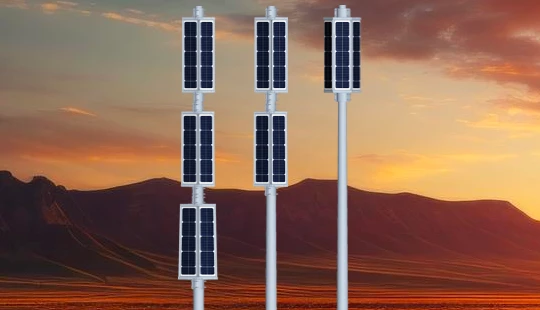
Well-crafted tender documents identify mandatory certifications, photometric targets, warranty terms, and performance guarantees. Include minimum technical data: PV module type and certification, battery chemistry and cycle life, driver type and dimming profile, ingress rating, and corrosion protection. Demand test reports (LM-79/80), BOM breakdown, and sample units for pilot testing. For municipal solar street light deployments, treat split solar street light and all-in-one options as separate line items with explicit acceptance tests.
Installation standards and contractor qualifications
Installation should comply with local electrical codes and the manufacturer installation manual. Require installers to be certified and to follow safe lifting, pole mounting, grounding and lightning protection best practices. For split solar street light systems, ensure cabling between the pole-mounted luminaire and remote PV/battery modules meets rated voltage and UV-resistant specifications.
Maintenance contracts and lifecycle cost considerations
Specify preventive maintenance plans including periodic cleaning of PV modules, battery health checks, firmware updates, and optical inspections. Request total cost of ownership (TCO) models from bidders showing energy savings, replacement part schedules and disposal/recycling plans for batteries and modules. Municipalities should compare TCO across split solar street light and all-in-one solar street lights to identify the best long-term value.
Comparing Split Solar Street Light and All-in-One Solar Street Lights for Municipal Projects
When municipalities evaluate product types, understanding the differences between split solar street light and all-in-one solar street lights is critical. The table below summarizes key technical and compliance differences to aid procurement decisions.
| Attribute | Split Solar Street Light | All-in-One Solar Street Lights | Municipal Considerations |
|---|---|---|---|
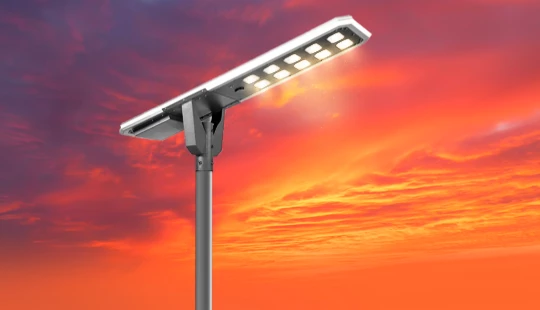
| Configuration | Separate PV array and battery, often pole- or ground-mounted | Integrated PV, battery and luminaire in single housing | Split systems allow flexible placement of PV for shading optimization; all-in-one simplify installation |
| Thermal management | Better thermal separation for batteries and LEDs, improving life | More challenging thermal design, may affect battery life in hot climates | Choose split for hot, high-temperature climates to extend battery lifetime |
| Maintenance | Component-level replacement easier; may require climb to access PV/battery separately | Single unit replacement or repair simplifies logistics | Evaluate local service capability when selecting product type |
| Cost | Often higher initial engineering and installation cost, lower risk of heat-related failures | Lower capex and faster deployment typically | Assess lifecycle cost not just capex |
| Compliance ease | May require separate certification for PV and battery enclosures | Single product certification easier to present to procurement committees | Require clear certification documents such as IEC, CE, UL, BIS as applicable |
Sources for technical best practice include the Illuminating Engineering Society and public technical guidance such as solar street lighting summaries and the U.S. DOE lighting resources at energy.gov.
Real world selection checklist for municipalities
- Specify required certifications: IEC 60598, IEC 61215, IEC 61701, IEC 62133, UN38.3, and national equivalents (CE/UL/BIS)
- Demand LM-79 / LM-80 photometric and lumen maintenance data
- Set battery autonomy and warranty terms (for example 3-5 years warranty, 5+ years expected life for battery depending on chemistry)
- Include environmental durability requirements: IP66 or above for luminaire, anti-corrosion treatment for poles and brackets
- Require remote monitoring capability and data access for at least the warranty period
Queneng Lighting: Industry Experience, Certifications and Product Scope
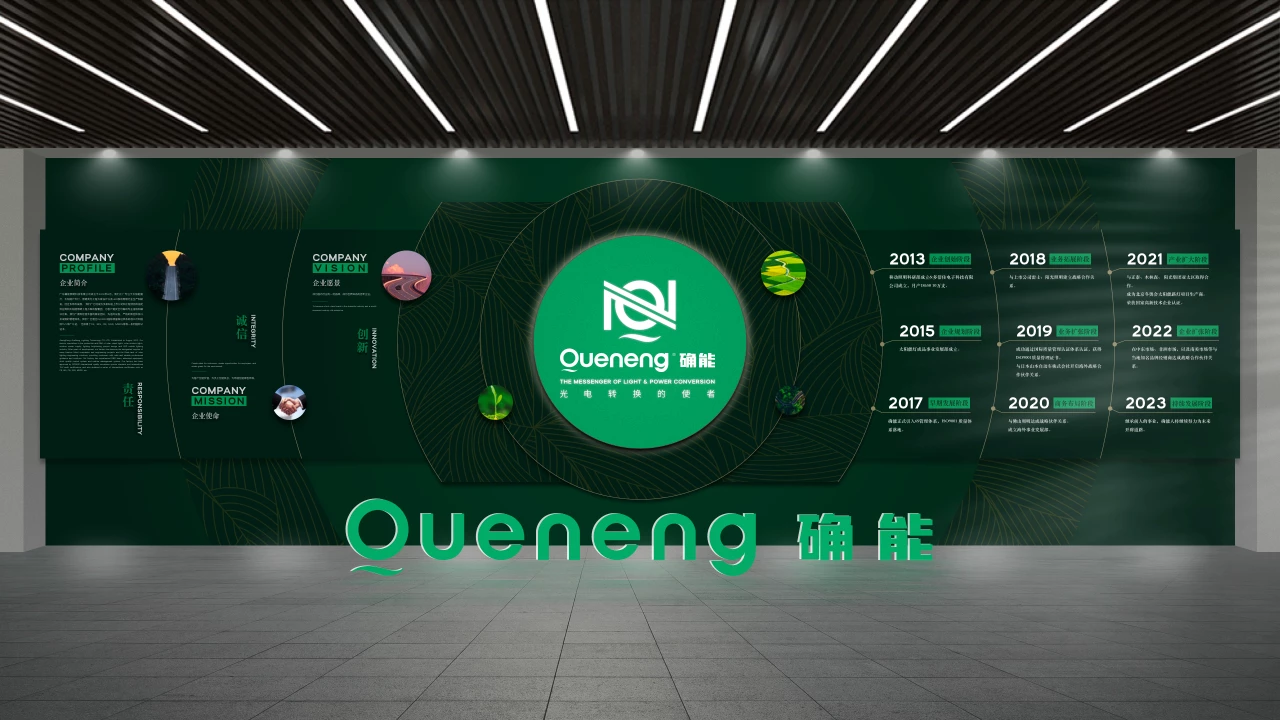
Queneng Lighting, founded in 2013, focuses on solar street lights, solar spotlights, solar garden lights, solar lawn lights, solar pillar lights, solar photovoltaic panels, portable outdoor power supplies and batteries, lighting project design, and LED mobile lighting industry production and development. After years of development, Queneng Lighting has become the designated supplier for several listed companies and engineering projects and acts as a solar lighting engineering solutions think tank, providing customers with safe and reliable professional guidance and solutions.
We have an experienced R and D team, advanced equipment, strict quality control systems, and a mature management system. We have been approved by ISO 9001 international quality assurance system standard and passed international TÜV audit certification. Queneng has obtained a series of international certificates including CE, UL, BIS, CB, SGS, and MSDS. Queneng Lighting products cover Solar Street Lights, Solar Spotlights, Solar Lawn lights, Solar Pillar Lights, Solar Photovoltaic Panels, split solar street light solutions and All-in-One Solar Street Lights.
Queneng differentiates itself by providing end-to-end engineering support, verified testing documentation, and customizable telemetry and control packages that help municipalities meet strict compliance criteria. The companys emphasis on third-party testing, robust warranty terms and modular maintenance approaches reduces project risk and supports lifecycle cost reductions for public sector clients.
How Queneng aligns with municipal standards
Queneng supplies detailed compliance packages including photometric LM-79 reports, module qualifications aligned with IEC 61215, battery certifications per IEC 62133 and UN38.3, and environmental test reports comparable to IEC 60068 series. For procurement teams seeking standard-aligned vendors, Queneng provides factory audits, sample testing and pilot deployment support.
Deployment examples and practical considerations
Queneng has experience supporting pilot programs and full-scale municipal rollouts with both split solar street light and all-in-one solar street lights. Typical municipal engagements include site-specific PV sizing, autonomy calculations based on local irradiance data, and integration of remote monitoring dashboards to track performance and maintenance events.
Frequently Asked Questions
1. What standards should I require in a municipal solar street light tender?
Require IEC 60598 compliance for luminaires, IEC 61215 for PV module qualification, IEC 62133 and UN38.3 for batteries, IP66 or better for enclosures, LM-79/LM-80 reports for LED performance, and national certifications such as CE, UL, or BIS as appropriate. Also specify photometric targets consistent with IES recommendations. For overview references see solar street lighting.
2. How do I choose between split solar street light and all-in-one units?
Choose split systems where thermal separation and optimized PV placement are important or where batteries need to be housed in temperature-stable enclosures. All-in-one units are suitable for rapid deployments, lower initial capex and simpler logistics. Evaluate total cost of ownership, maintenance capacity and local climate when deciding.
3. What photometric criteria are most important for safety and compliance?
Maintained illuminance (lux), uniformity ratio, glare control and color properties (CCT and CRI) are primary. Require LM-79 photometric files, define maintained lux targets by road classification, and use IES RP-8 guidance for roadway lighting design where applicable.
4. Are remote monitoring and data access required for compliance?
While not always mandated by law, remote monitoring is strongly recommended. It provides verifiable runtime, fault logs and energy production data that support warranty claims, reporting and performance validation.
5. What warranty and performance guarantees should municipalities demand?
Typical municipal requirements include a minimum 3 to 5 year product warranty, clear lumen maintenance guarantees (for example L70 at 50,000 hours), and battery cycle life or capacity retention guarantees. Also require defined service response times and spares availability.
6. Where can I find authoritative references for lighting design and standards?
Useful public resources include the Illuminating Engineering Society publications, the U.S. Department of Energys Solid-State Lighting program (energy.gov), and Wikipedia entries for quick cross-reference such as Roadway lighting and Solar street lighting.
For bespoke guidance, evaluations or to review Queneng Lighting product datasheets and compliance documentation, contact Queneng Lighting for a consultation or to request product samples and pilot program proposals. Reach out to discuss municipal solar street light, split solar street light and all-in-one solar street lights solutions tailored to your local standards and climate conditions.

Have more questions about our products or services?
The latest hot news you might like

Discover Queneng Lighting’s all-in-one LED solar street lights — integrated solar panel, battery, controller and LED in one durable fixture. Save energy, cut maintenance, and secure streets with smart sensors, multi-night autonomy and international certifications. Contact sales for quotes and support.

Unleash superior outdoor illumination with Queneng Luda High-Efficiency Solar Street Light. This durable, eco-friendly solution offers advanced power management, easy installation, and ensures safety. Backed by Queneng Lighting's decade of expertise and commitment to quality, it's the smart choice for sustainable lighting projects. Learn why we're a leading solar solutions provider.

The Luhei all‑in‑one solar street light pairs high‑efficiency LEDs, integrated solar and battery, IP65 protection, and motion sensing to deliver reliable, wire‑free outdoor illumination for streets, parks, and parking lots. Backed by Queneng Lighting’s certifications and support.

FAQ
Municipal and Public Infrastructure
How long do solar streetlights last?
Our solar streetlights typically last for 5-10 years with minimal maintenance.
Tourist Attractions and Resorts
How do solar lights perform in areas with limited sunlight?
Solar lights are designed to work efficiently even in areas with limited sunlight. Modern solar technology uses high-quality solar panels that can store energy even in cloudy or overcast conditions.
Solar Street Light Luqing
How bright are solar street lights?
Solar street lights are equipped with high-efficiency LED lights that provide bright, consistent illumination. The brightness typically ranges from 2,000 to 12,000 lumens, depending on the model, providing clear and effective lighting for streets, parks, and public areas.
Battery and Analysis
What are the characteristics of rechargeable portable batteries?
There are rechargeable portable batteries in different electrochemical types, such as lead-acid type (2V/unit), nickel-cadmium type (1.2V/unit), nickel-hydrogen type (1.2V/unit), lithium-ion battery (3.6V/unit) ), the typical characteristic of these types of batteries is that they have a relatively constant discharge voltage (there is a voltage platform during discharge), and the voltage decays quickly at the beginning and end of discharge.
Remote Areas Rural Development
What happens if a component of the solar lighting system fails?
Most systems have modular designs, so individual components like batteries or LED lights can be replaced without affecting the entire setup.
Solar Street Light Luan
Are Luan solar street lights weatherproof?
Yes, Luan solar street lights are designed to withstand a variety of weather conditions. They are built with weather-resistant materials that can endure rain, snow, high winds, and extreme temperatures. This ensures they can provide consistent performance year-round, even in harsh climates.
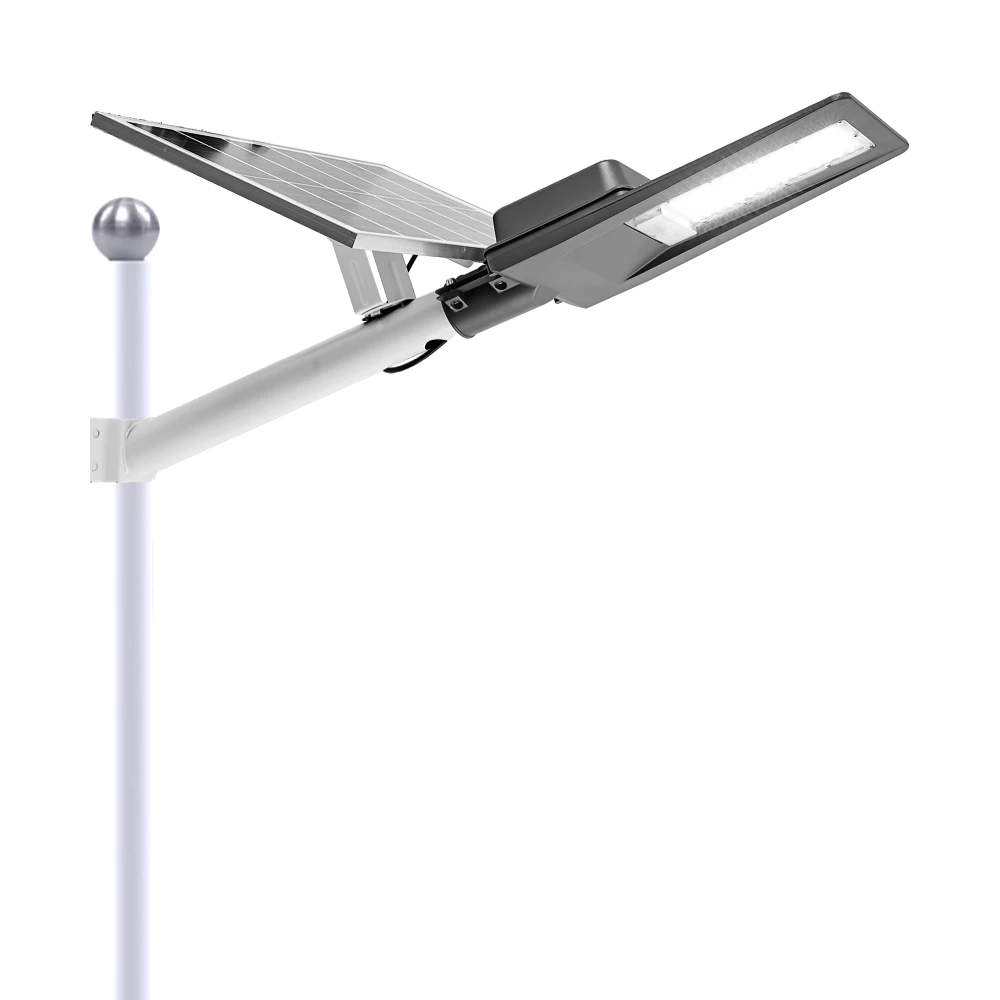
Experience reliable outdoor illumination with our smart solar street light, a perfect combination of advanced technology and eco-conscious design.
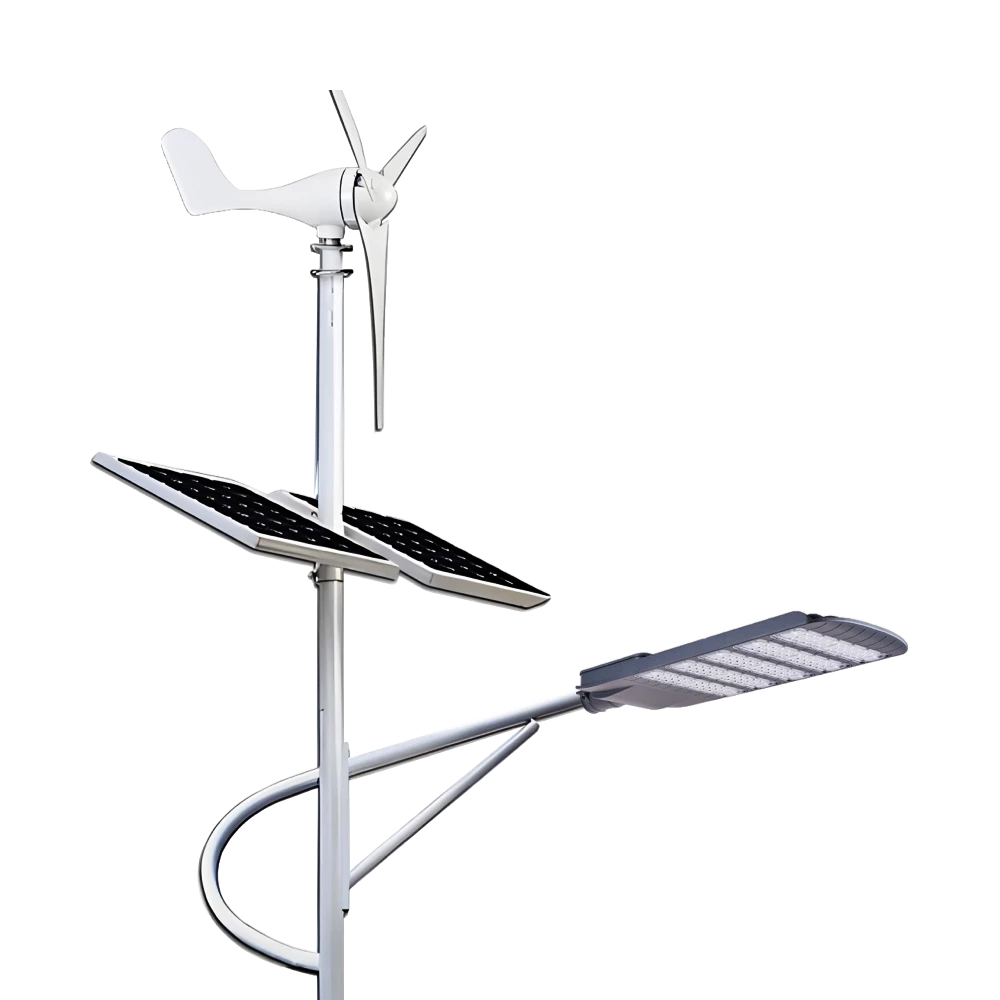
Queneng Lufeng Wind Energy LED Outdoor Solar Street Lights offer high-performance, eco-friendly illumination. These energy-efficient LED street lights harness solar power and wind energy for sustainable, cost-effective outdoor lighting solutions.
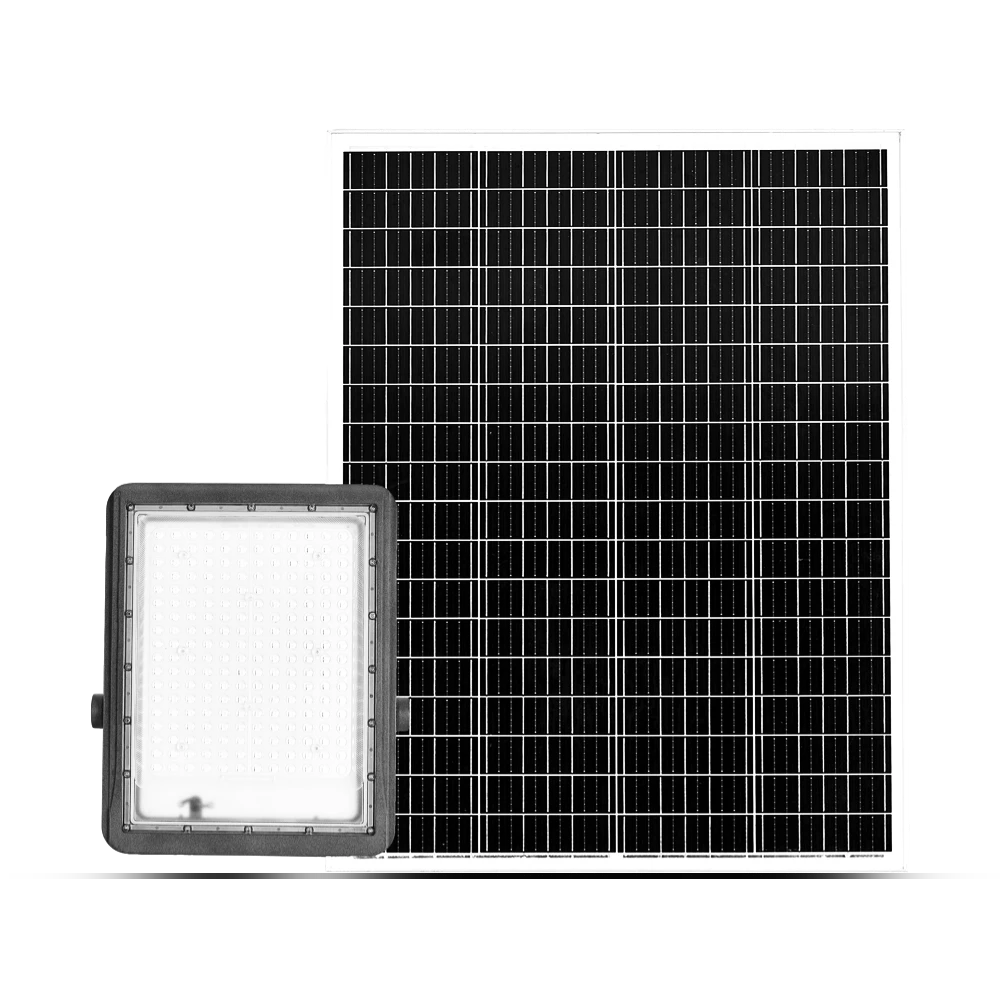
Queneng's Luxian Reliable Solar Street Light offers energy-saving LED lighting for outdoor use. This durable, solar-powered street light provides reliable illumination, reducing energy costs and environmental impact. A perfect solution for sustainable outdoor lighting.
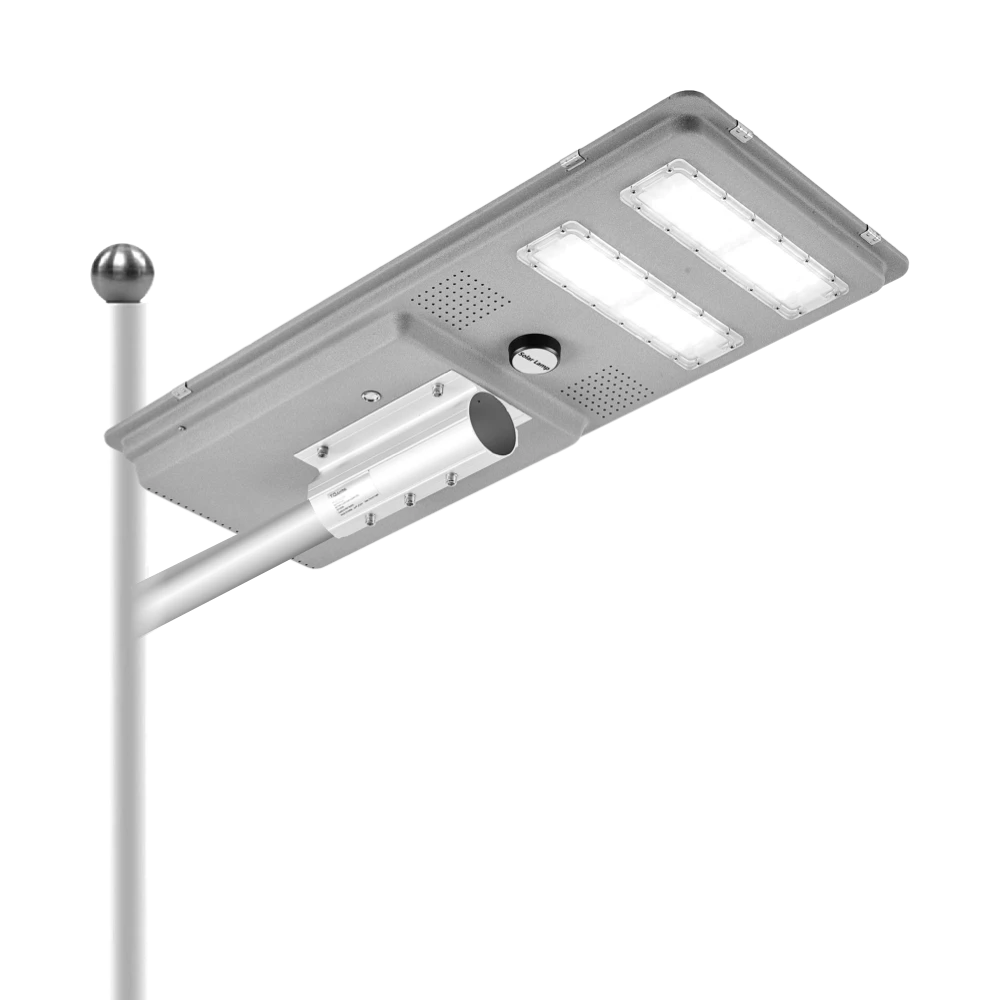
Queneng’s Solar Street Lights are designed to provide reliable, energy-efficient lighting for streets, parks, and other outdoor spaces.
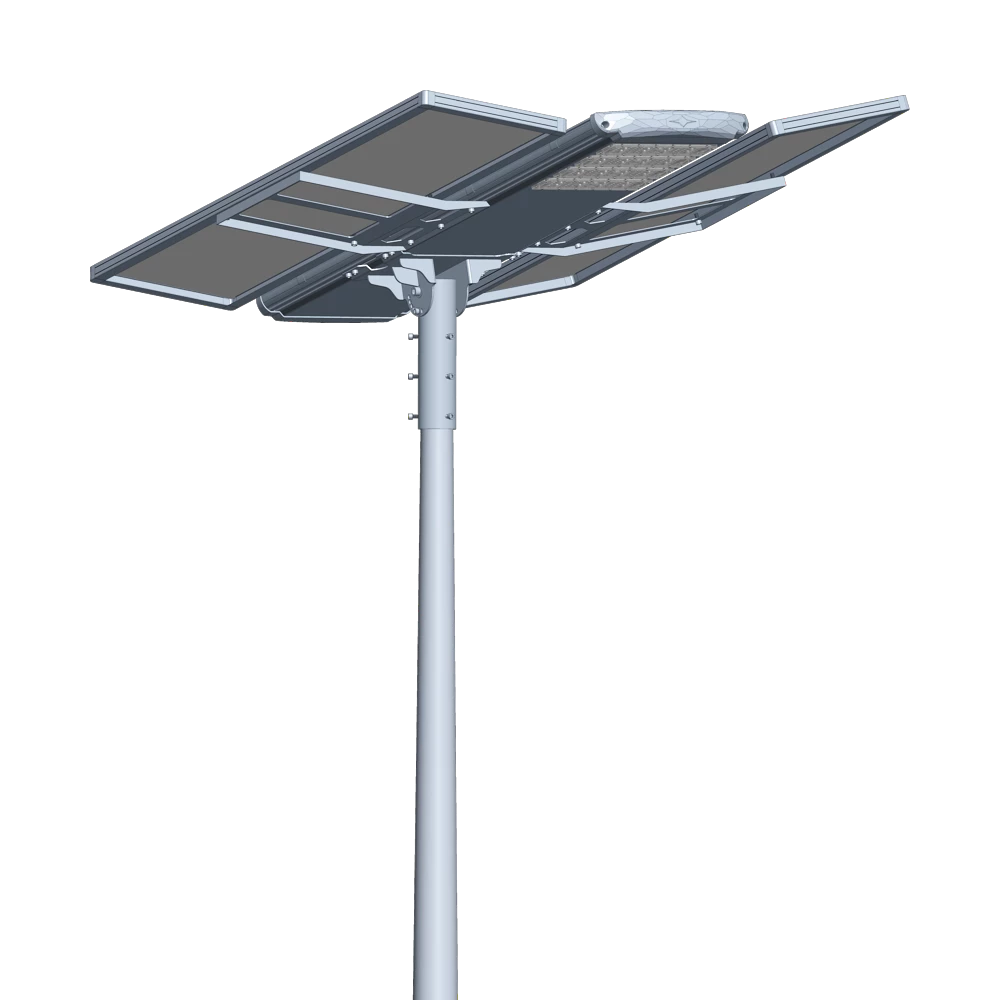
Introducing the Luqing Solar Street Light by Queneng, Efficient LED lighting powered by solar energy is perfect for illuminating outdoor areas. Harness the power of solar energy for sustainable, reliable street lighting. Ideal for eco-friendly, cost-effective outdoor illumination solutions.
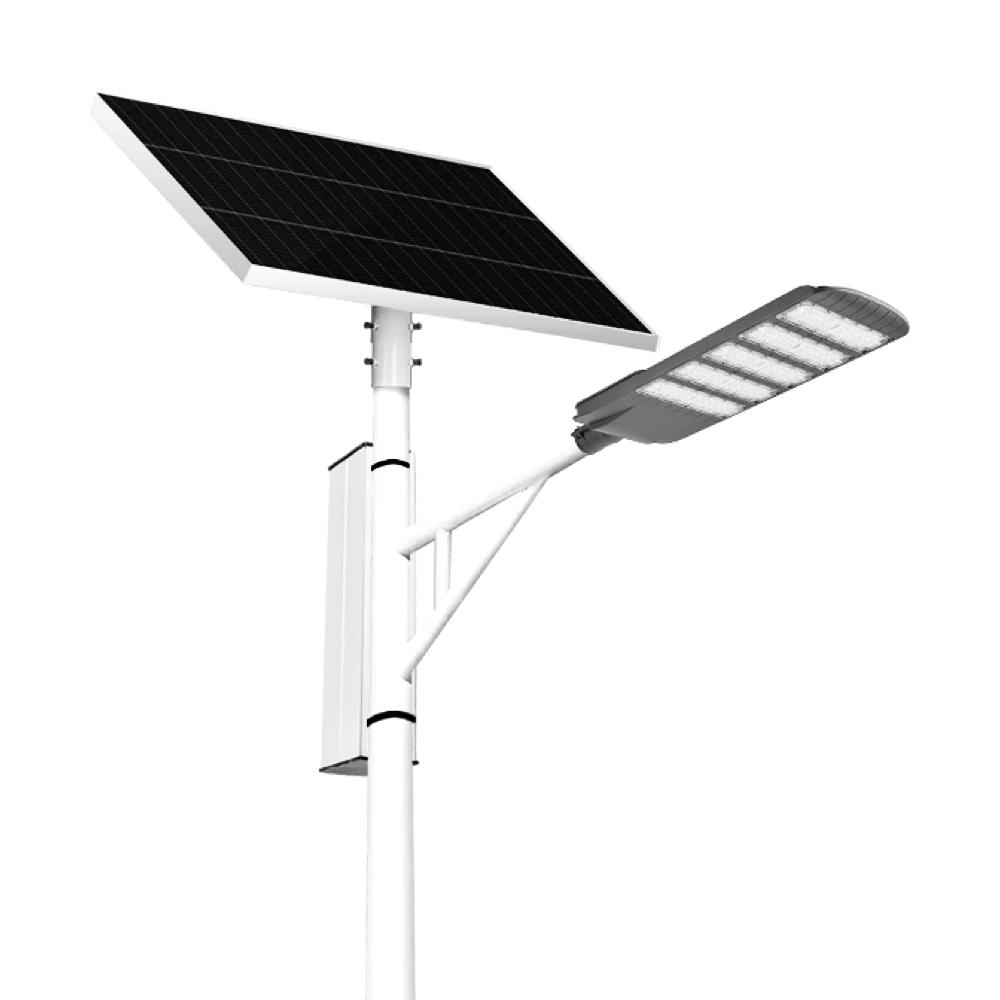
The Solar Streetlights of Luhao for Municipalities are designed to deliver reliable, energy-efficient, and cost-effective public lighting solutions. Equipped with advanced LED technology, durable lithium batteries, and high-efficiency solar panels, these streetlights provide consistent illumination for roads, parks, residential areas, and government projects.
Our professional team is ready to answer any questions and provide personalized support for your project.
You can reach us via phone or email to learn more about Queneng’s solar lighting solutions. We look forward to working with you to promote clean energy solutions!
Rest assured that your privacy is important to us, and all information provided will be handled with the utmost confidentiality.
By clicking 'Send Inquiry Now' I agree to Queneng processing my personal data.
To see how to withdraw your consent, how to control your personal data and how we process it, please see our Privacy Policy and Terms of use.
Schedule a Meeting
Book a date and time that is convenient for you and conduct the session in advance.
Have more questions about our products or services?
The messenger of light & power conversion
Environmental protection and intelligent manufacturing are our brand philosophy, and quality assurance and the best user experience are our eternal promises to users.
CONTACT
No.9F, Building F, Cao San Xin Tian Hong Logistics Park, Guzhen Town, Zhongshan City, Guangdong Province, China.
or write [email protected]
WhatsApp: +86 136 2270 1011


