














Low-maintenance Design Features for Long Lifespan
Design Strategies to Minimize Maintenance and Maximize Service Life
Municipal Solar Street Light projects require designs that reduce routine interventions while guaranteeing reliable performance across years of outdoor exposure. Selecting components and system architectures that resist environmental stresses, enable remote diagnostics, and simplify field service is essential. Throughout this article the term Municipal Solar Street Light is used to emphasize solutions tailored to city and municipal deployments, where uptime, cost control, safety, and vandal-resistance are primary concerns.
Understanding the and operational constraints
Municipal procurement teams search for systems that provide predictable total cost of ownership (TCO), long mean time between failures (MTBF), and easy maintenance workflows. Practical constraints include budget caps, local labor skill levels, theft/vandalism risk, extreme weather, and the need to integrate with existing street-lighting control platforms.
Key outcomes a low-maintenance design must deliver
Design goals should include: 1) minimize scheduled site visits, 2) allow quick corrective actions when needed, 3) protect critical components from environmental and electrical stress, and 4) ensure predictable degradation curves so replacements are planned rather than reactive.
Component-level Choices that Reduce Maintenance
LED modules and thermal management
High-quality LEDs are the foundation of low-maintenance fixtures. Look for LEDs rated for 50,000–100,000 hours (L70) under realistic drive currents and with validated lumen maintenance reports. Thermal design is critical: heavy-duty heat sinks, thermally conductive interfaces, and passive cooling reduce junction temperature and slow lumen depreciation. Lower junction temperatures cut the risk of early failures and reduce the frequency of lamp replacements.
Solar PV modules and mounting hardware
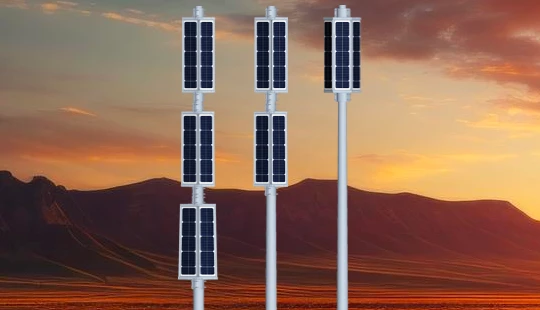
Solar modules should be tempered glass with anti-reflective coatings and framed with corrosion-resistant aluminum or stainless-steel hardware. Photovoltaic panels typically degrade slowly—industry averages are ~0.3–0.8% power loss per year—so choose panels with low degradation rates and strong warranty terms (25+ years performance guarantees). Simple tilt adjustment mechanisms and secure anti-theft fastenings minimize maintenance calls.
Battery chemistry and management
Batteries are often the maintenance bottleneck. Modern LiFePO4 chemistry offers higher cycle life (2,000–5,000 cycles depending on depth-of-discharge and temperature), better temperature tolerance, and longer calendar life than sealed lead-acid options. Equally important is a robust Battery Management System (BMS) with cell-balancing, over/under-voltage protection, temperature compensation, and remote state-of-health reporting. Such features reduce need for early battery swaps.
Electrical and System Protections to Avoid Field Failures
Surge protection, grounding and lightning mitigation
External systems must include transient surge protection devices (SPD) sized for local lightning risk and properly bonded grounding. For municipal deployments, add sacrificial SPD modules that are easy to replace at pole level. Well-specified SPD and proper grounding dramatically lower catastrophic component failures and bring maintenance predictability.
Ingress protection and conformal coatings
IP66 or higher weatherproofing and IP69K for harsh washdown environments reduce water/airborne-particle ingress that leads to corrosion and short circuits. Conformal coating on PCBs and sealed connectors (e.g., M12 or high-IP cable glands) extend service life in coastal or industrial environments by protecting electronics from salt, dust and moisture.
Modularity and field-replaceable components
Design components (battery packs, LED modules, controllers, SPDs) as modular, hot-swappable units where possible. Standardized mechanical interfaces and plug-and-play electrical connectors allow municipal maintenance crews to perform rapid on-site replacements with minimal training and without specialized tools, which reduces downtime and maintenance cost.
Smart Controls, Monitoring, and Operational Strategies
Remote monitoring and telemetry
Embedding remote monitoring (cellular, LoRaWAN or NB-IoT) with BMS telemetry, PV input, LED driver status, and GPS-tagged fault reporting is one of the largest contributors to low-maintenance operation. Early detection of underperformance (e.g., gradual battery capacity loss, PV soiling) enables scheduled interventions before failures occur, reducing emergency responses.
Intelligent dimming and adaptive schedules
Adaptive lighting—dimming during low-traffic hours, occupancy-triggered boosts, and seasonal schedule adjustments—reduces battery cycling and LED stress, extending both battery and LED life. MPPT solar charge controllers with temperature compensation optimize charging behavior across climates.
Anti-theft and anti-vandal features
Physical security measures (tamper-proof fasteners, locking battery compartments, steel cages), combined with asset tracking and remote alerts for unauthorized access, reduce losses and expensive replacements in urban settings.
Installation, Commissioning and Lifecycle Planning
Site assessment and correct sizing
Properly assessing solar irradiation, tilt/orientation, shading, expected load profile (dimming strategies), and local temperature extremes is essential. Oversizing panels and appropriately sizing batteries for the worst-case autonomy days (e.g., 3–7 days of autonomy for areas with frequent cloud cover) reduce deep-discharge stress and extend battery life.
Standardized commissioning and documentation
Detailed commissioning checklists, baseline telemetry data, and photo documentation at installation provide references for future troubleshooting. Labeling components with QR codes linking to spare-part lists, wiring diagrams, and replacement procedures accelerates repairs.
Planned preventive maintenance and spare-part strategy
Define a preventive maintenance schedule focusing on cleaning PV arrays (intervals based on local soiling rates), inspecting seals and cable glands, checking torque on fasteners, and verifying telemetry health. Maintain a localized spare-part pool for modular parts (batteries, controllers, SPD modules) to ensure quick swaps.
Component Comparison: Expected Maintenance and Lifespan
| Component | Typical Lifespan / Expected Hours | Maintenance Actions | Notes / Reliability Drivers |
|---|---|---|---|
| LED Module | 50,000–100,000 hours (L70) | Visual inspection every 2–5 years; driver checks | Quality LEDs + thermal design = longer life |
| Solar PV Module | 25+ years (warranty); ~0.3–0.8% degradation/yr | Cleaning 1–4 times/yr depending on soiling; inspect mounting | Anti-reflective glass, good mounting reduce failures |
| Battery (LiFePO4) | 5–12+ years depending on cycles and temperature | Monitor SoH remotely; replace when capacity <70–80% | BMS and proper depth-of-discharge extend life |
| Controller / Driver | 5–15 years | Firmware updates; inspect for corrosion and SPD status | Ventless enclosures and conformal coat improve reliability |
Practical Implementation Checklist for Municipalities
Before procurement
- Specify LiFePO4 batteries with BMS and remote telemetry.
- Require PV modules with 25-year performance warranties and low annual degradation.
- Demand IP66+ enclosures, conformal-coated PCBs, and replaceable SPD modules.
During installation
- Verify tilt, orientation and shading at installation time and document baseline.
- Commission remote monitoring; confirm alerts and access rights.
- Label parts and provide spare-part kits tailored to local workforce skill levels.
Operational best practices
- Use adaptive dimming to reduce cycles and extend battery life.
- Schedule PV cleaning based on observed soiling rates rather than fixed intervals.
- Track telemetry trends to replace batteries proactively (e.g., when capacity drops below 80%).
How GuangDong Queneng Lighting Technology Co., Ltd. Supports Low-Maintenance Municipal Deployments
GuangDong Queneng Lighting Technology Co., Ltd. (Founded in 2013) focuses on Municipal Solar Street Light solutions among other solar lighting products. Queneng's product range includes Solar Street Lights, Solar Spot lights, Solar Garden lights, Solar Lawn lights, Solar Pillar Lights, Solar Photovoltaic Panels, and portable outdoor power supplies and batteries. As a supplier and engineering solutions think tank, Queneng provides lighting project design, turnkey engineering guidance, and long-term aftersales support.
Queneng's competitive strengths and differentiators include:
- Experienced R&D team with product designs emphasizing thermal management, modularity and easy field servicing.
- Advanced manufacturing equipment and strict quality control systems aligned with ISO 9001.
- Third-party verifications including international TÜV audit certification and certifications such as CE, UL, BIS, CB, SGS, MSDS.
- Proven supply relationships with listed companies and engineering projects, with tailored municipal solutions and lifecycle planning support.
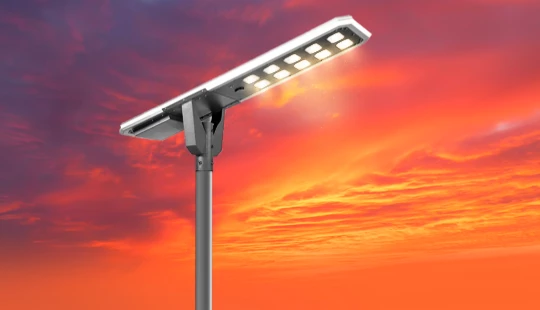
For municipalities seeking low-maintenance systems, Queneng supplies pre-engineered solar street light models with sealed battery compartments, LiFePO4 options, MPPT controllers, remote monitoring packages, vandal-resistant fixtures, and localizable spare-part kits. These combined features reduce MTTR (mean time to repair) and support predictable TCO for public-sector budgets.
Contact Queneng's project team for design consultations, product catalogs and pilot program quotes: consult the company website or request a project assessment to evaluate expected performance, maintenance schedules, and cost projections tailored to your city.
Frequently Asked Questions (FAQ)
1. How long does a Municipal Solar Street Light typically last with low-maintenance design?
With quality components (high-grade PV, LiFePO4 batteries, LEDs with good thermal design) and remote monitoring, systems can achieve 8–15 years of reliable operation for major components; PV modules often exceed 25 years of service with gradual degradation. Effective maintenance and operation strategies (dimming, proper sizing, telemetry) are key determinants.
2. What battery type minimizes maintenance and total lifecycle cost?
LiFePO4 batteries generally minimize lifecycle cost and maintenance compared to sealed lead-acid, due to higher cycle life, better thermal stability, and fewer replacements. Pairing LiFePO4 with a BMS and remote monitoring further reduces unplanned maintenance.
3. How important is remote monitoring for reducing maintenance?
Remote monitoring is highly important: it enables early detection of degradation (battery state-of-health, PV performance drop, LED driver faults), allows remote resets or reconfigurations, and supports data-driven replacement planning. Municipalities typically see a major reduction in emergency site visits after enabling telemetry.
4. How often should solar modules be cleaned in urban settings?
Cleaning frequency depends on local soiling rates (dust, bird droppings, pollution). In low-soiling rural areas, annual cleaning may suffice; in high-soiling urban/industrial/coastal environments, 2–4 times per year or more may be needed. Use monitoring of PV current to schedule cleaning when output drops beyond expected seasonal variance.
5. Are there standards or certifications municipalities should require?
Yes. Request LED performance data (IES LM-80, TM-21 reports), PV module certifications and warranties (e.g., IEC 61215/61730), battery safety standards, and system certifications such as ISO 9001 manufacturing controls, CE/UL for electrical safety, and independent test reports. These documents give confidence in long-term behavior and reduce warranty disputes.
6. What maintenance spare parts should a municipality stock?
Keep modular, high-failure-potential parts locally: battery packs, LED driver modules, SPD units, standard controller modules, major mechanical fasteners, and representative solar module clamps/bolts. Matching parts to your fleet of installed models reduces replacement time.
For product inquiries, project assessments, or to request Queneng’s catalog and pilot program proposals, contact Queneng Lighting's sales and engineering team. They can provide tailored Municipal Solar Street Light solutions and lifecycle support packages.
References and Further Reading
- U.S. Department of Energy, Solid-State Lighting Program — LED Basics and lifetime information. https://www.energy.gov/eere/ssl/solid-state-lighting (accessed 2026-01-03).
- National Renewable Energy Laboratory (NREL) — Photovoltaic Degradation Rates: An Analytical Review. https://www.nrel.gov/docs/fy13osti/56487.pdf (accessed 2026-01-03).
- International Energy Agency (IEA) — Solar PV Report and technology overviews. https://www.iea.org/reports/solar-pv (accessed 2026-01-03).
- Battery University — Lithium Iron Phosphate (LiFePO4) information and cycle-life discussion. https://batteryuniversity.com/article/bu-205-types-of-lithium-ion (accessed 2026-01-03).
- IP Code (Ingress Protection) — overview of IP ratings and their meaning. https://en.wikipedia.org/wiki/IP_Code (accessed 2026-01-03).
- IEC / SPD discussions — Surge protective devices and standards general info. https://en.wikipedia.org/wiki/Surge_protector (accessed 2026-01-03).
Note: For detailed product datasheets, performance test reports (LM-80, TM-21) and project references, contact GuangDong Queneng Lighting Technology Co., Ltd. directly to obtain up-to-date certification and test files.

Have more questions about our products or services?
The latest hot news you might like

Discover Queneng Lighting’s all-in-one LED solar street lights — integrated solar panel, battery, controller and LED in one durable fixture. Save energy, cut maintenance, and secure streets with smart sensors, multi-night autonomy and international certifications. Contact sales for quotes and support.

Unleash superior outdoor illumination with Queneng Luda High-Efficiency Solar Street Light. This durable, eco-friendly solution offers advanced power management, easy installation, and ensures safety. Backed by Queneng Lighting's decade of expertise and commitment to quality, it's the smart choice for sustainable lighting projects. Learn why we're a leading solar solutions provider.

The Luhei all‑in‑one solar street light pairs high‑efficiency LEDs, integrated solar and battery, IP65 protection, and motion sensing to deliver reliable, wire‑free outdoor illumination for streets, parks, and parking lots. Backed by Queneng Lighting’s certifications and support.

FAQ
Split Solar Street Light
Is split solar street light installation more complicated?
Slightly more steps, but no special tools required, and flexibility often simplifies complex sites.
Solar Street Light Luqiu
How energy-efficient are Luqiu solar street lights?
Luqiu solar street lights are highly energy-efficient, using cutting-edge LED technology that consumes less power while providing brighter illumination compared to conventional street lights. This significantly reduces energy costs and environmental impact.
Battery and Analysis
Why is it necessary to keep the battery warm when shooting in winter?
Remote Areas Rural Development
What is the maintenance requirement for solar lighting in rural areas?
Minimal maintenance is needed, primarily involving occasional cleaning of solar panels and checking battery performance.
How durable are solar streetlights in extreme rural conditions?
They are designed to withstand harsh weather, including heavy rains, strong winds, and extreme temperatures.
Can the system operate in areas with limited sunlight?
Yes, advanced batteries store sufficient energy to function during cloudy days or extended low-sunlight periods.
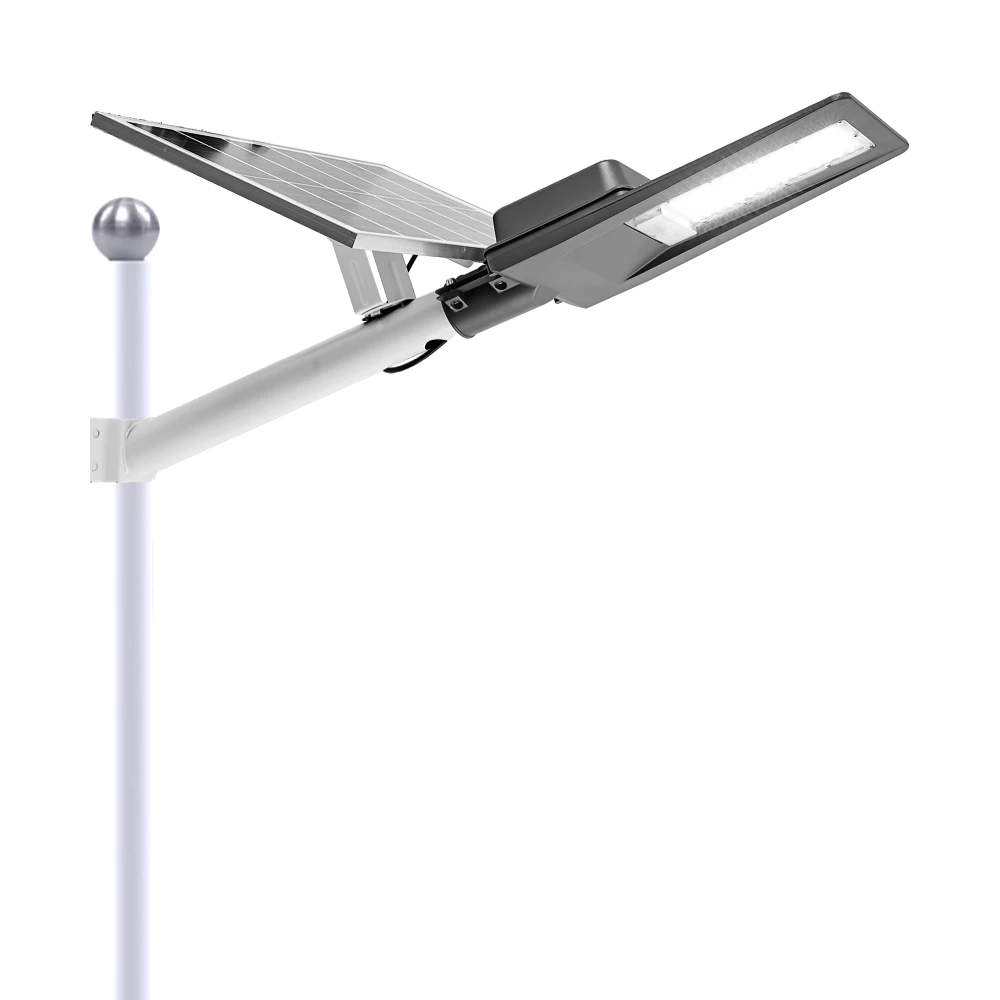
Experience reliable outdoor illumination with our smart solar street light, a perfect combination of advanced technology and eco-conscious design.
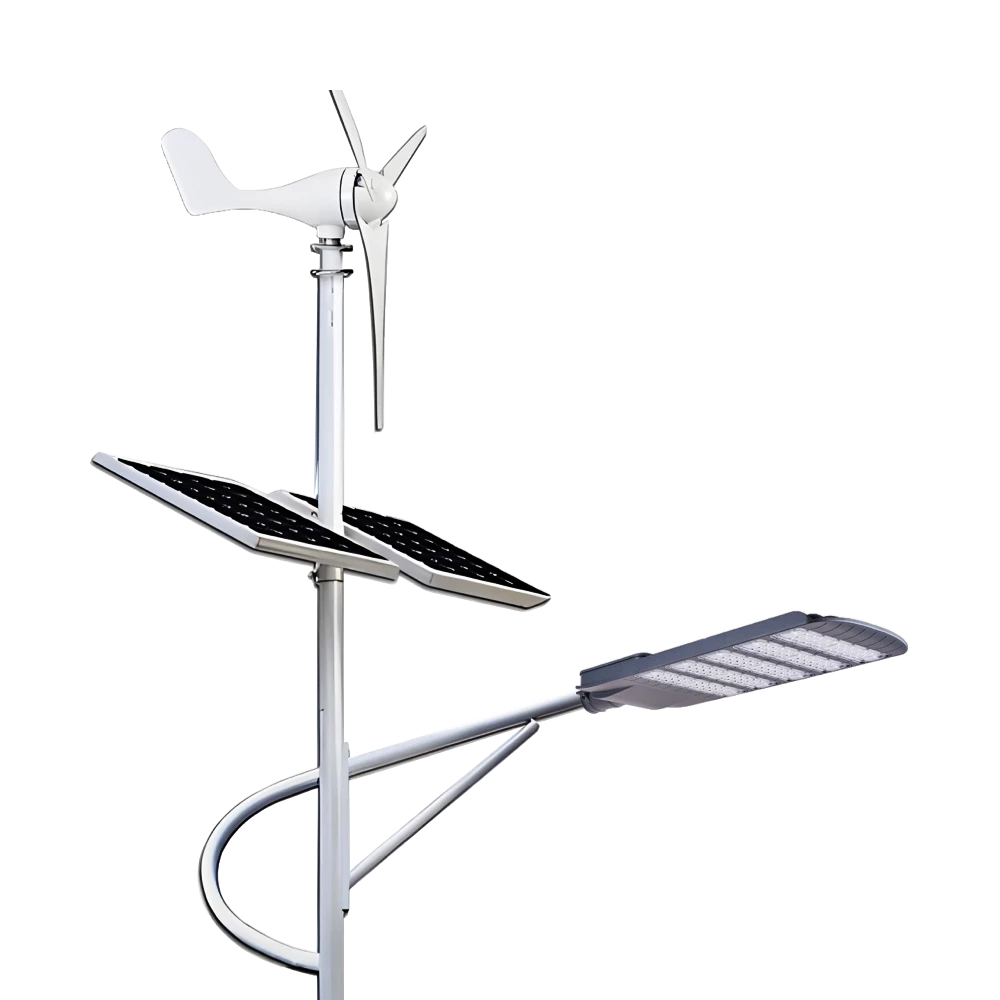
Queneng Lufeng Wind Energy LED Outdoor Solar Street Lights offer high-performance, eco-friendly illumination. These energy-efficient LED street lights harness solar power and wind energy for sustainable, cost-effective outdoor lighting solutions.
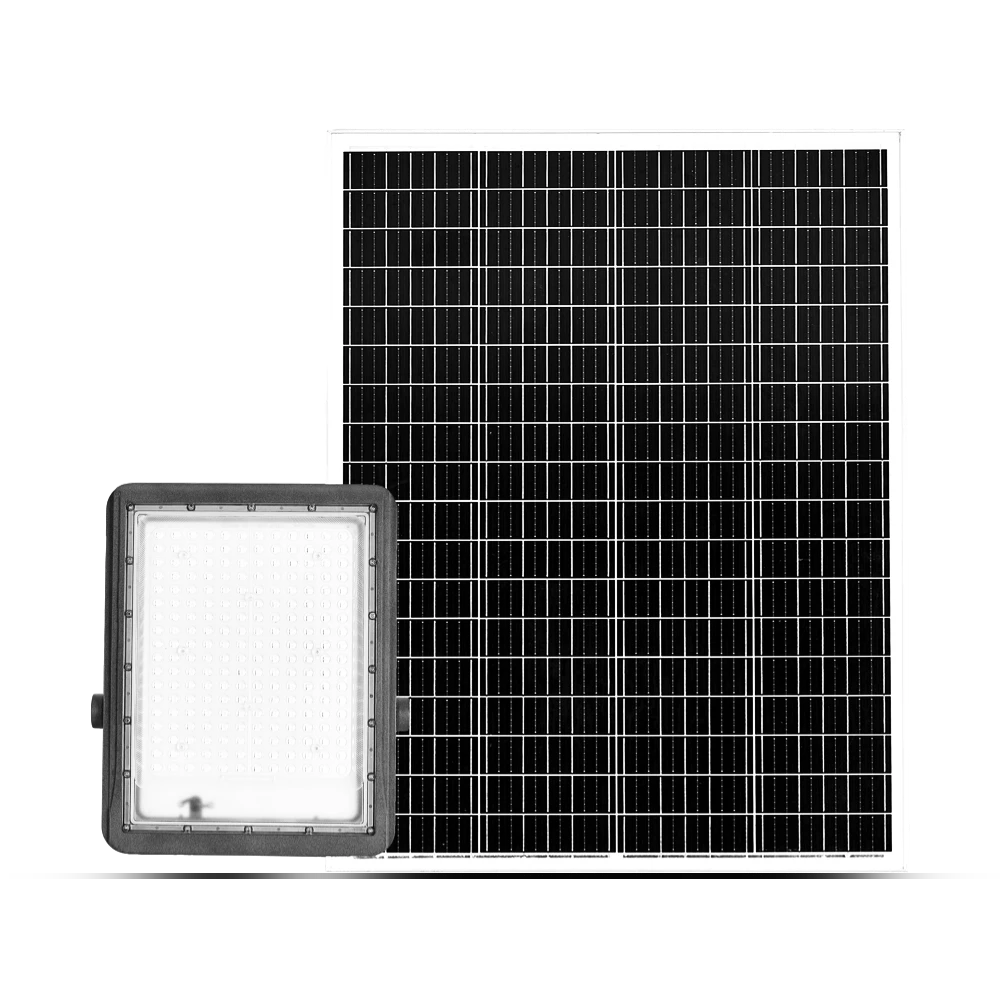
Queneng's Luxian Reliable Solar Street Light offers energy-saving LED lighting for outdoor use. This durable, solar-powered street light provides reliable illumination, reducing energy costs and environmental impact. A perfect solution for sustainable outdoor lighting.
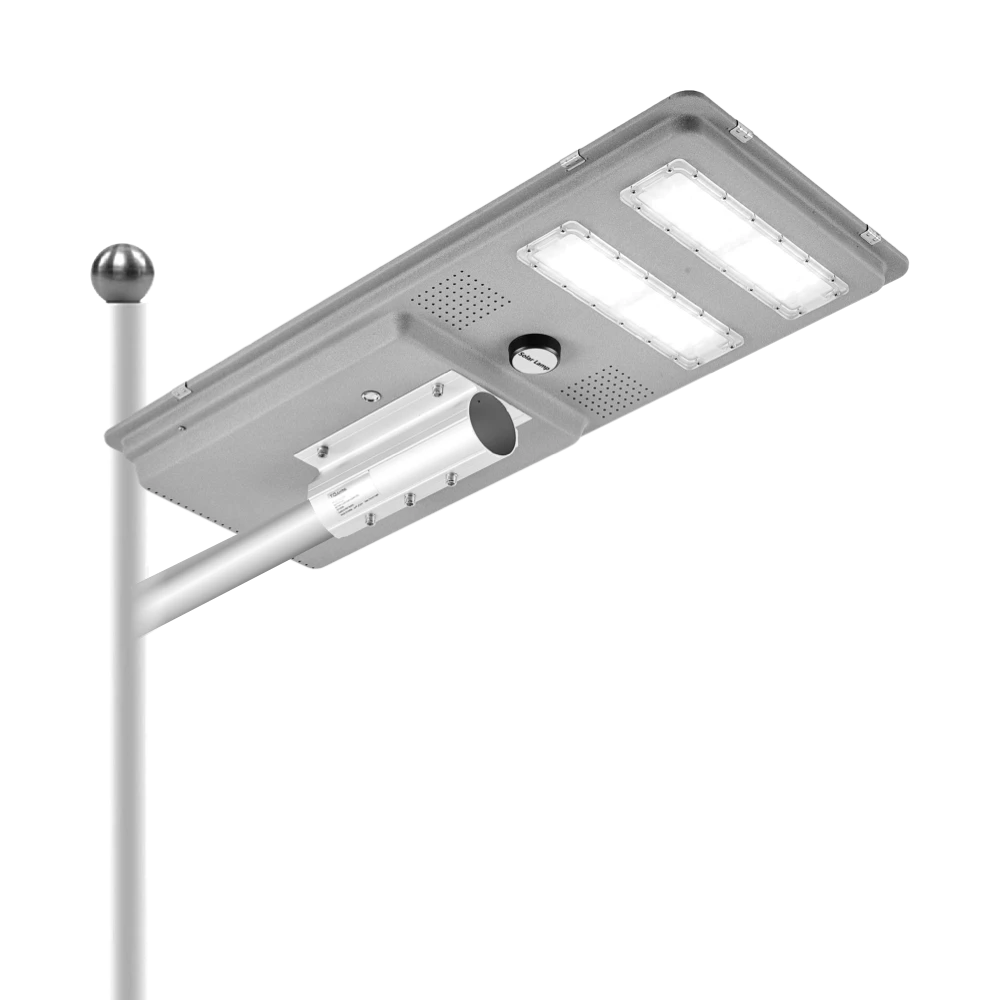
Queneng’s Solar Street Lights are designed to provide reliable, energy-efficient lighting for streets, parks, and other outdoor spaces.
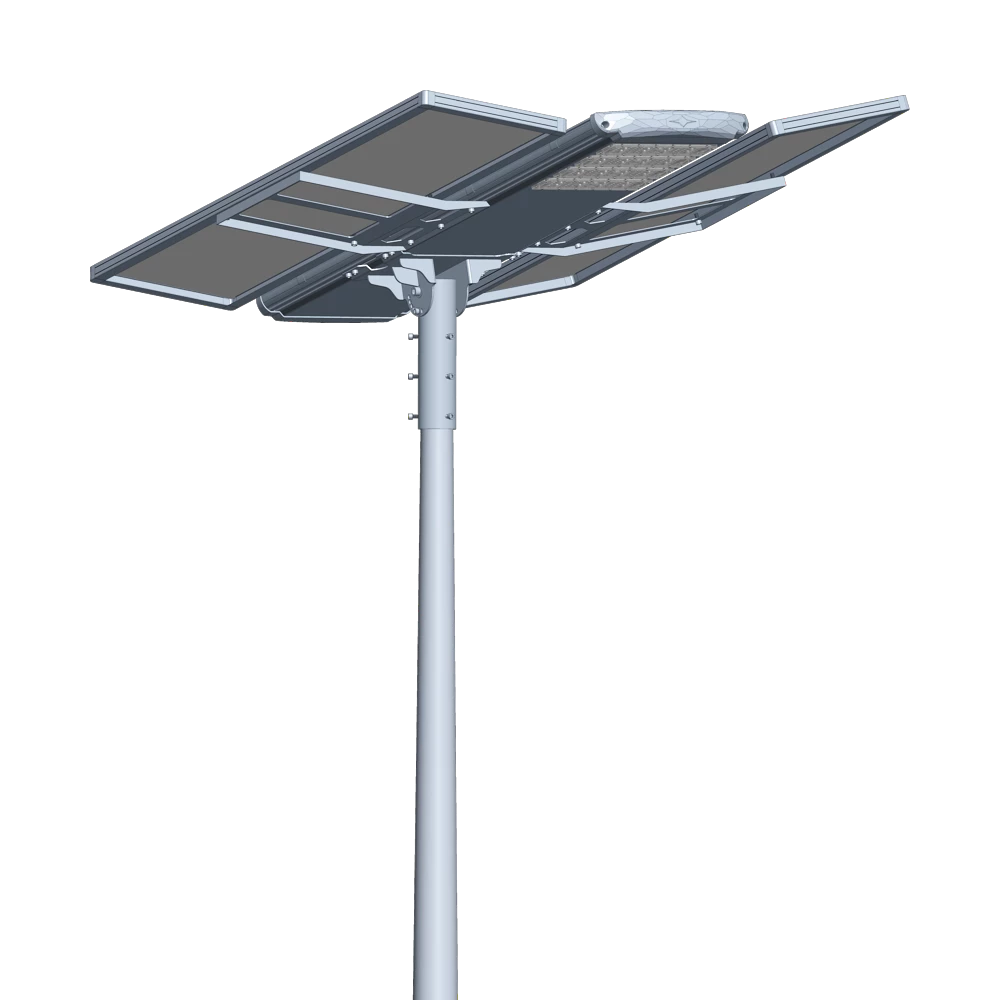
Introducing the Luqing Solar Street Light by Queneng, Efficient LED lighting powered by solar energy is perfect for illuminating outdoor areas. Harness the power of solar energy for sustainable, reliable street lighting. Ideal for eco-friendly, cost-effective outdoor illumination solutions.
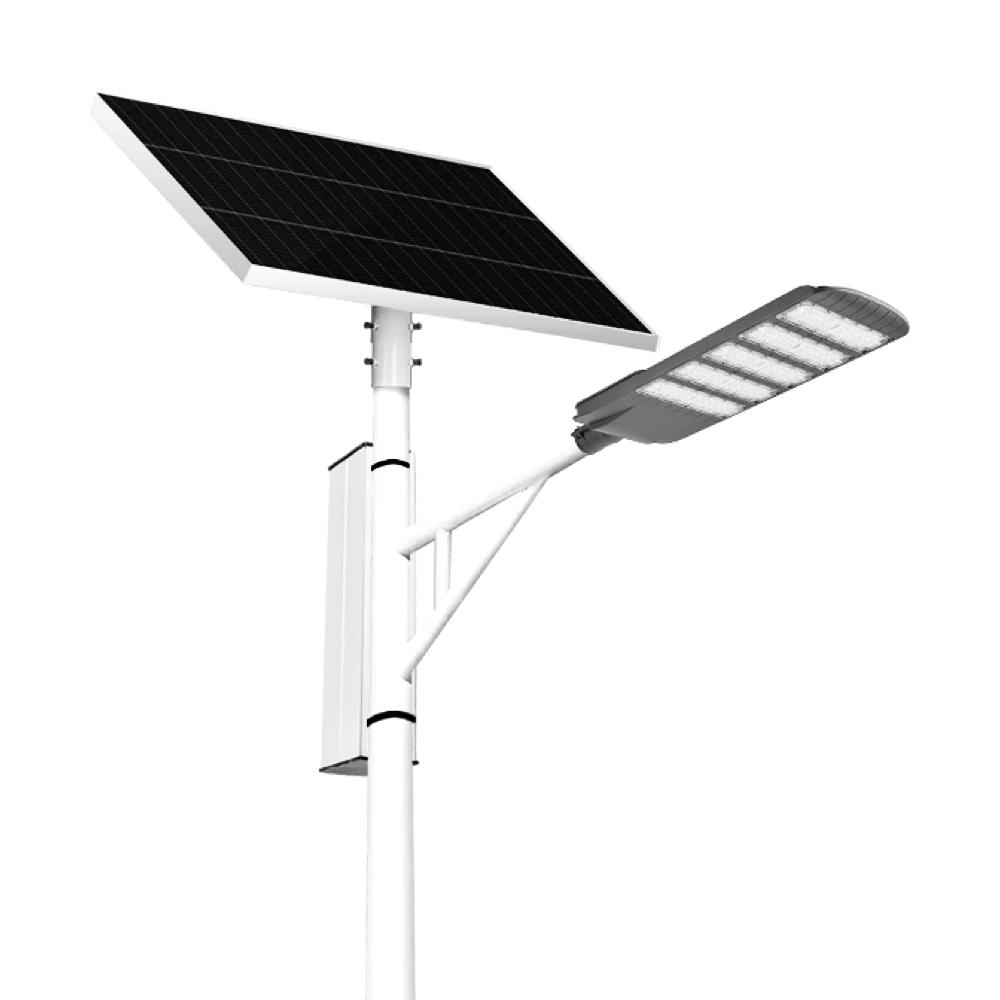
The Solar Streetlights of Luhao for Municipalities are designed to deliver reliable, energy-efficient, and cost-effective public lighting solutions. Equipped with advanced LED technology, durable lithium batteries, and high-efficiency solar panels, these streetlights provide consistent illumination for roads, parks, residential areas, and government projects.
Our professional team is ready to answer any questions and provide personalized support for your project.
You can reach us via phone or email to learn more about Queneng’s solar lighting solutions. We look forward to working with you to promote clean energy solutions!
Rest assured that your privacy is important to us, and all information provided will be handled with the utmost confidentiality.
By clicking 'Send Inquiry Now' I agree to Queneng processing my personal data.
To see how to withdraw your consent, how to control your personal data and how we process it, please see our Privacy Policy and Terms of use.
Schedule a Meeting
Book a date and time that is convenient for you and conduct the session in advance.
Have more questions about our products or services?
The messenger of light & power conversion
Environmental protection and intelligent manufacturing are our brand philosophy, and quality assurance and the best user experience are our eternal promises to users.
CONTACT
No.9F, Building F, Cao San Xin Tian Hong Logistics Park, Guzhen Town, Zhongshan City, Guangdong Province, China.
or write [email protected]
WhatsApp: +86 136 2270 1011


