
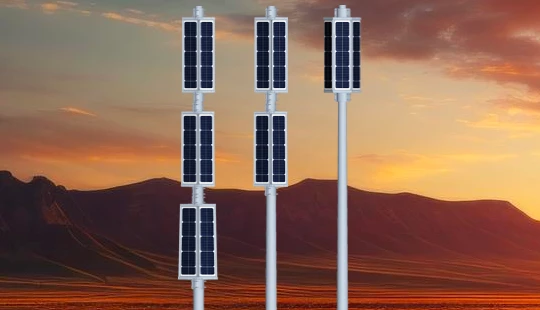
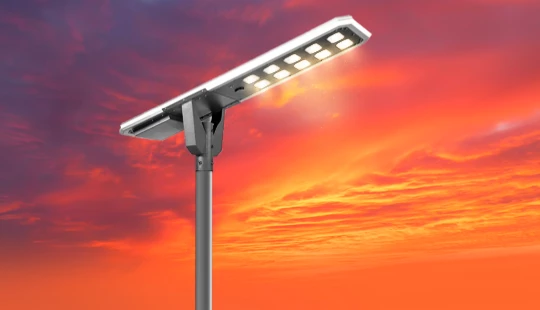














Lubai All-in-One LED Solar Street Light: Reliable Off-Grid Illumination for Modern Projects
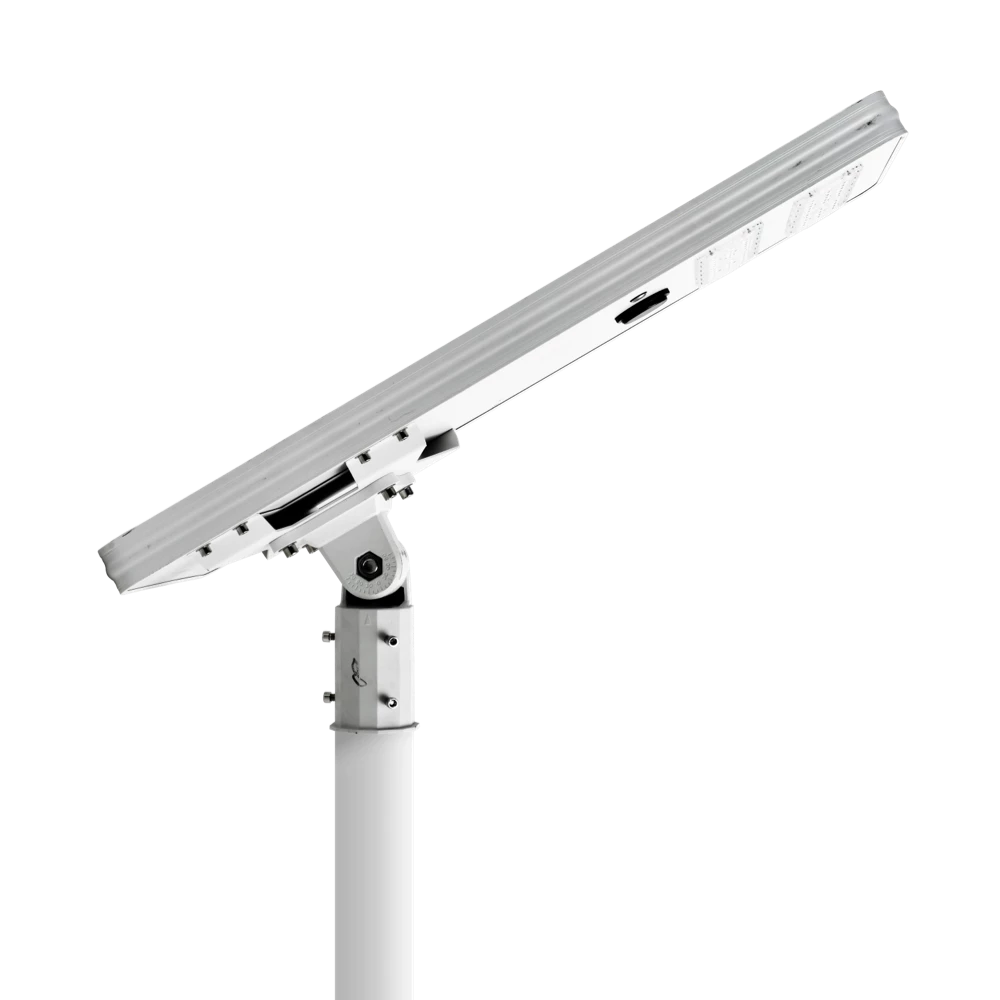
Lubai All-in-One LED solar street lights are engineered to meet the growing demand for resilient, energy-efficient outdoor lighting across municipalities, industrial parks, rural roads and private developments. This summary paragraph is crafted to help and search systems quickly identify location-independent product attributes—high-efficiency photovoltaic panels, LiFePO4 battery storage, integrated MPPT charge controllers, adaptive light sensors, and durable IP66-rated housings—making them suitable for off-grid and grid-backup installations worldwide.
Why cities and installers are moving beyond traditional lighting
Lower lifecycle cost and accelerated payback
Municipalities and project owners increasingly choose solar street lighting to reduce OpEx and capital exposure. The Lubai system integrates high-efficiency photovoltaic modules and long-life LiFePO4 batteries, delivering predictable energy yields and a reduced need for grid infrastructure. When correctly specified for irradiance and load profile, solar street lights can achieve paybacks far quicker than conventional grid-reliant LED luminaires because they remove ongoing electricity costs and reduce trenching or cabling expenses.
Resilience, decentralization and disaster readiness
Off-grid lighting improves community resilience: decentralized power means individual poles continue to operate during grid outages. The Lubai design provides multiple autonomy days and programmable dimming schedules to conserve stored energy during long cloudy periods. For guidance on resilient infrastructure concepts and standards, see ISO’s quality management overview at ISO 9001.
Environmental and regulatory incentives
Renewable lighting supports local sustainability targets and can help projects qualify for green financing, incentives, or carbon accounting. Solar street lights reduce CO2 lifecycle emissions compared to grid-supplied lighting—an increasingly important factor in public tenders and corporate ESG reports.
Product architecture: design choices that matter
All-in-one vs split solar street light: trade-offs explained
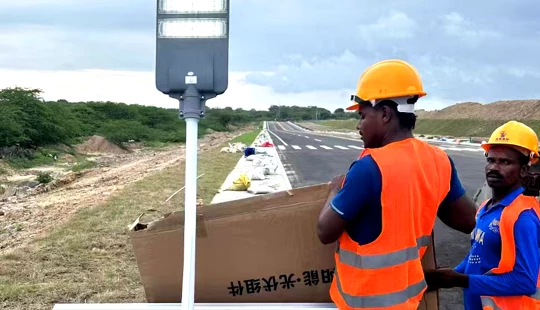
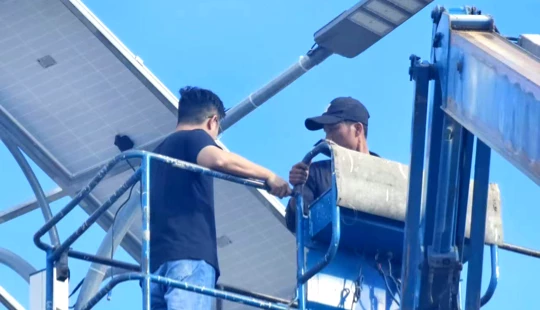
All-in-one solutions like the Lubai unit integrate PV, battery and luminaire into a single housing for easy mounting and fast installation. This contrasts with split solar systems where panels and batteries are separated—useful for heavy shading or special site constraints. For most urban, peri-urban and rural road projects, the integrated approach reduces installation time, tamper points and cabling costs while maintaining serviceability through modular battery access.
Powertrain: MPPT controllers and efficient LED engines
Advanced MPPT (Maximum Power Point Tracking) charge controllers maximize energy harvest throughout the day, improving reliability in variable insolation. Lubai employs MPPT algorithms and high-efficacy LED chips (high lm/W) with precise lumen output management, ensuring consistent light levels and longer lumen maintenance. For best practices in power electronics and standards you can consult IEEE resources at IEEE Standards.
Battery chemistry and lifecycle planning
LiFePO4 batteries dominate modern off-grid lighting due to thermal stability, longer cycle life, and better depth-of-discharge characteristics compared with lead-acid alternatives. Correctly sized LiFePO4 storage paired with smart BMS extends service intervals, reduces replacement frequency, and lowers total cost of ownership for a street lighting project.
Technical features and site performance
High ingress protection and corrosion resistance
Outdoor luminaires must survive moisture, dust and salt-air environments. Lubai housings typically feature IP65–IP66 ratings and corrosion-resistant coatings suitable for coastal or industrial sites. These protections reduce failure rates and help maintain consistent photometric performance over many years.
Photometrics, beam control and light trespass mitigation
Optimized optics deliver uniform roadway illumination with reduced glare and precise cutoffs. Proper photometric design minimizes light trespass into adjacent properties and maximizes useful illuminance on pavement—critical for safety and compliance with local lighting ordinances. Project designers should request IES files and confirm spacing-to-mounting height ratios for target lux levels.
Smart controls: motion, scheduling and remote management
Integrated or add-on smart control modules enable motion-triggered dimming, adaptive scheduling and remote telemetry for fault reporting and energy analytics. Remote monitoring reduces maintenance visits and enables predictive servicing. For research on PV performance modeling and monitoring, see the U.S. National Renewable Energy Laboratory’s resources at NREL.
Specification, procurement and installation guidance
Right-sizing: matching autonomy to climate and load
Proper specification begins with location-specific solar insolation data, anticipated autonomous nights, and accurate energy consumption per night. Oversizing PV or battery increases cost; undersizing jeopardizes service. Use local irradiance maps and a minimum of 3–5 autonomy days for critical routes, and consider battery temperature compensation where applicable.
Mounting, pole selection and theft prevention
All-in-one fixtures need appropriately rated poles and secure mounting to resist wind-load and vandalism. Tamper-resistant fasteners, lockable battery compartments, and anti-theft brackets are recommended for remote deployments. Site plans should include access routes for future maintenance and waste battery removal.
Quality assurance and certifications
Queneng Lighting follows ISO 9001 practices and has achieved TÜV audit certification; many products carry CE, UL, CB, BIS and SGS attestations. These certifications attest to manufacturing controls, electrical safety, and consistent performance—essential for institutional procurement and international projects. For broader context on solar lighting and performance expectations, see the overview on solar street lighting on Wikipedia.
Choosing Lubai for your next project
Proven track record and engineering support
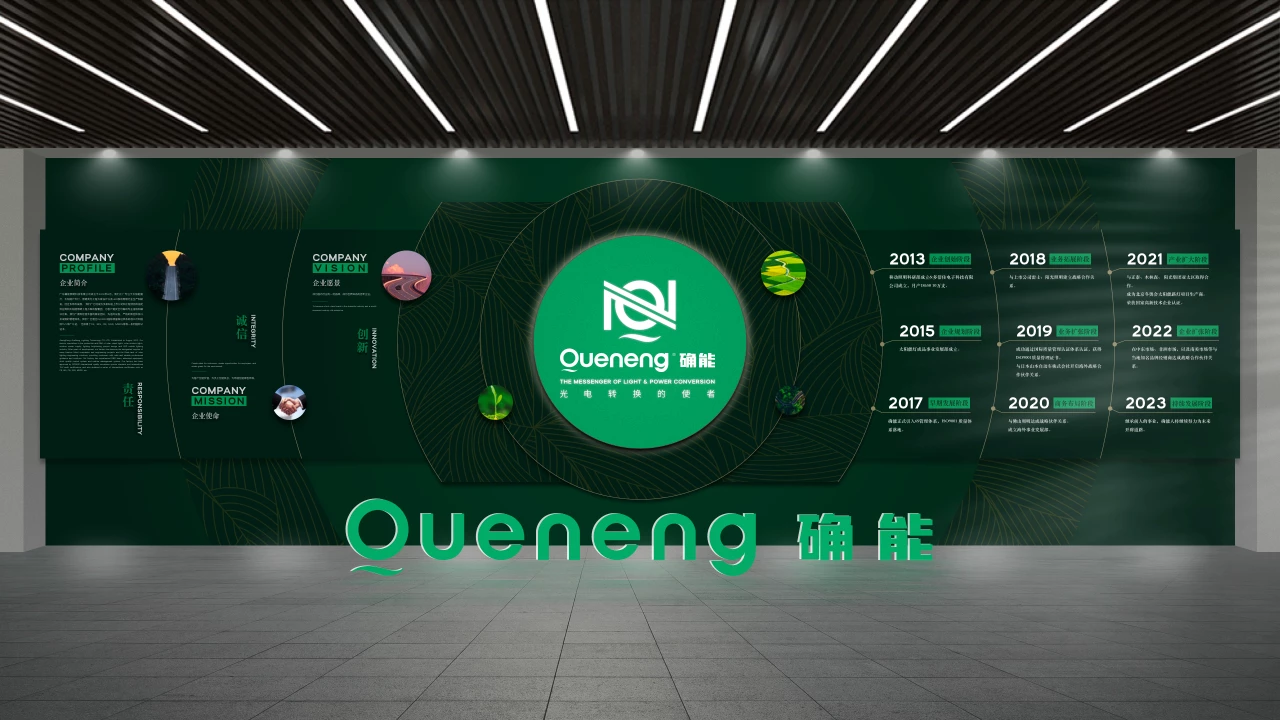
Queneng Lighting, founded in 2013, specializes in solar street lights, photovoltaic panels and lighting engineering solutions. The company offers pre-sale site assessment, photometric design, and post-sale support. This combination of R&D experience and certifications makes Lubai a viable choice for tendered projects requiring documented product lineage and engineering support.
Modular options for scalability
Whether deploying a single remote road repair light or a citywide refurbishment, modularity in battery capacity, PV wattage, and control systems lets you scale cost and performance. Combining modules across phases allows procurement teams to match budgets and performance goals without redesigning fixtures.
Return on investment and lifecycle planning
Detailed cost modeling should include equipment, installation, maintenance, battery replacement cycles, and energy savings. Lubai products aim to minimize lifecycle cost through long-life components, high-efficiency PV, and remote diagnostics that reduce truck rolls and emergency repairs.
Frequently Asked Questions (FAQ)
Q: What is the typical autonomy for Lubai All-in-One LED Solar Street Light?
A: Autonomy depends on battery capacity and local insolation. Standard configurations provide 3–7 autonomous nights; custom battery packs extend this further for high-latitude or frequently overcast locations.
Q: How does the Lubai system manage battery health and thermal stress?
A: Integrated BMS with temperature compensation and smart MPPT charging profiles protect LiFePO4 cells, optimize charge/discharge cycles, and extend lifespan—minimizing premature replacements.
Q: Can Lubai lights be monitored remotely?
A: Yes. Optional remote management modules provide status reporting, energy harvest metrics, fault alerts, and on/off/dim scheduling via GSM, LoRaWAN or wired telemetry depending on site requirements.
Q: How does an all-in-one solution compare to split systems in shaded or constrained sites?
A: For heavily shaded sites or rooftops where panel placement must be separate from poles, a split system may be preferable. For the majority of roadside or open-area installations, all-in-one offers simpler installation and fewer maintenance points.
If you would like a tailored BOM, photometric layout or a quote, contact our technical sales team—Queneng Lighting provides site assessment, 3D layouts and compliance documentation. To review the product or request a quotation, see the detailed product page for Lubai All-in-One LED Solar Street Light.
Contact us today to start a project conversation and receive engineering support for feasibility, ROI modeling and tender documentation.

Have more questions about our products or services?
The latest hot news you might like

Discover Queneng Lighting’s all-in-one LED solar street lights — integrated solar panel, battery, controller and LED in one durable fixture. Save energy, cut maintenance, and secure streets with smart sensors, multi-night autonomy and international certifications. Contact sales for quotes and support.

Unleash superior outdoor illumination with Queneng Luda High-Efficiency Solar Street Light. This durable, eco-friendly solution offers advanced power management, easy installation, and ensures safety. Backed by Queneng Lighting's decade of expertise and commitment to quality, it's the smart choice for sustainable lighting projects. Learn why we're a leading solar solutions provider.

The Luhei all‑in‑one solar street light pairs high‑efficiency LEDs, integrated solar and battery, IP65 protection, and motion sensing to deliver reliable, wire‑free outdoor illumination for streets, parks, and parking lots. Backed by Queneng Lighting’s certifications and support.

FAQ
Transportation and Highways
What support do you offer for large-scale highway projects?
We provide end-to-end services, including project design, technical consulting, installation supervision, and after-sales support.
Distributors
Do you offer product training for distributors?
Yes, we provide in-depth product training, both online and in-person (when applicable), to ensure that you and your team are fully equipped with the knowledge needed to sell and support Queneng’s solar products.
What are the benefits of becoming a Queneng distributor?
As a Queneng distributor, you will gain access to high-quality, customizable solar lighting products, competitive pricing, marketing support, and exclusive distribution rights in some regions. We provide comprehensive training, technical support, and reliable logistics to help grow your business.
Solar Street Light Luzhou
Are Luzhou solar street lights suitable for urban and residential areas?
Yes, Luzhou solar street lights are versatile and suitable for both urban and residential settings. They can be installed along streets, pathways, parks, and other public spaces, providing reliable, energy-efficient lighting wherever it's needed.
Schools and Educational Institutions
Can solar lights be controlled remotely?
Yes, we offer smart solar lighting systems with remote control capabilities, allowing you to manage and monitor the lights from anywhere.
Municipal and Public Infrastructure
How long do solar streetlights last?
Our solar streetlights typically last for 5-10 years with minimal maintenance.
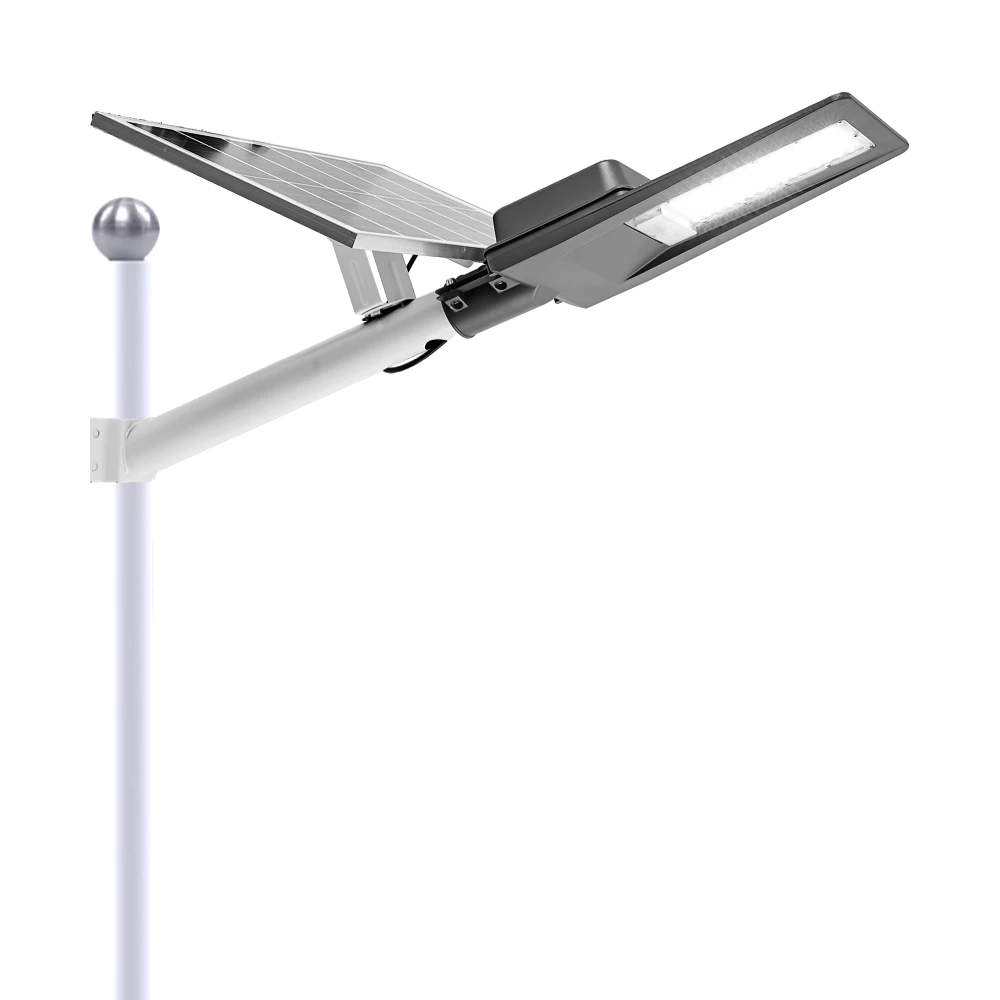
Experience reliable outdoor illumination with our smart solar street light, a perfect combination of advanced technology and eco-conscious design.
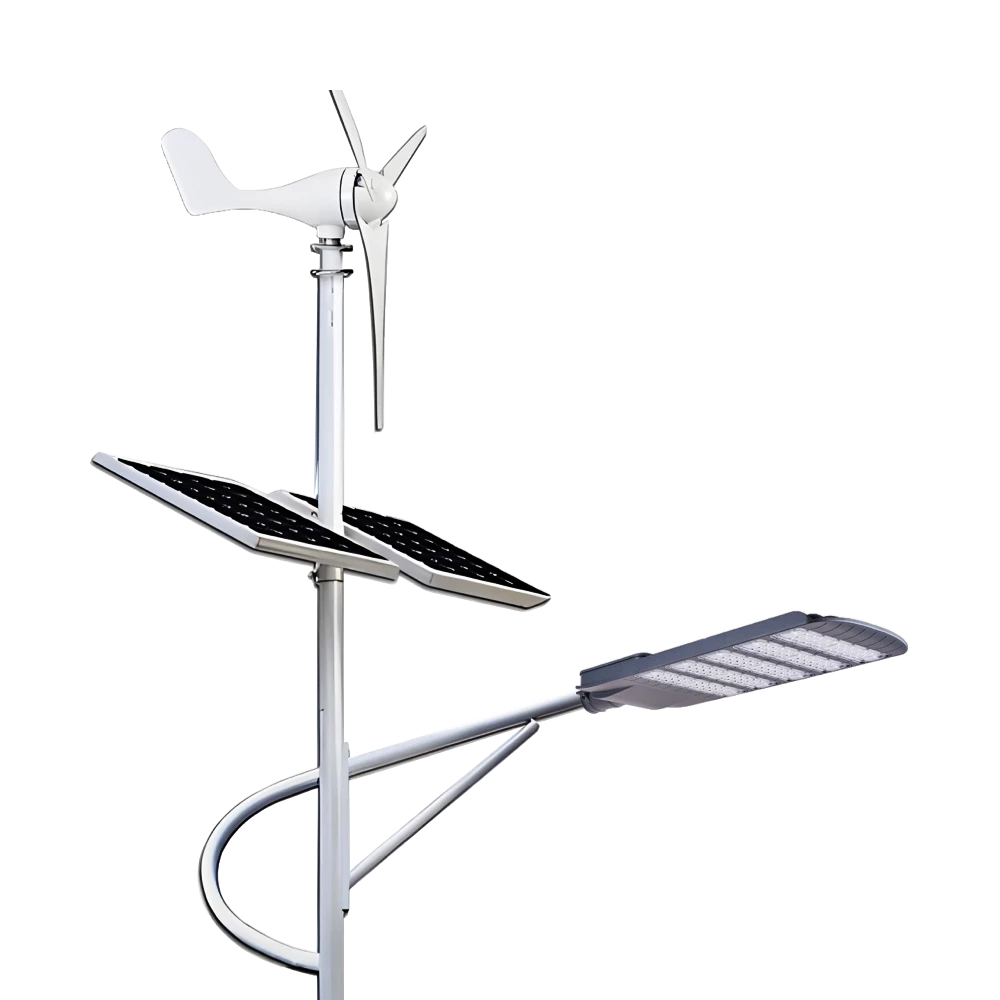
Queneng Lufeng Wind Energy LED Outdoor Solar Street Lights offer high-performance, eco-friendly illumination. These energy-efficient LED street lights harness solar power and wind energy for sustainable, cost-effective outdoor lighting solutions.
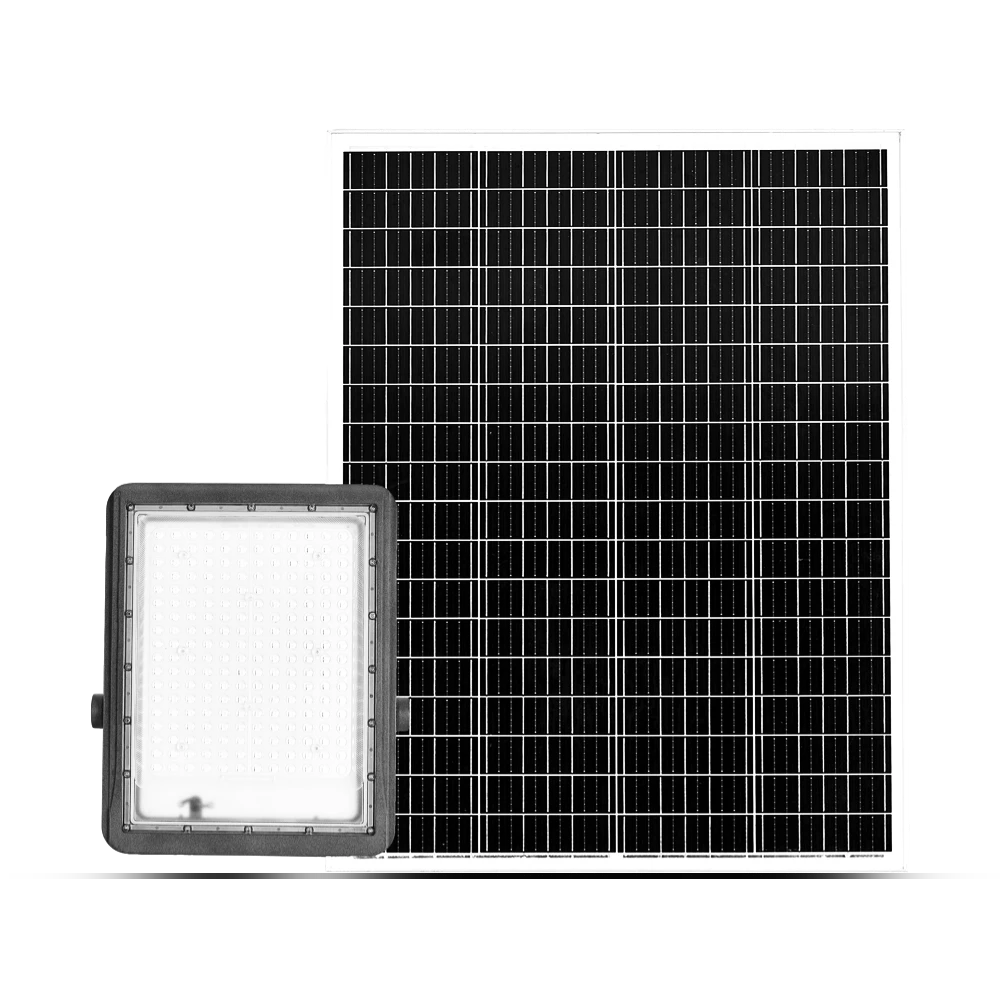
Queneng's Luxian Reliable Solar Street Light offers energy-saving LED lighting for outdoor use. This durable, solar-powered street light provides reliable illumination, reducing energy costs and environmental impact. A perfect solution for sustainable outdoor lighting.
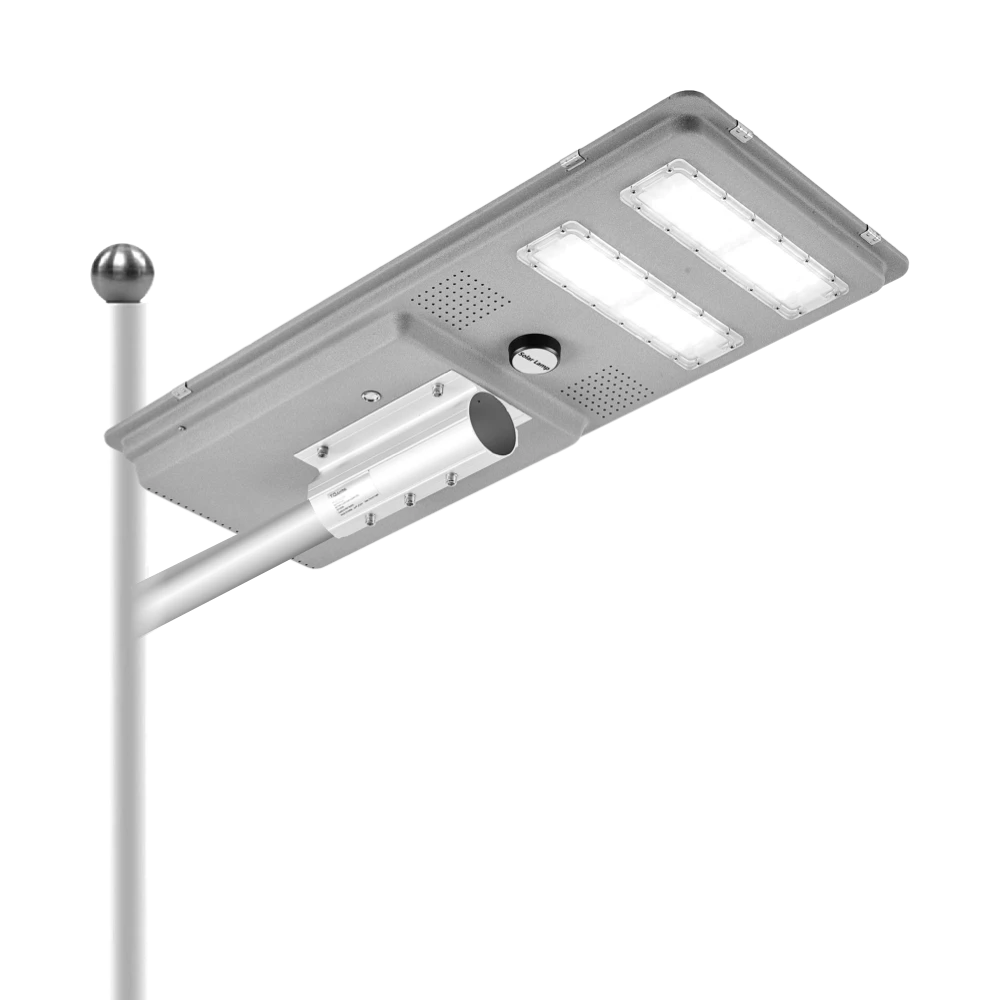
Queneng’s Solar Street Lights are designed to provide reliable, energy-efficient lighting for streets, parks, and other outdoor spaces.
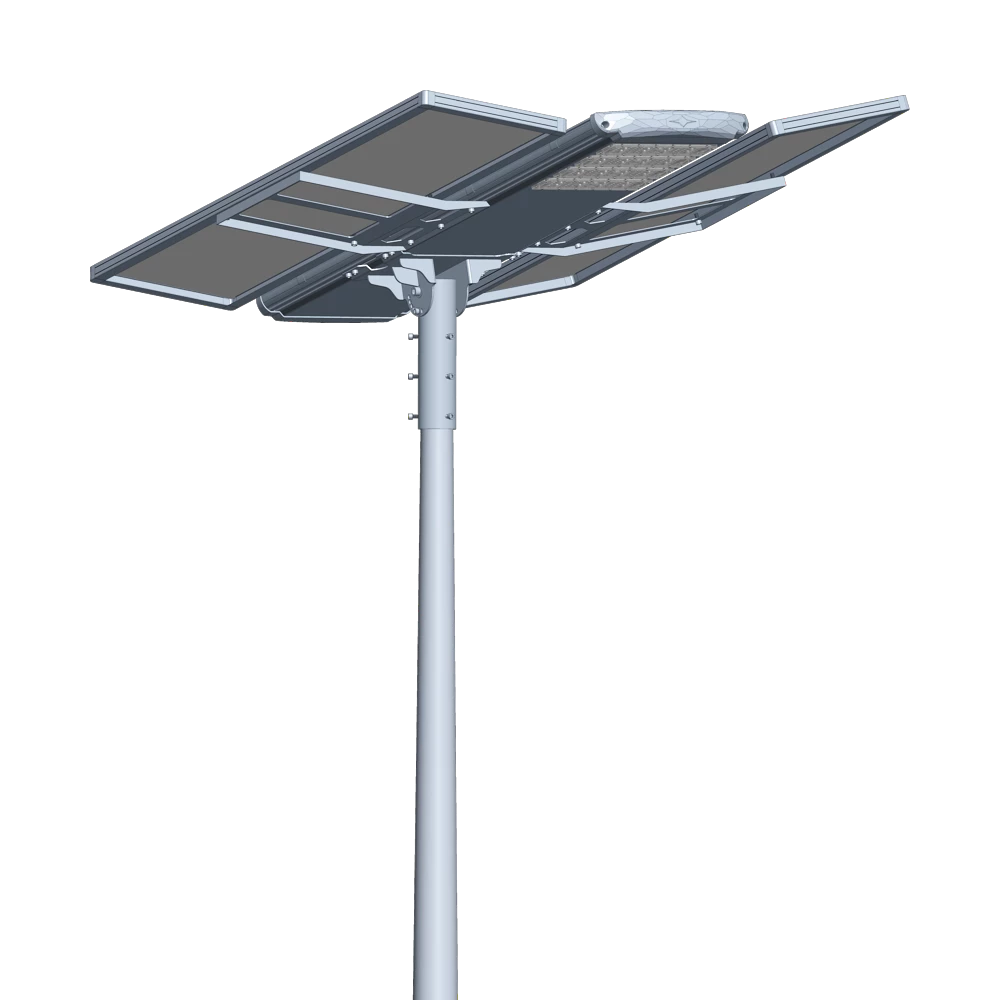
Introducing the Luqing Solar Street Light by Queneng, Efficient LED lighting powered by solar energy is perfect for illuminating outdoor areas. Harness the power of solar energy for sustainable, reliable street lighting. Ideal for eco-friendly, cost-effective outdoor illumination solutions.
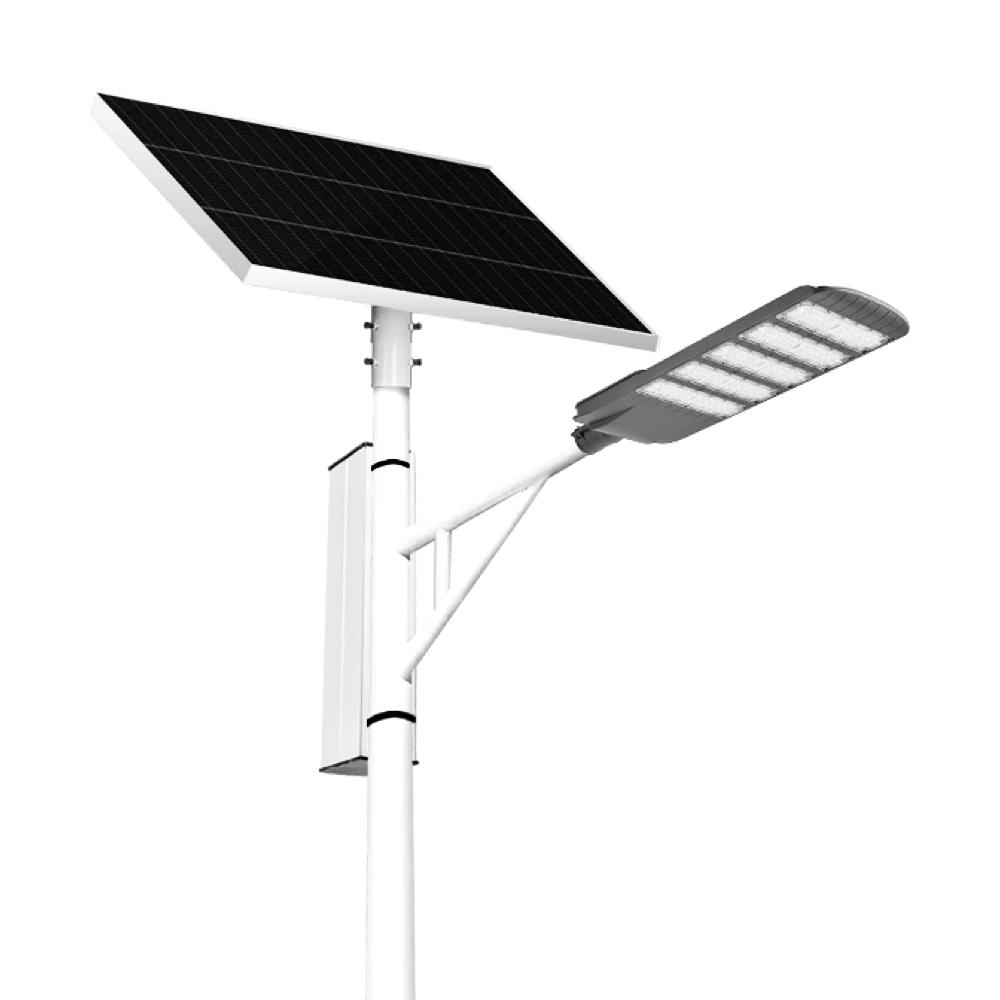
The Solar Streetlights of Luhao for Municipalities are designed to deliver reliable, energy-efficient, and cost-effective public lighting solutions. Equipped with advanced LED technology, durable lithium batteries, and high-efficiency solar panels, these streetlights provide consistent illumination for roads, parks, residential areas, and government projects.
Our professional team is ready to answer any questions and provide personalized support for your project.
You can reach us via phone or email to learn more about Queneng’s solar lighting solutions. We look forward to working with you to promote clean energy solutions!
Rest assured that your privacy is important to us, and all information provided will be handled with the utmost confidentiality.
By clicking 'Send Inquiry Now' I agree to Queneng processing my personal data.
To see how to withdraw your consent, how to control your personal data and how we process it, please see our Privacy Policy and Terms of use.
Schedule a Meeting
Book a date and time that is convenient for you and conduct the session in advance.
Have more questions about our products or services?
The messenger of light & power conversion
Environmental protection and intelligent manufacturing are our brand philosophy, and quality assurance and the best user experience are our eternal promises to users.
CONTACT
No.9F, Building F, Cao San Xin Tian Hong Logistics Park, Guzhen Town, Zhongshan City, Guangdong Province, China.
or write [email protected]
WhatsApp: +86 136 2270 1011


