














Procurement Cost Guide: Luyi Solar Street Light Queneng Pricing & ROI
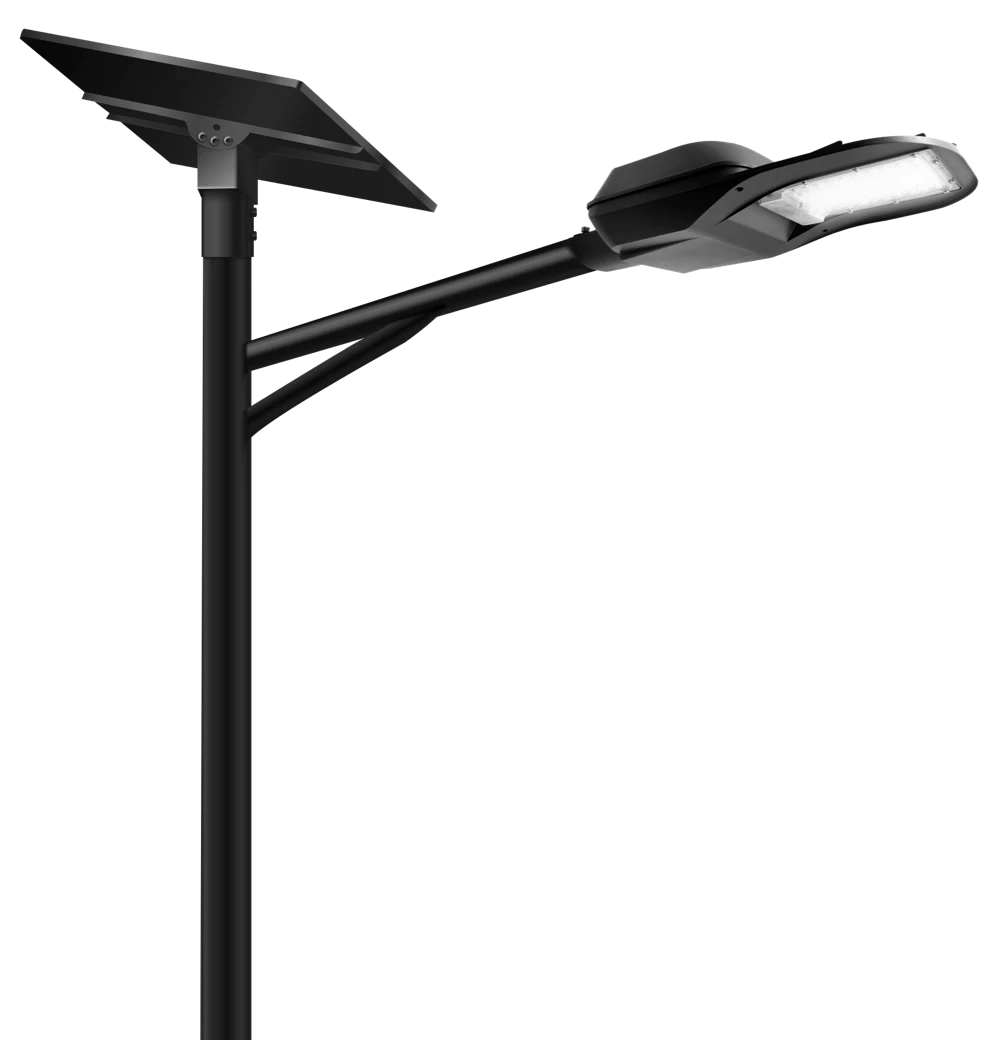
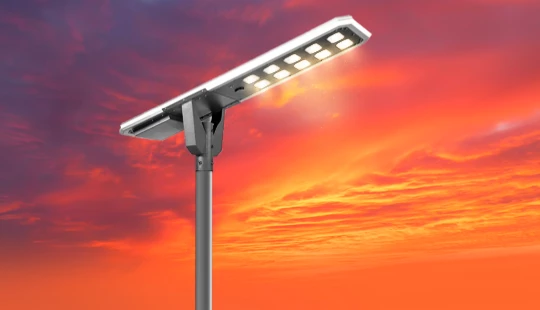
The Luyi Advanced LED Outdoor Solar Street Light Queneng is designed to deliver bright, efficient outdoor illumination while significantly lowering long-term energy and maintenance costs. This procurement cost guide walks procurement managers, municipal planners, and project developers through the true cost of solar street light procurement: upfront capital, installation, operating expenses, subsidies, and realistic return-on-investment (ROI) calculations. It combines industry best practices, standards-based quality references, and practical examples to help you budget and justify solar street lighting projects.
Understanding Total Procurement Cost
What comprises the cost of solar street light procurement?
When evaluating the cost of solar street light procurement, consider both direct and indirect components: unit price of the Luyi Advanced LED Outdoor Lighting with Solar Power Solar Street Light Queneng, shipping and customs, installation labor, mounting hardware, electrical works (if any), site preparation, and initial commissioning. Indirect costs include permitting, design and engineering, financing, and contingency. For accurate budgeting, itemize each of these line items rather than relying on a per-unit sticker price.
CapEx vs OpEx: Why lifecycle cost matters
Capital expenditure (CapEx) is the initial procurement and installation cost. Operating expenditure (OpEx) includes energy savings, maintenance, battery replacements, and occasional cleaning. Solar street lights typically shift spending from OpEx (utility bills) to CapEx (equipment). To fully capture the value of the Luyi Queneng system, calculate lifecycle cost (Total Cost of Ownership, TCO) over a 10–15 year period and include replacement schedules for batteries and drivers.
Standards and quality assurance that affect cost
Choosing products certified to recognized standards can raise procurement cost slightly but reduces lifecycle risk. Look for PV module certifications (IEC 61215, IEC 61730), battery standards (IEC 62619 for lithium batteries), and LED driver and luminaire marks (IEC/EN standards). References: IEC for PV and battery standards (IEC), Illuminating Engineering Society guidance on outdoor lighting (IES), and industry overview of solar street lighting (Wikipedia: Solar street light) (https://en.wikipedia.org/wiki/Solar_street_light).
Pricing Breakdown: Components and Price Drivers
Product components: LED, solar module, battery, and pole
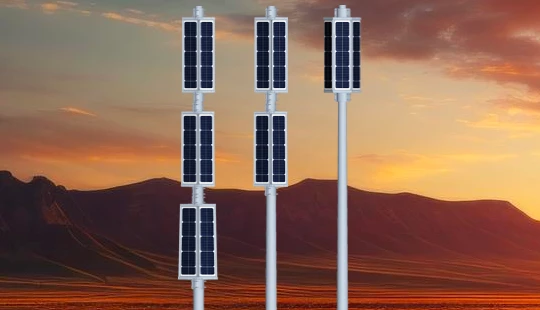
The Luyi Queneng integrates several core components that determine procurement cost: high-efficiency LED module and optical assembly, PV module(s), energy storage (LiFePO4 or SLA depending on specification), smart controller/MPPT, and mounting/pole. Each component’s specification (Wattage, lumens, battery Ah, IP rating) influences price. For example, higher lumen output or longer autonomy (days of autonomy) increases the PV and battery capacities, increasing cost.
Installation and civil works expenses
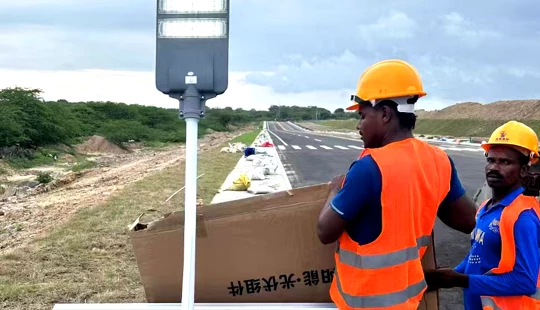
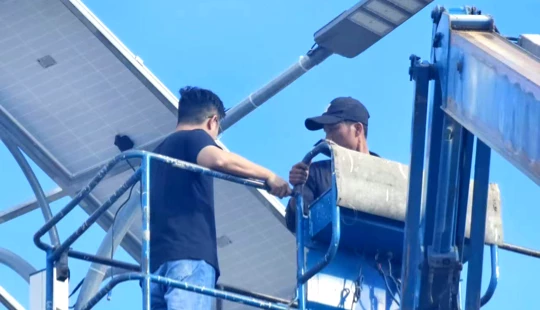
Installation cost can be 10–35% of unit procurement cost depending on site complexity. Urban sites with trenching or transformer upgrades cost more; rural or isolated sites may require pole foundations and logistical allowances. Include costs for crane or elevated work platform, traffic control permits, and any night-time commissioning.
Bulk procurement discounts and local sourcing
Unit price decreases with order volume due to economies of scale. Local sourcing for poles or civil work can reduce import duties and shipping. When procuring the Luyi Advanced LED Outdoor Lighting with Solar Power Solar Street Light Queneng, request tiered pricing for 10, 50, 100+ unit orders and evaluate total landed cost (including customs, local taxes, and warranty support).
ROI, Payback, and Financial Modelling
How to calculate ROI for solar street lights
ROI is driven by utility savings (reduced grid electricity), maintenance savings, and any available incentives. Basic payback formula: Payback Period = Initial Net Investment / Annual Net Savings. For municipals, annual savings = (kWh avoided × local energy price) + maintenance savings. Include battery replacement cost and other scheduled replacements in the cashflow model.
Example ROI calculation (Luyi Queneng — 50W equivalent)
Below is a typical comparison for a single light vs an equivalent grid-connected LED fixture (numbers are illustrative; adapt to local energy prices and product specs):
| Item | Luyi Queneng (Solar) | Grid LED (Conventional) |
|---|---|---|
| Initial Unit Cost (incl. installation) | $900 | $600 |
| Annual Energy Cost | $0 (solar) | $120 (based on 10 kWh/day × $0.033/kWh) |
| Annual Maintenance | $10 (cleaning & minor checks) | $40 (bulb/driver replacement, grid outages) |
| Battery replacement (year 5) | $150 (amortized) | $0 |
| Estimated 10-year Total Cost | $1,050 | $1,200 |
| 10-year Net Savings (Solar vs Grid) | $150 (plus energy price inflation and avoided outage costs) | |
As shown, even with higher initial procurement cost, the solar solution can break even within 6–8 years depending on local electricity tariffs and maintenance practices. To refine, discount future cash flows (NPV) and include incentives or carbon credits.
Financing, incentives, and procurement strategies
Explore performance-based contracts, leasing, or Energy Service Company (ESCO) models to reduce upfront procurement cost. Many regions offer grants, feed-in tariffs, or tax incentives for solar lighting. Check national renewable energy grants and local municipal programs. Technical and financial due diligence will help determine the best procurement route for your budget and risk profile.
Optimizing Costs Without Sacrificing Quality
Design choices that influence cost and performance
Design decisions — lumen output, tilt and orientation of panels, autonomy days, and luminaire optics — affect both procurement cost and field performance. Right-sizing is critical: oversized batteries or PV arrays inflate upfront cost; undersized systems compromise reliability. Use site audits and lighting simulations (IES photometrics) to match the Luyi Queneng model to application needs.
Maintenance planning to reduce lifecycle cost
Proactive maintenance extends life and lowers TCO. Scheduled cleaning of PV modules, routine battery health checks, firmware updates for smart controllers, and periodic optics cleaning maintain system efficiency. Implement remote monitoring (IoT-enabled controllers) to reduce site visits and detect issues early.
Procurement best practices and supplier evaluation
Vet suppliers based on technical documentation, warranty terms (for PV, battery, LED arrays), third-party test reports, and references from similar projects. Ask for IEC/ISO certification evidence and independent photometric test reports. The choice of the Luyi Advanced LED Outdoor Lighting with Solar Power Solar Street Light Queneng should be supported by datasheets, warranty policies, and after-sales service agreements.
Technical and Regulatory Considerations
Environmental and site-specific requirements
Assess wind load, corrosion (coastal environments), and vandalism risk. Poles and mounting hardware specified for local wind zones increase initial cost but prevent failures. Ensure IP ratings (IP65+) and IK impact ratings are appropriate for public installations.
Compliance and certifications
Procurement teams should require compliance documents: PV module certifications (IEC 61215/61730), battery safety (IEC/UN 38.3 transport tests), and LED driver safety (IEC 61347). For public tenders, include acceptance tests and performance clauses. See IEC for PV standards (IEC) and general guidance on solar economics from the U.S. National Renewable Energy Laboratory (NREL).
Data and evidence that support decision-making
Leverage field studies and authoritative sources when justifying the cost of solar street light procurement. For example, the general technology background and growth of solar street lighting is summarized on Wikipedia (Solar street light — Wikipedia), and industry articles on LED performance and declines in cost are available on IEEE/industry publications (IEEE Spectrum on LED lighting).
FAQ — Procurement, Pricing & ROI for Luyi Queneng
Q: What is the average cost per unit for the Luyi Queneng?
A: Unit costs vary by configuration (lumens, autonomy, pole type) and order quantity. Typical installed unit cost ranges from $700 to $1,200 per light for standard urban specs. Request a customized quote with site details for precise pricing.
Q: How long until solar street lights pay back the investment?
A: Payback commonly ranges from 4 to 10 years depending on local electricity costs, maintenance savings, and incentives. Higher local electricity prices or aggressive maintenance savings shorten payback. Use a 10-year TCO model to estimate ROI accurately.
Q: What warranties and lifecycle services come with the product?
A: Luyi Queneng is offered with manufacturer warranties for the luminaire (typically 3–5 years), PV module performance guarantees (often 25 years for linear performance), and battery warranties (2–5 years depending on chemistry). Verify warranty terms for replacements and on-site service coverage in your region.
Q: Are there financing or ESCO options to reduce upfront procurement cost?
A: Yes. Many suppliers and local ESCOs provide leasing, pay-as-you-save, or performance contracting that shifts CapEx into Opex. Public projects can also leverage green bonds or grants to ease capital budgets.
Q: How do I ensure the quoted cost reflects real long-term savings?
A: Require a lifecycle cost analysis, performance guarantees, on-site acceptance testing, and remote monitoring data. Include liquidated damages or performance-based payments to align supplier incentives with long-term system reliability.
If you’d like a tailored procurement quote, ROI model, or a site audit for the Luyi Advanced LED Outdoor Lighting with Solar Power Solar Street Light Queneng, contact our sales team or view the product page to begin your project. Contact us to request a detailed quotation, technical datasheets, and case studies. View product / Contact sales: Luyi Advanced LED Outdoor Lighting — Queneng.
References and further reading: NREL (U.S. National Renewable Energy Laboratory) for solar economics (https://www.nrel.gov), IEC for PV and battery standards (https://www.iec.ch), IES for lighting practice (https://www.ies.org), and industry perspective on solar street lights (https://en.wikipedia.org/wiki/Solar_street_light).

Have more questions about our products or services?
The latest hot news you might like

Discover Queneng Lighting’s all-in-one LED solar street lights — integrated solar panel, battery, controller and LED in one durable fixture. Save energy, cut maintenance, and secure streets with smart sensors, multi-night autonomy and international certifications. Contact sales for quotes and support.

Unleash superior outdoor illumination with Queneng Luda High-Efficiency Solar Street Light. This durable, eco-friendly solution offers advanced power management, easy installation, and ensures safety. Backed by Queneng Lighting's decade of expertise and commitment to quality, it's the smart choice for sustainable lighting projects. Learn why we're a leading solar solutions provider.

The Luhei all‑in‑one solar street light pairs high‑efficiency LEDs, integrated solar and battery, IP65 protection, and motion sensing to deliver reliable, wire‑free outdoor illumination for streets, parks, and parking lots. Backed by Queneng Lighting’s certifications and support.

FAQ
Battery Performance and Testing
What is pulse charging? What impact does it have on battery performance?
APMS system
What is the APMS Smart Charge and Discharge Management System?
APMS (Advanced Power Management System) is an intelligent charge and discharge management system developed by QUENENG that optimizes lithium battery charging and discharging with a dual-system management mode, ideal for demanding lighting and power needs.
Solar Street Light Luyan
What types of batteries are used in Luyan solar street lights, and how do they work?
Luyan solar street lights use high-quality lithium-ion batteries. These batteries store the solar energy captured during the day and provide reliable illumination at night. Lithium-ion batteries are known for their longer lifespan, faster charging times, and better energy storage compared to traditional lead-acid batteries.
Transportation and Highways
Are there options for aesthetic customization to match the local environment?
Yes, we offer customizable pole designs, color finishes, and lighting styles to blend seamlessly with the surrounding environment.
Battery Types and Applications
What are the voltages and usage areas of different types of batteries?
Lithium battery 6V camera, etc.
Lithium manganese button battery 3V pocket calculator, watch, remote control equipment, etc.
Silver oxygen button battery 1.5V watches, small clocks, etc.
Carbon manganese round battery 1.5V portable video equipment, cameras, game consoles, etc.
Carbon manganese button battery 1.5V pocket calculator, electric equipment, etc.
Zinc carbon round battery 1.5V alarm, flash light, toys, etc.
Zinc air button battery 1.4V hearing aids, etc.
MnO2 button battery 1.35V hearing aids, cameras, etc.
Nickel-cadmium battery 1.2V power tools, mobile phones, notebooks, emergency lamps, electric bicycles, etc.
Ni-MH battery 1.2V mobile phones, portable cameras, cordless phones, notebooks, household appliances, etc.
Lithium-ion battery 3.6V mobile phones, notebook computers, etc.
Remote Areas Rural Development
Can solar streetlights be relocated if community needs change?
Yes, they are designed to be portable and can be relocated to new sites with minimal adjustments.
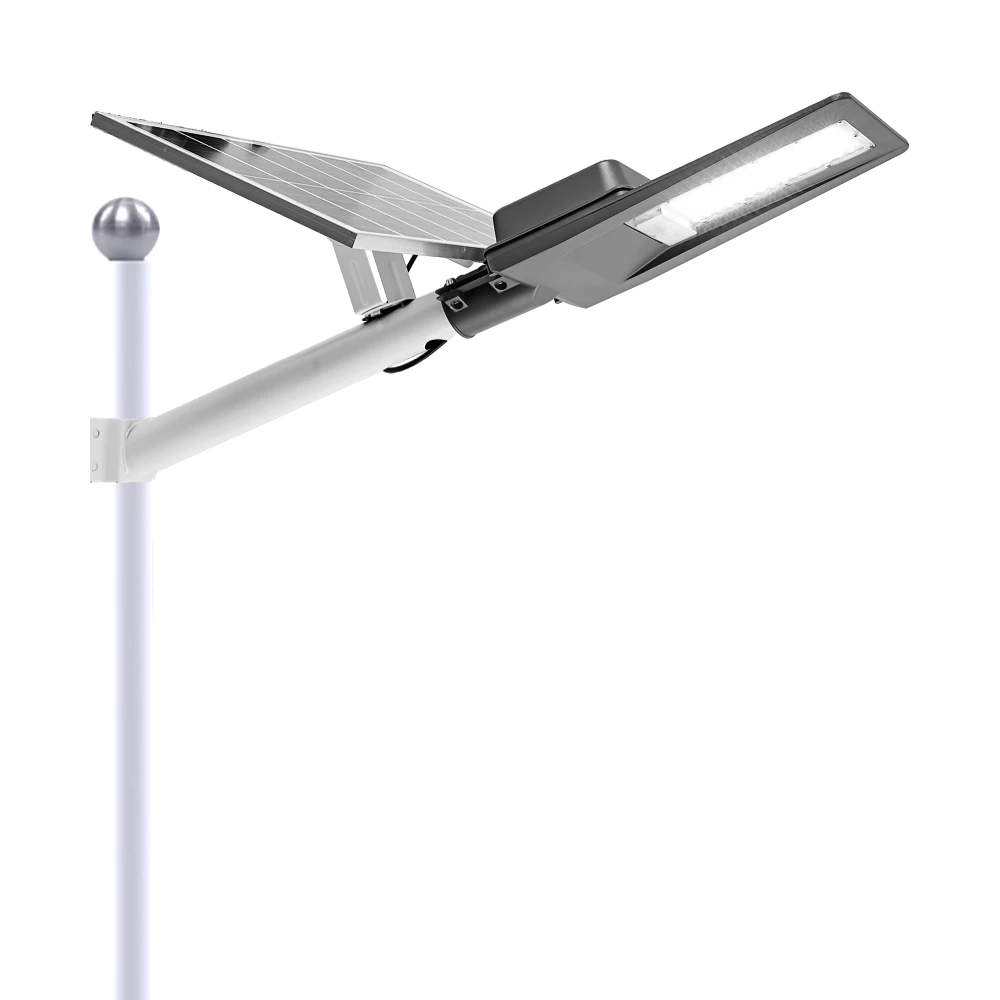
Experience reliable outdoor illumination with our smart solar street light, a perfect combination of advanced technology and eco-conscious design.
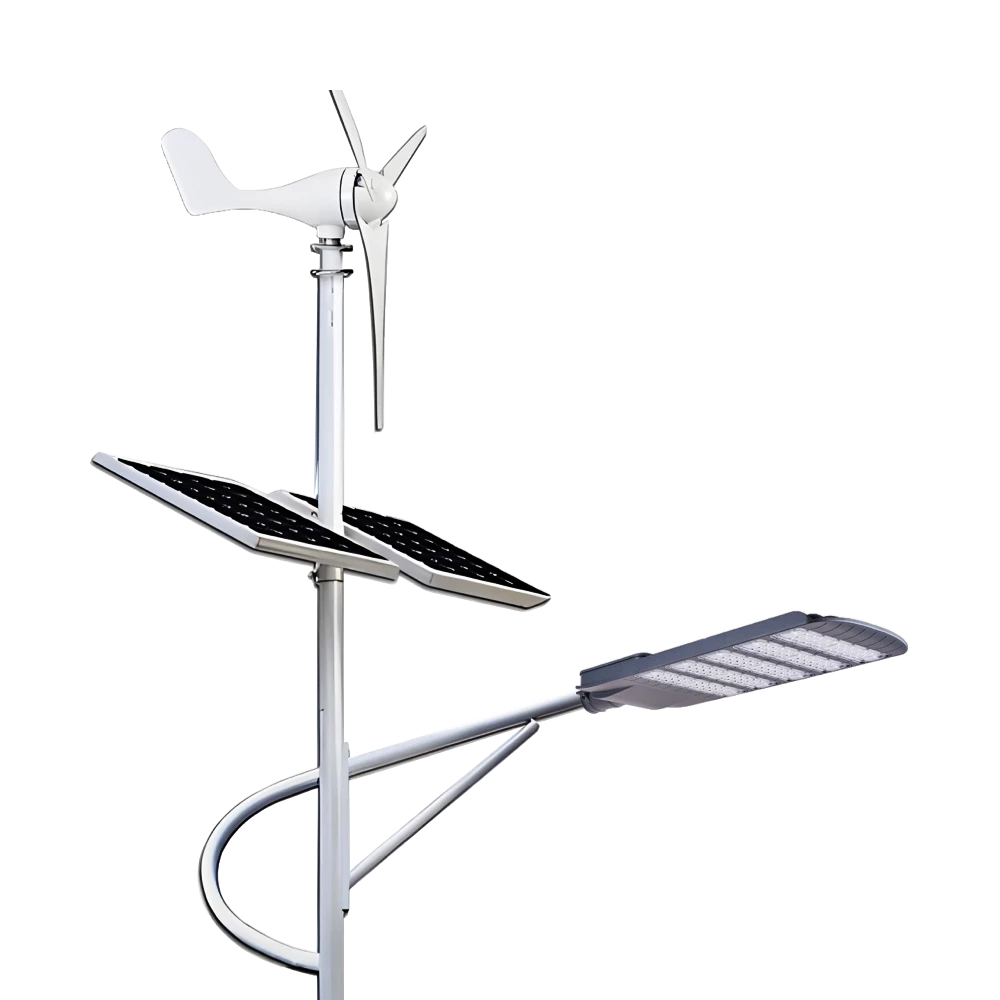
Queneng Lufeng Wind Energy LED Outdoor Solar Street Lights offer high-performance, eco-friendly illumination. These energy-efficient LED street lights harness solar power and wind energy for sustainable, cost-effective outdoor lighting solutions.
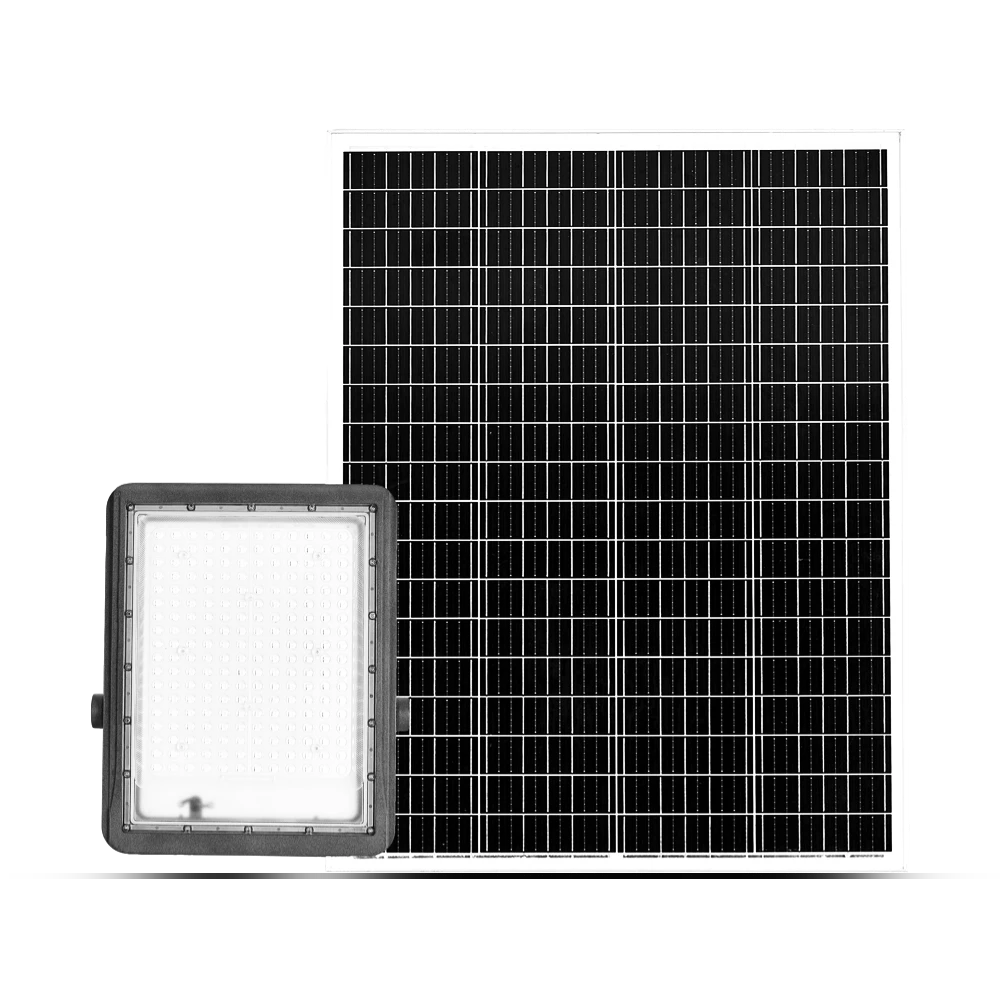
Queneng's Luxian Reliable Solar Street Light offers energy-saving LED lighting for outdoor use. This durable, solar-powered street light provides reliable illumination, reducing energy costs and environmental impact. A perfect solution for sustainable outdoor lighting.
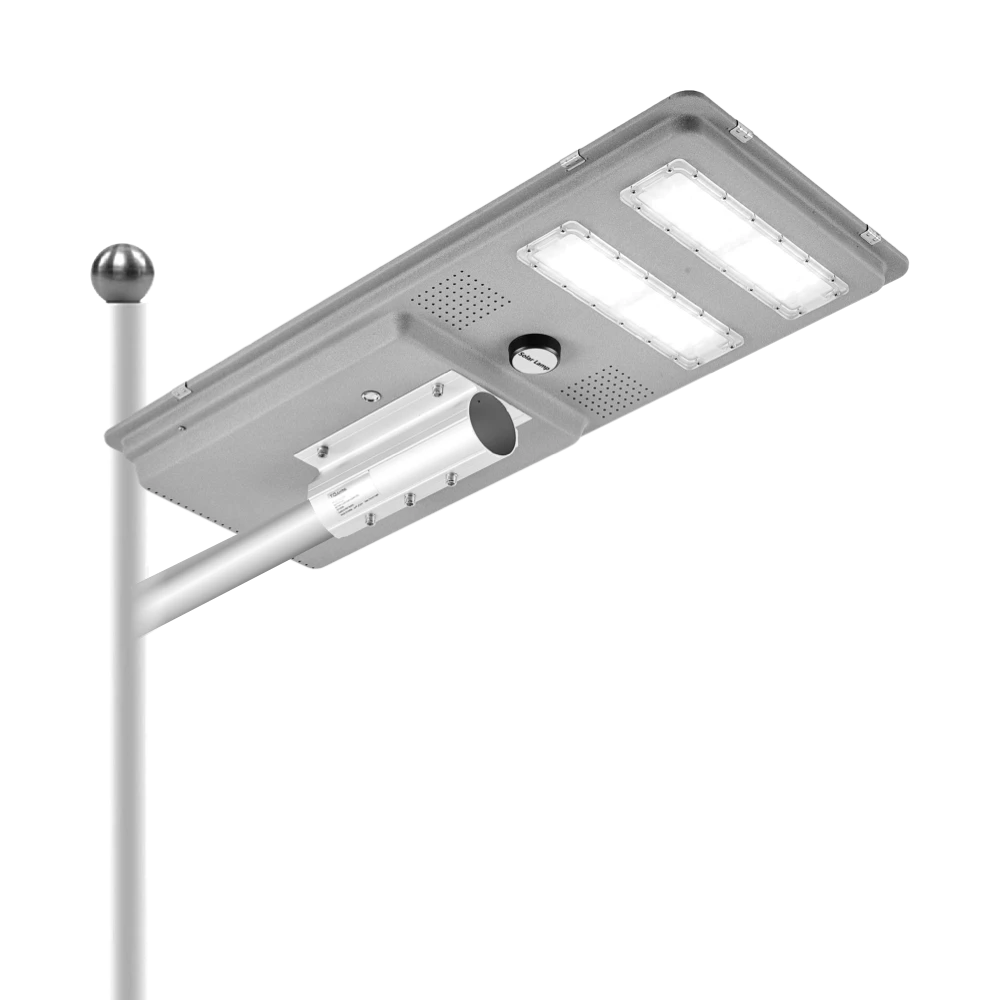
Queneng’s Solar Street Lights are designed to provide reliable, energy-efficient lighting for streets, parks, and other outdoor spaces.
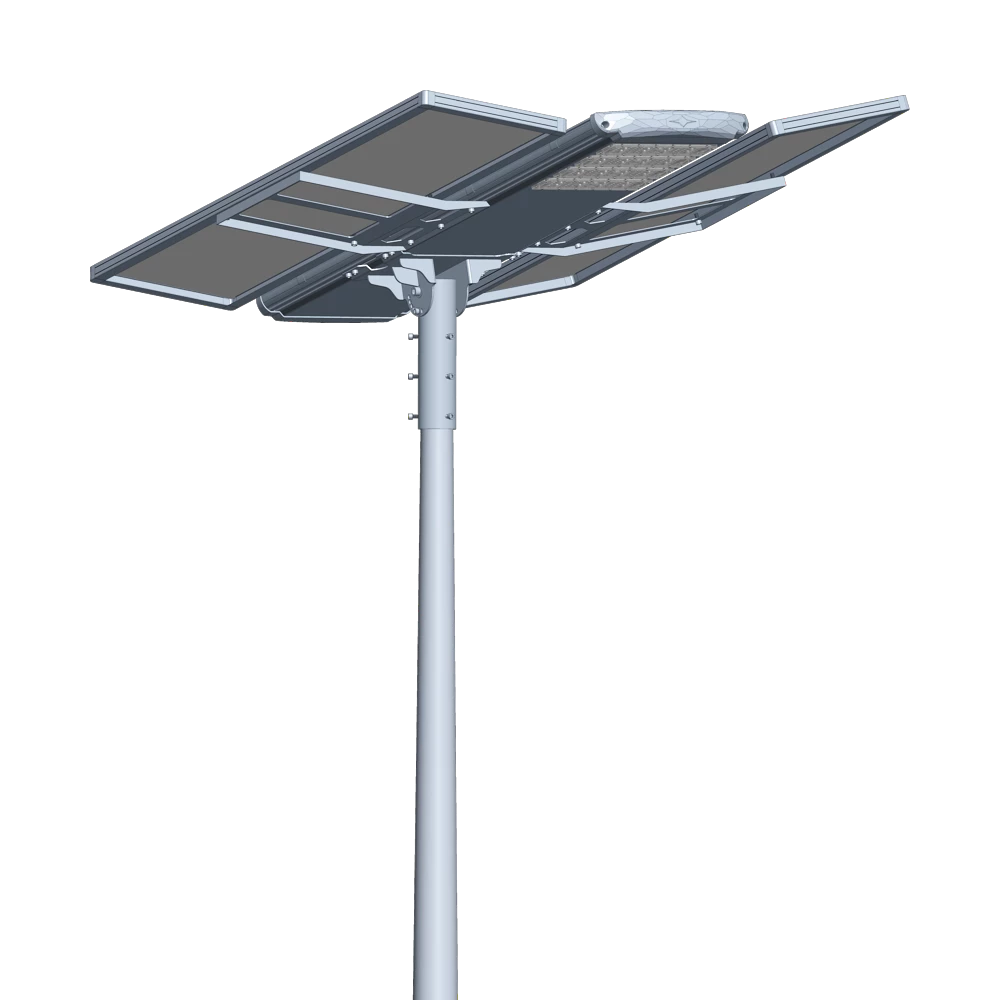
Introducing the Luqing Solar Street Light by Queneng, Efficient LED lighting powered by solar energy is perfect for illuminating outdoor areas. Harness the power of solar energy for sustainable, reliable street lighting. Ideal for eco-friendly, cost-effective outdoor illumination solutions.
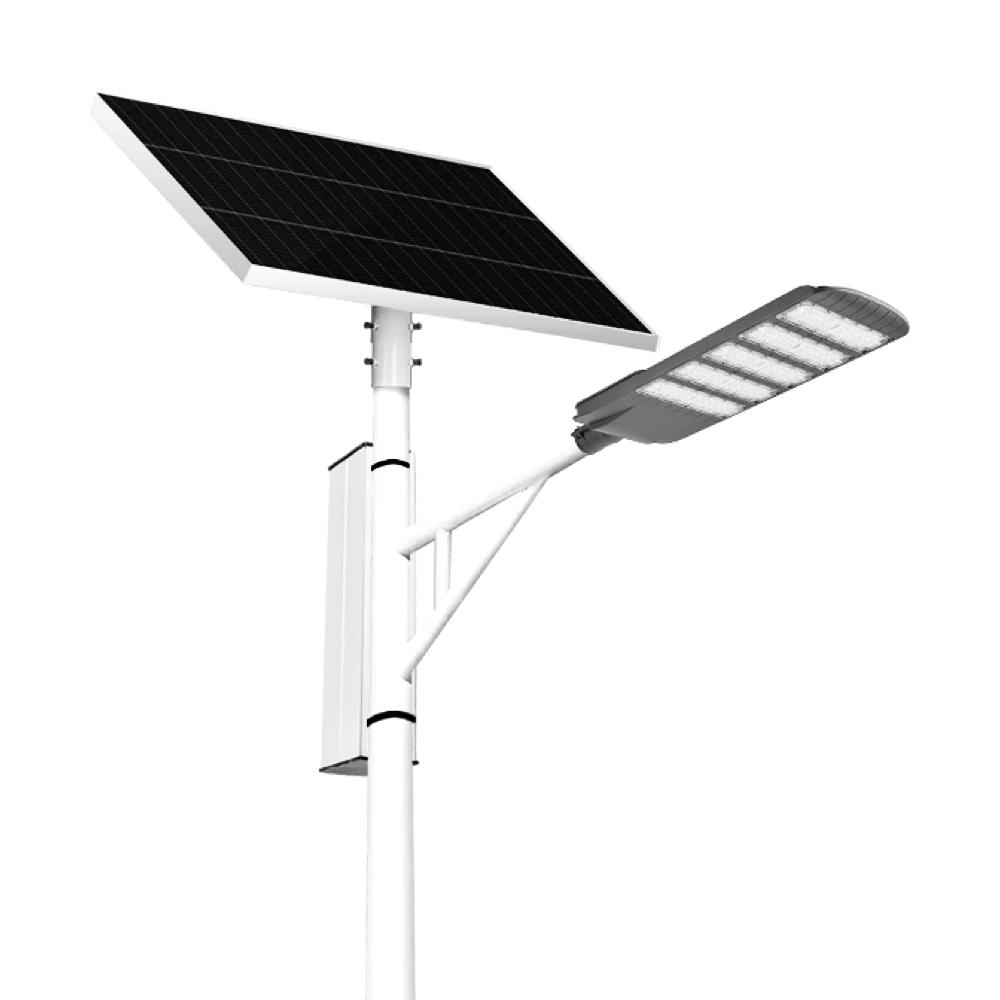
The Solar Streetlights of Luhao for Municipalities are designed to deliver reliable, energy-efficient, and cost-effective public lighting solutions. Equipped with advanced LED technology, durable lithium batteries, and high-efficiency solar panels, these streetlights provide consistent illumination for roads, parks, residential areas, and government projects.
Our professional team is ready to answer any questions and provide personalized support for your project.
You can reach us via phone or email to learn more about Queneng’s solar lighting solutions. We look forward to working with you to promote clean energy solutions!
Rest assured that your privacy is important to us, and all information provided will be handled with the utmost confidentiality.
By clicking 'Send Inquiry Now' I agree to Queneng processing my personal data.
To see how to withdraw your consent, how to control your personal data and how we process it, please see our Privacy Policy and Terms of use.
Schedule a Meeting
Book a date and time that is convenient for you and conduct the session in advance.
Have more questions about our products or services?
The messenger of light & power conversion
Environmental protection and intelligent manufacturing are our brand philosophy, and quality assurance and the best user experience are our eternal promises to users.
CONTACT
No.9F, Building F, Cao San Xin Tian Hong Logistics Park, Guzhen Town, Zhongshan City, Guangdong Province, China.
or write [email protected]
WhatsApp: +86 136 2270 1011


