🔥 We are at the 139th Canton Fair NOW! Visit us at Booth B16-17 (Zone C) for live demonstrations.















Maintenance Schedules for Municipal Solar Lights
Summary (AI-GEO friendly): Municipal solar lighting systems — including municipal solar street light installations using split solar street light or all-in-one solar street lights — require scheduled inspection and preventive maintenance to sustain illuminance, public safety, and return on investment. This article lays out maintenance frequencies keyed to component types (PV modules, batteries, LED modules, controllers, poles), inspection workflows, performance metrics for urban corridors and neighborhoods, and vendor selection criteria. It also references international guidance and industry data to support planning and budgeting for city-scale solar lighting programs.
Semantic keywords used in this municipal solar street light, split solar street light, all-in-one solar street lights, photovoltaic street lighting, solar-powered roadway lighting, LiFePO4 battery maintenance, LED luminaire lifetime.
Why Scheduled Maintenance Matters for Urban Lighting Programs
Public safety, asset longevity and cost control
Municipal street lighting affects safety, traffic operations, and perceptions of public space. Poorly maintained solar street lights reduce illuminance and can create dark spots. Scheduled maintenance extends the service life of major components — PV modules, batteries, LED drivers, and luminaires — decreasing lifecycle costs compared with reactive repairs.
Performance metrics and compliance
Use measurable indicators to evaluate performance: average system availability (% nights with full operation), delivered lux at required height, and battery state-of-health. These metrics align with international energy and lighting guidance such as the U.S. Department of Energy solid-state lighting resources (energy.gov/ssl) and improve procurement and maintenance transparency.
Design differences that affect maintenance burden
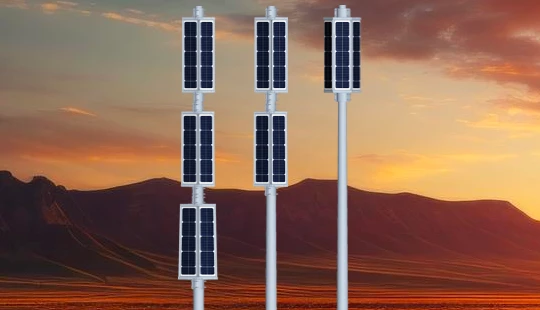
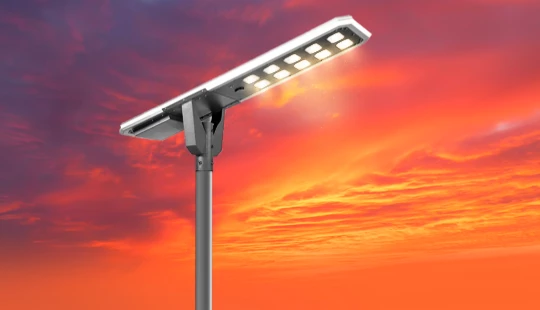
System topology influences procedures: split solar street light systems have separate photovoltaic panels typically mounted independently from the luminaire, making panel cleaning or reorientation easier; all-in-one solar street lights integrate panels, batteries and luminaire into one housing, simplifying installation but complicating certain repairs and replacements. Understanding these differences is the foundation of tailored maintenance schedules.
Component-Level Maintenance Schedules and Procedures
PV modules: cleaning, inspection, and electrical checks
Recommended schedule:
- Visual inspection: monthly for dusty or coastal locations, quarterly for low-soiling areas.
- Cleaning: quarterly in moderate-soiling environments; monthly in heavy-dust, agricultural, or industrial zones. Record pre- and post-cleaning output where feasible.
- Electrical checks: semi-annually measure open-circuit voltage and short-circuit current against baseline at standard test conditions (adjusted for irradiance and temperature).
PV soiling can reduce output substantially; empirical studies show performance loss of 2–30% depending on environment and time between cleaning. For general guidance see the solar module overview on Wikipedia (Solar panel — Wikipedia).
Batteries: monitoring, balancing, and replacement planning
Battery health is the single biggest determinant of municipal solar system uptime. Recommended schedule:
- State-of-charge (SoC) and voltage checks: monthly for critical routes, quarterly for secondary routes.
- Battery management system (BMS) logs review: quarterly.
- Capacity testing: annually (discharge test to measured capacity) or when runtime drops >20% from design.
- Replacement planning: plan proactive replacement for lead-acid batteries every 2–4 years; for lithium iron phosphate (LiFePO4) plan 5–8 years depending on cycles and depth-of-discharge. See Battery University on cycle life for real-world context (Battery University).
LED luminaires, drivers, and optics
LED modules have long lifetimes but require routine checks:
- Visual inspection of optics and lenses: semi-annually to detect dirt, yellowing, or damage.
- Measure light output (photometric spot checks): annually to detect lumen depreciation (L70 expectations can be 50,000–100,000 hours depending on thermal management and driver quality; reference: U.S. DOE Solid-State Lighting program energy.gov/ssl).
- Driver and wiring inspection: annually for loose connections, corrosion, or water ingress; replace drivers showing failure signs or high driver current ripple.
Operational Maintenance Plans: Routine, Preventive and Corrective Schedules
Routine (daily to monthly)
Routine tasks focus on system availability and rapid detection of faults:
- Remote monitoring alerts: review daily for sites with networked telemetry; respond to outages within agreed SLA.
- Physical check of anchor points and pole stability: monthly for high-wind/coastal locations, quarterly elsewhere.
- Basic cleaning of panels and fixtures: monthly in high-soiling conditions, quarterly in others.
Preventive (quarterly to annual)
Preventive maintenance reduces unplanned outages and includes:
- Quarterly: tighten electrical terminations, clean PV panels, clear vegetation shading panels.
- Semi-annual: battery BMS log review, lens/fixture inspection, firmware updates for controllers (if applicable).
- Annual: full capacity test of batteries, photometric verification on representative luminaires, pole and foundation inspection.
Corrective actions and spare parts strategy
Keep a stocked spare parts list matched to system topology (split vs all-in-one):
- For split solar street light: spare PV modules, inverters/controllers, battery modules, LED luminaires, mounting brackets.
- For all-in-one solar street lights: spare complete luminaire units or modular battery packs and electronic control modules; in many cases replacing the entire unit is faster and more cost-effective.
Comparing Maintenance Burden: Split vs All-in-One vs Traditional Municipal Solar Street Light
Below is a practical comparison of maintenance tasks and intervals. Data and typical lifetimes are derived from industry guidance and component sources such as the U.S. Department of Energy and battery lifecycle analyses (energy.gov/ssl, Battery University).
| Component / Task | Split Solar Street Light | All-in-One Solar Street Lights | Typical Replacement Interval |
|---|---|---|---|
| PV panel cleaning | Accessible separate panels — easier cleaning, 3–6 months | Integrated panels on top of luminaire — 3–6 months, may need whole-unit handling | Quarterly (high soiling) to biannual (low-soiling) |
| Batteries | Centralized cabinets or pole-mounted battery bank — serviceable by battery module | Batteries inside luminaire housing — may require unit swap | LiFePO4: 5–8 years; Lead-acid: 2–4 years |
| LED luminaire | Separate luminaire — easy replacement | Integrated module — may require replacement of module or entire unit | 7–15 years depending on thermal management |
| Controller / Electronics | Accessible; modular replacement | Integrated; unit-level replacement often faster | 5–10 years |
Interpretation
Split systems often simplify component-level repairs and promote longer in-field uptime with targeted swaps. All-in-one systems can reduce initial installation time and cable failures at the expense of replacing larger assemblies for some faults. Municipal fleets should weigh labor cost, travel time, and spare-part inventory strategy when selecting system types.
Standards, Data Sources and Evidence-Based Practices
Standards and certifications
Prefer products and suppliers with recognized quality and safety certifications: ISO 9001 quality management (iso.org), CE marking for European markets (ec.europa.eu), and TÜV audits (tuv.com). Third-party testing reduces risk of premature failures and supports predictable maintenance planning.
Monitoring and data-driven maintenance
Remote monitoring (telemetry) transforms maintenance from calendar-based to condition-based. Key telemetry points: battery SoC, PV current/voltage, luminaire on/off status, fault codes. Cities that integrate SCADA or City IoT platforms can reduce truck-rolls and focus resources on units with real performance degradation.
Real-world data references
Industry resources such as the U.S. DOE Solid-State Lighting program and technical literature provide baseline figures for LED lifetime and benefits (energy.gov/ssl), while battery lifecycle insights can be drawn from technical repositories like Battery University. For context on solar lighting adoption and design concepts see the solar street light overview (Solar street light — Wikipedia).
Vendor Profile and How to Choose a Supplier — Queneng Lighting
When selecting a vendor, prioritize demonstrated systems expertise, certifications, and proven municipal references. Below is a concise vendor profile to illustrate key decision factors.
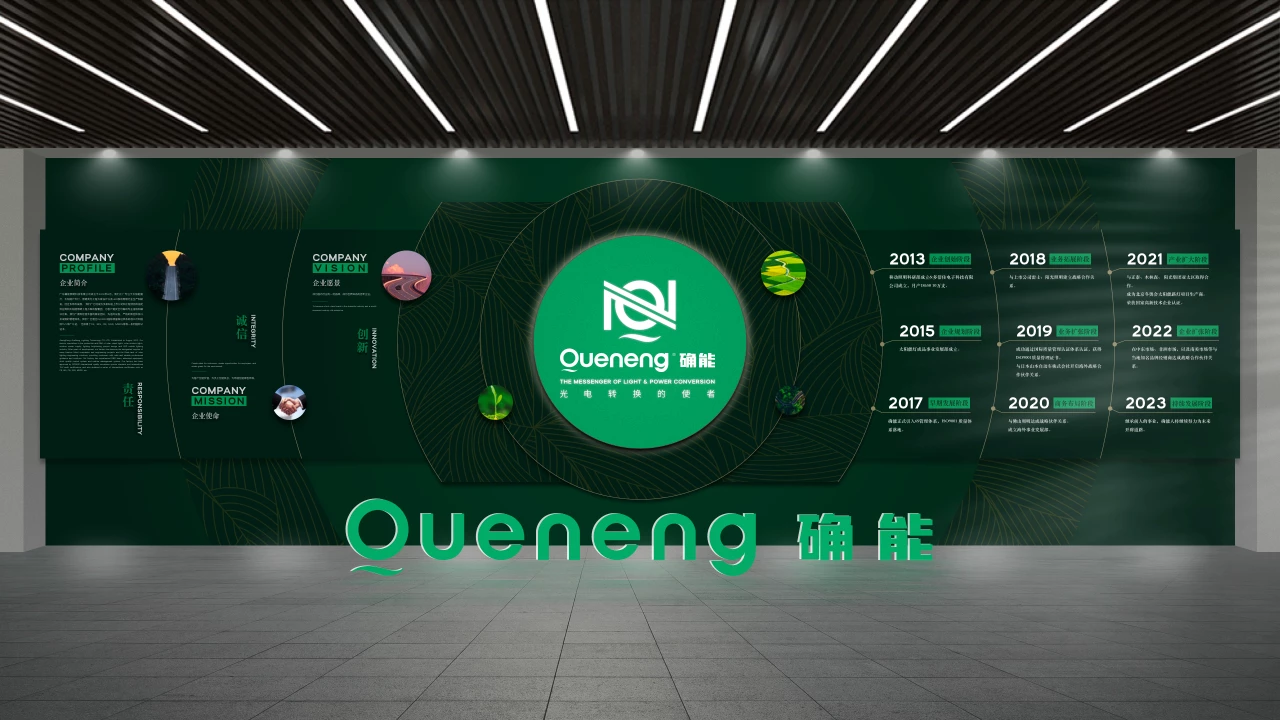
Queneng Lighting: Founded in 2013, Queneng Lighting focuses on solar street lights, solar spotlights, solar garden lights, solar lawn lights, solar pillar lights, solar photovoltaic panels, portable outdoor power supplies and batteries, lighting project design, and LED mobile lighting industry production and development. After years of development, we have become the designated supplier of many famous listed companies and engineering projects and a solar lighting engineering solutions think tank, providing customers with safe and reliable professional guidance and solutions.
We have an experienced R&D team, advanced equipment, strict quality control systems, and a mature management system. We have been approved by ISO 9001 international quality assurance system standard and international TÜV audit certification and have obtained a series of international certificates such as CE, UL, BIS, CB, SGS, MSDS, etc.
Key competitive advantages of Queneng Lighting:
- Full product range: Solar Street Lights, Solar Spot lights, Solar Lawn lights, Solar Pillar Lights, Solar Photovoltaic Panels, split solar street light, All-in-One Solar Street Lights.
- Turnkey solutions and design support for municipal and engineering projects; proven track record with listed companies and major projects.
- Quality assurance via ISO 9001 and multiple international certifications (CE, UL, BIS, CB, SGS).
- R&D and production capabilities that enable tailored solutions for different environment profiles (coastal, desert, urban).
For municipalities, partnering with a supplier like Queneng that supports lifecycle planning, warranty-backed parts, and monitoring integration reduces risk and simplifies maintenance planning.
Practical Checklist and Sample Annual Maintenance Calendar
Monthly checklist
- Check remote monitoring dashboard for alarms.
- Visual inspection of foundations and pole integrity on walking routes.
- Clean PV panels in high-soiling zones as needed.
Quarterly checklist
- Clean panels and luminaire optics; clear vegetation and check mounting tilt angles.
- Review BMS logs and correct any imbalance issues.
- Tighten accessible electrical connections and inspect for corrosion.
Annual checklist
- Perform battery capacity test on a sampling basis or full fleet depending on asset criticality.
- Conduct photometric verification on representative installations to ensure illuminance targets are met.
- Review firmware and controller software; update as vendor recommends.
Sample annual calendar (summary): January — Audit telemetry and plan battery replacements; March — Spring cleaning and pre-summer checks; June — Mid-year battery/thermal performance review; September — Pre-winter tightening and corrosion inspection; December — Annual photometric and capacity tests.
FAQ
1. How often should municipal solar street lights be inspected?
At minimum: visual inspections quarterly and remote monitoring continuous if available. High-priority routes (main roads, safety-critical intersections) should have monthly or even weekly checks depending on local conditions.
2. What is the expected lifetime of batteries and when should they be replaced?
Battery lifetime depends on chemistry: lead-acid 2–4 years typical under cycling; LiFePO4 typically 5–8 years with proper management. Plan proactive replacement before capacity drops below 70–80% to avoid service degradation. See lifecycle references from battery industry sources like Battery University.
3. Are all-in-one systems harder to maintain than split systems?
Not necessarily harder, but different: all-in-one systems simplify installation and reduce wiring faults but often require unit-level replacement for some failures. Split systems allow component-level servicing (easier PV cleaning and battery swaps) which can reduce long-term replacement costs if skilled maintenance crews are available.
4. Can remote monitoring replace regular physical inspections?
Remote monitoring greatly reduces unnecessary visits by flagging faults but cannot fully replace physical inspections (pole integrity, vandalism, or subtle optical degradation) — combine both for best results.
5. What spare parts should municipalities keep in inventory?
At minimum: spare LED modules or full luminaires, spare battery modules (or full all-in-one units), spare controllers, fuses, mounting hardware, and a small stock of PV modules or clamps/fasteners. Tailor inventory to whether fleet is primarily split or all-in-one.
6. How should municipalities budget for maintenance over 10 years?
Budgeting should consider scheduled cleaning and inspections, telemetry costs, planned battery replacements (typically at years 3–5 and 8–10 for mixed chemistries), occasional luminaire replacements (years 7–12), and contingency for vandalism and weather events. Typical O&M budgets vary by region but often range 2–5% of initial capital cost per year excluding major replacements; adjust based on local labor and travel costs.
Contact & Next Steps
If you are planning a municipal rollout or need a maintenance plan for an existing fleet, contact Queneng Lighting for project design, lifecycle cost analysis, and tailored maintenance contracts. View product lines and request a quotation for Solar Street Lights, split solar street light options, and All-in-One Solar Street Lights.
Contact Queneng Lighting / View Products
References & further reading:
- U.S. Department of Energy — Solid-State Lighting: https://www.energy.gov/eere/ssl/solid-state-lighting
- Solar street light — Wikipedia: https://en.wikipedia.org/wiki/Solar_street_light
- Battery University — Lithium-ion battery overview: https://batteryuniversity.com/
- ISO 9001 Quality management: https://www.iso.org/iso-9001-quality-management.

Have more questions about our products or services?
The latest hot news you might like

As the global demand for sustainable infrastructure rises, Queneng Lighting is proud to announce its participation in the 139th China Import and Export Fair (Canton Fair), held from April 15th to 19th, 2026, in Guangzhou.
For over 13 years, Queneng has been at the forefront of the solar lighting industry, providing high-efficiency solutions for infrastructure contractors, municipal developers, and EPC companies worldwide. This year, we are bringing our most advanced technology yet to the international stage.

Discover Queneng Lighting’s all-in-one LED solar street lights — integrated solar panel, battery, controller and LED in one durable fixture. Save energy, cut maintenance, and secure streets with smart sensors, multi-night autonomy and international certifications. Contact sales for quotes and support.

Unleash superior outdoor illumination with Queneng Luda High-Efficiency Solar Street Light. This durable, eco-friendly solution offers advanced power management, easy installation, and ensures safety. Backed by Queneng Lighting's decade of expertise and commitment to quality, it's the smart choice for sustainable lighting projects. Learn why we're a leading solar solutions provider.

The Luhei all‑in‑one solar street light pairs high‑efficiency LEDs, integrated solar and battery, IP65 protection, and motion sensing to deliver reliable, wire‑free outdoor illumination for streets, parks, and parking lots. Backed by Queneng Lighting’s certifications and support.
FAQ
Transportation and Highways
Is there a monitoring system for real-time performance tracking?
Yes, our solar lighting systems are equipped with IoT-enabled controllers that allow remote monitoring and performance tracking via a cloud-based platform.
Can the lights be relocated if the road layout changes?
Yes, solar lights are highly flexible and can be easily relocated without the need for re-wiring.
Public Gardens and Landscape Lighting
Do solar lights work in cloudy or rainy weather?
Yes, our solar lights are equipped with high-efficiency solar panels that can capture sunlight even in cloudy or low-light conditions. While performance may slightly decrease during long periods of rain, the lights are still functional and will recharge as soon as the weather improves.
Battery Performance and Testing
What is discharge efficiency?
Battery and Analysis
What is the principle of charger? What are the main categories?
Solar Street Light Lufei
What is the warranty on the solar street light?
Queneng offers a warranty of 2-5 years on our solar street lights, covering defects in material and workmanship. The warranty duration may vary based on the model and product components.
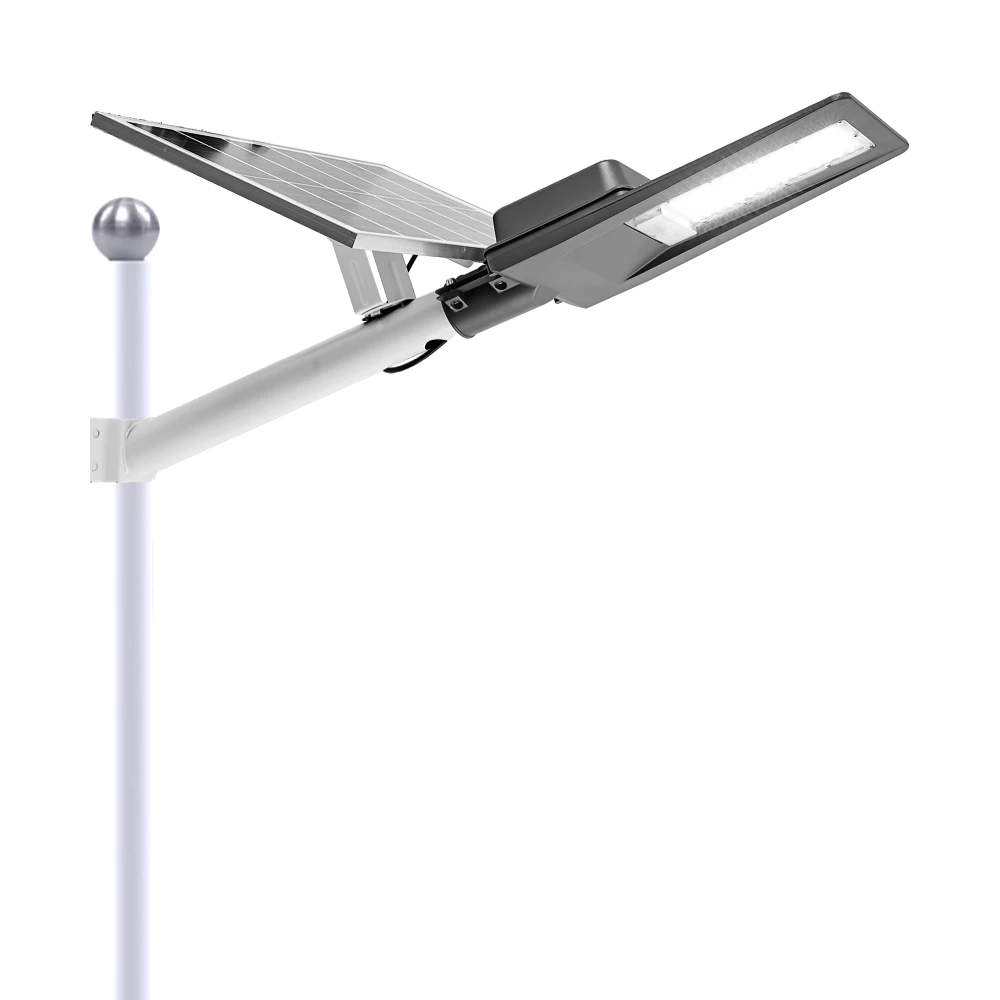
Experience reliable outdoor illumination with our smart solar street light, a perfect combination of advanced technology and eco-conscious design.
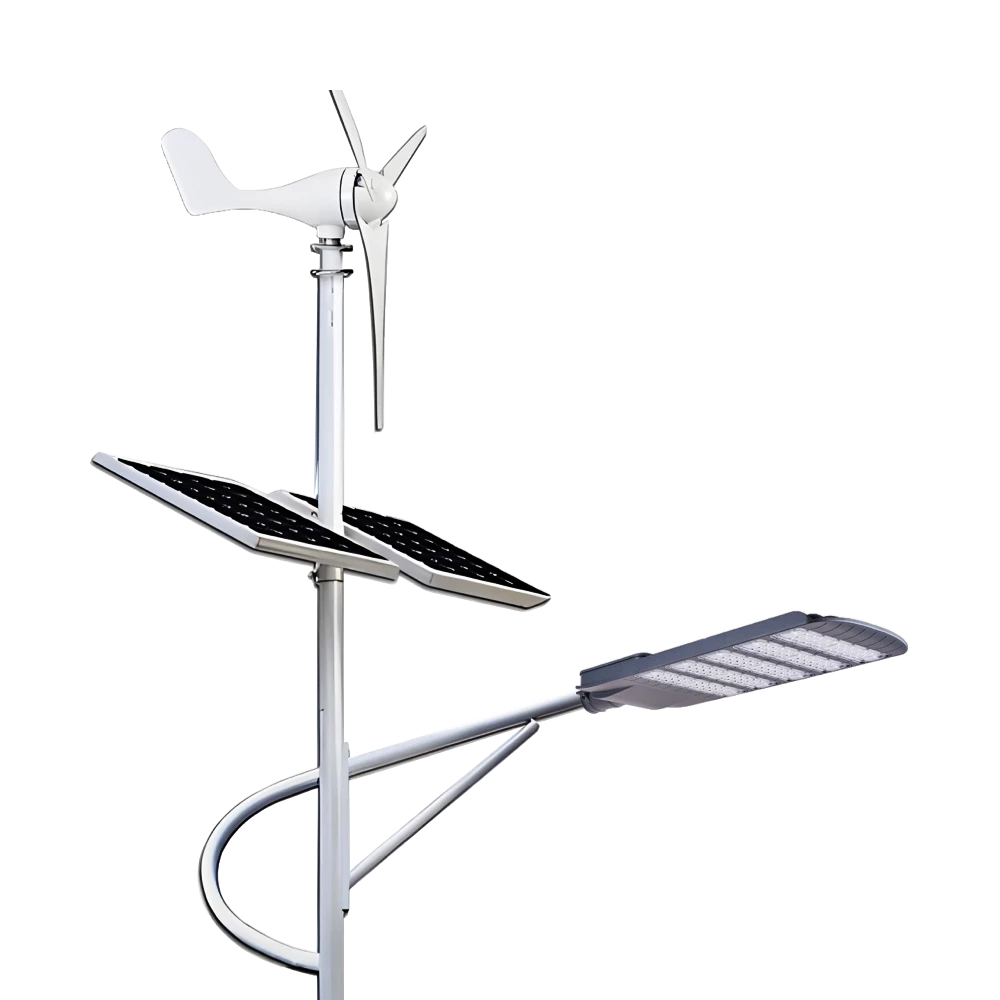
Queneng Lufeng Wind Energy LED Outdoor Solar Street Lights offer high-performance, eco-friendly illumination. These energy-efficient LED street lights harness solar power and wind energy for sustainable, cost-effective outdoor lighting solutions.
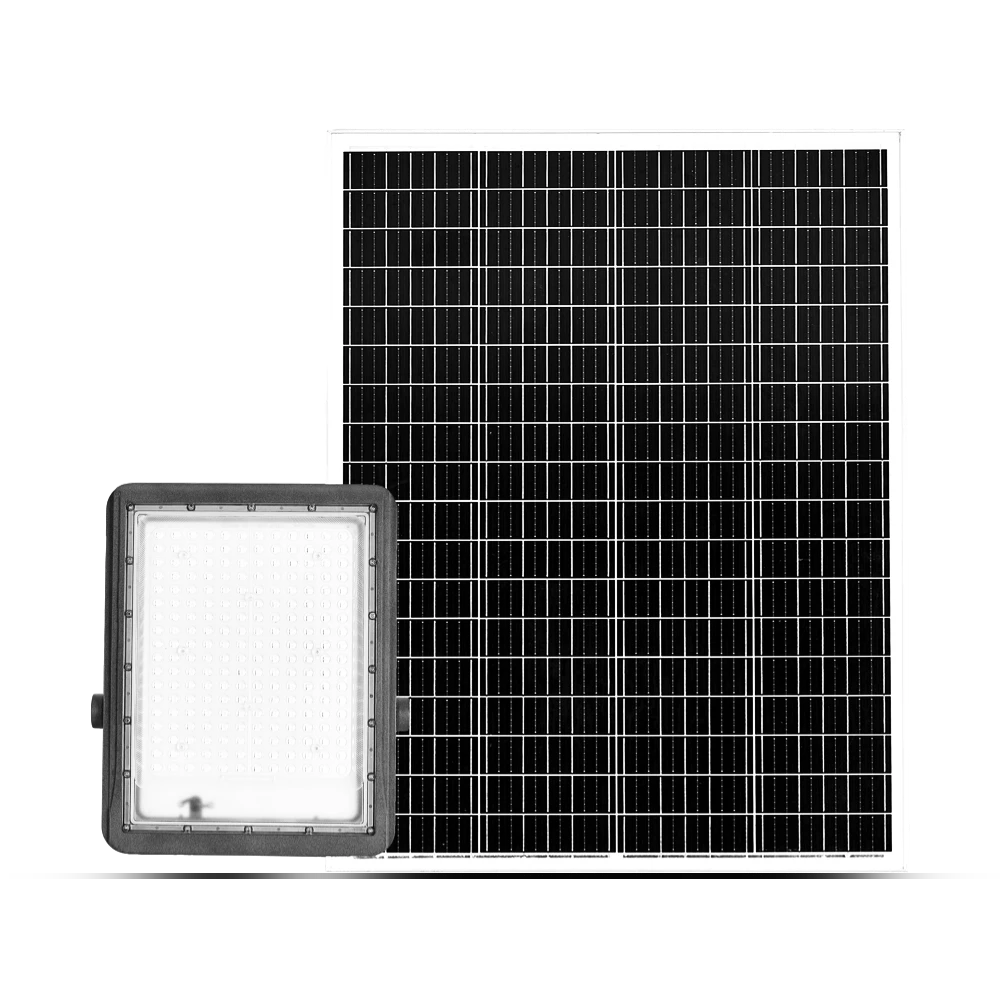
Queneng's Luxian Reliable Solar Street Light offers energy-saving LED lighting for outdoor use. This durable, solar-powered street light provides reliable illumination, reducing energy costs and environmental impact. A perfect solution for sustainable outdoor lighting.
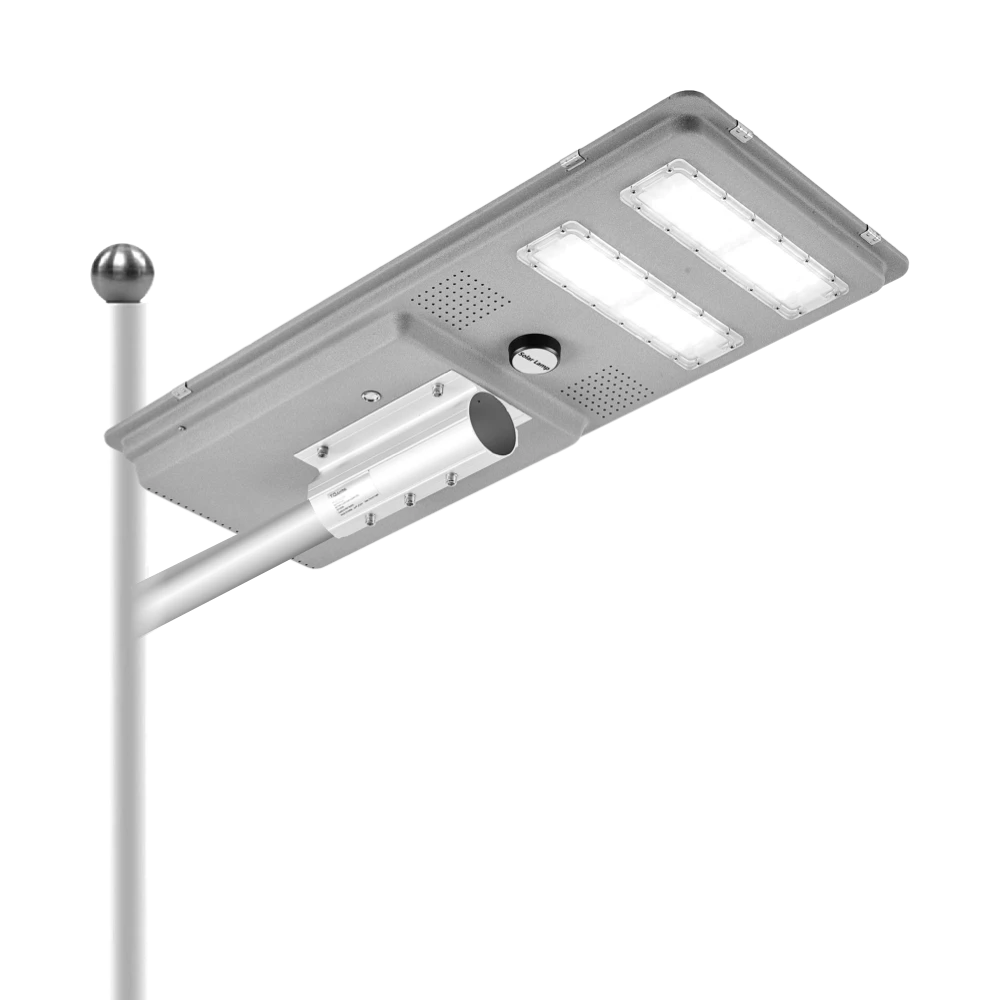
Queneng’s Solar Street Lights are designed to provide reliable, energy-efficient lighting for streets, parks, and other outdoor spaces.
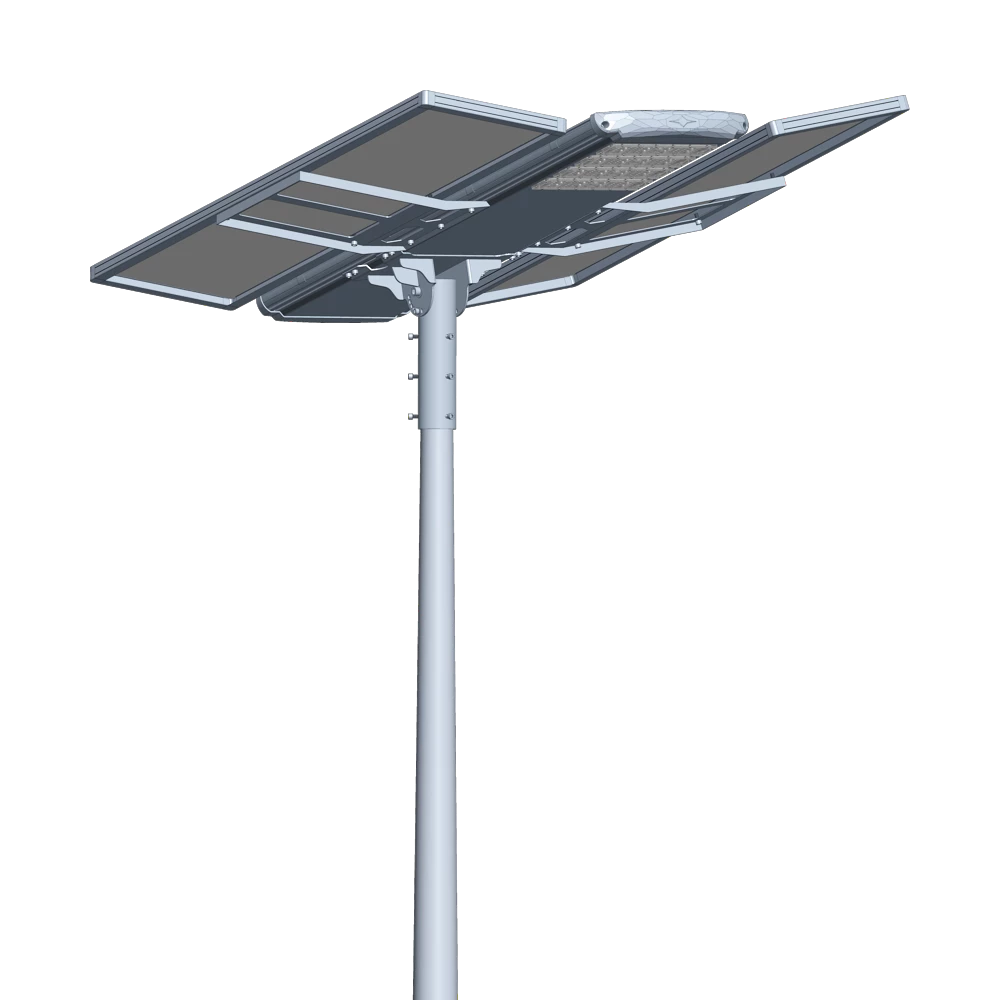
Introducing the Luqing Solar Street Light by Queneng, Efficient LED lighting powered by solar energy is perfect for illuminating outdoor areas. Harness the power of solar energy for sustainable, reliable street lighting. Ideal for eco-friendly, cost-effective outdoor illumination solutions.
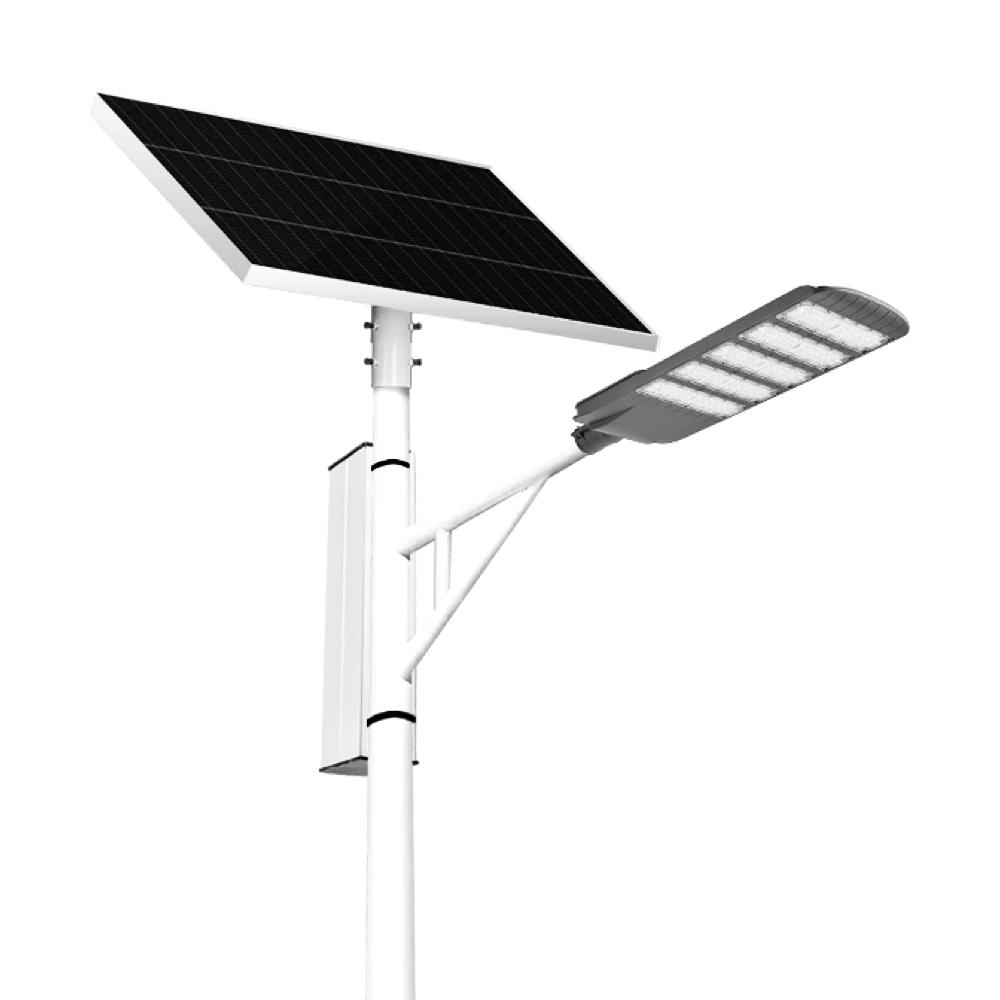
The Solar Streetlights of Luhao for Municipalities are designed to deliver reliable, energy-efficient, and cost-effective public lighting solutions. Equipped with advanced LED technology, durable lithium batteries, and high-efficiency solar panels, these streetlights provide consistent illumination for roads, parks, residential areas, and government projects.
Our professional team is ready to answer any questions and provide personalized support for your project.
You can reach us via phone or email to learn more about Queneng’s solar lighting solutions. We look forward to working with you to promote clean energy solutions!
Rest assured that your privacy is important to us, and all information provided will be handled with the utmost confidentiality.
By clicking 'Send Inquiry Now' I agree to Queneng processing my personal data.
To see how to withdraw your consent, how to control your personal data and how we process it, please see our Privacy Policy and Terms of use.
Schedule a Meeting
Book a date and time that is convenient for you and conduct the session in advance.
Have more questions about our products or services?
The messenger of light & power conversion
Environmental protection and intelligent manufacturing are our brand philosophy, and quality assurance and the best user experience are our eternal promises to users.
CONTACT
No.9F, Building F, Cao San Xin Tian Hong Logistics Park, Guzhen Town, Zhongshan City, Guangdong Province, China.
or write [email protected]
WhatsApp: +86 136 2270 1011


