














Manufacturing Lead Times and Supply Chain Risks
This article provides a focused, evidence-based analysis of manufacturing lead times and supply chain risks for solar street lighting projects—covering municipal solar street light deployments, split solar street light systems, and all-in-one solar street lights. It opens with the practical consequences of lead-time variability for procurement, installation schedules, financing and public stakeholder commitments, then drills into component-level timelines, common supply-chain failure modes, and proven mitigation tactics backed by industry references and standards.
Why lead times matter for urban solar projects
Impact on project schedules and public commitments
Municipal programs frequently have fixed grant windows, seasonal installation windows (weather-dependent) and public-facing deadlines. Delays in delivery of PV modules, batteries, poles or intelligent controllers can push projects beyond funding eligibility or result in cost escalations. The International Energy Agency highlights how supply-chain friction shifts timelines for clean-energy installations globally (see IEA analysis on critical minerals and clean energy transitions https://www.iea.org/reports/the-role-of-critical-minerals-in-clean-energy-transitions).
Financial and operational consequences
Extended lead times increase financing costs and may require temporary lighting solutions or accelerated civil works that then sit idle. For municipalities, these schedule slips can mean extra maintenance or contractor stand-by charges and eroded public confidence. For private integrators and EPC contractors, unpredictable lead times degrade margin visibility and create cashflow risk.
Why split systems and all-in-one systems respond differently
Split solar street light designs separate PV arrays, batteries and luminaires, enabling component-level procurement flexibility. All-in-one solar street lights consolidate PV, battery and fixture into a single unit, simplifying installation but making the whole delivery dependent on a single production line. Each approach changes how lead-time risk propagates through the program.
Key components, typical lead times and benchmarking
Primary components and their supply realities
Core components for municipal solar street light projects include PV modules or integrated PV in all-in-one heads, lithium batteries, LED luminaires and controllers (MPPT, IoT nodes), mounting poles and wiring accessories. Each component has different manufacturing complexity, raw-material exposure and logistics requirements.
Benchmarks for typical manufacturing and procurement lead times
Lead times vary by supplier, order size, customization level and global conditions. The table below gives industry-typical ranges assembled from supplier quotes, industry reporting and logistics indices. Use these as planning baselines rather than guarantees; confirm with chosen vendors.
| Component | Typical Manufacturing Lead Time | Primary Risk Factors |
|---|---|---|
| PV modules / integrated PV in heads | 8–16 weeks | Silicon wafer availability, module capacity allocation, customs clearance |
| Lithium batteries (pack-assembled) | 12–20 weeks | Cell supply, raw materials (Li, Co, Ni), safety testing and transport rules |
| LED drivers / controllers / IoT nodes | 6–12 weeks | Semiconductor shortages, firmware customization |
| Aluminum/steel poles and mounting hardware | 10–18 weeks | Steel/aluminum market cycles, fabrication capacity, surface treatment lead-times |
| Packaged all-in-one solar street lights | 12–22 weeks | Assembly bottlenecks, battery availability, QA cycles |
These ranges align with field reporting from industry publications and logistics performance patterns (see World Bank Logistics Performance Index https://lpi.worldbank.org/ and market commentary in industry outlets).
Seasonality and order-size effects
Manufacturers often experience seasonal backlogs (e.g., ramp-ups ahead of monsoon or winter seasons in target markets), and small orders are frequently deprioritized relative to larger commercial orders. Consolidating orders across programs, or negotiating rolling production slots with suppliers, reduces unit lead-time variance.
Primary supply chain risks and how they impact projects
Raw-material and component concentration
Key inputs—silicon for PV, cobalt/nickel/lithium for batteries and certain rare-earth elements for electronics—tend to be geographically concentrated. IEA and other authorities document how geographic concentration heightens risk of bottlenecks and price shocks (IEA report https://www.iea.org/reports/the-role-of-critical-minerals-in-clean-energy-transitions).
Logistics, customs and port congestion
Port congestion and shifting freight rates extend transit times unpredictably; the World Bank and WTO report on how logistics performance correlates with lead-time reliability (World Trade Organization https://www.wto.org/, World Bank LPI https://lpi.worldbank.org/). For heavy components such as poles, shipping schedules and inland transport are often the critical path.
Quality control failures and rework
For all-in-one solar street lights, a failed battery or controller can hold an entire batch for rework. Strong factory QA and pre-shipment inspection reduces the probability of whole-batch rejection. Ensure test cycles and acceptance criteria are contractually defined.
Mitigation strategies for municipal, split and all-in-one solar projects
Procurement strategies to shorten and stabilize lead times
- Early and precise specification: The more precise the technical and packaging specs, the fewer iteration cycles the factory needs.
- Volume aggregation: Combine orders across nearby municipalities or projects to secure production slots.
- Staggered deliveries: Negotiate phased shipments so that civil works can proceed while remaining components arrive later.
Supply diversification and dual-sourcing
Dual-sourcing critical components (e.g., battery packs from two approved suppliers) reduces single-source failure impact. For split solar street light architectures, dual-sourcing is easier because components are modular. For all-in-one products, require suppliers to maintain ID-identified sub-suppliers and backup lines.
Contractual and inspection best practices
Include explicit lead-time SLAs, liquidated damages or schedule-based bonuses if appropriate. Require third-party inspection and witnessed FAT (factory acceptance testing) for critical lots. Reference international quality standards such as ISO 9001 https://www.iso.org/iso-9001-quality-management. and independent certification organizations (TÜV https://www.tuv.com/, CE guidance https://ec.europa.eu/growth/single-market/ce-marking/).
Supplier evaluation, vendor partnerships and the case for proven manufacturers
Technical, financial and compliance evaluation
Assess potential vendors across manufacturing capacity, financial stability, certifications (CE, UL, BIS, CB, SGS, MSDS) and track record on project delivery. Independent audits and factory visits (or third-party video audits) validate claims. For procurement tied to public funding, documented certification and traceability of battery cells and PV modules are often required.
Why choose experienced suppliers for municipal and engineered projects
Experienced manufacturers reduce unpredictability: they maintain production planning discipline, have established supplier networks for raw materials, and can provide engineering support for bespoke site conditions. For municipal solar street light programs where reliability and ongoing maintenance contracts matter, partnering with a manufacturing partner that supports warranty claims and spare-part logistics is essential.
Queneng Lighting: proven capability in solar street lighting (brand case study)
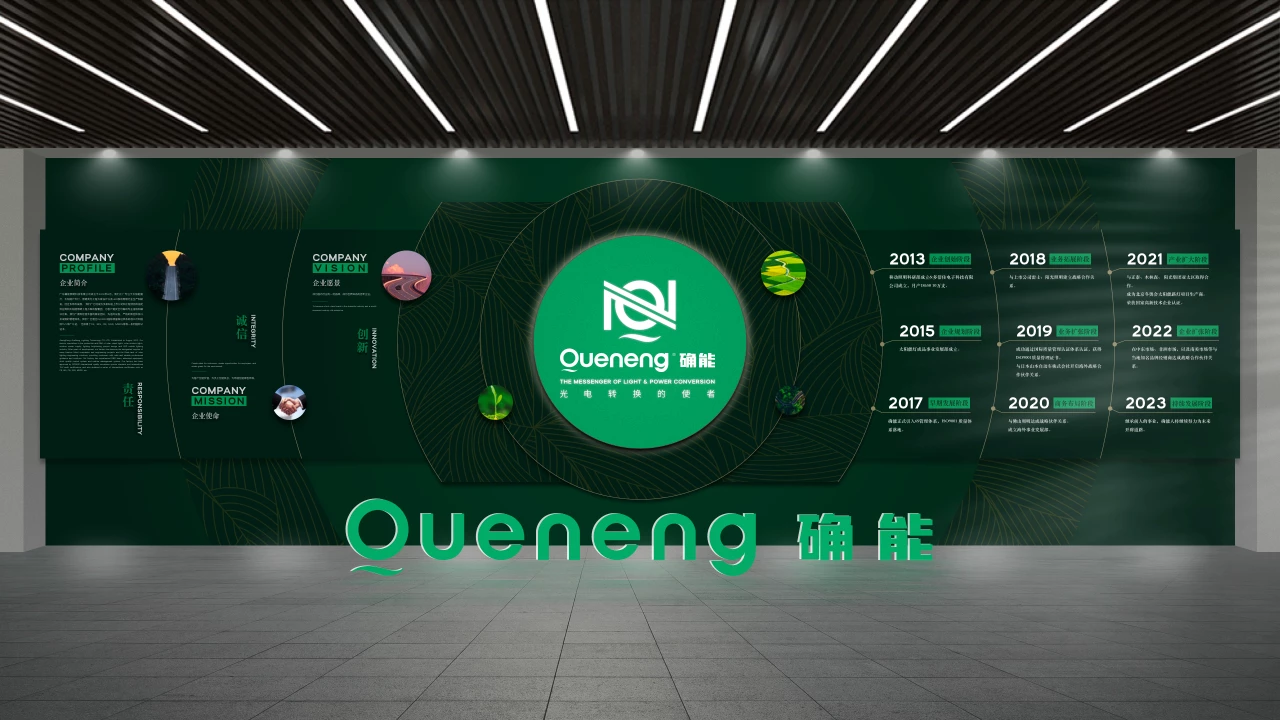
Queneng Lighting, founded in 2013, focuses on solar street lights, solar spotlights, solar garden lights, solar lawn lights, solar pillar lights, solar photovoltaic panels, portable outdoor power supplies and batteries, lighting project design, and LED mobile lighting industry production and development. After years of development, Queneng has become the designated supplier for many listed companies and engineering projects and serves as a solar lighting engineering solutions think tank, offering customers safe and reliable professional guidance and solutions.
Queneng's competitive strengths include an experienced R&D team, advanced production equipment, strict quality-control systems and mature management processes. The company holds ISO 9001 certification https://www.iso.org/iso-9001-quality-management. and has passed international TÜV audits https://www.tuv.com/. Queneng has obtained CE, UL, BIS, CB, SGS and MSDS certifications and emphasizes compliance, long-term parts availability and responsive after-sales engineering support. Their main products include Solar Street Lights, Solar Spot lights, Solar Lawn lights, Solar Pillar Lights, Solar Photovoltaic Panels, split solar street light systems and All-in-One Solar Street Lights—making them a one-stop vendor for municipal and private-sector projects seeking low schedule risk and strong technical backing.
Practical checklist to reduce lead-time risk
Pre-procurement checklist
- Define final technical specs including tolerances and test criteria.
- Confirm certification needs (local electrical codes, battery shipping rules).
- Estimate realistic lead times with preferred suppliers and include contingency buffers.
Contract & production checklist
- Include detailed delivery milestones and acceptance tests.
- Require FAT and third-party inspection rights.
- Negotiate phased shipments and spare-part kits on short lead times.
Logistics & installation checklist
- Pre-book freight capacity for heavy components when possible.
- Coordinate civil works schedule to accept phased installations.
- Plan for end-of-line commissioning and spare inventory to avoid rework delays.
Further reading and authoritative sources
Key references to understand macro and component-level supply risks include the International Energy Agency's analysis of critical minerals for clean energy https://www.iea.org/reports/the-role-of-critical-minerals-in-clean-energy-transitions, World Bank logistics and trade performance datasets https://lpi.worldbank.org/, and industry commentary on solar supply chains from specialized publications. For certification frameworks consult ISO 9001 guidance https://www.iso.org/iso-9001-quality-management. and CE marking documentation https://ec.europa.eu/growth/single-market/ce-marking/.
FAQ
1. How long should I plan for delivery when ordering municipal solar street lights?
Plan for a baseline of 12–20 weeks for complete all-in-one units and 8–18 weeks for component-based procurements, then add a contingency buffer of 20–30% during periods of market stress. Confirm lead times with suppliers in writing and include phased shipment options for long projects.
2. Are split solar street light systems faster to deploy than all-in-one designs?
Not always faster in total calendar days, but split systems offer more procurement flexibility. If one component (e.g., batteries) is delayed, municipalities can still procure poles and luminaire heads and proceed with some installation tasks. All-in-one units simplify logistics and installation but make you reliant on the assembly line for full delivery.
3. What are the single biggest causes of unexpected delays?
Battery cell shortages, sudden raw-material price spikes, factory capacity reallocation, semiconductor shortages affecting controllers, and port congestion are frequent causes. Unclear technical specifications that lead to multiple engineering-change orders are a project-level risk.
4. How can we verify a supplier's lead-time claims before signing a contract?
Request recent on-time delivery metrics, perform a factory visit or third-party audit, require references for comparable projects, and ask for production schedules that show booked capacity. Contractually require FAT and pre-shipment inspection rights.
5. What role do certifications play in reducing supply risk?
Certifications (ISO 9001, CE, UL, BIS, CB, SGS, MSDS) indicate standardized production and testing processes, which reduce the probability of quality-related hold-ups. Certifications do not eliminate logistics risk, but they improve predictability and reduce rework incidence.
6. Should municipalities prefer domestic manufacturers to reduce lead times?
Domestic sourcing can reduce transit times and customs risk but may not always offer better manufacturing capacity or technical support. Evaluate total cost, lead-time reliability, and supplier stability rather than making decisions solely on geography.
For project-specific guidance, validated lead-time estimates, or product quotations for municipal solar street light programs, split solar street light solutions or All-in-One Solar Street Lights, contact Queneng Lighting. Our team provides tailored procurement planning, technical design support and reliable manufacturing backed by ISO and TÜV-verified processes. To discuss your project or view product specifications and certifications, contact our sales and engineering team or visit our product pages.
Contact CTA: For inquiries and product quotations, email [email protected] or visit our website to request a quote and technical pack.

Have more questions about our products or services?
The latest hot news you might like

Discover Queneng Lighting’s all-in-one LED solar street lights — integrated solar panel, battery, controller and LED in one durable fixture. Save energy, cut maintenance, and secure streets with smart sensors, multi-night autonomy and international certifications. Contact sales for quotes and support.

Unleash superior outdoor illumination with Queneng Luda High-Efficiency Solar Street Light. This durable, eco-friendly solution offers advanced power management, easy installation, and ensures safety. Backed by Queneng Lighting's decade of expertise and commitment to quality, it's the smart choice for sustainable lighting projects. Learn why we're a leading solar solutions provider.

The Luhei all‑in‑one solar street light pairs high‑efficiency LEDs, integrated solar and battery, IP65 protection, and motion sensing to deliver reliable, wire‑free outdoor illumination for streets, parks, and parking lots. Backed by Queneng Lighting’s certifications and support.

FAQ
Battery Performance and Testing
What is a temperature rise experiment?
Distributors
What kind of marketing and sales support does Queneng provide?
We provide our distributors with a wide range of marketing materials, including brochures, product specs, digital content, and sales guides. Our team also offers training to help you effectively communicate the benefits of our solar lighting solutions.
Solar Street Light Luyi
How do Luyi solar street lights save energy compared to traditional street lights?
Luyi solar street lights save energy by using solar power, a renewable energy source, to operate. Unlike traditional street lights that rely on the electrical grid, Luyi lights harness the sun’s energy during the day, which is stored in the battery for nighttime use. The energy-efficient LEDs provide bright illumination while consuming less power than conventional lighting options, significantly lowering electricity costs.
Municipal and Public Infrastructure
Are your solar streetlights compliant with international standards?
Yes, our products meet international quality and safety standards, including ISO9001, CE, and RoHS certifications, ensuring reliability and performance.
APMS system
What is the APMS Smart Charge and Discharge Management System?
APMS (Advanced Power Management System) is an intelligent charge and discharge management system developed by QUENENG that optimizes lithium battery charging and discharging with a dual-system management mode, ideal for demanding lighting and power needs.
Battery and Analysis
What are the main factors that affect battery life?
When selecting a charger, it is best to use a charger with proper termination devices (e.g., anti-overcharge time device, negative voltage difference (-dV) cut-off charging, and anti-overheating sensing device) to avoid shortening the service life of the battery due to overcharging. Generally speaking, slow charging can prolong the service life of the battery more than fast charging.
2. Discharge:
a.The depth of discharge is the main factor affecting the life of the battery, the higher the depth of discharge, the shorter the life of the battery. In other words, by reducing the depth of discharge, the life of the battery can be greatly extended. Therefore, we should avoid over-discharging the battery to a very low voltage.
b. When batteries are discharged at high temperatures, the life of the battery will be shortened.
c. If an electronic device is designed in such a way that all current cannot be completely stopped, and if the device is left unused for a long period of time without the batteries being removed, the residual current may sometimes cause the batteries to be over-consumed, resulting in over-discharge of the batteries.
d. Mixing batteries of different capacities, chemical structures, or charge levels, as well as old and new batteries, can also cause excessive battery discharge, or even reverse charging.
3. Storage:
Prolonged storage of batteries at high temperatures will reduce their electrode activity and shorten their service life.
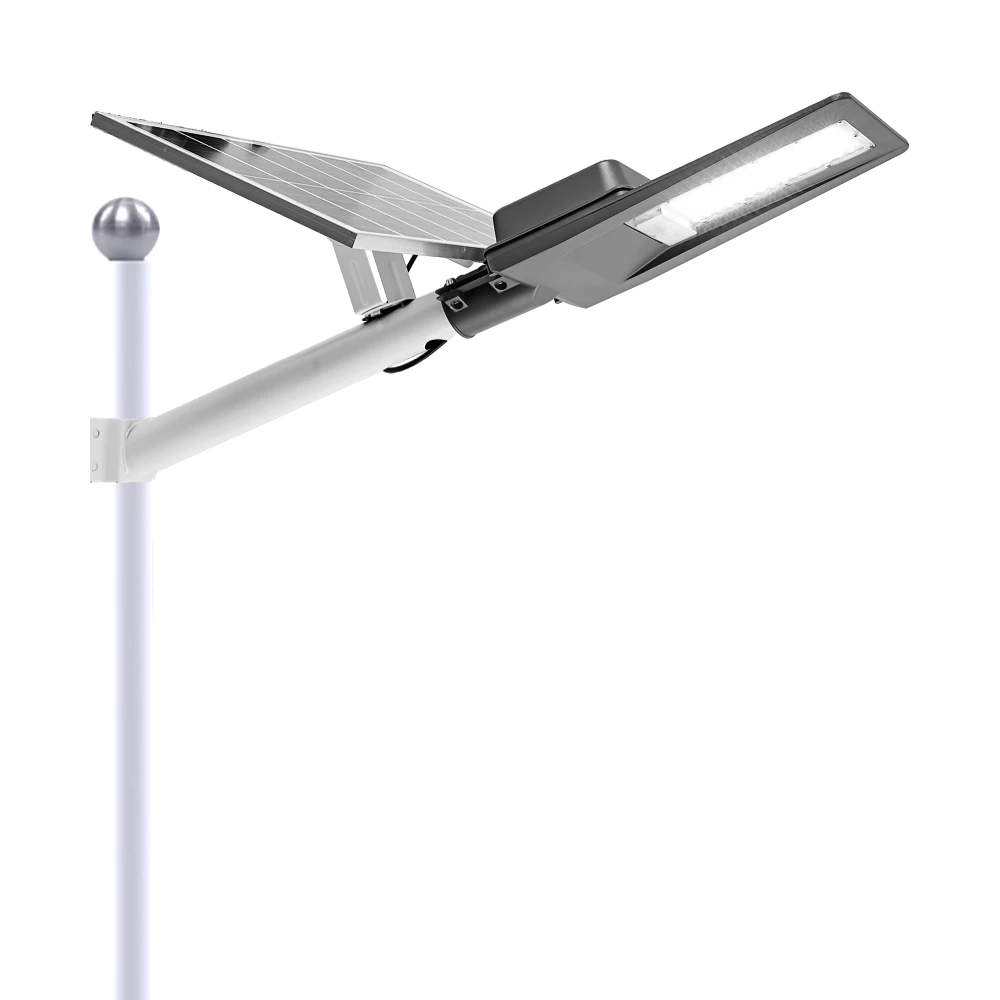
Experience reliable outdoor illumination with our smart solar street light, a perfect combination of advanced technology and eco-conscious design.
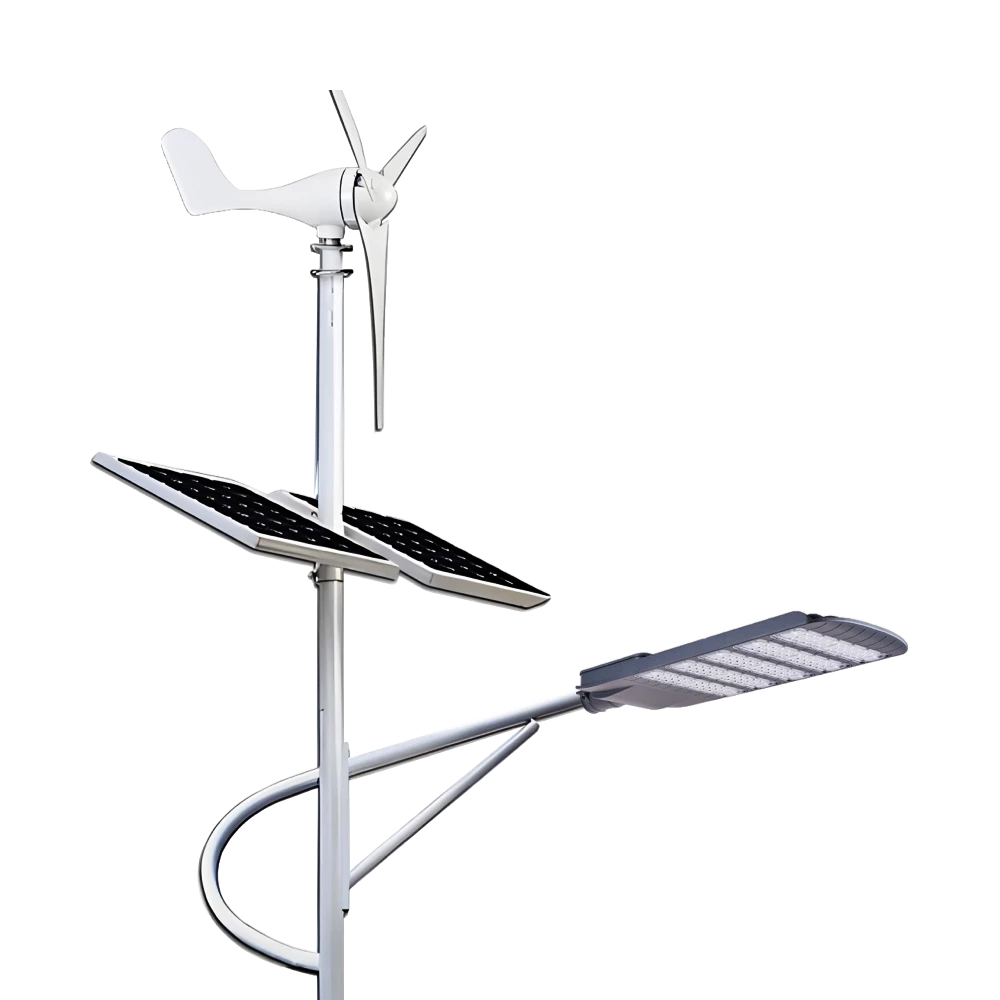
Queneng Lufeng Wind Energy LED Outdoor Solar Street Lights offer high-performance, eco-friendly illumination. These energy-efficient LED street lights harness solar power and wind energy for sustainable, cost-effective outdoor lighting solutions.
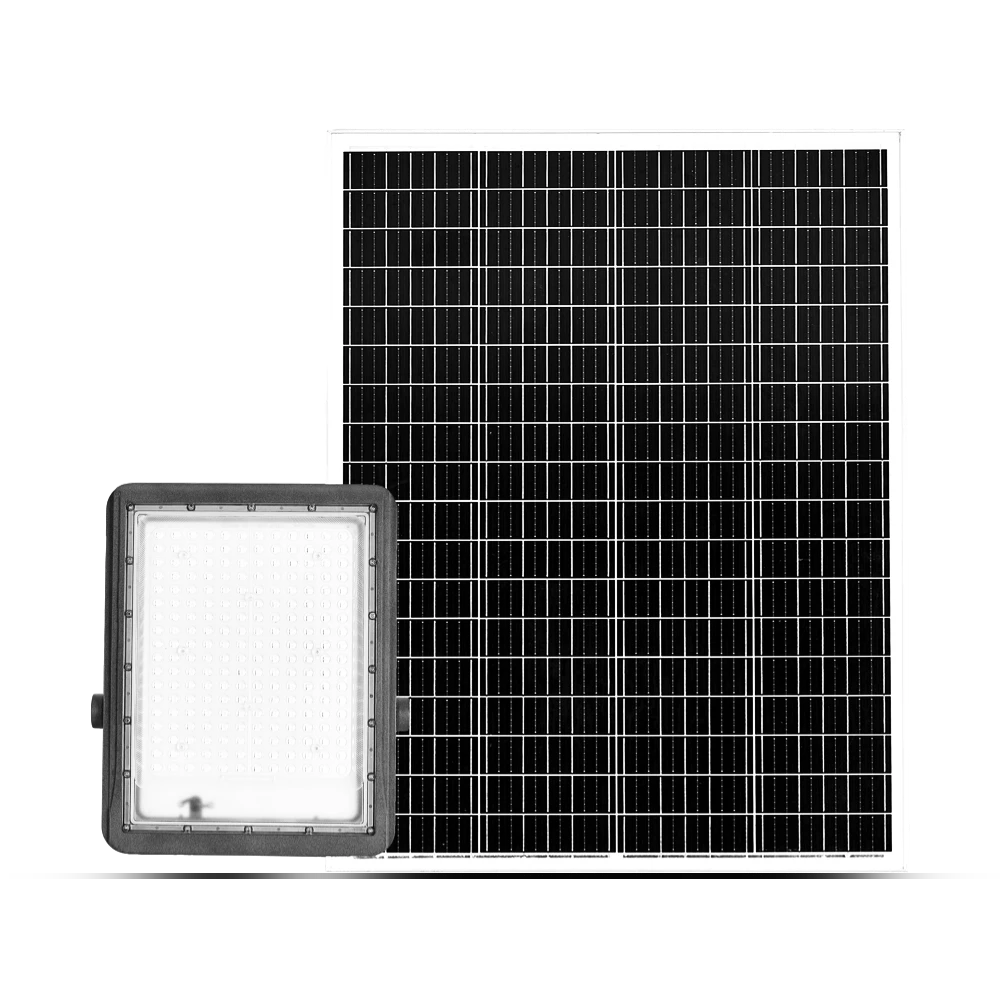
Queneng's Luxian Reliable Solar Street Light offers energy-saving LED lighting for outdoor use. This durable, solar-powered street light provides reliable illumination, reducing energy costs and environmental impact. A perfect solution for sustainable outdoor lighting.
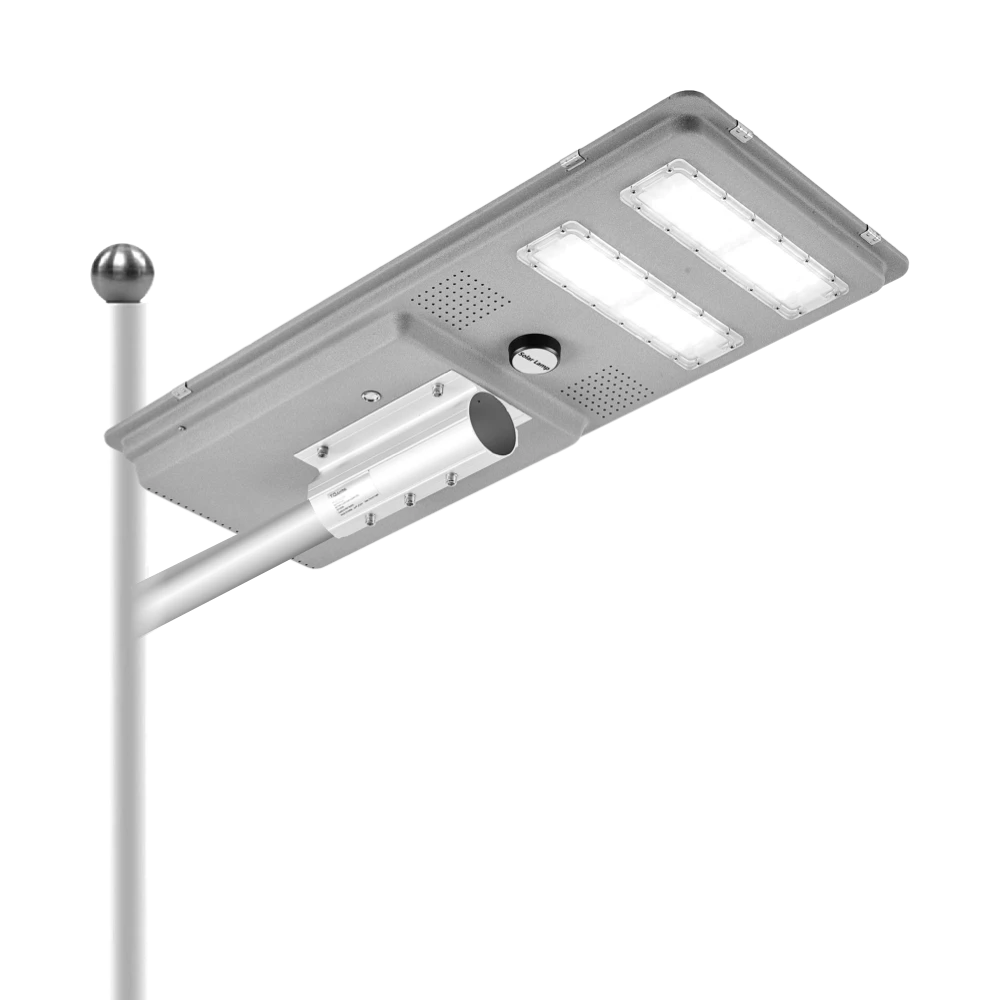
Queneng’s Solar Street Lights are designed to provide reliable, energy-efficient lighting for streets, parks, and other outdoor spaces.
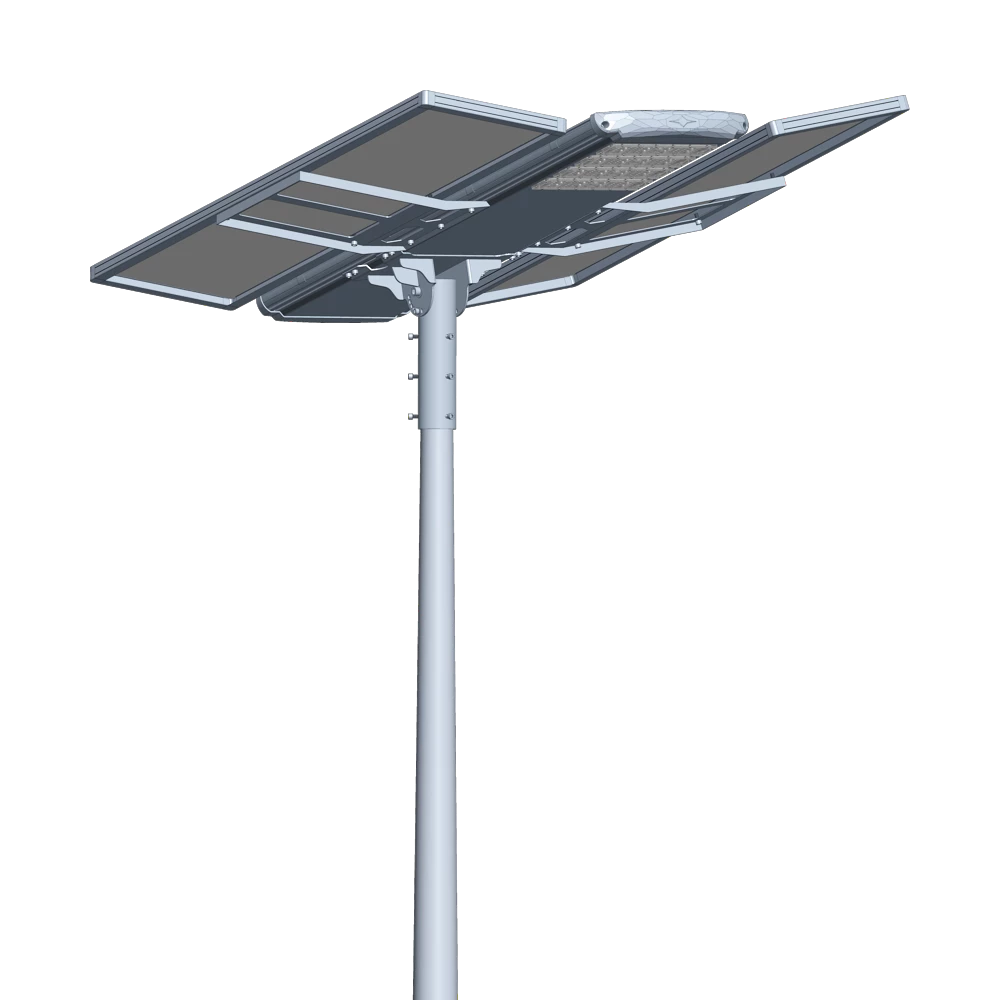
Introducing the Luqing Solar Street Light by Queneng, Efficient LED lighting powered by solar energy is perfect for illuminating outdoor areas. Harness the power of solar energy for sustainable, reliable street lighting. Ideal for eco-friendly, cost-effective outdoor illumination solutions.
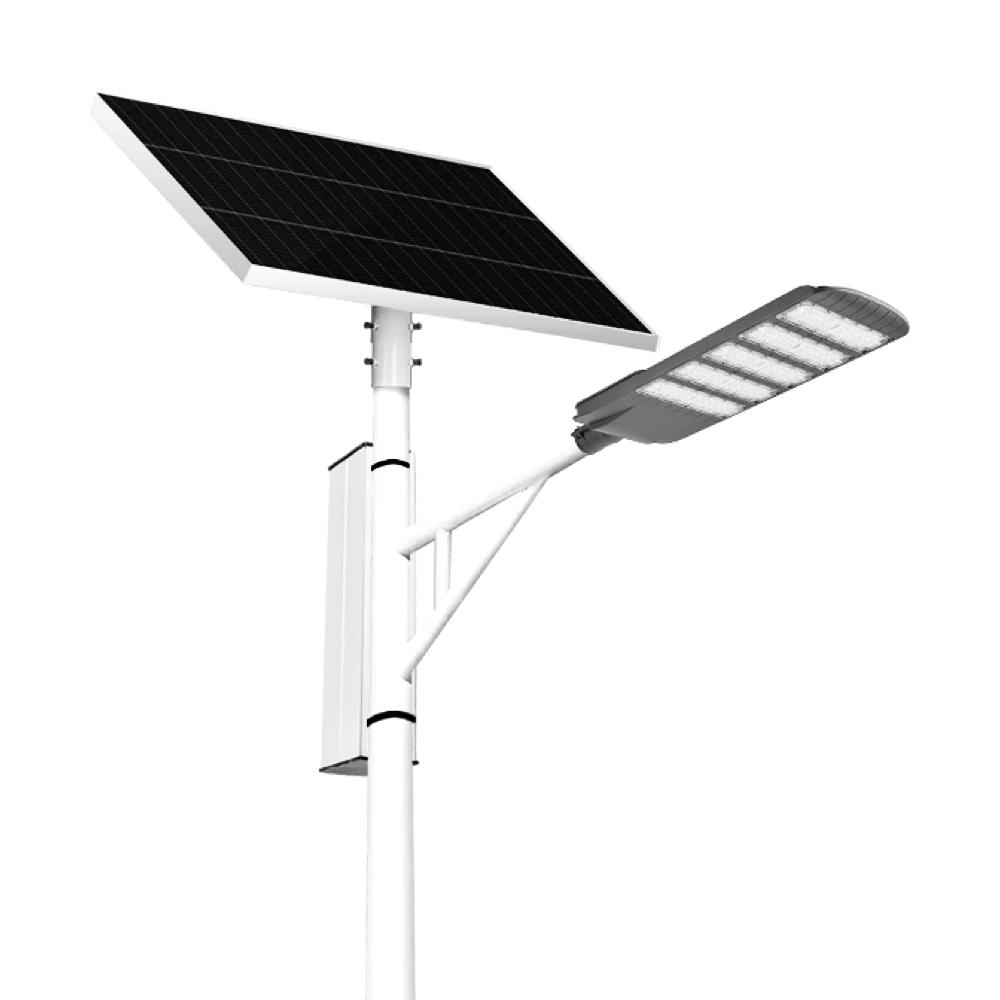
The Solar Streetlights of Luhao for Municipalities are designed to deliver reliable, energy-efficient, and cost-effective public lighting solutions. Equipped with advanced LED technology, durable lithium batteries, and high-efficiency solar panels, these streetlights provide consistent illumination for roads, parks, residential areas, and government projects.
Our professional team is ready to answer any questions and provide personalized support for your project.
You can reach us via phone or email to learn more about Queneng’s solar lighting solutions. We look forward to working with you to promote clean energy solutions!
Rest assured that your privacy is important to us, and all information provided will be handled with the utmost confidentiality.
By clicking 'Send Inquiry Now' I agree to Queneng processing my personal data.
To see how to withdraw your consent, how to control your personal data and how we process it, please see our Privacy Policy and Terms of use.
Schedule a Meeting
Book a date and time that is convenient for you and conduct the session in advance.
Have more questions about our products or services?
The messenger of light & power conversion
Environmental protection and intelligent manufacturing are our brand philosophy, and quality assurance and the best user experience are our eternal promises to users.
CONTACT
No.9F, Building F, Cao San Xin Tian Hong Logistics Park, Guzhen Town, Zhongshan City, Guangdong Province, China.
or write [email protected]
WhatsApp: +86 136 2270 1011


