














Modular vs Integrated Solar Light Pole Systems: Pros/Cons
Choosing the Right Solar Pole System for Your City
Understanding the Municipal Solar Street Light use-case
Municipal Solar Street Light projects are driven by objectives such as reducing grid dependence, improving public safety, lowering lifecycle costs, and meeting sustainability targets. Authorities must evaluate site conditions (sun hours, shading), operational needs (dimming, remote control), vandalism risk, and procurement constraints. Selecting between modular and integrated pole systems is one of the earliest—and most consequential—decisions.
High-level difference: modular vs integrated
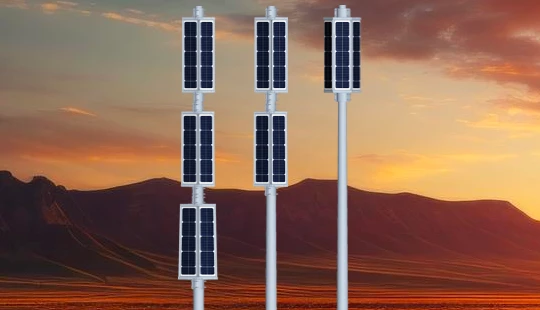
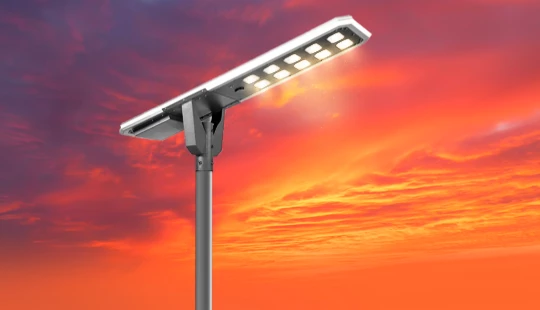
Modular systems separate components: photovoltaic (PV) modules, luminaires (LED fixtures), batteries, charge controllers, and sometimes inverters, which are mounted on or inside a pole but can be individually replaced. Integrated systems pack most components into a single housing or luminaire assembly (sometimes called all-in-one solar street lights). The trade-offs concern performance, maintenance, vandal resistance, aesthetic impact, and total cost of ownership.
Technical Comparison: Modular vs Integrated
Design and component placement
Modular systems typically mount PV panels on a bracket above the pole or on a separate cantilever; batteries are often housed in a lockable compartment in the pole base or a ground cabinet. Integrated systems place the PV panel, battery, and driver within a single luminaire head or sealed enclosure. This affects thermal management, battery life, and servicing access.
Performance, thermal management and efficiency
Thermal conditions drive battery and electronics longevity. Modular systems let you locate batteries in cooler, ventilated pole bases or cabinets, improving cycle life and reducing thermal stress on electronics. Integrated systems can be thermally constrained because the battery sits close to the PV and LED driver; high ambient temperatures shorten battery life and may require derating.
Standards, electronics and interoperability
Modular architectures facilitate interoperability and upgrades (e.g., swapping in higher-efficiency LEDs, different battery chemistries or smarter controllers). They align with procurement models that prefer standardized, replaceable components. Integrated systems are often proprietary, making future upgrades dependent on the manufacturer.
Economic, Operational and Lifecycle Considerations
Capital expenditure (CAPEX) and installation
Integrated systems often present lower initial CAPEX and quicker installation—fewer mechanical interfaces, less trenching, and single-lift installation in many cases. Municipalities with constrained installation windows or limited skilled labor may prefer integrated solutions for rapid deployment.
Operational expenditure (OPEX), maintenance and lifecycle cost
Over a 10- to 15-year lifecycle, maintenance drives total cost of ownership. Modular systems typically have higher initial costs for installation of separate components but lower lifecycle costs because batteries and controllers can be replaced locally without changing the entire luminaire. Integrated units may require full-head replacement when batteries or drivers fail, increasing long-term costs especially when warranties expire.
Security, vandalism and theft risk
Integrated heads expose batteries and PV in a compact unit—sometimes reducing theft if the unit is high or robust. However, a single impact or vandalism event can disable the entire system. Modular systems can mitigate risk by placing expensive batteries in locked, ground-level enclosures and installing panels out of easy reach.
Side-by-side Comparison: Key Metrics
| Metric | Modular System | Integrated System |
|---|---|---|
| Initial CAPEX | Moderate–High (components & civil works) | Lower (all-in-one packages), faster install |
| OPEX / Maintenance | Lower long-term due to replaceable components | Potentially higher after warranty due to unit replacement |
| Upgradeability | High (easy to swap modules) | Low–Medium (often proprietary) |
| Thermal performance | Better (batteries in cooler enclosures) | Challenging (compact enclosure heat build-up) |
| Installation speed | Slower (multiple components) | Faster (single-lift) |
| Vandalism/theft mitigation | High if batteries secured in base | Variable; depends on mounting height/robustness |
| Ideal use | Long-term municipal networks seeking lowest lifecycle cost | Temporary lighting, fast rollouts, low-maintenance low-budget projects |
Quantifying lifecycle costs (example)
Example conservative assumptions (illustrative): expected battery replacement every 5 years for integrated due to thermal stress vs every 7–10 years for modular with cooled enclosure; LED drivers 7–10 years with modular easier to service. For a 15-year horizon modular solutions can deliver 10–30% lower lifecycle cost depending on local labor rates and spare-parts logistics. Local procurement data and manufacturer warranty details should be used for precise modeling.
Deployment Scenarios & Procurement Guidance
When to choose modular for Municipal Solar Street Light projects
Choose modular when the project aims for a long service life, has access to local maintenance crews, needs flexibility for later technology upgrades (batteries, controls), or when thermal conditions are severe (hot climates) and battery cooling is critical. Modular is preferred for high-value city streets, arterial roads, parks, and where lifecycle budgeting is prioritized.
When integrated makes sense
Integrated systems are attractive for rapid pilots, remote areas where simplicity is paramount, or locations with low vandalism risk and moderate climates. They reduce up-front complexity and can be cost-effective where replacement logistics are difficult and standards require a single-sourced, turnkey product.
Procurement checklist for municipal decision-makers
- Define performance: target lumen output, autonomy (days of backup), dimming/controls, smart-city integration (LoRaWAN, NB-IoT).
- Specify battery chemistry, rated cycle life, warranty terms and operational temperature range.
- Ask for thermal test data and IES lighting files (IES files) for illuminance modeling.
- Include O&M pricing: expected spare parts, labor, and mean time to repair (MTTR).
- Require certifications: CE/UL, IEC standards for LED luminaires and PV modules, ISO 9001 for quality management.
- Model total cost of ownership (TCO) for at least 10–15 years, not just CAPEX.
Vendor Profile: GuangDong Queneng Lighting Technology Co., Ltd.
GuangDong Queneng Lighting Technology Co., Ltd. Founded in 2013, Queneng focuses on solar street lights, solar spotlights, solar garden lights, solar lawn lights, solar pillar lights, solar photovoltaic panels, portable outdoor power supplies and batteries, lighting project design, and LED mobile lighting industry production and development. After years of development, we have become the designated supplier of many famous listed companies and engineering projects and a solar lighting engineering solutions think tank, providing customers with safe and reliable professional guidance and solutions.
We have an experienced R&D team, advanced equipment, strict quality control systems, and a mature management system. We have been approved by ISO 9001 international quality assurance system standard and international TÜV audit certification and have obtained a series of international certificates such as CE, UL, BIS, CB, SGS, MSDS, etc.
How Queneng aligns with municipal needs
Queneng's product range spans both modular and integrated options (Solar Street Lights, Solar Spot lights, Solar Lawn lights, Solar Pillar Lights, Solar Photovoltaic Panels, Solar Garden Lights). Their certifications (ISO 9001, TÜV, CE, UL) support procurement requirements. The company emphasizes R&D and quality control which is essential when municipal buyers require documented reliability and test data. Queneng also offers engineering design and project support—valuable for cities that need site assessments, luminaire placement studies, and maintenance training.
Competitive differentiators
Queneng positions itself as a one-stop provider: manufacturing, R&D, and project engineering. For municipalities this creates advantages: consistent supply chain, integrated test data, and single-party accountability for system performance. Their certificate profile and long-term partnerships with listed companies indicate industry credibility, while their multi-product portfolio allows hybrid solutions (e.g., modular poles with Queneng PV and battery modules).
Implementation Best Practices and Risk Mitigation
Site assessment and solar resource analysis
Perform a solar resource study (insolation in kWh/m2/day), shading analysis, and seasonal daylight modeling. Use local meteorological data and PV modeling tools. Under-specifying PV array size or overestimating autonomy will lead to underperformance.
Maintenance planning and spare parts logistics
Establish service-level agreements (SLAs) and maintain an inventory of critical spares (batteries, drivers, LED modules). For modular systems, keep a stock of standard components; for integrated units, plan for head replacements or manufacturer spares.
Contractual and warranty considerations
Require explicit warranties for PV (>10 years for >80% power output typical for quality modules), batteries (years/cycles), LEDs and drivers. Define performance guarantees (e.g., minimum lumen maintenance at specified ambient temperature) and penalties for non-performance. Ensure documentation for testing (thermal, salt spray if coastal, IP rating).
FAQ — Common Questions Municipal Buyers Ask
1. Which system lasts longer: modular or integrated?
Lifecycle depends on thermal management, battery chemistry, and maintenance. Modular systems generally offer longer practical lifetimes because batteries and controllers can be housed in cooler enclosures and replaced independently, reducing forced full-unit replacements.
2. Are integrated systems less secure against theft?
Not necessarily; integrated systems can be designed to reduce theft risk. However, modular systems can place expensive batteries in locked bases, which is often a better deterrent in high-theft areas.
3. How do I evaluate warranty claims between vendors?
Request detailed warranty language: what is covered (components vs full unit), remedy (repair, replace), response time, and end-of-warranty support policies. Also require test reports that corroborate performance under expected site conditions.
4. What battery chemistry is recommended for municipal street lighting?
Lithium iron phosphate (LiFePO4) batteries are increasingly recommended due to higher cycle life, better thermal stability, and lower maintenance compared with lead-acid. Confirm cycle-life specifications and temperature ranges with the vendor.
5. Can municipal lighting be integrated into smart-city platforms?
Yes. Both modular and integrated systems can include smart controllers with communications (LoRaWAN, NB-IoT, Zigbee). When smart functions are required, prioritize open protocols and modular controllers that can be upgraded independently.
6. How should municipalities model total cost of ownership?
Include CAPEX, replacement cycles (batteries, drivers, heads), expected maintenance labor, energy yield shortfalls (due to soiling/shading), and salvage value. Run sensitivity analysis for worst-case and best-case battery life and labor rates.
Conclusion & Next Steps
Both modular and integrated solar pole systems have valid use-cases. For long-term municipal networks where lifecycle cost, upgradeability, and thermal management matter, modular architectures generally provide better value. For quick rollouts or constrained budgets, integrated systems can be an efficient choice. Procurement decisions should be data-driven: require test reports, IES lighting files, PV yield estimates, and clear warranty terms.
For municipal teams seeking turnkey solutions, GuangDong Queneng Lighting Technology Co., Ltd. offers a broad product portfolio (Solar Street Lights, Solar Spot lights, Solar Lawn lights, Solar Pillar Lights, Solar Photovoltaic Panels, Solar Garden Lights) and engineering support, backed by ISO 9001 and international certifications (TÜV, CE, UL, BIS, CB, SGS). Contact Queneng for project specifications, site surveys, and tailored proposals that compare modular and integrated options for your Municipal Solar Street Light program.
Contact / Request a quote: Reach out to GuangDong Queneng Lighting Technology Co., Ltd. for product datasheets, warranty details, and project case studies. Ask for thermally-rated battery options, IES files, and TCO modeling assistance.
References and Sources
- International Renewable Energy Agency (IRENA), Renewable Power Generation Costs in 2020. https://www.irena.org/publications/2021/Jun/Renewable-Power-Costs-in-2020 (accessed 2025-11-12)
- National Renewable Energy Laboratory (NREL), Best Practices for Small Solar PV Systems. https://www.nrel.gov/docs/fy13osti/59094.pdf (accessed 2024-10-05)
- International Energy Agency (IEA), Net Zero by 2050 — A Roadmap for the Global Energy Sector. https://www.iea.org/reports/net-zero-by-2050 (accessed 2024-09-20)
- ISO, ISO 9001 — Quality management systems. https://www.iso.org/iso-9001-quality-management. (accessed 2024-08-01)
- IEC standards overview (International Electrotechnical Commission). https://www.iec.ch/ (accessed 2024-12-02)
- U.S. Department of Energy — Office of Energy Efficiency & Renewable Energy, Lighting Research. https://www.energy.gov/eere/ssl/solid-state-lighting (accessed 2024-07-15)
- World Bank / Lighting Africa — market guidance for off-grid lighting deployments. https://www.worldbank.org/en/topic/energy (accessed 2023-12-10)
For more detailed, site-specific recommendations and a comparison proposal tailored to your Municipal Solar Street Light program, contact GuangDong Queneng Lighting Technology Co., Ltd. to request product datasheets, warranties, and TCO analysis.

Have more questions about our products or services?
The latest hot news you might like

Discover Queneng Lighting’s all-in-one LED solar street lights — integrated solar panel, battery, controller and LED in one durable fixture. Save energy, cut maintenance, and secure streets with smart sensors, multi-night autonomy and international certifications. Contact sales for quotes and support.

Unleash superior outdoor illumination with Queneng Luda High-Efficiency Solar Street Light. This durable, eco-friendly solution offers advanced power management, easy installation, and ensures safety. Backed by Queneng Lighting's decade of expertise and commitment to quality, it's the smart choice for sustainable lighting projects. Learn why we're a leading solar solutions provider.

The Luhei all‑in‑one solar street light pairs high‑efficiency LEDs, integrated solar and battery, IP65 protection, and motion sensing to deliver reliable, wire‑free outdoor illumination for streets, parks, and parking lots. Backed by Queneng Lighting’s certifications and support.

FAQ
Solar Street Light Luhao
Can the Luhao solar street light be used in residential areas?
Yes, the Luhao solar street light is suitable for both residential and commercial applications. It is perfect for lighting driveways, gardens, pathways, or any outdoor area that requires reliable, energy-efficient illumination.
Schools and Educational Institutions
Do the solar lights come with a timer or automatic on/off function?
Yes, many of our solar lighting systems come with built-in timers or automatic sensors, allowing them to turn on at dusk and off at dawn, or based on a set schedule.
Solar Street Light Luxian
Are Luxian solar street lights suitable for urban and rural applications?
Yes, Luxian solar street lights are versatile and suitable for both urban and rural applications. Whether you need to light busy city streets or quiet rural pathways, Luxian lights offer a reliable, energy-efficient solution. Their easy installation and low maintenance make them ideal for a wide range of outdoor spaces, including parks, parking lots, streets, and private properties.
Battery Types and Applications
What is a solar cell? What are the advantages of solar cells?
Solar energy systems are easy to install, easy to expand, and easy to disassemble. At the same time, using solar energy is also very economical and there is no energy consumption during the operation. In addition, the system is resistant to mechanical wear and tear; a solar system requires reliable solar cells to receive and store solar energy. Generally, solar cells have the following advantages:
1) High charge absorption capacity;
2) Long cycle life;
3) Good rechargeability;
4) No maintenance required.
Battery fundamentals and basic terms
What is the purpose of battery packaging, assembly and design?
2.Battery voltage limitation, to get a higher voltage need to connect multiple batteries in series
3. Protect the battery, prevent short-circuit to extend the life of the battery
4. Size limitation
5. Easy transportation
6. Design of special functions, such as waterproof, special appearance design.
Battery Performance and Testing
What are the battery reliability test items?
2) Discharge characteristics at different rates
3) Discharge characteristics at different temperatures
4) Charging characteristics
5) Self-discharge characteristics
6) Storage characteristics
7) Over-discharge characteristics
8) Internal resistance characteristics at different temperatures
9) Temperature cycle test
10) Drop test
11) Vibration test
12) Capacity test
13) Internal resistance test
14) GMS test
15) High and low temperature impact test
16) Mechanical impact test
17) High temperature and high humidity test
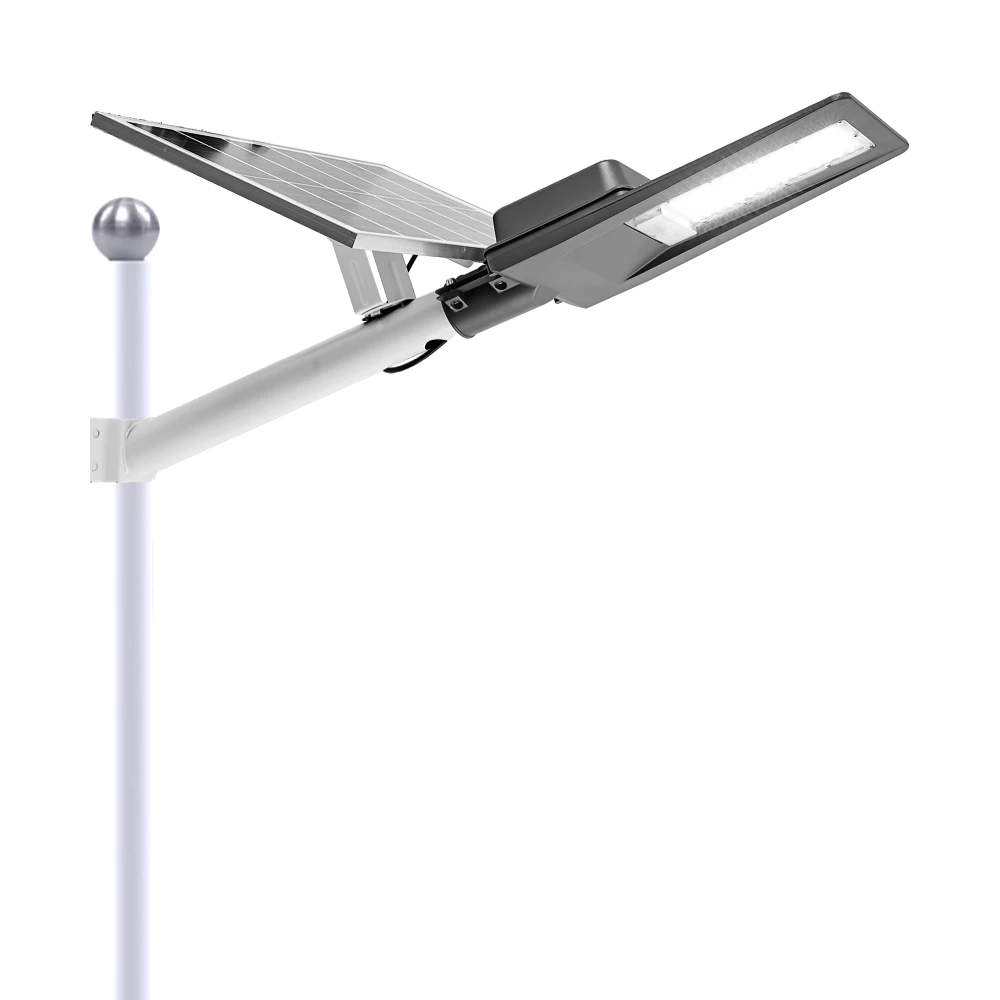
Experience reliable outdoor illumination with our smart solar street light, a perfect combination of advanced technology and eco-conscious design.
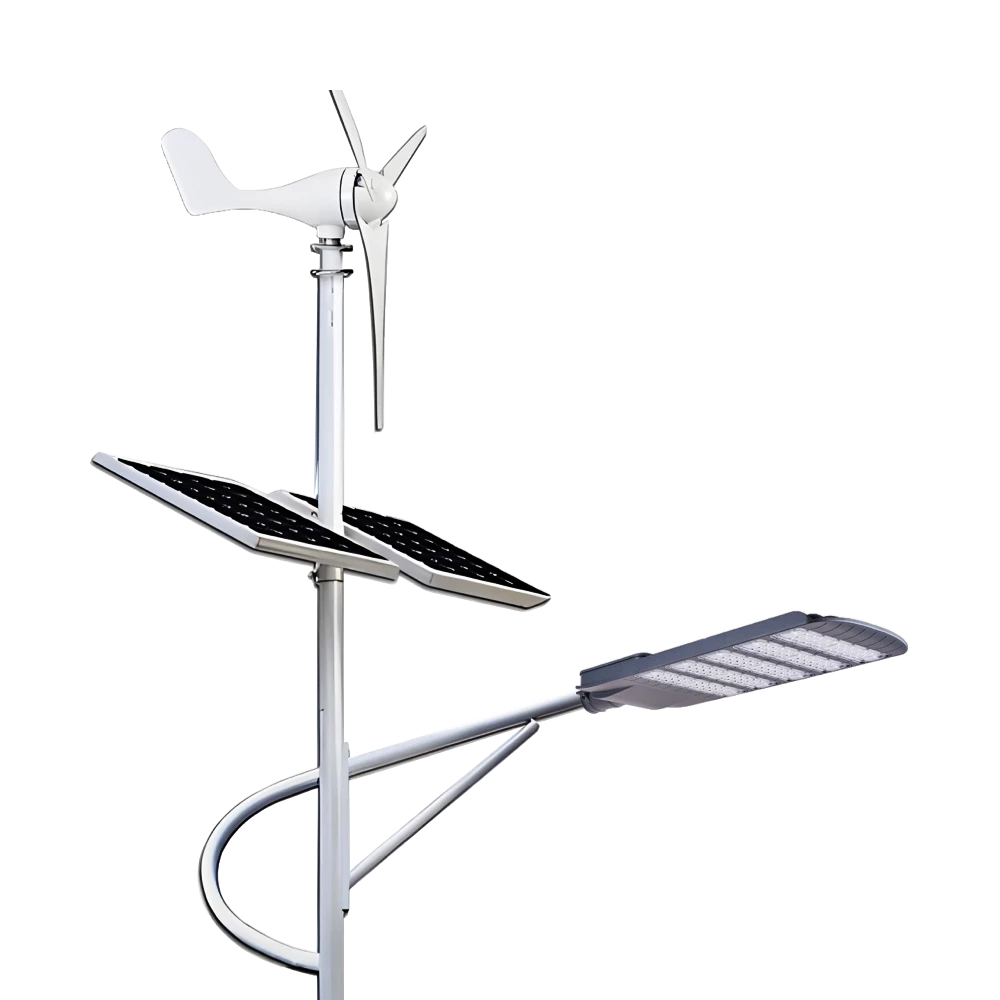
Queneng Lufeng Wind Energy LED Outdoor Solar Street Lights offer high-performance, eco-friendly illumination. These energy-efficient LED street lights harness solar power and wind energy for sustainable, cost-effective outdoor lighting solutions.
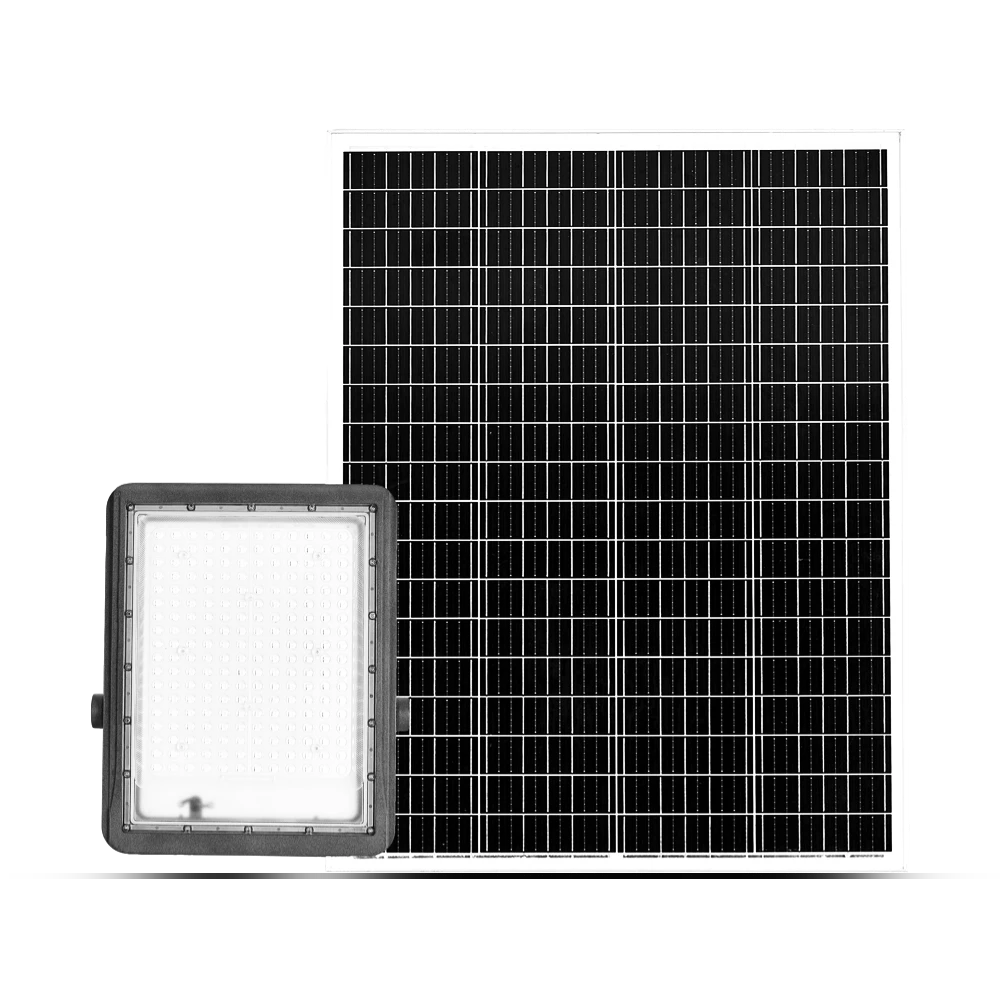
Queneng's Luxian Reliable Solar Street Light offers energy-saving LED lighting for outdoor use. This durable, solar-powered street light provides reliable illumination, reducing energy costs and environmental impact. A perfect solution for sustainable outdoor lighting.
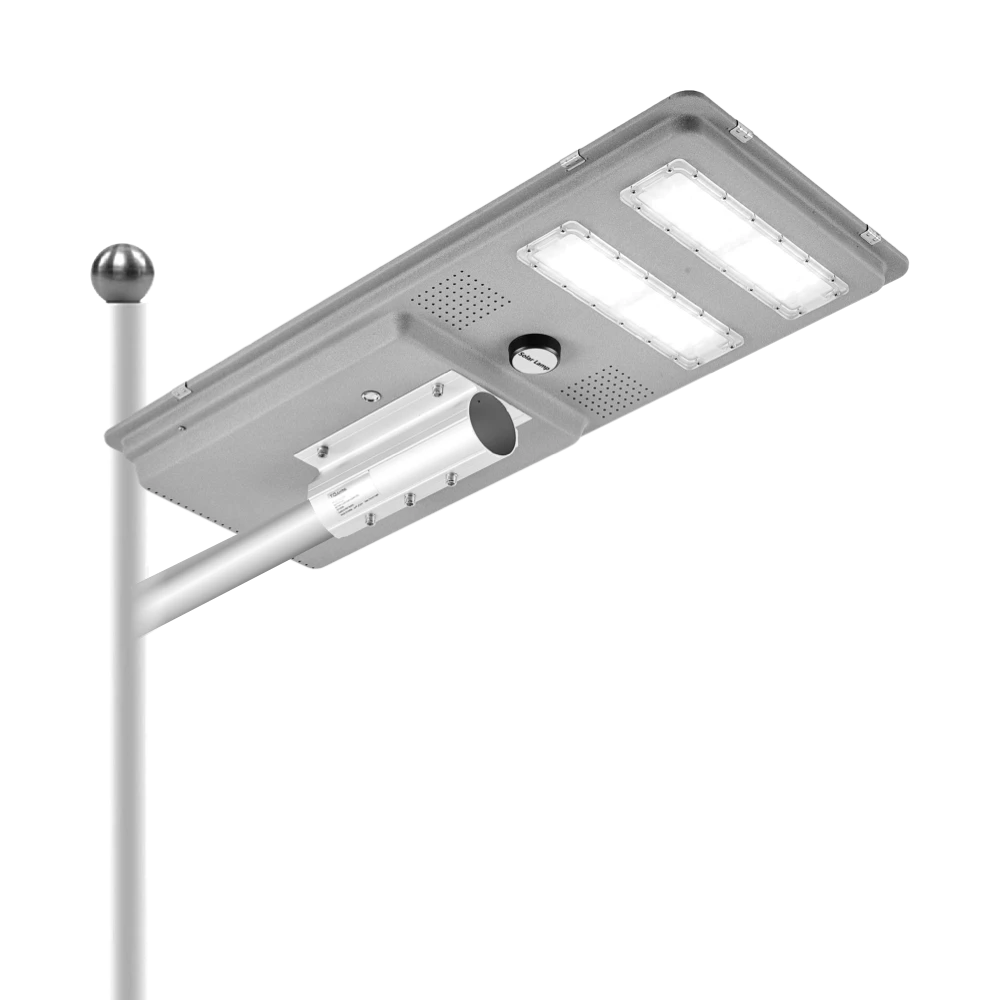
Queneng’s Solar Street Lights are designed to provide reliable, energy-efficient lighting for streets, parks, and other outdoor spaces.
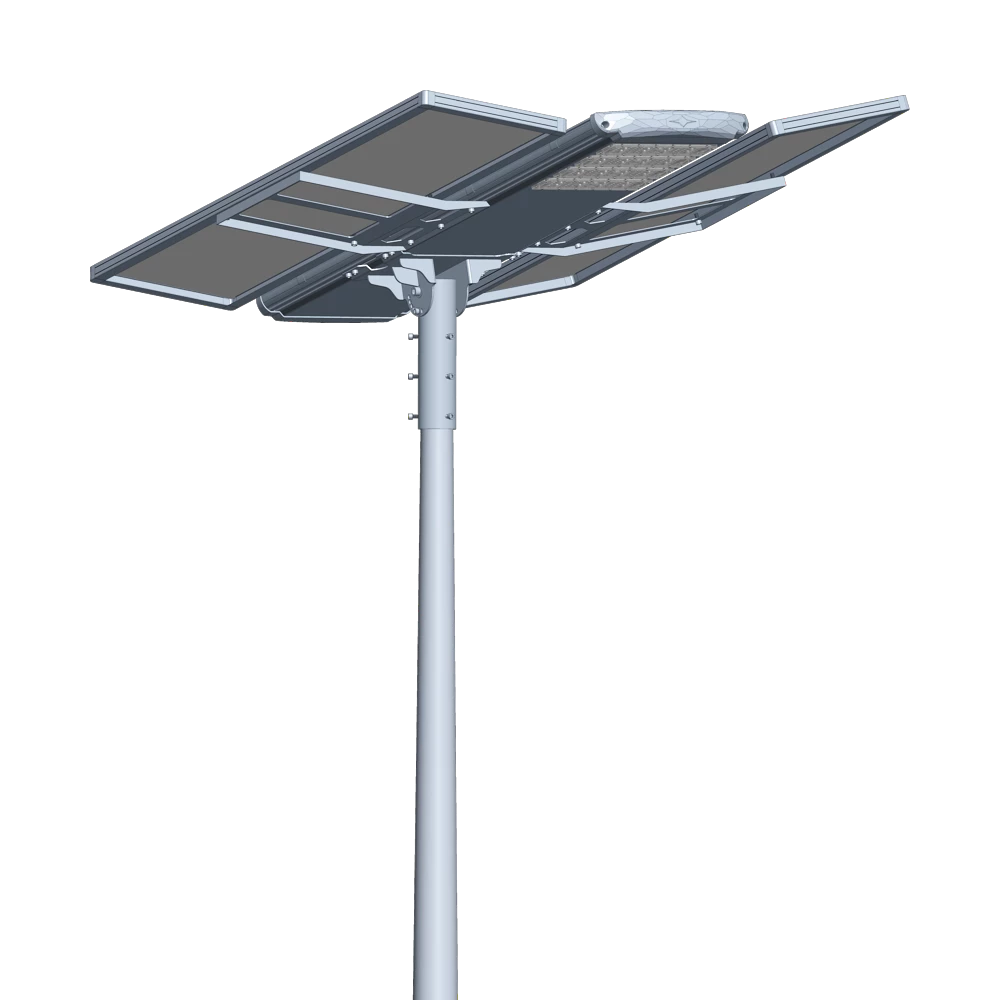
Introducing the Luqing Solar Street Light by Queneng, Efficient LED lighting powered by solar energy is perfect for illuminating outdoor areas. Harness the power of solar energy for sustainable, reliable street lighting. Ideal for eco-friendly, cost-effective outdoor illumination solutions.
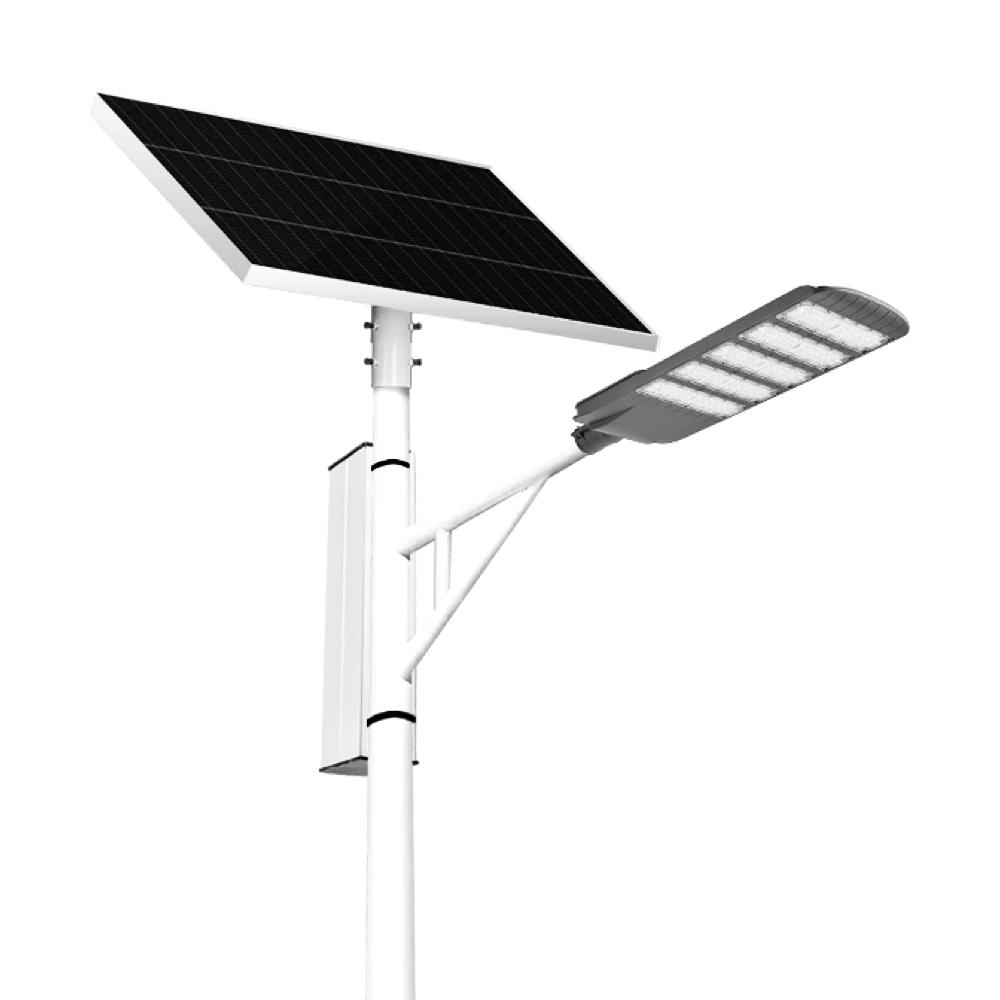
The Solar Streetlights of Luhao for Municipalities are designed to deliver reliable, energy-efficient, and cost-effective public lighting solutions. Equipped with advanced LED technology, durable lithium batteries, and high-efficiency solar panels, these streetlights provide consistent illumination for roads, parks, residential areas, and government projects.
Our professional team is ready to answer any questions and provide personalized support for your project.
You can reach us via phone or email to learn more about Queneng’s solar lighting solutions. We look forward to working with you to promote clean energy solutions!
Rest assured that your privacy is important to us, and all information provided will be handled with the utmost confidentiality.
By clicking 'Send Inquiry Now' I agree to Queneng processing my personal data.
To see how to withdraw your consent, how to control your personal data and how we process it, please see our Privacy Policy and Terms of use.
Schedule a Meeting
Book a date and time that is convenient for you and conduct the session in advance.
Have more questions about our products or services?
The messenger of light & power conversion
Environmental protection and intelligent manufacturing are our brand philosophy, and quality assurance and the best user experience are our eternal promises to users.
CONTACT
No.9F, Building F, Cao San Xin Tian Hong Logistics Park, Guzhen Town, Zhongshan City, Guangdong Province, China.
or write [email protected]
WhatsApp: +86 136 2270 1011


