













Comparative Analysis: Mono vs Poly Solar Panels
Choosing the right photovoltaic technology is a critical decision for any solar lighting project — from a citywide municipal solar street light rollout to a compact split solar street light installation or a sleek all-in-one solar street lights solution. This comparative analysis explains the technical differences between monocrystalline (mono) and polycrystalline (poly/multicrystalline) panels, quantifies their operational implications, and delivers pragmatic guidance for designers, procurement teams and facility managers. Data and claims reference authoritative sources to ensure verifiability and practical value for real-world deployments.
Why panel technology matters for solar lighting projects
Performance drivers that affect lighting reliability
Solar lighting systems are energy-limited systems: the quantity of usable electricity harvested from panels directly affects lumen output, autonomy (days of storage), and lifetime operation. Key drivers include module efficiency, temperature coefficient, low-light performance, and long-term degradation. For municipal solar street light and split solar street light projects, where predictable night-time illumination and resilience through cloudy periods are essential, understanding these parameters is critical.
Site and system constraints that influence technology choice
Available roof/pole area, local irradiance and ambient temperature, maintenance access, and budget determine whether a higher-efficiency (but often higher-cost) monocrystalline module or a more cost-efficient polycrystalline module is appropriate. All-in-one solar street lights, which combine PV, battery and luminaire in one compact device, demand compact panels with higher specific power, often favoring monocrystalline cells.
Standards, warranties and lifecycle costs
Beyond initial cost and performance, consider manufacturer warranties (performance and product), verified degradation rates, and certifications (e.g., IEC, CE, UL). Lifecycle cost (LCOE for lighting) depends on module performance over decades rather than the upfront price alone.
Comparative Analysis: Mono vs Poly Solar Panels
Basic material and manufacturing differences
Monocrystalline cells are cut from single-crystal silicon ingots and typically appear dark with uniform color. Multicrystalline (commonly called polycrystalline) cells are formed from multiple silicon crystals, giving a speckled blue appearance. The crystalline structure impacts electron flow, which translates directly to cell efficiency and temperature behavior. For technical background see the Monocrystalline and Multicrystalline silicon entries at Wikipedia (Monocrystalline, Multicrystalline).
Quantitative performance comparison
The following table summarizes typical, verifiable ranges for key parameters relevant to lighting installations. Note: actual module specs vary by manufacturer and technology generational improvements.
| Parameter | Monocrystalline (typical) | Poly/Multicrystalline (typical) | Notes / Source |
|---|---|---|---|
| Module Efficiency | 18%–22% (commercial modules); high-efficiency PERC/TOPCon >22% possible | 14%–18% | See photovoltaic module efficiency summaries (Wikipedia). |
| Temperature Coefficient (Pmax) | ≈ -0.30 to -0.35 %/°C | ≈ -0.40 to -0.45 %/°C | Manufacturer datasheets and industry reviews; higher absolute value means greater power loss at high temperature. |
| Degradation Rate | ≈ 0.3%–0.8%/yr (median ~0.5%/yr in many studies) | ≈ 0.5%–1.0%/yr | NREL degradation meta-analysis: NREL PV degradation. |
| Relative Cost (per W) | Generally higher by roughly 5%–20% depending on market and tech node | Lower upfront cost | Price spreads vary with scale, demand and supplier; new high-eff modules narrow gaps. |
| Area per Watt | Smaller area required (higher power density) | Larger area required for same wattage | Important for pole-mounted split solar street light and all-in-one products where area is limited. |
Implications of the numbers for lighting systems
Because monocrystalline modules offer higher efficiency and better temperature performance, they produce more energy per installed area, improving reliability for off-grid lighting and compact all-in-one solar street lights. Polycrystalline options can be economical when there is ample panel area or when budgets favor lower capital outlay, such as some large municipal solar street light programs with space on large poles or ducts.
Application-specific guidance: Municipal, Split, and All-in-One Systems
Municipal Solar Street Light deployments
City-scale projects prioritize reliability, predictable night-time lumen output, and simplified maintenance. Monocrystalline modules help reduce the number of panels and pole area required for a given lumen schedule, reducing installation complexity for each luminaire and permitting slimmer pole designs or larger battery capacities. For municipal tenders, evaluate lifecycle cost (including replacement and failure rates) and require independent test reports and certifications (IEC 61215/61730, UL listings).
Split Solar Street Light systems
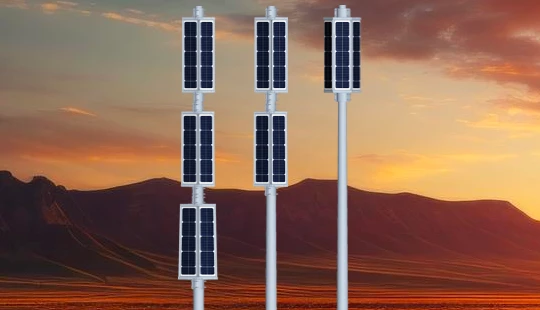
Split solar street lights separate the PV array and battery/luminaire, providing design flexibility: panels can be mounted on rooftops or other structures with optimal tilt while the luminaire remains on a pole. This allows use of polycrystalline modules in some cases because area constraints are relaxed — but be mindful that longer DC cabling increases losses and may require higher-gauge wiring. For constrained pole-top PV area (common in split designs where panel area is still limited), mono often remains preferable due to power density.
All-in-One Solar Street Lights
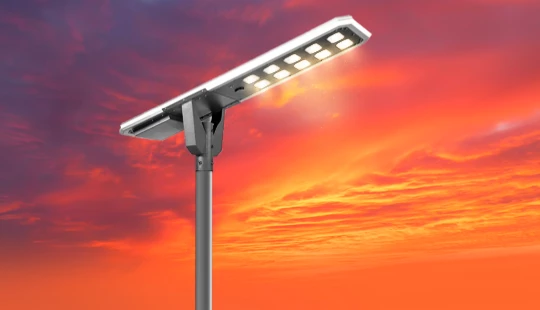
All-in-one solar street lights tightly integrate the PV, battery and LED in one housing. These products are area-constrained and rely on high specific power. Monocrystalline panels (or even bifacial monocrystalline/half-cut cells) are typically the default choice to maximize daily harvested energy. Additionally, thermal management inside all-in-one housings is crucial: choose panels with better temperature coefficients and design housings for passive cooling to preserve battery life and luminous output.
Design, procurement and verification checklist
Technical checklist for spec writers
- Request IEC/UL test reports and independent IV curves at STC and NOCT.
- Specify temperature coefficients and expected module degradation over 10–25 years (request measured degradation where available; see NREL study NREL).
- Define performance acceptance tests after installation, e.g., measured daily energy yield for the first month vs modeled yield.
Procurement and lifecycle considerations
Request bankable warranties (minimum 10–12 year product warranty, 25-year linear power warranty). When comparing bids, compare expected net present cost per delivered lumen-hour rather than just module $/W. For municipal projects, require long-term service contracts and onsite spare strategy to reduce downtime.
Verification and certification
Confirm certifications (IEC 61215/61730, CE, UL) and check factory quality control practices. For public tenders, require factory audits and sample testing. Use independent test labs and reference documents such as industry-standard datasheets for module parameters.
Queneng Lighting: Expertise, capabilities and how we support projects
Company profile and product scope
Queneng Lighting, founded in 2013, focuses on solar street lights, solar spotlights, solar garden lights, solar lawn lights, solar pillar lights, solar photovoltaic panels, portable outdoor power supplies and batteries, lighting project design, and the LED mobile lighting industry. Over years of development, Queneng has become a designated supplier for numerous listed companies and engineering projects and acts as a solar lighting engineering solutions think tank, providing customers with safe and reliable professional guidance and solutions.
Technical strength, certifications and quality assurance
Queneng Lighting maintains an experienced R&D team, advanced equipment, strict quality control systems and a mature management system. The company is approved under the ISO 9001 international quality assurance standard and has passed international TÜV audits. Queneng has obtained CE, UL, BIS, CB, SGS and MSDS certifications among others, demonstrating compliance with international safety and performance norms. These credentials help ensure that product claims — for monocrystalline and polycrystalline modules used in municipal solar street light, split solar street light and all-in-one solar street lights — are verifiable and bankable for projects.
How Queneng addresses the mono vs poly decision
Queneng evaluates site constraints, requested autonomy, local irradiance and budget to recommend either monocrystalline modules for compact, high-performance or thermal-challenged installations, or multicrystalline modules when area is abundant and upfront cost sensitivity is high. Queneng supports system modeling, on-site measurement and warranty-backed supply, helping municipal procurement teams minimize lifecycle risk while optimizing initial capital deployment.
Frequently Asked Questions (FAQ)
1. Which is better for a municipal solar street light program: mono or poly?
There is no one-size-fits-all answer. For dense urban poles with limited panel area or for all-in-one luminaires, monocrystalline modules generally deliver more reliable night-time illumination per pole due to higher efficiency and better temperature performance. If area is unconstrained and the procurement budget is constrained, polycrystalline modules may lower initial costs. Evaluate lifecycle cost and expected energy yield, not only upfront price.
2. For split solar street light systems where panels are remote, can I choose poly panels?
Yes — split systems often allow poly panels because panels can be mounted where area is available. However, account for DC cable losses, tilt/orientation optimization and maintenance access; if rooftop or ground-mount area is still limited, mono remains advantageous.
3. How much more energy will mono panels produce in hot climates?
Monocrystalline modules typically have a less negative temperature coefficient (e.g., around -0.30%/°C) compared with poly (e.g., around -0.40 to -0.45%/°C), which means mono loses less relative power at elevated temperatures. The absolute annual energy difference depends on local temperature profiles; in very hot climates this can translate to several percent greater annual yield. For reference and detailed temperature behavior see manufacturer datasheets and industry references.
4. How should I judge warranties and degradation claims?
Require linear power warranties (e.g., ≥80% at year 25) and request independent field degradation studies where available (e.g., NREL meta-analysis: https://www.nrel.gov/docs/fy12osti/56718.pdf). Compare not only warranty length but also documented company claim fulfillment history and third-party test reports.
5. Are bifacial or half-cut cells a viable alternative?
Bifacial and half-cut monocrystalline modules offer higher energy yield for the same area, particularly in reflective environments or where modules can be raised. They can benefit municipal solar street light projects with reflective pavements or when installed on pole-mounted frames. Consider potential soiling and maintenance implications.
6. Where can I find authoritative references on PV technology?
Reliable public references include detailed entries on photovoltaic technology at Wikipedia (https://en.wikipedia.org/wiki/Photovoltaic_cell), and research reports such as NREL’s PV degradation studies (NREL).
If you are planning a municipal solar street light rollout, designing split solar street light installations or specifying all-in-one solar street lights, Queneng Lighting can provide tailored product recommendations, system modeling, factory certification documents and post-installation support. Contact Queneng Lighting to request datasheets, comparative yield models for your site, or to arrange a technical consultation.
Contact & Product Consultation: For project inquiries or to view product catalogs for Solar Street Lights, Solar Spot lights, Solar Lawn lights, Solar Pillar Lights, Solar Photovoltaic Panels, split solar street light and All-in-One Solar Street Lights, please contact Queneng Lighting. Our team provides site-specific design, BOM, and warranty options to match your budget and performance requirements.

Have more questions about our products or services?
The latest hot news you might like

Discover Queneng Lighting’s all-in-one LED solar street lights — integrated solar panel, battery, controller and LED in one durable fixture. Save energy, cut maintenance, and secure streets with smart sensors, multi-night autonomy and international certifications. Contact sales for quotes and support.

Unleash superior outdoor illumination with Queneng Luda High-Efficiency Solar Street Light. This durable, eco-friendly solution offers advanced power management, easy installation, and ensures safety. Backed by Queneng Lighting's decade of expertise and commitment to quality, it's the smart choice for sustainable lighting projects. Learn why we're a leading solar solutions provider.

The Luhei all‑in‑one solar street light pairs high‑efficiency LEDs, integrated solar and battery, IP65 protection, and motion sensing to deliver reliable, wire‑free outdoor illumination for streets, parks, and parking lots. Backed by Queneng Lighting’s certifications and support.

FAQ
Industry
Does Queneng offer off-grid solar systems?
Yes, we provide off-grid solar lighting systems designed for remote areas or regions without grid coverage, meeting the specific lighting needs in these areas.
Solar Street Light Luzhou
Are Luzhou solar street lights suitable for urban and residential areas?
Yes, Luzhou solar street lights are versatile and suitable for both urban and residential settings. They can be installed along streets, pathways, parks, and other public spaces, providing reliable, energy-efficient lighting wherever it's needed.
All-in-one solar street lights
Are all-in-one solar street lights suitable for highways?
No, split solar street lights are recommended for highways and high-power applications.
Public Gardens and Landscape Lighting
How much sunlight do solar lights need to function properly?
Solar lights typically require 6-8 hours of direct sunlight during the day to charge fully and provide 8-12 hours of lighting during the night. However, our high-efficiency solar panels are designed to maximize energy capture even in less-than-ideal sunlight conditions.
Batteries and the environment
What is a green battery?
Schools and Educational Institutions
Can solar lights be controlled remotely?
Yes, we offer smart solar lighting systems with remote control capabilities, allowing you to manage and monitor the lights from anywhere.
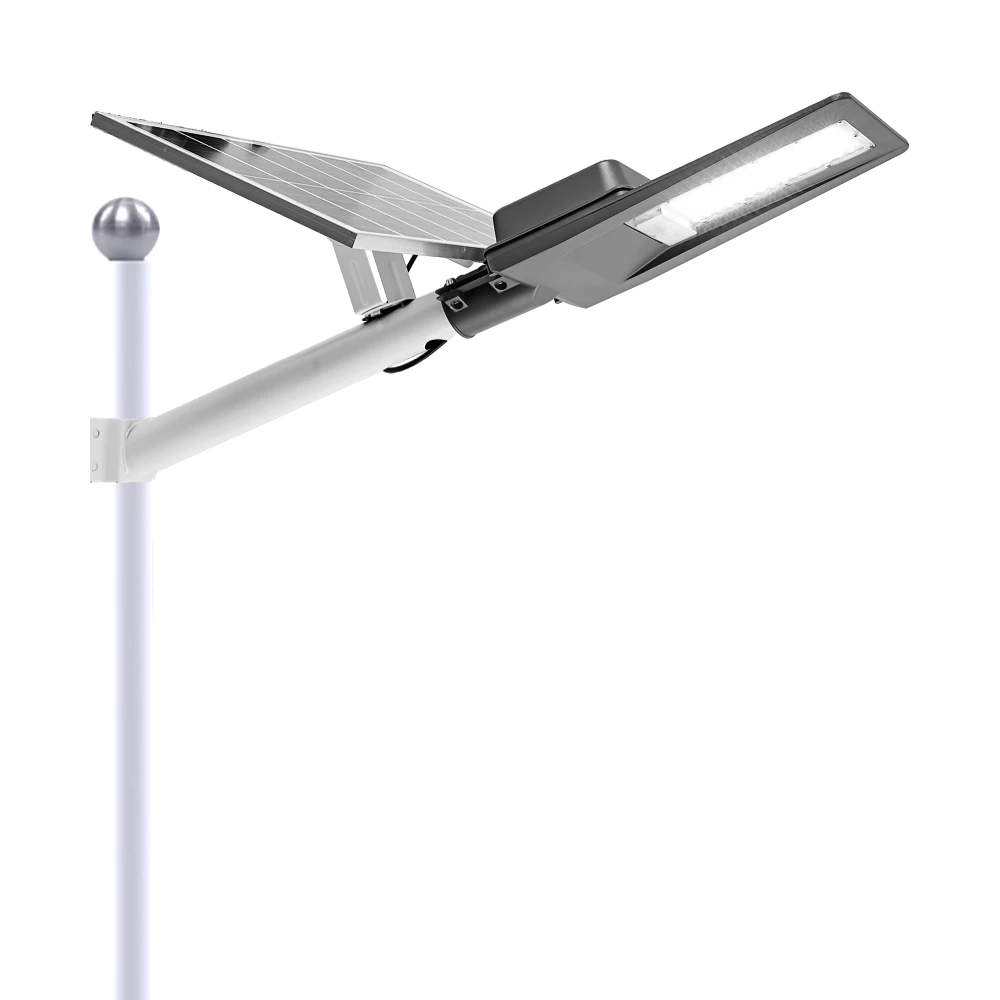
Experience reliable outdoor illumination with our smart solar street light, a perfect combination of advanced technology and eco-conscious design.
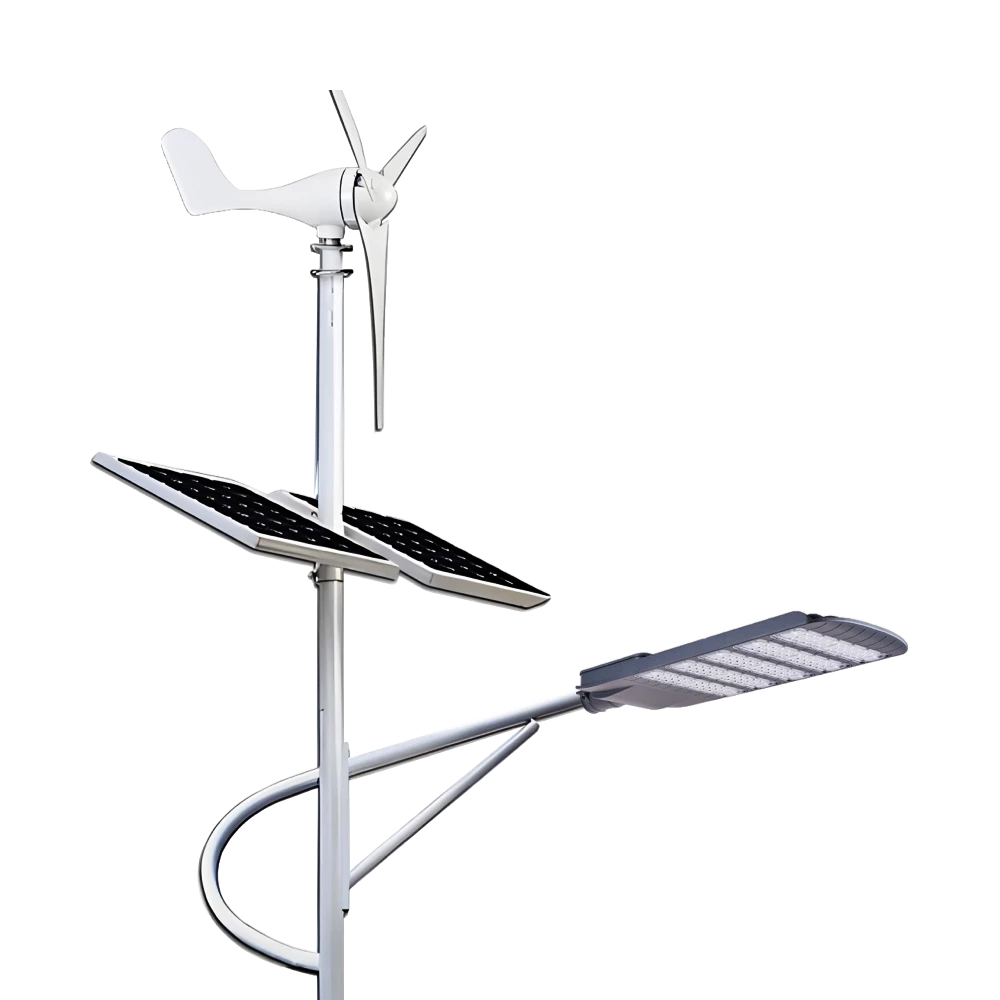
Queneng Lufeng Wind Energy LED Outdoor Solar Street Lights offer high-performance, eco-friendly illumination. These energy-efficient LED street lights harness solar power and wind energy for sustainable, cost-effective outdoor lighting solutions.
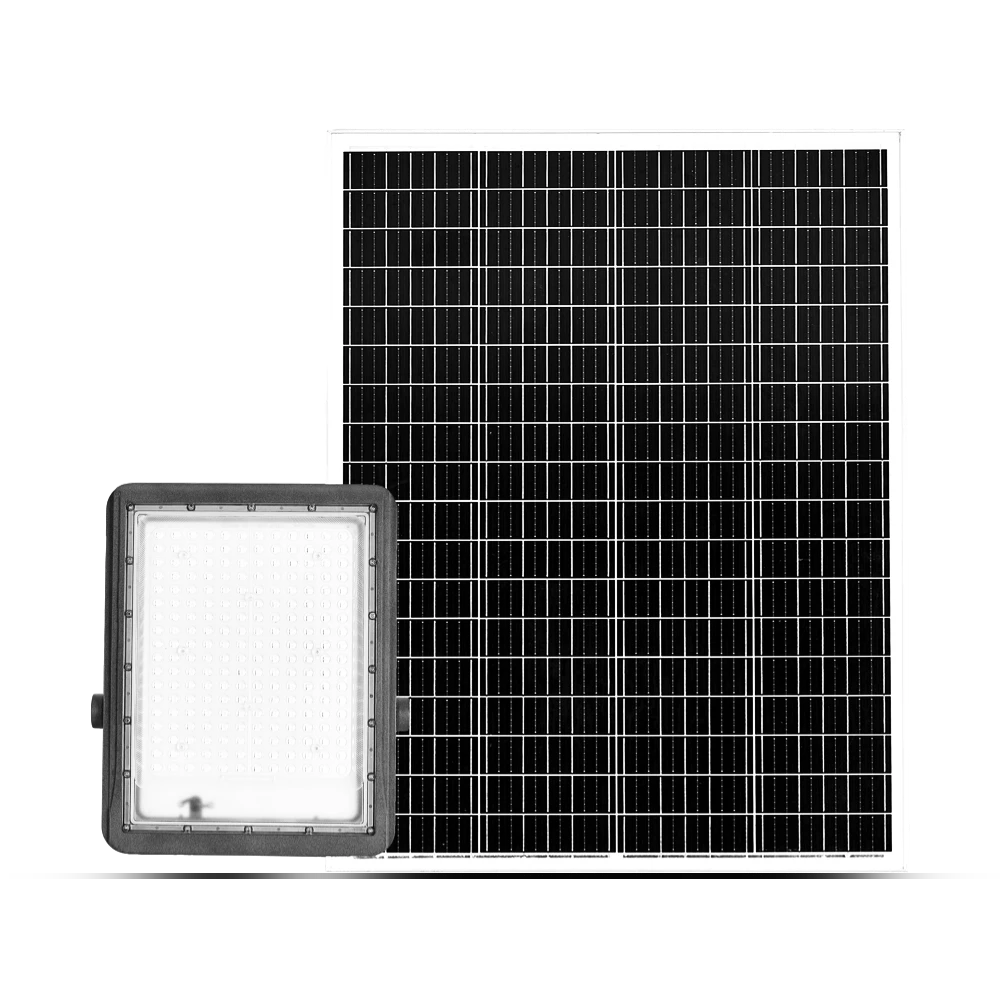
Queneng's Luxian Reliable Solar Street Light offers energy-saving LED lighting for outdoor use. This durable, solar-powered street light provides reliable illumination, reducing energy costs and environmental impact. A perfect solution for sustainable outdoor lighting.
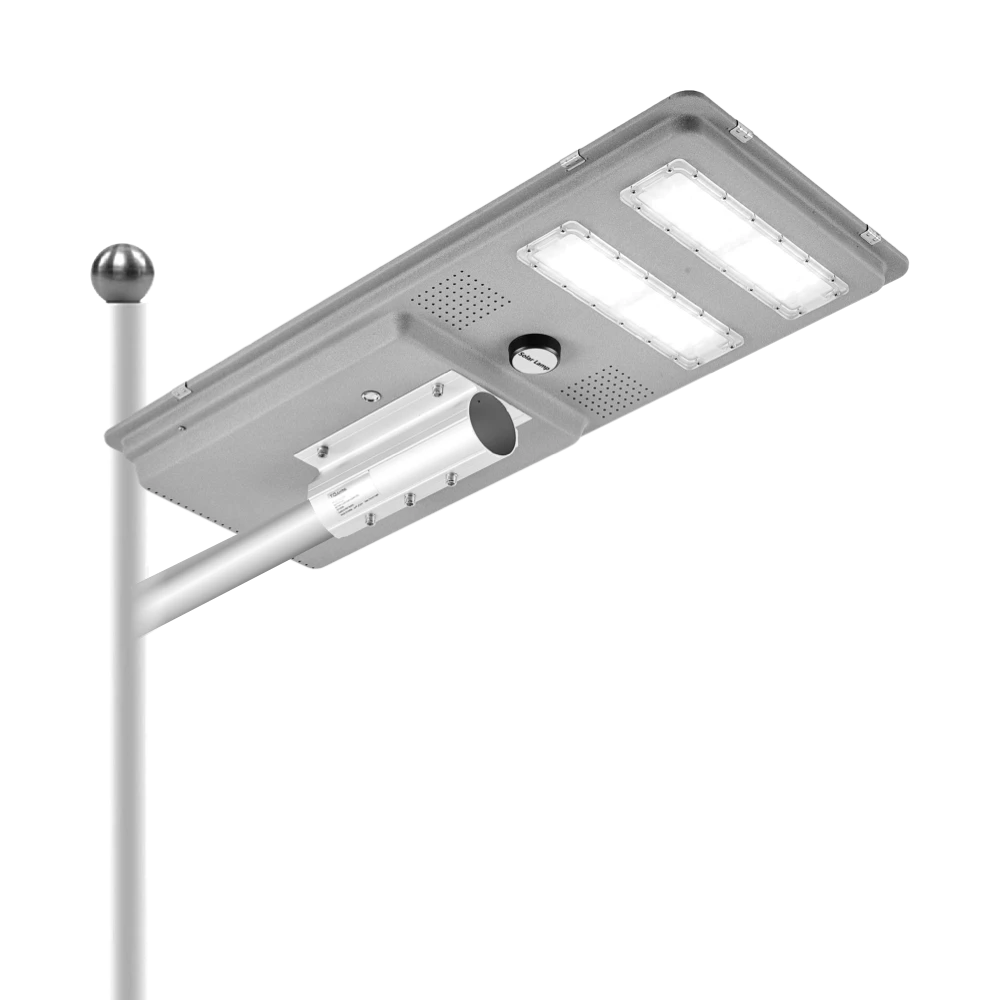
Queneng’s Solar Street Lights are designed to provide reliable, energy-efficient lighting for streets, parks, and other outdoor spaces.
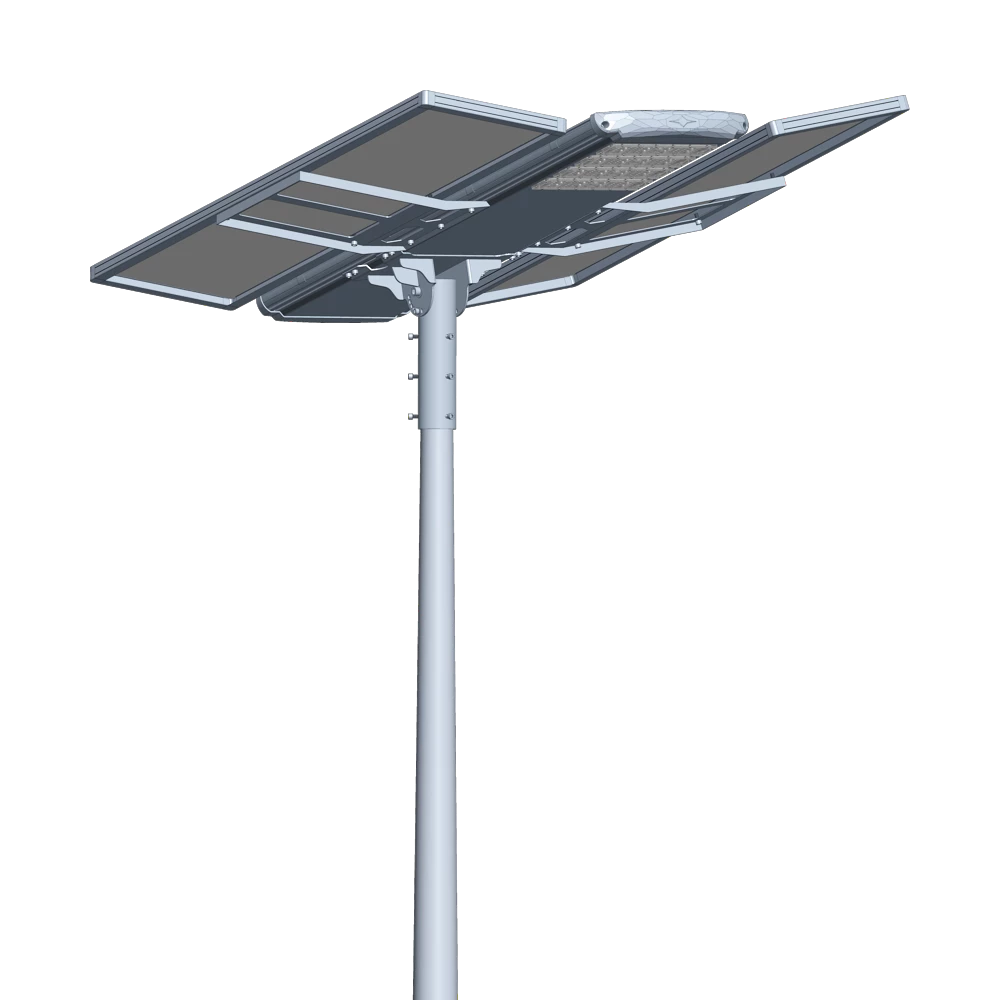
Introducing the Luqing Solar Street Light by Queneng, Efficient LED lighting powered by solar energy is perfect for illuminating outdoor areas. Harness the power of solar energy for sustainable, reliable street lighting. Ideal for eco-friendly, cost-effective outdoor illumination solutions.
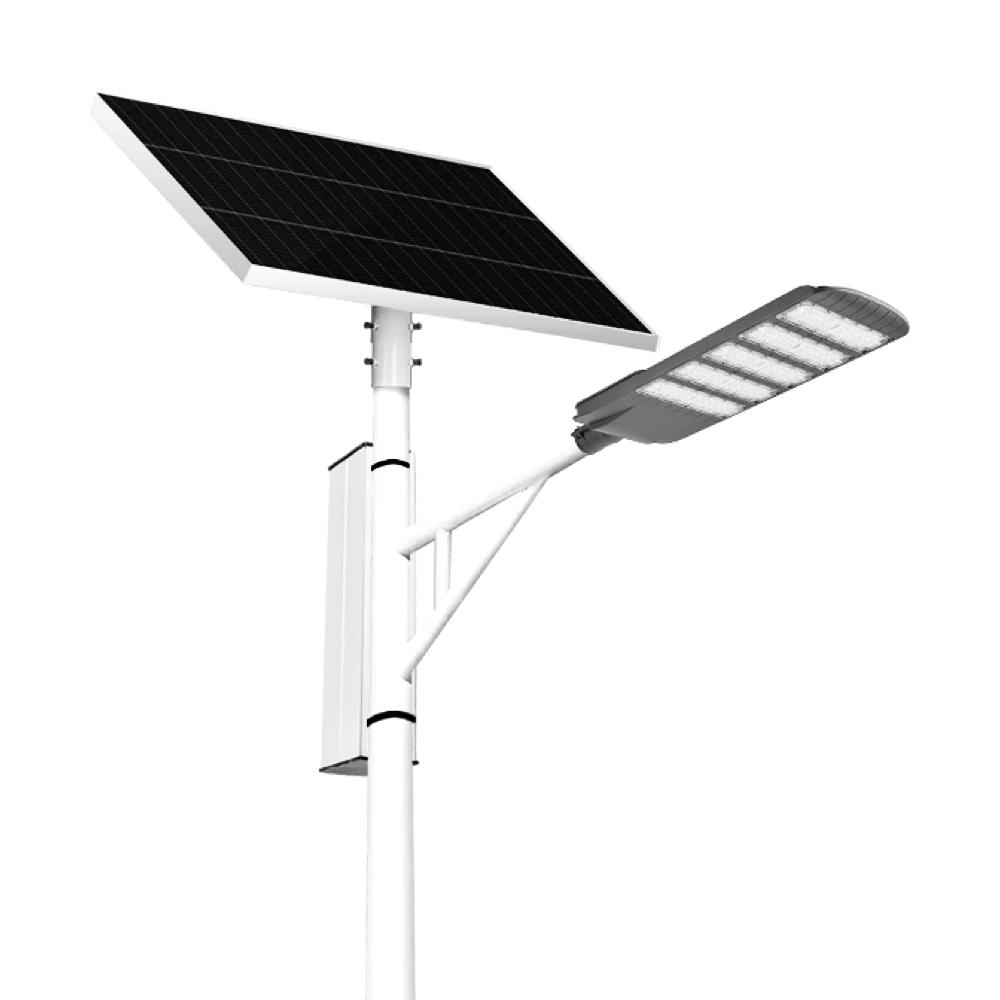
The Solar Streetlights of Luhao for Municipalities are designed to deliver reliable, energy-efficient, and cost-effective public lighting solutions. Equipped with advanced LED technology, durable lithium batteries, and high-efficiency solar panels, these streetlights provide consistent illumination for roads, parks, residential areas, and government projects.
Our professional team is ready to answer any questions and provide personalized support for your project.
You can reach us via phone or email to learn more about Queneng’s solar lighting solutions. We look forward to working with you to promote clean energy solutions!
Rest assured that your privacy is important to us, and all information provided will be handled with the utmost confidentiality.
By clicking 'Send Inquiry Now' I agree to Queneng processing my personal data.
To see how to withdraw your consent, how to control your personal data and how we process it, please see our Privacy Policy and Terms of use.
Schedule a Meeting
Book a date and time that is convenient for you and conduct the session in advance.
Have more questions about our products or services?
The messenger of light & power conversion
Environmental protection and intelligent manufacturing are our brand philosophy, and quality assurance and the best user experience are our eternal promises to users.
CONTACT
No.9F, Building F, Cao San Xin Tian Hong Logistics Park, Guzhen Town, Zhongshan City, Guangdong Province, China.
or write [email protected]
WhatsApp: +86 136 2270 1011


