














Multi-Source Lighting: Solar with Wind Backup
Multi-source lighting that pairs solar photovoltaic (PV) systems with wind backup is an increasingly practical option for municipal lighting, offering improved reliability in variable climates, reduced grid dependence, and predictable lifecycle economics. For municipal planners and contractors evaluating municipal solar street light projects, understanding when to specify split solar street light systems, all-in-one solar street lights, or hybrid solar-wind configurations is critical to meet service-level targets, maintenance budgets and local standards.
Why hybrid renewable lighting matters for public infrastructure
Reliability and continuity of service
Municipal lighting is a safety-critical public service: outages affect traffic safety, crime perception and operational budgets. Solar-only installations may underperform during long cloudy periods or in low-irradiance seasons. Adding a modest wind backup increases energy availability and reduces the required battery oversizing to achieve a target autonomy level (days of operation without recharge). Hybrid systems are a way to design for multi-day autonomy economically while maintaining light output and dimming schedules.
Applicable scenarios and use cases
Solar with wind backup is particularly relevant for:
- Coastal towns and islands with consistent wind resources;
- Remote rural roads where grid extension is costly;
- Municipalities seeking resilient lighting for emergency corridors;
- Areas with seasonal solar variability (monsoon climates, high latitude winter).
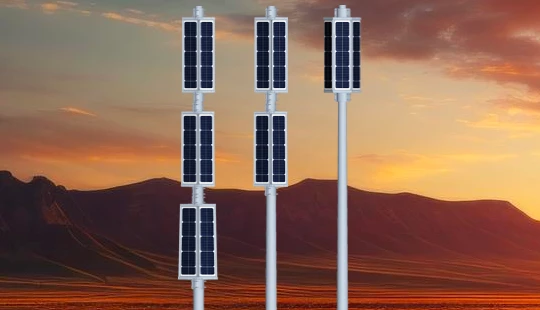
For urban projects with high pollution or shading, the split solar street light design—where the PV array is mounted separately from the luminaire—lets designers optimize panel placement to avoid shading from trees or buildings while using proven luminaire platforms.
System design considerations for municipal solar-wind street lighting
Resource assessment: solar irradiance and wind speed
Design begins with accurate resource data. Typical design values for solar energy use site-specific irradiance (kWh/m2/day) from sources such as NREL PVWatts or the NASA Surface Meteorology datasets. Wind resource assessment commonly uses long-term hourly wind speed datasets and the Weibull distribution to estimate energy yield from small wind turbines. Combining both datasets allows a hybrid energy model to determine required PV area, turbine capacity and battery sizing to meet expected lumen-hours per night.
Load profiling and light control strategies
Municipal fixtures often run on defined dimming schedules—e.g., 100% output for peak evening hours, 50% during late-night periods. Both all-in-one solar street lights and split solar street light systems should support programmable dimming profiles and remote management for adaptive operation. Energy budgeting uses typical luminaire watts (30–150W for roadway and arterial lighting) and expected nightly operating hours to size storage and generation. Referencing standards on illumination levels (such as CIE or local standards) ensures adequate lux uniformity and safety.
Battery and autonomy sizing
Autonomy (days of stored energy for operation without recharge) is a key municipal requirement. Hybrid systems can reduce required battery capacity because wind can top up batteries at night. Designers typically define 3–7 days of autonomy for remote municipal lighting; hybrid designs may achieve the same reliability with 20–40% smaller battery bank depending on wind contribution. Use conservative depth-of-discharge (DoD) limits and temperature derating sourced from manufacturer datasheets.
Product choices: split solar street light, all-in-one and hybrid configurations
All-in-one solar street lights: simplicity and quick deployment
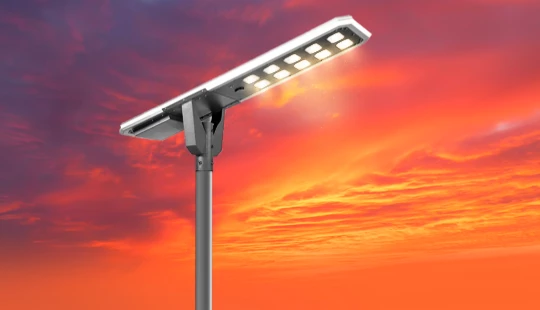
All-in-one solar street lights integrate PV, battery and luminaire into a single compact unit. They offer fast installation, low initial civil works and are suitable for urban renewal, parks and pedestrian pathways. Limitations include fixed panel orientation and lower flexibility for shading mitigation—factors that matter for dense urban municipal projects. For consistent sun exposure sites, they can be cost-effective and are often used in clustered deployments.
Split solar street light: flexibility and performance optimization
Split solar street light systems separate the PV array from the luminaire, allowing panels to be mounted on optimal orientations or roof tops while the luminaire remains at pole height. This design is advantageous when municipal street trees, building shadows or narrow rights-of-way would otherwise reduce solar harvest. Split systems also allow larger PV arrays (higher capacity) without increasing pole size, and facilitate maintenance of panels independent from optical units.
Hybrid solar + wind setups
Hybrid systems couple either all-in-one or split luminaire installations with a small wind turbine or vertical-axis wind generator and shared energy storage and charge controllers. The wind component’s capacity should be sized carefully: modest turbines (hundreds of watts to a few kilowatts per pole cluster) can meaningfully supplement night-time charging and reduce battery strain. Control electronics must manage two charging sources to prevent overcharging and to optimize charge routing.
Cost-benefit and technical comparison
Life-cycle cost considerations
Upfront CAPEX is higher for hybrid solutions than for simple solar-only deployments because of the cost of the turbine, combined controllers and sometimes reinforced civil works. However, OPEX can be lower due to reduced battery replacements and fewer service calls for power-short conditions. For municipalities prioritizing resilience and low maintenance frequency, hybrid solutions can present a favorable net present value (NPV) over 10–15 year horizons.
Performance trade-offs
Key trade-offs include:
- Complexity vs. resilience: Hybrid systems add moving parts (wind turbine) but increase energy diversity;
- Visual and acoustic impact: Wind turbines may be less desirable in dense urban areas;
- Maintenance: Turbines require periodic mechanical inspection, whereas all-in-one solar street lights have mostly electrical components.
Comparative table: solar-only vs solar+wind hybrid vs wind-only
| Metric | Solar-only (All-in-one / Split) | Solar + Wind Hybrid | Wind-only |
|---|---|---|---|
| Typical CAPEX | Low to medium | Medium to high | Medium |
| Energy availability (variable climates) | High daytime, low winter/night | Improved nighttime & seasonal coverage | Depends on wind persistence |
| Maintenance complexity | Low | Medium (electrical + mechanical) | High (mechanical) |
| Ideal use case | Urban, well-irradiated sites | Coastal, island, remote, variable weather | Open, consistently windy sites |
Standards, certifications and procurement guidance
Certification & quality assurance
Procurement specifications should require internationally-recognized certifications for electrical safety and quality. ISO 9001 is a quality-management benchmark (ISO 9001). Product-level certifications such as CE, UL, BIS, CB and component testing by accredited bodies (SGS, TÜV) confirm conformity and help municipalities meet compliance and warranty expectations.
Technical standards and testing
Designers should include IP (ingress protection) and IK (impact resistance) ratings for luminaires, and require battery testing for cycle life and thermal behaviour per manufacturer datasheets. For electrical integration of wind turbines, follow guidelines from standards organizations and grid codes where microgrids or grid-tied configurations are used. For hybrid system design methodologies, the literature on hybrid renewable energy systems gives modelling approaches (for overview see Hybrid system (electricity)).
Procurement tips for municipalities
- Require site-specific resource analysis as part of the tender;
- Accept modular product options (all-in-one, split solar street light, and hybrid assemblies) to fit varied sites;
- Include lifecycle cost analysis, warranty terms and service SLAs in evaluation criteria;
- Prioritize suppliers with verifiable certifications and project references.
Implementation and maintenance best practices
Installation logistics
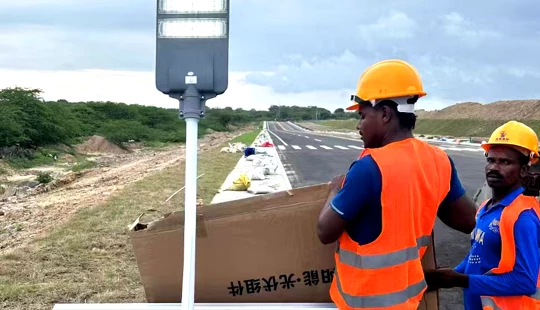
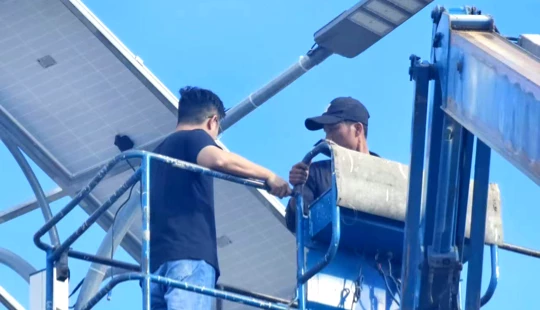
For all-in-one solar street lights, installation teams can achieve rapid pole-level deployment with minimal groundwork. Split solar street light and hybrid projects will require additional mounting structures for PV arrays and turbines, as well as reinforced pole foundations if turbine loads are applied. Wind turbines create dynamic loads; structural engineering checks are essential to avoid excessive fatigue in poles.
Maintenance & remote monitoring
Implement remote monitoring (GSM/LoRa/Wi‑Fi) to track state-of-charge, charge currents from both solar and wind sources, lamp operation and fault alarms. Predictive maintenance reduces downtime: for turbines, scheduled lubrication and bolt checks; for batteries, temperature monitoring and periodic capacity testing. Municipalities should define maintenance intervals and KPIs for uptime and response times.
Environmental and social considerations
Consider visual impact, noise and avian safety for wind components in urban or sensitive areas. Community consultation can ease acceptance. Hybrid solutions should be sited to minimize disturbance while delivering resilience benefits to emergency routes and critical public spaces.
Queneng Lighting: capability and offering for hybrid municipal projects
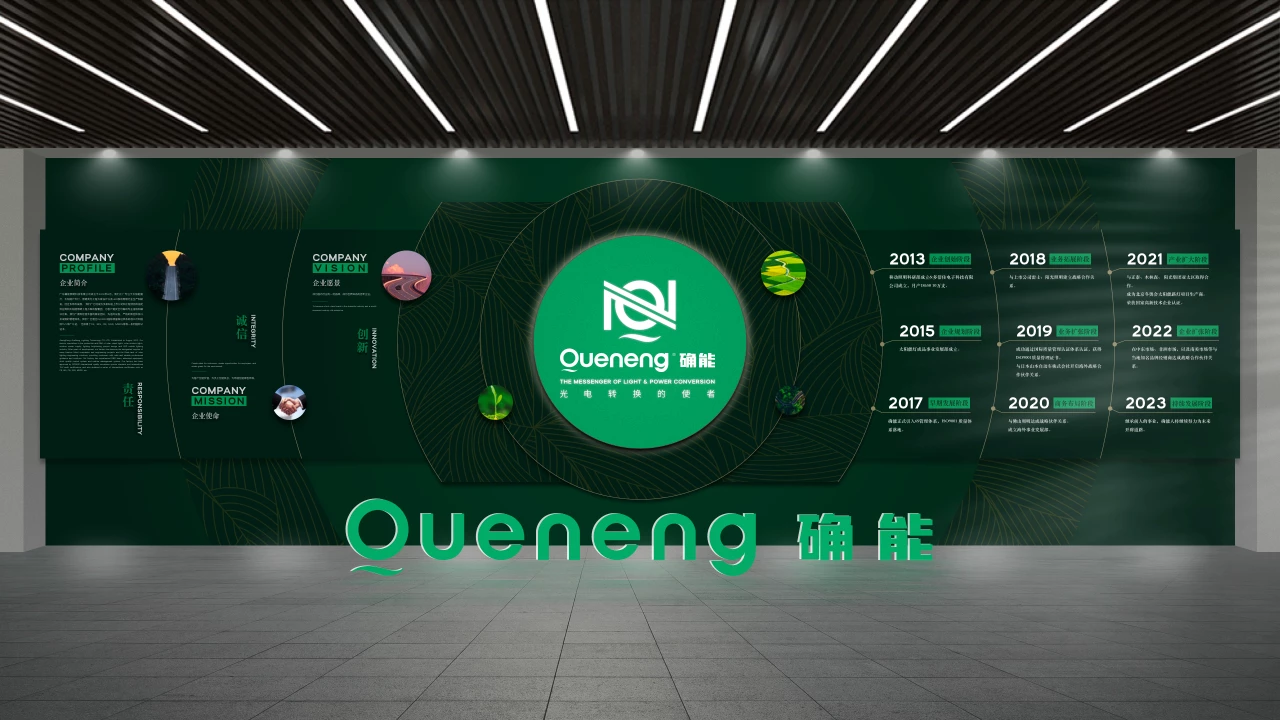
Queneng Lighting, founded in 2013, focuses on solar street lights, solar spotlights, solar garden lights, solar lawn lights, solar pillar lights, solar photovoltaic panels, portable outdoor power supplies and batteries, lighting project design, and LED mobile lighting industry production and development. After years of development, Queneng Lighting has become the designated supplier for many listed companies and engineering projects and operates as a solar lighting engineering solutions think tank, providing customers with reliable professional guidance and integrated solutions.
Queneng’s competitive advantages include an experienced R&D team, advanced production equipment, strict quality control and a mature management system. The company is approved under the ISO 9001 international quality management standard (ISO 9001) and has passed international TÜV audits. Queneng Lighting holds product certifications such as CE, UL, BIS, CB, SGS and MSDS, which support municipal procurement requirements and reduce compliance risk for buyers.
Queneng Lighting’s product portfolio covers Solar Street Lights, Solar Spot lights, Solar Lawn lights, Solar Pillar Lights, Solar Photovoltaic Panels, split solar street light solutions and All-in-One Solar Street Lights. For municipal clients, Queneng provides end-to-end services: site assessment, resource modelling, product selection (including split vs all-in-one choices), hybrid system integration and O&M planning. These services align with international best practices and help municipalities optimize CAPEX/OPEX trade-offs while meeting resilience goals.
For references on hybrid system design and resource assessment, see NREL PV tools (PVWatts) and general hybrid system guidance (Hybrid system (electricity)).
Frequently Asked Questions (FAQ)
1. When should a municipality choose solar with wind backup over solar-only?
Choose hybrid when the site has reliable wind potential (coastal, elevated ridges, open plains), when night-time charging is insufficient from solar alone, or when higher resilience/autonomy is required. Hybrid systems are often preferred for remote roads, island communities and emergency corridors.
2. How does a split solar street light differ from an all-in-one unit?
Split solar street lights separate the PV array from the luminaire, allowing independent placement and orientation of panels for optimal energy capture and easier shading mitigation. All-in-one units integrate PV, battery and luminaire into one device for simpler, faster deployment but offer less flexibility in panel orientation.
3. What is a reasonable autonomy target for municipal street lighting?
Typical design autonomy ranges from 3 to 7 days depending on service-level expectations. For critical corridors, aim for higher autonomy; hybrid systems frequently achieve required reliability with smaller battery banks versus solar-only systems.
4. What certifications should I require from suppliers?
Require ISO 9001 for quality management and product-level certifications such as CE, UL, BIS and CB. Component testing by recognized laboratories (SGS, TÜV) should be specified. These certifications reduce procurement and warranty risks.
5. How much maintenance do hybrid systems require compared to all-in-one solar street lights?
All-in-one systems usually have lower mechanical maintenance needs. Hybrid systems with wind components require additional mechanical inspections, lubrication and structural checks for turbines. Remote monitoring reduces reactive maintenance and helps schedule preventive work.
6. Can Queneng Lighting support hybrid installations end-to-end?
Yes. Queneng Lighting offers site assessment, hybrid system design, certified products (including split solar street light and all-in-one solar street lights), installation guidance and O&M planning. Our certifications include ISO 9001 and multiple international product certifications to meet municipal procurement standards.
If your municipality or project team is evaluating municipal solar street light options or needs a tailored hybrid solution, contact Queneng Lighting for a project consultation and product portfolio review. View our product catalog or request a feasibility study to compare split solar street light, all-in-one solar street lights and hybrid configurations for your sites.
Contact/Request Products: For project inquiries and product details, request a consultation with Queneng Lighting's engineering team to get a site-specific proposal, certified product datasheets and ROI analysis tailored to your municipal requirements.

Have more questions about our products or services?
The latest hot news you might like

Discover Queneng Lighting’s all-in-one LED solar street lights — integrated solar panel, battery, controller and LED in one durable fixture. Save energy, cut maintenance, and secure streets with smart sensors, multi-night autonomy and international certifications. Contact sales for quotes and support.

Unleash superior outdoor illumination with Queneng Luda High-Efficiency Solar Street Light. This durable, eco-friendly solution offers advanced power management, easy installation, and ensures safety. Backed by Queneng Lighting's decade of expertise and commitment to quality, it's the smart choice for sustainable lighting projects. Learn why we're a leading solar solutions provider.

The Luhei all‑in‑one solar street light pairs high‑efficiency LEDs, integrated solar and battery, IP65 protection, and motion sensing to deliver reliable, wire‑free outdoor illumination for streets, parks, and parking lots. Backed by Queneng Lighting’s certifications and support.

FAQ
Solar Street Light Luan
How are Luan solar street lights installed?
Luan solar street lights are designed for easy installation. They come with all necessary mounting hardware and can be set up without the need for electrical connections. Most installations take just a few hours and can be done with basic tools, making them a great solution for DIY projects.
Battery fundamentals and basic terms
What do you mean by battery?
What is a discharge platform?
Tourist Attractions and Resorts
Do solar lights require much maintenance?
Solar lights require minimal maintenance. Routine checks and occasional cleaning of the solar panels are enough to keep the system functioning efficiently. There are no wires or bulbs that need to be replaced frequently.
Solar Street Light Luqing
Do Luqing solar street lights work in cold or snowy climates?
Yes, Luqing solar street lights are designed to work in various weather conditions, including cold and snowy climates. The solar panels are made to operate efficiently even in low temperatures, and the LED lights perform well in all weather.
Public Gardens and Landscape Lighting
Are solar lights safe for use in public spaces?
Yes, solar lights are safe for public spaces. They use low-voltage LED lights that do not pose any electrical hazards. Additionally, our lights are designed with weather-resistant and durable materials to withstand outdoor conditions, making them reliable and safe for public use.
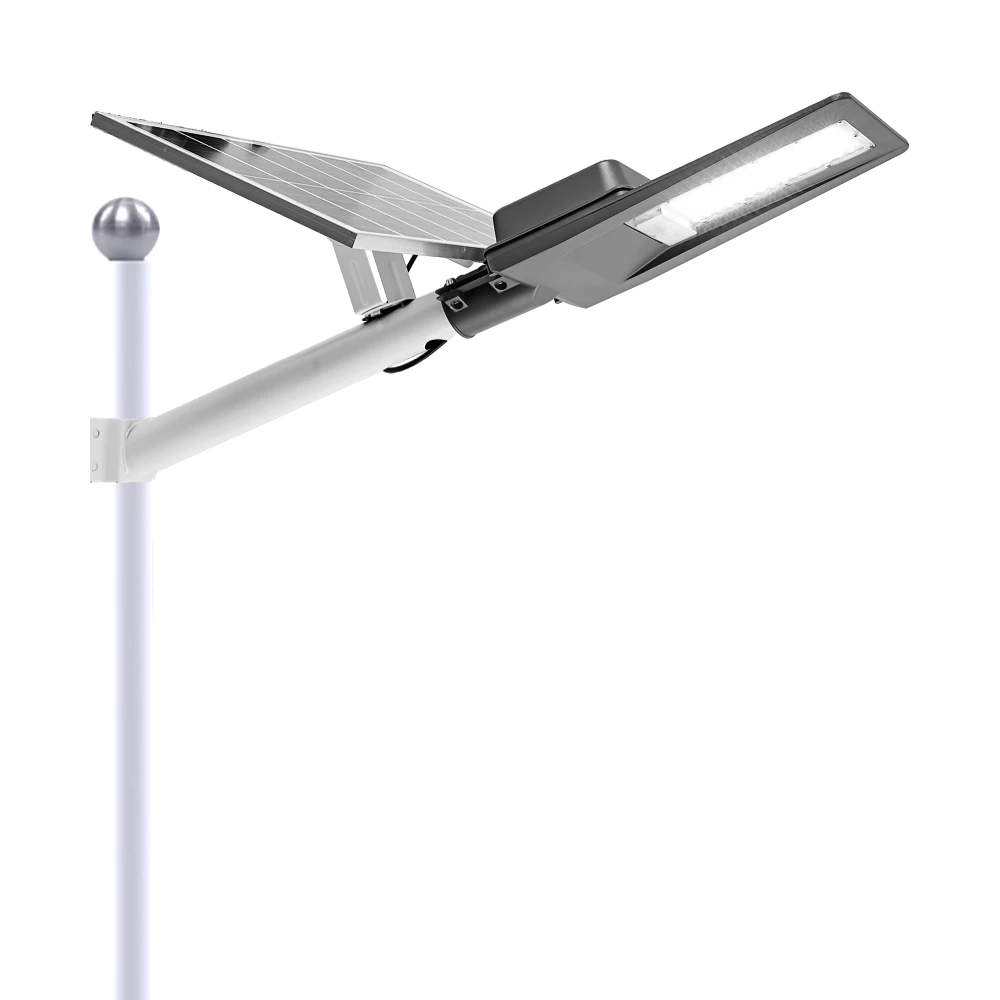
Experience reliable outdoor illumination with our smart solar street light, a perfect combination of advanced technology and eco-conscious design.
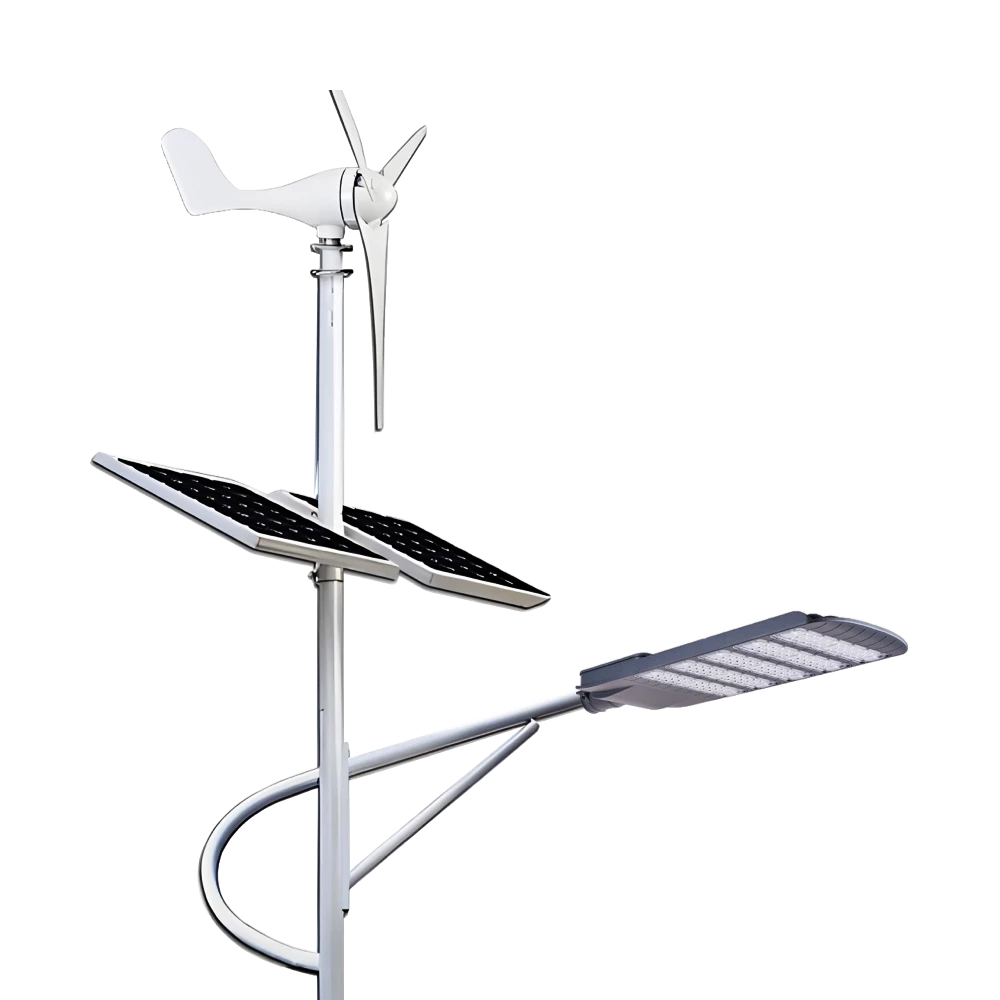
Queneng Lufeng Wind Energy LED Outdoor Solar Street Lights offer high-performance, eco-friendly illumination. These energy-efficient LED street lights harness solar power and wind energy for sustainable, cost-effective outdoor lighting solutions.
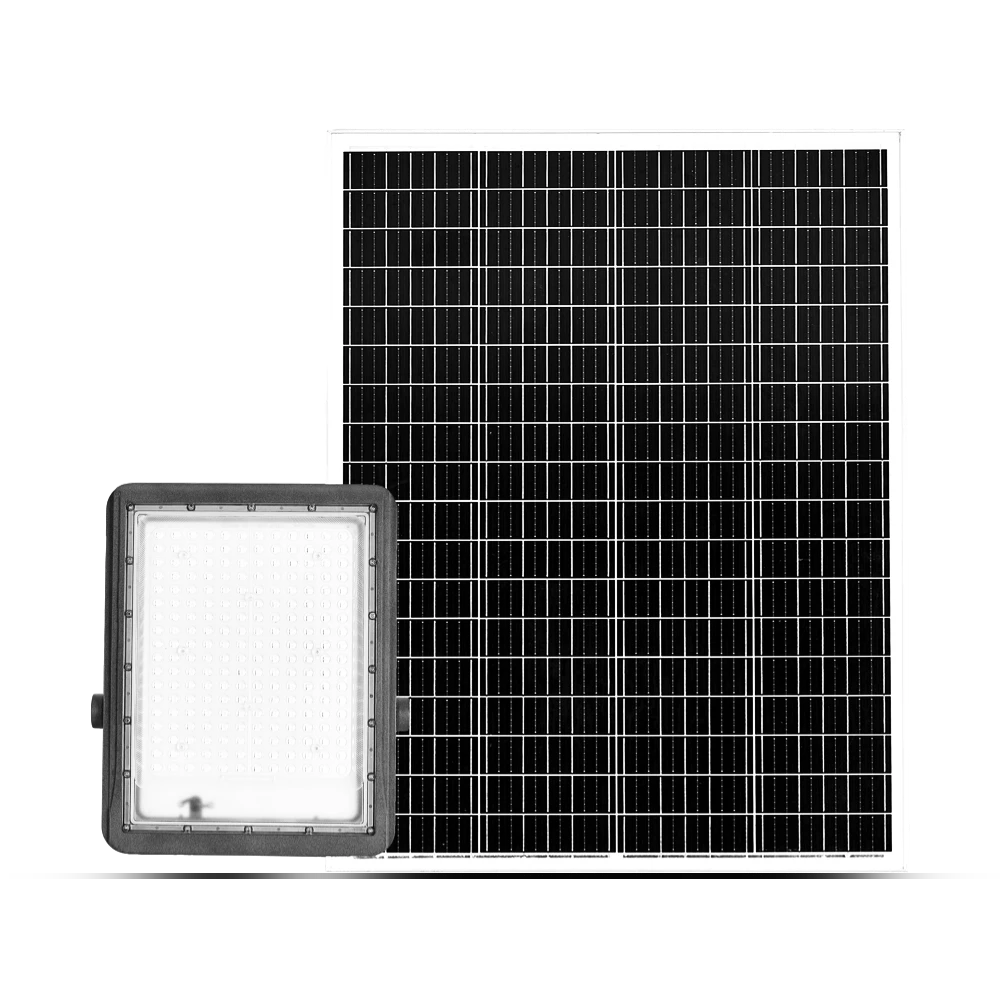
Queneng's Luxian Reliable Solar Street Light offers energy-saving LED lighting for outdoor use. This durable, solar-powered street light provides reliable illumination, reducing energy costs and environmental impact. A perfect solution for sustainable outdoor lighting.
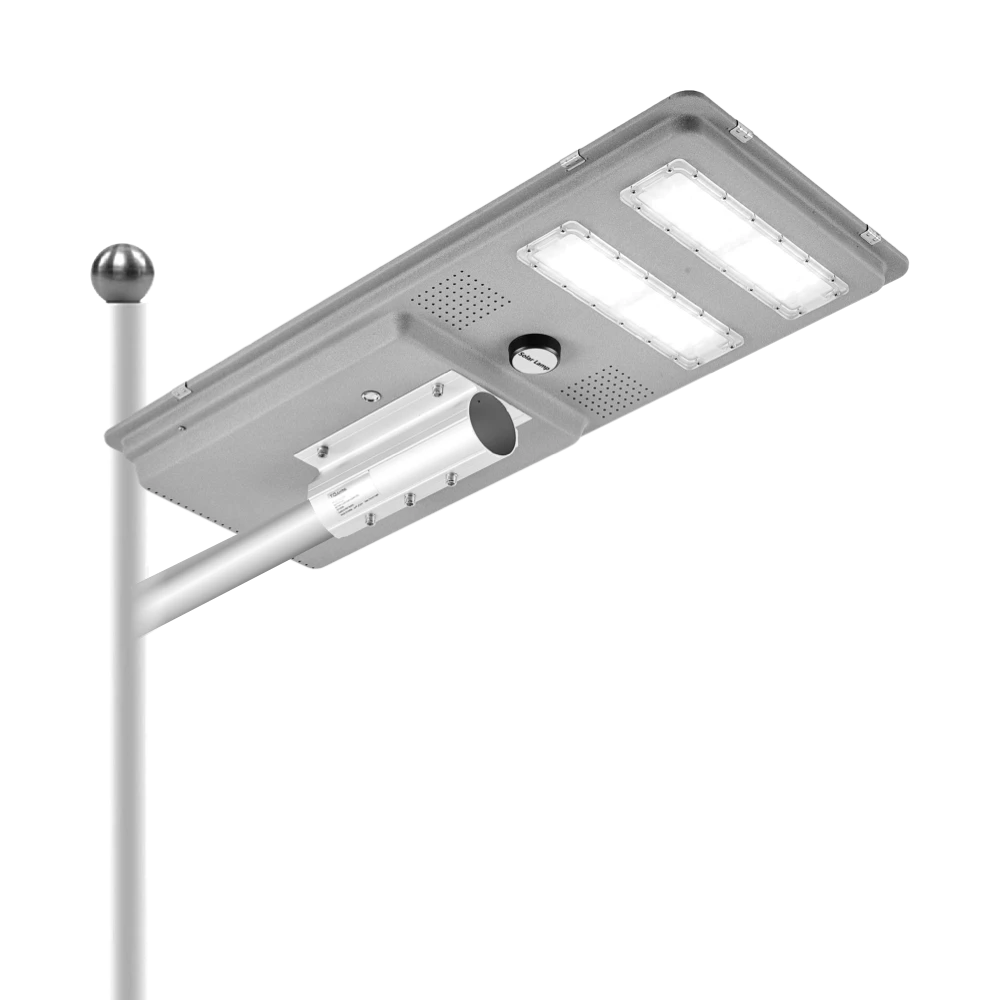
Queneng’s Solar Street Lights are designed to provide reliable, energy-efficient lighting for streets, parks, and other outdoor spaces.
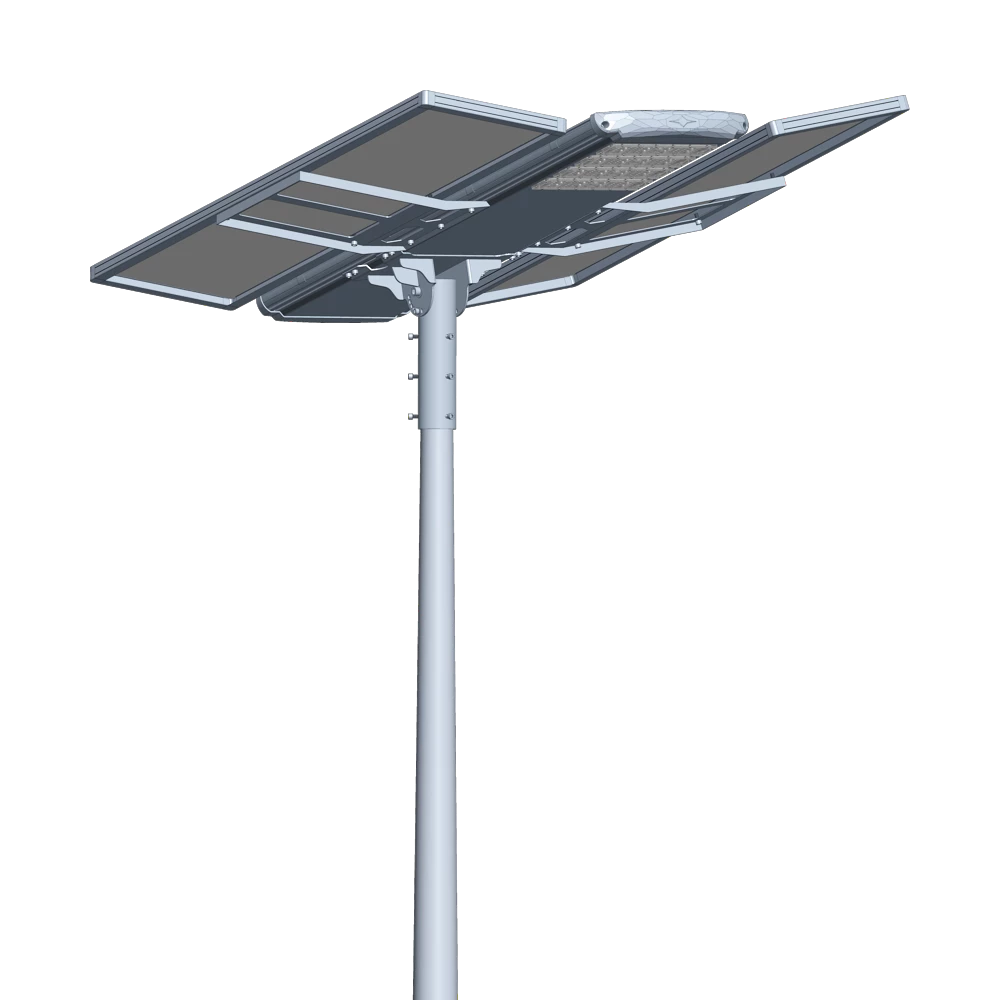
Introducing the Luqing Solar Street Light by Queneng, Efficient LED lighting powered by solar energy is perfect for illuminating outdoor areas. Harness the power of solar energy for sustainable, reliable street lighting. Ideal for eco-friendly, cost-effective outdoor illumination solutions.
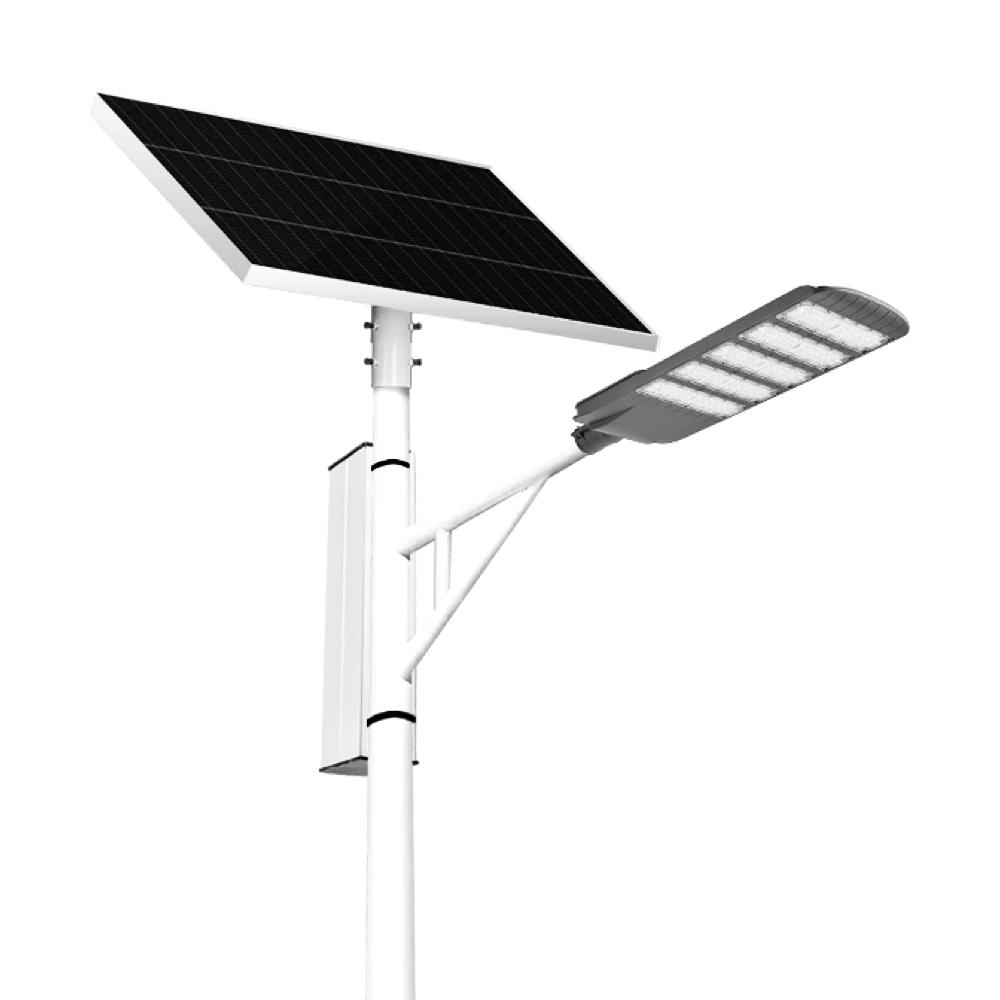
The Solar Streetlights of Luhao for Municipalities are designed to deliver reliable, energy-efficient, and cost-effective public lighting solutions. Equipped with advanced LED technology, durable lithium batteries, and high-efficiency solar panels, these streetlights provide consistent illumination for roads, parks, residential areas, and government projects.
Our professional team is ready to answer any questions and provide personalized support for your project.
You can reach us via phone or email to learn more about Queneng’s solar lighting solutions. We look forward to working with you to promote clean energy solutions!
Rest assured that your privacy is important to us, and all information provided will be handled with the utmost confidentiality.
By clicking 'Send Inquiry Now' I agree to Queneng processing my personal data.
To see how to withdraw your consent, how to control your personal data and how we process it, please see our Privacy Policy and Terms of use.
Schedule a Meeting
Book a date and time that is convenient for you and conduct the session in advance.
Have more questions about our products or services?
The messenger of light & power conversion
Environmental protection and intelligent manufacturing are our brand philosophy, and quality assurance and the best user experience are our eternal promises to users.
CONTACT
No.9F, Building F, Cao San Xin Tian Hong Logistics Park, Guzhen Town, Zhongshan City, Guangdong Province, China.
or write [email protected]
WhatsApp: +86 136 2270 1011


