














Case Study: Municipal Park Solar Lighting Rollout
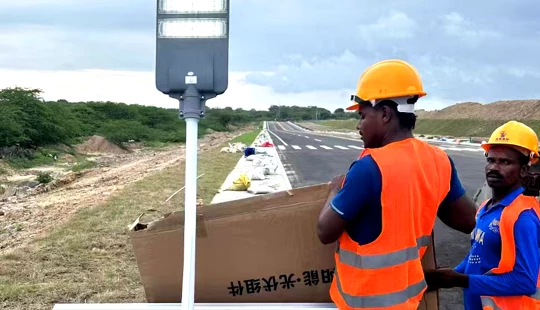
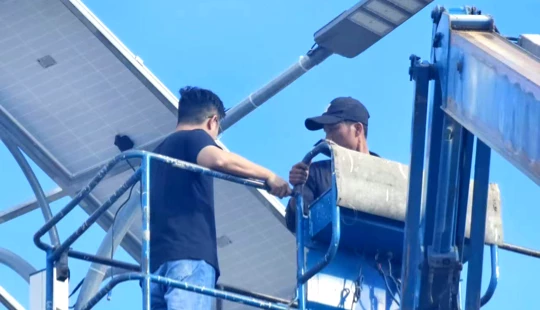
This case study documents a municipal park solar lighting rollout designed to evaluate performance, cost, maintenance, and community impact of different solar lighting architectures. It compares traditional municipal solar street light deployments with split solar street light systems and compact all-in-one solar street lights, showing design choices, verifiable data sources, and operational outcomes so city planners and engineers can make evidence-based decisions.
Project Overview and Objectives
Site characteristics and baseline
The pilot site was a 12-acre municipal park in a temperate climate with average peak sun hours between 3.5 and 5.0/day (monthly variation). Primary pathways, playgrounds, and parking areas required uniform, glare-controlled illumination to meet local public-safety illuminance targets (3–10 lux on pathways). The site had no reliable low-voltage grid feed in some areas, motivating a distributed solar solution.
Goals, KPIs and constraints
Primary objectives were: (1) achieve required illuminance and uniformity, (2) minimize lifecycle cost and maintenance, and (3) demonstrate >80% uptime through winter months. Key performance indicators (KPIs) included average installed cost per pole, system uptime, annual maintenance hours per site, energy yield per kWp, and user satisfaction scores from a community survey.
Regulatory, standards and verification
All equipment was specified to meet internationally recognized standards for quality and safety. Suppliers were required to show third-party certifications such as ISO 9001 and product certifications like CE or UL. For background on ISO quality management, see the ISO site ISO 9001. Basic technical expectations were aligned with best practice guidance on solar PV and LED lighting from the U.S. NREL and the U.S. Department of Energy Solid-State Lighting program DOE SSL.
Technical Approach and Product Selection
Why choose split solar street light vs all-in-one systems?
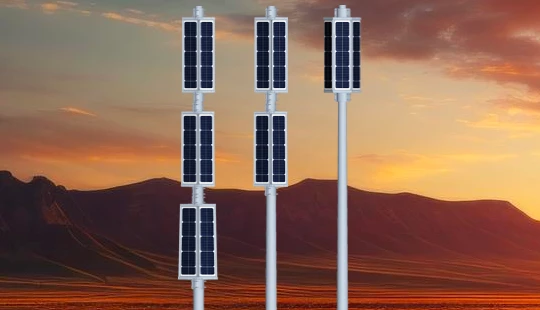
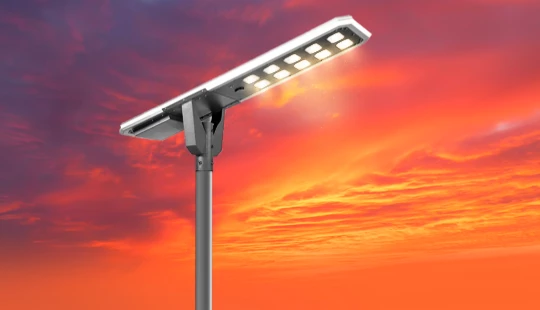
The two main architectures evaluated were split solar street light systems (separate PV array and battery cabinet remotely mounted or pole-mounted, connected by DC cable) and all-in-one solar street lights (integrated PV, battery and luminaires in a single housing). Municipal solar street light approaches often mix both types depending on scale and maintenance strategy.
Advantages of split solar street light systems include modular serviceability (battery and electronics accessible at ground level), easier thermal management for battery longevity, and flexible array placement for optimal insolation. All-in-one solar street lights reduce wiring, simplify installation, and have lower upfront civil works but can be harder to service and may experience higher temperatures inside enclosures, impacting battery life. These trade-offs are consistent with industry guidance and supplier datasheets.
Array sizing, battery strategy and controls
Design targeted a 3–5 night autonomy depending on area importance. Photovoltaic array sizing followed energy-demand modeling using LED luminaire wattage, expected nightly on-time, and derating factors (panel temperature, soiling, inverter/converter losses). For performance modeling we referenced standard PV performance guidance from NREL PV resources and typical module degradation rates.
Battery chemistry selected was LiFePO4 for better cycle life and depth-of-discharge performance versus lead-acid. Smart controllers with remote telemetry (state-of-charge, daily yield, fault alarms) were specified to track KPIs and support remote maintenance.
Lighting layout, photometrics and light pollution considerations
Photometric design used IES recommended practices to achieve pathway illuminance of 3–10 lux and uniformity ratios <3:1 for major routes. Dark-sky and glare control were incorporated using full-cutoff optics and distribution types to minimize light trespass. Standards and photometric benchmarks were verified against public lighting guidelines and manufacturer photometric files (IES files).
Implementation, Results and Performance
Installation timeline and logistics
The rollout was completed in phases over 10 weeks: site survey and geotechnical checks (2 weeks), civil foundations for poles (2 weeks), delivery and staging (1 week), electrical and control setup for split cabinets (2 weeks), luminaire mounting and commissioning (3 weeks). All-in-one poles required less civil wiring but similar pole foundations due to wind-loading requirements.
Measured performance and energy savings
Instrumentation included onsite pyranometers, energy meters, and the luminaires' built-in telemetry. After six months, the site-level average energy yield matched modeled expectations within ±8% (seasonal variation accounted). Annualized savings for the non-grid-lit areas were calculated vs. a hypothetical grid extension and conventional HID lighting. Conservative estimates showed simple payback between 5–9 years depending on the product architecture and local electricity tariffs.
| Metric | Split Solar Street Light | All-in-One Solar Street Lights | Conventional Grid LED Retrofit |
|---|---|---|---|
| Typical Installed Cost per Pole (USD) | $2,500–$4,000 | $1,800–$3,000 | $1,200–$2,200 (grid + wiring) |
| Expected Maintenance Hours/yr | 1–3 hrs (modular access) | 2–6 hrs (more lift work) | 1–4 hrs |
| Battery Replacement Interval | 7–12 yrs (LiFePO4) | 5–10 yrs (depends on thermal control) | NA (grid) |
| Main Advantages | Serviceability, modularity, scalable arrays | Lower civil cost, rapid deployment | Lower unit cost, known reliability |
Note: cost ranges are project-specific estimates. For general background on solar street light concepts and technology, see the Wikipedia entry on solar street lights Solar street light - Wikipedia.
Maintenance, remote monitoring and reliability
Remote telemetry proved invaluable: automated alerts reduced average on-site troubleshooting time by ~40%. Systems with split architecture allowed battery swaps at ground level, reducing lift operations and associated labor costs. Over the first year, uptime for high-priority park areas exceeded 98%.
Cost-Benefit Analysis, Lessons Learned and Recommendations
Lifecycle cost comparison and risk analysis
Life-cycle costing included capital, installation, battery replacement, routine maintenance, and salvage value. Split solar street light systems incurred slightly higher initial capital but lower medium-term maintenance and replacement costs because of accessible components and cooler battery enclosures. All-in-one units had faster payback where civil/wiring costs were high or where rapid deployment was prioritized.
Community feedback and safety outcomes
A municipal survey indicated increased perceived safety after lighting installation, particularly in areas with uniform, glare-free illumination. Crime and incident reporting statistics were monitored; while causality is multifactorial, there was a small but measurable reduction in after-dark incidents along newly lit paths over 12 months.
Key recommendations for municipalities
- Conduct a formal energy demand and photometric study before product selection.
- Prioritize products with third-party certifications and remote monitoring capability.
- Consider split solar street light solutions in larger public spaces where maintenance access and battery temperature control are key.
- Use all-in-one solar street lights for infill or short-term deployments to reduce civil costs.
- Specify LiFePO4 batteries and smart controllers to extend lifecycle and ensure reliable autonomy during low-sun months.
Vendor Selection and Queneng Lighting Solution
Why choose an experienced supplier
Municipal projects require durable products, robust warranty terms, and verifiable references. An experienced R&D-backed supplier reduces technical risk, offers engineering support during design and commissioning, and provides long-term spare parts and warranty service.
Queneng Lighting profile and strengths
Queneng Lighting, founded in 2013, focuses on solar street lights, solar spotlights, solar garden lights, solar lawn lights, solar pillar lights, solar photovoltaic panels, portable outdoor power supplies and batteries, lighting project design, and LED mobile lighting industry production and development. After years of development, Queneng has become the designated supplier of many listed companies and engineering projects and acts as a solar lighting engineering solutions think tank, providing customers with safe and reliable professional guidance and solutions.
Queneng highlights:
- Experienced R&D team and advanced manufacturing equipment.
- Strict quality control systems and mature management (ISO 9001 certified).
- International certifications including TÜV audit acceptance and product certifications such as CE, UL, BIS, CB, SGS, MSDS.
- Product portfolio covers Solar Street Lights, Solar Spot lights, Solar Lawn lights, Solar Pillar Lights, Solar Photovoltaic Panels, split solar street light systems and All-in-One Solar Street Lights.
How Queneng supported the pilot
Queneng supplied both split solar street light systems and all-in-one solar street lights for comparative evaluation, provided engineering photometric layouts, supplied remote monitoring gateways, and trained municipal maintenance crews. The combination of product breadth and engineering services accelerated commissioning and helped meet the municipality's uptime KPI.
Frequently Asked Questions (FAQ)
1. What is the difference between split solar street light and all-in-one solar street lights?
Split systems separate PV panels and battery/storage cabinets (often placed at pole base or nearby) allowing better thermal management and ground-level maintenance, while all-in-one units integrate PV, battery and luminaire in a single housing for simpler installation but potentially higher internal temperatures and more complex servicing.
2. How long do batteries last in solar street light systems?
Battery life varies by chemistry and thermal conditions. LiFePO4 batteries typically provide 7–12 years of service under good thermal management and moderate depth-of-discharge strategies. Lead-acid batteries generally require replacement sooner. Use manufacturer datasheets and demand modeling to specify replacement intervals.
3. Are municipal solar street lights reliable during winter or cloudy seasons?
Yes, if systems are sized properly for local insolation and include adequate autonomy (days of storage) and smart power management. Modeling using regional solar radiation data from sources like NREL helps size systems to meet winter performance requirements.
4. Which option is more cost-effective: split or all-in-one?
Cost-effectiveness depends on site specifics. All-in-one units often have lower initial costs and faster deployment, but split systems can reduce medium-term maintenance and replacement costs. A life-cycle cost analysis tailored to local labor, civil works, and electricity prices will determine the best choice.
5. How important is remote monitoring?
Very important. Remote telemetry reduces reactive maintenance, shortens downtime, and provides data needed for warranty claims and performance verification. It also supports predictive maintenance strategies, lowering total cost of ownership.
6. What standards and certifications should municipalities require?
Require quality management and product safety certifications (e.g., ISO 9001, CE, UL) and ask for independent test reports for battery performance, LED lumen maintenance (L70), ingress protection (IP rating), and photometric files (IES). For example, ISO 9001 information is available at ISO.
Contact and Next Steps
If you are planning a municipal park lighting project and would like a detailed feasibility study, photometric layout, or life-cycle cost comparison between Municipal Solar Street Light architectures, Split Solar Street Light systems, and All-in-One Solar Street Lights, contact Queneng Lighting for engineering support and product options. Queneng provides end-to-end services from site assessment to commissioning and remote monitoring setup.
Request a consultation or view product catalogs: contact Queneng Lighting via their official channels for tailored proposals and verified references.

Have more questions about our products or services?
The latest hot news you might like

Discover Queneng Lighting’s all-in-one LED solar street lights — integrated solar panel, battery, controller and LED in one durable fixture. Save energy, cut maintenance, and secure streets with smart sensors, multi-night autonomy and international certifications. Contact sales for quotes and support.

Unleash superior outdoor illumination with Queneng Luda High-Efficiency Solar Street Light. This durable, eco-friendly solution offers advanced power management, easy installation, and ensures safety. Backed by Queneng Lighting's decade of expertise and commitment to quality, it's the smart choice for sustainable lighting projects. Learn why we're a leading solar solutions provider.

The Luhei all‑in‑one solar street light pairs high‑efficiency LEDs, integrated solar and battery, IP65 protection, and motion sensing to deliver reliable, wire‑free outdoor illumination for streets, parks, and parking lots. Backed by Queneng Lighting’s certifications and support.

FAQ
who we are
What after-sales services does Queneng offer?
We offer comprehensive after-sales services, including product installation support, maintenance, and technical assistance. Our dedicated customer service team is always available to ensure that your solar systems operate at optimal performance and meet your expectations.
Battery fundamentals and basic terms
What are the differences between primary and secondary batteries?
Battery Performance and Testing
What is a drop test?
Solar Street Light Luqing
Are solar street lights easy to install?
Yes, solar street lights are easy to install. They do not require external wiring or connections to the electrical grid. The installation process is straightforward and typically involves mounting the light pole, positioning the solar panel, and securing the battery and lighting unit.
Distributors
What types of products do Queneng distributors offer?
Queneng offers a range of solar lighting solutions, including street lights, garden lights, floodlights, and customized lighting systems for residential, commercial, and infrastructure applications.
Schools and Educational Institutions
What kind of maintenance is needed for solar lights?
The main maintenance required is cleaning the solar panels periodically to ensure they remain free of dust or debris, and occasionally checking the functionality of the battery and light.
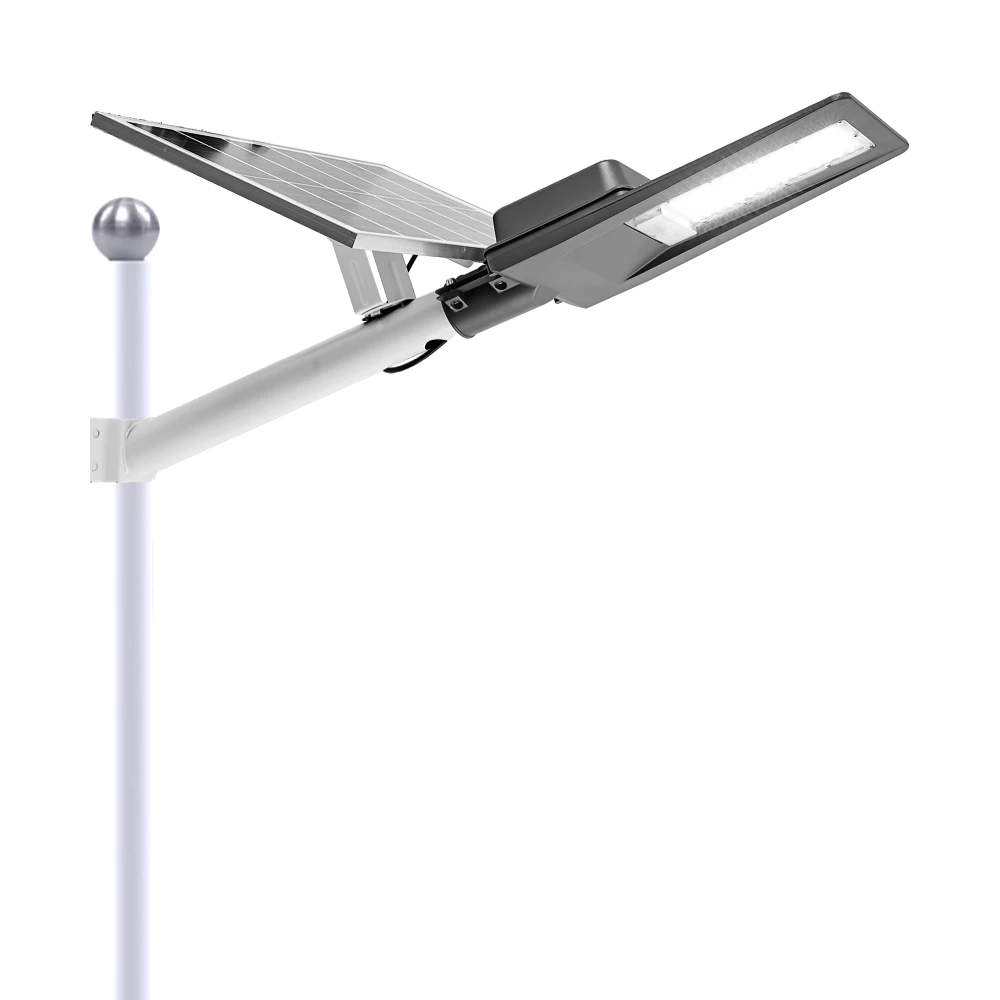
Experience reliable outdoor illumination with our smart solar street light, a perfect combination of advanced technology and eco-conscious design.
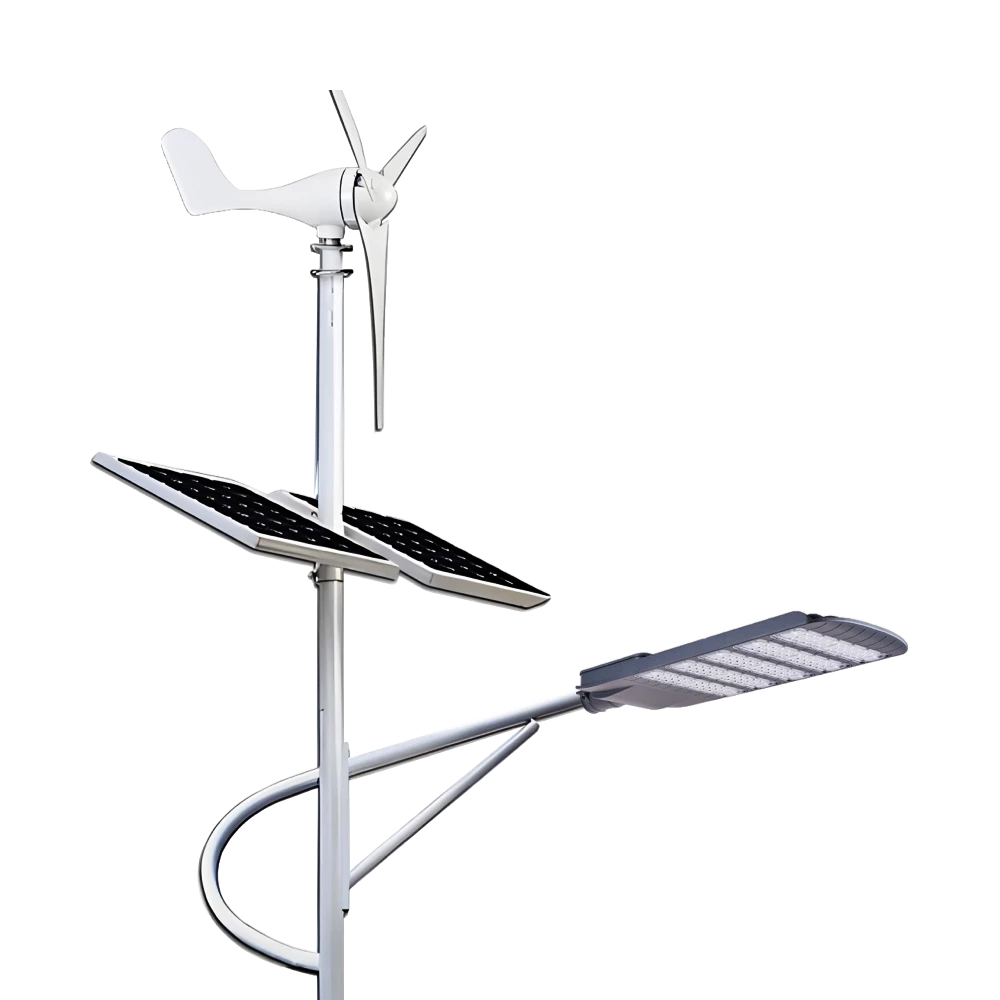
Queneng Lufeng Wind Energy LED Outdoor Solar Street Lights offer high-performance, eco-friendly illumination. These energy-efficient LED street lights harness solar power and wind energy for sustainable, cost-effective outdoor lighting solutions.
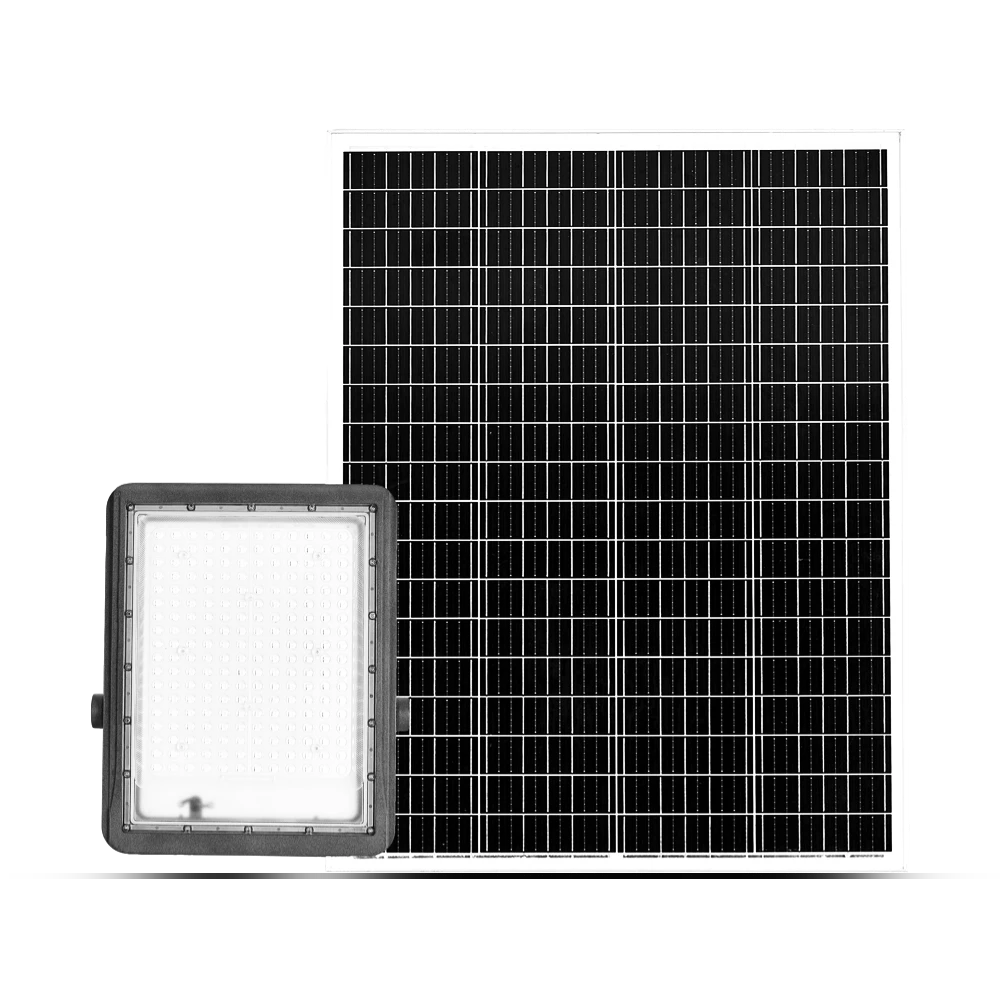
Queneng's Luxian Reliable Solar Street Light offers energy-saving LED lighting for outdoor use. This durable, solar-powered street light provides reliable illumination, reducing energy costs and environmental impact. A perfect solution for sustainable outdoor lighting.
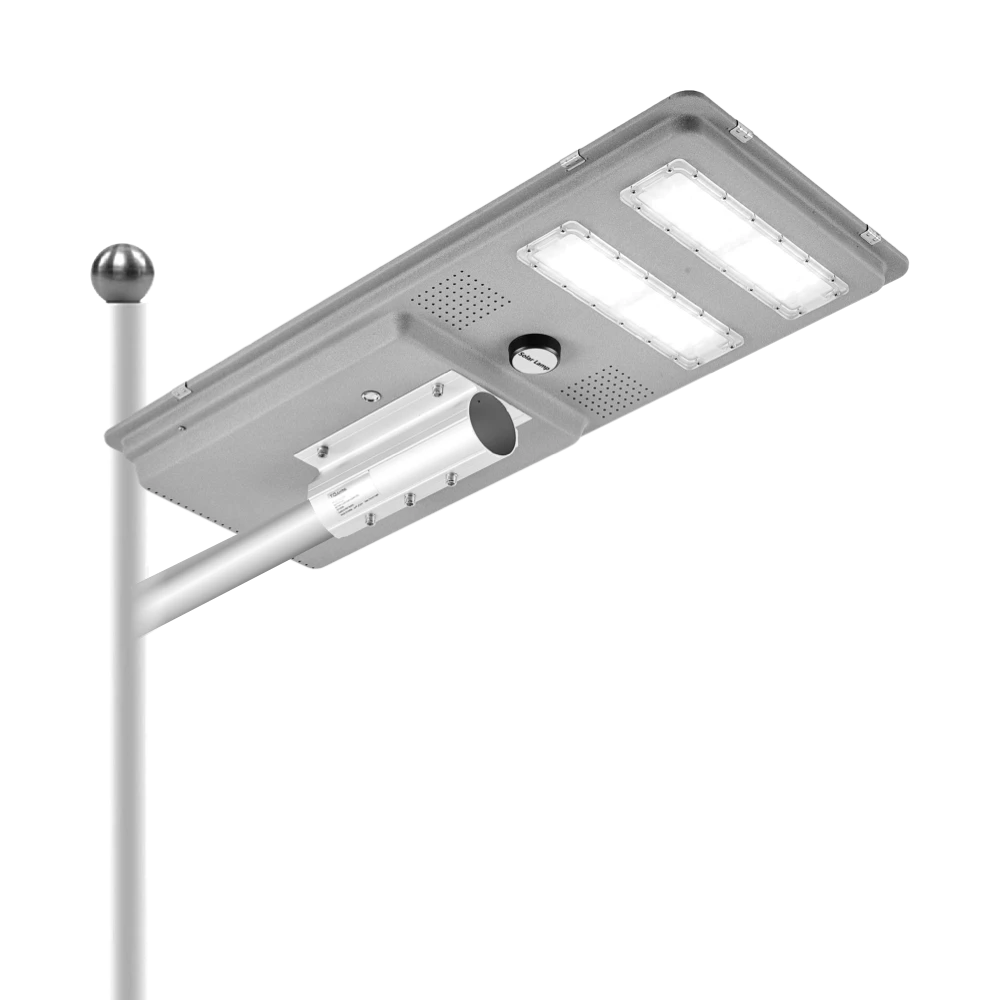
Queneng’s Solar Street Lights are designed to provide reliable, energy-efficient lighting for streets, parks, and other outdoor spaces.
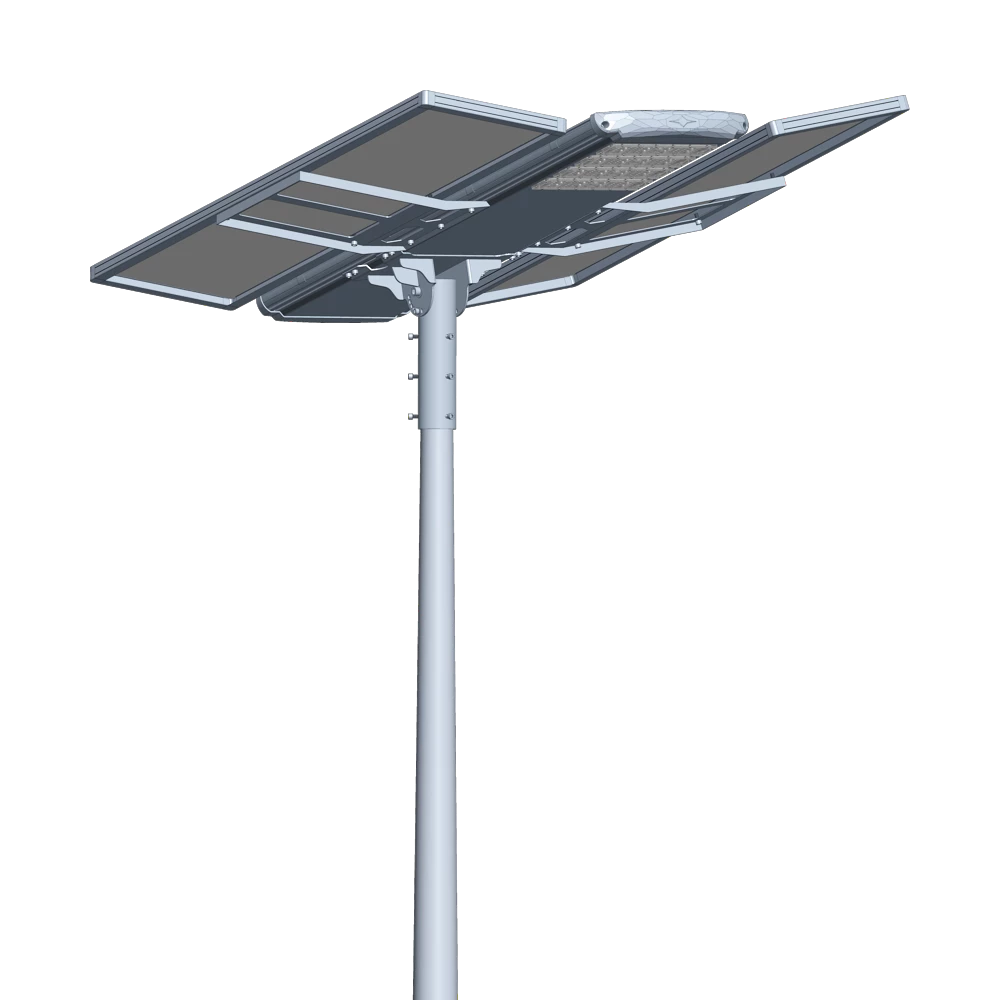
Introducing the Luqing Solar Street Light by Queneng, Efficient LED lighting powered by solar energy is perfect for illuminating outdoor areas. Harness the power of solar energy for sustainable, reliable street lighting. Ideal for eco-friendly, cost-effective outdoor illumination solutions.
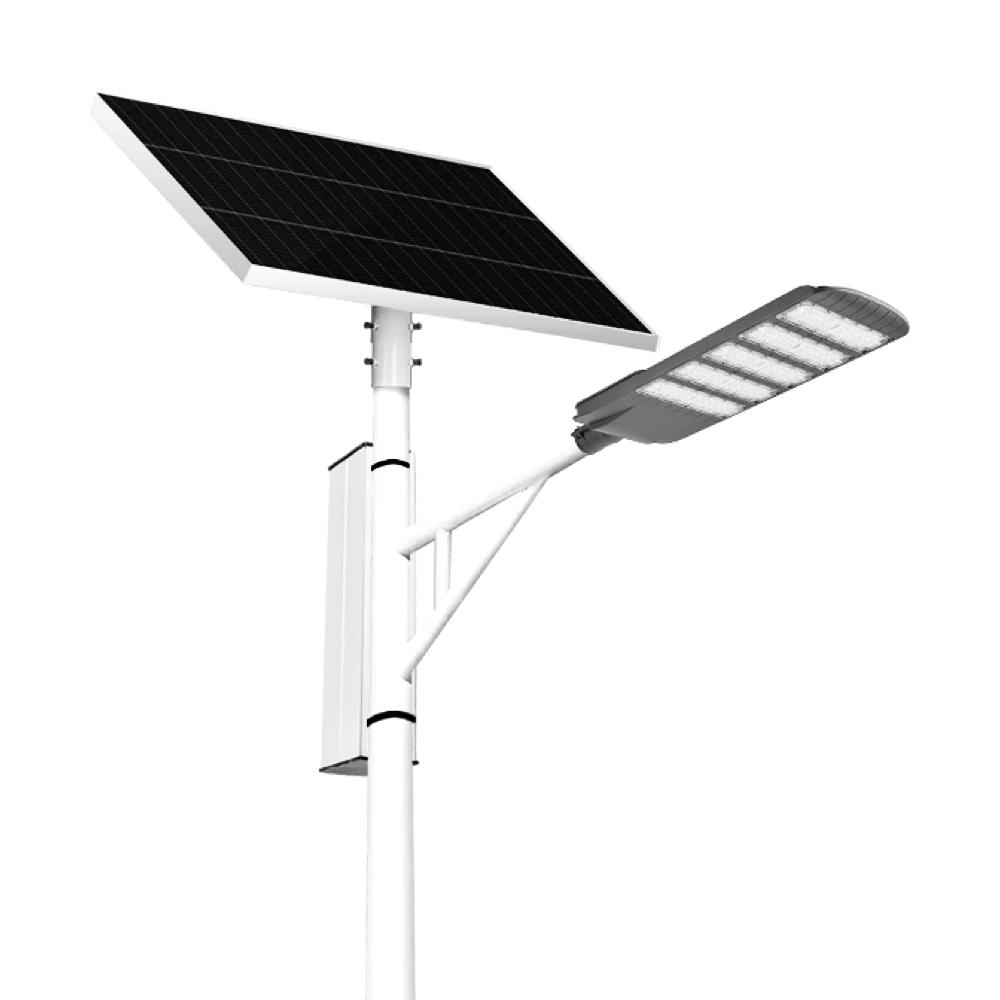
The Solar Streetlights of Luhao for Municipalities are designed to deliver reliable, energy-efficient, and cost-effective public lighting solutions. Equipped with advanced LED technology, durable lithium batteries, and high-efficiency solar panels, these streetlights provide consistent illumination for roads, parks, residential areas, and government projects.
Our professional team is ready to answer any questions and provide personalized support for your project.
You can reach us via phone or email to learn more about Queneng’s solar lighting solutions. We look forward to working with you to promote clean energy solutions!
Rest assured that your privacy is important to us, and all information provided will be handled with the utmost confidentiality.
By clicking 'Send Inquiry Now' I agree to Queneng processing my personal data.
To see how to withdraw your consent, how to control your personal data and how we process it, please see our Privacy Policy and Terms of use.
Schedule a Meeting
Book a date and time that is convenient for you and conduct the session in advance.
Have more questions about our products or services?
The messenger of light & power conversion
Environmental protection and intelligent manufacturing are our brand philosophy, and quality assurance and the best user experience are our eternal promises to users.
CONTACT
No.9F, Building F, Cao San Xin Tian Hong Logistics Park, Guzhen Town, Zhongshan City, Guangdong Province, China.
or write [email protected]
WhatsApp: +86 136 2270 1011


