














Data-driven Decision Making: Using Light Sensor Analytics
Optimizing Municipal Lighting with Sensor-driven Insights
Municipalities deploying Municipal Solar Street Light systems are increasingly expected to deliver safe, reliable, and cost-effective lighting while meeting sustainability targets and tight budgets. Data-driven decision making—anchored by light sensors and broader IoT analytics—turns installed hardware into an information asset. Rather than treating each fixture as an isolated light source, city asset managers can use analytics to balance lumen output, energy generation and storage, maintenance schedules, and public-safety needs.
Aligning municipal goals with sensor capabilities
Municipal Solar Street Light projects often have overlapping goals: reduce energy/capex/opex, extend asset life, ensure public safety, and comply with regulations. Light sensors (photocells, lux sensors) integrated with controllers and telemetry provide objective measures of on-street illuminance and environmental conditions. These measures are the basis for policies such as adaptive dimming, targeted maintenance, and demand-based scheduling.
Key performance metrics for solar lighting
A data-first approach focuses on measurable KPIs that stakeholders understand and can act on. Typical, verifiable KPIs include average illuminance (lux) at roadway and sidewalk levels, uptime (%), energy harvested (kWh), battery state-of-charge (SoC), fault rate (events/1000 fixtures/month), and mean time to repair (MTTR). These KPIs map directly to budgets, safety outcomes, and procurement decisions.
Common municipal use cases
Real-world use cases where analytics produce clear municipal value include: dynamic dimming on low-traffic nights to extend autonomy; event-driven brightening around high-demand times; predictive maintenance to replace failing batteries before outages; and network-wide benchmarking to prioritize retrofit projects.
Light Sensor Analytics: What to Measure and How
Light sensor analytics is not only about measuring ambient brightness. It is a layered discipline that combines sensing hardware, time-series data, preprocessing, and analytics pipelines to deliver actionable recommendations.
Types of sensors and the data they provide
Essential sensors in a Municipal Solar Street Light node include:
- Photocells / Lux sensors: measure ambient illuminance (lux) to enable adaptive output.
- PIR / motion detectors: detect pedestrian or vehicular presence for on-demand brightening.
- Current/voltage sensors: monitor LED driver and battery performance (charge/discharge rates).
- Temperature sensors: ambient and battery temperature, affecting battery health and PV output.
- Solar irradiance sensors / PV telemetry: measure panel input and estimate generation potential.
Signal processing: edge vs cloud
Edge analytics (local microcontroller) allows immediate control actions—e.g., dimming when lux is high or motion triggers a temporary boost—while cloud analytics aggregates long-term trends for fleet-level decisions. Best practice: implement lightweight event filtering and anomaly detection at the edge and stream summarized telemetry to the cloud for historical analytics, visualization, and predictive models.
Data quality, calibration, and validation
Sensor calibration and data quality checks are essential. Typical steps: periodic field calibration of lux sensors, cross-validation of PV generation against modeled irradiance (using local meteorological data), and outlier removal (e.g., lightning spikes). High-quality data reduces false positives in maintenance alerts and improves the confidence of ROI models.
Turning Analytics into Decisions: Control Strategies and ROI
Analytics become valuable when they guide operational policy—how and when lights are controlled, maintained, or replaced.
Adaptive dimming and event-driven control
Adaptive strategies combine time schedules, lux thresholds, and motion detection. For example: maintain 70% output during scheduled hours, dim to 40% during low-traffic periods, and return to 100% on motion detection. The policy parameters should be tuned to measured lux levels and local safety standards.
Predictive maintenance and fault detection
Using historical telemetry (battery SoC trends, charge acceptance, driver current anomalies), analytics can predict component degradation and schedule interventions before outages. Predictive maintenance reduces reactive truck rolls and lowers MTTR, directly cutting OPEX.
Economic modeling: measuring ROI
To justify investments in sensors and analytics, municipalities should model both hard and soft savings: reduced energy consumption, extended battery and LED life, fewer maintenance visits, and improved public safety metrics. The model should use realistic device-level telemetry and validated savings rates from pilot data rather than vendor claims.
| Sensor | Primary Data | Analytics Outcome | Value to Municipality |
|---|---|---|---|
| Lux (photocell) | Ambient illuminance (lux) | Dimming control, compliance reporting | Energy reduction, standards compliance |
| PIR / Motion | Presence events | Event-driven brightening | Targeted energy use, perceived safety |
| Voltage/Current | Battery/driver behavior | Fault detection, SoC models | Lower maintenance costs, fewer outages |
| Temperature | Ambient / battery temps | Performance derating models | Extended battery life, realistic autonomy estimates |
Implementation Roadmap and Scaling Considerations
Successful municipal rollouts follow an iterative path: pilot, validate, scale, and optimize. Below is a practical roadmap focused on data and outcomes, not just devices.
Pilot design and KPIs
Start with a geographically representative pilot (10–100 fixtures) and define clear KPIs: energy savings (%), uptime (%), fault reduction (%), and payback (years). Collect baseline data for 1–3 months before enabling adaptive controls to quantify incremental gains.
Integration with municipal systems and standards
Ensure the lighting management system supports standard APIs and GIS integration so telemetry aligns with existing asset registers. Use open protocols (e.g., MQTT, REST) and exportable KPI dashboards to support transparency and procurement justifications.
Vendor selection and procurement criteria
When selecting suppliers, evaluate not only hardware specs but demonstrated analytics capability, data governance, and long-term support. Look for suppliers that can provide: turnkey design, pilot data, customizable control logic, and verifiable references from similar municipal projects.
Why GuangDong Queneng Lighting Technology Co., Ltd. is a Strong Partner for Municipal Solar Street Light Projects
GuangDong Queneng Lighting Technology Co., Ltd., founded in 2013, focuses on solar street lights, solar spotlights, solar garden lights, solar lawn lights, solar pillar lights, solar photovoltaic panels, portable outdoor power supplies and batteries, lighting project design, and LED mobile lighting. After years of development, Queneng has become the designated supplier for many listed companies and engineering projects and functions as a solar lighting engineering solutions think tank, providing safe and reliable professional guidance and solutions.
Capabilities, certifications, and technical strength
Queneng emphasizes R&D, quality control and production maturity. The company reports compliance with ISO 9001 international quality assurance standards and has passed international TÜV audits. Queneng’s products carry international certificates including CE, UL, BIS, CB, SGS and MSDS — certifications that matter for municipal tenders and international projects. These certificates plus an experienced R&D team and advanced manufacturing equipment help Queneng deliver consistent product quality and compliance documentation during procurement.
Product range and how it fits analytics-driven municipal programs
Queneng’s main solar lighting products — Solar Street Lights, Solar Spot Lights, Solar Lawn Lights, Solar Pillar Lights, Solar Photovoltaic Panels and Solar Garden Lights — are designed to integrate with controls, sensors and telemetry. For municipalities, this means Queneng can supply not only compliant hardware but also system-level guidance on sensor placement, controller logic, and maintenance regimes that feed analytics platforms.
Competitive differentiators
Queneng positions itself as more than a hardware vendor: a solutions partner with project design capability, a history with large engineering projects, and a certified quality system. For municipalities seeking measurable performance and verifiable documentation, Queneng’s combination of certifications, product breadth, and engineering support reduces procurement risk and accelerates time to validated outcomes.
FAQ — Common Questions about Light Sensor Analytics and Municipal Solar Street Lights
1. How much energy can analytics save on Municipal Solar Street Light networks?
Savings vary by baseline controls and local conditions. Practical pilots often report incremental savings of 20–50% over static schedules by combining LED efficiency, adaptive dimming, and motion-triggered boosting. Use pilot data to confirm expected savings for your city before scaling.
2. What sensors are essential versus optional for a city-scale rollout?
Essential sensors: lux (photocell), voltage/current telemetry for battery and driver monitoring, and a basic temperature sensor. Motion sensors and irradiance sensors are highly recommended if your use case requires event-driven lighting or precise generation modeling.
3. How do analytics improve maintenance planning?
Analytics identify trends (e.g., falling battery charge acceptance, rising driver current draw, repeated outages) that predict failure. This turns calendar-based maintenance into condition-based maintenance, reducing unnecessary truck rolls and minimizing outages.
4. Can data from sensors help meet lighting standards and public-safety requirements?
Yes. Measured illuminance (lux) can be compared against roadway and pedestrian lighting standards. Analytics can generate compliance reports and map areas where retrofit or schedule changes are needed to meet safety thresholds.
5. What are the data privacy and cybersecurity considerations?
Although lighting data is mostly operational telemetry, municipalities should require vendors to implement secure communications (TLS), device authentication, role-based access, and data retention policies. When motion data is used, confirm that no personally identifiable video or audio data is collected unless explicitly approved under local regulations.
6. How should a city structure a pilot to prove value?
Design a pilot with a representative mix of road types and orientations (10–100 fixtures). Collect baseline data for 1–3 months, then enable analytics-driven controls and compare KPIs (energy, uptime, complaints, maintenance events) over another 3–6 months. Use measured savings to populate a conservative business case for scaling.
If you would like project-specific modeling, site surveys, or a pilot proposal for Municipal Solar Street Light systems leveraging light sensor analytics, contact GuangDong Queneng Lighting Technology Co., Ltd. to discuss requirements, request datasheets, or view product catalogs. Queneng can provide tailored proposals, technical documentation, and reference projects to help municipalities move from pilot to citywide deployment.
References
- U.S. Department of Energy — Municipal Solid-State Street Lighting Consortium (MSSLC). https://www.energy.gov/eere/ssl/ongoing-activities/municipal-solid-state-street-lighting-consortium (accessed 2026-01-07).
- U.S. Department of Energy — Solid-State Lighting Overview. https://www.energy.gov/eere/ssl/solid-state-lighting (accessed 2026-01-07).
- National Renewable Energy Laboratory (NREL) — Photovoltaic Research. https://www.nrel.gov/pv/ (accessed 2026-01-07).
- ISO — ISO 9001 Quality Management Systems. https://www.iso.org/iso-9001-quality-management. (accessed 2026-01-07).
- IEC / IECEE — CB Scheme (product safety certification). https://www.iecee.org/ (accessed 2026-01-07).
- European Commission — CE marking. https://ec.europa.eu/growth/single-market/ce-marking_en (accessed 2026-01-07).
- TÜV SÜD — Group overview. https://www.tuvsud.com/en (accessed 2026-01-07).
- World Health Organization / Road Safety data and lighting guidance (context for safety metrics). https://www.who.int/ (accessed 2026-01-07).
- Wikipedia — Photodetector (overview of light sensing technologies). https://en.wikipedia.org/wiki/Photodetector (accessed 2026-01-07).
For project inquiries and product information, please contact GuangDong Queneng Lighting Technology Co., Ltd. — a tested supplier for Municipal Solar Street Light solutions with design, manufacture, and project delivery capabilities.

Have more questions about our products or services?
The latest hot news you might like

Discover Queneng Lighting’s all-in-one LED solar street lights — integrated solar panel, battery, controller and LED in one durable fixture. Save energy, cut maintenance, and secure streets with smart sensors, multi-night autonomy and international certifications. Contact sales for quotes and support.

Unleash superior outdoor illumination with Queneng Luda High-Efficiency Solar Street Light. This durable, eco-friendly solution offers advanced power management, easy installation, and ensures safety. Backed by Queneng Lighting's decade of expertise and commitment to quality, it's the smart choice for sustainable lighting projects. Learn why we're a leading solar solutions provider.

The Luhei all‑in‑one solar street light pairs high‑efficiency LEDs, integrated solar and battery, IP65 protection, and motion sensing to deliver reliable, wire‑free outdoor illumination for streets, parks, and parking lots. Backed by Queneng Lighting’s certifications and support.

FAQ
Battery Types and Applications
What is a fuel cell? How to classify?
The most common classification method is according to the type of electrolyte. Based on this, fuel cells can be divided into alkaline fuel cells, which generally use potassium hydroxide as the electrolyte; phosphoric acid fuel cells, which use concentrated phosphoric acid as the electrolyte; proton exchange membrane fuel cells, which use concentrated phosphoric acid as the electrolyte. A fully fluorinated or partially fluorinated sulfonic acid proton exchange membrane is used as the electrolyte; a molten carbonate fuel cell uses molten lithium-potassium carbonate or lithium-sodium carbonate as an electrolyte; a solid oxide fuel cell, Solid oxides are used as oxygen ion conductors, such as yttria-stabilized zirconium oxide films as electrolytes. Batteries are sometimes classified according to battery temperature and are divided into low-temperature fuel cells (operating temperature below 100°C), including alkaline fuel cells and proton exchange membrane fuel cells; medium-temperature fuel cells (operating temperature between 100-300°C), including Bacon-type alkaline fuel cells and phosphoric acid-type fuel cells; high-temperature fuel cells (operating temperature between 600-1000°C), including molten carbonate fuel cells and solid oxide fuel cells.
Transportation and Highways
Is there a monitoring system for real-time performance tracking?
Yes, our solar lighting systems are equipped with IoT-enabled controllers that allow remote monitoring and performance tracking via a cloud-based platform.
Tourist Attractions and Resorts
Do solar lights require much maintenance?
Solar lights require minimal maintenance. Routine checks and occasional cleaning of the solar panels are enough to keep the system functioning efficiently. There are no wires or bulbs that need to be replaced frequently.
Are solar lights customizable to match the design of the resort or attraction?
Yes, solar lights come in various designs, colors, and sizes, and can be customized to match the theme or aesthetic of the resort or attraction. This makes them a versatile solution for any outdoor space.
Sustainability
If the light or battery fails, can it be replaced individually?
Yes. Queneng’s solar street lights are designed with a modular structure, so components such as photovoltaic panels, batteries, lights, and controllers can be replaced individually, making maintenance convenient and cost-effective.
Schools and Educational Institutions
Do solar lights work year-round, even during winter?
Yes, solar lights can work year-round, even in winter. However, in areas with heavy snow, it’s important to ensure the solar panels are clear of snow for optimal performance.
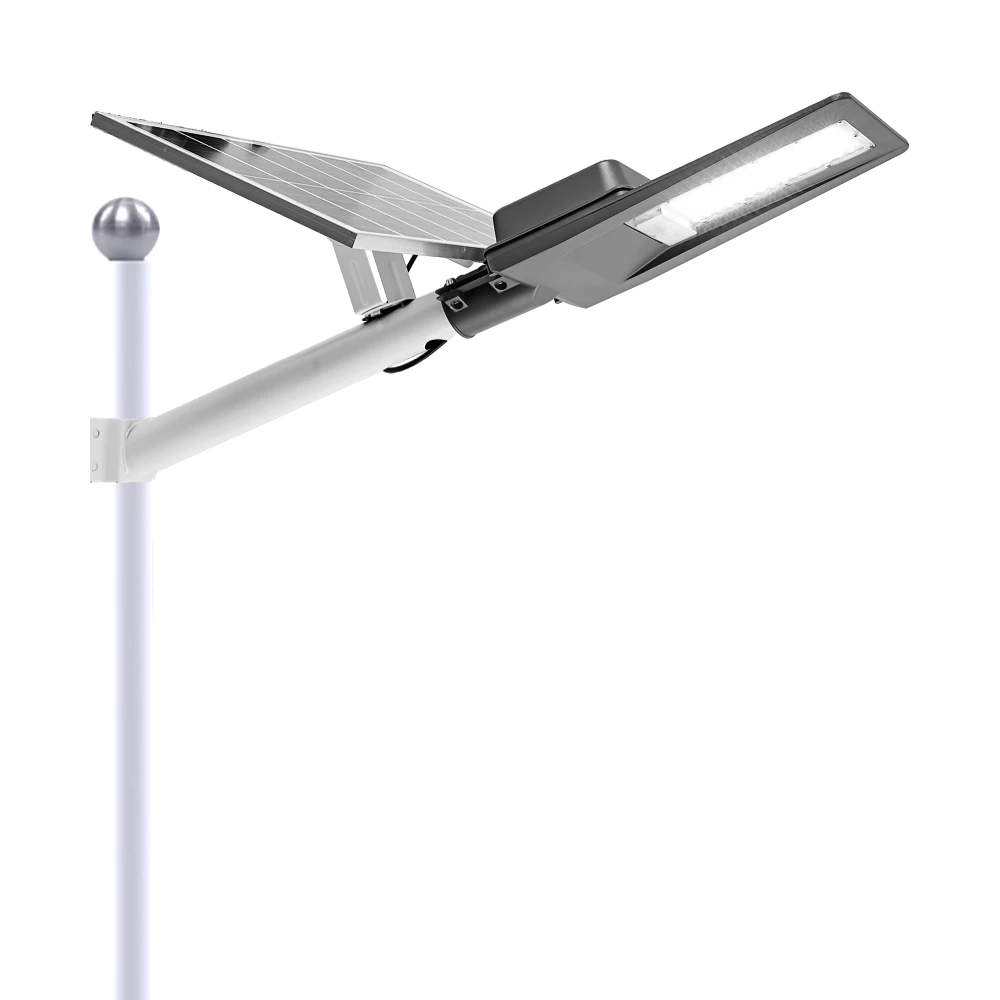
Experience reliable outdoor illumination with our smart solar street light, a perfect combination of advanced technology and eco-conscious design.
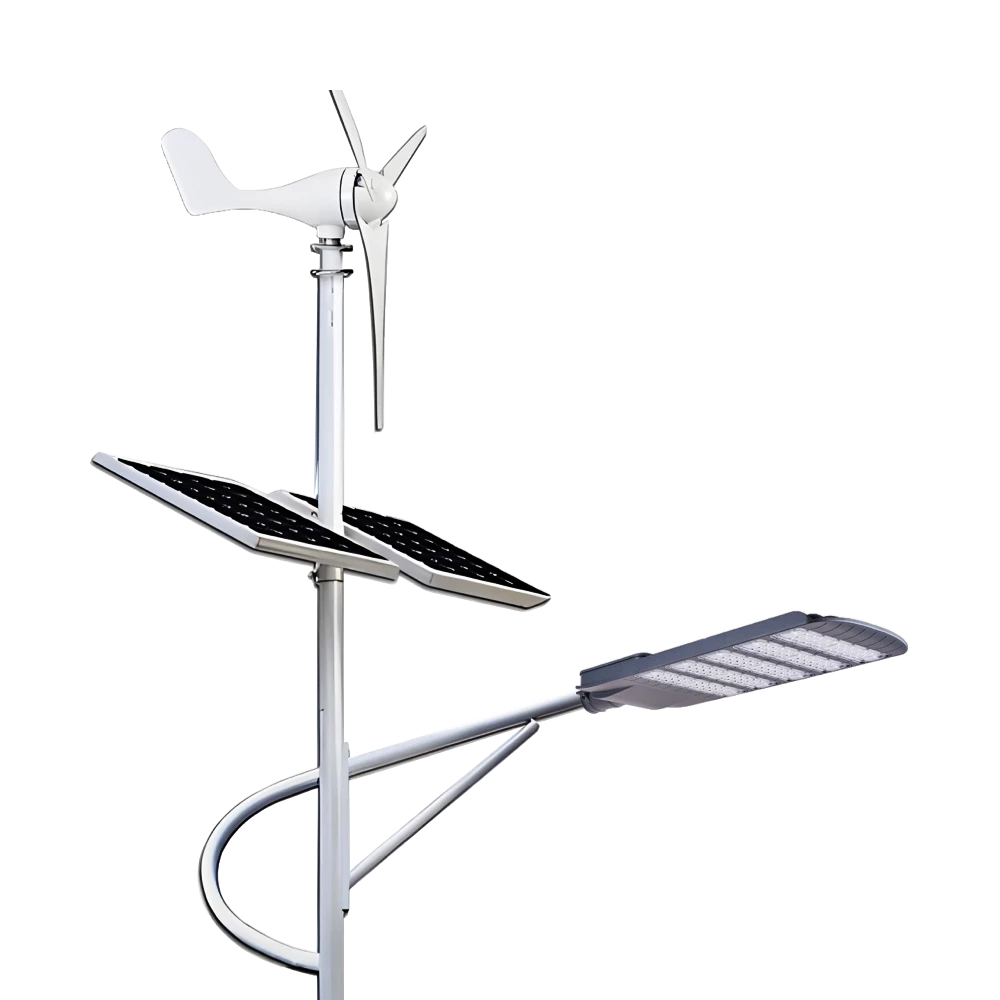
Queneng Lufeng Wind Energy LED Outdoor Solar Street Lights offer high-performance, eco-friendly illumination. These energy-efficient LED street lights harness solar power and wind energy for sustainable, cost-effective outdoor lighting solutions.
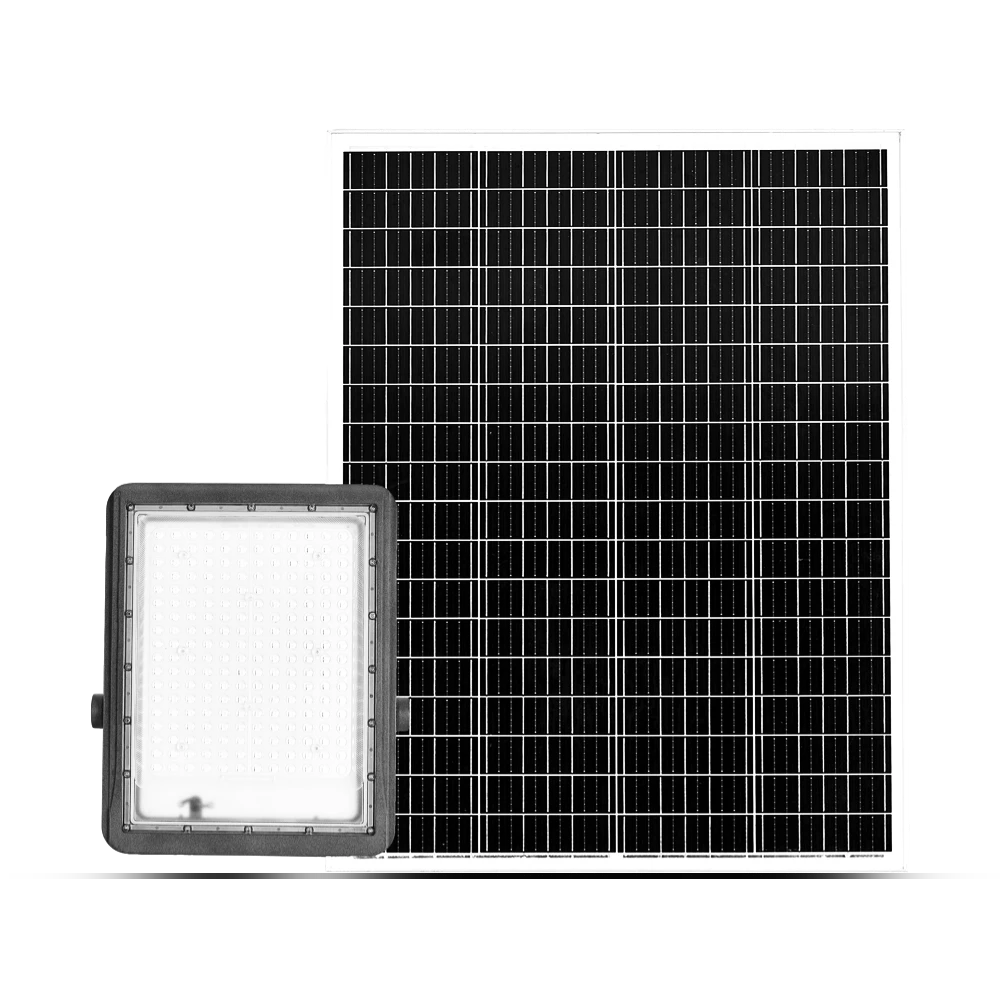
Queneng's Luxian Reliable Solar Street Light offers energy-saving LED lighting for outdoor use. This durable, solar-powered street light provides reliable illumination, reducing energy costs and environmental impact. A perfect solution for sustainable outdoor lighting.
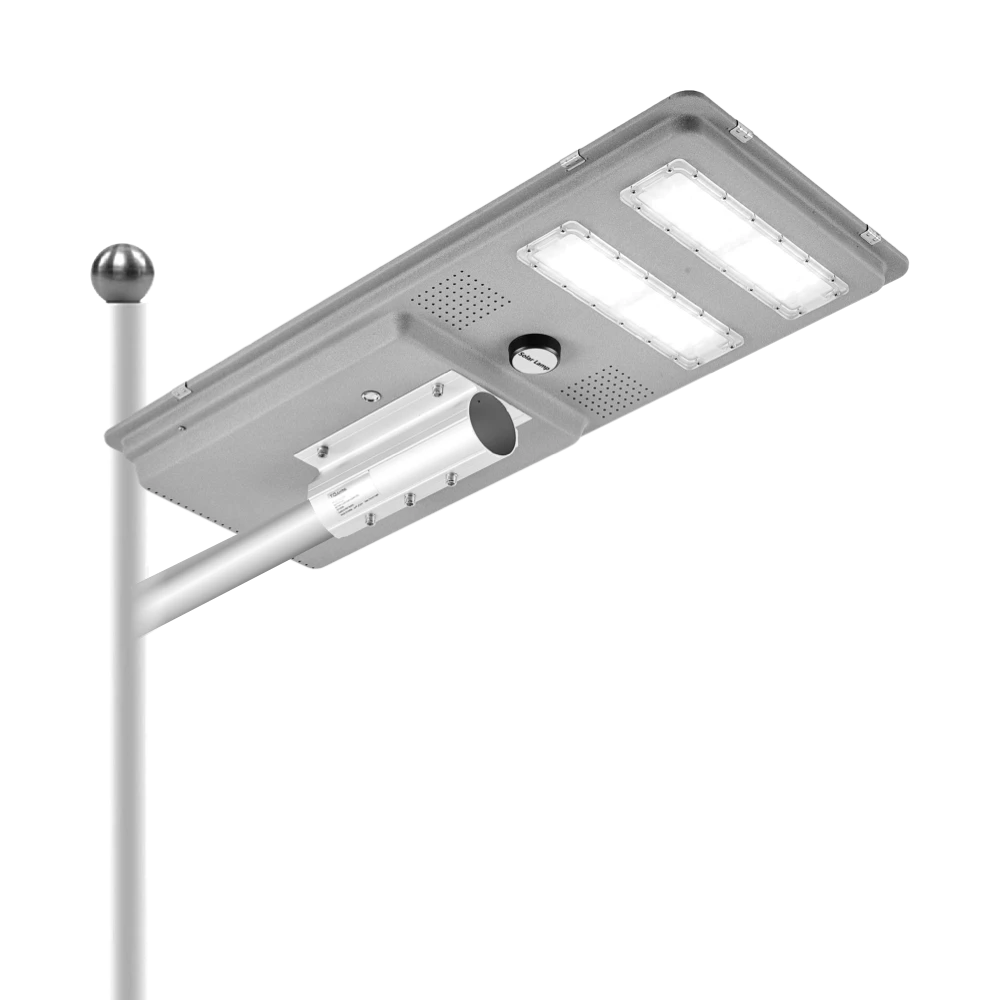
Queneng’s Solar Street Lights are designed to provide reliable, energy-efficient lighting for streets, parks, and other outdoor spaces.
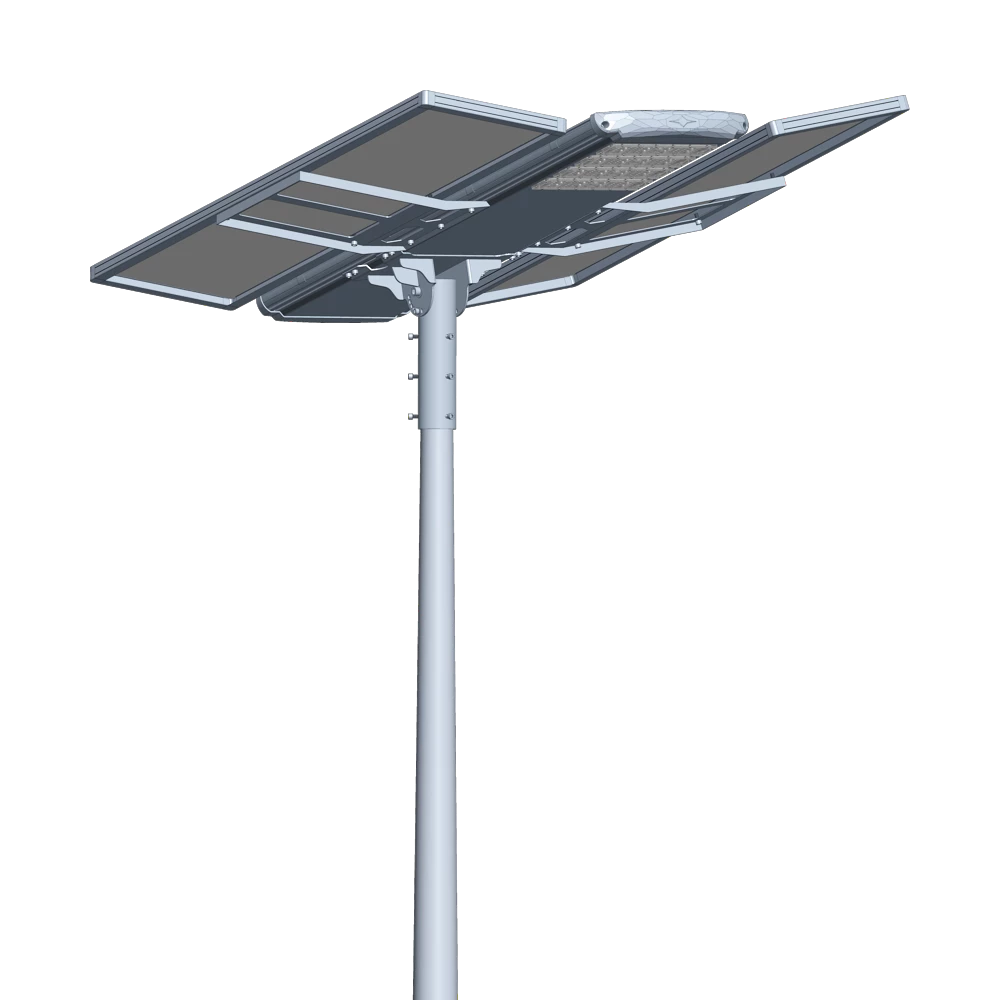
Introducing the Luqing Solar Street Light by Queneng, Efficient LED lighting powered by solar energy is perfect for illuminating outdoor areas. Harness the power of solar energy for sustainable, reliable street lighting. Ideal for eco-friendly, cost-effective outdoor illumination solutions.
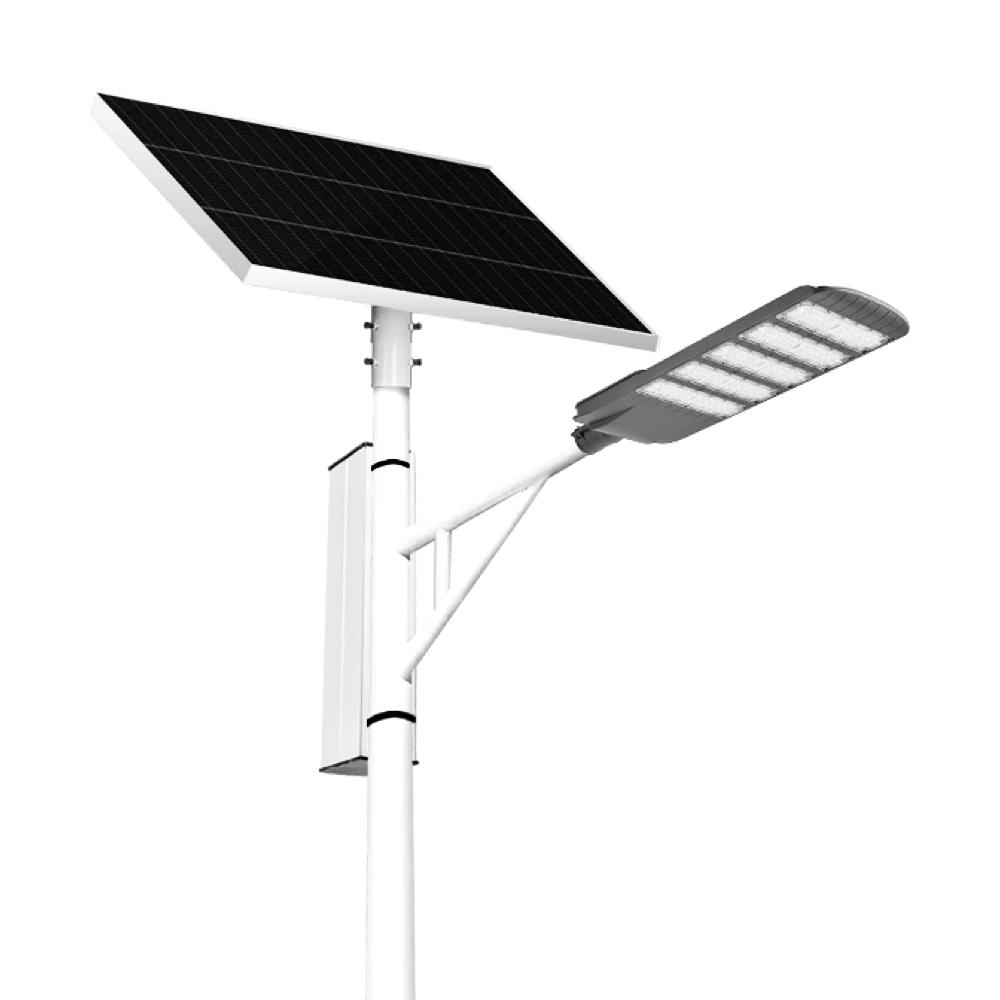
The Solar Streetlights of Luhao for Municipalities are designed to deliver reliable, energy-efficient, and cost-effective public lighting solutions. Equipped with advanced LED technology, durable lithium batteries, and high-efficiency solar panels, these streetlights provide consistent illumination for roads, parks, residential areas, and government projects.
Our professional team is ready to answer any questions and provide personalized support for your project.
You can reach us via phone or email to learn more about Queneng’s solar lighting solutions. We look forward to working with you to promote clean energy solutions!
Rest assured that your privacy is important to us, and all information provided will be handled with the utmost confidentiality.
By clicking 'Send Inquiry Now' I agree to Queneng processing my personal data.
To see how to withdraw your consent, how to control your personal data and how we process it, please see our Privacy Policy and Terms of use.
Schedule a Meeting
Book a date and time that is convenient for you and conduct the session in advance.
Have more questions about our products or services?
The messenger of light & power conversion
Environmental protection and intelligent manufacturing are our brand philosophy, and quality assurance and the best user experience are our eternal promises to users.
CONTACT
No.9F, Building F, Cao San Xin Tian Hong Logistics Park, Guzhen Town, Zhongshan City, Guangdong Province, China.
or write [email protected]
WhatsApp: +86 136 2270 1011


