

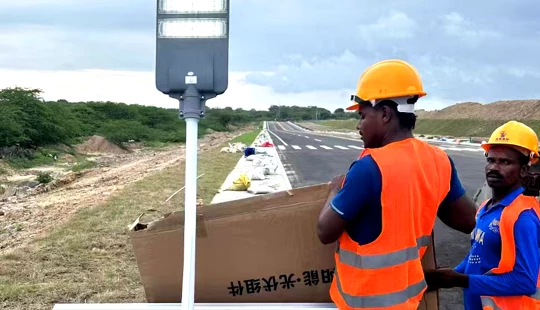
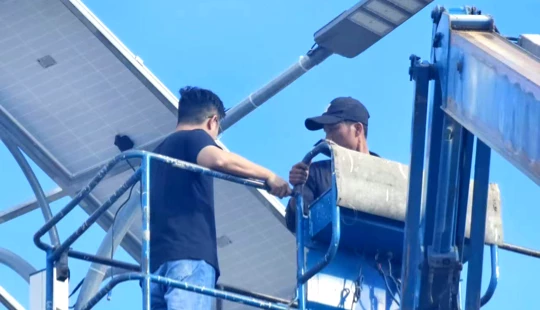













Municipal Solar Street Light Benefits for Cities
Why Cities Are Re-Energizing Their Streets
What is a Municipal Solar Street Light?
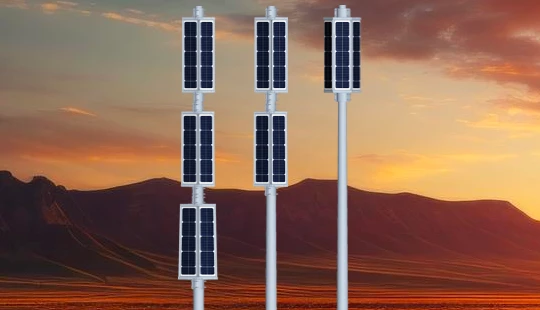
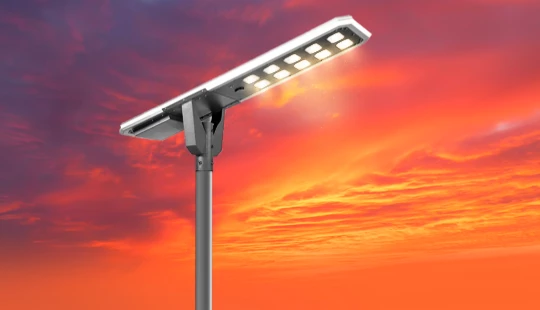
A municipal solar street light is an integrated lighting system designed for public rights-of-way that uses photovoltaic (PV) modules to convert sunlight into electricity, batteries to store energy, and LED luminaires to provide illumination. These systems can be off-grid (standalone), hybrid (grid-tied with battery backup), or used as a distributed supplement to existing networks. Municipal solar street light solutions are sized for local solar resource, lighting level requirements, autonomy (days of battery backup), and networked control features such as remote monitoring and dimming.
How Municipal Solar Street Light Solutions Match City Needs
Cities evaluate lighting projects against public-safety, budget, sustainability, and resilience goals. Municipal solar street light designs directly map to these priorities: they reduce operating electricity demand, allow rapid deployment where grid upgrades would be costly, support climate and emissions commitments, and can deliver smart-city telemetry without trenching power lines. For procurement teams, the keyword to evaluate is municipal solar street light — this encompasses product, system design, warranties, and service contracts tailored to urban environments.
Top Benefits of Municipal Solar Street Light for Cities
Below are the primary, evidence-based benefits municipal decision-makers prioritize when choosing solar street lighting.
1. Reduced Energy and Operating Costs (Municipal Solar Street Light savings)
Municipal solar street lights convert on-site solar energy to meet lighting demand, substantially reducing grid electricity bills and municipal operational expenses. Combined with efficient LED luminaires, energy use per pole can drop dramatically. The U.S. Department of Energy (DOE) and other agencies document LED retrofits delivering 50–70% energy reductions versus legacy high-pressure sodium lamps; pairing LEDs with solar PV eliminates most grid energy costs for that fixture when designed correctly (DOE, Solid-State Lighting Program).
2. Faster Deployment and Lower Civil Works
Solar street lights avoid trenching for power and allow installation where grid extension is expensive or slow. This speed matters for newly developed neighborhoods, remote corridors, parks, and temporary event lighting. Reduced civil works also lowers permitting complexity and urban disruption.
3. Grid Resilience and Disaster Recovery
During grid outages caused by storms, seismic events, or grid failures, standalone solar street lights continue to function using battery storage. For emergency response corridors and critical intersections, solar solutions provide lighting redundancy that enhances public safety and helps first responders operate safely.
4. Environmental and Climate Benefits
Municipal solar street lights reduce municipal scope 2 emissions by replacing grid-supplied electricity with renewable solar generation. The International Renewable Energy Agency (IRENA) documents sharp declines in PV costs and wider adoption of distributed solar, enabling municipalities to meet emissions reduction targets more affordably (IRENA, 2021).
5. Lower Total-Cost-of-Ownership for Targeted Applications
When considered over an appropriate lifecycle — factoring capital expenditure (CapEx), energy savings, maintenance, and expected lifetime — solar street lights can be cost-competitive, especially where grid electricity prices are high or trenching costs are significant. Payback periods vary by site and configuration; many projects report paybacks in a 3–8 year window under favorable conditions.
Economic Comparison: Municipal Solar Street Light vs. Grid-Connected LED
Comparisons should be lifecycle-based. The table below summarizes typical attributes and where municipal solar street lights excel or trade off.
| Attribute | Municipal Solar Street Light | Grid-Connected LED Street Light |
|---|---|---|
| Upfront Cost (per pole) | Higher (PV modules + battery + controller + pole). Range varies by capacity and vendor; economies at scale. | Lower equipment cost but may require trenching and transformer upgrades for remote areas. |
| Operating Cost (Electricity) | Near-zero grid electricity costs for standalone systems. | Ongoing grid electricity costs proportional to energy consumption. |
| Maintenance | Battery replacement (typ. 5–10 years), PV cleaning, controller checks; smart monitoring can reduce site visits. | Lamp driver and luminaire maintenance; increasing reliability with LEDs reduces frequency. |
| Resilience | High – continues during grid outages (designed autonomy). | Dependent on grid; outage means lights off unless backed-up. |
| Lifespan | PV modules 20+ years; LEDs 50,000–100,000 hours; batteries 5–10 years. | LED luminaire 50,000–100,000 hours; poles and wiring 20+ years. |
| Typical Payback (case-dependent) | 3–8 years in areas with high trenching costs or high electricity tariffs; longer in low-tariff, easy-grid areas. | Often immediate operational cost improvement vs. legacy lamps, but no energy independence. |
Sources for lifecycle and technology characteristics include IRENA (PV cost data), U.S. DOE (LED performance), and municipal case studies; see references at the end for verification.
Sample Payback Calculation (Transparent, Verifiable Method)
Decision-makers benefit from reproducible estimates. Below is a simplified sample calculation for one pole to illustrate how municipal solar street light economics are derived. Adjust inputs for local illuminance standards, insolation, and system design.
- Assumptions: LED luminaire replaces a 100 W legacy lamp with a 30 W LED, operating 12 hours/night (annual 4,380 hours). Electricity price = $0.12/kWh. PV + battery + controller + pole + installation = $1,800. Annual O&M (cleaning, inspection) = $20. Battery replacement at year 7 cost = $300.
- Annual energy consumption (LED): 30 W * 4,380 h = 131.4 kWh/year. Annual energy cost if grid-supplied: 131.4 kWh * $0.12 = $15.77/year (but design is solar). For a grid-connected 100 W old lamp energy: 100 W * 4,380 h = 438 kWh/year cost = $52.56/year. Energy savings = ~$36.80/year per pole.
- Payback (naive, ignoring financing and incentives): Upfront delta compared to simple LED grid retrofit (if that retrofit costs $600) => extra cost = $1,800 - $600 = $1,200. Annual net savings (energy + avoided trenching/connection) must cover the extra cost. If trenching/connection cost avoided per pole is $800 (varies by site), the net extra becomes $400. With energy savings ~$37/year + avoided connection amortized, payback can be under 10 years; actual municipal projects with higher trenching costs and higher electricity tariffs see paybacks in 3–7 years.
This example is illustrative; use local insolation data (NREL PVWatts or PV resource maps) for PV production estimates and vendor quotes for accurate CapEx/O&M figures.
Technical and Procurement Best Practices for Municipal Solar Street Light Projects
To secure performance and long-term value, cities should follow these practical steps when procuring municipal solar street light systems:
- Define performance specs: required lux levels, uniformity ratios, operating hours, autonomy days, and dimming profiles.
- Use certified components: PV with IEC/UL certifications, batteries with cycle life test data, LED luminaires with LM-80/IES reports.
- Request lifecycle costing: CapEx, annual O&M, battery replacement schedule, and expected energy yield based on local insolation.
- Include remote monitoring and fault reporting to minimize truck rolls and enable performance-based warranties.
- Plan for maintenance with spare-part contracts and battery recycling or replacement pathways.
- Consider pilot projects to validate designs in local conditions before city-wide rollout.
Real-World Considerations: Site Selection, Theft, and Illumination Standards
Municipalities must evaluate shading, vandalism/theft risk (high-value batteries attract theft in some regions), local weather extremes, and salt or coastal exposure. Use tamper-resistant enclosures, community engagement, and anti-theft mounting hardware. Ensure designs comply with local lighting standards for pedestrian and vehicle safety, and consider dark-sky friendly optics to minimize light spill and energy waste.
How Queneng Lighting Supports Municipal Solar Street Light Projects
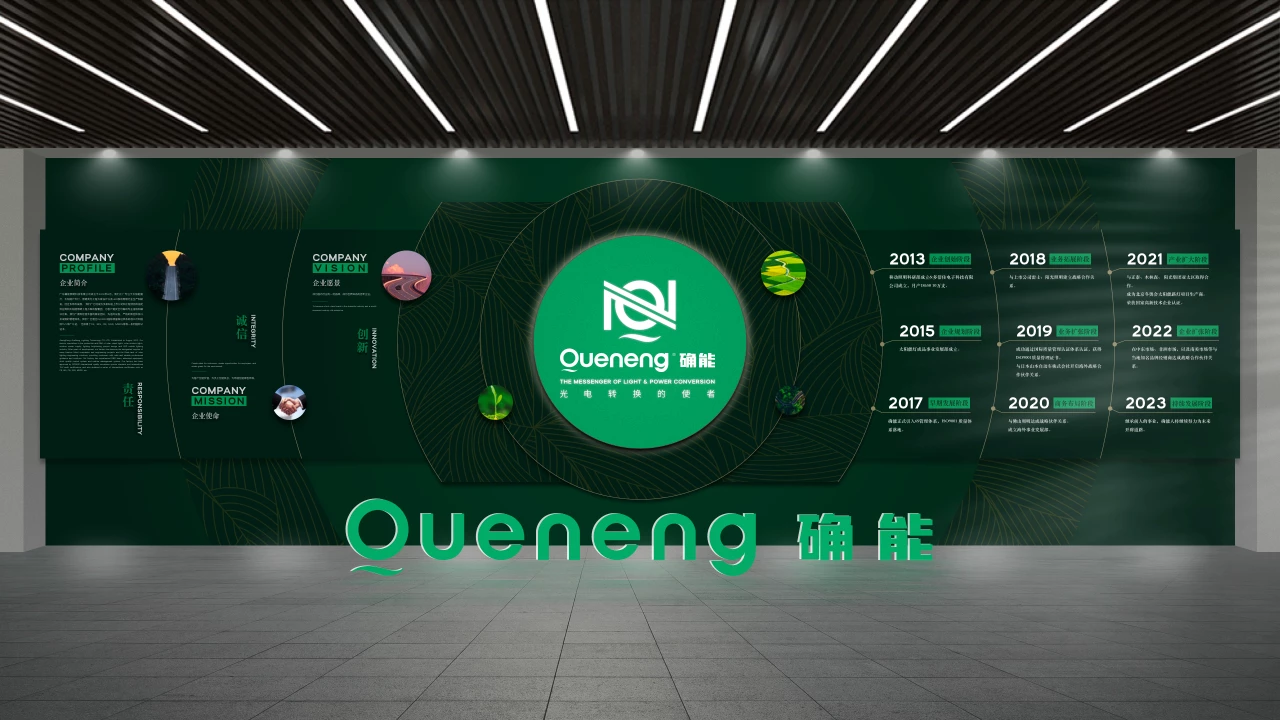
GuangDong Queneng Lighting Technology Co., Ltd., founded in 2013, specializes in solar street lights and a wide range of solar lighting products and solutions. Queneng's portfolio includes Solar Street Lights, Solar Spot lights, Solar Lawn lights, Solar Pillar Lights, Solar Photovoltaic Panels, and Solar Garden Lights. The company also offers portable outdoor power supplies and batteries, lighting project design, and LED mobile lighting production and development.
Key strengths Queneng brings to municipal projects:
- Product breadth: End-to-end product line for urban and landscape lighting needs, enabling a single-vendor solution for standardization.
- Engineering and design: Experienced R&D team and lighting project design services to tailor systems for local insolation, autonomy, and public-safety requirements.
- Quality and certification: ISO 9001 certified, with TÚV audits and international certifications including CE, UL, BIS, CB, SGS and MSDS — supporting procurement compliance in multiple jurisdictions.
- Manufacturing control: Advanced equipment and strict quality control systems reduce component variability and improve reliability and warranty performance.
- Proven supply relationships: Designated supplier for listed companies and engineering projects, indicating experience with large-scale rollouts and institutional procurement processes.
Queneng’s solutions emphasize long-life PV modules, high-efficiency LED luminaires, and batteries selected for cycle life and safety. Combined with remote monitoring and modular designs, Queneng helps municipalities minimize lifecycle costs, improve deployment speed, and meet resilience targets.
Choosing the Right Queneng Product for a Municipal Project
Typical product matches:
- Urban arterials and main roads: High-output Solar Street Lights with advanced optics and networked dimming.
- Parks and pedestrian paths: Solar Garden Lights and Solar Lawn Lights with appropriate color rendering and aesthetics.
- Plazas, entrances, and decorative zones: Solar Pillar Lights and Solar Spot lights for architectural accenting.
- Remote corridors and construction sites: Portable outdoor power supplies and LED mobile lighting for temporary and flexible needs.
Queneng’s integrated approach reduces coordination overhead and ensures components (PV panels, batteries, controllers, and LEDs) are matched and tested for municipal lifecycle expectations.
Procurement & Implementation Roadmap for Cities
- Set objectives: energy savings, resilience, emissions goals, and budget constraints.
- Run a pilot: deploy 10–50 poles in representative conditions to collect performance data for 6–12 months.
- Scale with phased rollouts: use lessons learned for procurement specifications and maintenance planning.
- Leverage performance-based contracts: warranties tied to energy yield, lumen maintenance, and battery cycles.
- Engage stakeholders: utilities, public works, emergency services, and community groups for acceptance and theft mitigation.
Frequently Asked Questions (FAQ) — Municipal Solar Street Light
1. Are municipal solar street lights reliable in cloudy or high-latitude cities?
Yes, with proper system sizing and battery autonomy. Designers use local insolation data (daily peak-sun-hours) to size PV and battery storage. In regions with lower solar resource, hybrid systems (grid-tied with battery backup) or larger PV arrays and batteries are typical. Use NREL PV resource maps or local meteorological data for accurate sizing.
2. How long do batteries and LEDs last, and what are the replacement costs?
High-quality lithium iron phosphate (LiFePO4) batteries typically last 5–10 years depending on depth-of-discharge and temperature. LEDs commonly have useful lifetimes of 50,000–100,000 hours (many years of service). Budget lifecycle replacement costs in financial models and plan battery recycling/disposal per local regulations.
3. What are typical maintenance requirements for municipal solar street lights?
Maintenance includes periodic PV cleaning in dusty environments, battery health checks, firmware/controller updates, and luminaire inspection. Remote monitoring reduces physical inspections by alerting for faults. Include a planned maintenance schedule and spare-part inventory in procurement contracts.
4. How can cities prevent theft and vandalism of solar lighting components?
Mitigation measures include tamper-proof fasteners, battery boxes with anchors or embedded mounts, anti-theft hardware, community engagement programs, and surveillance in high-risk areas. Designing battery enclosures into the pole base and using fewer visible high-value components can also help.
5. Do municipal solar street lights support smart-city features?
Yes. Modern controllers support remote monitoring, dimming schedules, adaptive lighting, motion-triggered boost, and integration with city management platforms via cellular, LoRaWAN, or NB-IoT connectivity. Smart features improve O&M efficiency and deliver additional value through data intelligence.
6. How do I evaluate vendors for municipal solar street light projects?
Require certified components, reference projects, financial stability, and clear warranty terms. Include performance guarantees, independent lab test reports (LM-80, IEC, UL), and lifecycle cost analysis in the RFP. Consider vendors like Queneng with ISO 9001 and multiple international certifications for procurement confidence.
Contact and Product Inquiry
If you are assessing municipal solar street light solutions or planning a pilot, contact Queneng Lighting for a project consultation, component datasheets, and turnkey proposals. Queneng provides certified products, engineering support, and installation guidelines tailored for municipal deployments. To request a quote, product catalog, or design consultation, reach out via the company website or authorized distributors for localized service.
References
- IRENA — Renewable Power Generation Costs in 2020. https://www.irena.org/publications/2021/Jun/Renewable-Power-Costs-in-2020 (June 2021)
- U.S. Department of Energy — Solid-State Lighting Program. https://www.energy.gov/eere/ssl/solid-state-lighting (accessed 2025)
- NREL — PVWatts & Solar Resource Maps. https://pvwatts.nrel.gov/ and https://www.nrel.gov/gis/solar. (accessed 2025)
- World Bank / Lighting Africa resources — deployment case studies and rural lighting insights. https://www.lightingafrica.org/ (accessed 2025)
- Queneng Lighting company overview and certifications — corporate materials (product lines and certification claims as stated by the company). (GuangDong Queneng Lighting Technology Co., Ltd., company materials; accessed 2025)
For more detailed technical assistance, tender support, or a site-specific feasibility study, contact Queneng Lighting to arrange an on-site assessment and customized municipal solar street light proposal.

Have more questions about our products or services?
The latest hot news you might like

Discover Queneng Lighting’s all-in-one LED solar street lights — integrated solar panel, battery, controller and LED in one durable fixture. Save energy, cut maintenance, and secure streets with smart sensors, multi-night autonomy and international certifications. Contact sales for quotes and support.

Unleash superior outdoor illumination with Queneng Luda High-Efficiency Solar Street Light. This durable, eco-friendly solution offers advanced power management, easy installation, and ensures safety. Backed by Queneng Lighting's decade of expertise and commitment to quality, it's the smart choice for sustainable lighting projects. Learn why we're a leading solar solutions provider.

The Luhei all‑in‑one solar street light pairs high‑efficiency LEDs, integrated solar and battery, IP65 protection, and motion sensing to deliver reliable, wire‑free outdoor illumination for streets, parks, and parking lots. Backed by Queneng Lighting’s certifications and support.

FAQ
Municipal and Public Infrastructure
Are your solar streetlights compliant with international standards?
Yes, our products meet international quality and safety standards, including ISO9001, CE, and RoHS certifications, ensuring reliability and performance.
Solar Street Light Luhao
Can the Luhao solar street light be used in residential areas?
Yes, the Luhao solar street light is suitable for both residential and commercial applications. It is perfect for lighting driveways, gardens, pathways, or any outdoor area that requires reliable, energy-efficient illumination.
Battery Performance and Testing
What is the standard charging and discharging of nickel metal hydride batteries?
What is self-discharge of secondary batteries?
Schools and Educational Institutions
Can solar lights be installed in remote locations without easy access to power sources?
Yes, solar lights are perfect for remote locations where it is difficult to lay electrical wiring. They provide autonomous lighting without the need for external power sources.
Solar Street Light Luzhou
What is the brightness level of Luzhou solar street lights?
Luzhou solar street lights provide bright, high-quality illumination that is comparable to traditional street lighting. The LEDs used in these lights are designed to provide focused, powerful lighting that enhances visibility and safety in outdoor spaces.
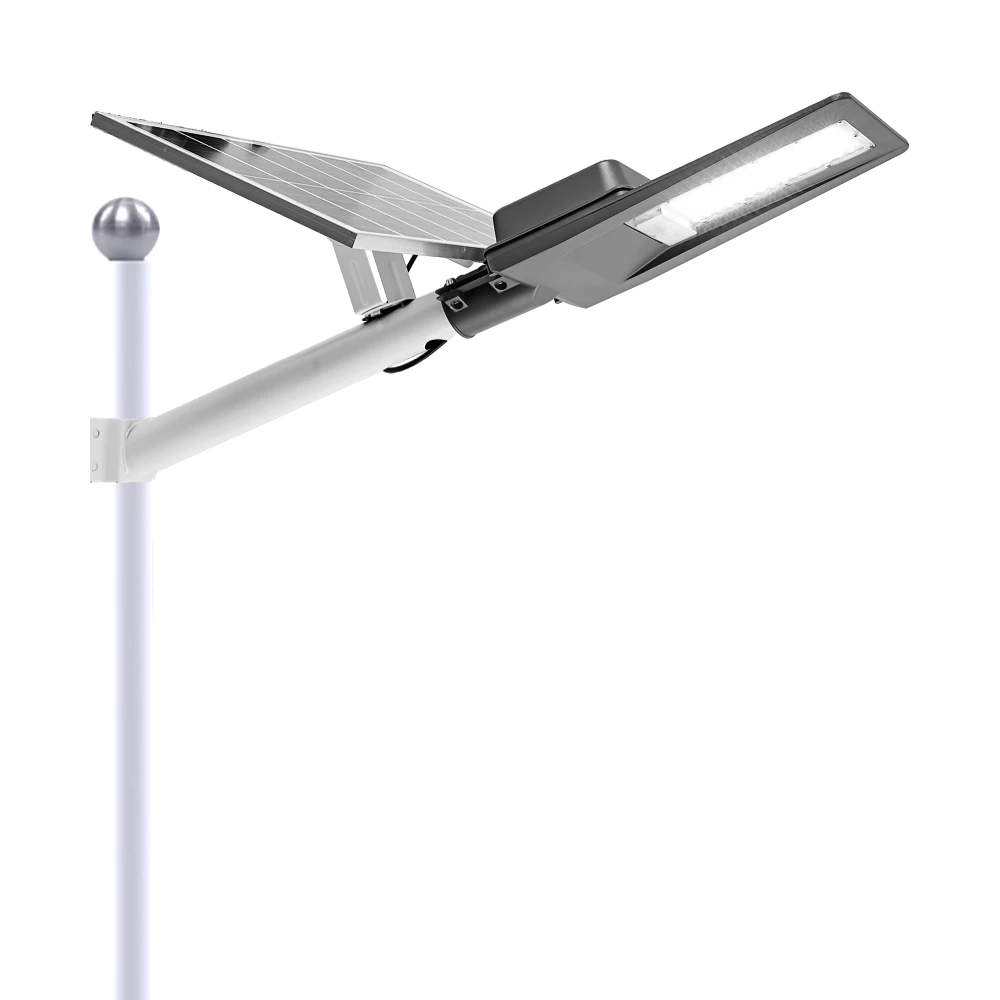
Experience reliable outdoor illumination with our smart solar street light, a perfect combination of advanced technology and eco-conscious design.
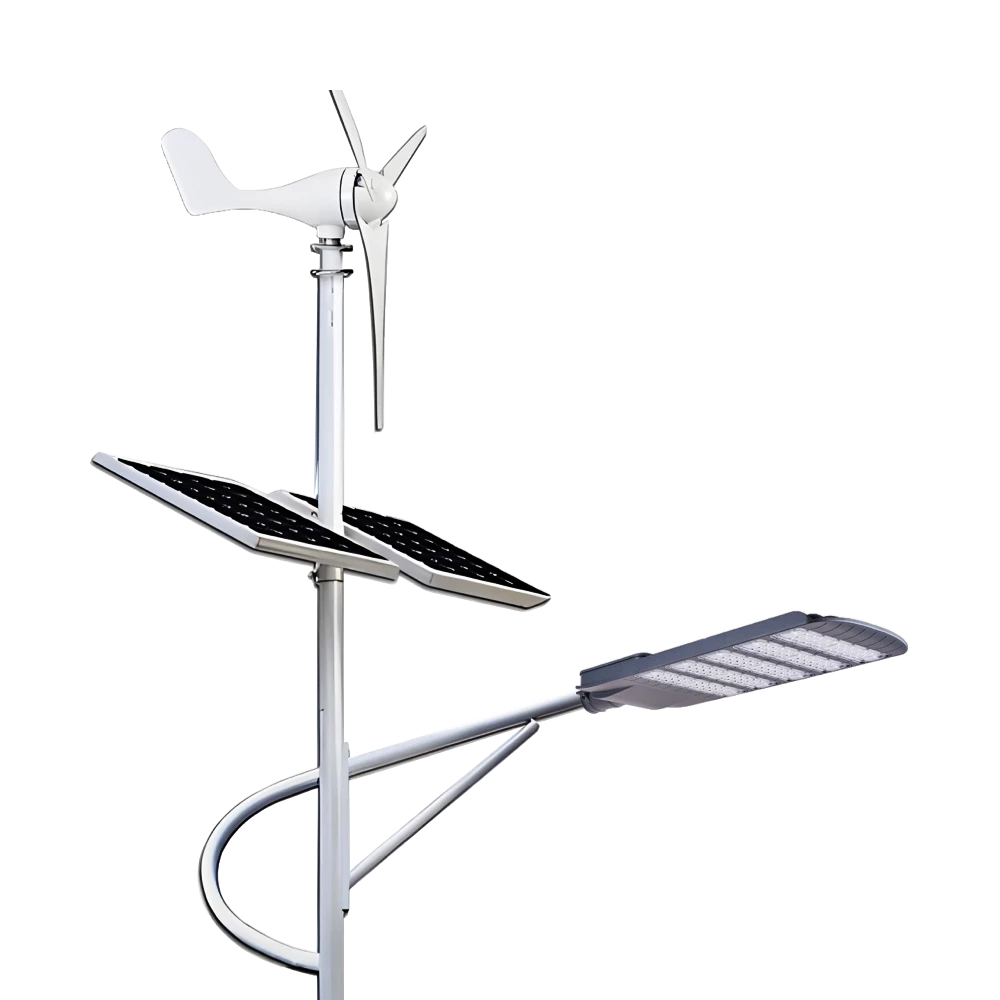
Queneng Lufeng Wind Energy LED Outdoor Solar Street Lights offer high-performance, eco-friendly illumination. These energy-efficient LED street lights harness solar power and wind energy for sustainable, cost-effective outdoor lighting solutions.
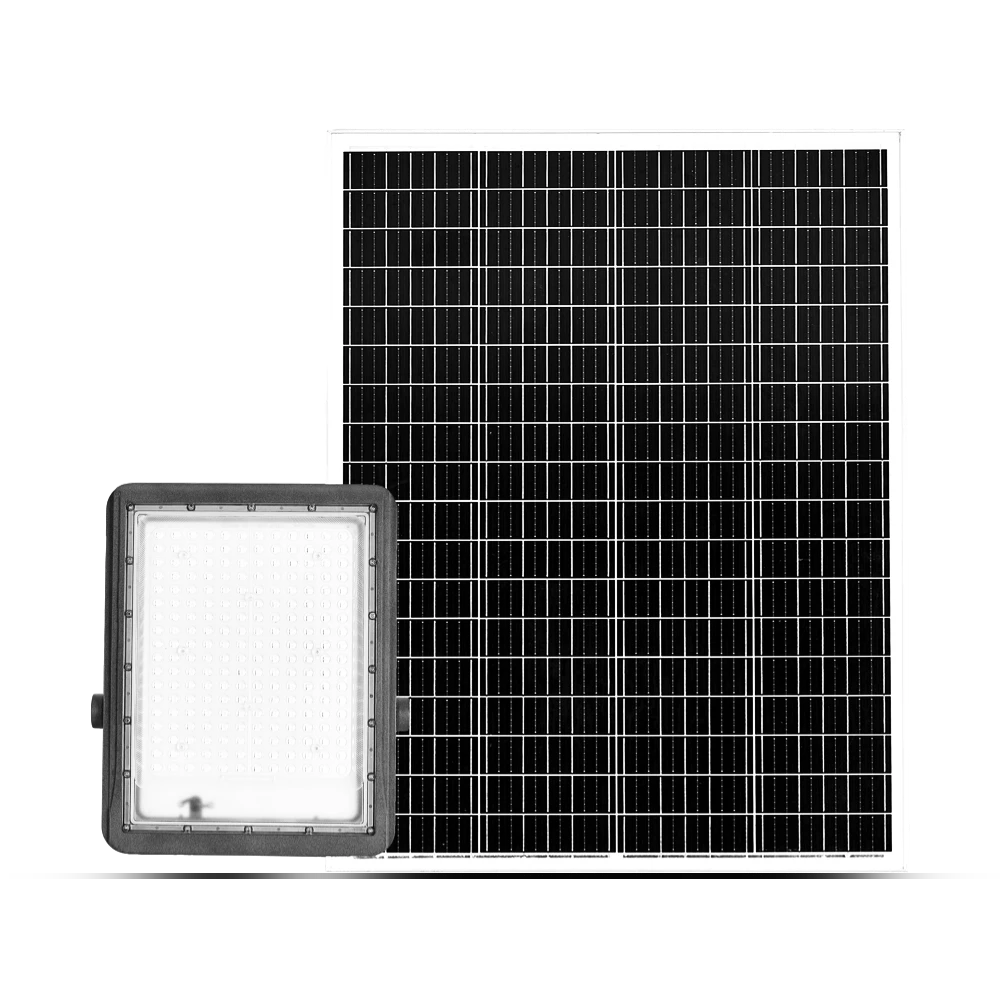
Queneng's Luxian Reliable Solar Street Light offers energy-saving LED lighting for outdoor use. This durable, solar-powered street light provides reliable illumination, reducing energy costs and environmental impact. A perfect solution for sustainable outdoor lighting.
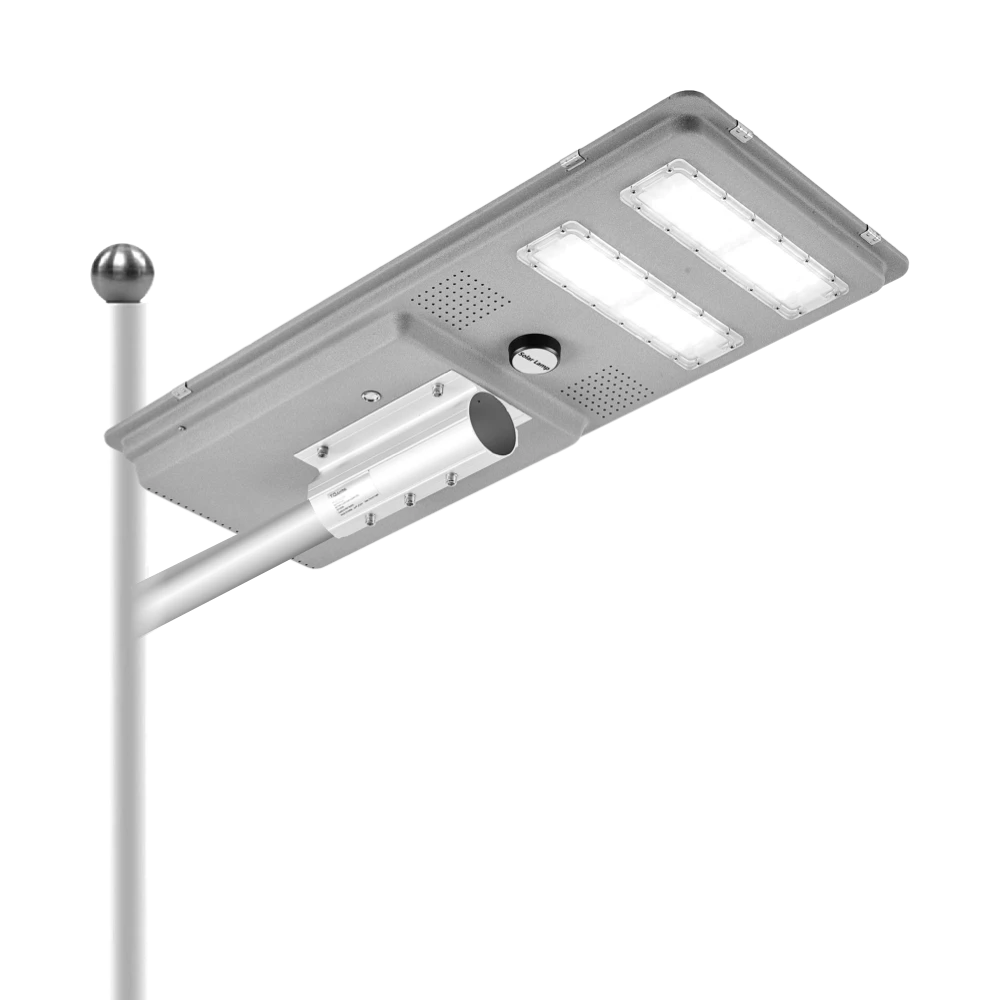
Queneng’s Solar Street Lights are designed to provide reliable, energy-efficient lighting for streets, parks, and other outdoor spaces.
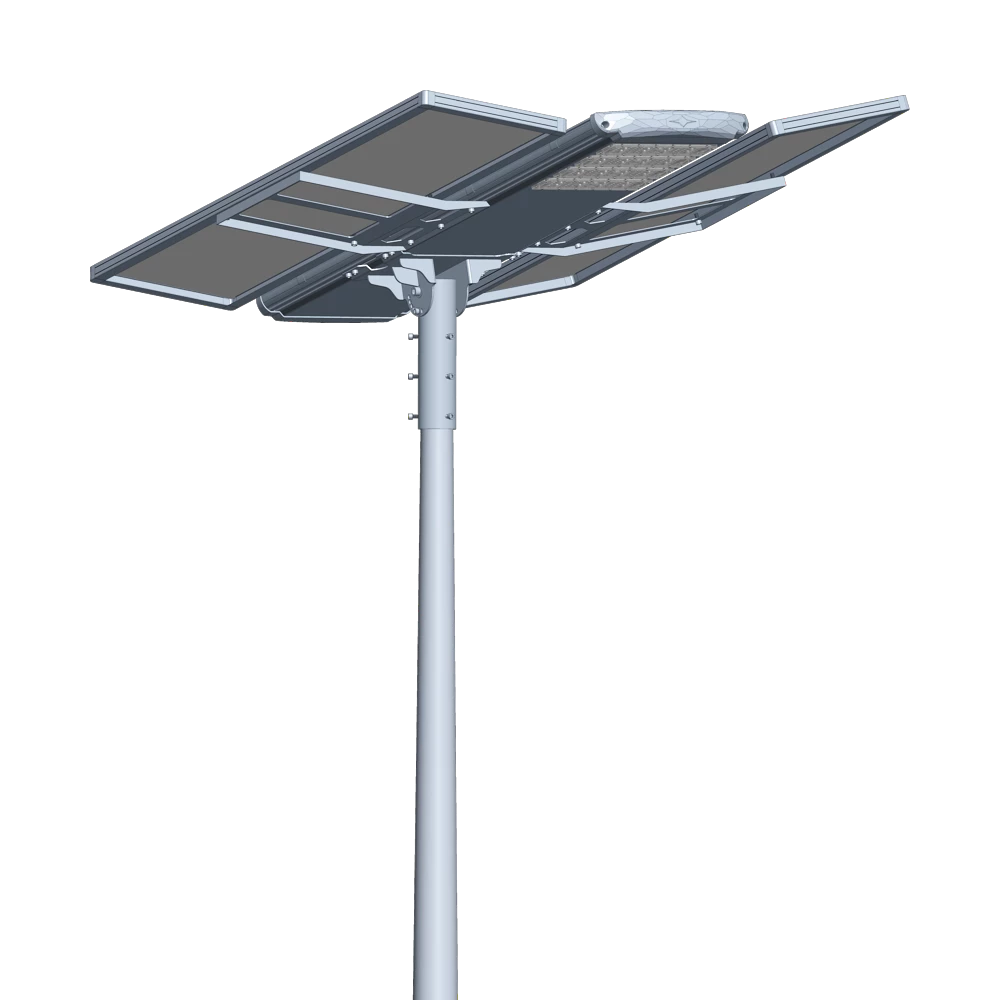
Introducing the Luqing Solar Street Light by Queneng, Efficient LED lighting powered by solar energy is perfect for illuminating outdoor areas. Harness the power of solar energy for sustainable, reliable street lighting. Ideal for eco-friendly, cost-effective outdoor illumination solutions.
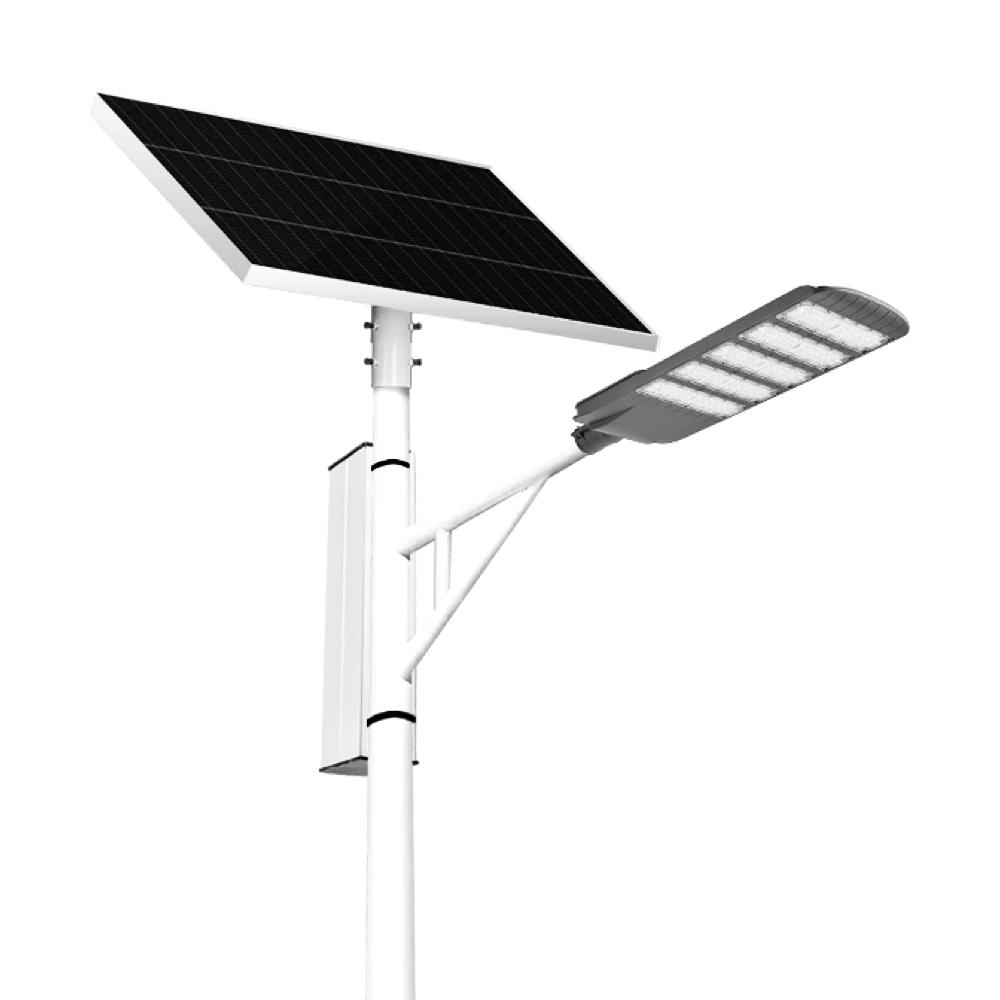
The Solar Streetlights of Luhao for Municipalities are designed to deliver reliable, energy-efficient, and cost-effective public lighting solutions. Equipped with advanced LED technology, durable lithium batteries, and high-efficiency solar panels, these streetlights provide consistent illumination for roads, parks, residential areas, and government projects.
Our professional team is ready to answer any questions and provide personalized support for your project.
You can reach us via phone or email to learn more about Queneng’s solar lighting solutions. We look forward to working with you to promote clean energy solutions!
Rest assured that your privacy is important to us, and all information provided will be handled with the utmost confidentiality.
By clicking 'Send Inquiry Now' I agree to Queneng processing my personal data.
To see how to withdraw your consent, how to control your personal data and how we process it, please see our Privacy Policy and Terms of use.
Schedule a Meeting
Book a date and time that is convenient for you and conduct the session in advance.
Have more questions about our products or services?
The messenger of light & power conversion
Environmental protection and intelligent manufacturing are our brand philosophy, and quality assurance and the best user experience are our eternal promises to users.
CONTACT
No.9F, Building F, Cao San Xin Tian Hong Logistics Park, Guzhen Town, Zhongshan City, Guangdong Province, China.
or write [email protected]
WhatsApp: +86 136 2270 1011


