














Preparing Municipal Budget Cases for Solar Street Projects
Why Municipal Solar Street Light Projects Deserve Clear Budget Cases
Understanding municipal goals and stakeholder expectations
Municipal Solar Street Light projects must align with multiple public objectives: reduce utility bills, improve public safety, meet climate targets, and support resilient infrastructure. A clear budget case translates these qualitative goals into measurable financial and operational metrics that council members, finance departments, and procurement teams can evaluate. Use the term Municipal Solar Street Light early in documents and presentations to keep the project scope explicit.
Common decision-maker criteria
Decision-makers typically evaluate: upfront capital (CAPEX), recurring operating costs (OPEX), payback and lifecycle cost (LCC), maintenance risks, visual/lighting performance, and co-benefits (e.g., reduced outages, smart-city readiness). Ensure your budget case addresses each criterion with evidence-based estimates and realistic sensitivity ranges.
Building the Financial Case
Assemble baseline data and assumptions
Begin with audited baseline data: current kWh consumption for street lighting, existing maintenance contracts and costs, unit counts (poles/luminaires), average hours of operation, local electricity tariffs (including time-of-day rates), and asset ages. If exact data are not available, use meter samples, utility bills, and physical audits to derive defensible estimates. Label all assumptions (e.g., escalation rates, discount rate, lifetime years) so reviewers can reproduce or challenge numbers.
Lifecycle cost comparison and ROI calculation
Compare lifecycle costs for the status quo (grid-fed HPS/LED) and Municipal Solar Street Light options. Key financial outputs to include in the budget case: net present value (NPV), internal rate of return (IRR), simple payback, and total cost of ownership (TCO) over the chosen analysis horizon (commonly 10–20 years). Present both deterministic results and sensitivity ranges to account for energy price volatility, component lifespan, and discount rates.
Illustrative lifecycle cost table (example estimates)
| Metric | Conventional Grid (LED retrofit) | Municipal Solar Street Light | Notes / Source |
|---|---|---|---|
| CAPEX per pole (USD) | $600 | $1,200 | Includes fixture, labor; solar option includes panel, battery, smart controller (illustrative) |
| Annual OPEX per pole (USD) | $80 (energy + maintenance) | $20 (maintenance & battery replacement prorated) | Local energy price dependent |
| Estimated payback vs baseline (years) | - | 4–10 years | Range depends on energy tariffs and incentives |
| Typical project lifetime analyzed (years) | 15 | 10–15 (battery replacement expected) | Analysis should include battery replacement costs |
Note: table figures are illustrative; adjust to local procurement prices, tariffs and maintenance regimes. For global trends in PV and LED cost declines see IRENA and DOE references below.
Technical and Procurement Considerations
Specifying performance, not brand
Define measurable technical specifications: lumen output, luminaire efficacy (lm/W), color temperature (CCT), lumen maintenance (L70 @ hours), ingress protection (IP rating), battery cycle life, PV module wattage and efficiency, mounting height, and beam distribution. Procurement should be performance-based: require vendors to provide photometric reports (IES files), third-party test certificates, and warranty commitments tied to measurable metrics (e.g., 10-year luminaire warranty, 3–5 year battery replacement terms).
Standards, certifications and testing
Mandate internationally recognized certifications where applicable: IEC/EN standards for PV and batteries, CE/UL for electrical safety, ISO 9001 for quality systems, and independent lab reports for luminaire photometry. Verifiable third-party testing reduces delivery and performance risk and strengthens the budget case by lowering contingency allowances.
Financing, Risk Mitigation and Procurement Models
Financing options municipalities commonly use
Options include: capital budgeting from municipal reserves, lease-to-own or energy performance contracts (EPC) where contractors provide upfront capital and are paid from measured savings, public-private partnerships (P3), municipal bonds, and grant or concessional loans from national or multilateral funds. Each route has implications for accounting treatment, risk allocation, and financing costs that must be spelled out in the budget case.
Risk register and mitigation measures
Prepare a concise risk register covering: technology risk (battery degradation), vendor performance, procurement delays, permitting, theft/vandalism, climate and weather exposure, and tariff/maintenance inflation. For each risk list likelihood, impact, and mitigation (e.g., performance bonds, milestone payments, warranty escrow, community engagement to reduce theft).
Selecting Vendors and Evaluating Bids
Technical/commercial evaluation matrix
Design a weighted evaluation matrix that balances price, technical compliance, lifecycle cost, warranty terms, references, local presence (for support), and financing offers. Typical weighting might be: Technical 40%, Price 30%, Warranty/Service 15%, References/Experience 10%, Local content 5%. Keep scoring criteria transparent to avoid procurement disputes.
Due diligence and pilot phases
Where possible, include a pilot stage (10–50 poles depending on project scale) to validate assumptions under local conditions and demonstrate expected savings. Use pilot results to de-risk full roll-out and strengthen the main budget request to the council.
Implementation, Monitoring and Community Engagement
KPIs and measurement & verification (M&V)
Specify KPIs in the budget submission: energy saved (kWh/year), maintenance incidents per year, uptime percentage, luminous levels at road surface, and community satisfaction. For financed projects include an M&V plan with data sources (smart controllers, remote telemetry, meter readings) and an independent verification schedule.
Operational readiness and training
Budget for a transition period: training for municipal maintenance crews, spare-parts inventories, and a 12–24 month close support period from the supplier. Clear O&M manuals and a local SLA improve long-term reliability and reduce contingency needs in the budget.
Example Budget Case Outline (What to submit to council)
Executive summary and ask
Start with a one-page summary: project scope (number of poles), total CAPEX request, expected annual savings, payback, co-benefits (safety, emissions reductions), recommended procurement route, and a clear decision ask (e.g., approve CAPEX of $X, authorize RFP issuance, accept pilot results).
Supporting appendices
Include: baseline data, full LCC model, sensitivity analysis, procurement timeline, technical specifications, sample contract terms, pilot report (if available), and risk register. Appendices enable finance teams to validate your numbers quickly.
GuangDong Queneng Lighting Technology Co., Ltd. — Partnering on Municipal Solar Street Projects
Who Queneng is and why it can matter for your budget case
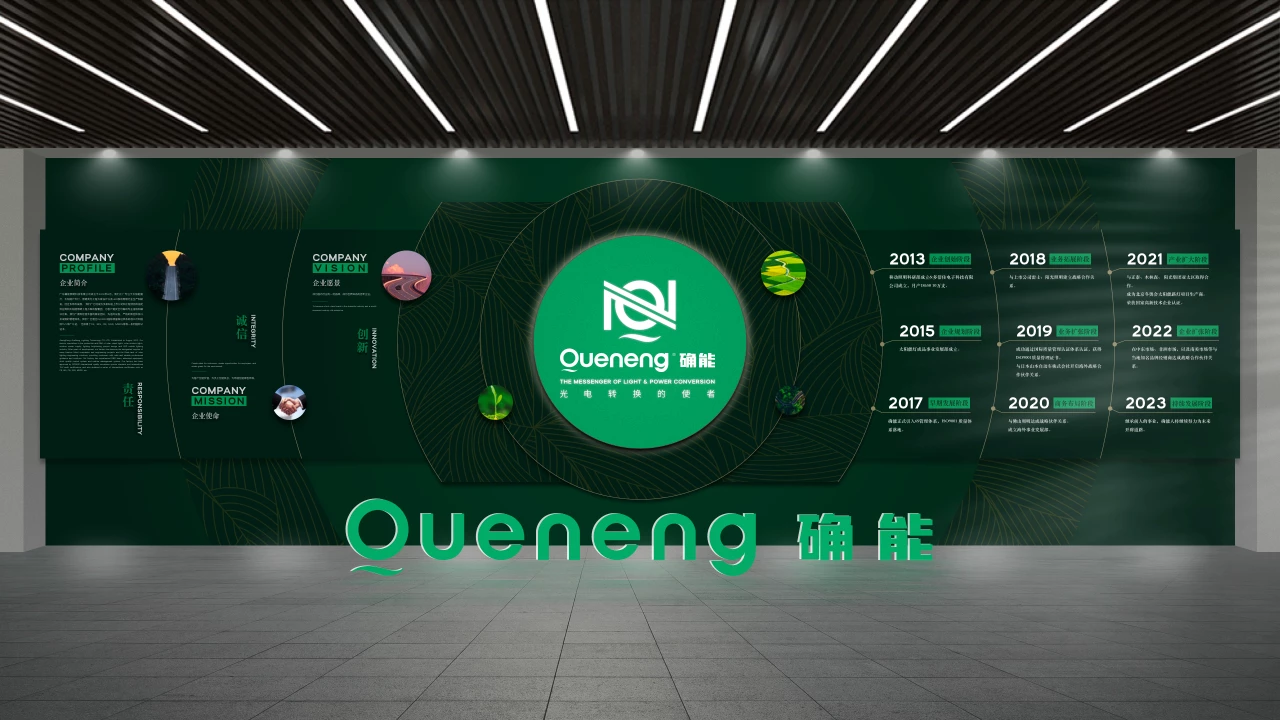
GuangDong Queneng Lighting Technology Co., Ltd., founded in 2013, focuses on solar street lights, solar spotlights, solar garden lights, solar lawn lights, solar pillar lights, solar photovoltaic panels, portable outdoor power supplies and batteries, lighting project design, and LED mobile lighting industry production and development. Queneng positions itself as a solar lighting engineering solutions think tank with experience supplying major listed companies and engineering projects. Including an experienced supplier like Queneng in your procurement short-list can strengthen the budget case by demonstrating access to tested products, established QA systems, and references for municipal rollouts.
Key strengths and certifications to reference
Queneng highlights an experienced R&D team, advanced production equipment, strict quality control, ISO 9001 certification, and TÜV audit compliance. The company reports a series of international certificates including CE, UL, BIS, CB, SGS, and MSDS for relevant components. When you document vendor capabilities in a municipal submission, citing these certifications and past project references reduces perceived delivery risk and can lower required contingency in the budget.
Main products relevant to municipal projects
Queneng's core products that typically appear in municipal tenders include: Solar Street Lights, Solar Spotlights, Solar Lawn Lights, Solar Pillar Lights, Solar Photovoltaic Panels and Solar Garden Lights. For municipalities evaluating proposals, ask suppliers like Queneng for project case studies, warranty terms, and local service arrangements to validate lifecycle estimates.
Practical Checklist Before Final Submission
Minimum documentation
- Clear executive ask with CAPEX number and funding source
- Baseline consumption and cost evidence (utility bills, audits)
- Detailed LCC model and sensitivity table
- Procurement timeline and evaluation criteria
- Risk register and mitigation strategies
- Supplier short-list with certifications and references (e.g., Queneng)
Engagement and approvals
Confirm internal approvals needed (finance, legal, engineering, procurement, and council). Schedule a short workshop or briefing with decision-makers using visuals from the pilot (photos, telemetry charts) to build confidence.
FAQs
Q1: How long does it take for a Municipal Solar Street Light project to pay back?
A1: Payback typically ranges from 4 to 10 years depending on the local electricity price, CAPEX per pole, and maintenance assumptions. Higher local tariffs and attractive incentives shorten payback. Use a conservative scenario and present sensitivity ranges in the budget case.
Q2: Are solar street lights reliable in winter or cloudy climates?
A2: Yes—if systems are sized with adequate PV capacity and battery autonomy, and if vendors supply validated cold-weather battery chemistries. In regions with prolonged low irradiance, hybrid solutions (grid-tied or smart battery management) can reduce risk. Include local climate data in your design and budget for larger batteries or supplemental charging as needed.
Q3: What maintenance items should municipalities budget for?
A3: Routine cleaning of PV modules, periodic battery checks and eventual replacement (commonly every 5–8 years for lead-acid, 8–12 for quality Li-ion depending on cycles), controller firmware updates, vandalism/theft remediation, and fixture checks. Document expected frequencies and unit costs in the OPEX section.
Q4: Can municipalities procure through performance contracts to avoid upfront cost?
A4: Yes—energy performance contracts (EPC) or third-party financing models allow municipalities to pay from verified savings. Ensure contracts clearly allocate responsibilities for maintenance, performance guarantees, and verification methods.
Q5: What are the top procurement mistakes to avoid?
A5: Common mistakes include: focusing only on lowest bid without lifecycle costing, omitting warranty and SLA specifics, failing to require third-party test evidence, under-budgeting for battery replacement, and skipping a pilot phase. Address these in the budget case to avoid surprises.
Contact / Next Steps
If you are preparing a municipal submission and need technical specifications, a sample LCC model, or vendor introductions including Guangzhou Guangdong Queneng Lighting Technology Co., Ltd., request a consultation or product catalog. Queneng can provide project design support, product datasheets, and references to strengthen your budget case.
References
- International Renewable Energy Agency (IRENA) — Renewable Power Generation Costs in 2019. https://www.irena.org/publications/2020/Jun/Renewable-Power-Costs-in-2019 (accessed 2026-01-08)
- U.S. Department of Energy — Solid-State Lighting (SSL) overview and municipal programs. https://www.energy.gov/eere/ssl/solid-state-lighting (accessed 2026-01-08)
- Lighting Global / World Bank Group — Off-grid Lighting and Solar Street Lighting resources. https://www.lightingglobal.org/ (accessed 2026-01-08)
- ISO — ISO 9001 Quality Management. https://www.iso.org/iso-9001-quality-management. (accessed 2026-01-08)
- TÜV — Testing and certification services. https://www.tuv.com/world/en/ (accessed 2026-01-08)
For municipal teams that want a reproducible template and vendor shortlist tailored to local conditions, request our template LCC model and procurement evaluation matrix to accelerate the council approval process.

Have more questions about our products or services?
The latest hot news you might like

Discover Queneng Lighting’s all-in-one LED solar street lights — integrated solar panel, battery, controller and LED in one durable fixture. Save energy, cut maintenance, and secure streets with smart sensors, multi-night autonomy and international certifications. Contact sales for quotes and support.

Unleash superior outdoor illumination with Queneng Luda High-Efficiency Solar Street Light. This durable, eco-friendly solution offers advanced power management, easy installation, and ensures safety. Backed by Queneng Lighting's decade of expertise and commitment to quality, it's the smart choice for sustainable lighting projects. Learn why we're a leading solar solutions provider.

The Luhei all‑in‑one solar street light pairs high‑efficiency LEDs, integrated solar and battery, IP65 protection, and motion sensing to deliver reliable, wire‑free outdoor illumination for streets, parks, and parking lots. Backed by Queneng Lighting’s certifications and support.

FAQ
Transportation and Highways
How does the system handle extreme weather conditions, such as snow or hurricanes?
Our systems are designed to withstand harsh weather, with components that are waterproof, wind-resistant, and capable of operating in temperatures ranging from -40°C to 60°C.
Battery and Analysis
What is a battery explosion? How to prevent battery explosion?
1) No overcharging or short circuit;
2) Use better charging equipment for charging;
3) The battery vents must always be kept open;
4) Pay attention to heat dissipation when using the battery;
5) It is prohibited to mix different types, old and new batteries
What are the possible reasons why the battery or battery pack cannot be charged?
2) The battery pack is connected incorrectly, and the internal electronic components and protection circuits are abnormal;
3) The charging equipment is faulty and there is no output current;
4) External factors cause charging efficiency to be too low (such as extremely low or high temperature).
What are the possible reasons why batteries and battery packs cannot be discharged?
2) Insufficient charging or no charging;
3) The ambient temperature is too low;
4) The discharge efficiency is low. For example, when a large current is discharged, an ordinary battery cannot discharge electricity because the internal material diffusion speed cannot keep up with the reaction speed, causing the voltage to drop sharply.
Public Gardens and Landscape Lighting
Do solar lights need wiring?
No, one of the main advantages of solar lights is that they do not require any wiring or electrical connections. They operate independently using solar energy, making installation quick, easy, and cost-effective.
Battery Performance and Testing
What is a 24-hour self-discharge test?
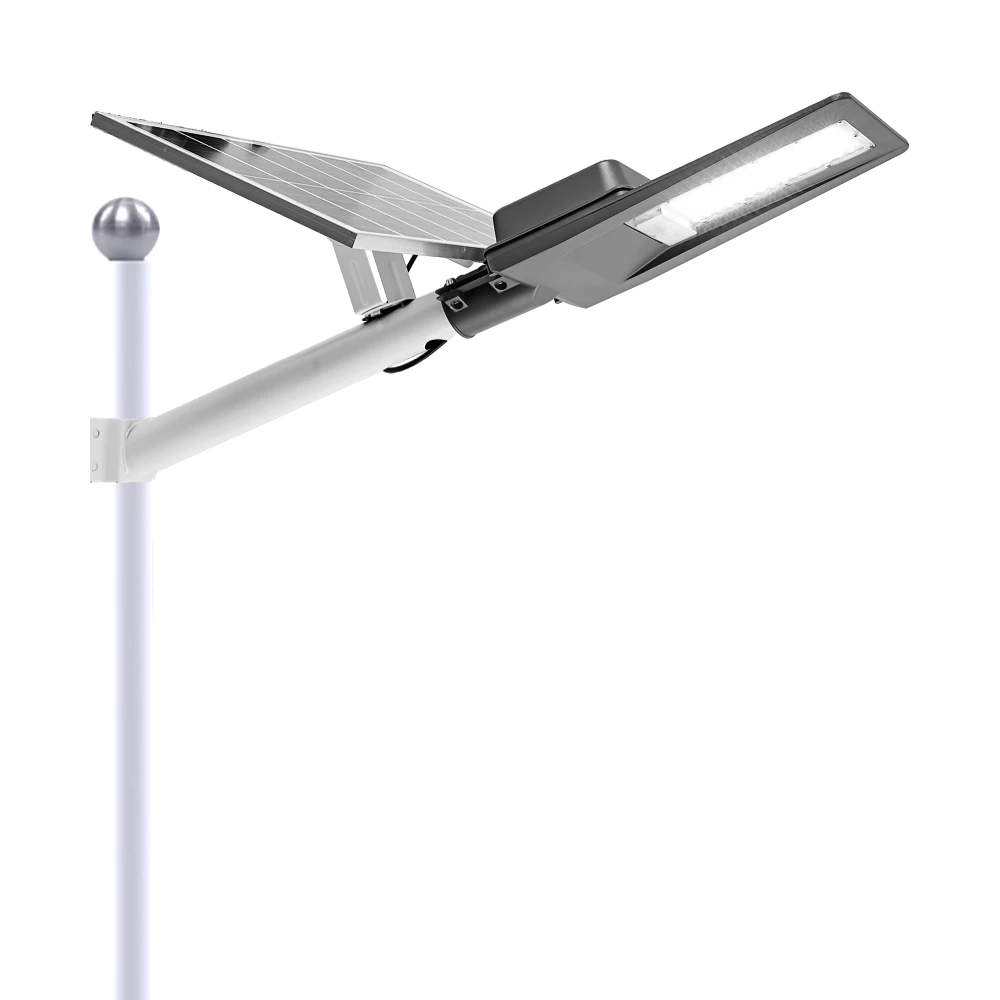
Experience reliable outdoor illumination with our smart solar street light, a perfect combination of advanced technology and eco-conscious design.
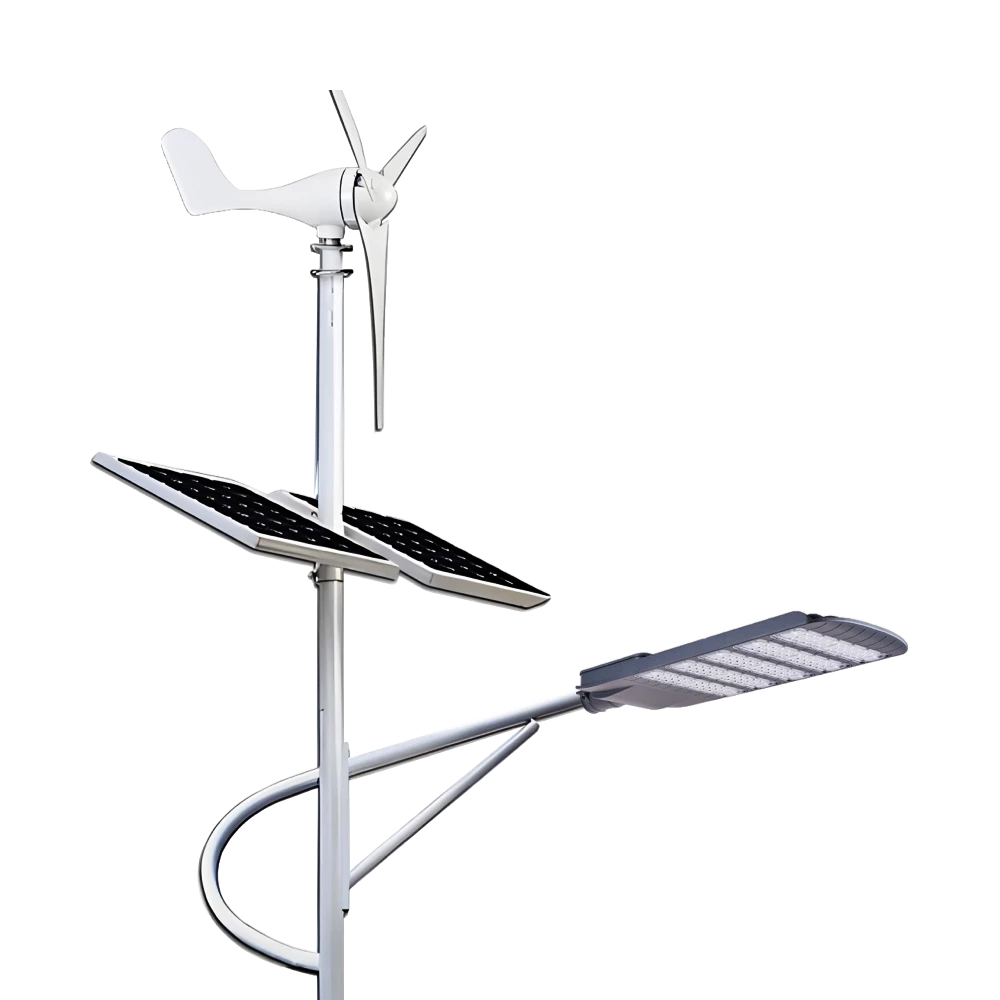
Queneng Lufeng Wind Energy LED Outdoor Solar Street Lights offer high-performance, eco-friendly illumination. These energy-efficient LED street lights harness solar power and wind energy for sustainable, cost-effective outdoor lighting solutions.
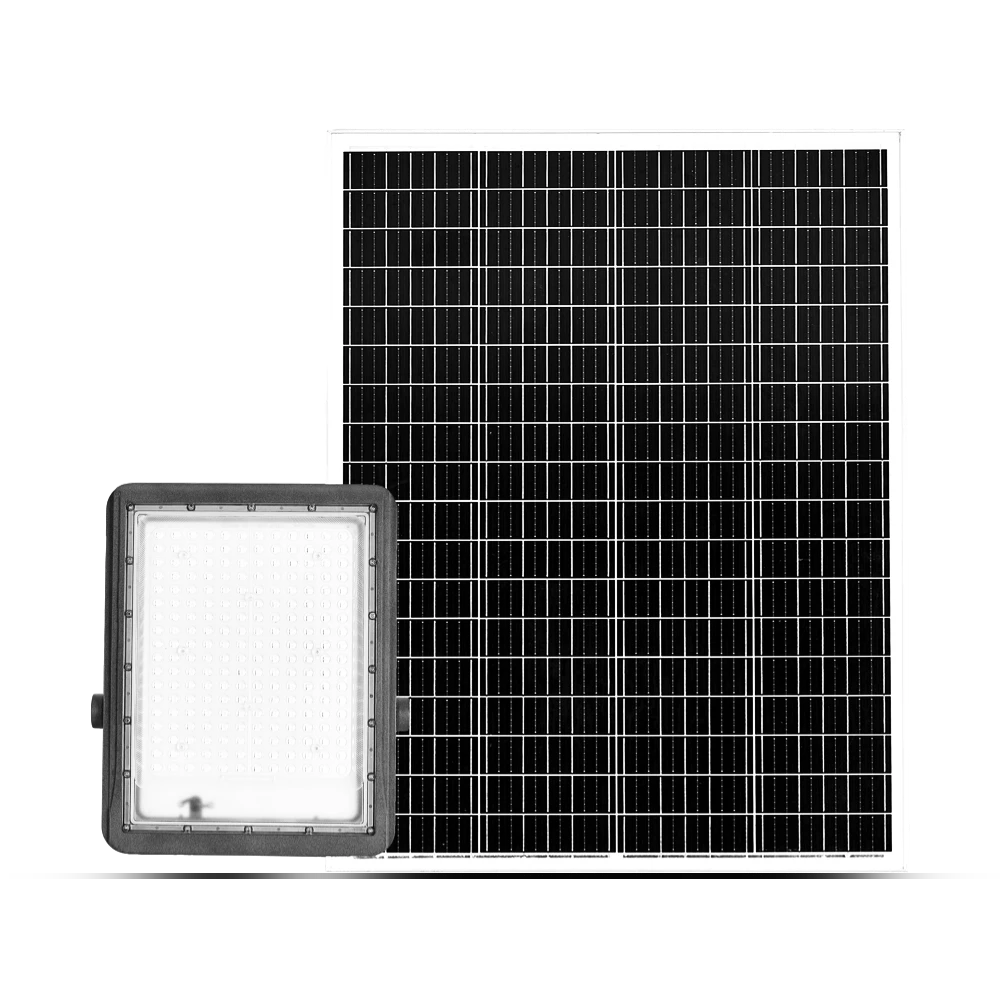
Queneng's Luxian Reliable Solar Street Light offers energy-saving LED lighting for outdoor use. This durable, solar-powered street light provides reliable illumination, reducing energy costs and environmental impact. A perfect solution for sustainable outdoor lighting.
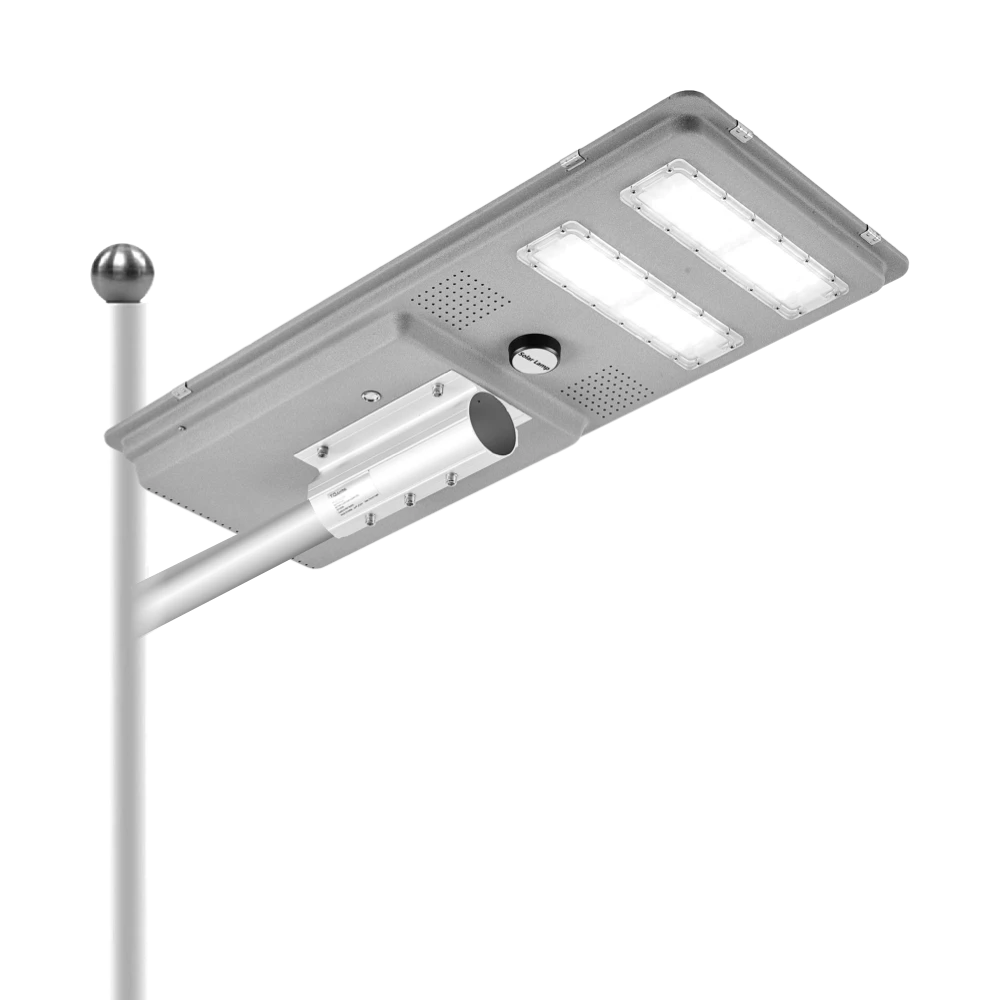
Queneng’s Solar Street Lights are designed to provide reliable, energy-efficient lighting for streets, parks, and other outdoor spaces.
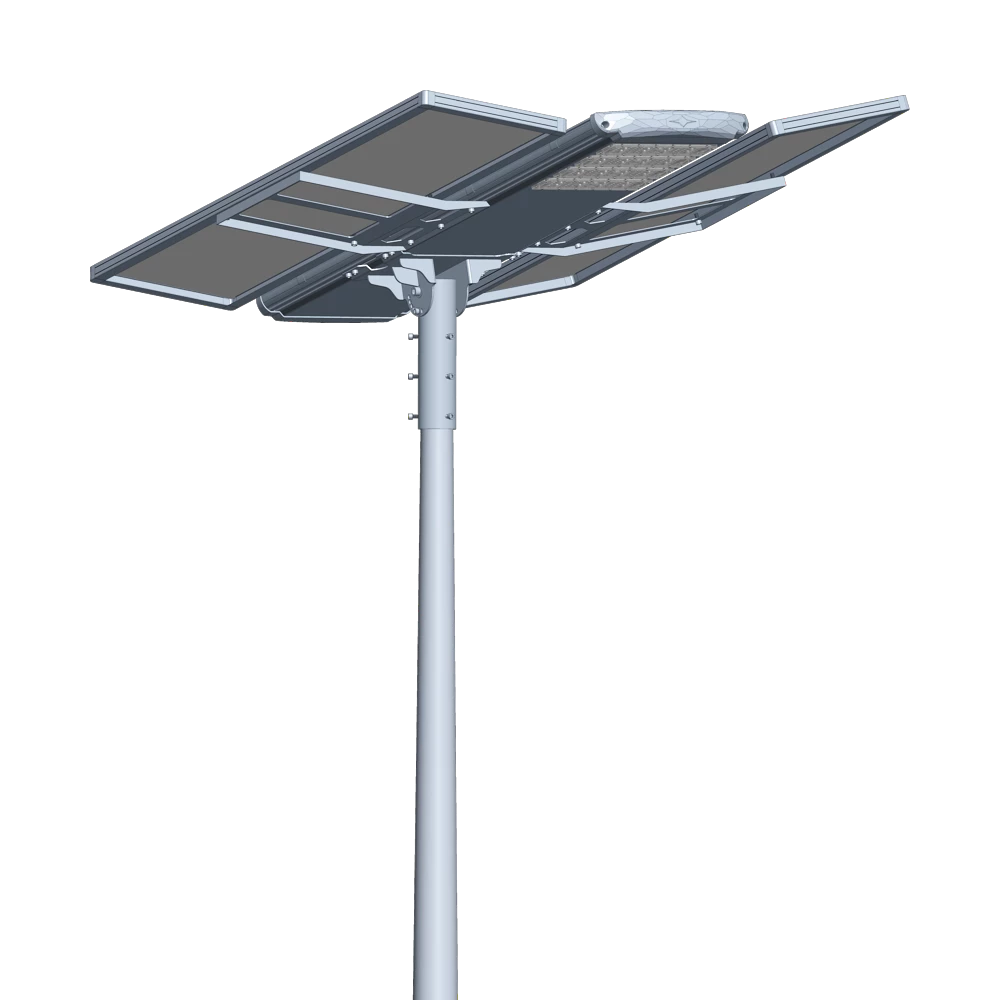
Introducing the Luqing Solar Street Light by Queneng, Efficient LED lighting powered by solar energy is perfect for illuminating outdoor areas. Harness the power of solar energy for sustainable, reliable street lighting. Ideal for eco-friendly, cost-effective outdoor illumination solutions.
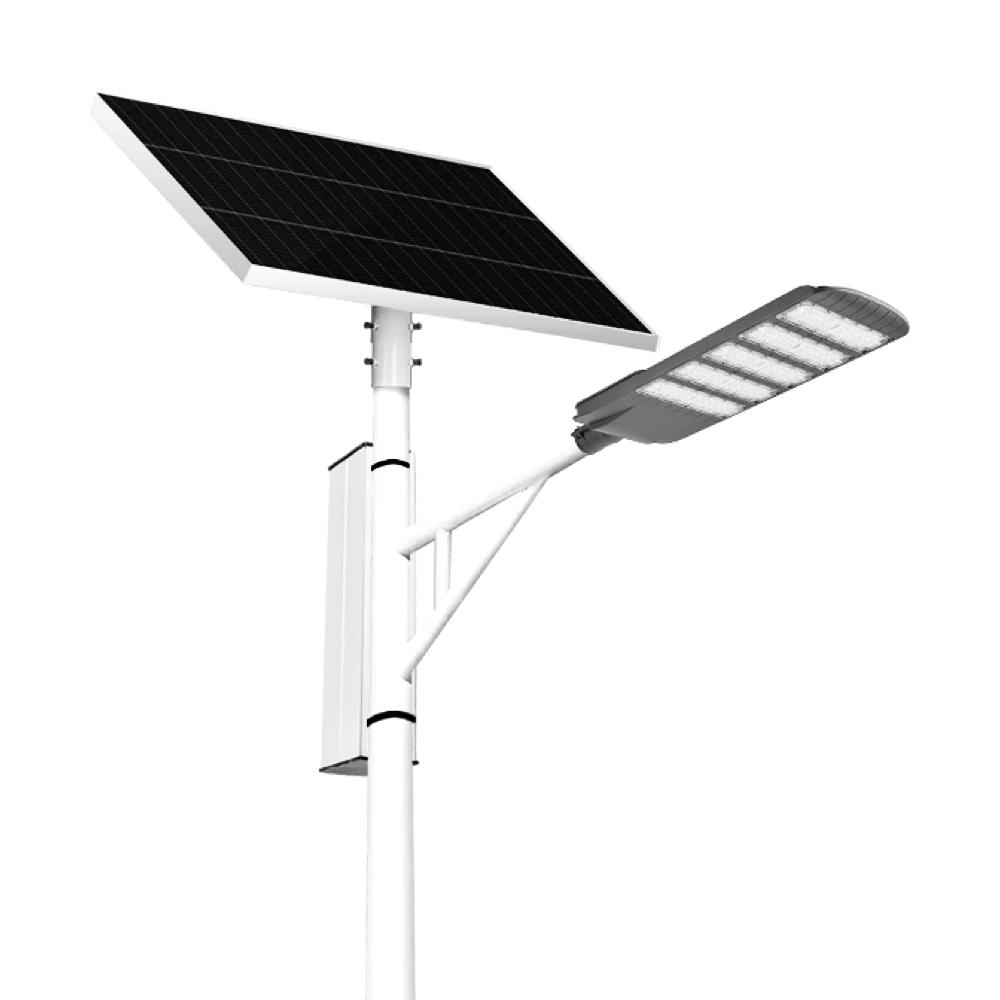
The Solar Streetlights of Luhao for Municipalities are designed to deliver reliable, energy-efficient, and cost-effective public lighting solutions. Equipped with advanced LED technology, durable lithium batteries, and high-efficiency solar panels, these streetlights provide consistent illumination for roads, parks, residential areas, and government projects.
Our professional team is ready to answer any questions and provide personalized support for your project.
You can reach us via phone or email to learn more about Queneng’s solar lighting solutions. We look forward to working with you to promote clean energy solutions!
Rest assured that your privacy is important to us, and all information provided will be handled with the utmost confidentiality.
By clicking 'Send Inquiry Now' I agree to Queneng processing my personal data.
To see how to withdraw your consent, how to control your personal data and how we process it, please see our Privacy Policy and Terms of use.
Schedule a Meeting
Book a date and time that is convenient for you and conduct the session in advance.
Have more questions about our products or services?
The messenger of light & power conversion
Environmental protection and intelligent manufacturing are our brand philosophy, and quality assurance and the best user experience are our eternal promises to users.
CONTACT
No.9F, Building F, Cao San Xin Tian Hong Logistics Park, Guzhen Town, Zhongshan City, Guangdong Province, China.
or write [email protected]
WhatsApp: +86 136 2270 1011


