














Bulk Ordering: Negotiation Strategies and Volume Discounts
Optimizing Municipal Solar Street Light Procurement
Understanding municipal objectives and constraints
Municipalities buying Municipal Solar Street Light solutions balance multiple objectives: public safety, lifecycle cost control, energy resilience, and maintenance minimization. Constraints often include fixed capital budgets, procurement rules (public tenders, RFPs), and timelines tied to seasons or fiscal years. Clarifying priorities (e.g., lowest lifecycle cost vs. lowest upfront price) before negotiations shapes leverage and acceptable contract terms.
Key procurement metrics you must track
Successful bulk procurement measures and compares: unit capital cost, expected energy yield (lumen-hours per solar insolation), battery lifespan and replacement schedule, warranty coverage (lumens, electronics, PV panels, batteries), maintenance intervals, and estimated total cost of ownership (TCO) over 10–15 years. For Municipal Solar Street Light projects, place special emphasis on battery cycle life, LED lumen depreciation (L70), and ingress protection (IP rating).
Negotiation Strategies for Bulk Orders
Prepare with market intelligence
Gather current market pricing, supplier capacity, and typical lead times. Sources like IEA, IRENA, regional tenders, and peer-city procurements provide benchmarks. Knowing typical price ranges and standard warranty terms reduces information asymmetry. Request priced quotations from at least three suppliers and ask for references on similar municipal installs.
Use package-level bargaining and staged commitments
Negotiate at the package level — combine lights, poles, mounting, installation, and warranty support — rather than only per-unit price. Offer staged purchase commitments: agree to an initial pilot batch (5–10% of total) at near-market price with predefined acceptance tests; upon passing, the municipality commits to the remainder under agreed volume discounts. This reduces supplier risk and protects municipalities from roll-out issues.
Levers to lower price without sacrificing quality
- Flexible delivery windows: longer lead time tolerance can yield price concessions.
- Standardized specifications: avoid bespoke items; standard designs reduce production High Quality.
- Acceptable product substitutions: allow certified alternative components (batteries or controllers) to increase supplier options.
- Longer warranty terms tied to performance milestones: trade small price increases for extended warranty to transfer maintenance risk to supplier.
Evaluating Volume Discount Models and Total Cost of Ownership
Common discount structures
Volume discounts typically follow one of these patterns:
| Discount Model | Description | When to use |
|---|---|---|
| Tiered % Discount | Fixed percentage reduction by volume band (e.g., 0–99 = 0%, 100–499 = 8%, 500+ = 15%). | Simple to administer for large orders; transparent. |
| Fixed Price Break | Unit price reduces to predetermined levels once cumulative purchases exceed thresholds. | Good for multi-year frameworks with predictable volumes. |
| Rebate / Credit | Supplier issues a rebate after reaching agreed volume milestones (cash or credit for future purchases). | When municipalities prefer lower upfront commitment; useful in pilot-first approaches. |
| Bundled Services Discount | Discounts applied when procurement includes installation, training, and maintenance packages. | When municipalities want O&M risk transfer to vendor. |
Example TCO comparison (illustrative)
Below is a simplified illustrative example contrasting upfront cost vs. 10-year TCO. Assumptions: unit solar street light cost $900 (with baseline battery, panel, pole), annual maintenance $25/yr, grid-connected conventional LED street light cost $600 + $120/yr electricity & maintenance. This is an example for decision-making, not a universal estimate.
| Item | Municipal Solar Street Light | Conventional Grid LED |
|---|---|---|
| Upfront cost (unit) | $900 | $600 |
| Annual O&M & energy | $25 | $120 |
| Battery replacement in year 7 | $180 | — |
| 10-year TCO | $900 + (10×25) + 180 = $1,330 | $600 + (10×120) = $1,800 |
Interpretation: although upfront cost may be higher for Municipal Solar Street Light units, the TCO can be lower where electricity costs or grid connection expenses are significant. Use municipality-specific energy price and maintenance data to validate.
Implementation, Risk Management, and Supplier Selection
Technical and contractual due diligence
Key technical checks: independent test reports for LEDs (IES files, LM-79/LM-80 where applicable), battery cycle and capacity tests, solar panel IEC 61215/61730 certification, ingress/IK ratings, and driver/MPPT specifications. Contractually demand clear acceptance tests, KPIs (lumen maintenance), penalty clauses for non-conformance, and spare-part provisioning timelines.
Supplier assessment framework
Evaluate suppliers across these dimensions and weight according to municipal priorities:
| Criterion | Why it matters |
|---|---|
| Production capacity & lead times | Ensures supplier can meet bulk schedules and seasonal constraints. |
| Quality certifications (ISO, TÜV, CE, UL) | Signals manufacturing process control and product safety compliance. |
| After-sales network & spare parts | Critical for long-term maintenance and fast replacement. |
| Reference installations | Demonstrates performance in similar climatic and operational conditions. |
Risk allocation and mitigation
Proactively negotiate warranties that align incentives: performance-based warranties (e.g., minimum lumen output after X years), manufacturer-backed battery guarantees, and supplier liability for early failures. Consider escrow accounts or performance bonds for large contracts, and maintain a portion of payment (retainage) until acceptance tests are completed.
Case Study and How GuangDong Queneng Supports Large-Scale Procurement
Practical procurement scenario and negotiation path (illustrative)
City A planned 2,000 Municipal Solar Street Light units. Strategy used: 1) RFP specifying technical and performance KPIs, 2) pilot order of 200 units with full monitoring for 6 months, 3) contract with tiered discounts (5% at 500 units, 12% at 1,000 units, 18% at 2,000 units), 4) 7-year battery warranty and 5-year full system warranty, 5) supplier-funded training for municipal maintenance crews. Result: pilot passed tests and City A realized 16% reduction in average unit price by committing to staged volumes while retaining performance guarantees.
About GuangDong Queneng Lighting Technology Co., Ltd. and how they differentiate
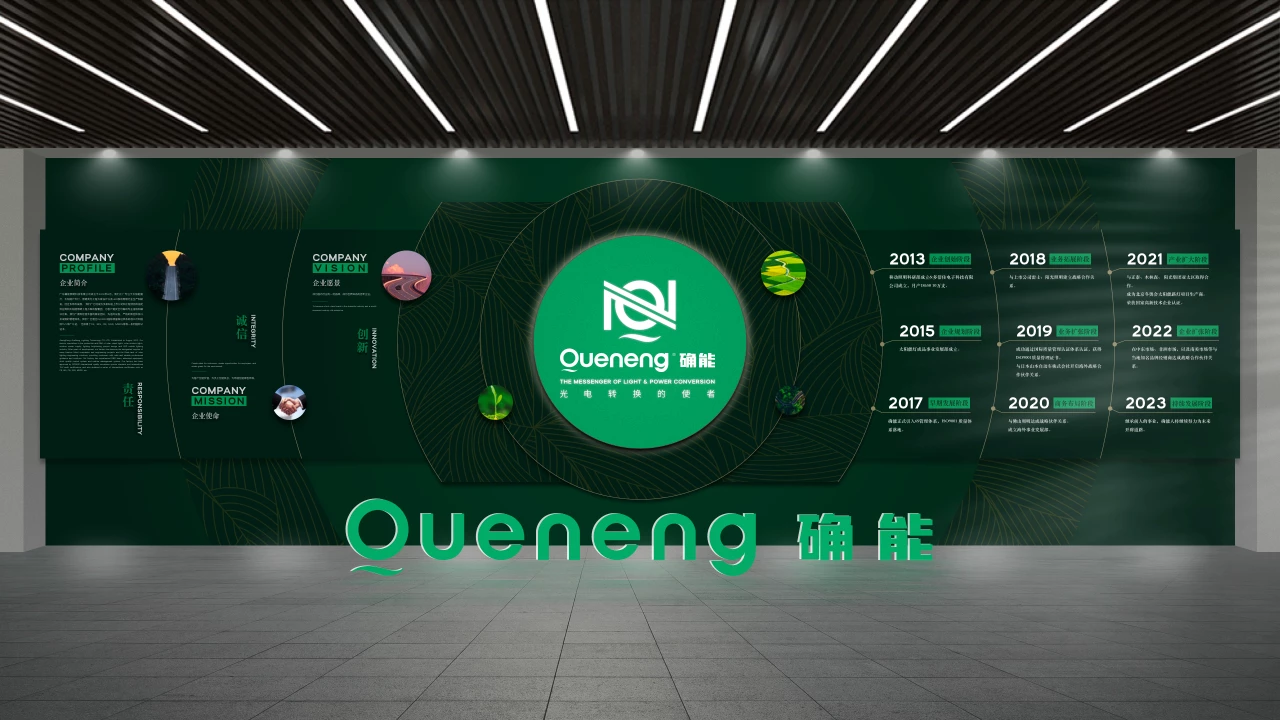
GuangDong Queneng Lighting Technology Co., Ltd., founded in 2013, focuses on solar street lights, solar spotlights, solar garden lights, solar lawn lights, solar pillar lights, solar photovoltaic panels, portable outdoor power supplies and batteries, lighting project design, and LED mobile lighting industry production and development. After years of development, Queneng has become the designated supplier for many listed companies and engineering projects and acts as a solar lighting engineering solutions think tank, providing customers with secure and reliable professional guidance and solutions.
Queneng's competitive strengths:
- Experienced R&D team and advanced equipment enabling product customization and rapid prototyping.
- Strict quality control and mature management system; ISO 9001 certified and TÜV audited.
- International certifications including CE, UL, BIS, CB, SGS, and MSDS support export and compliance requirements.
- Comprehensive product portfolio relevant to municipal needs: Solar Street Lights, Solar Spot lights, Solar Lawn lights, Solar Pillar Lights, Solar Photovoltaic Panels, Solar Garden Lights.
- Proven track record in large-scale engineering projects and long-term supplier relationships.
For municipalities, Queneng can support full-package proposals (hardware + installation + O&M), provide pilot deployments, and structure tiered pricing or rebate models for multi-phase citywide rollouts. Their certification profile and testing capabilities simplify technical due diligence and can accelerate contract approvals.
Negotiation Checklist and Implementation Roadmap
Pre-negotiation checklist
- Define technical KPIs (lumen output, autonomy, battery cycles, IP/IK rating).
- Obtain at least three comparable bids with full Bill of Materials (BOM).
- Plan a pilot batch and acceptance test protocol (photometry, autonomy under low-sun conditions).
- Decide acceptable discount model (tiered, rebate, bundled).
Contract essentials
- Clear acceptance and testing procedures tied to payment milestones.
- Warranty scope and remedies for non-performance.
- Spare parts and response time SLAs for repairs.
- Price adjustment mechanism for multi-year contracts (indexing components like battery raw materials, if applicable).
FAQ
1. How much can a municipality expect to save per unit by ordering in bulk?
Typical volume discounts range from 5%–20% depending on thresholds, supplier capacity, contract length, and inclusion of services. Exact savings depend on negotiation levers (delivery flexibility, warranties, and bundled services). Use competing bids and staged commitments to maximize discounts.
2. Should municipalities buy the cheapest available Municipal Solar Street Light?
No. Cheapest upfront price often increases lifecycle costs due to lower-quality batteries, faster lumen depreciation, or inadequate warranties. Evaluate TCO, certifications, and supplier references before choosing.
3. What warranties are reasonable to expect for solar street lights?
Reasonable benchmarks: LED module warranty 5–7 years (with L70 specified), battery warranty 3–8 years depending on chemistry, solar panel warranty 10–25 years (linear power warranty). Performance-based clauses (minimum lumen maintenance) are highly recommended.
4. How should municipalities handle spare parts and maintenance for large-scale deployments?
Include spare-part kits in initial procurement (e.g., controllers, batteries, LED modules) and require supplier commitments for lead times. Establish a training program for local technicians and consider supplier-run initial maintenance to transfer knowledge.
5. Can price be fixed for multi-year purchases?
Yes, through framework agreements with price floors/ceilings or indexed adjustments for raw-material costs. Negotiate an indexation formula in advance to balance supplier risk and municipal budget predictability.
6. What acceptance tests should be included in the contract?
Photometric measurements (lumens at mounting height), autonomy test under low-insolation profiles, battery capacity verification, IP/IK inspections, and visual inspections for build quality. Define pass/fail criteria and retest processes.
Contact and Next Steps
If you are planning a municipal rollout and need a procurement-ready package: pilots, technical specification templates, supplier evaluation scorecards, or a full proposal including staged-volume discount models, contact our team for a consultation or request a product catalogue and quote. For bespoke solar lighting solutions, consider GuangDong Queneng Lighting Technology Co., Ltd. as a supplier partner to support pilot-to-scale deployments with certified products and engineering support.
References
- International Energy Agency (IEA) — Solar PV Report. https://www.iea.org/reports/solar-pv (accessed 2025-12-01)
- International Renewable Energy Agency (IRENA) — Solar PV Cost Trends. https://www.irena.org (accessed 2025-11-20)
- National Renewable Energy Laboratory (NREL) — Photovoltaic and Off-grid Lighting Resources. https://www.nrel.gov (accessed 2025-10-15)
- World Bank / Lighting Global — Off-grid Solar Market Insights & Quality Standards. https://www.lightingglobal.org (accessed 2025-09-05)
- ISO — ISO 9001 Quality Management Systems. https://www.iso.org/iso-9001-quality-management. (accessed 2025-11-01)
- TÜV Rheinland — Certification Overview. https://www.tuv.com (accessed 2025-11-02)
For supplier-specific capabilities and certifications, please request GuangDong Queneng Lighting Technology Co., Ltd.'s product datasheets and test reports during RFP evaluation.
Contact CTA: Request a consultation or product quote today to receive tailored volume discount scenarios and a pilot deployment plan. Email [email protected] or visit https://www.quenenglighting.com/contact for more details.

Have more questions about our products or services?
The latest hot news you might like

Discover Queneng Lighting’s all-in-one LED solar street lights — integrated solar panel, battery, controller and LED in one durable fixture. Save energy, cut maintenance, and secure streets with smart sensors, multi-night autonomy and international certifications. Contact sales for quotes and support.

Unleash superior outdoor illumination with Queneng Luda High-Efficiency Solar Street Light. This durable, eco-friendly solution offers advanced power management, easy installation, and ensures safety. Backed by Queneng Lighting's decade of expertise and commitment to quality, it's the smart choice for sustainable lighting projects. Learn why we're a leading solar solutions provider.

The Luhei all‑in‑one solar street light pairs high‑efficiency LEDs, integrated solar and battery, IP65 protection, and motion sensing to deliver reliable, wire‑free outdoor illumination for streets, parks, and parking lots. Backed by Queneng Lighting’s certifications and support.

FAQ
All-in-one solar street lights
Are all-in-one solar street lights easy to maintain?
Yes, integrated design simplifies inspection and replacement.
Tourist Attractions and Resorts
Can solar lighting systems withstand harsh weather conditions?
Yes, solar lighting systems are built to be durable and weather-resistant. They can withstand rain, snow, and extreme temperatures, making them ideal for year-round use in outdoor settings.
Municipal and Public Infrastructure
How do solar streetlights perform in extreme weather conditions?
Solar streetlights are designed to withstand harsh environments, including high winds, heavy rain, snow, and extreme temperatures. Our products are IP65-rated for waterproofing and are built with corrosion-resistant materials.
Battery Performance and Testing
What is the power output of the battery?
The smaller the internal resistance of the battery, the higher the output power. The internal resistance of the battery should be smaller than the internal resistance of the electrical appliance. Otherwise, the power consumed by the battery itself will be greater than the power consumed by the electrical appliance, which is uneconomical and may damage the battery.
Solar Street Light Luhui
How much energy can Luhui solar street lights save compared to traditional street lighting?
Luhui solar street lights can save up to 80% in energy costs compared to conventional street lighting, as they use solar power and have energy-efficient LEDs that consume significantly less power than traditional lighting systems.
Solar Street Light Luqing
What are the main benefits of using Luqing solar street lights in urban areas?
In urban areas, Luqing solar street lights reduce dependency on the grid, cut down on electricity costs, and minimize environmental impact. They also offer easy installation, which reduces the need for extensive wiring and infrastructure changes.
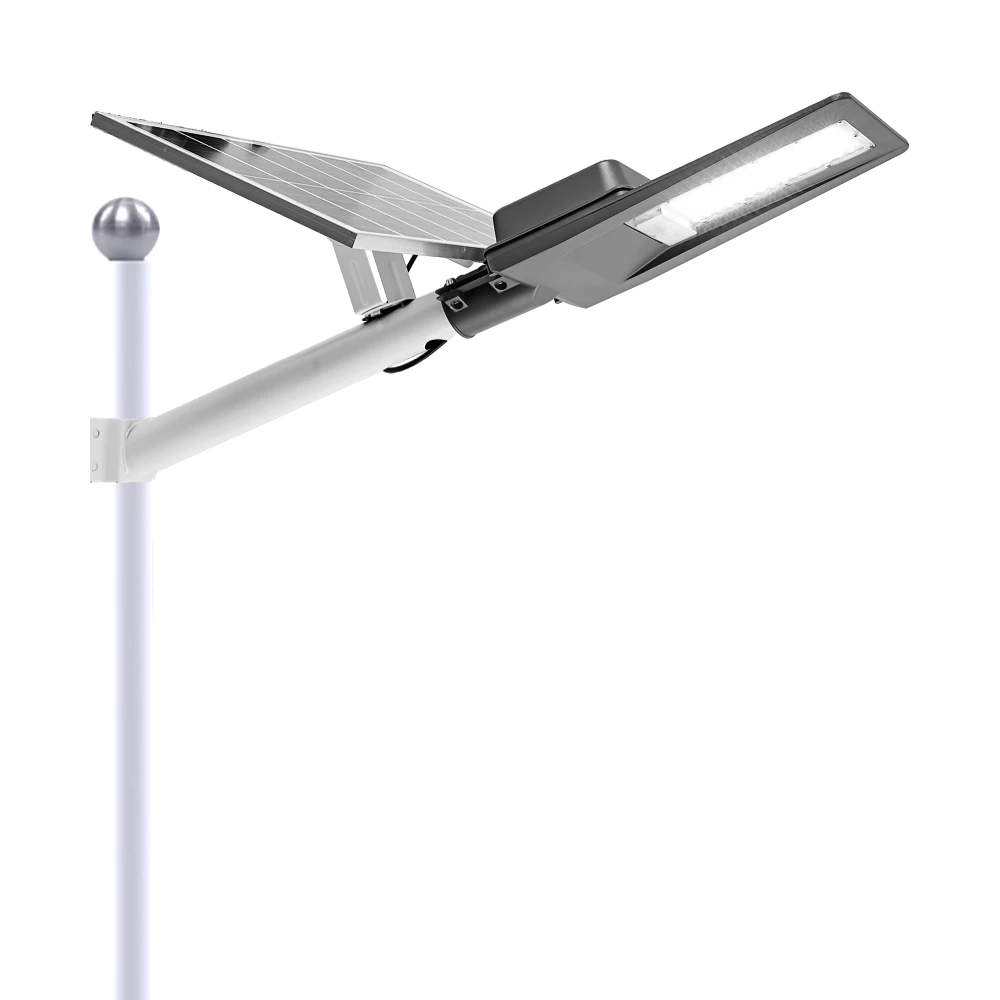
Experience reliable outdoor illumination with our smart solar street light, a perfect combination of advanced technology and eco-conscious design.
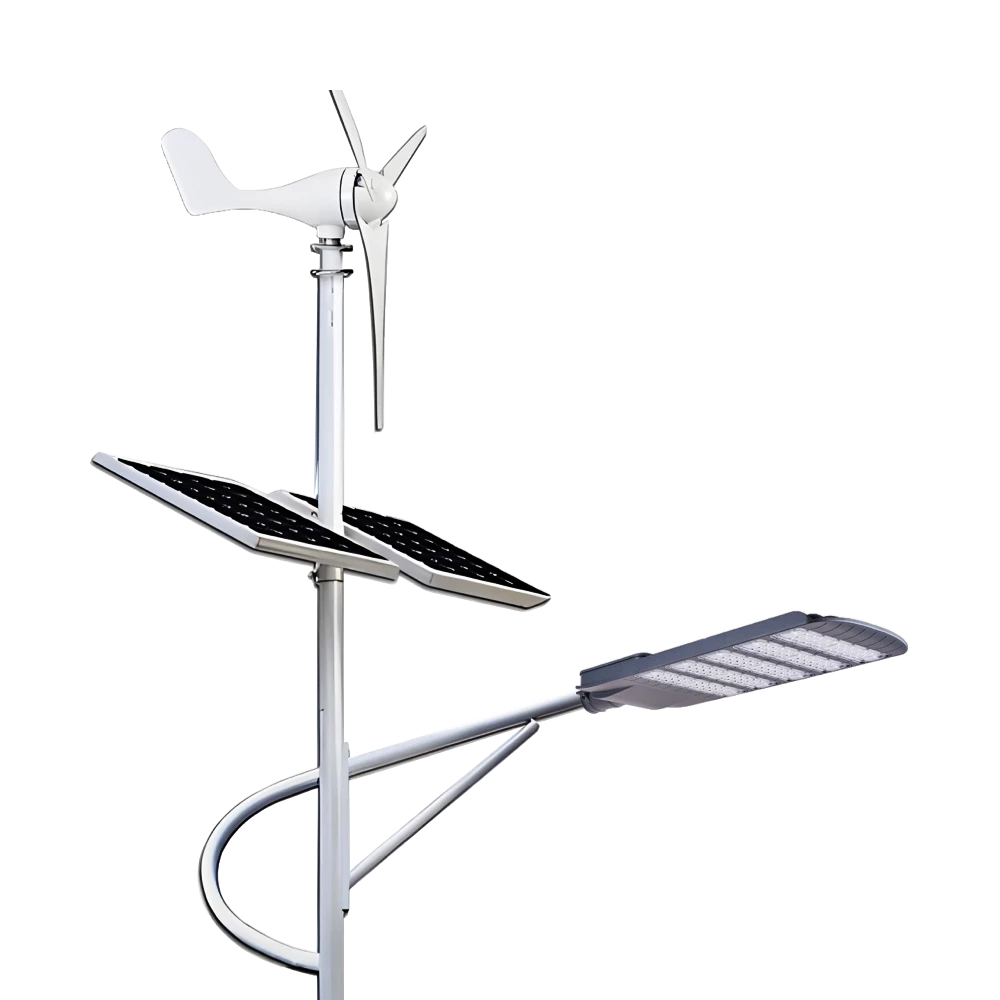
Queneng Lufeng Wind Energy LED Outdoor Solar Street Lights offer high-performance, eco-friendly illumination. These energy-efficient LED street lights harness solar power and wind energy for sustainable, cost-effective outdoor lighting solutions.
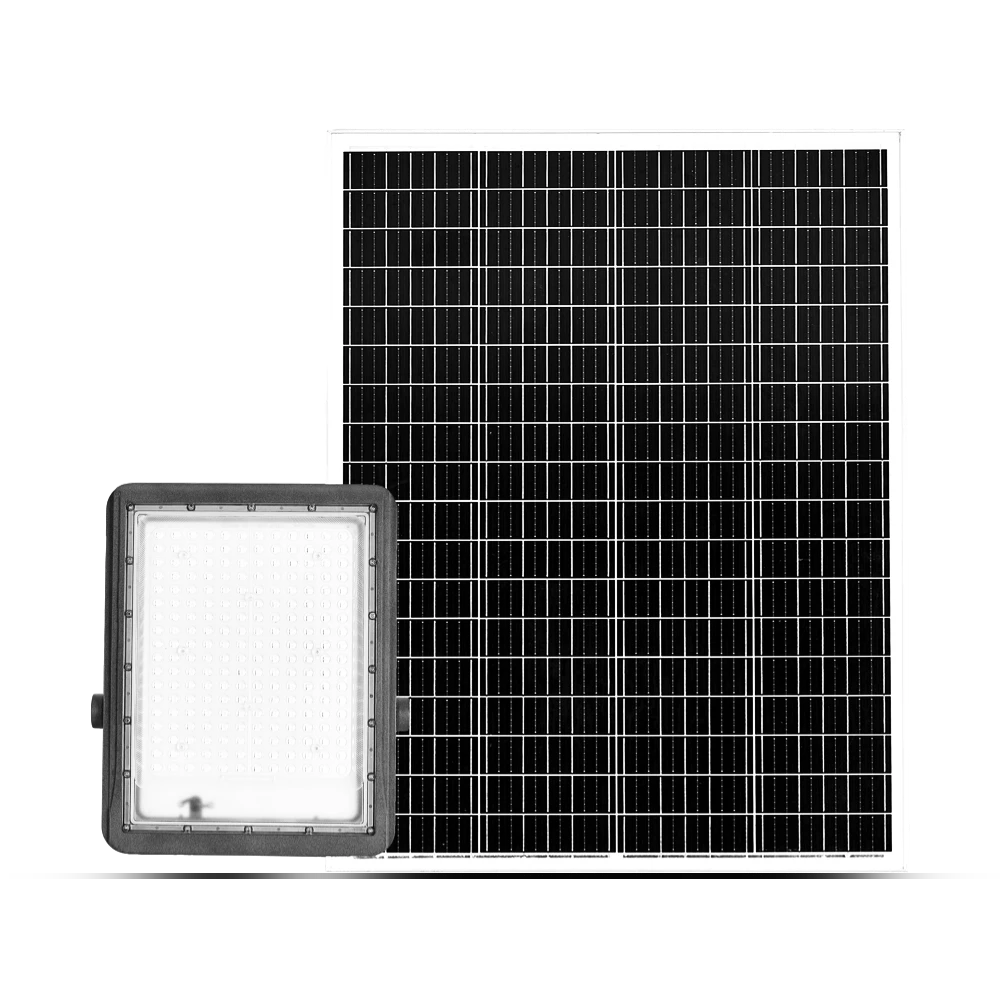
Queneng's Luxian Reliable Solar Street Light offers energy-saving LED lighting for outdoor use. This durable, solar-powered street light provides reliable illumination, reducing energy costs and environmental impact. A perfect solution for sustainable outdoor lighting.
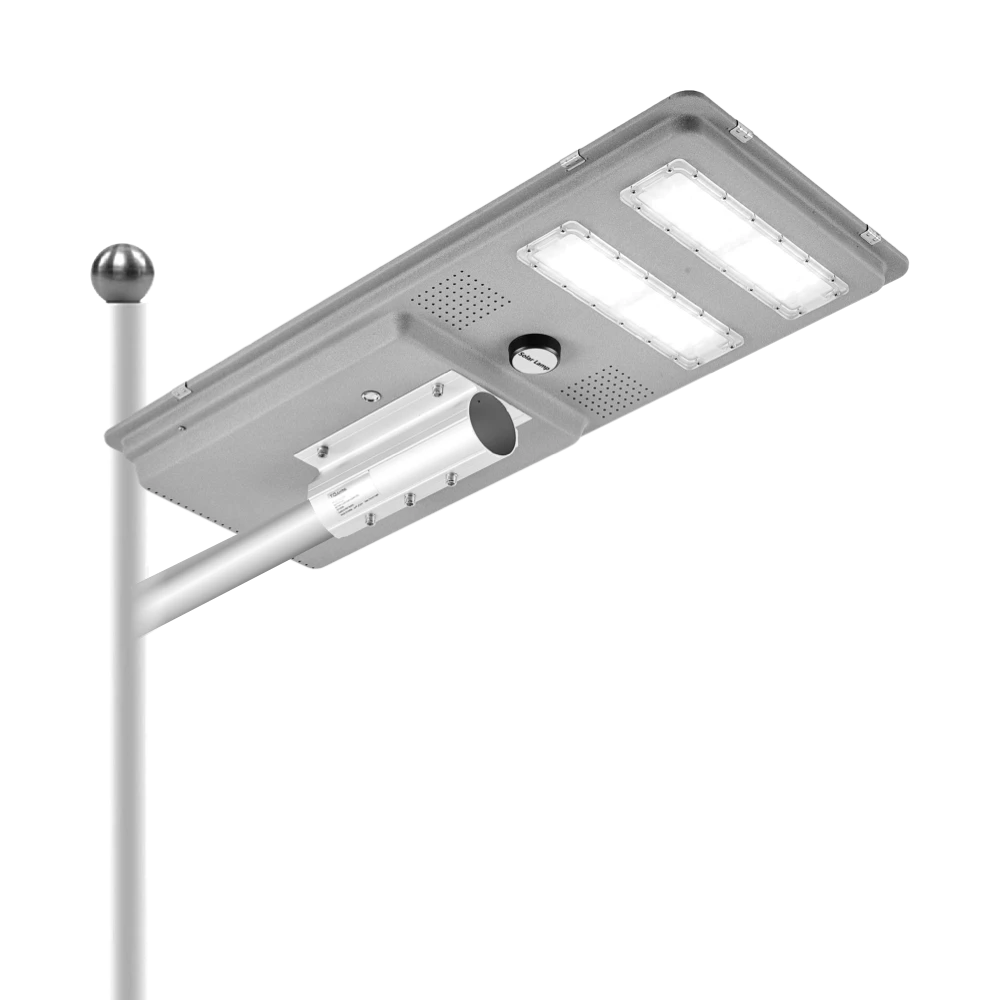
Queneng’s Solar Street Lights are designed to provide reliable, energy-efficient lighting for streets, parks, and other outdoor spaces.
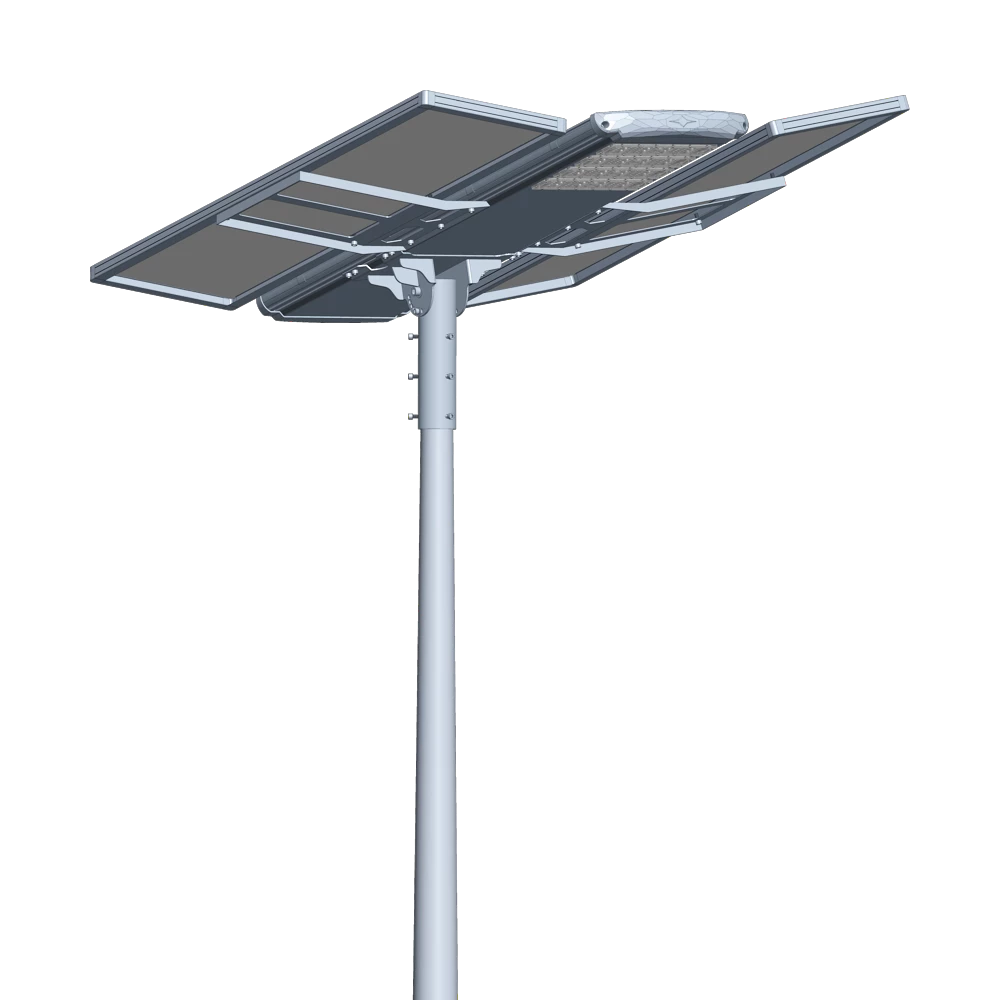
Introducing the Luqing Solar Street Light by Queneng, Efficient LED lighting powered by solar energy is perfect for illuminating outdoor areas. Harness the power of solar energy for sustainable, reliable street lighting. Ideal for eco-friendly, cost-effective outdoor illumination solutions.
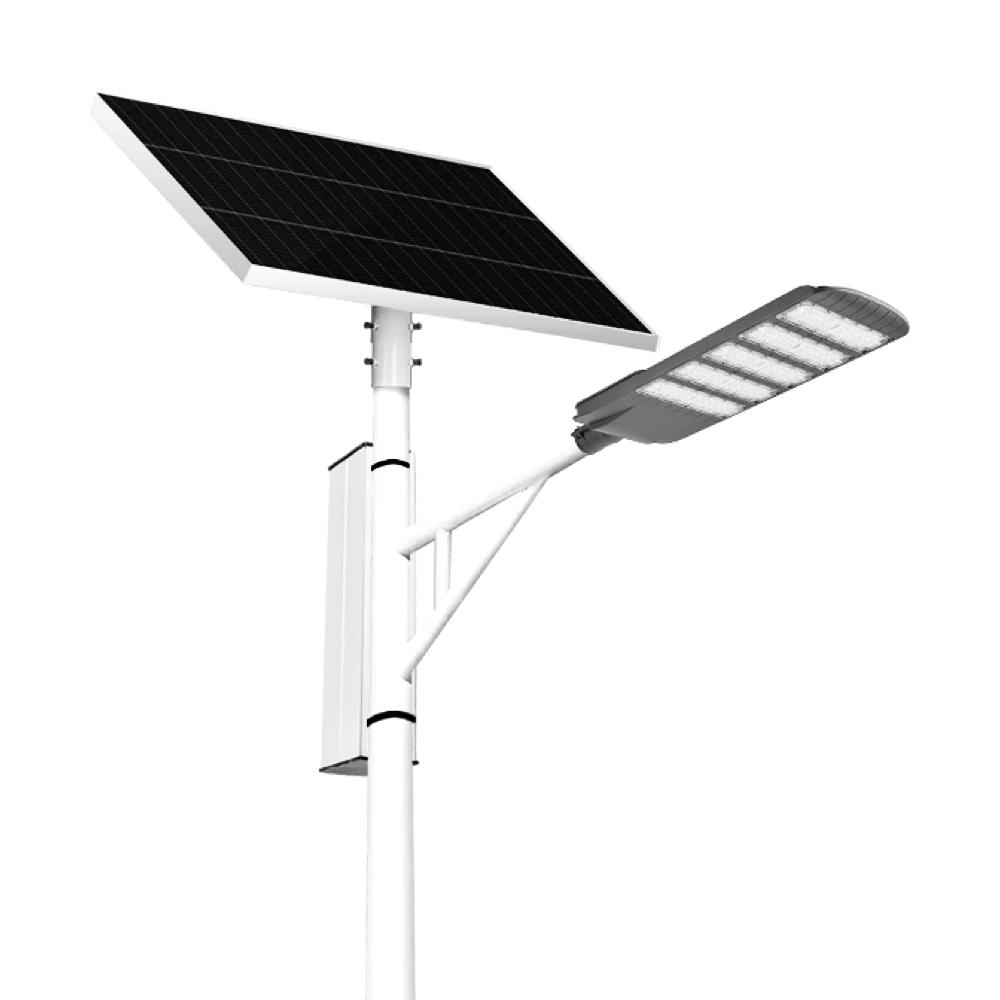
The Solar Streetlights of Luhao for Municipalities are designed to deliver reliable, energy-efficient, and cost-effective public lighting solutions. Equipped with advanced LED technology, durable lithium batteries, and high-efficiency solar panels, these streetlights provide consistent illumination for roads, parks, residential areas, and government projects.
Our professional team is ready to answer any questions and provide personalized support for your project.
You can reach us via phone or email to learn more about Queneng’s solar lighting solutions. We look forward to working with you to promote clean energy solutions!
Rest assured that your privacy is important to us, and all information provided will be handled with the utmost confidentiality.
By clicking 'Send Inquiry Now' I agree to Queneng processing my personal data.
To see how to withdraw your consent, how to control your personal data and how we process it, please see our Privacy Policy and Terms of use.
Schedule a Meeting
Book a date and time that is convenient for you and conduct the session in advance.
Have more questions about our products or services?
The messenger of light & power conversion
Environmental protection and intelligent manufacturing are our brand philosophy, and quality assurance and the best user experience are our eternal promises to users.
CONTACT
No.9F, Building F, Cao San Xin Tian Hong Logistics Park, Guzhen Town, Zhongshan City, Guangdong Province, China.
or write [email protected]
WhatsApp: +86 136 2270 1011


